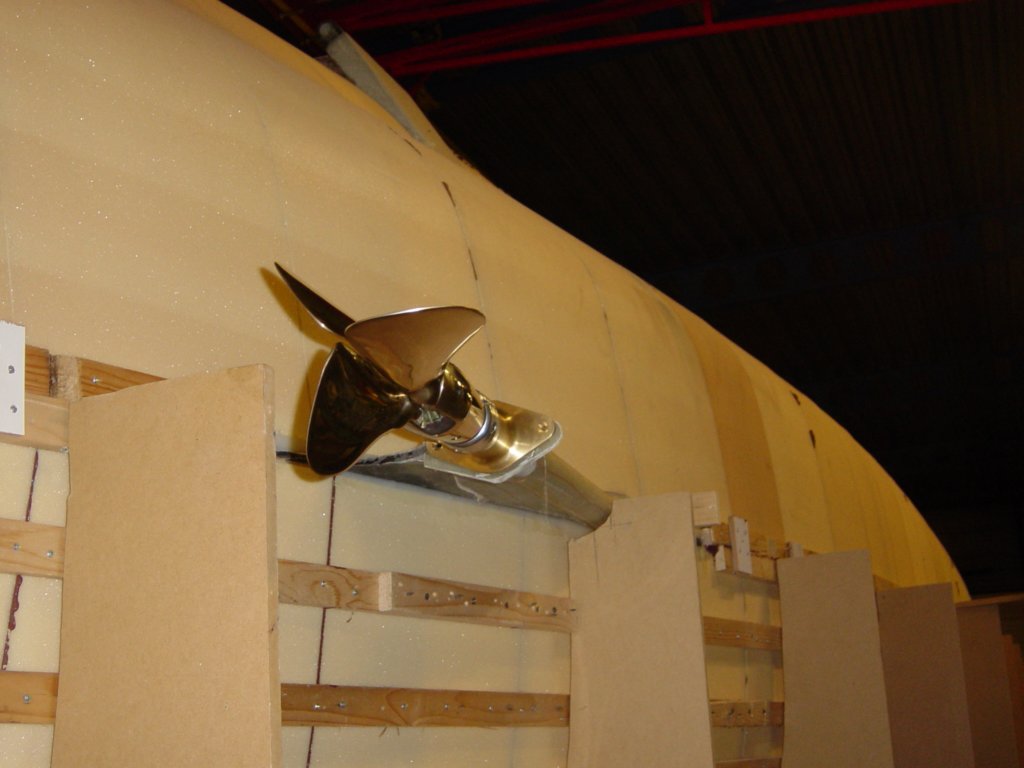
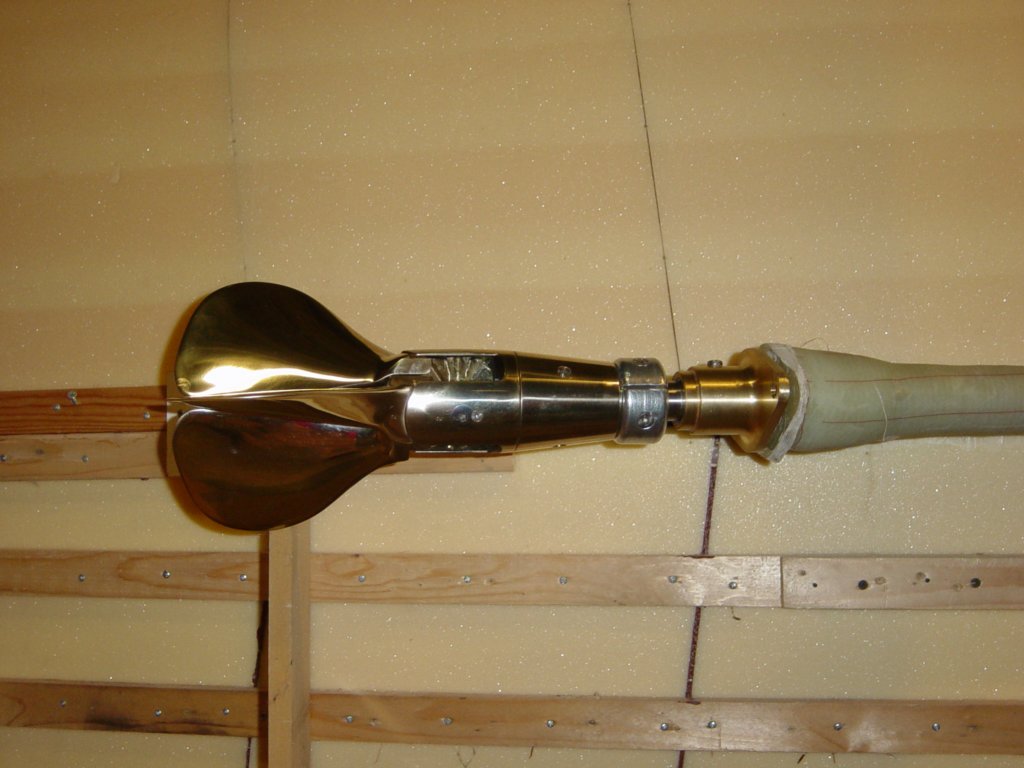
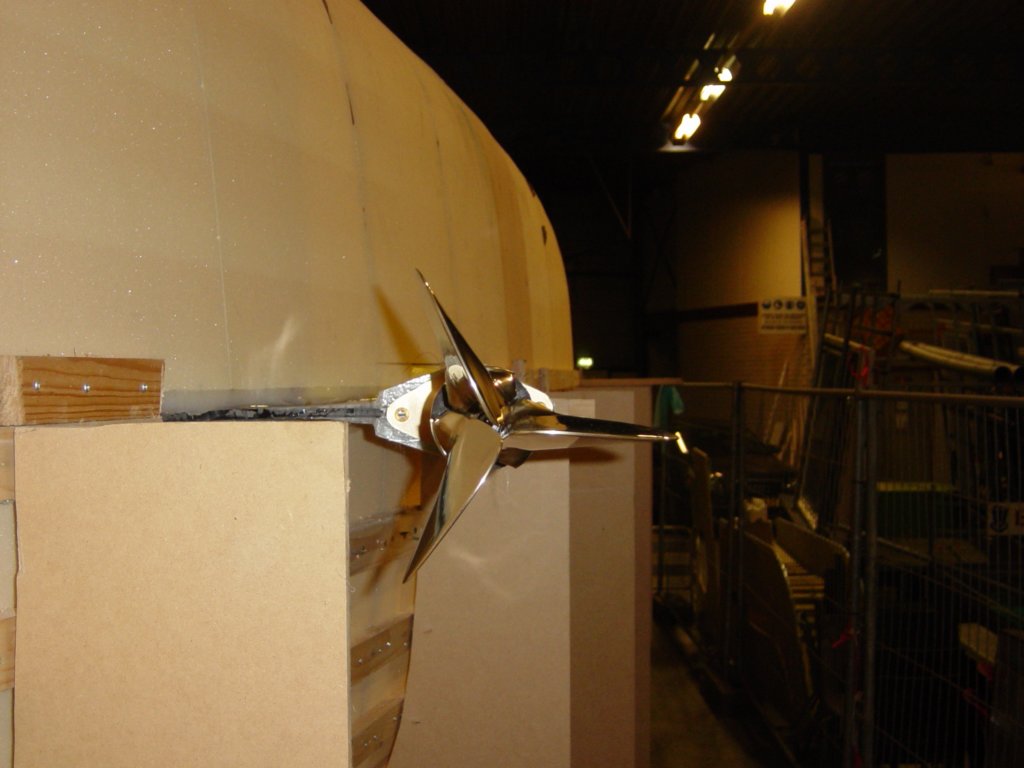
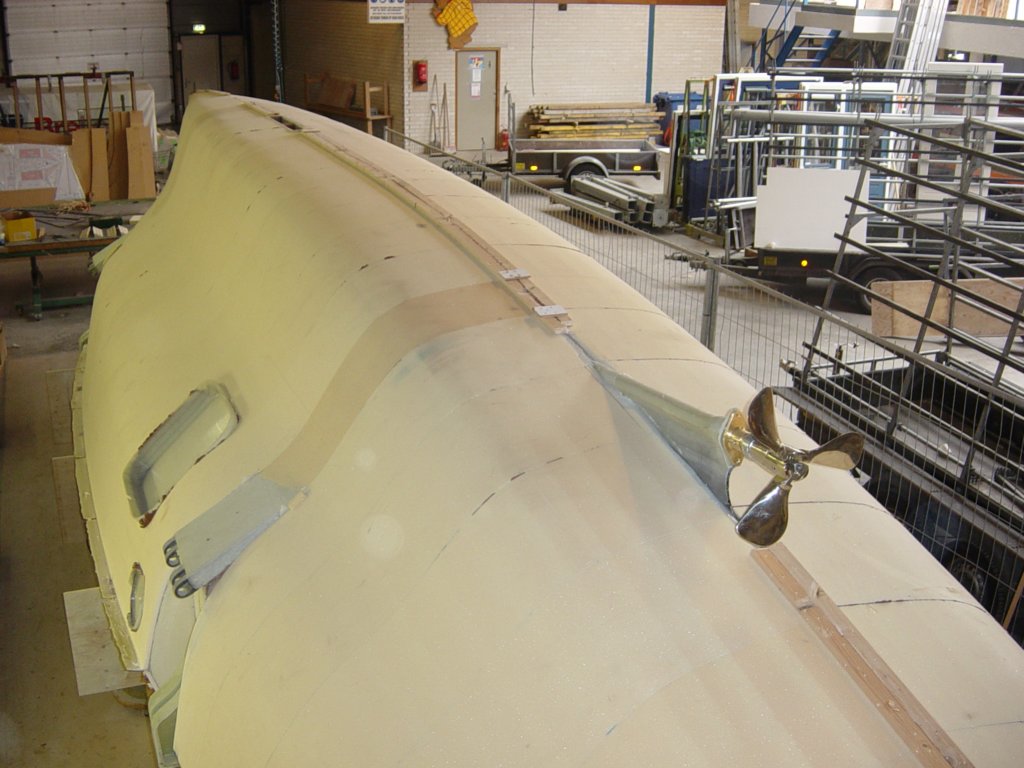
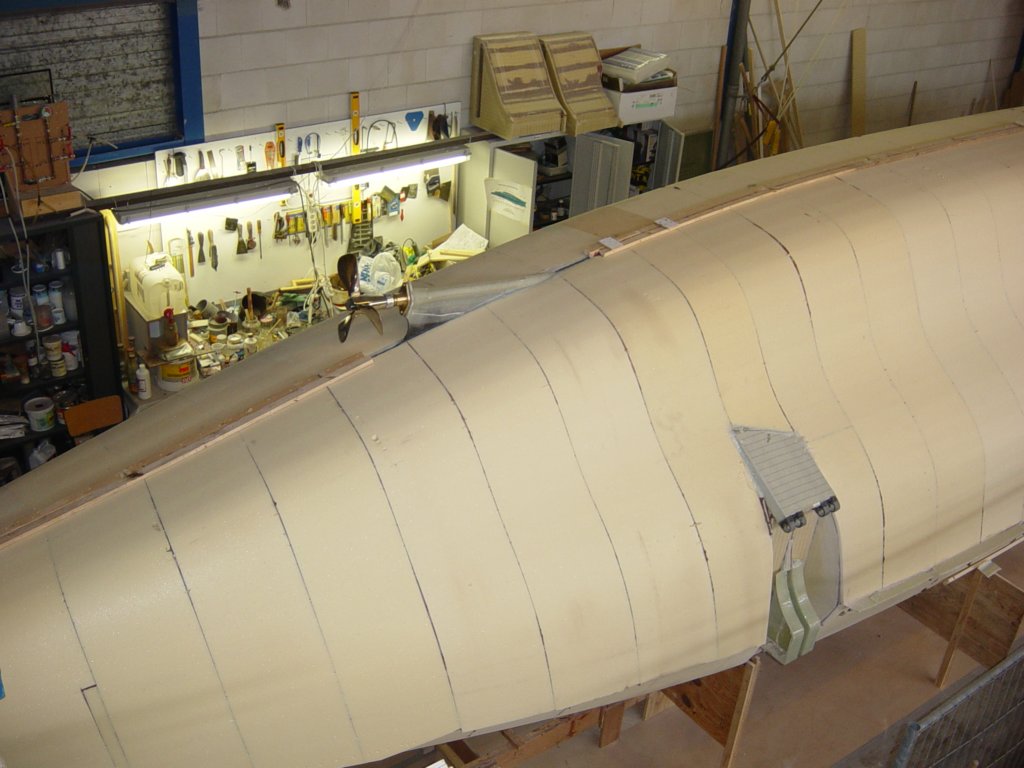
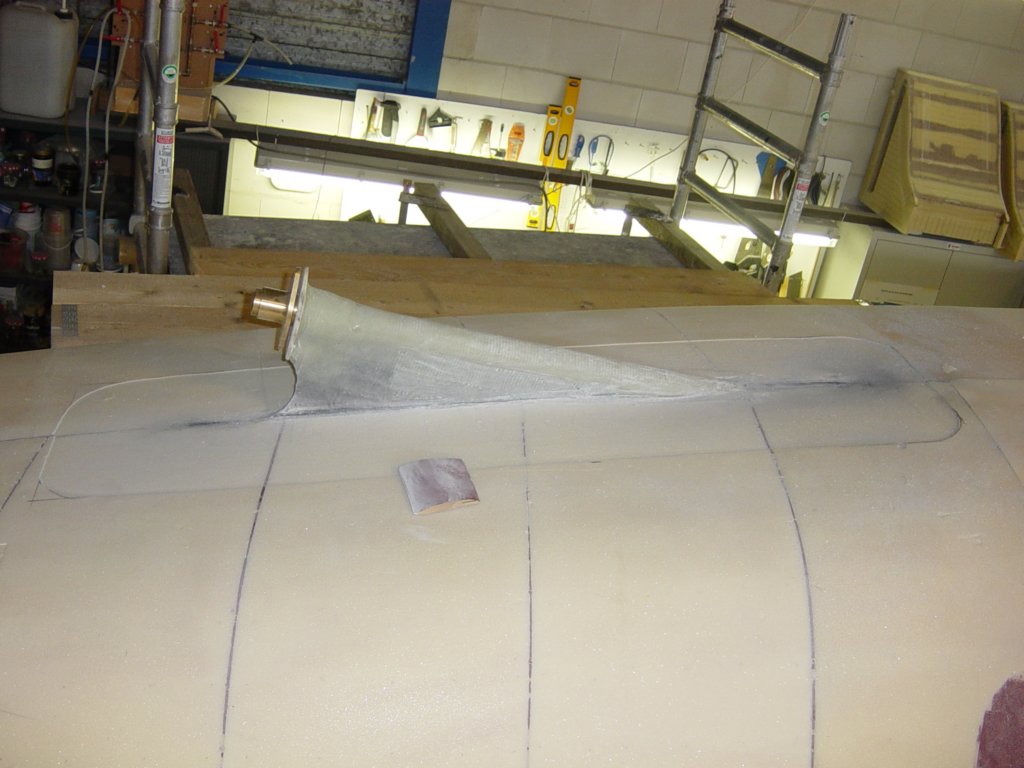
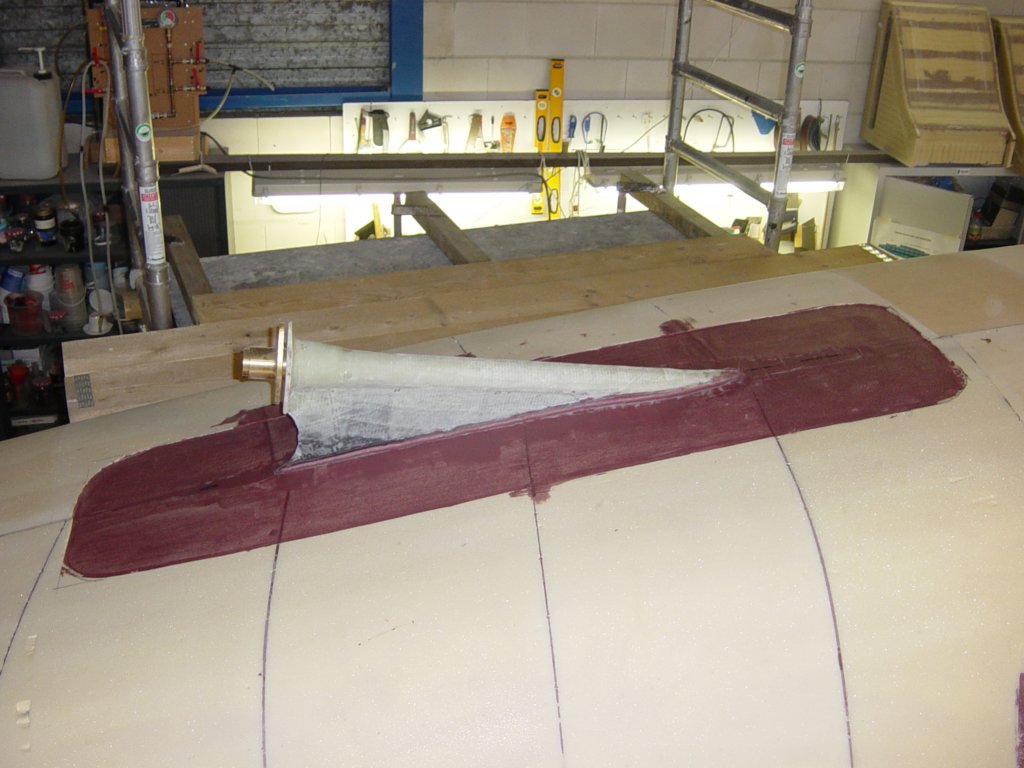
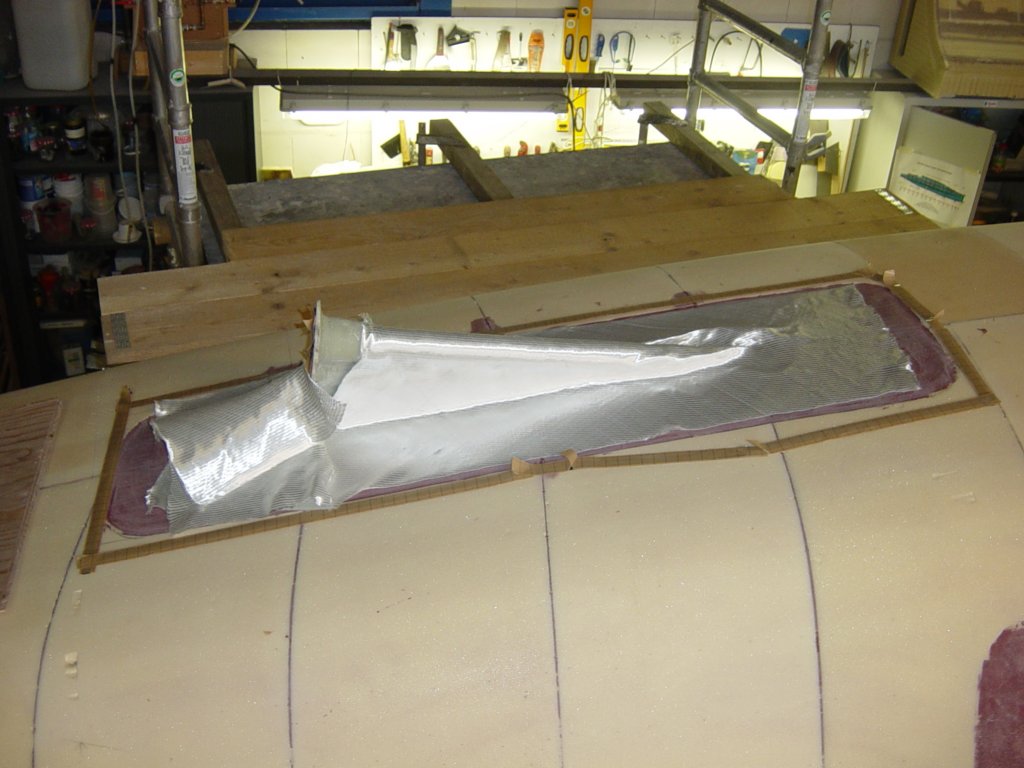
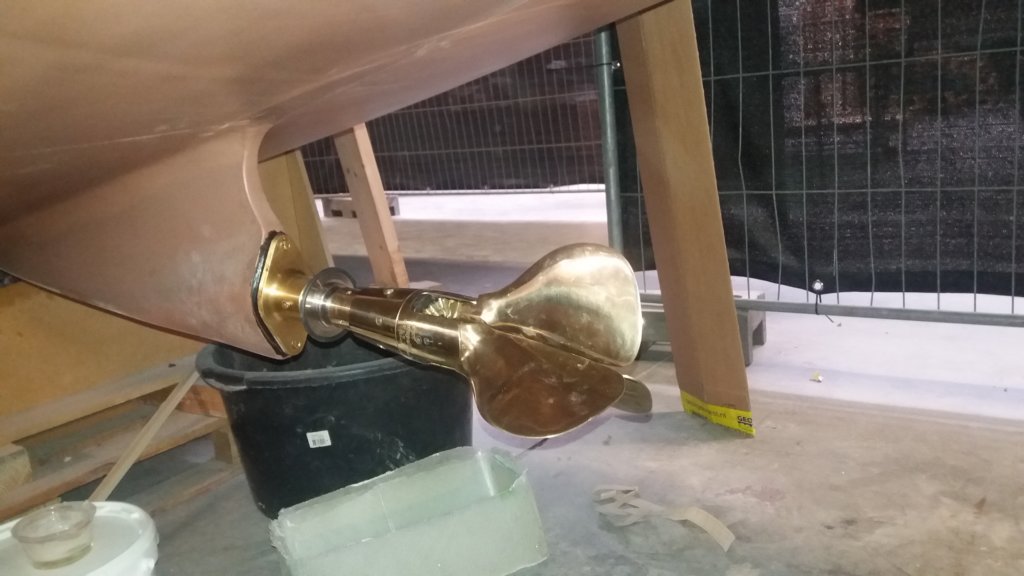
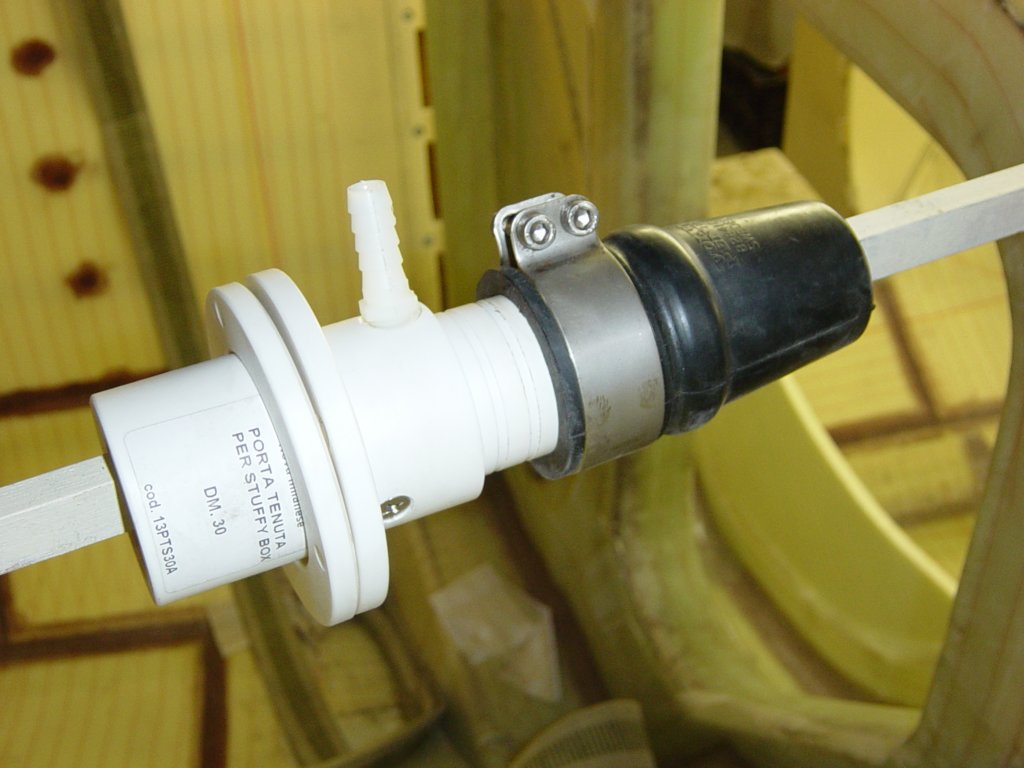
The propulsion system combines a composite skeg with an integrated stern tube, shaft support and a low-drag folding propeller solution, tailored for a fast trimaran.
Stern Tube
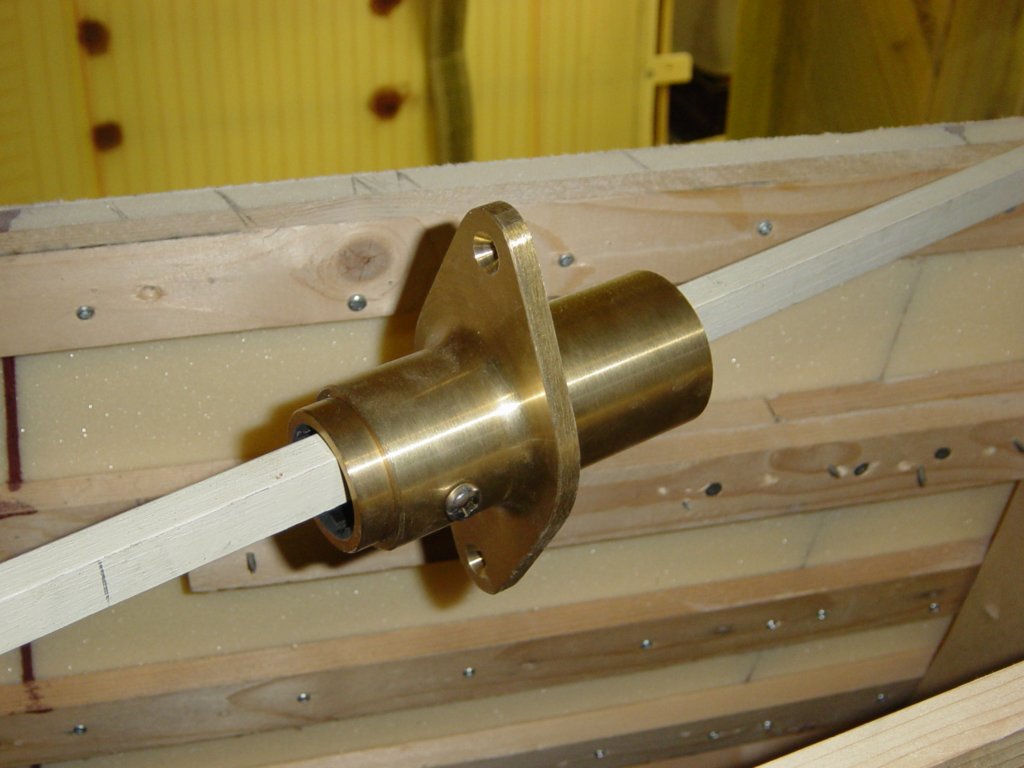
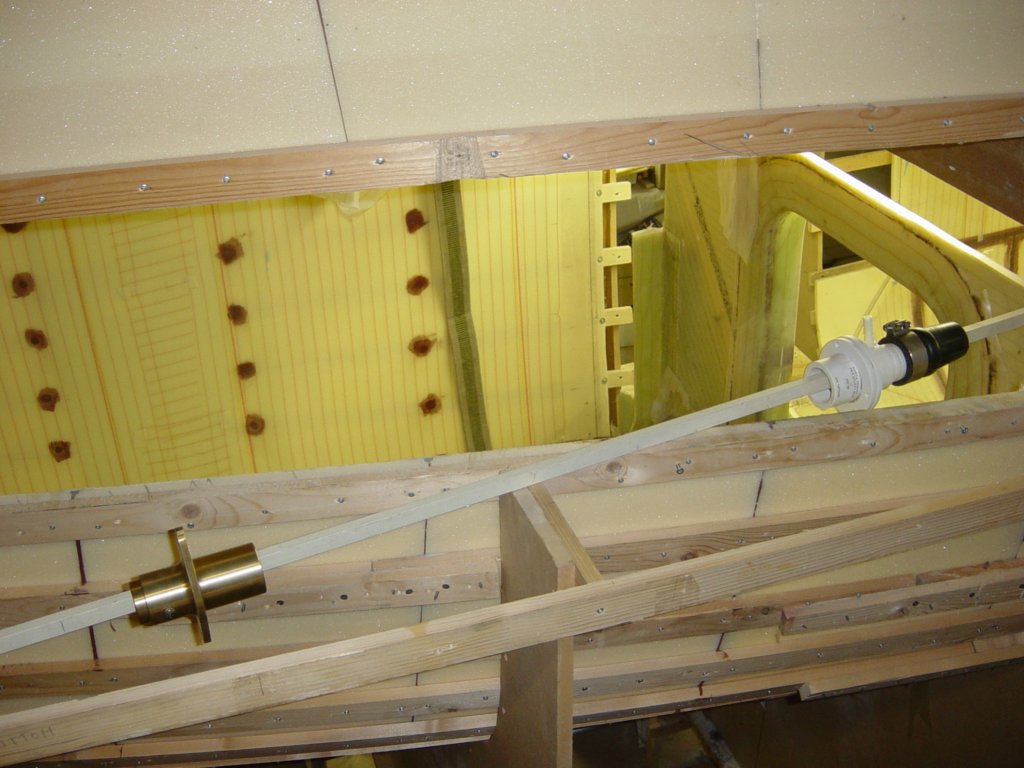
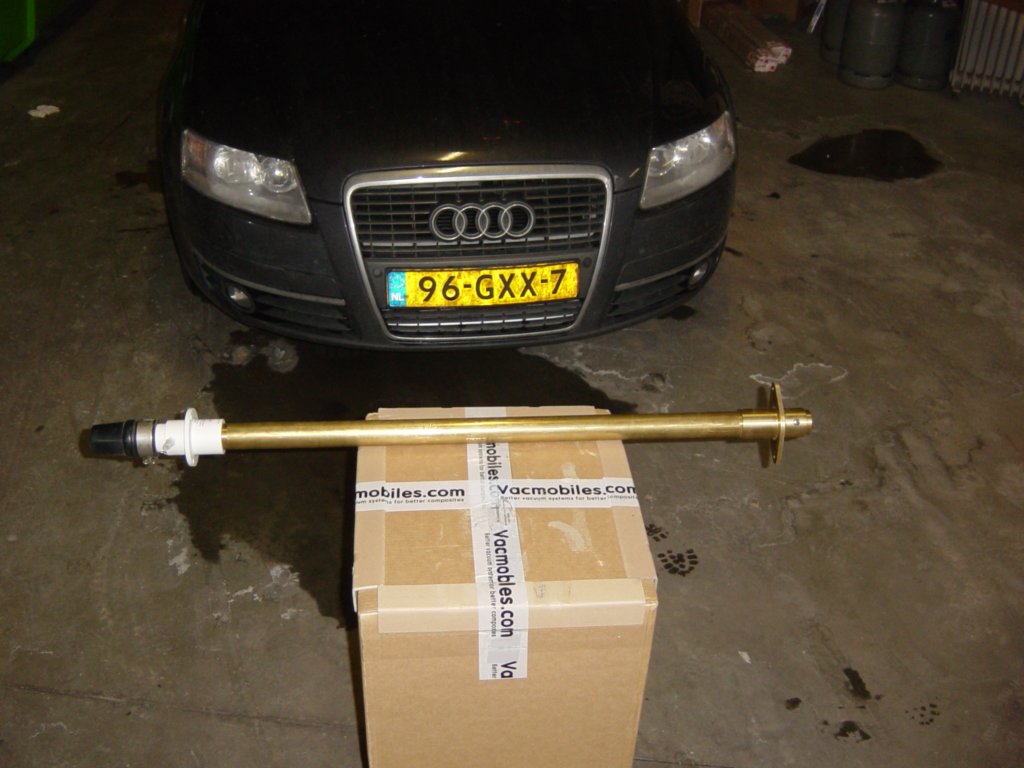
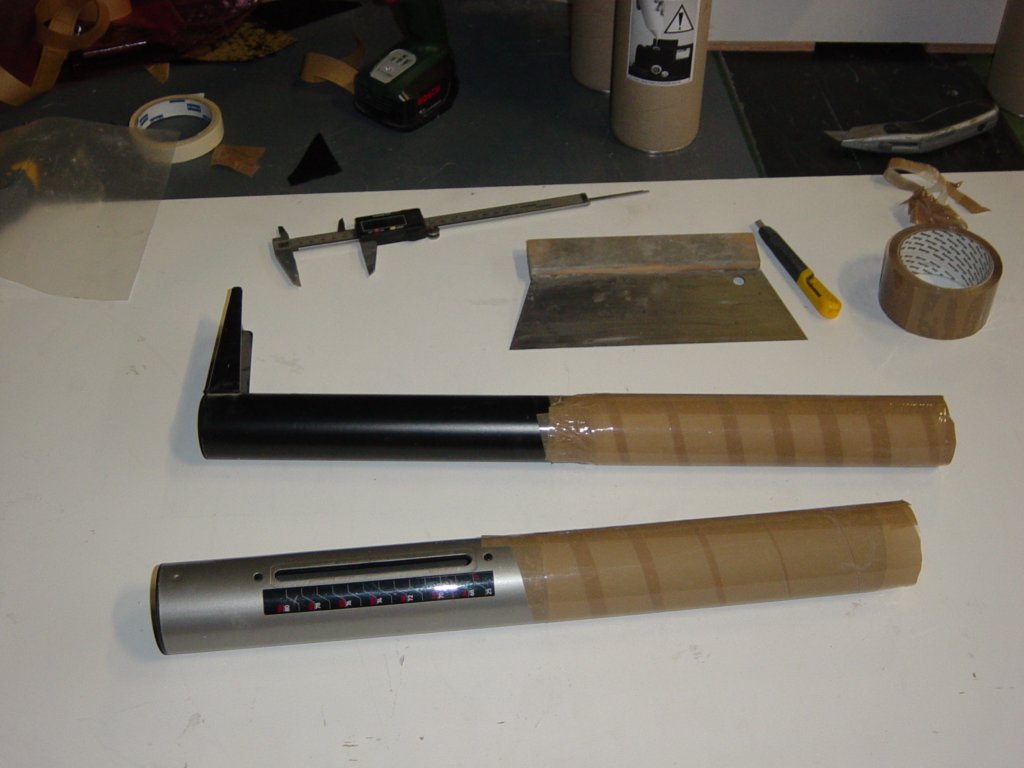
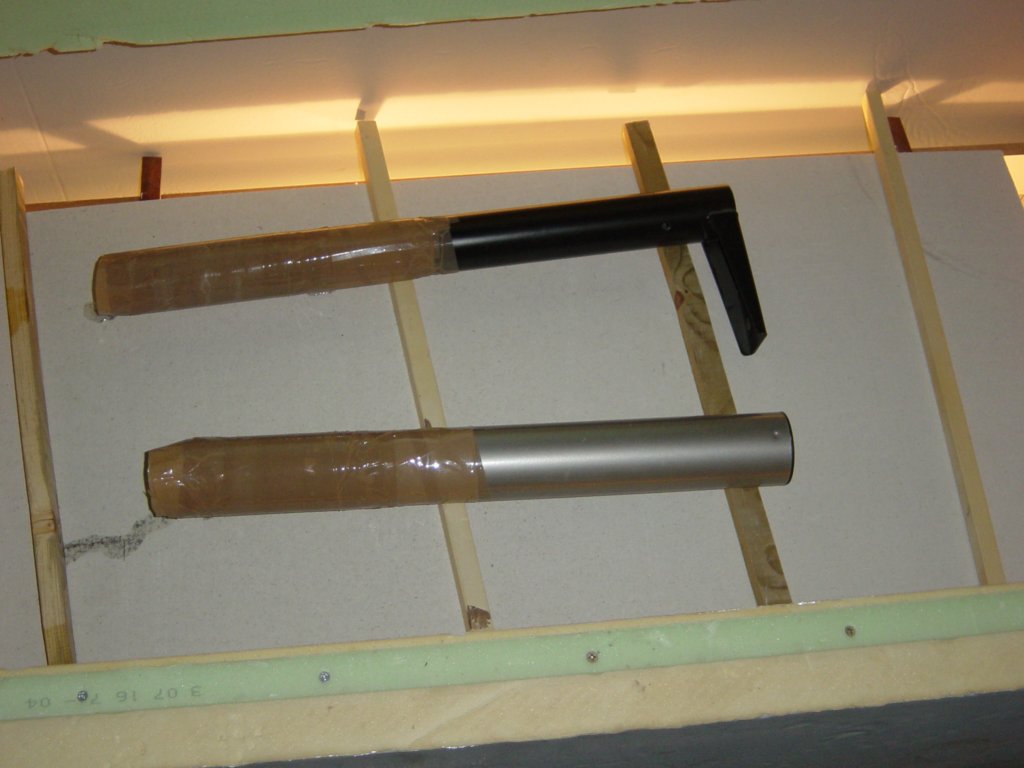
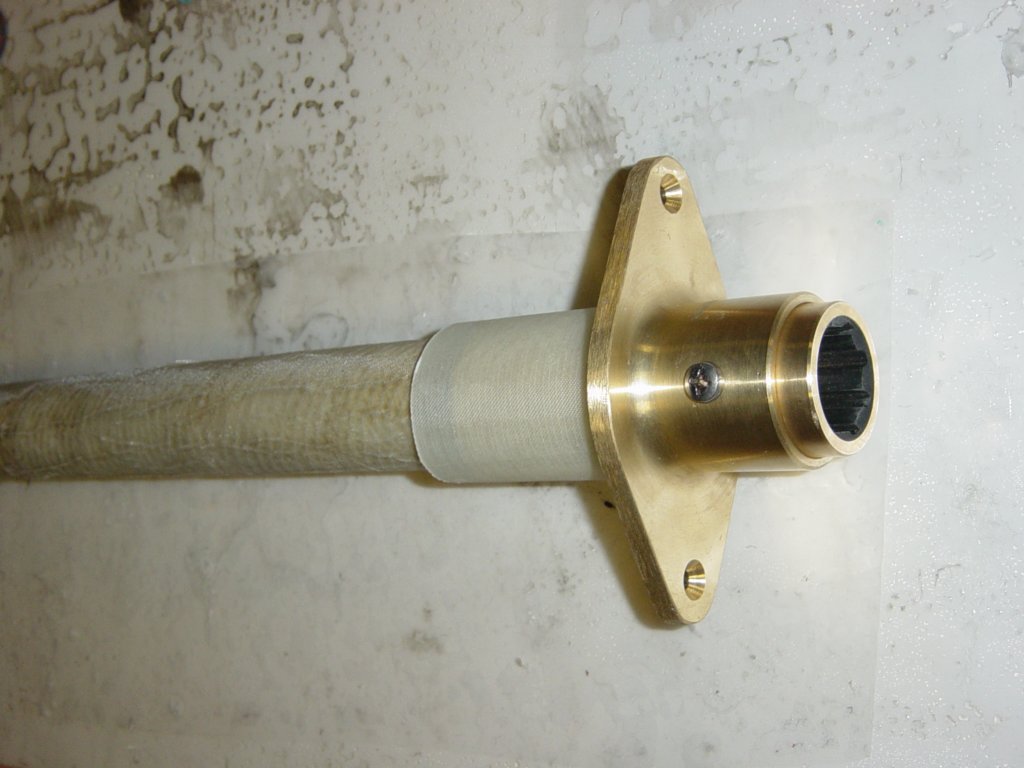
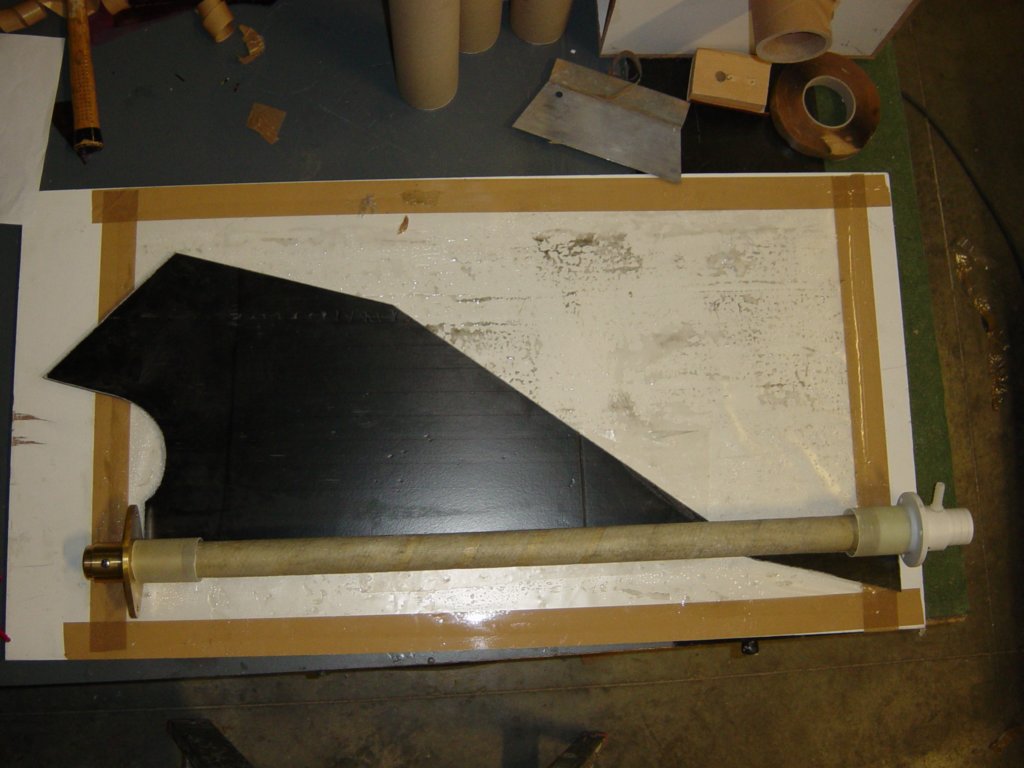
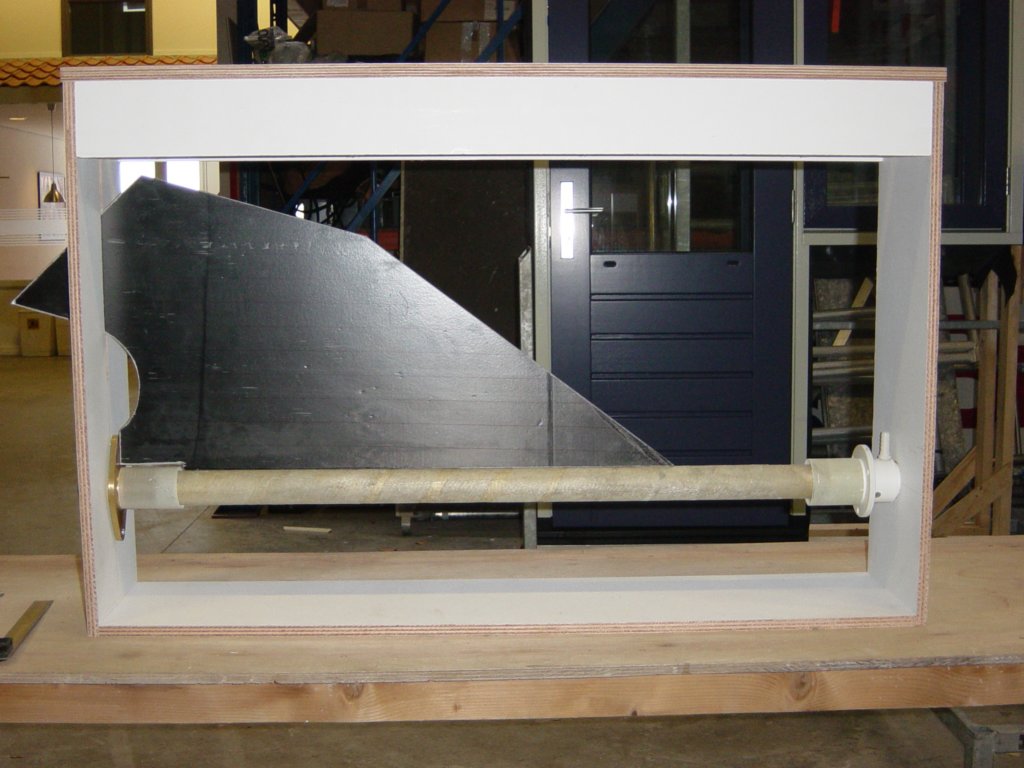
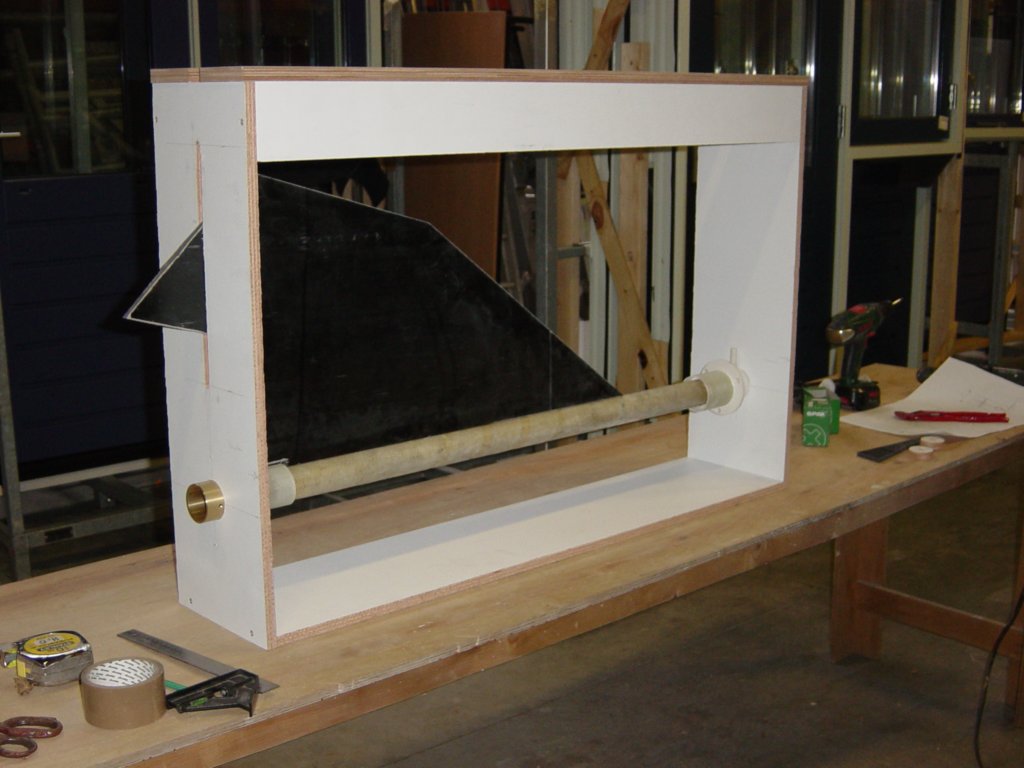
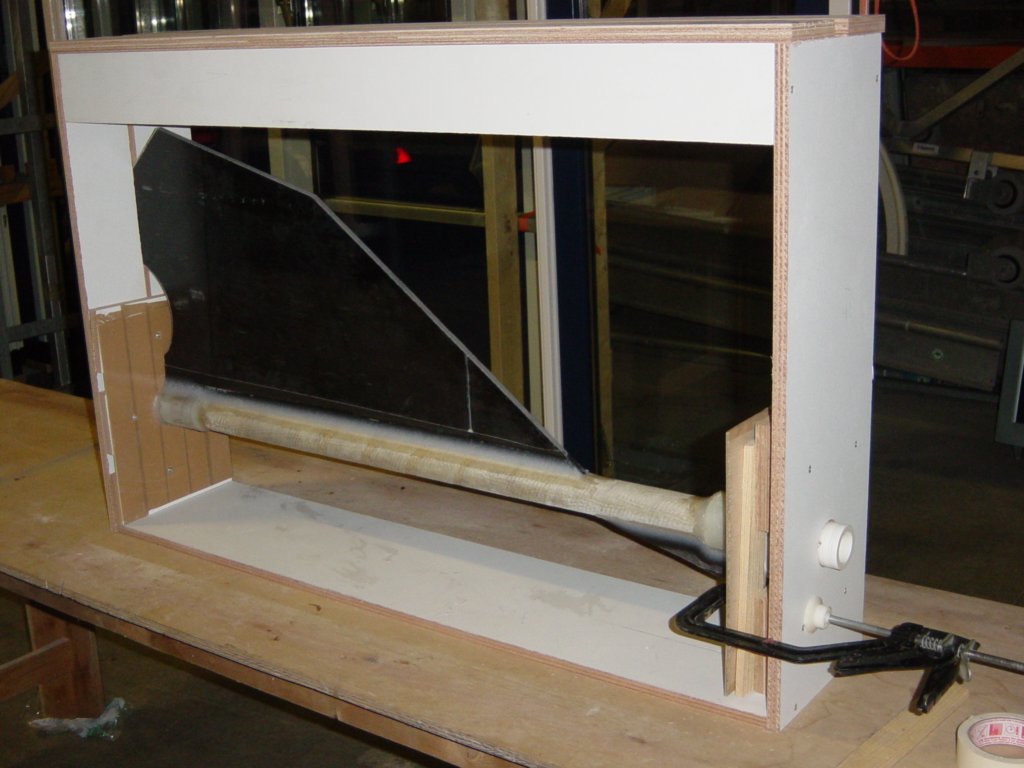
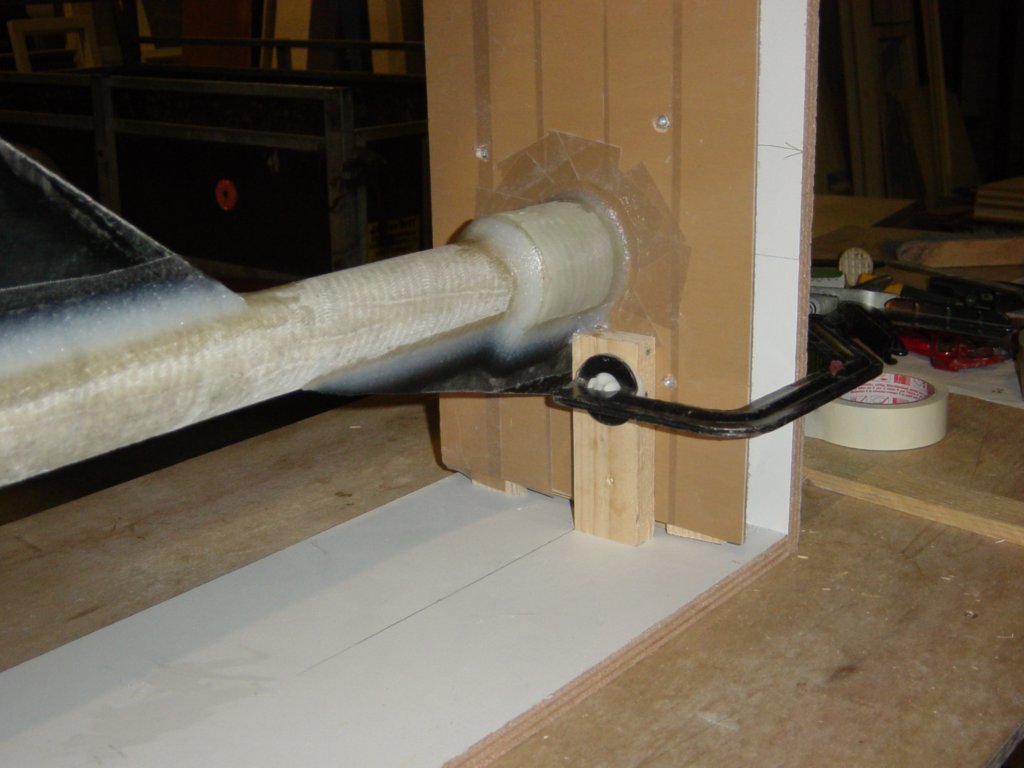
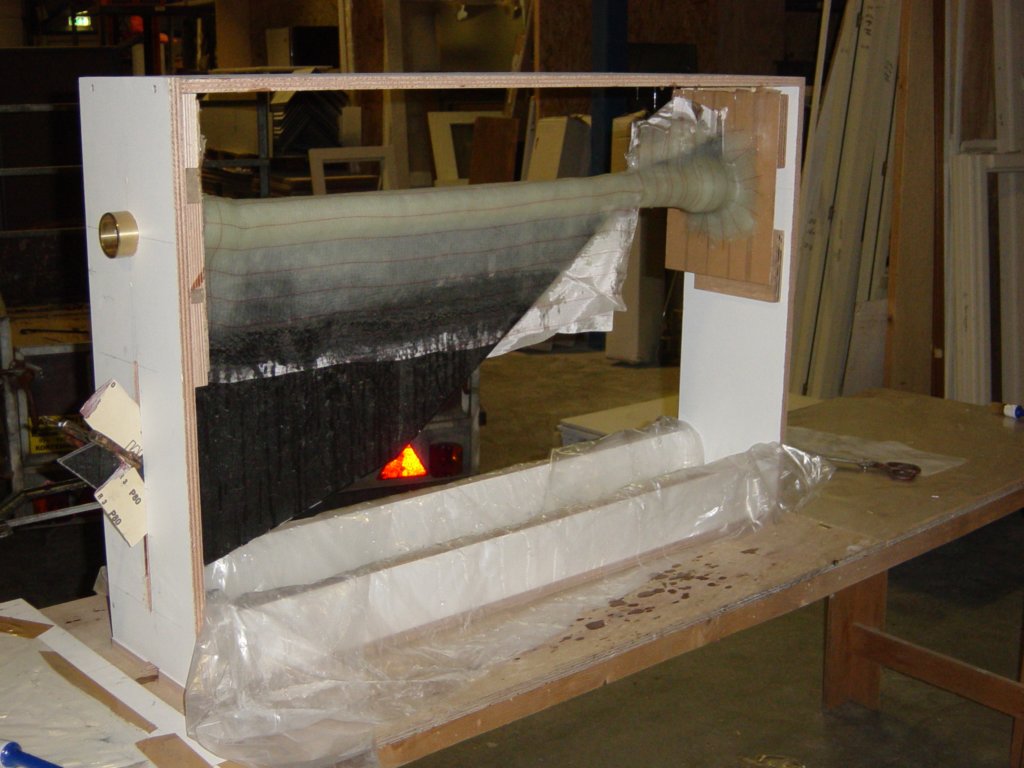
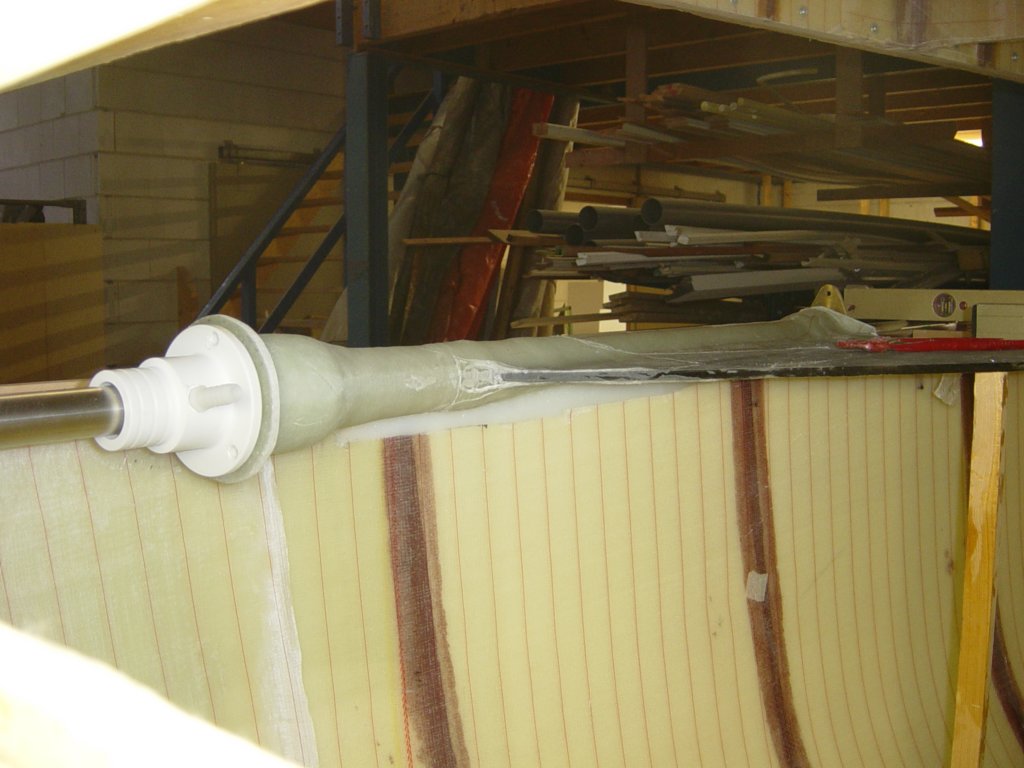
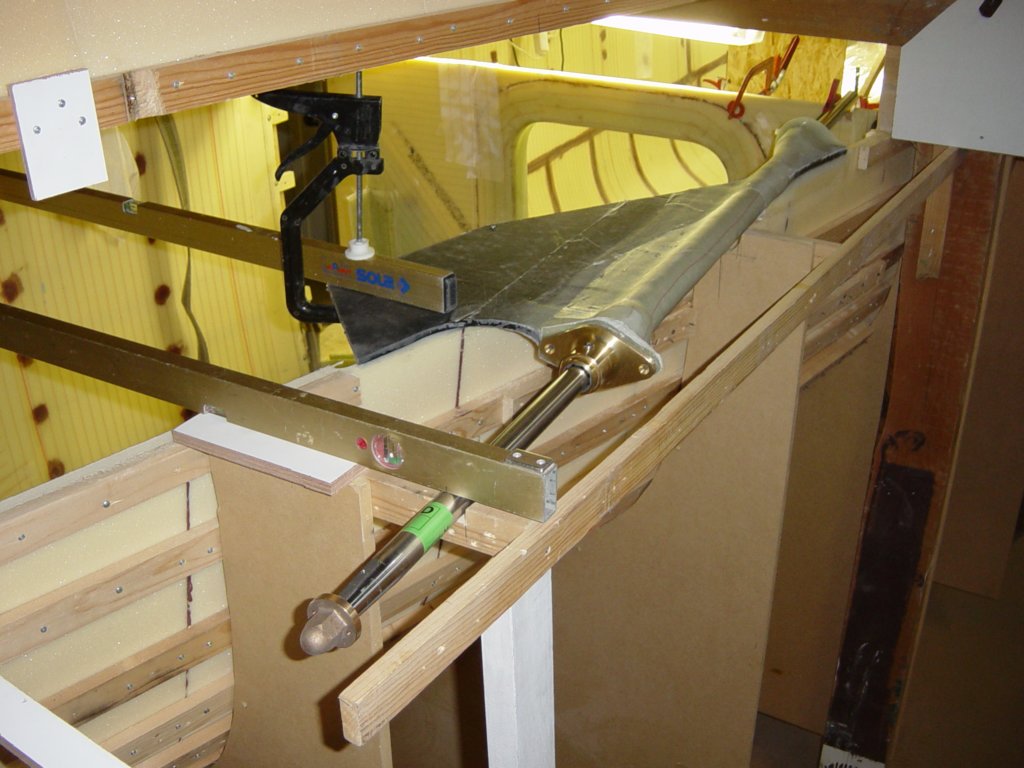
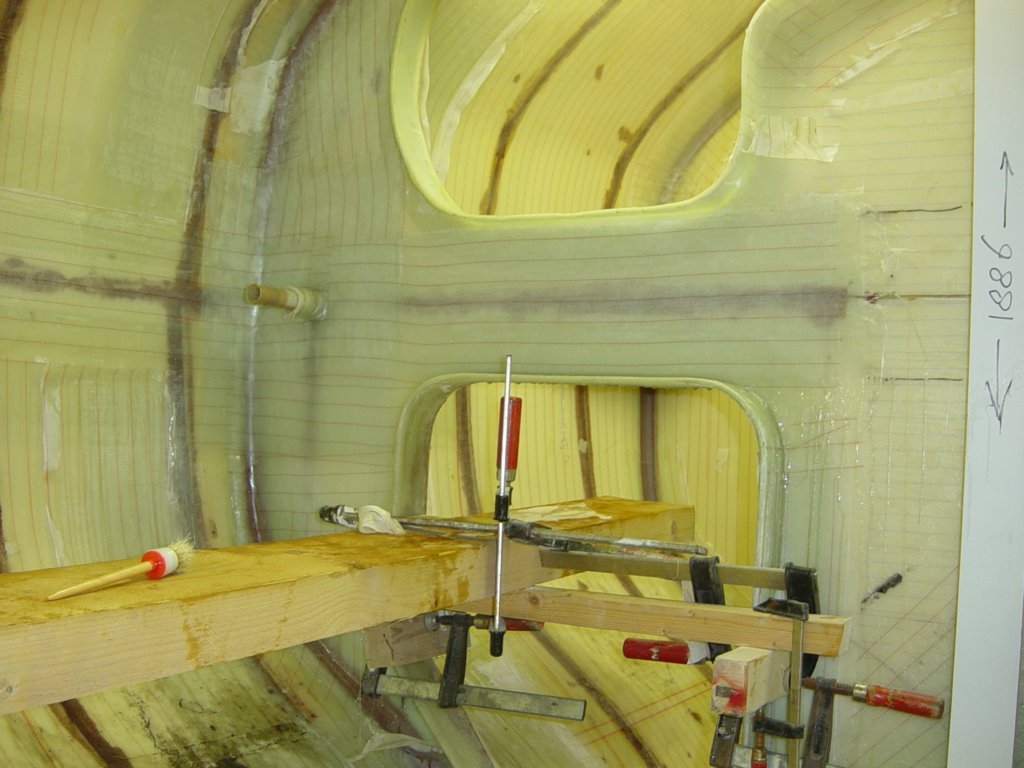
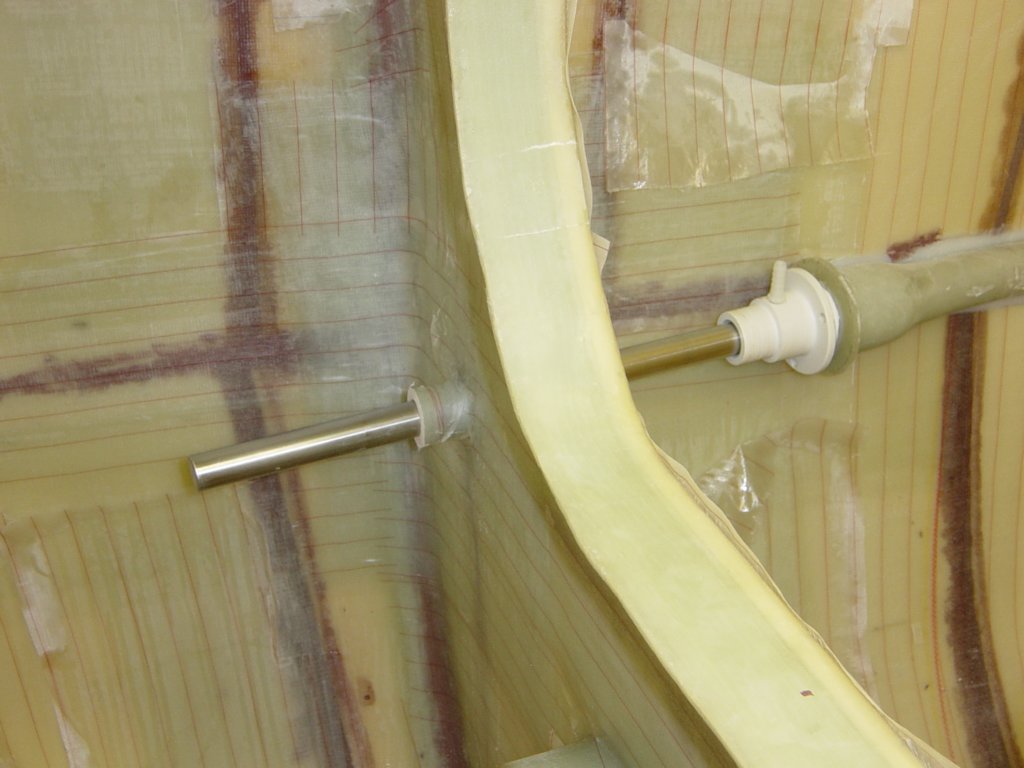
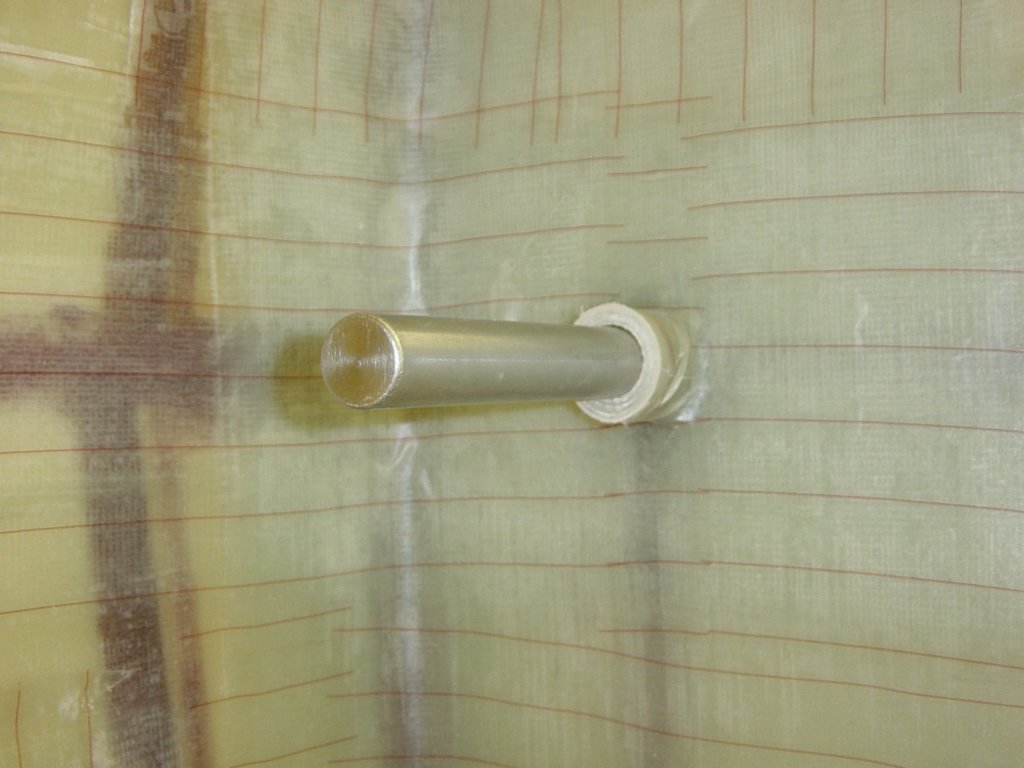
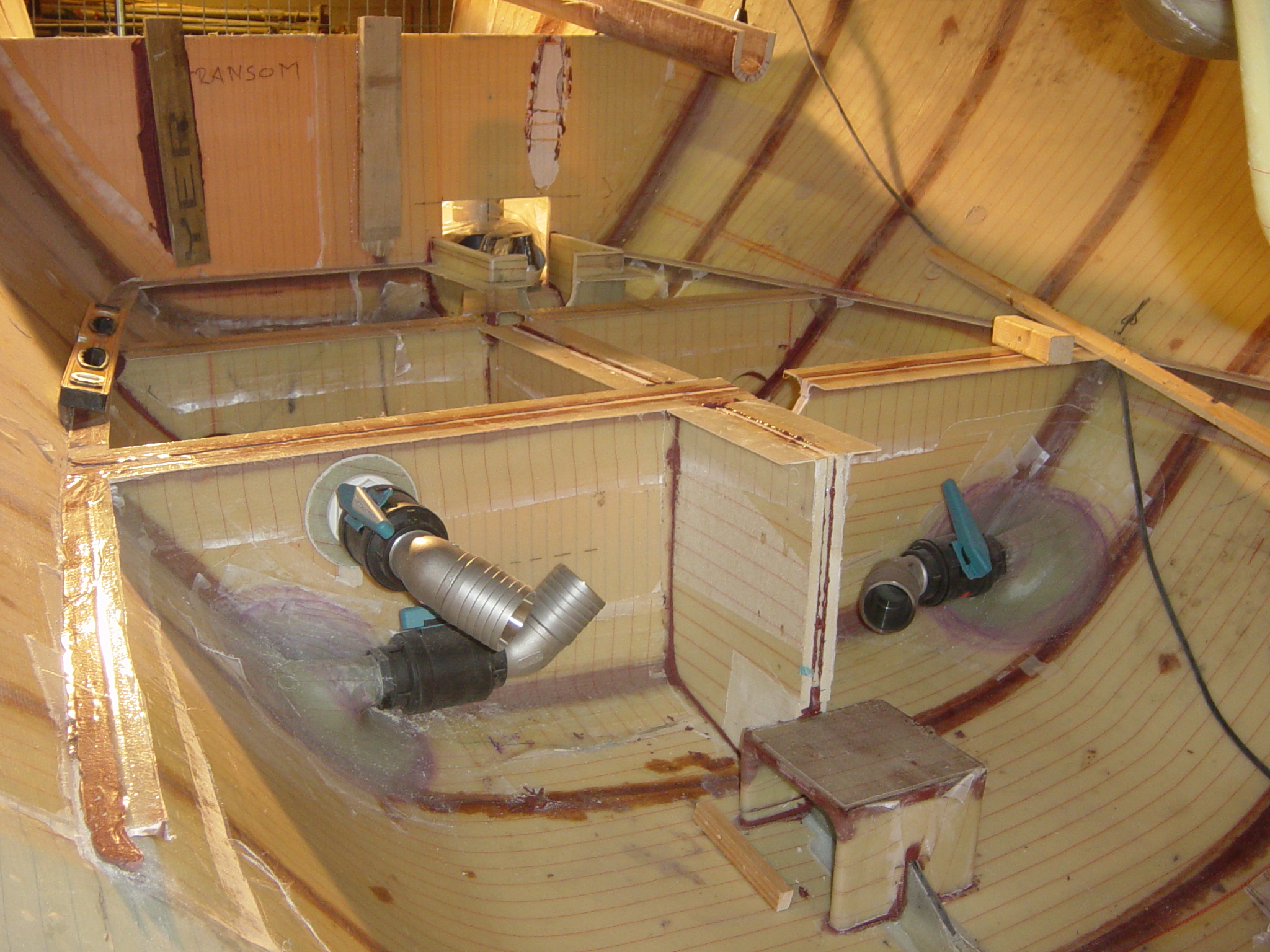
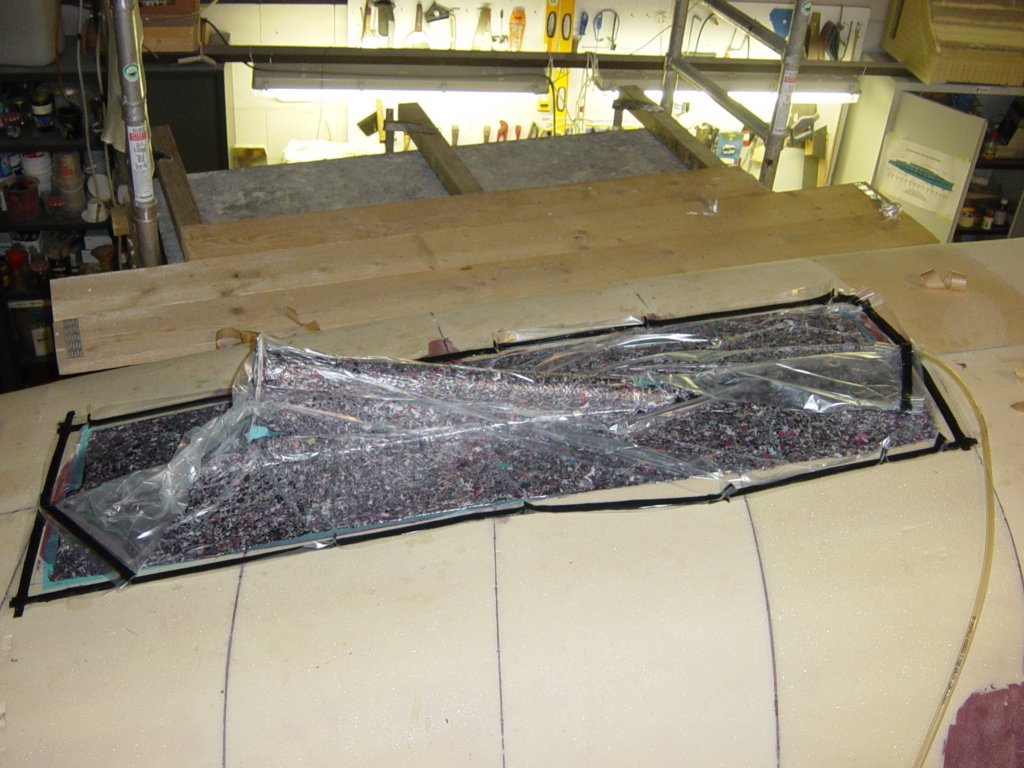
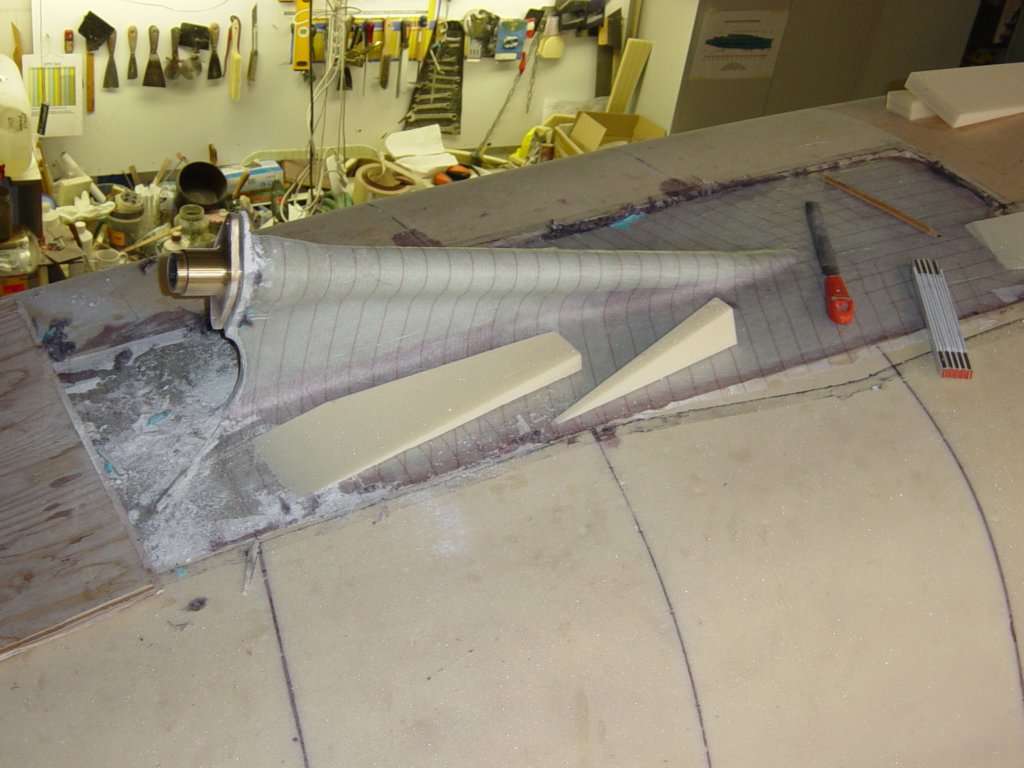
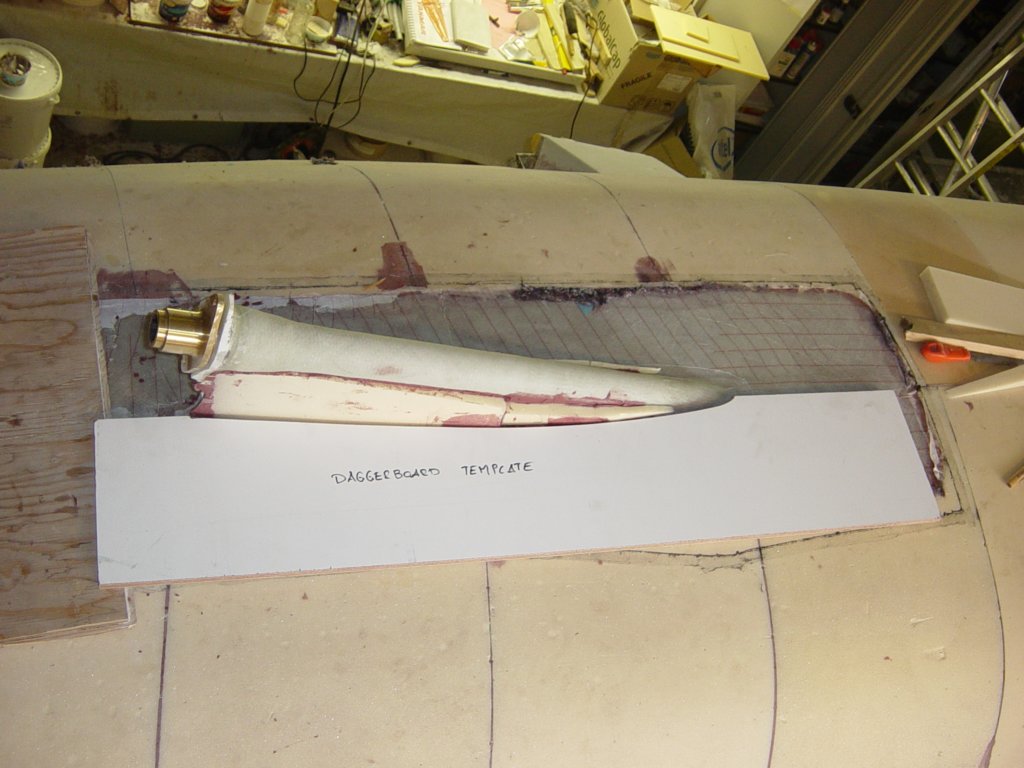
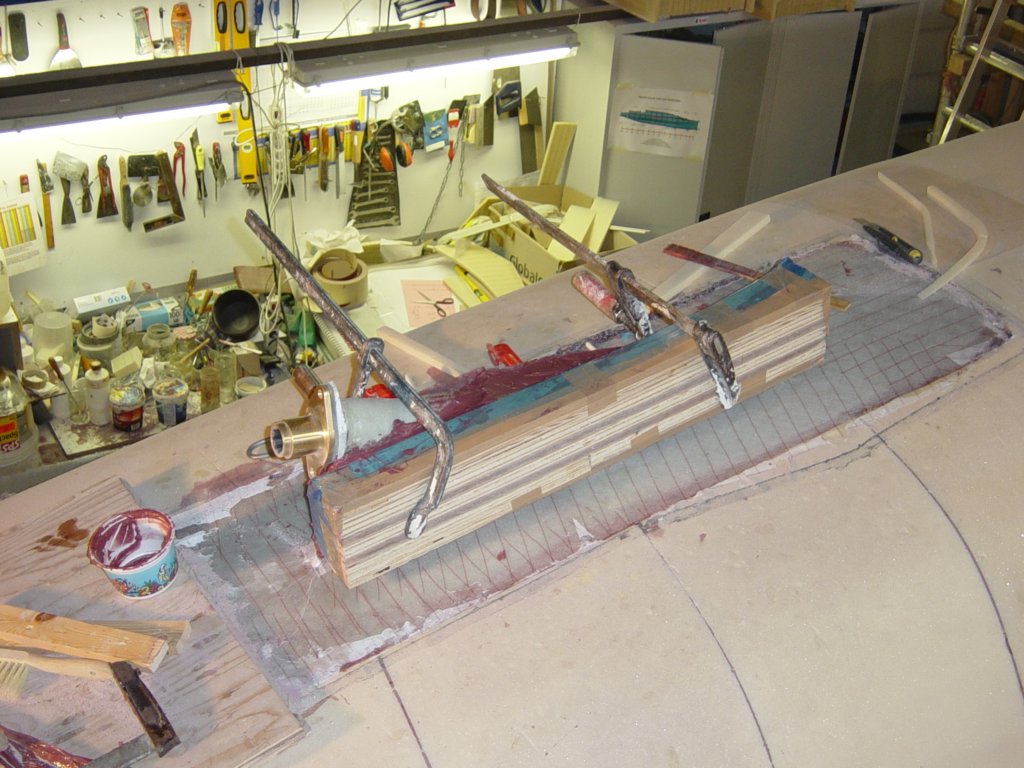
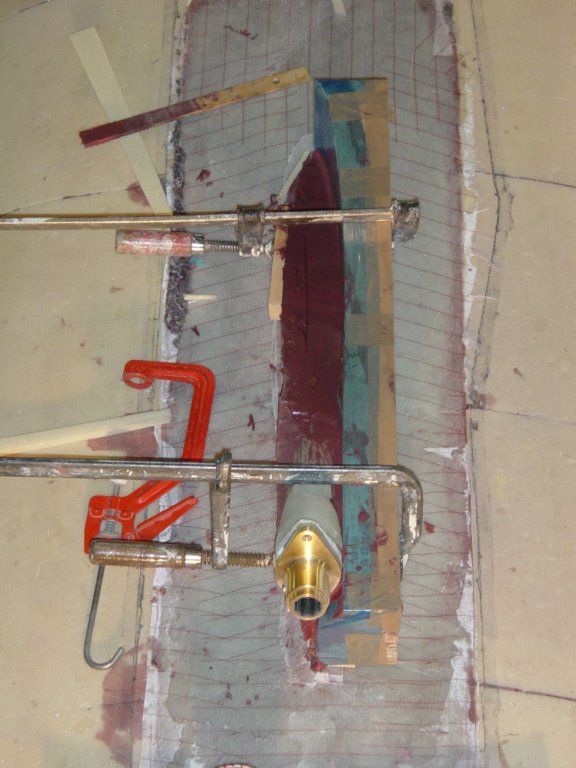
While working on the starboard interior, this was also the ideal stage to determine the stern tube assembly. To gain a clear understanding of the engine installation, I made a "mock-up" of the engine and stern tube. The actual construction of the stern tube was eventually carried out during the build of the second main hull half, while it was still positioned on its side in the temporary building frame.
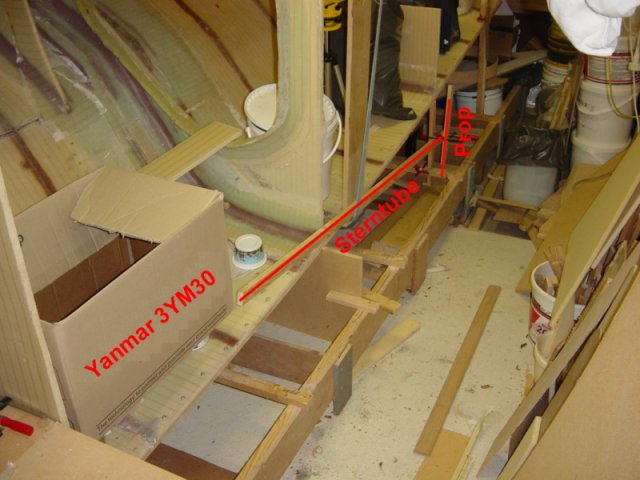
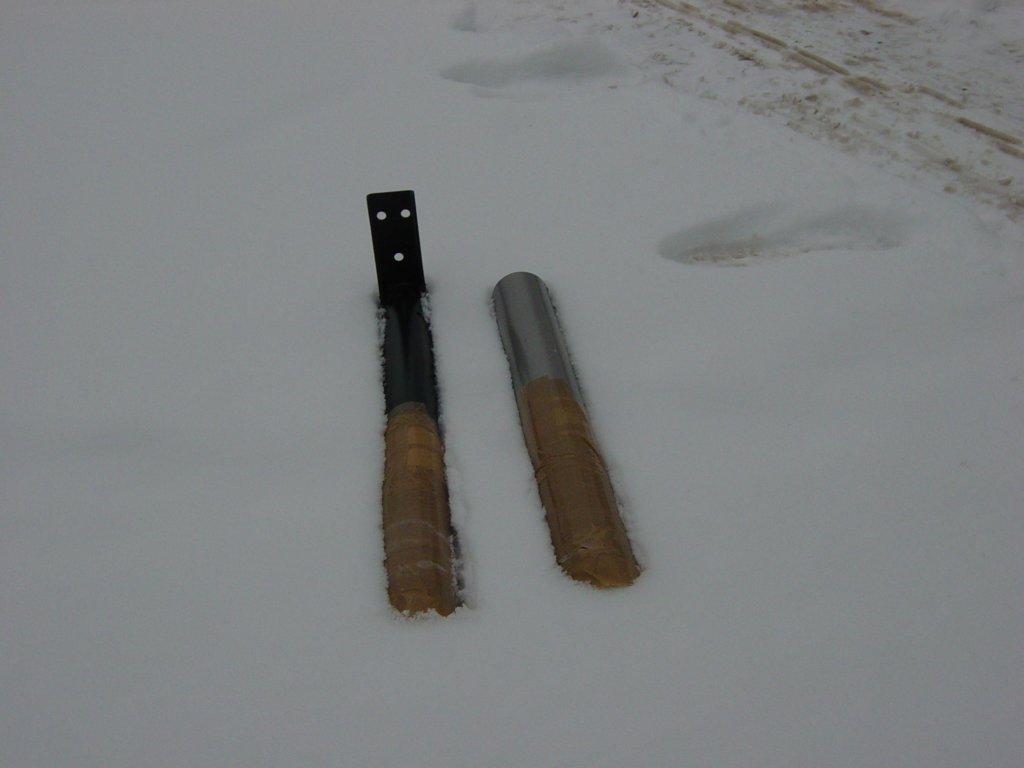
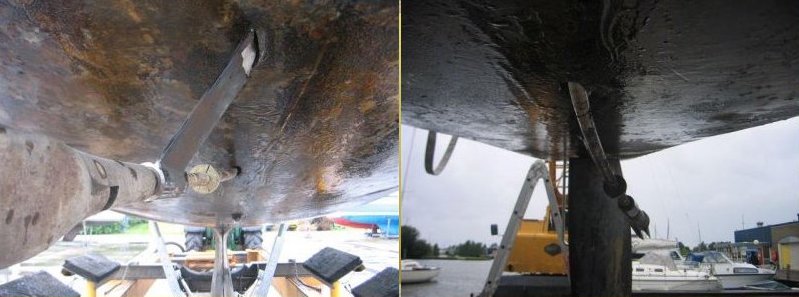
The next question concerned the choice of propeller shaft support. The plans specify either a fin-type or P-type bracket, but in my view these have several disadvantages. First, they are typically made of stainless steel, bronze or brass rather than composite. This introduces a material transition at the hull, exactly at a highly loaded area, with an increased risk of leakage. In addition, such brackets appear vulnerable, yet they must withstand ropes or nets caught by the propeller, as well as potential impacts with stones or rocks when drying out.
I found these photographs of a less fortunate P-bracket boat owner after a collision with a lobster pot rope.
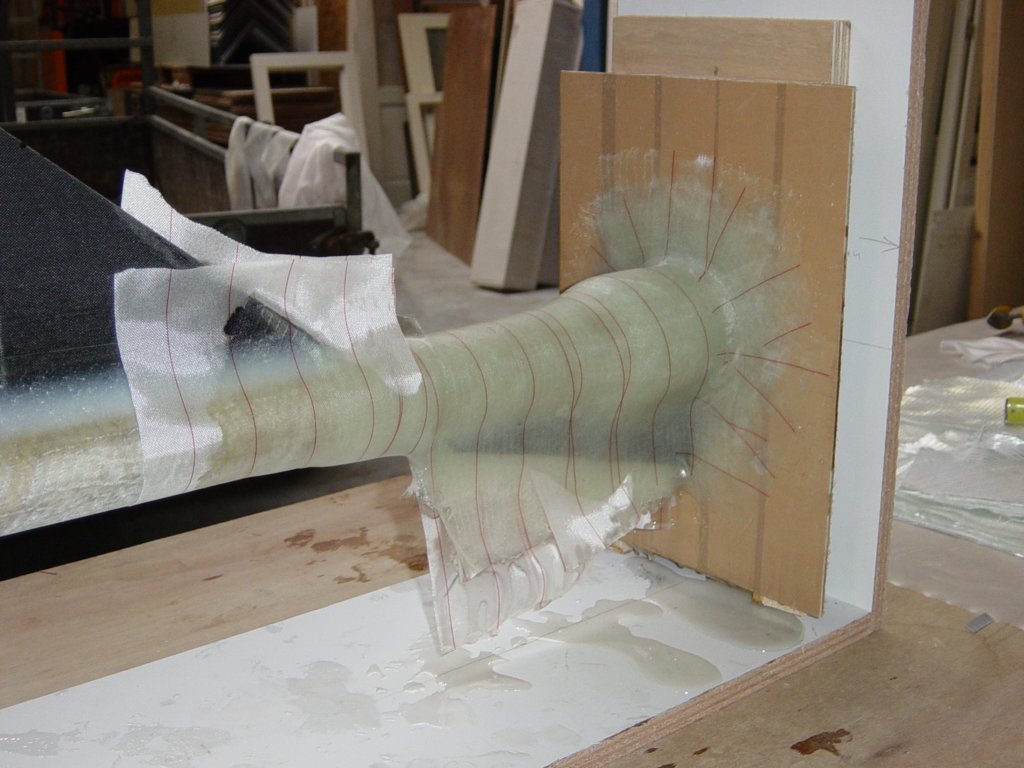
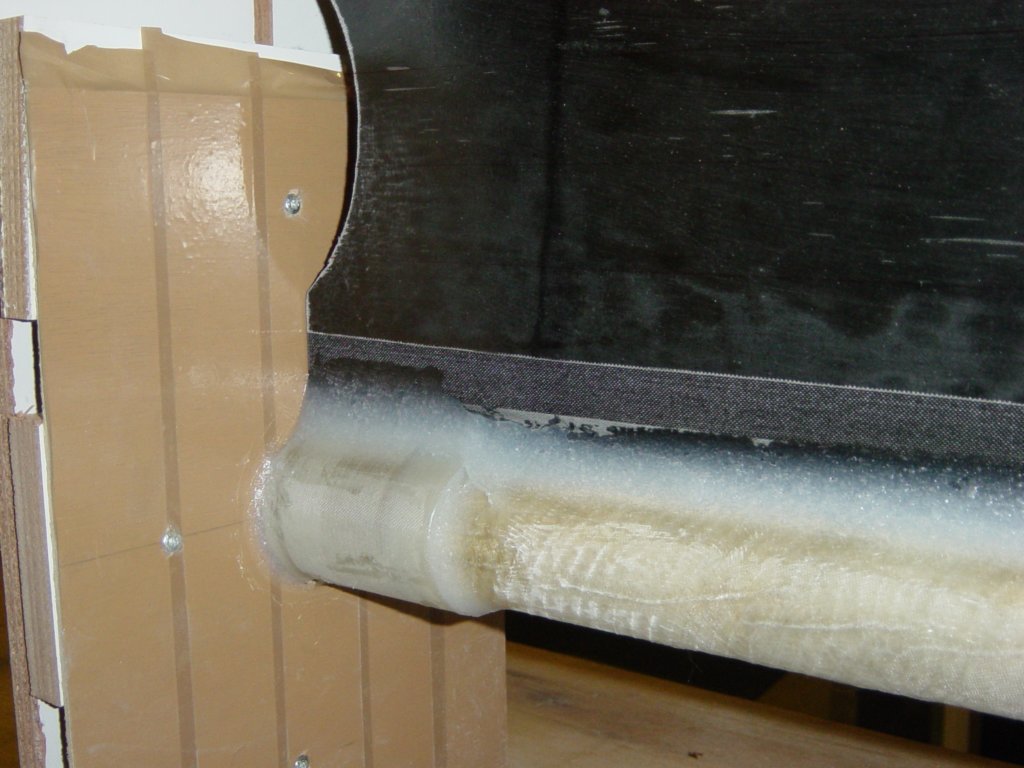
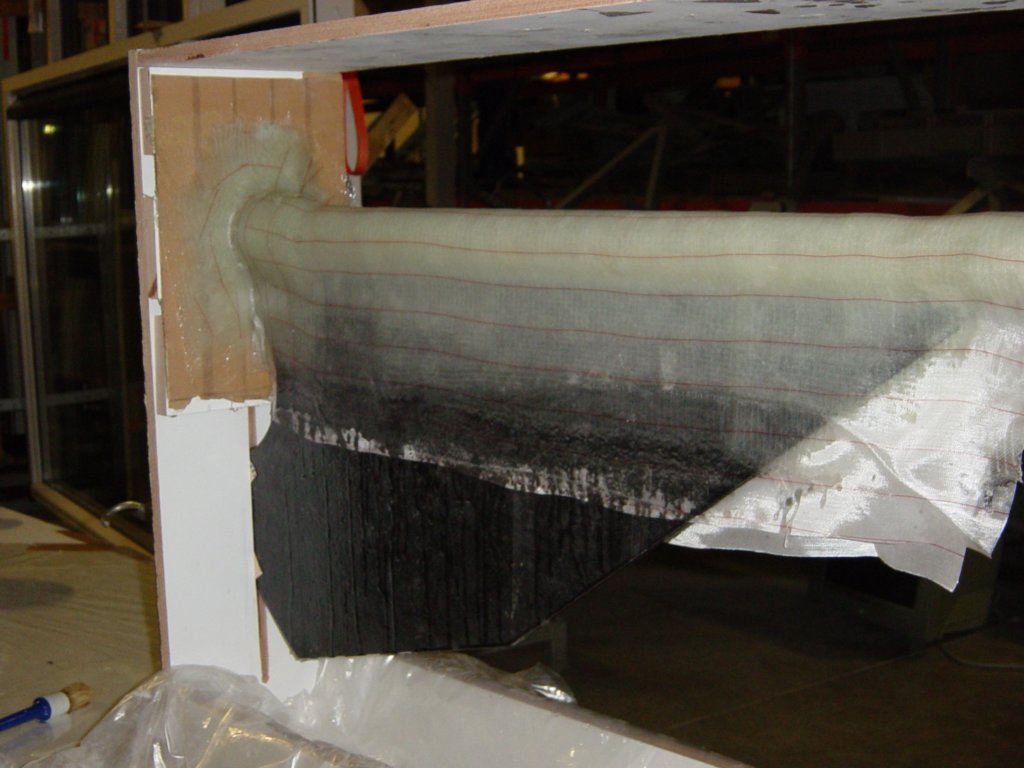
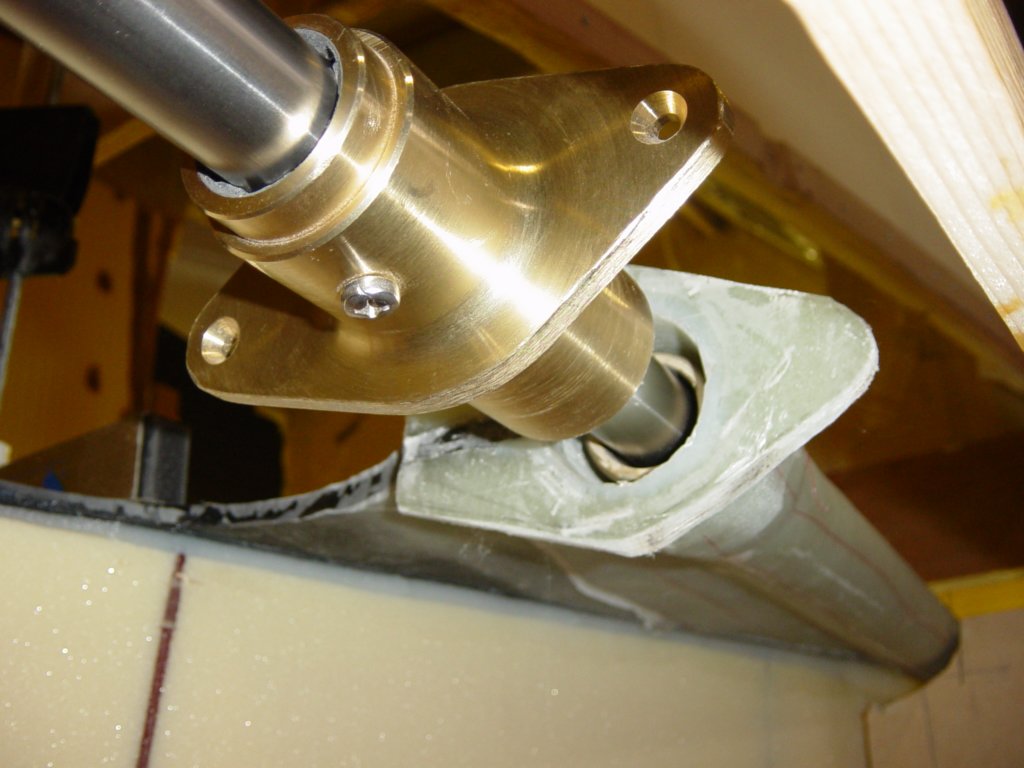
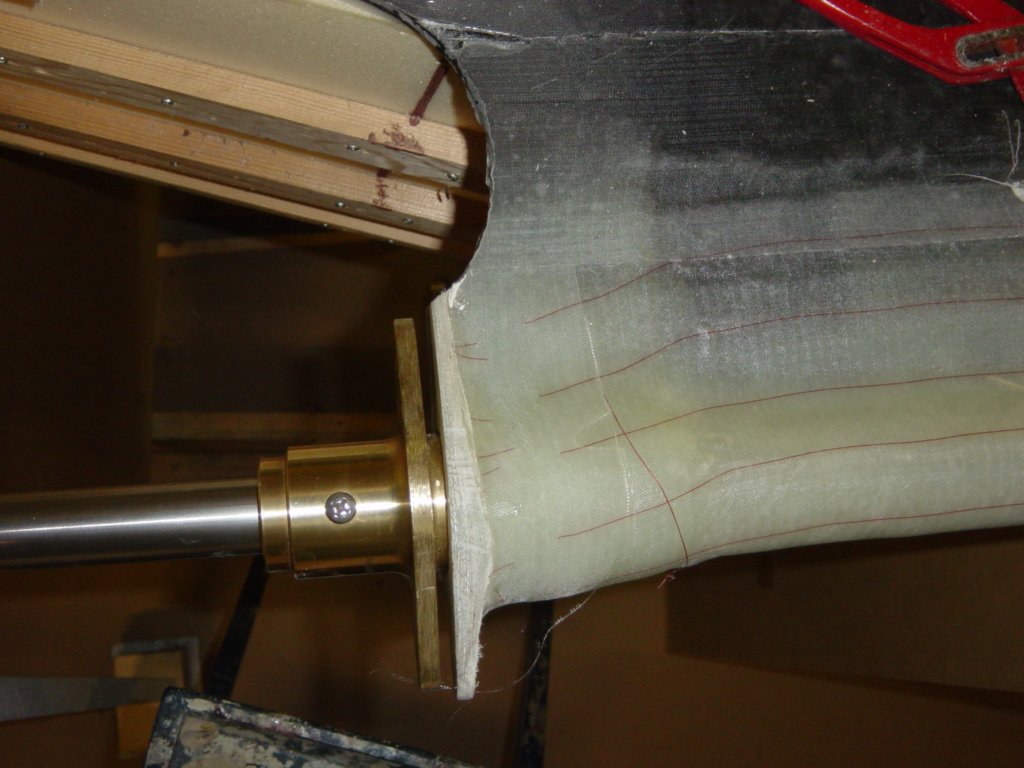
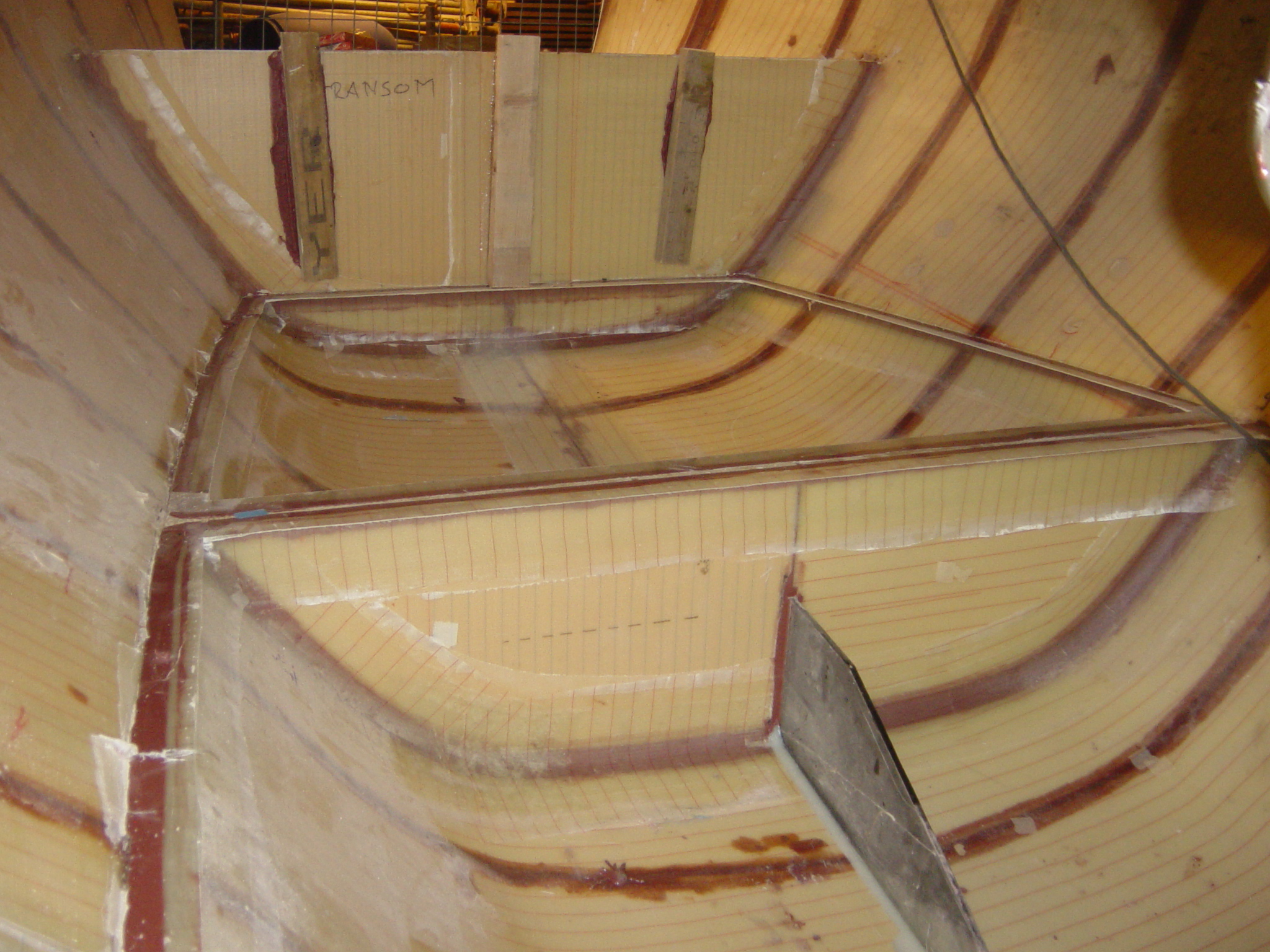
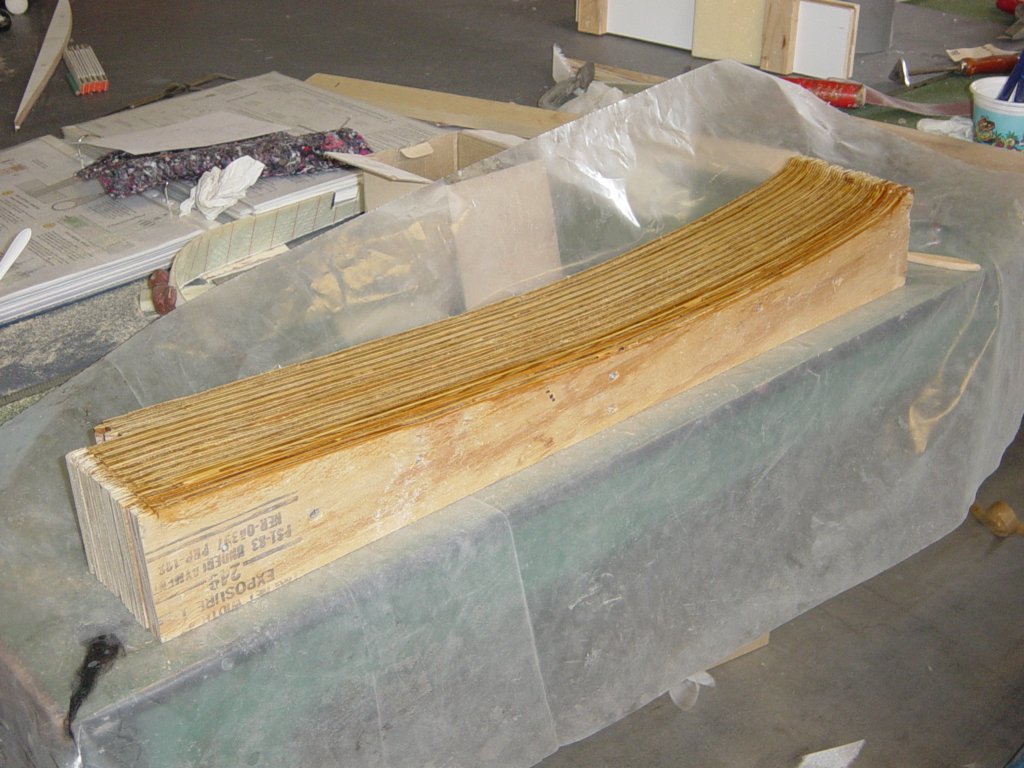
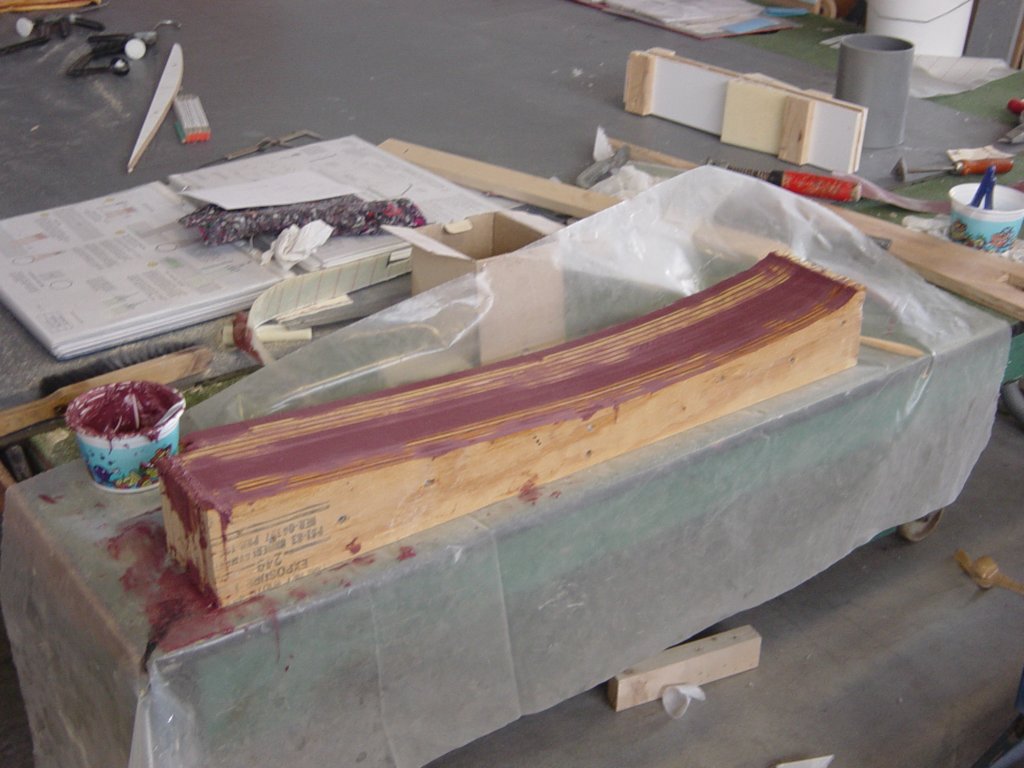
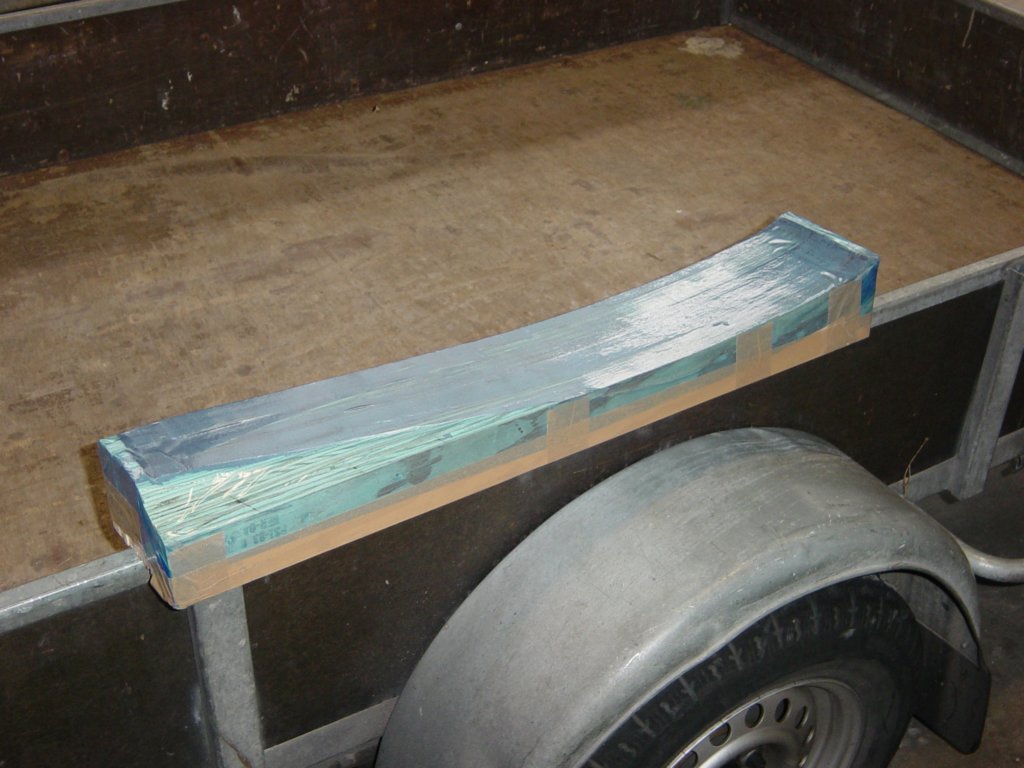
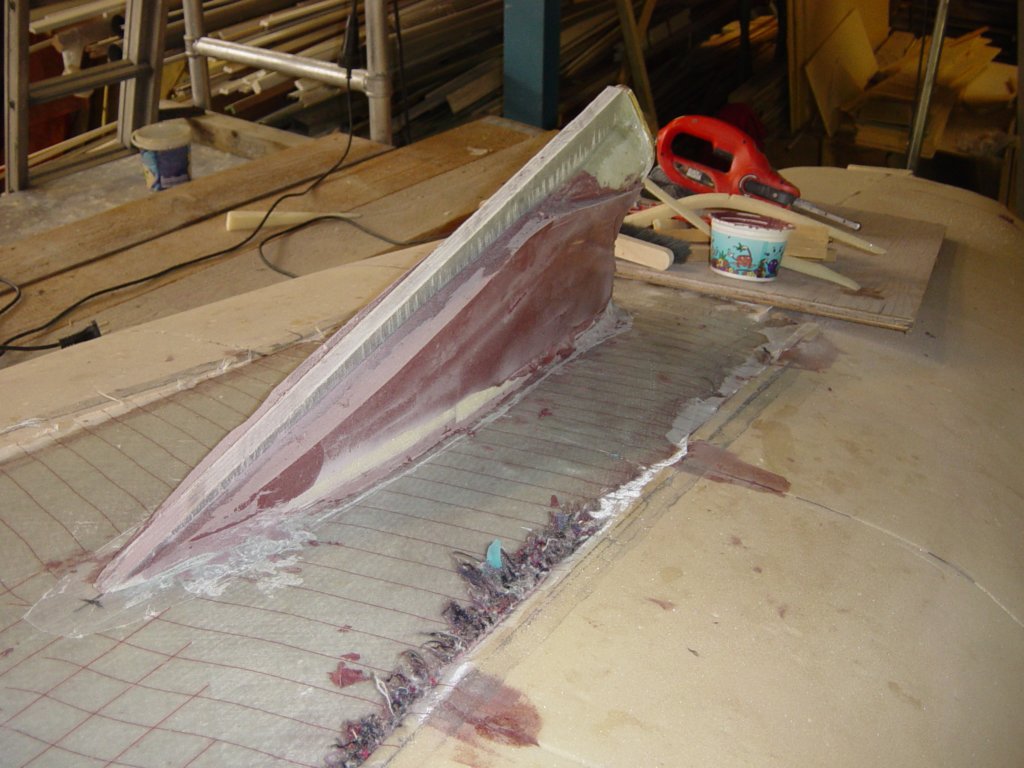
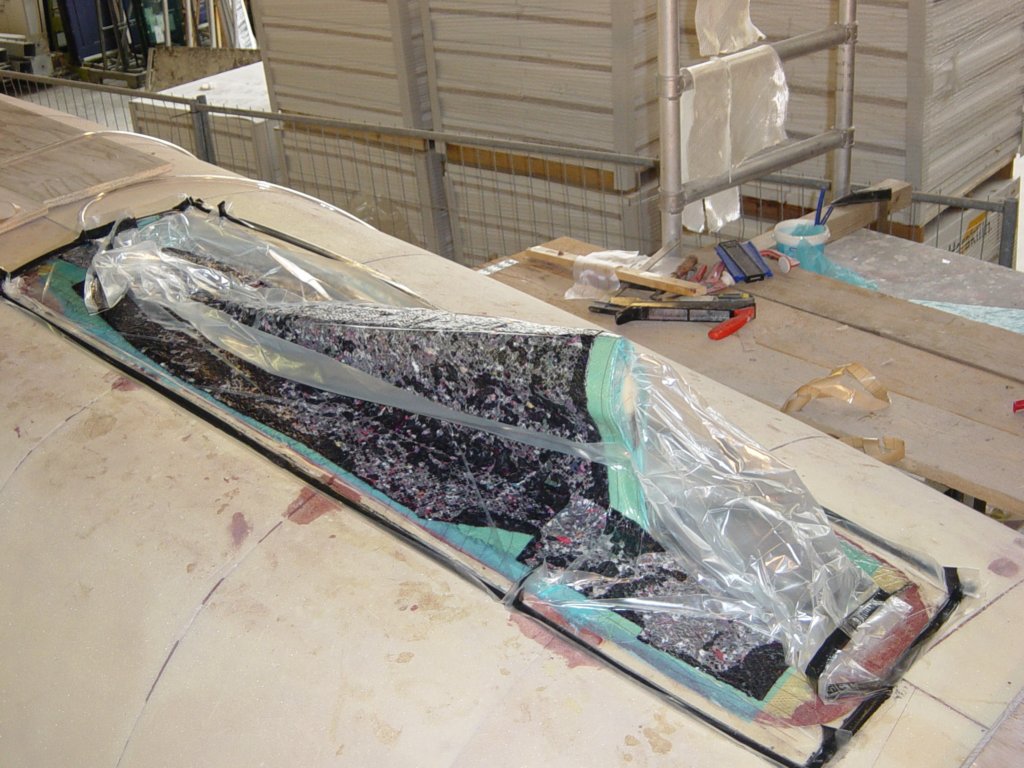
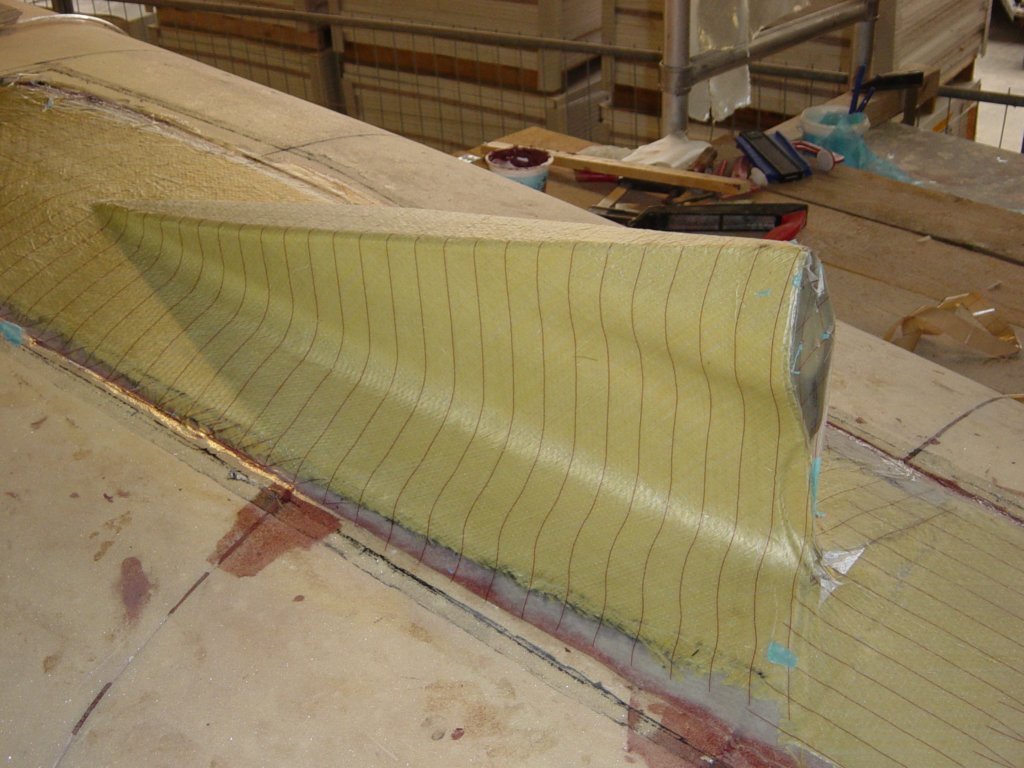
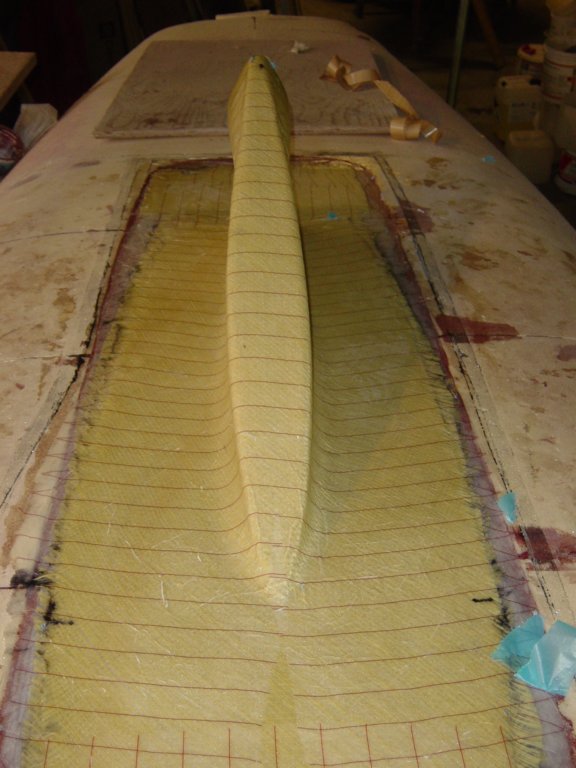
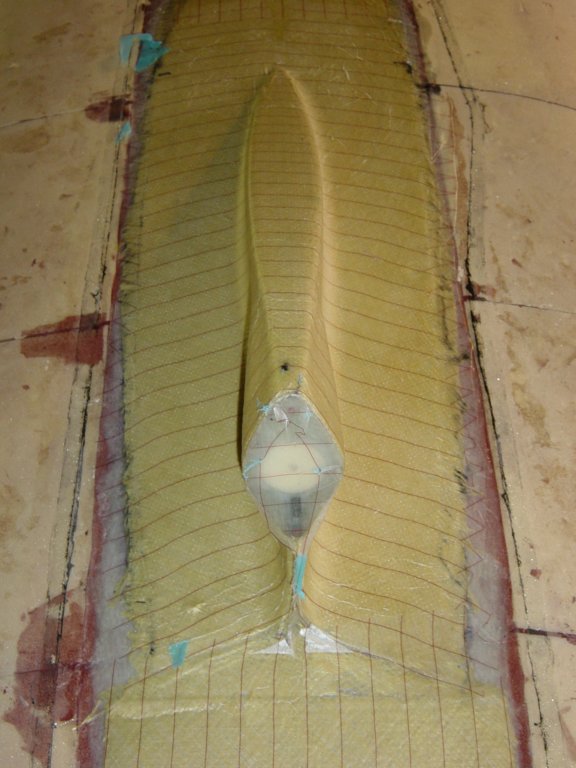
A more robust solution is the reinforced shaft support in the form of a skeg with an integrated stern tube. Its main advantage is that it can be built entirely as part of the hull, using composite materials throughout. Possible disadvantages are slightly increased drag, more complex construction, and the need for additional provisions for water lubrication. The drag penalty can be minimised by designing the skeg as streamlined, thin and compact as possible, using a carbon fibre plate as a strong structural base.
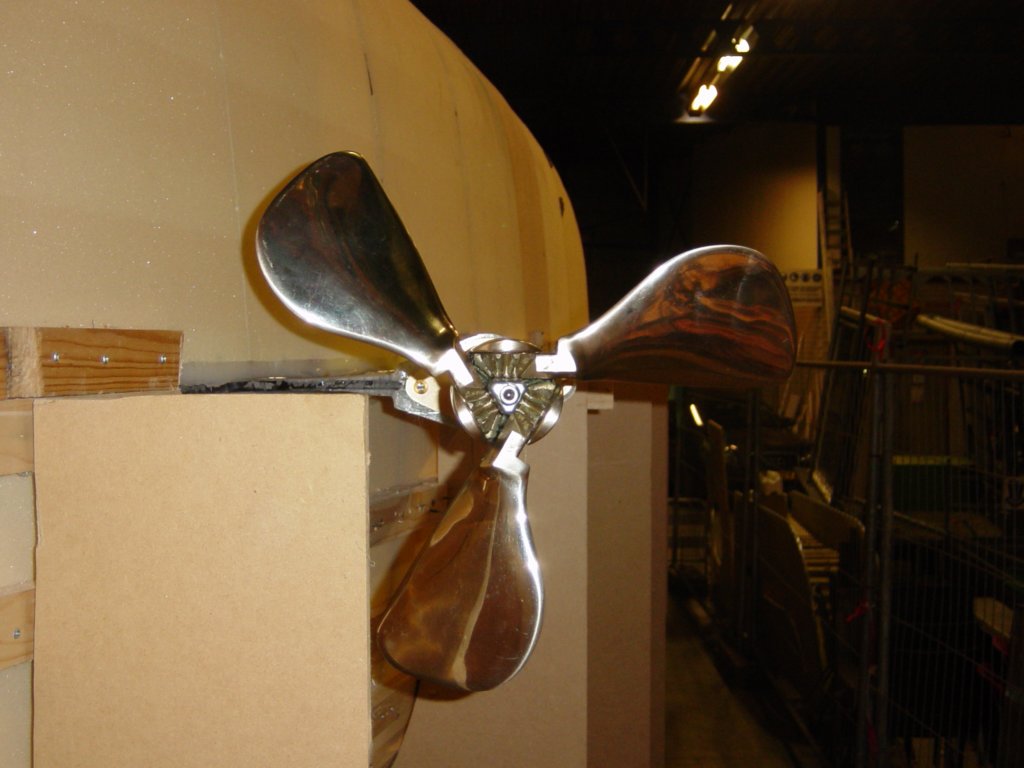
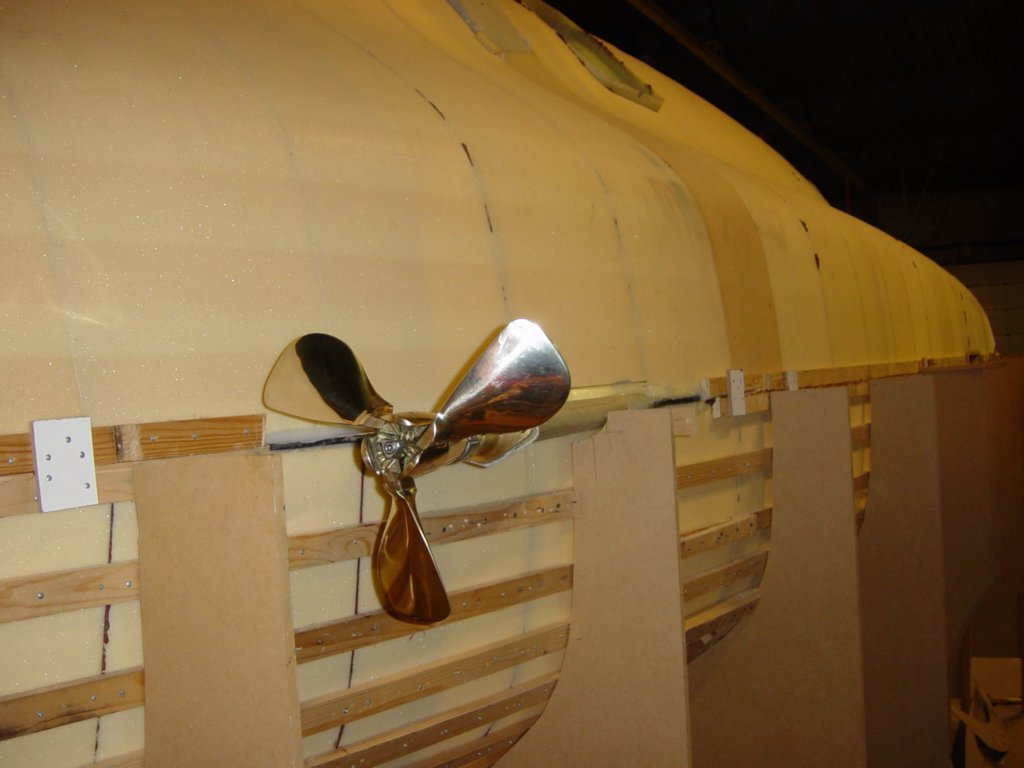
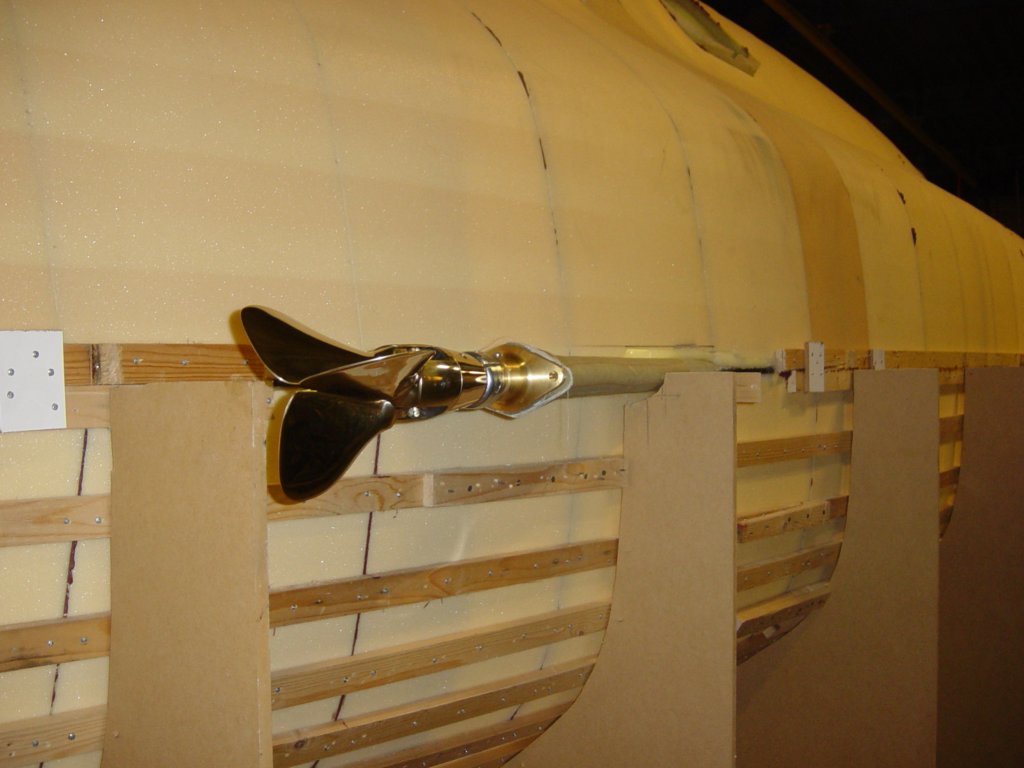
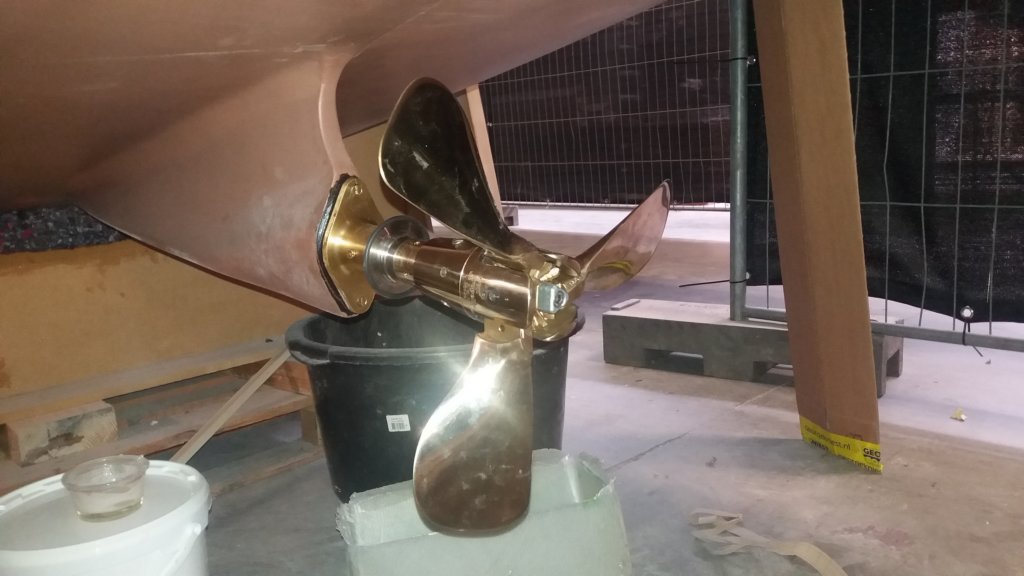
Finally, the propeller choice. For a fast boat like the F-39 trimaran, a fixed propeller is clearly not an option. This leaves two low-drag alternatives under sail: a folding propeller or a feathering propeller. An important requirement is that the propeller must not unintentionally deploy at high sailing speeds (above 15 knots) due to pressure differences or turbulence. Although the Kiwi propeller was initially my first choice, the supplier could not guarantee low drag performance above 15 knots. The same applies to the Max-Prop, which I have personally experienced suddenly acting as a brake at high speed. The final choice was a three-bladed Gori propeller. Thanks to its ingenious design, it combines folding and feathering characteristics and is well known for its excellent reverse performance—often a weak point of folding propellers. As a bonus, the three-bladed Gori propeller also offers an overdrive mode.
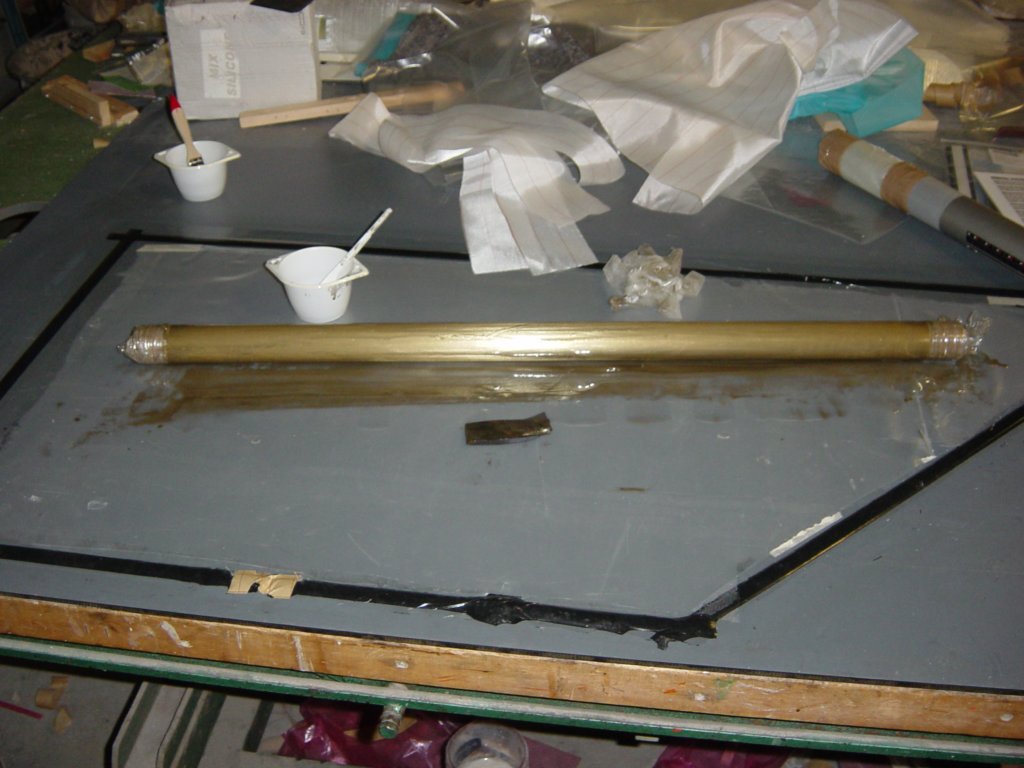
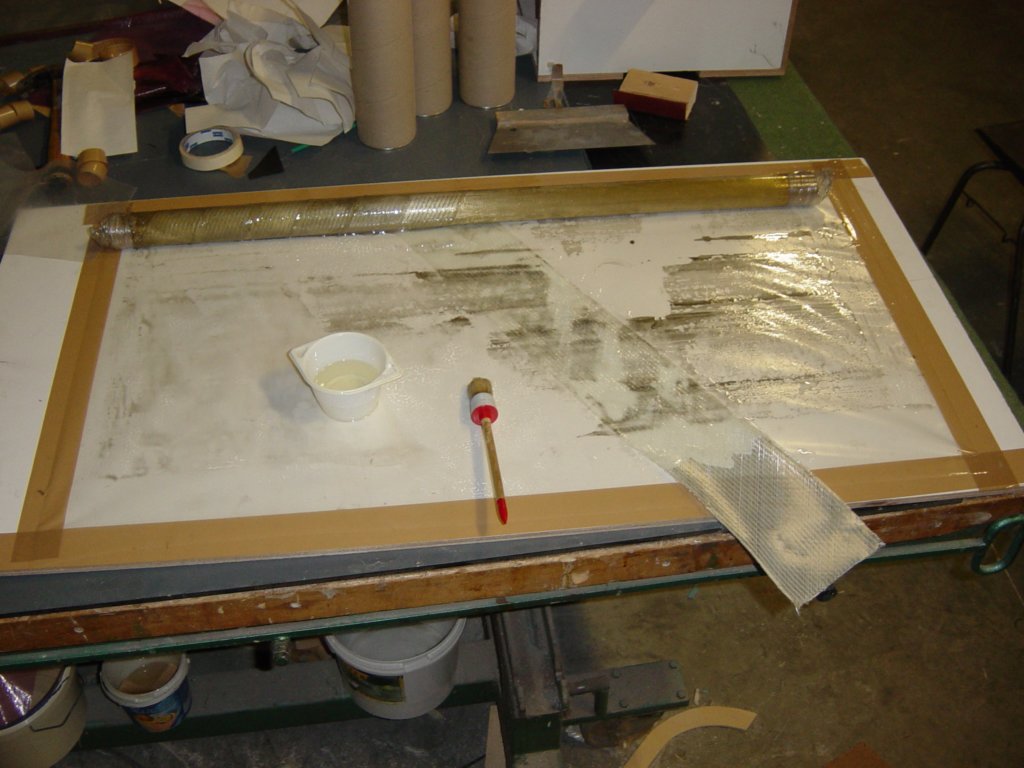
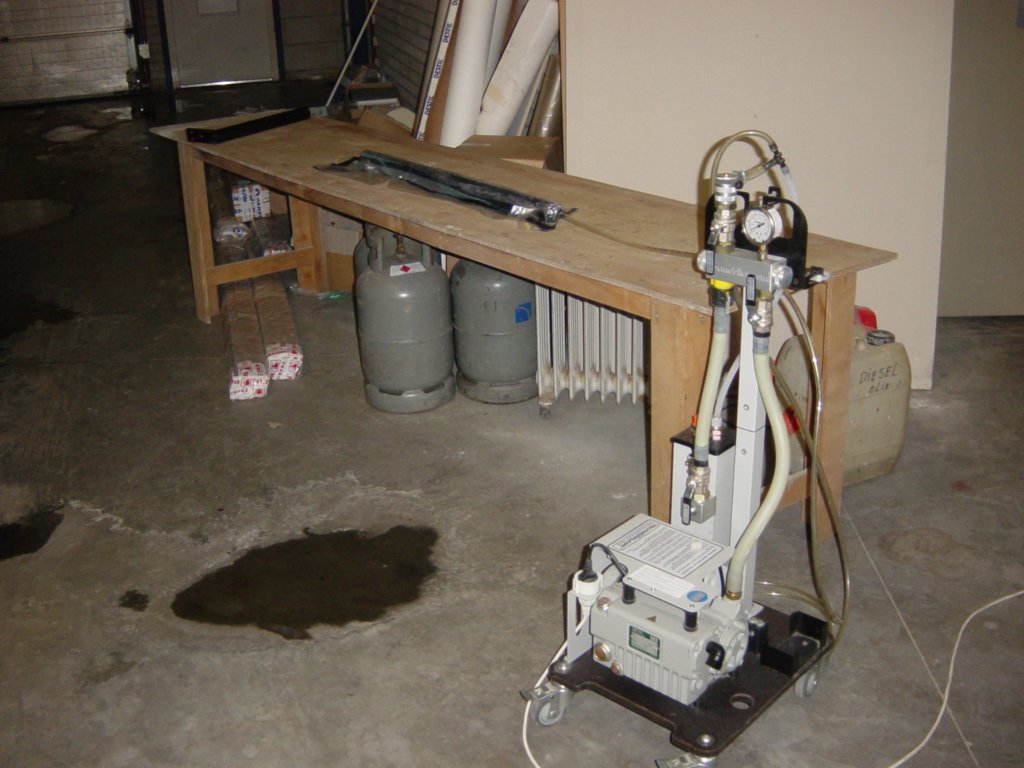
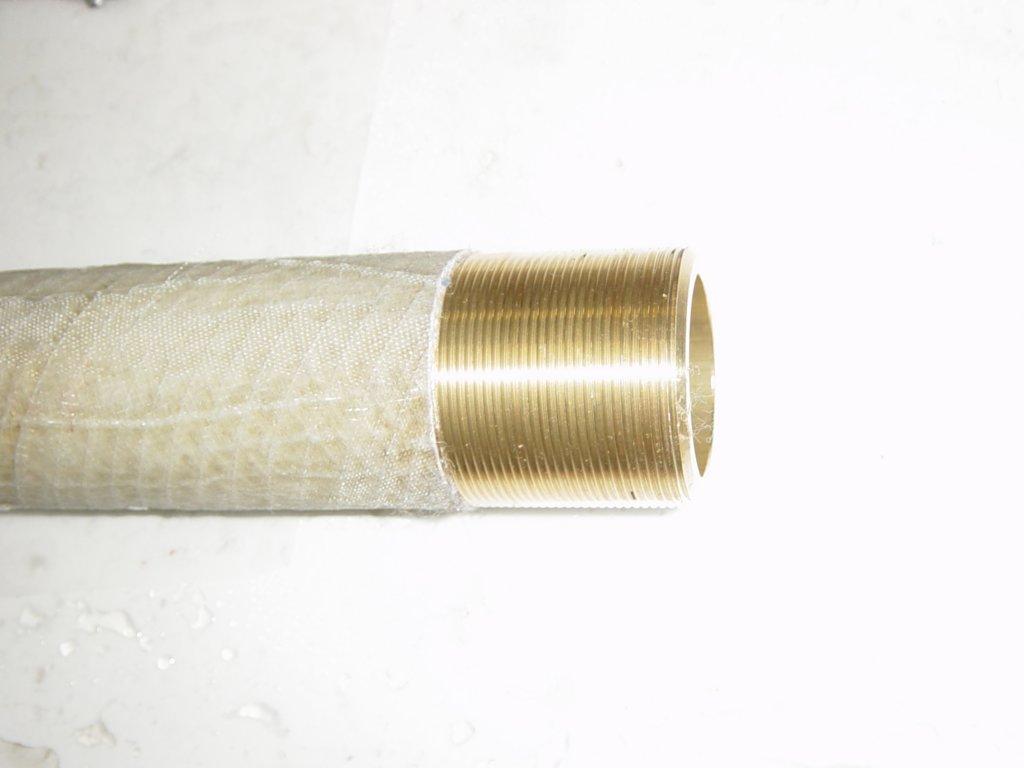
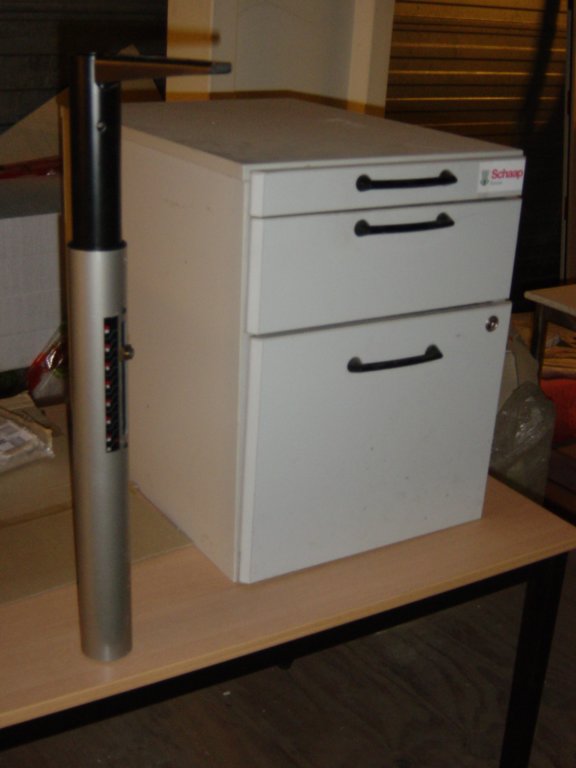
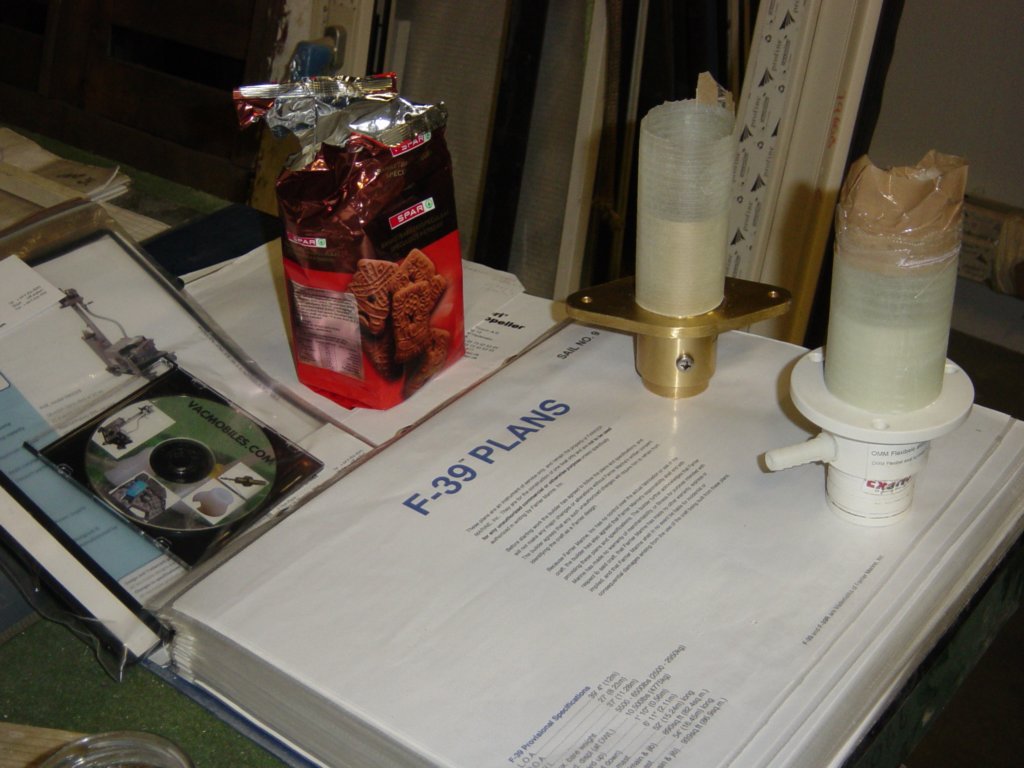
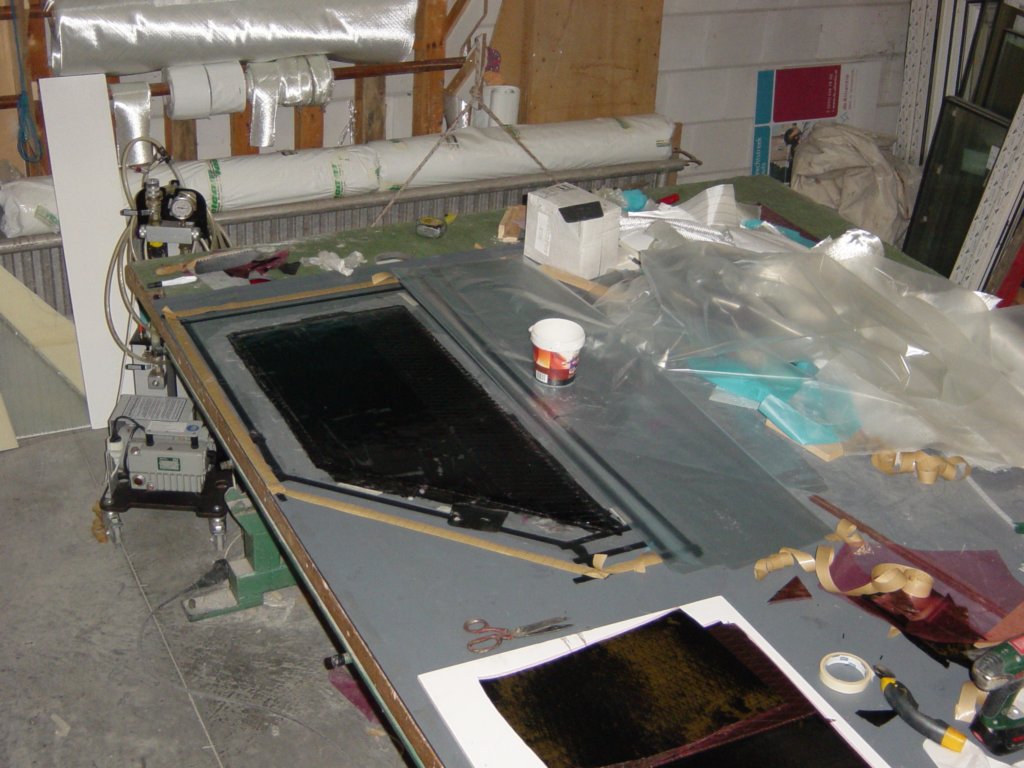
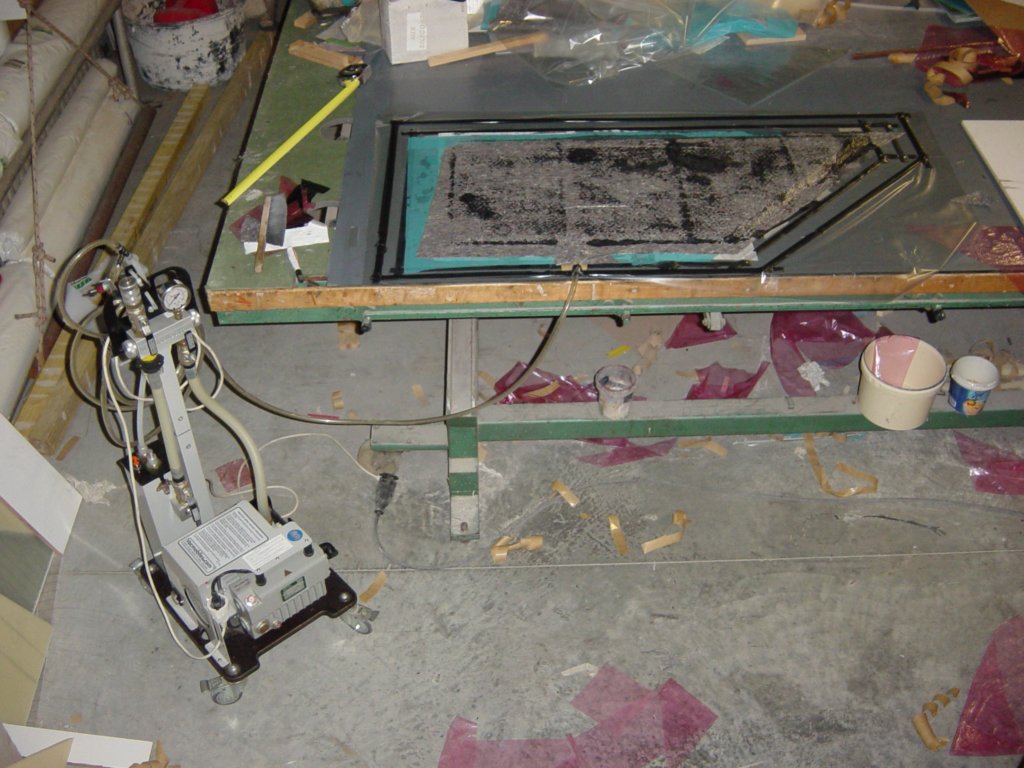
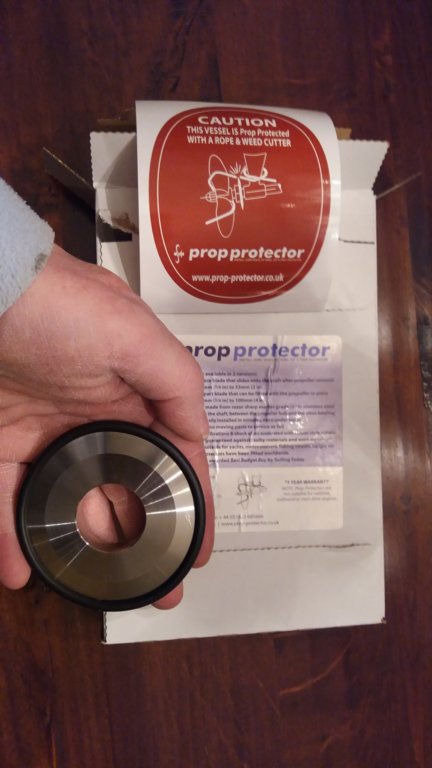
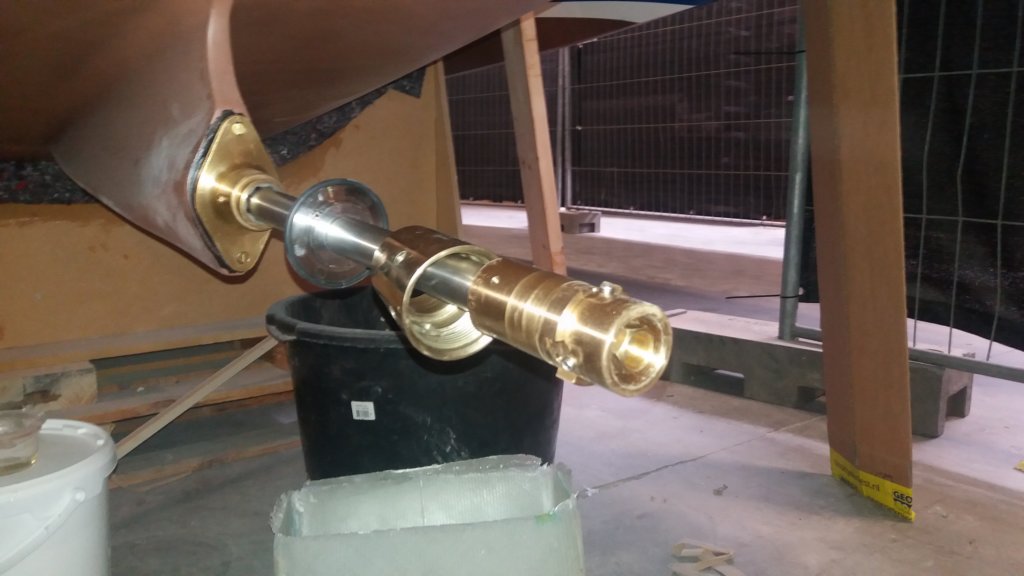
This photo gallery (60 images) documents the complete construction of the stern tube and skeg, from initial mock-up and material preparation to final fitting of the shaft, bearings and Gori three-bladed folding propeller.