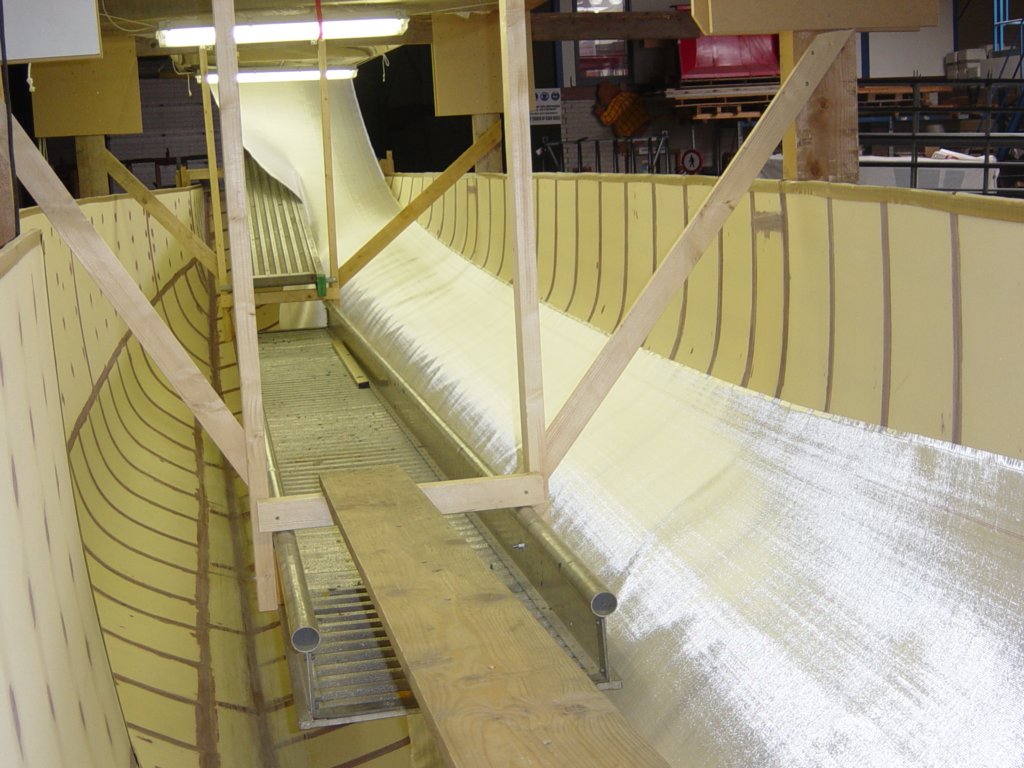
In the new workshop, handling fabrics and consumables became easier—but a hidden vacuum-bag leak nearly derailed the day. On Saturday July 11, 2010, in 32°C heat, the second main hull half was infused flawlessly after an epic leak-hunt and a timely assist from Angela, who found the real culprit in minutes.
Vacuum infusion of second main hull half
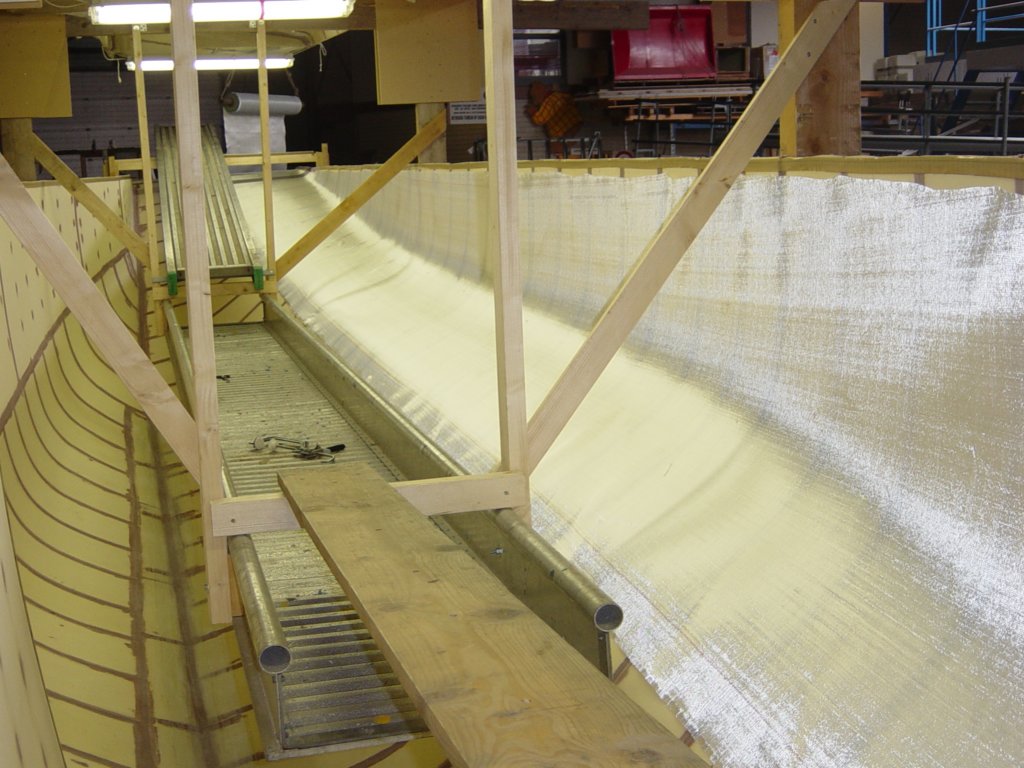
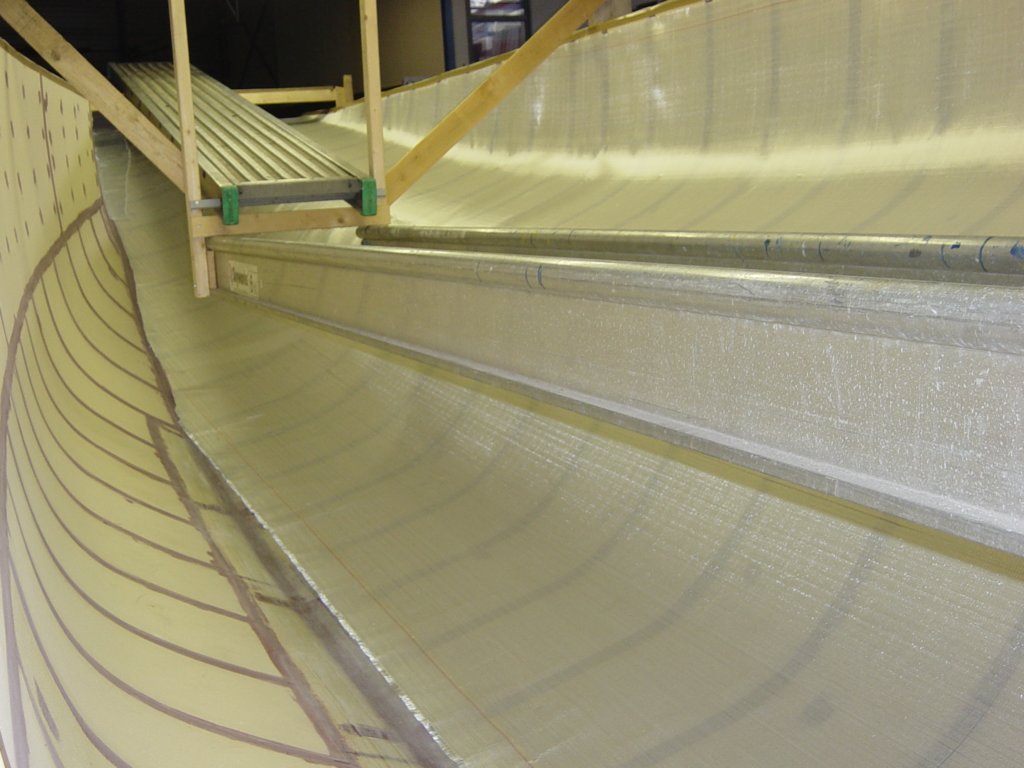
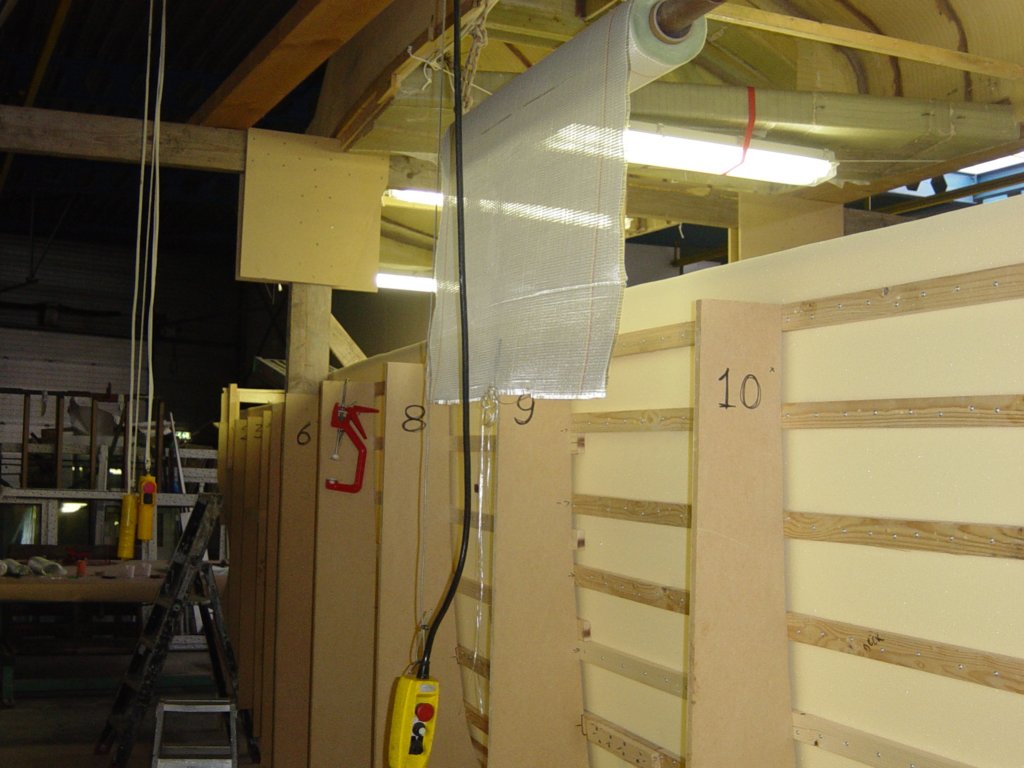
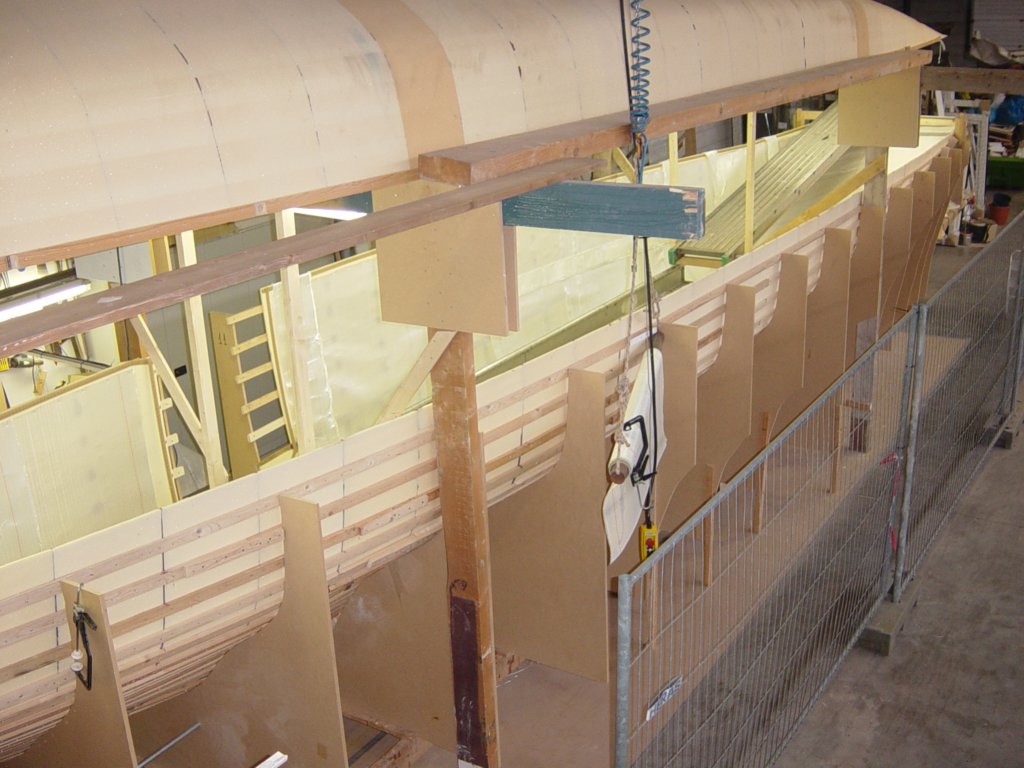
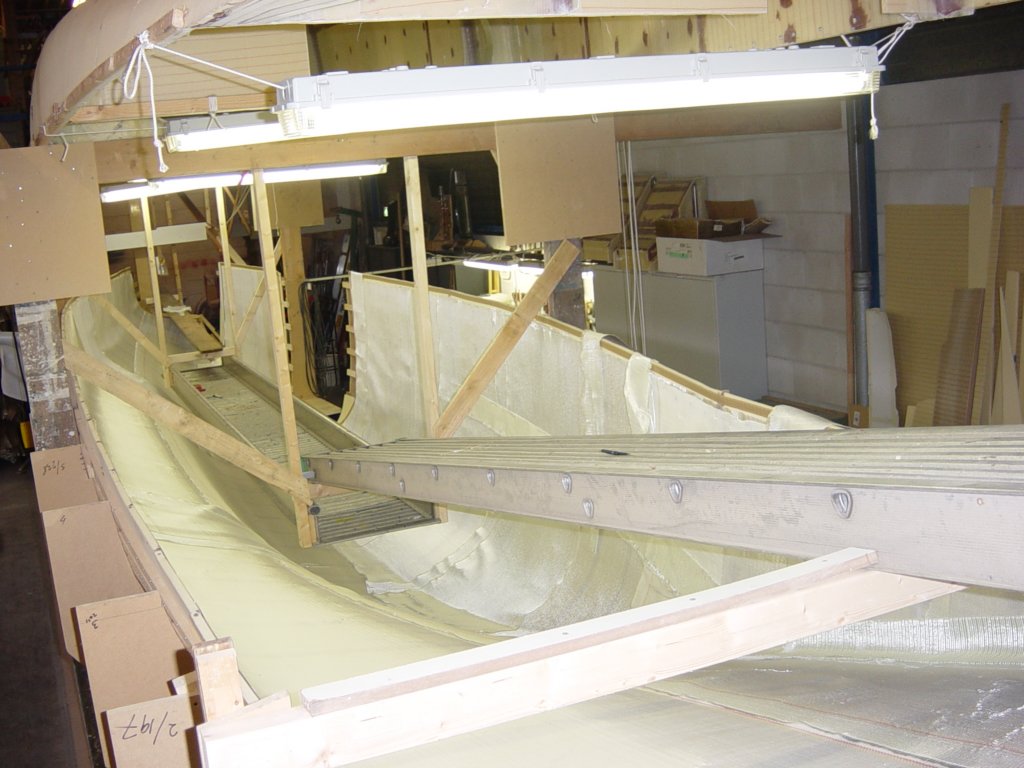
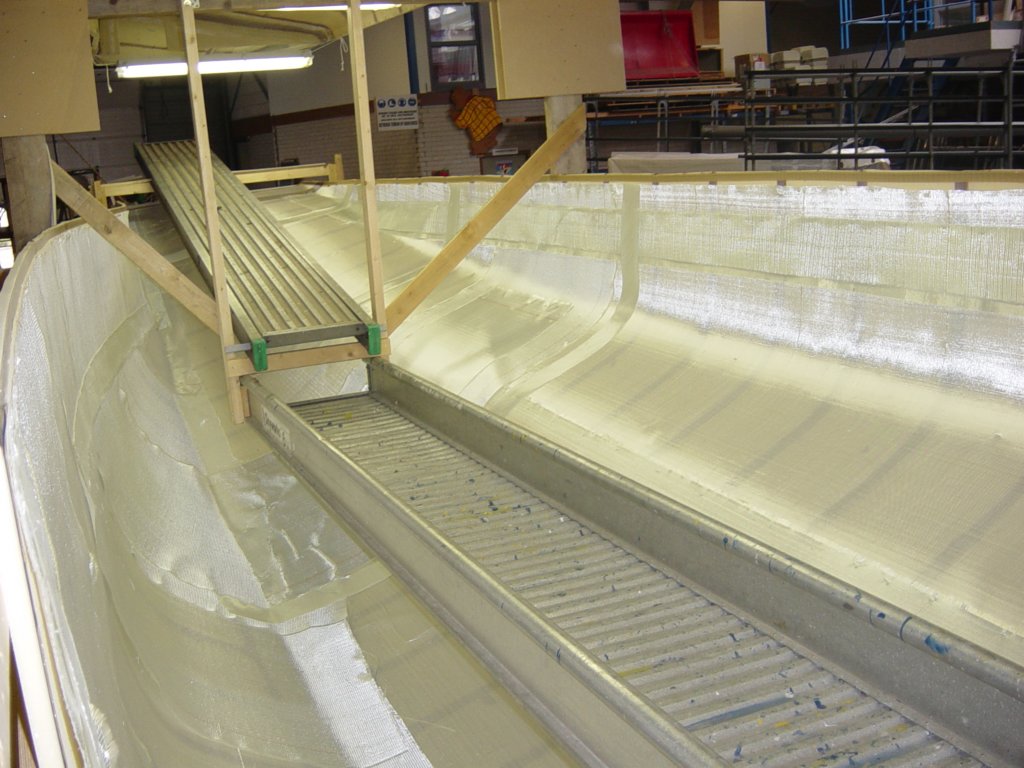
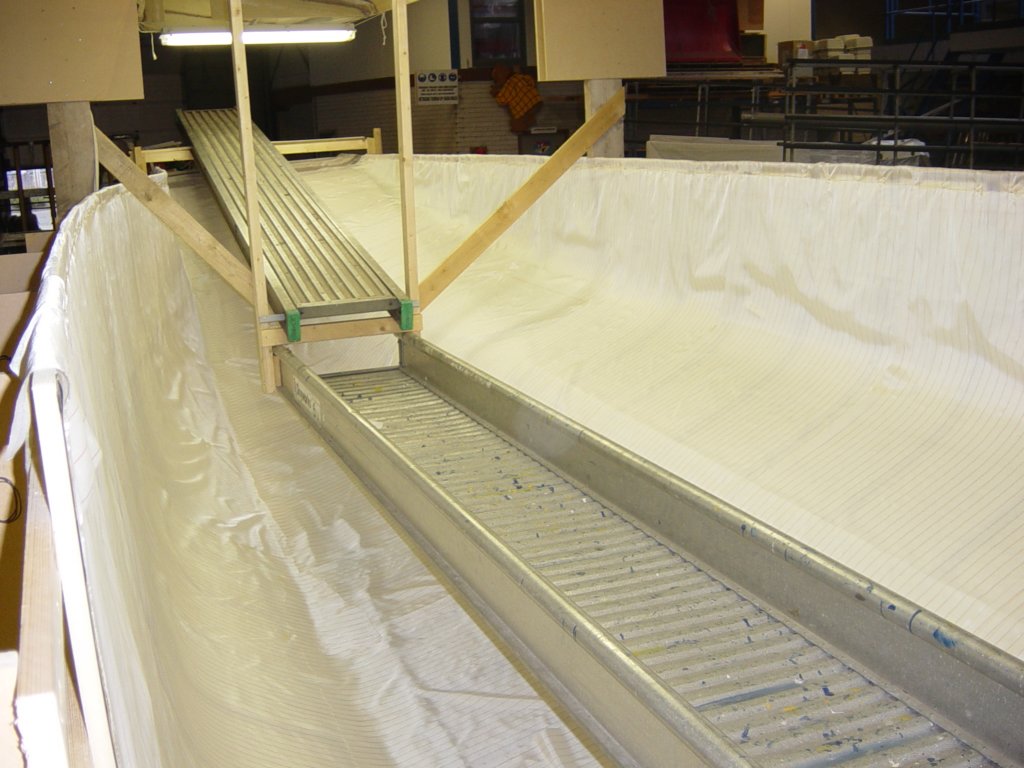
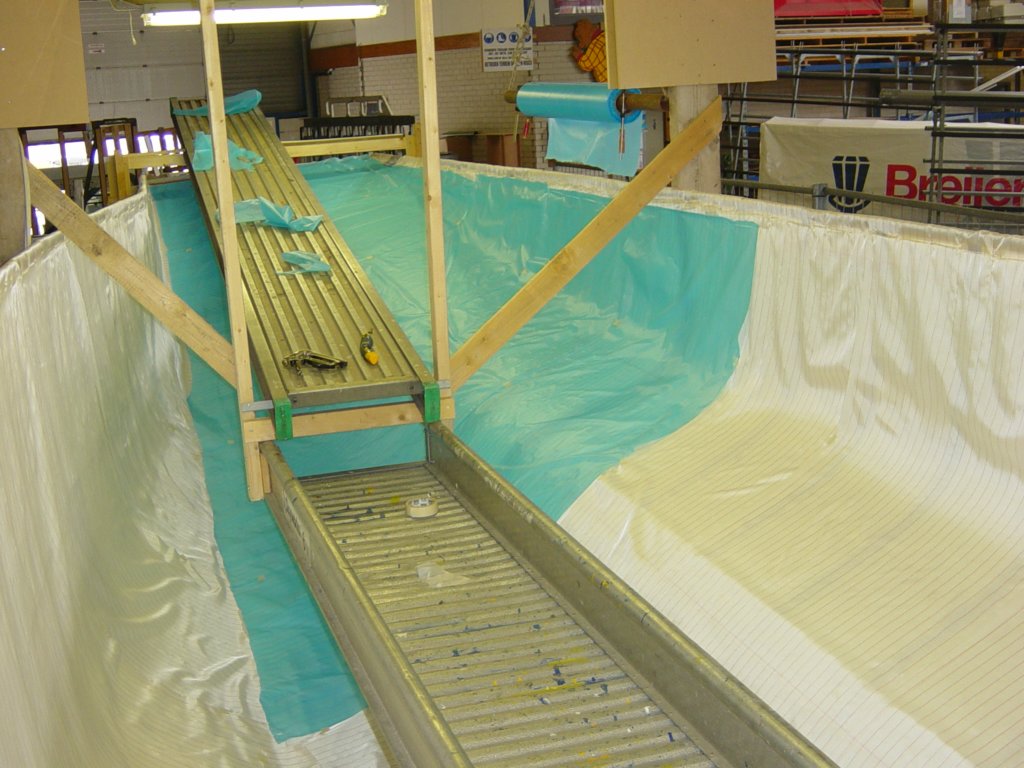
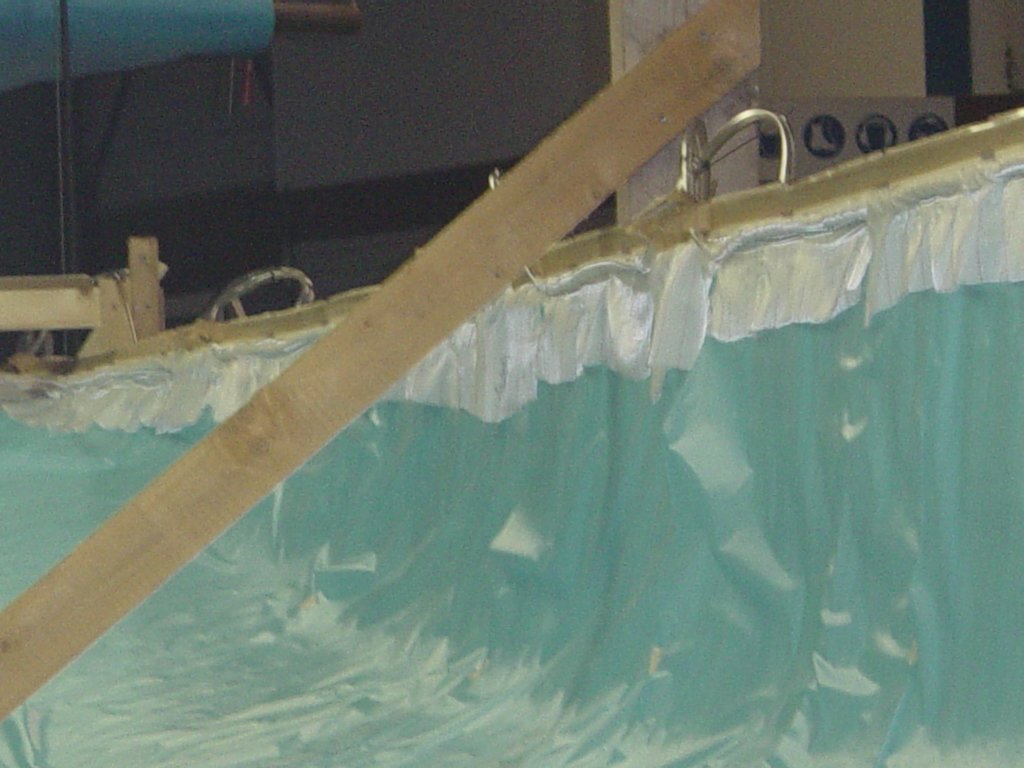
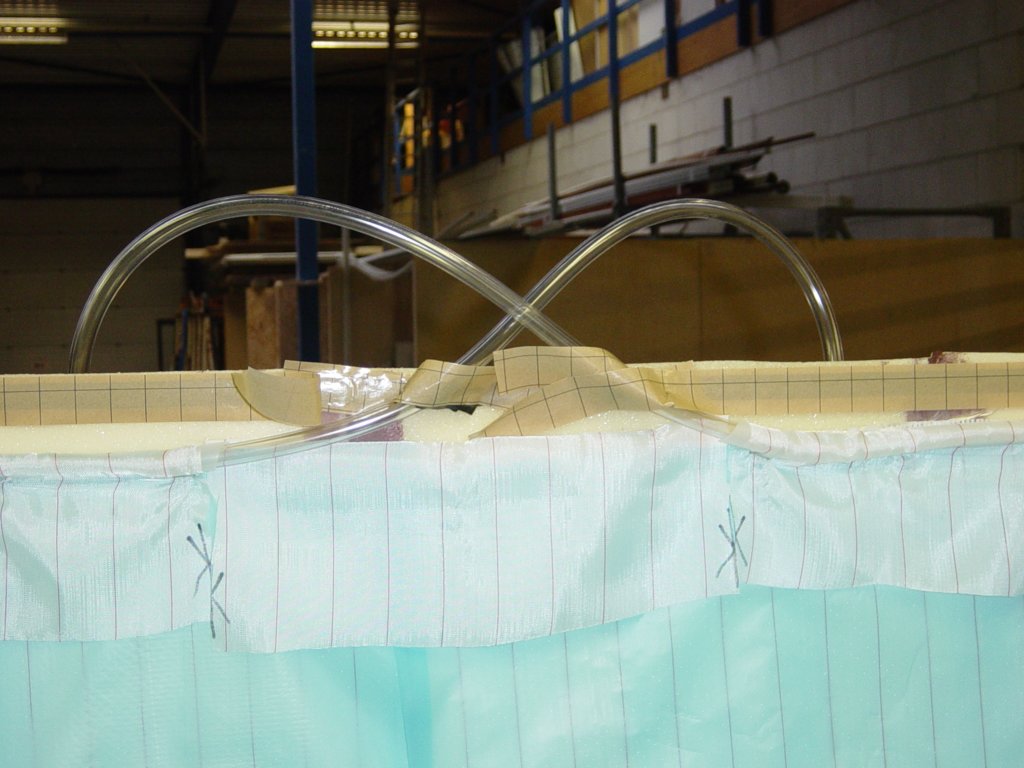
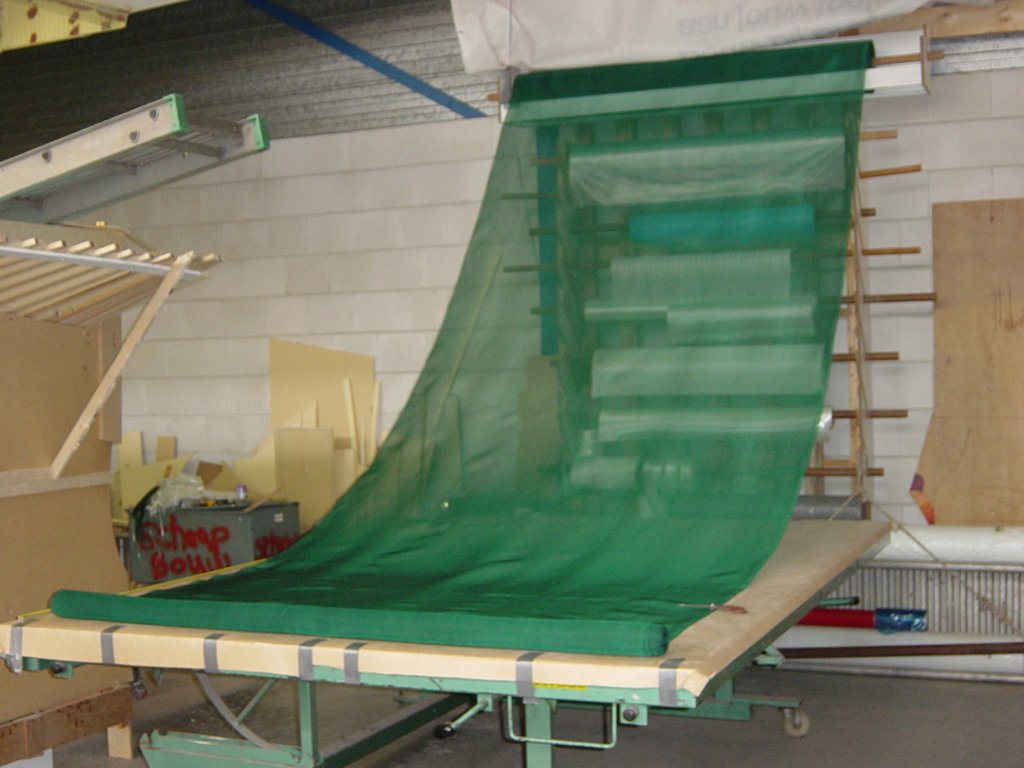
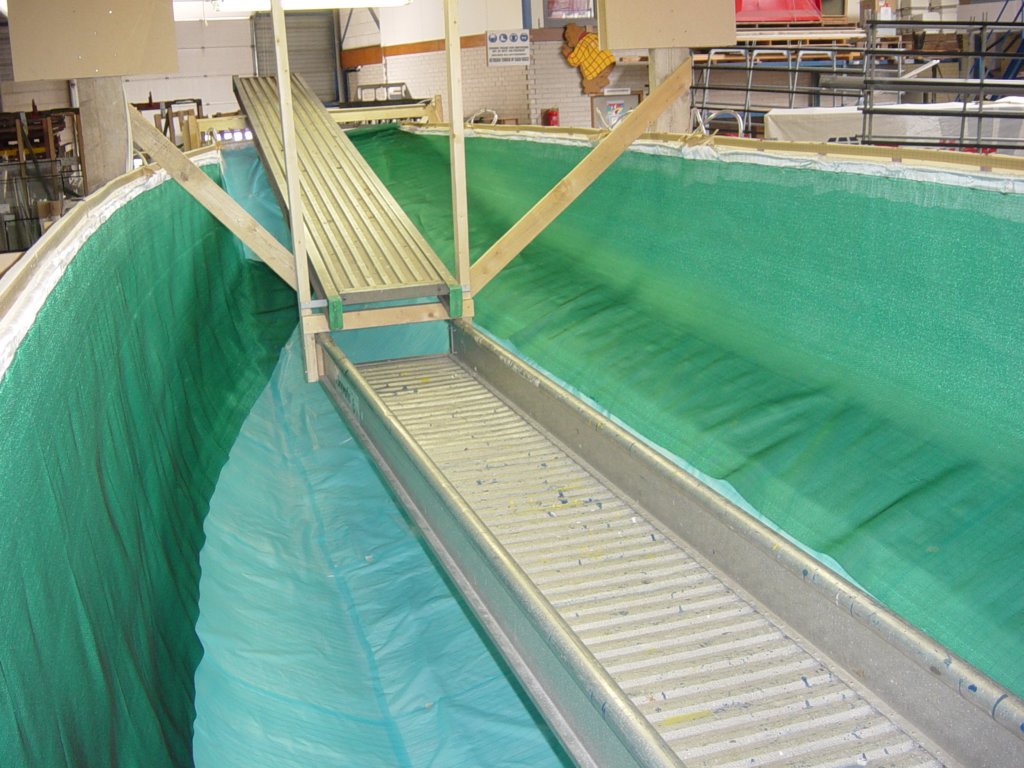
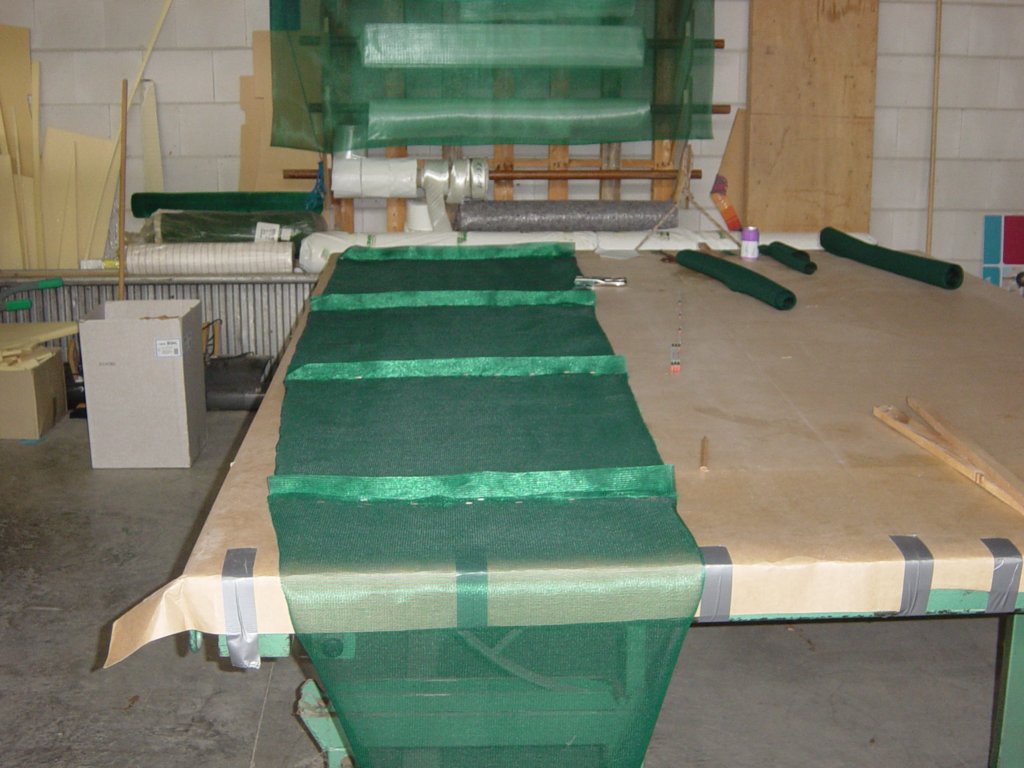
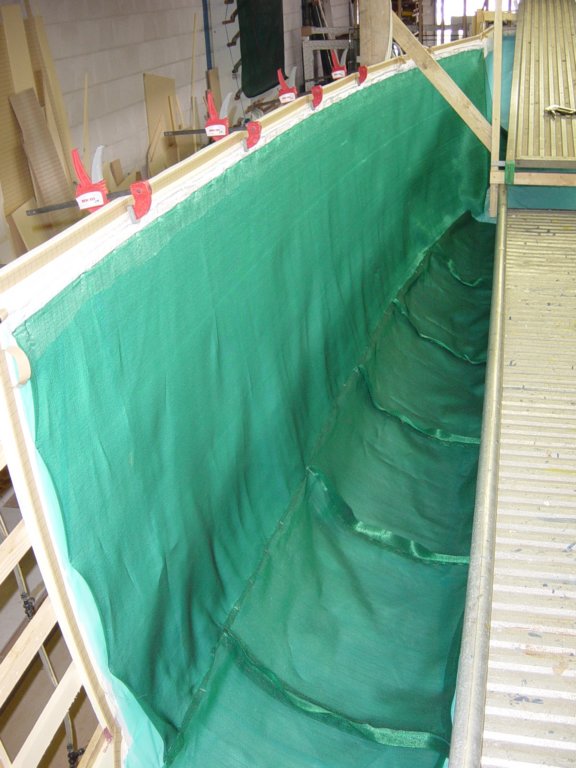
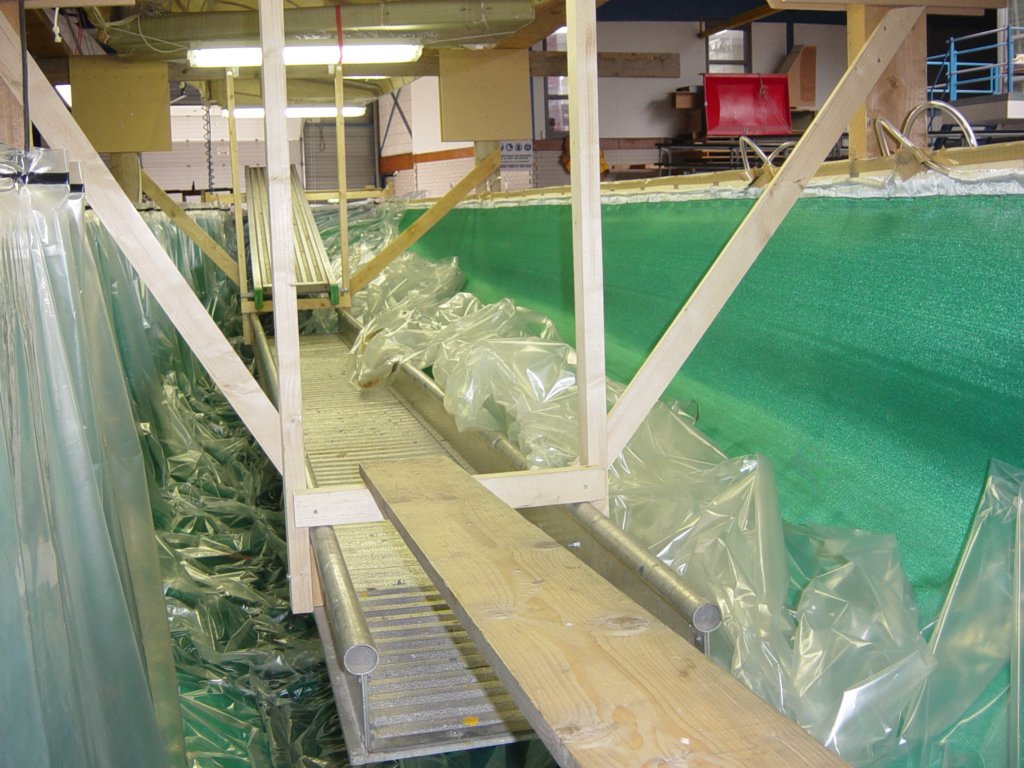
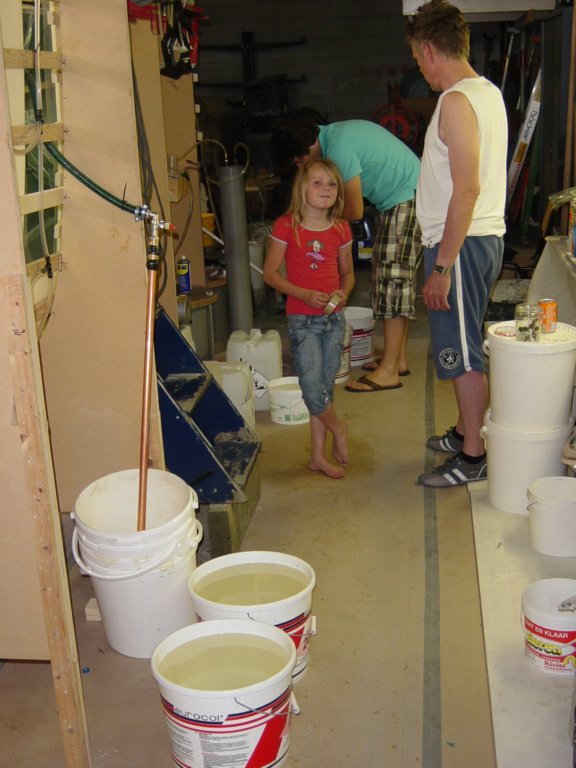
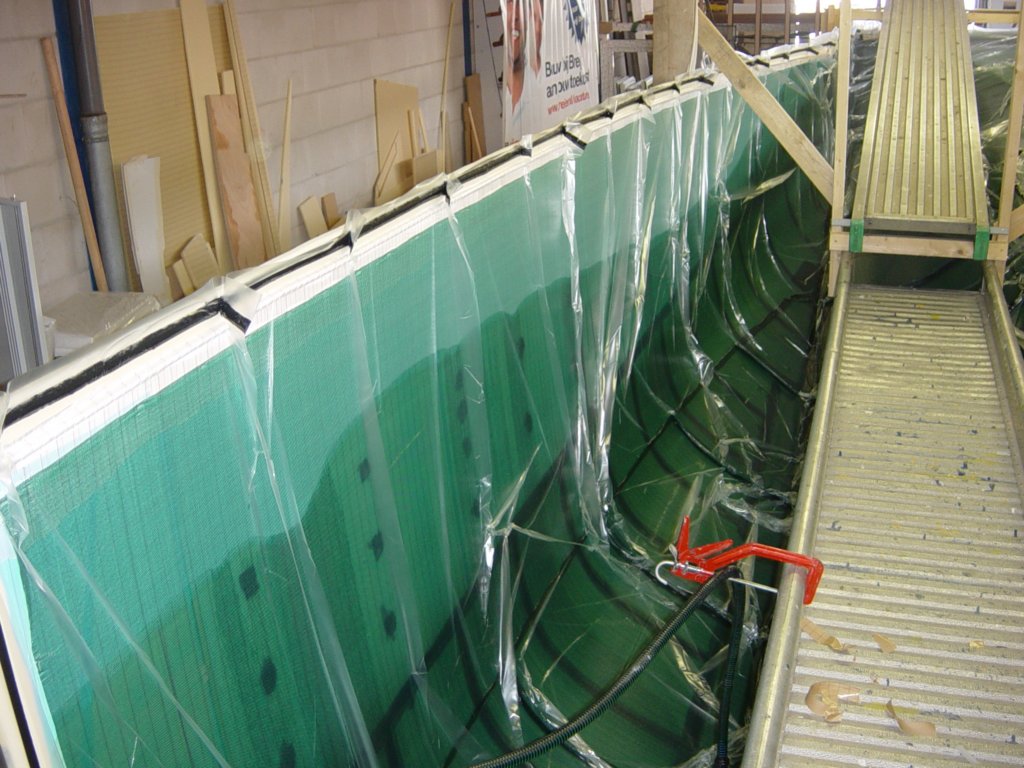
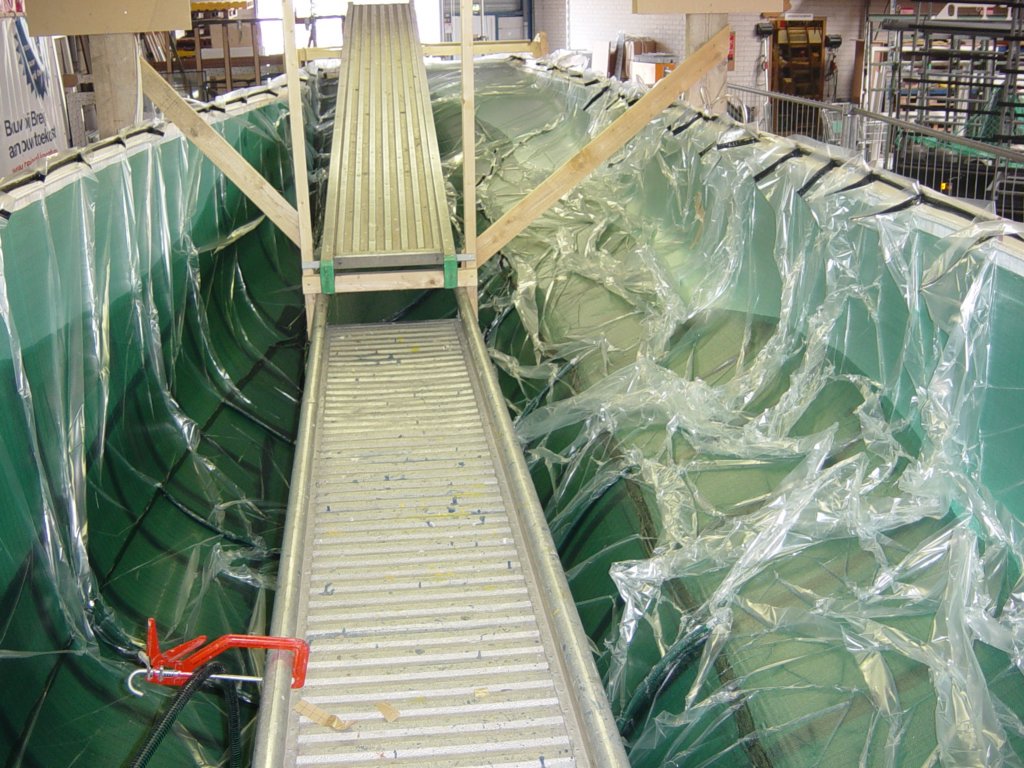
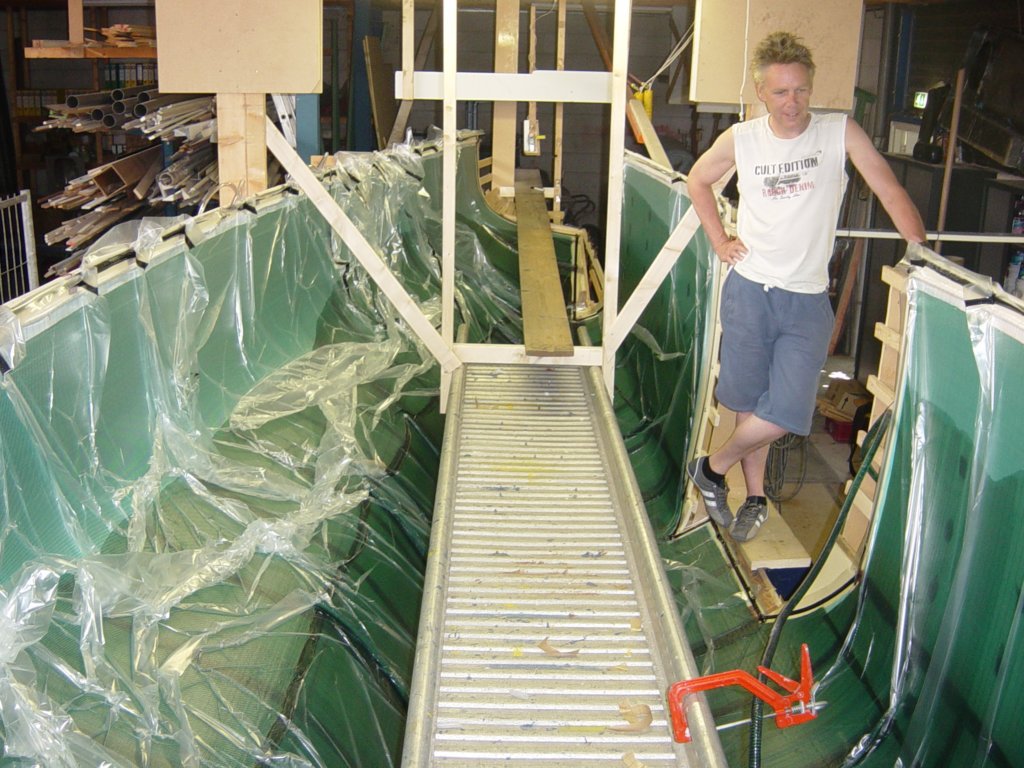
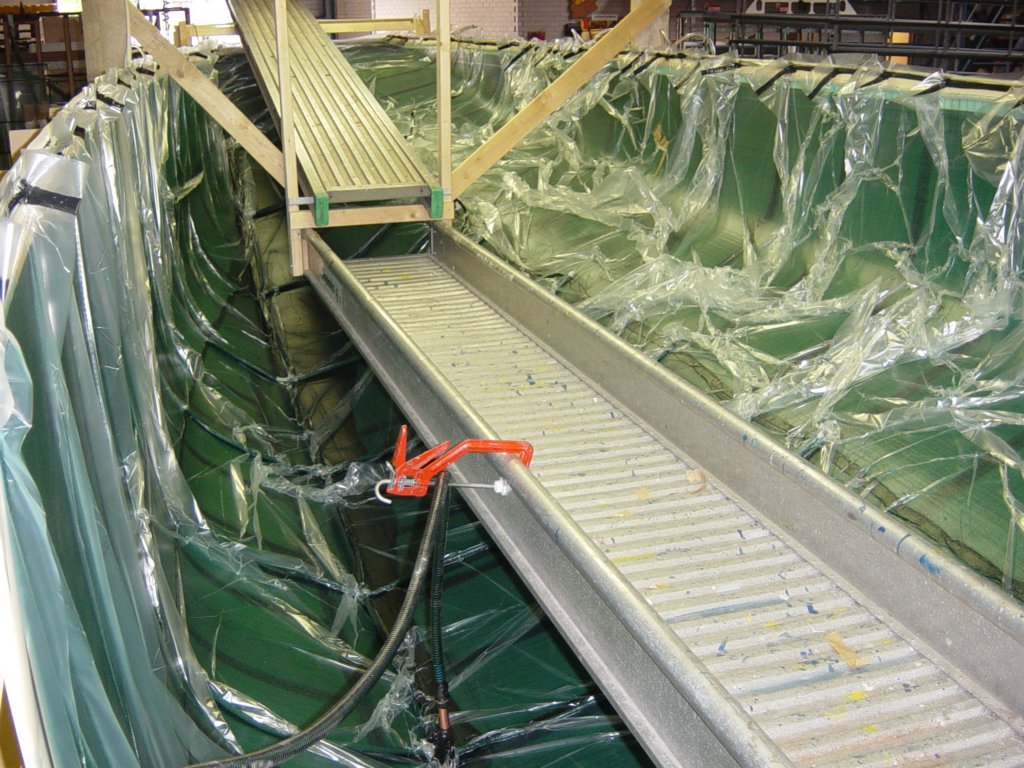
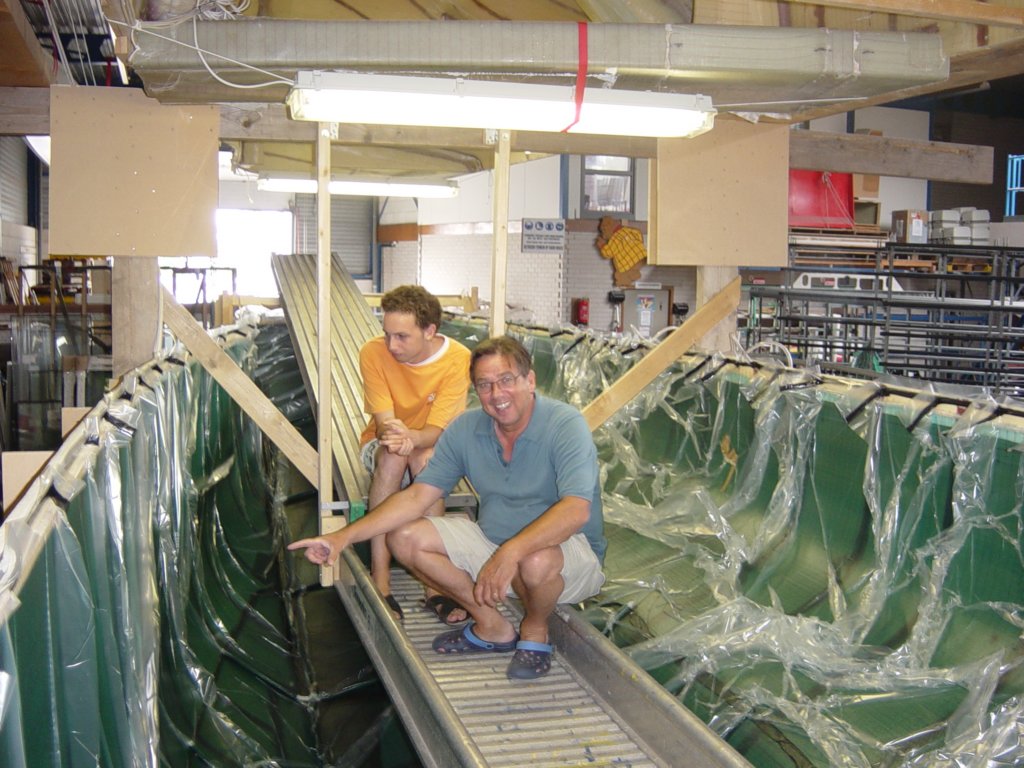
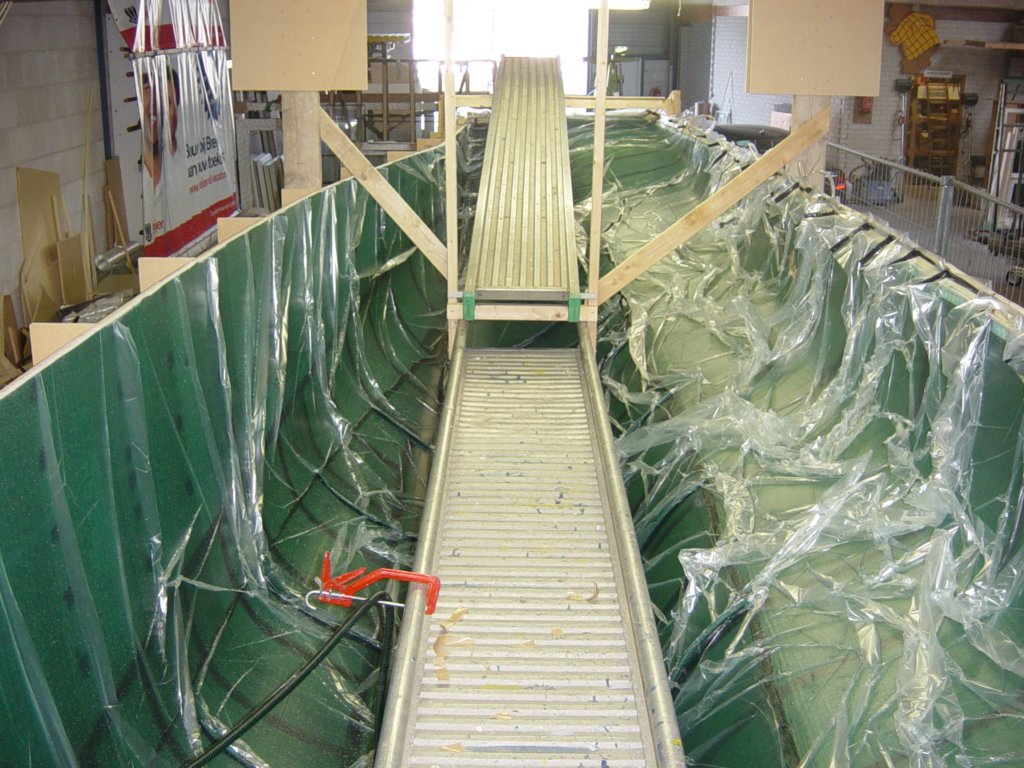
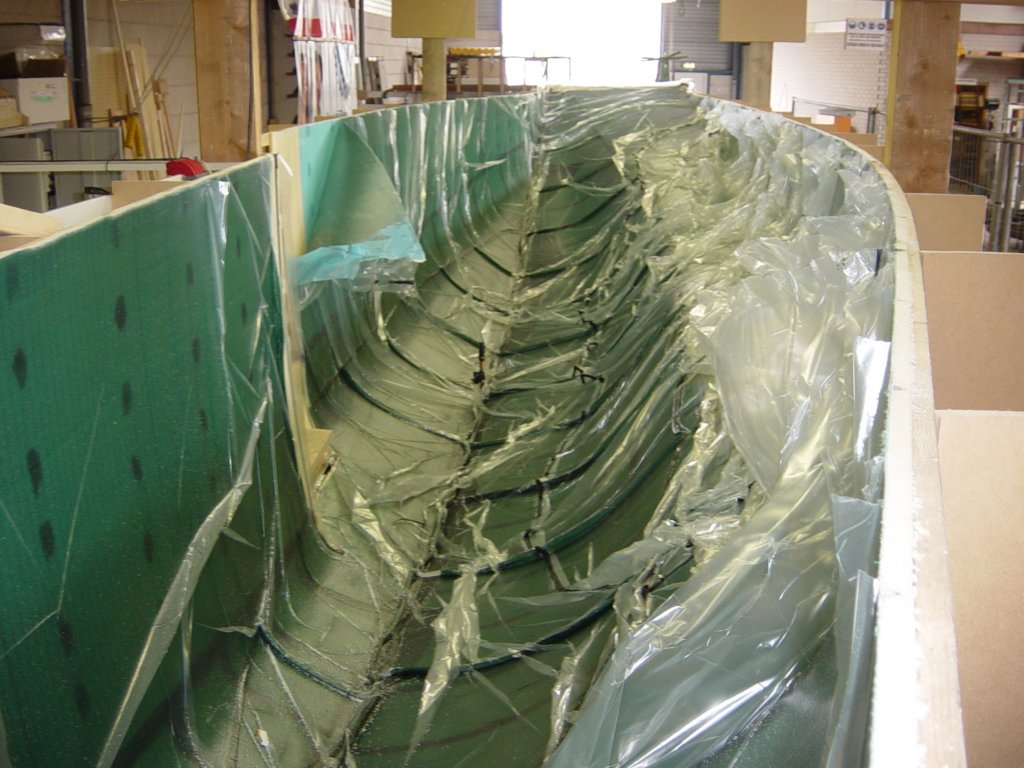
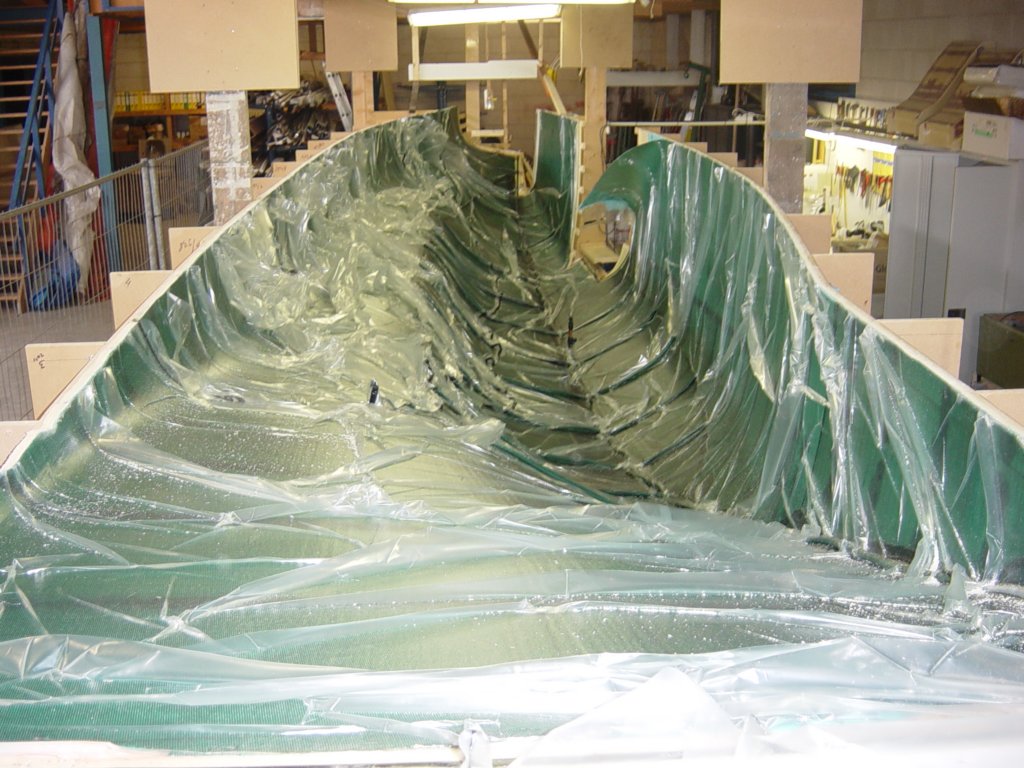
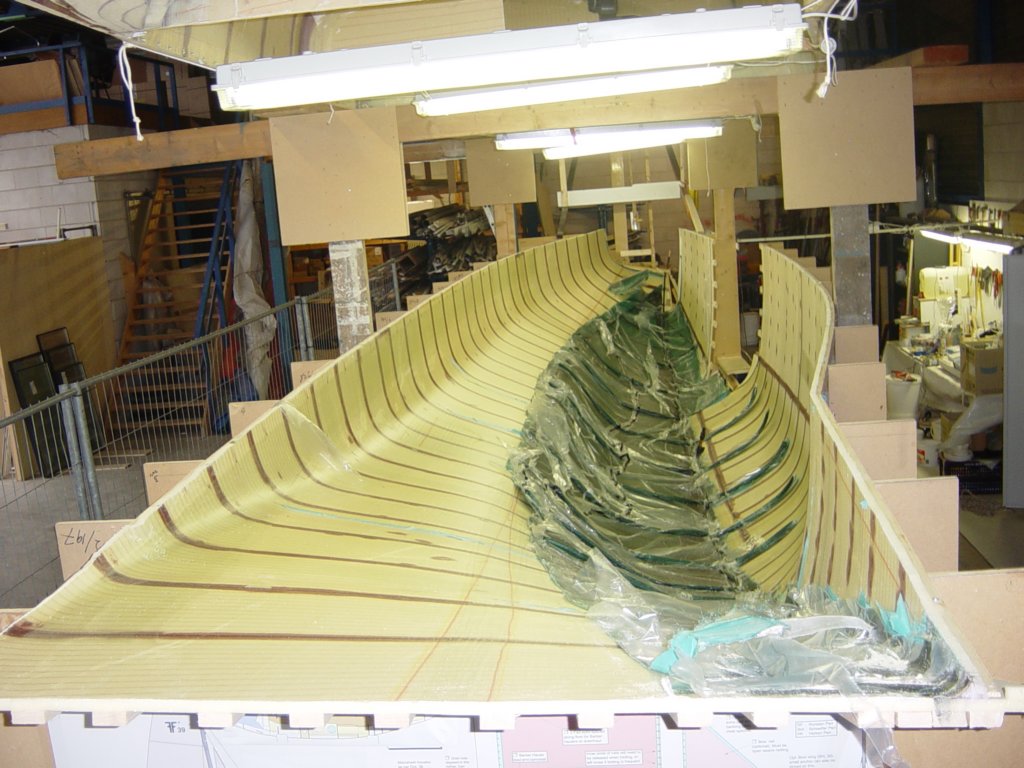
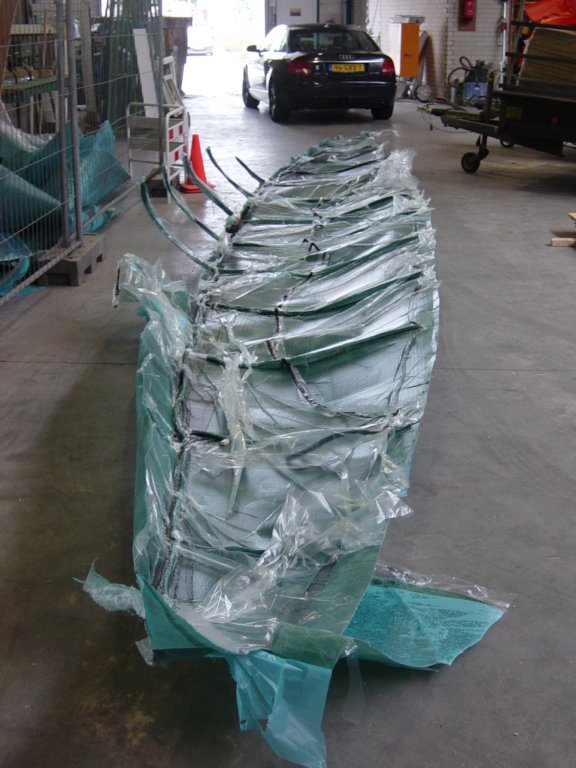
Handling all the glass fabrics and vacuum consumables is now much more convenient in this spacious workshop. The overhead crane trolley, which can be operated across the full width and length of the building, is particularly handy for manoeuvring heavy items such as full rolls of fibreglass. However, in my enthusiasm I forgot to add a few reinforcements in the window area and around the anchor locker. As I write this, the inside of the hull is already covered with the vacuum materials — everything except the vacuum bag. Next weekend I’ll have to fix that…
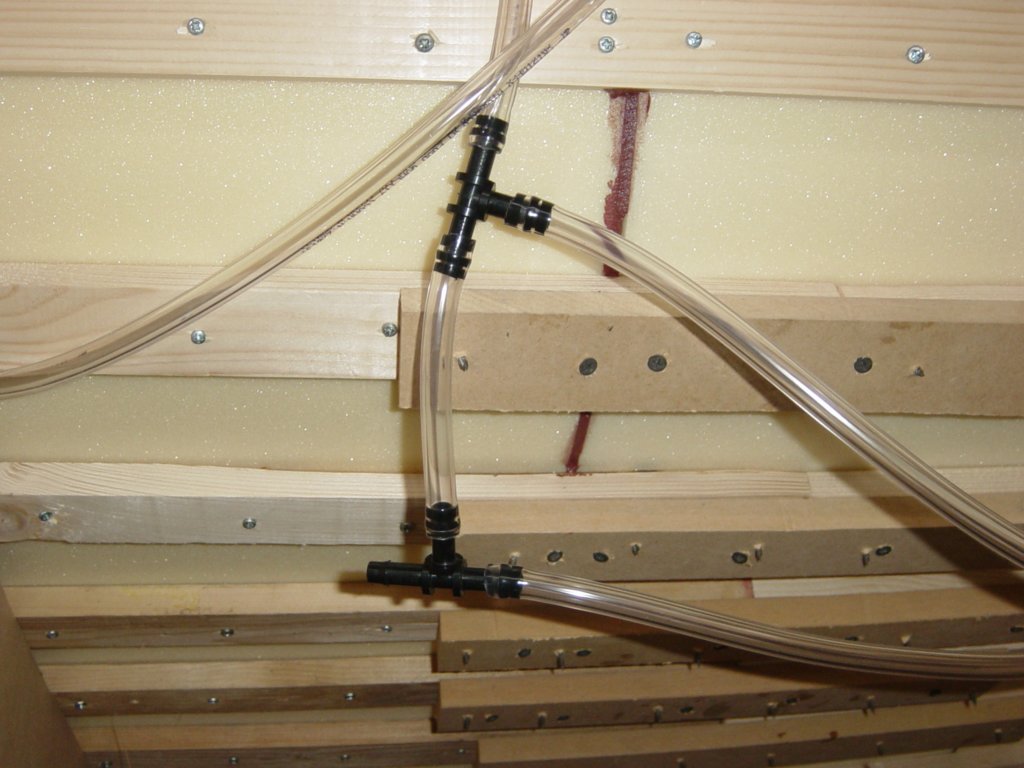
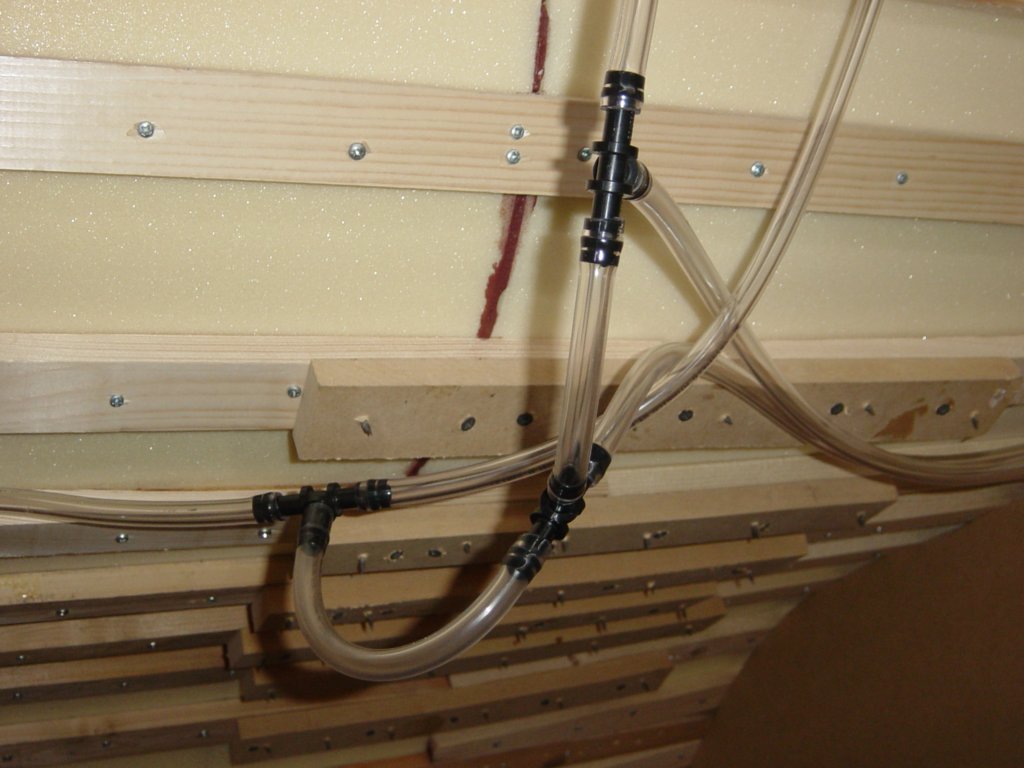
On one of the hottest days of the year — Saturday, July 11, 2010 — the vacuum infusion of the second main hull half went flawlessly. A few hours earlier I was close to despair, unable to find a major leak in the vacuum bag. At first I thought I had found the culprit: a forgotten connection in one of the vacuum lines. But after fixing it, nothing changed.
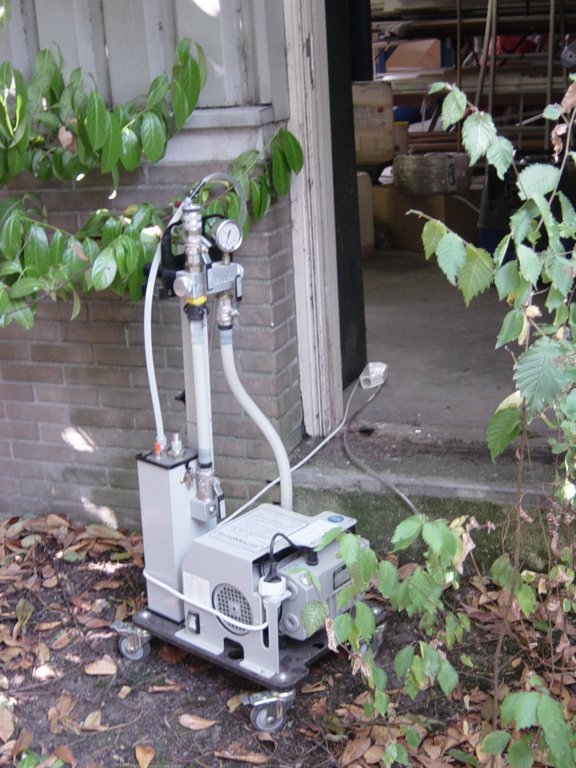
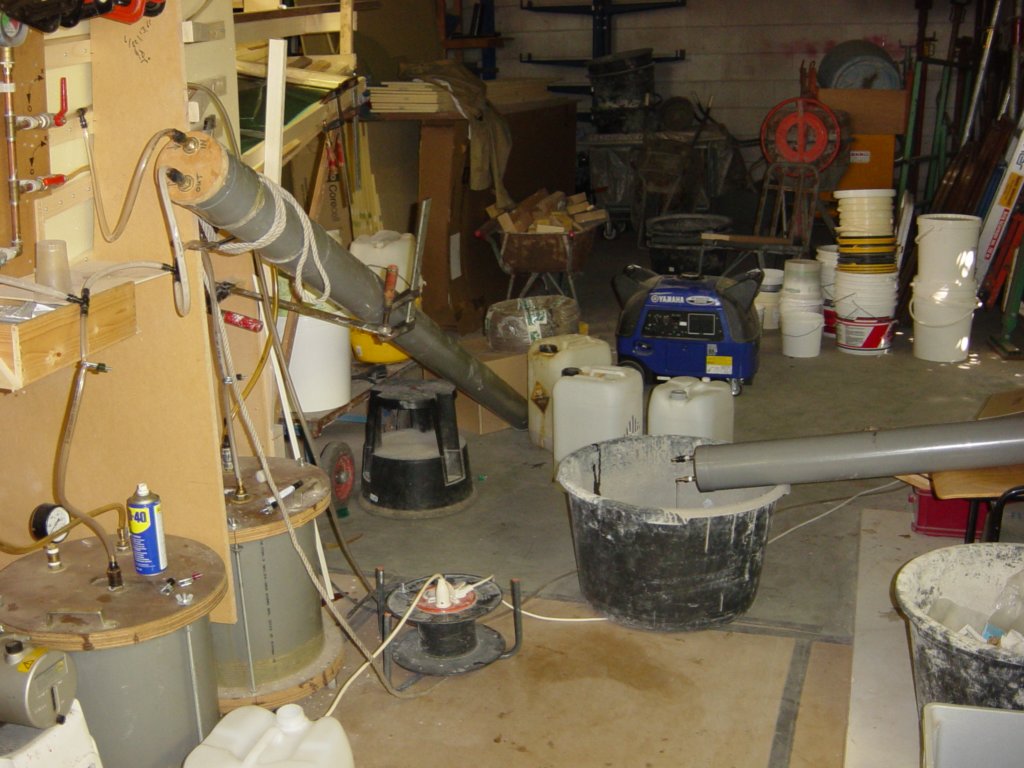
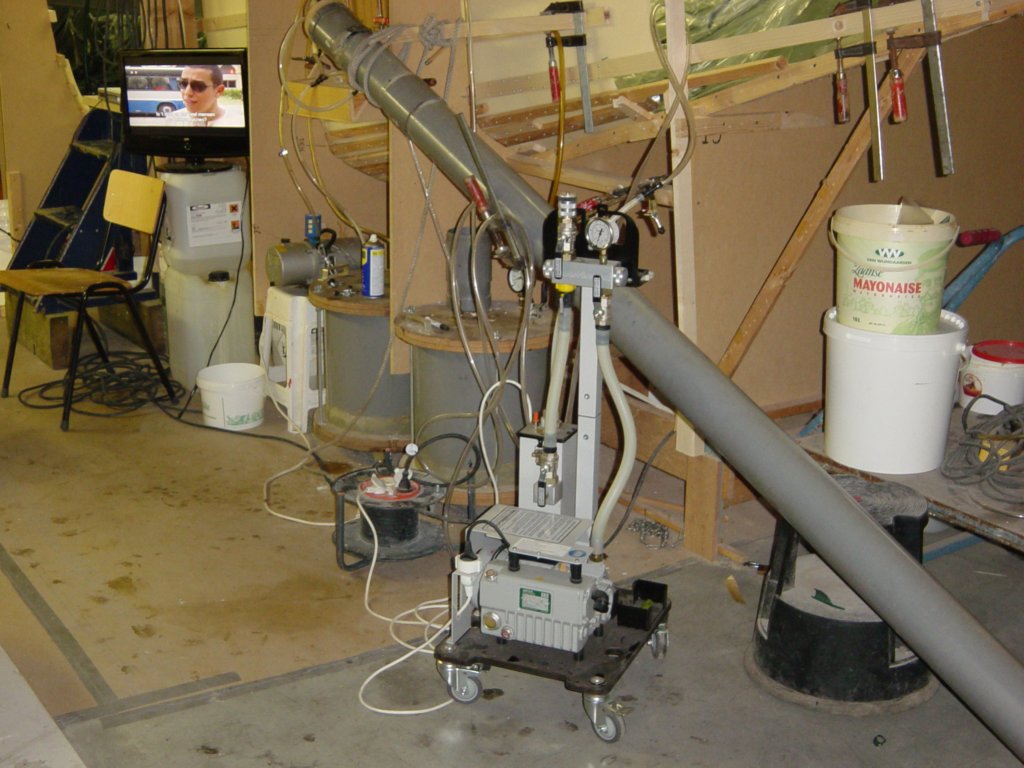
To hear better, I placed the vacuum pump outside the building, although I suspected the leak was too large to identify by sound. I spent all of Friday evening and most of Saturday morning chasing it down. Every scenario went through my mind, including the worst: a porous or punctured hull. Just before I thought I was going crazy, I noticed that the cleaning lady was still in the building that Saturday morning. Knowing that women tend to be far more patient in this sort of work, I asked her to help me find the leak.
After five minutes (!) she found a small leak in the bag. Unfortunately, sealing it with a piece of tacky tape changed nothing. A few minutes later she found the real offender: a large square hole in the bag, hidden inside a pleat. She made my day. Thanks, Angela. With vacuum restored, the remaining small leaks were easy to hear and I ended up with a perfect bag.
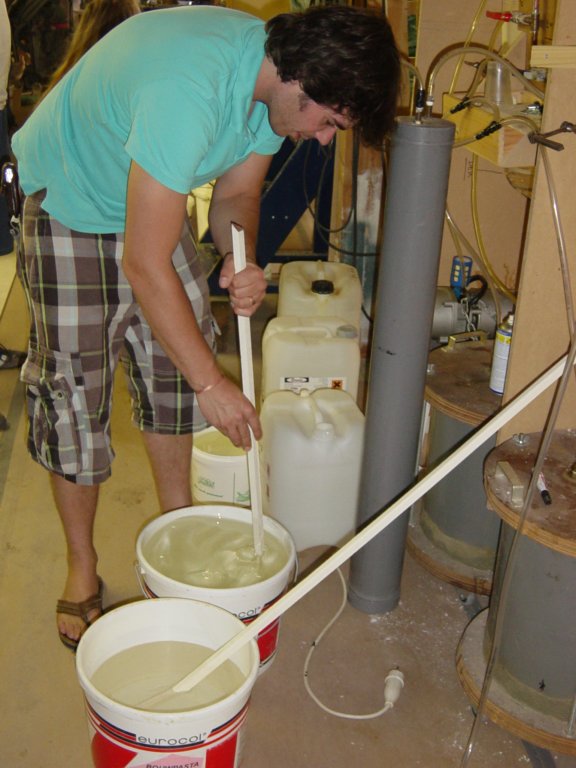
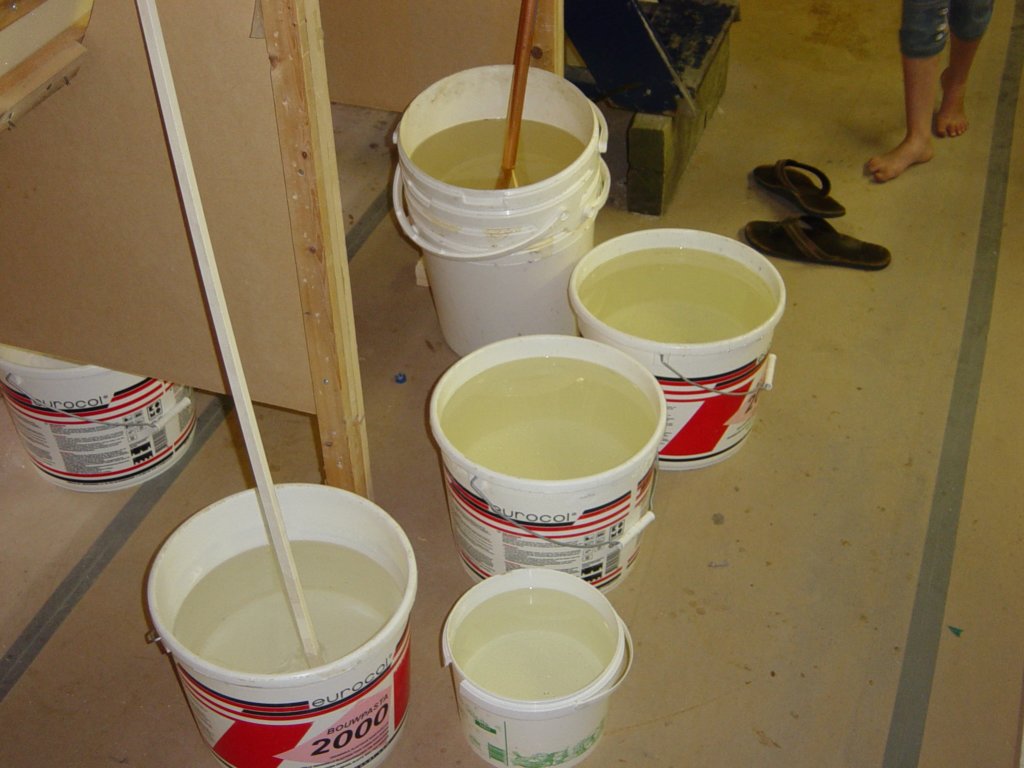
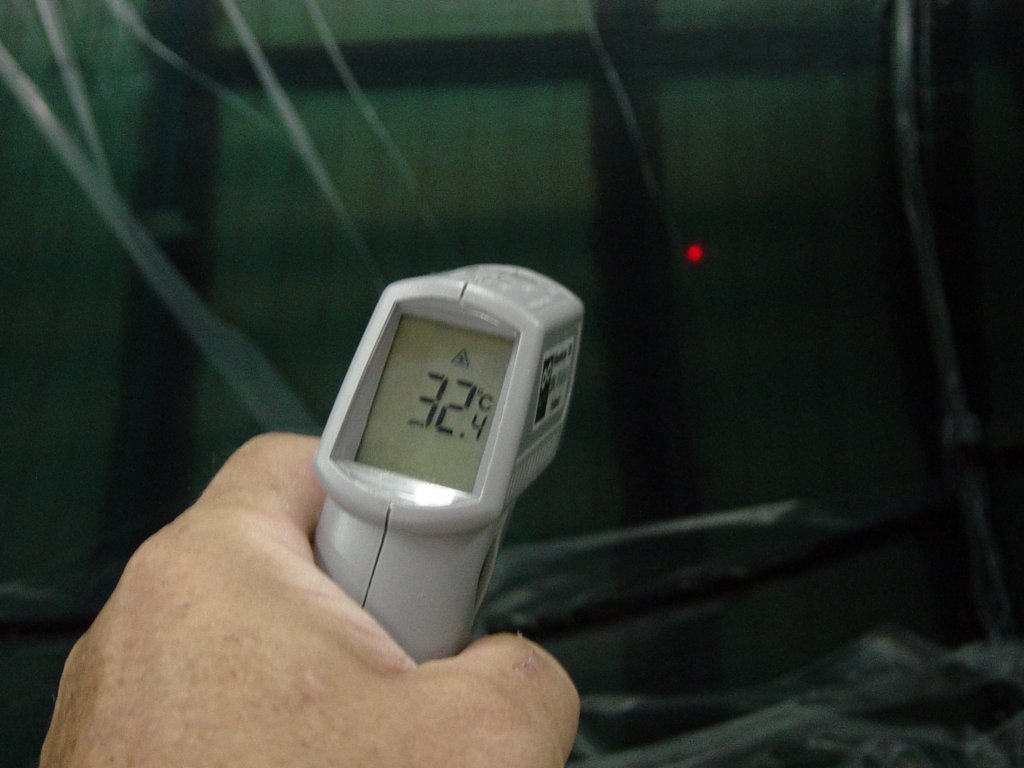
The drop test (vacuum pump off) resulted in a negligible loss of vacuum. Room temperature was 32°C — and so was the resin — which made conditions ideal for a fast infusion. Click the image below for the photo gallery and the video showing the dry lay-up and infusion of this main hull half.
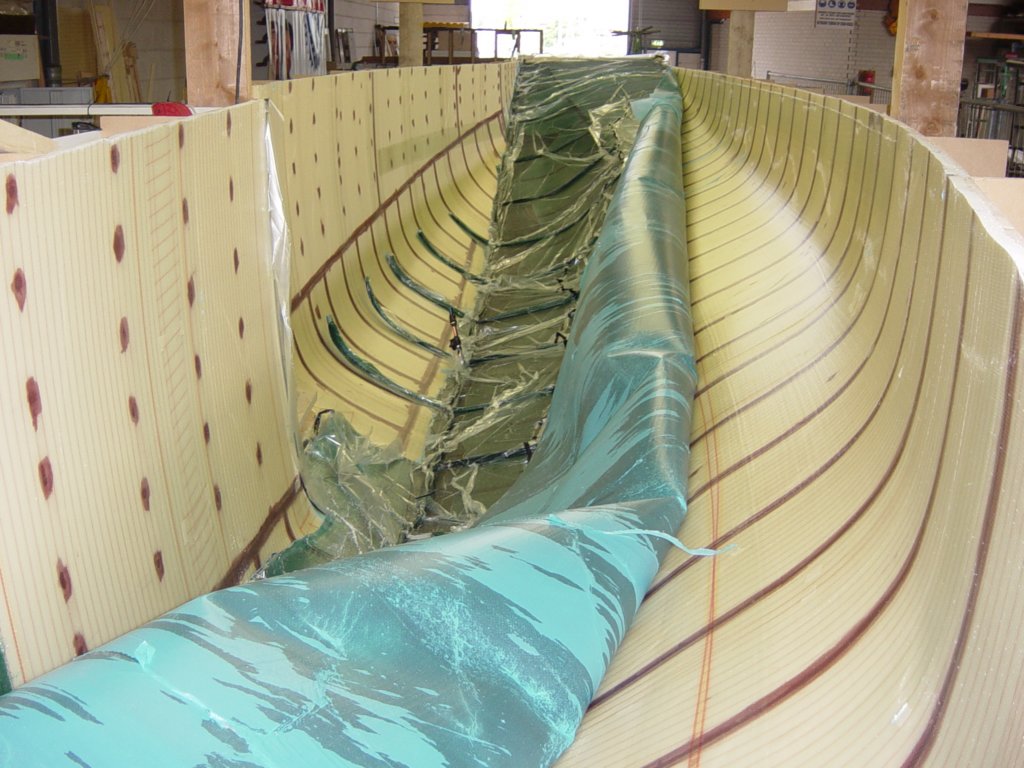
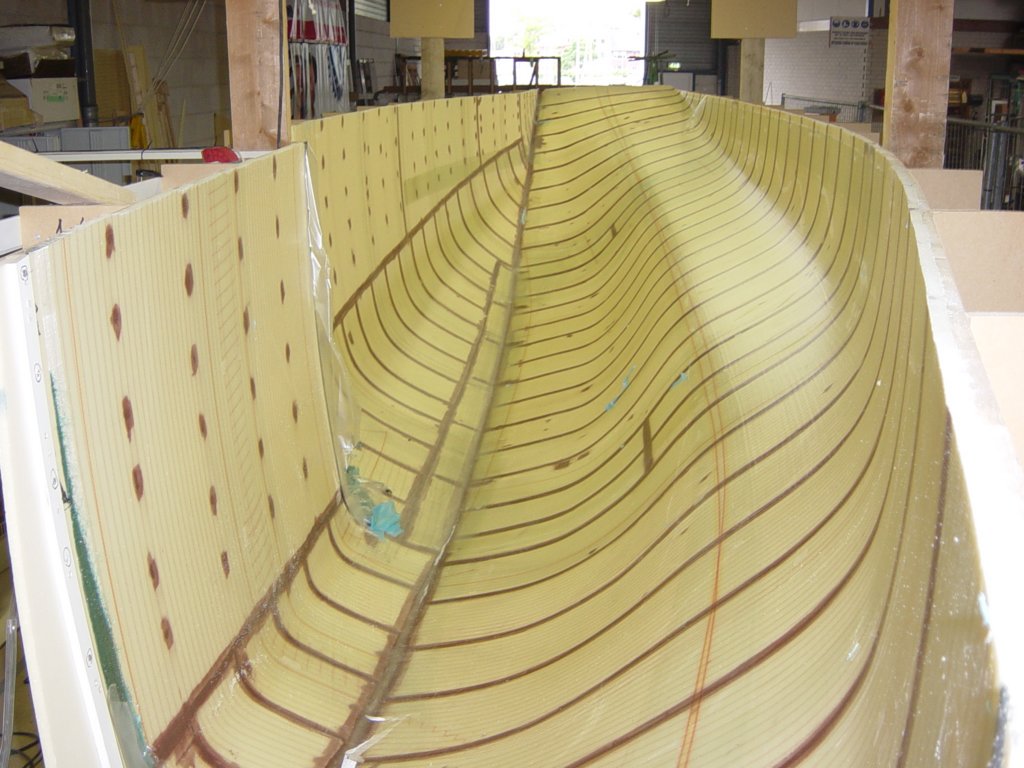
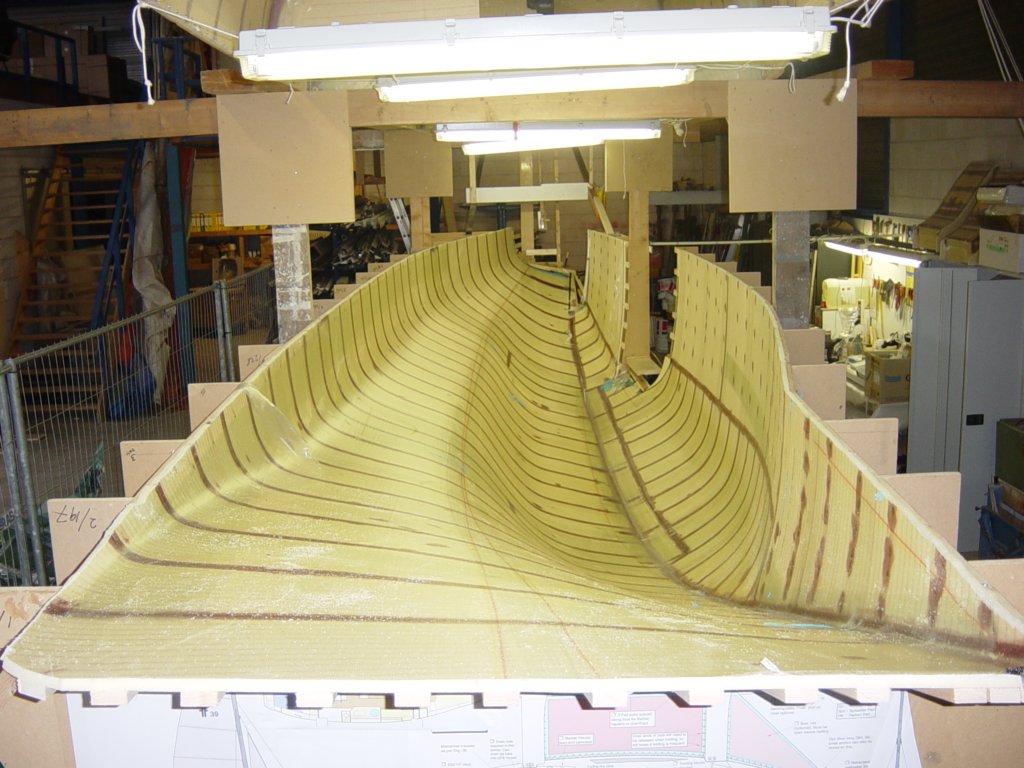
This photo gallery (41 images) follows the complete infusion prep and run: laying the glass straight from the roll, peel ply and release film, creating the resin distribution fabric and runners, building the oversized bag, chasing leaks, mixing resin, watching a beautifully even resin front, and finally stripping consumables to reveal another clean laminate.