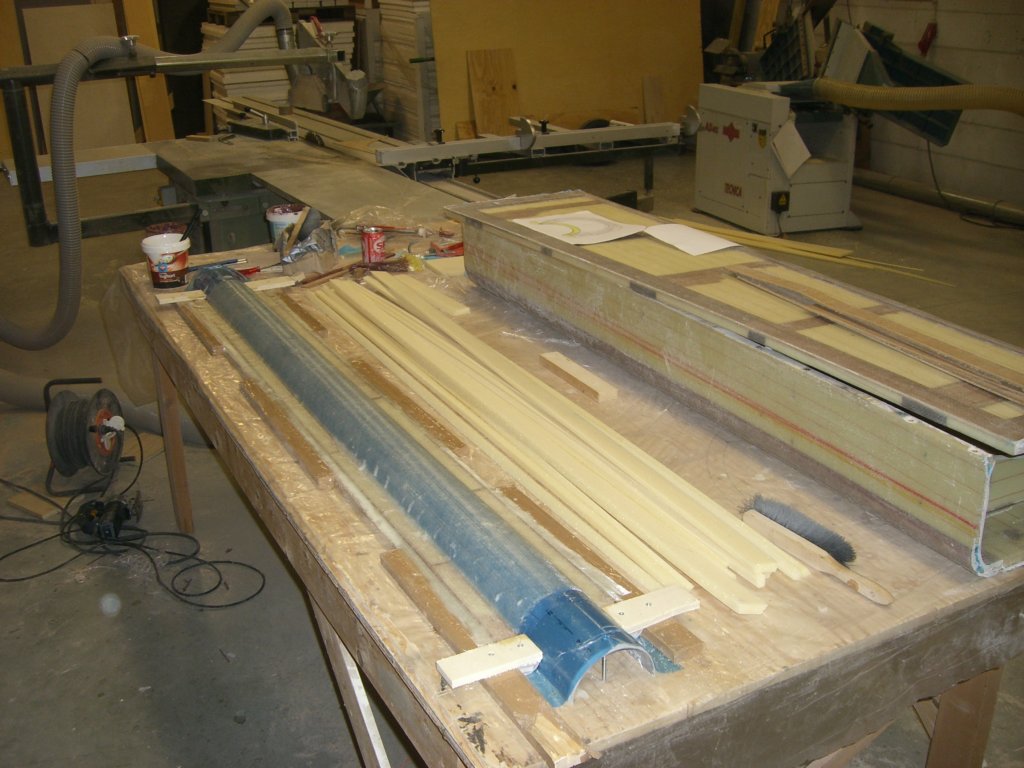
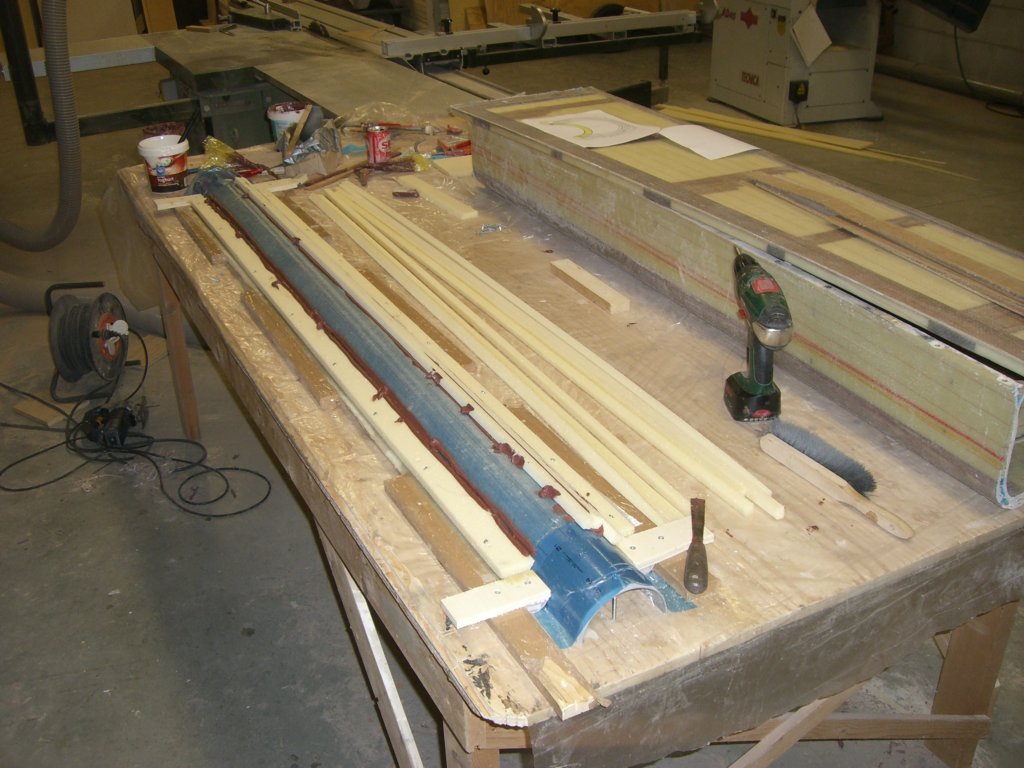
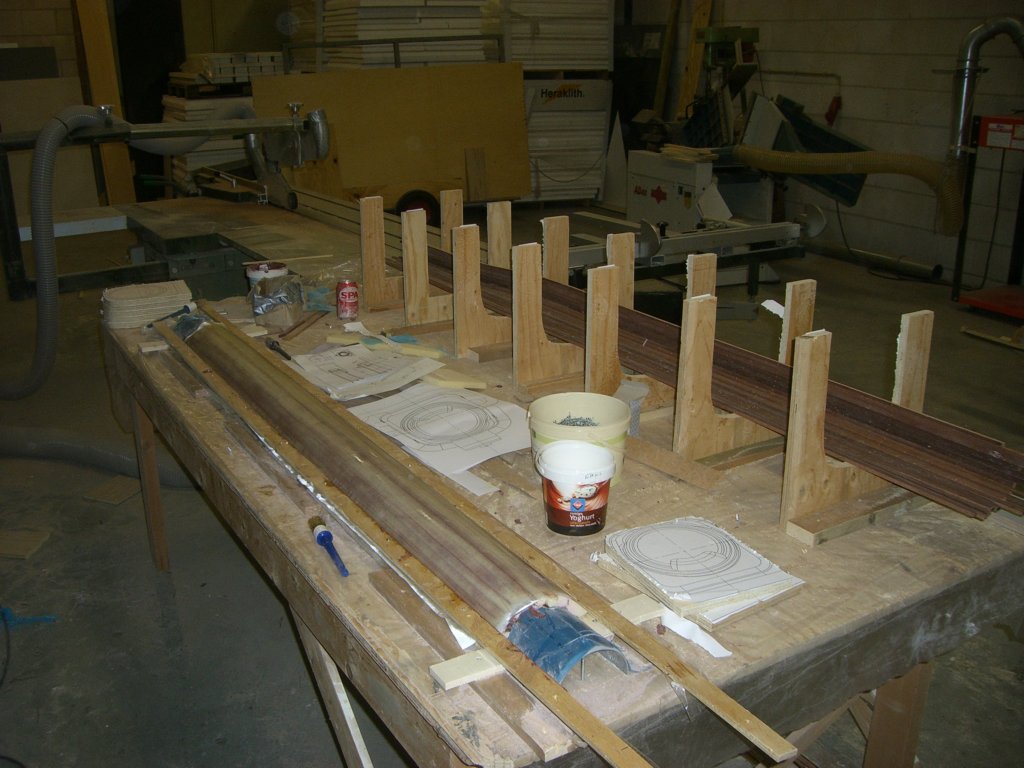
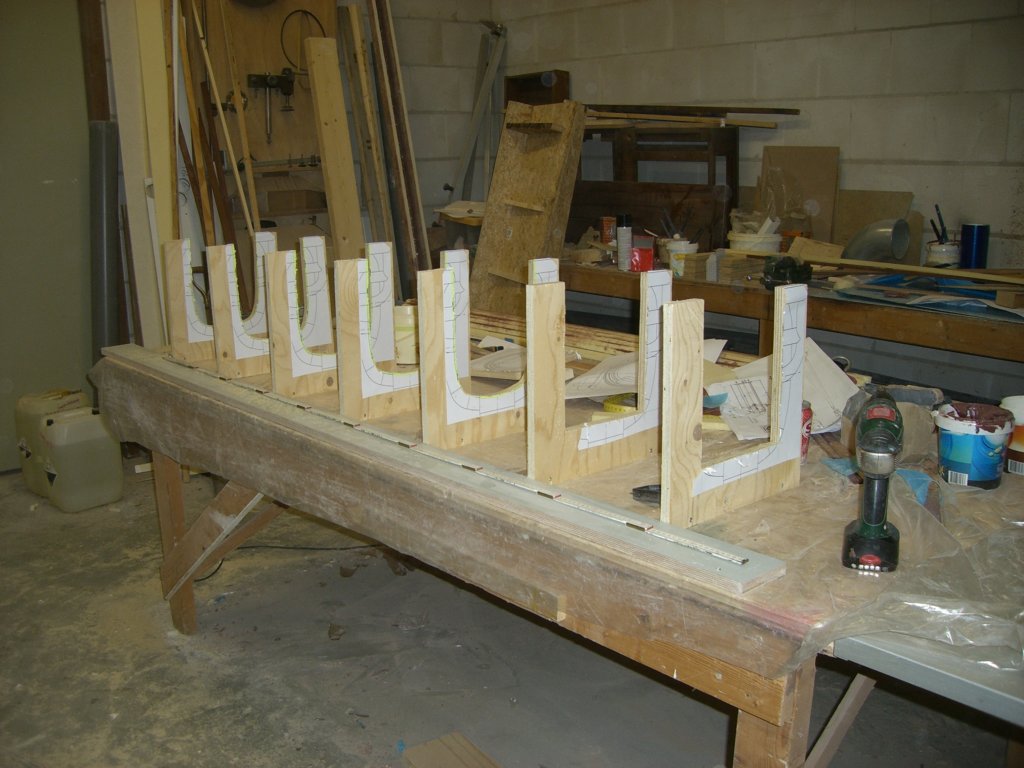
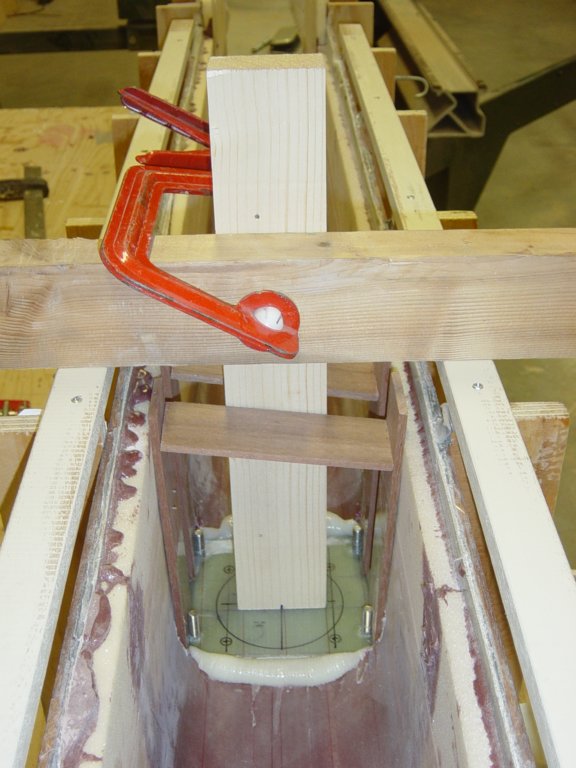
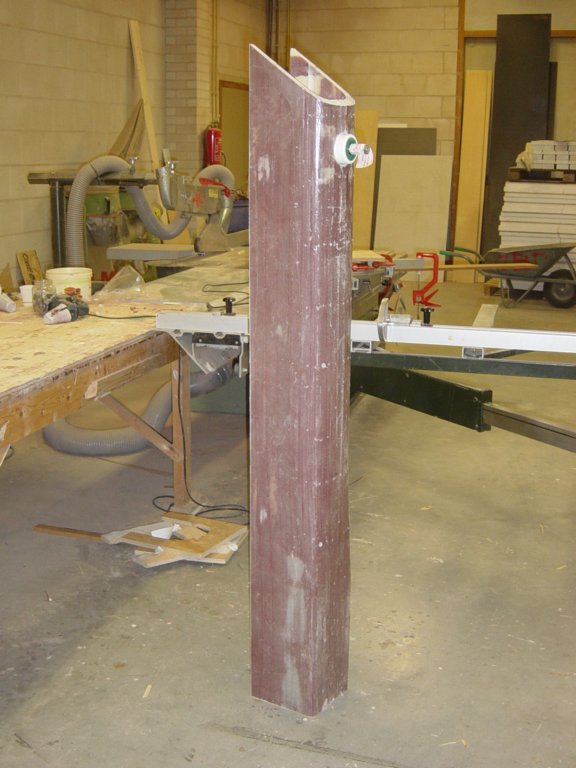
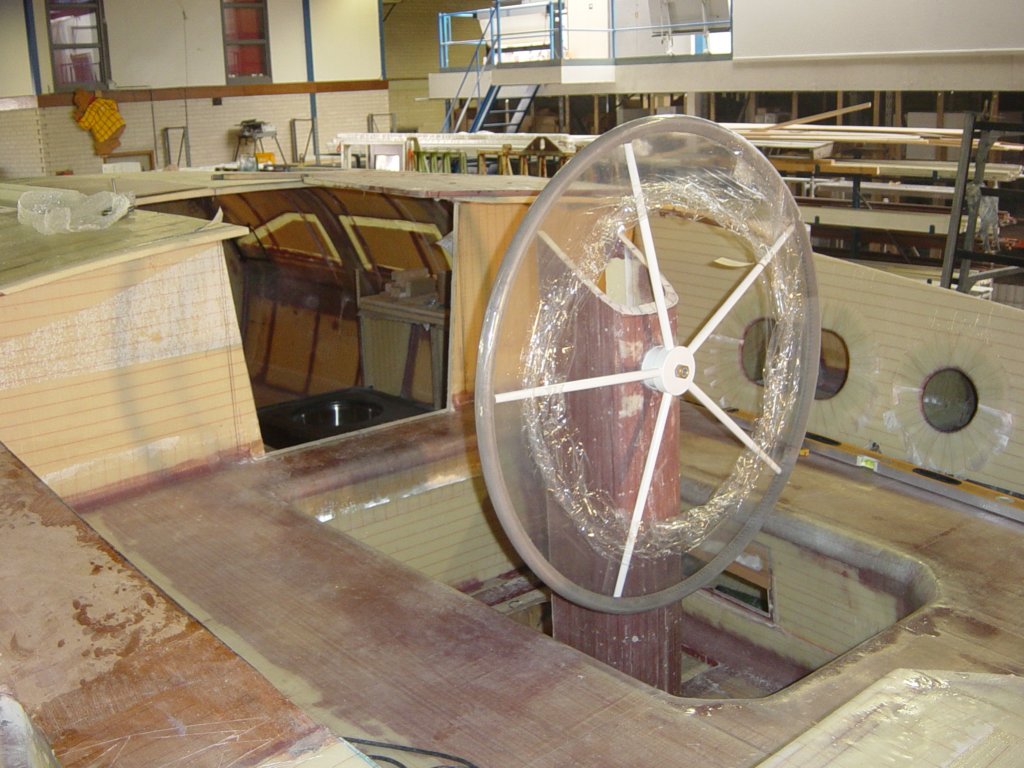
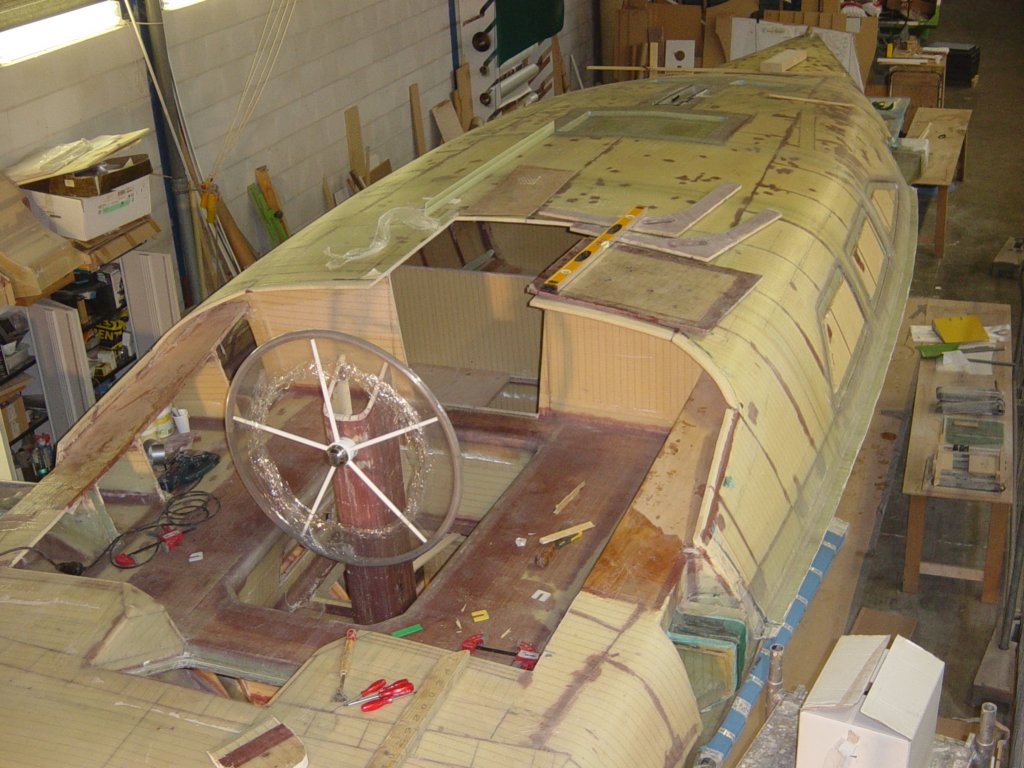
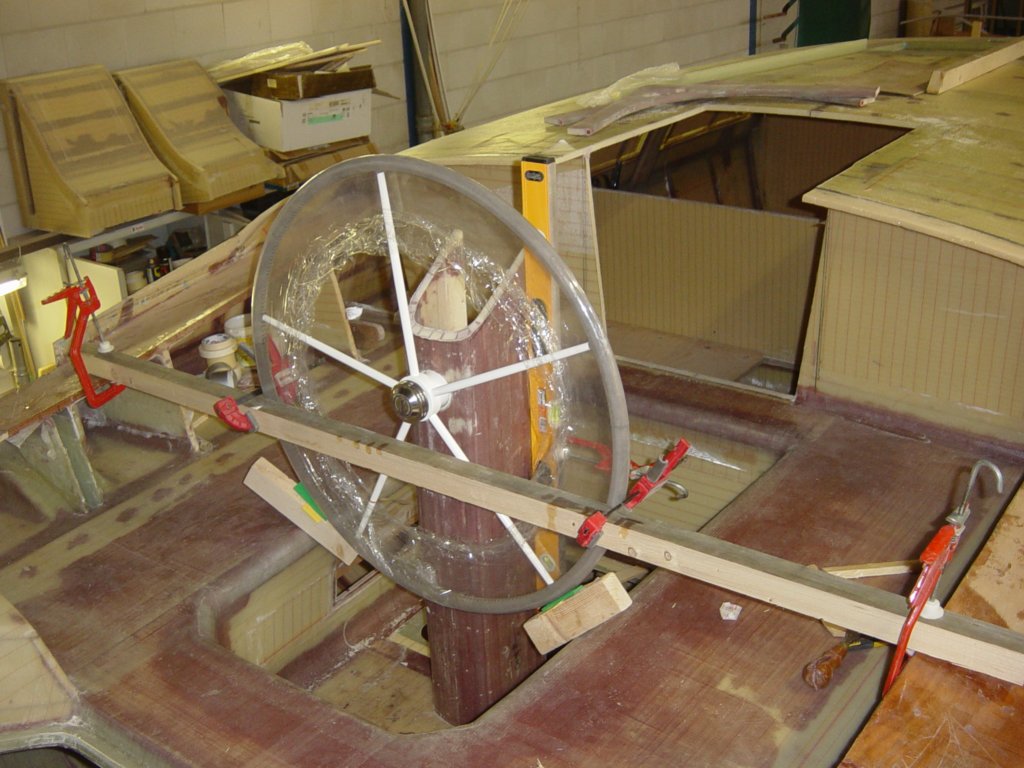
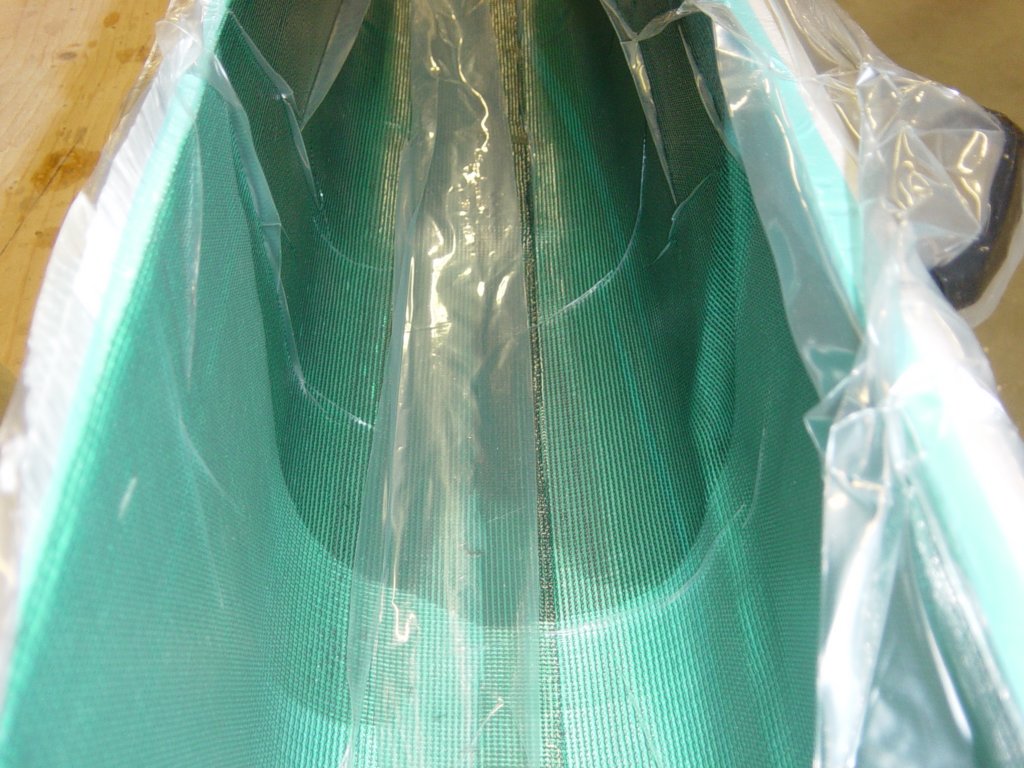
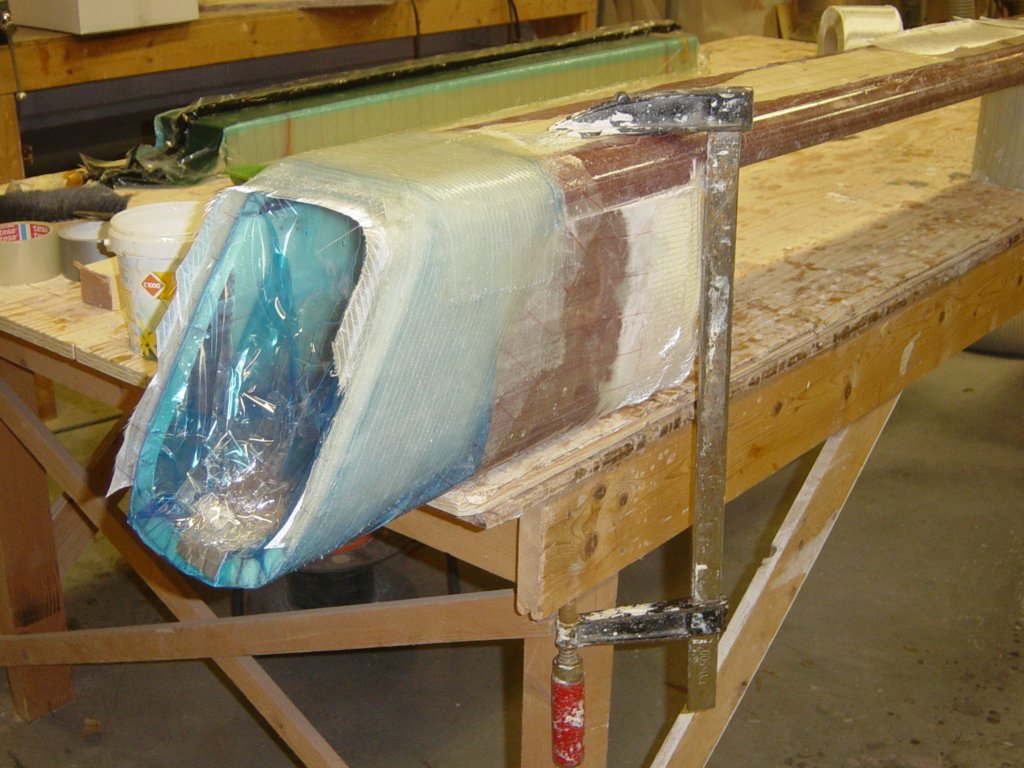
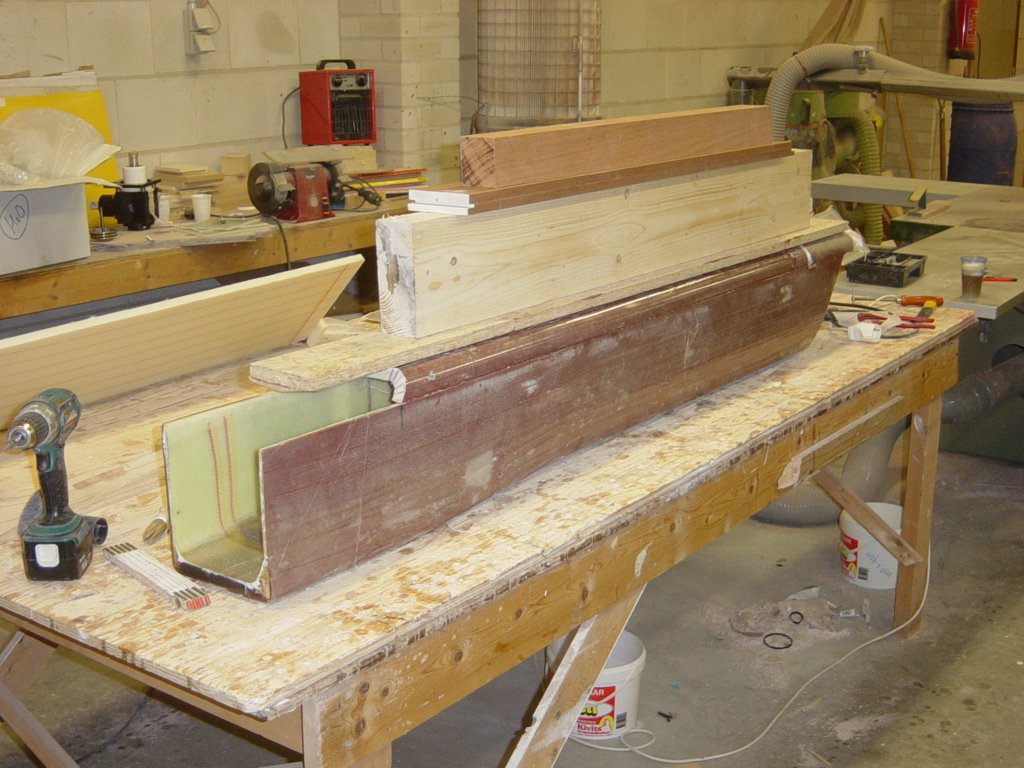
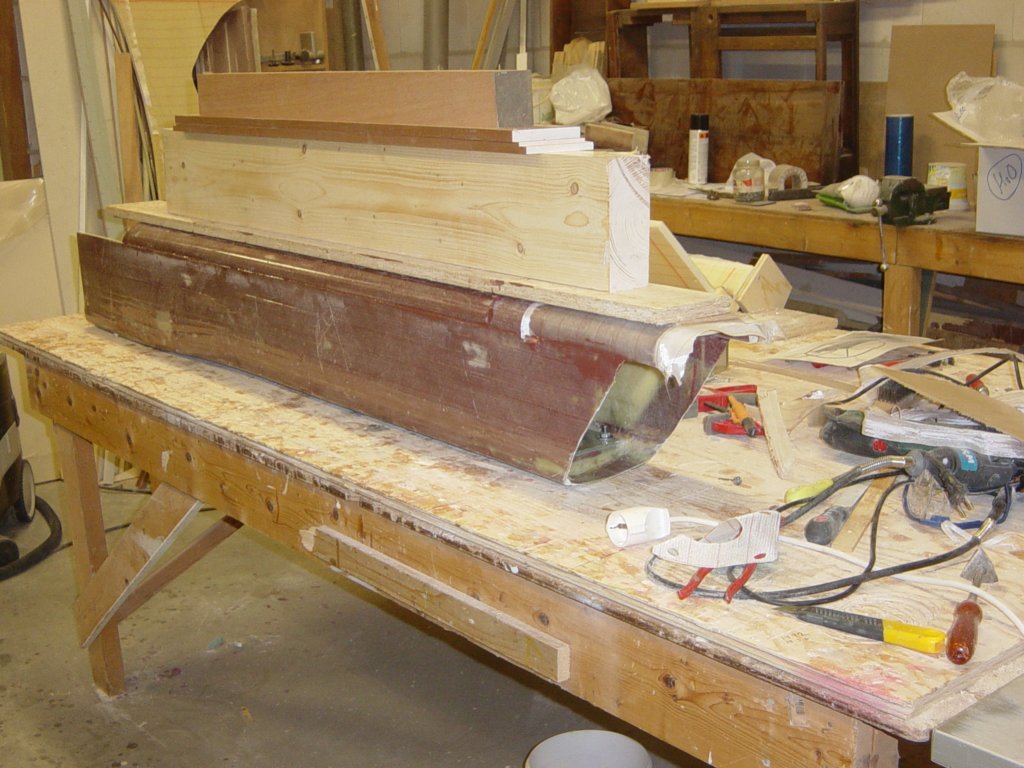
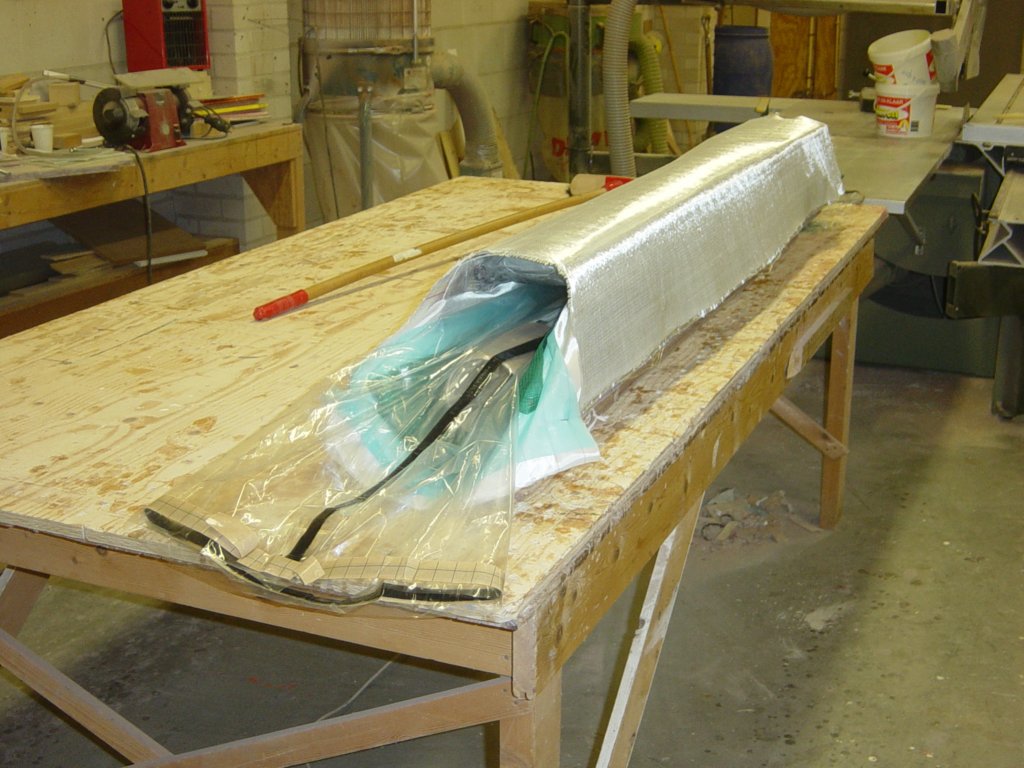
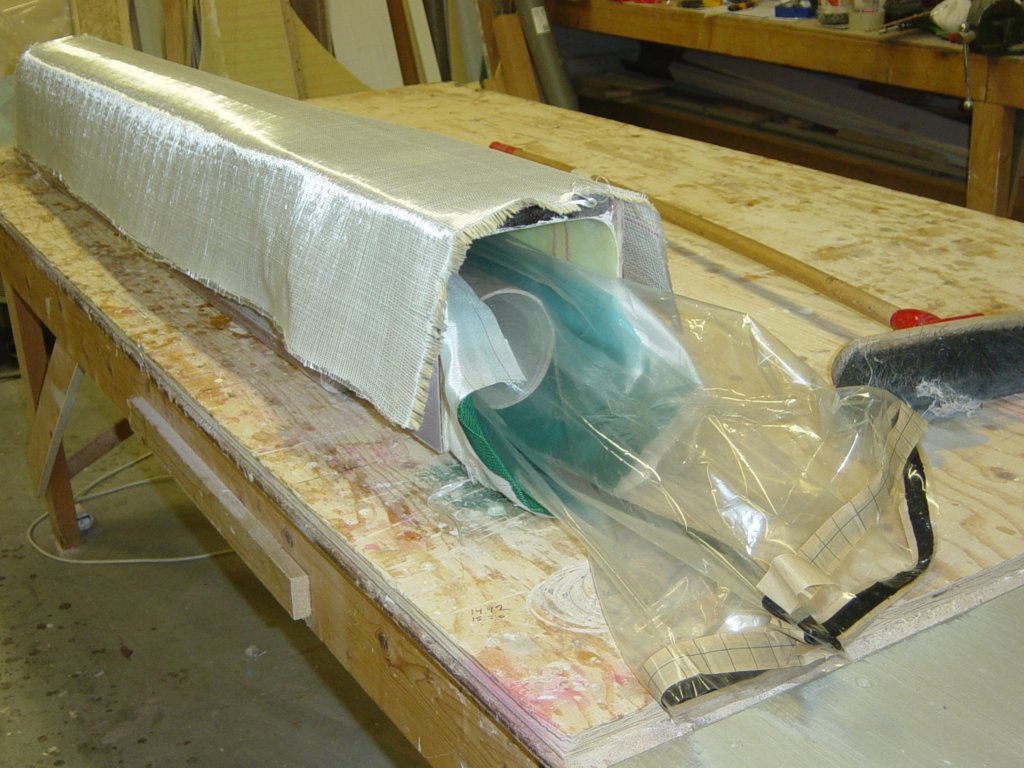
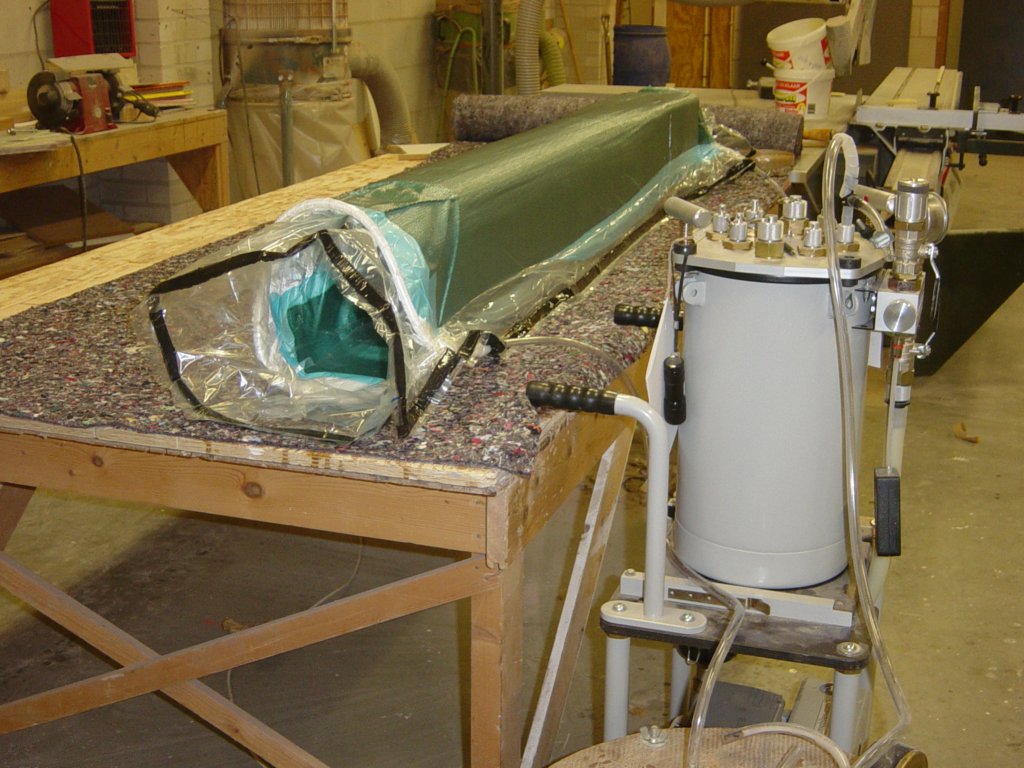
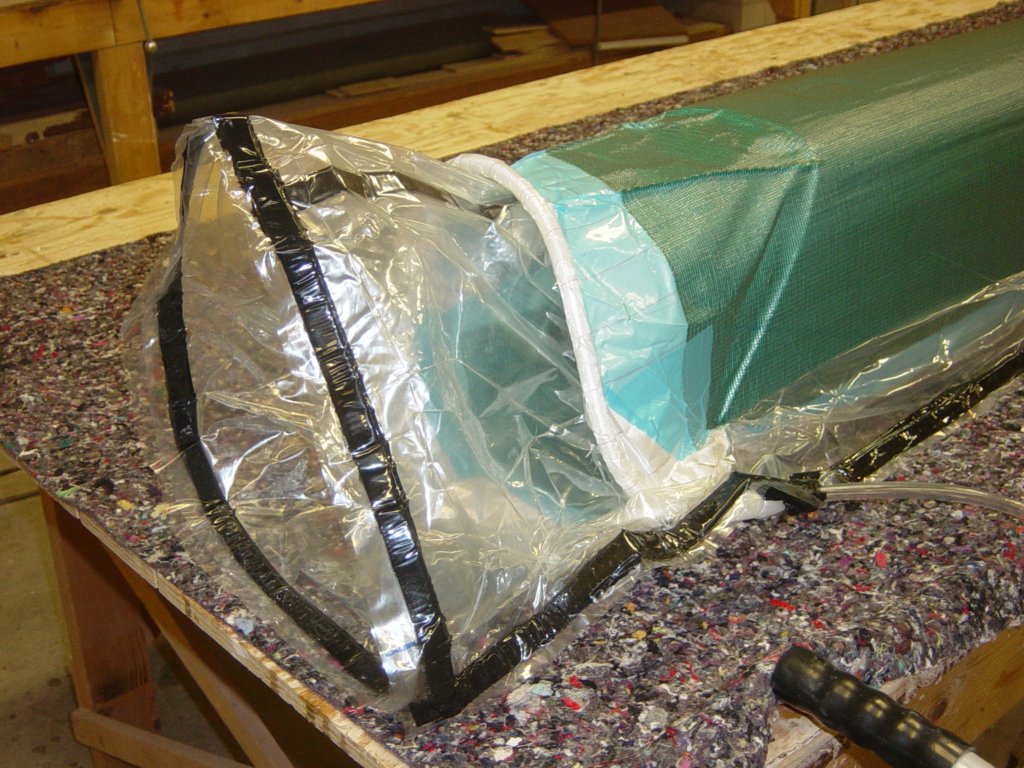
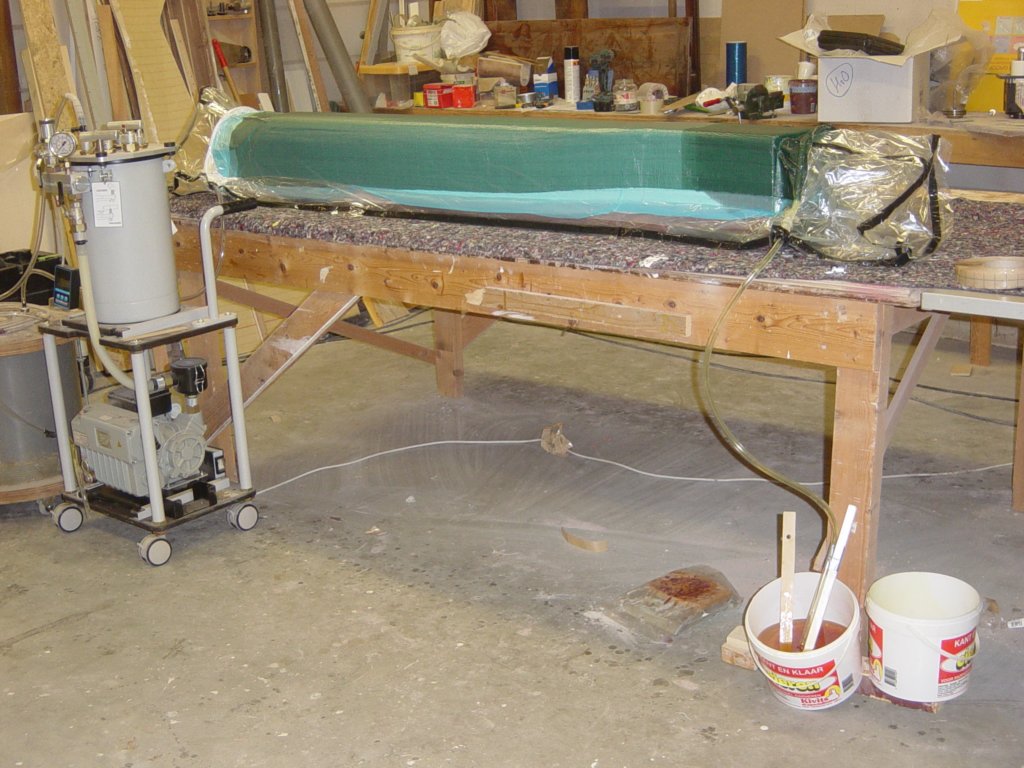
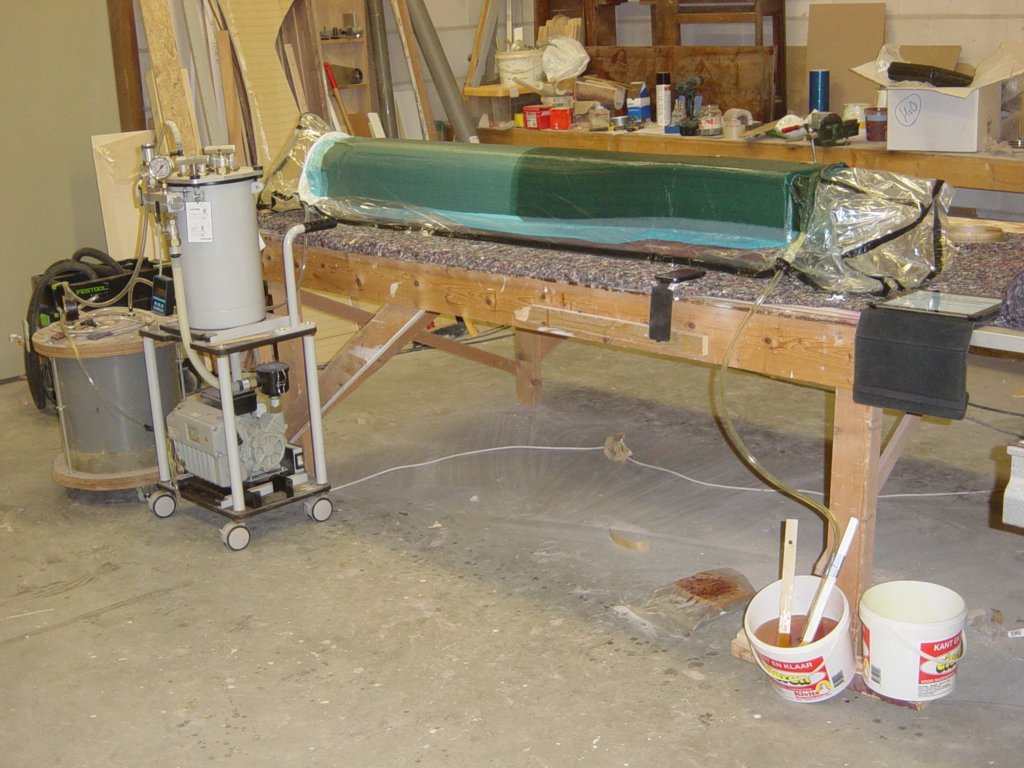
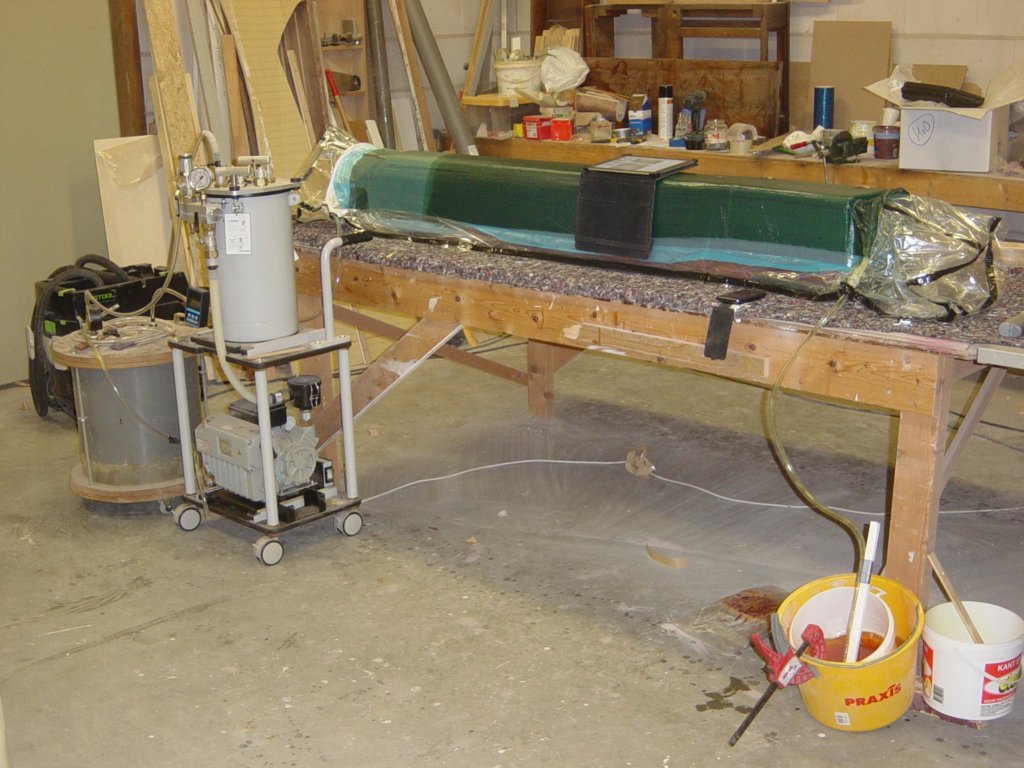
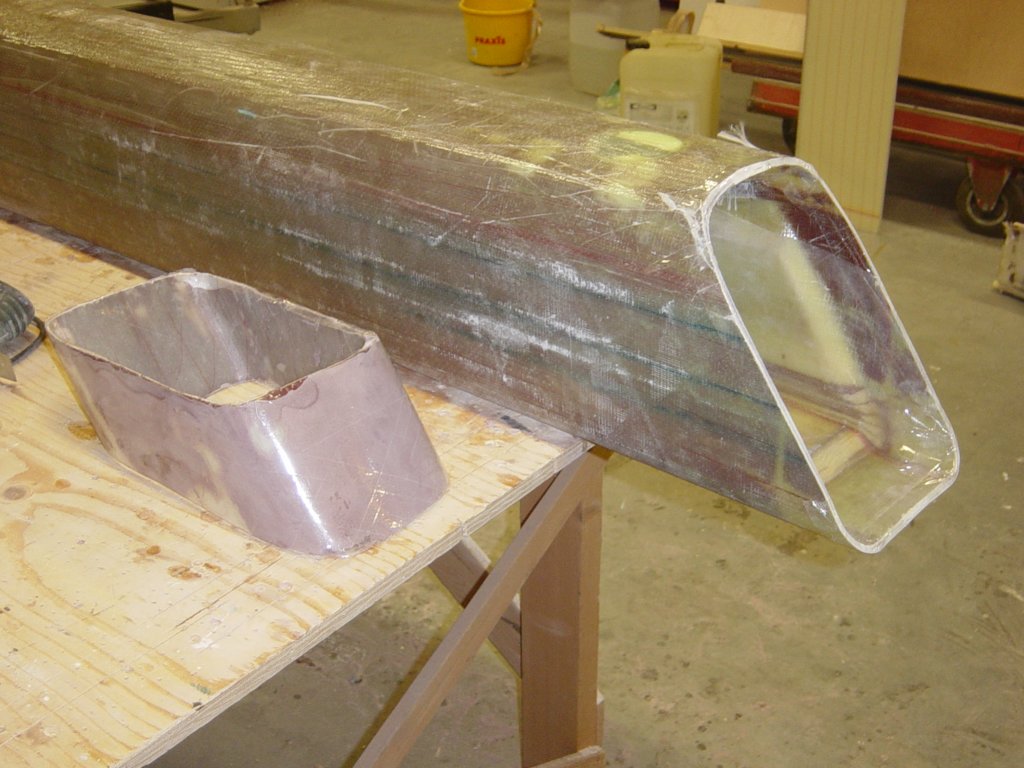
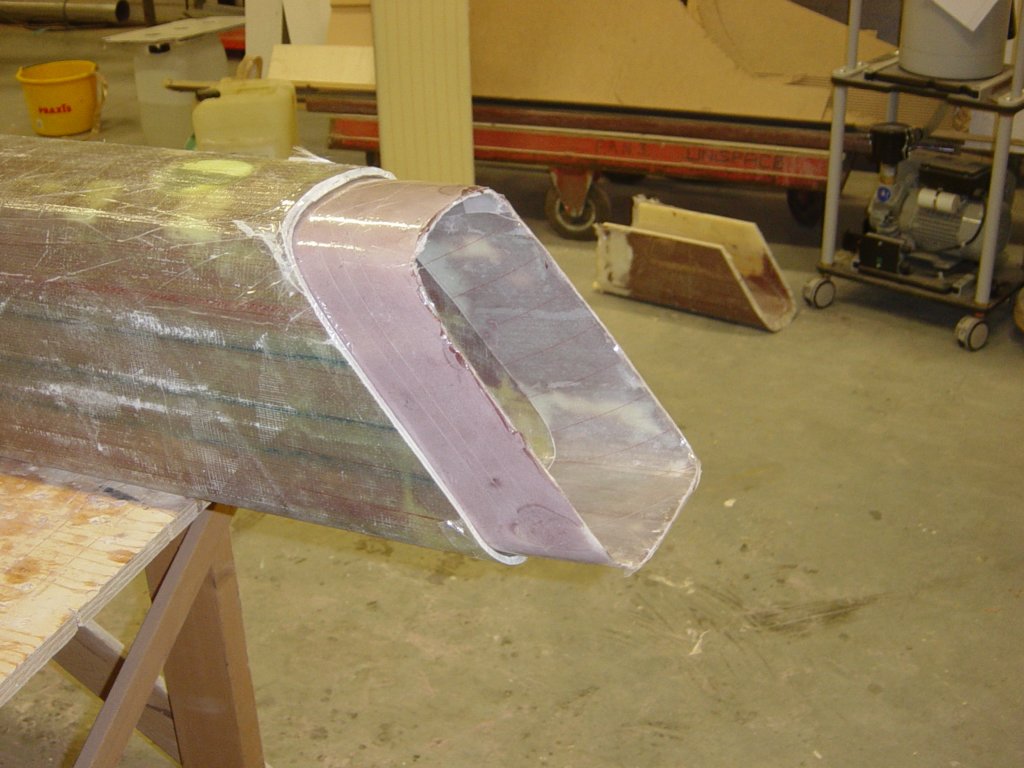
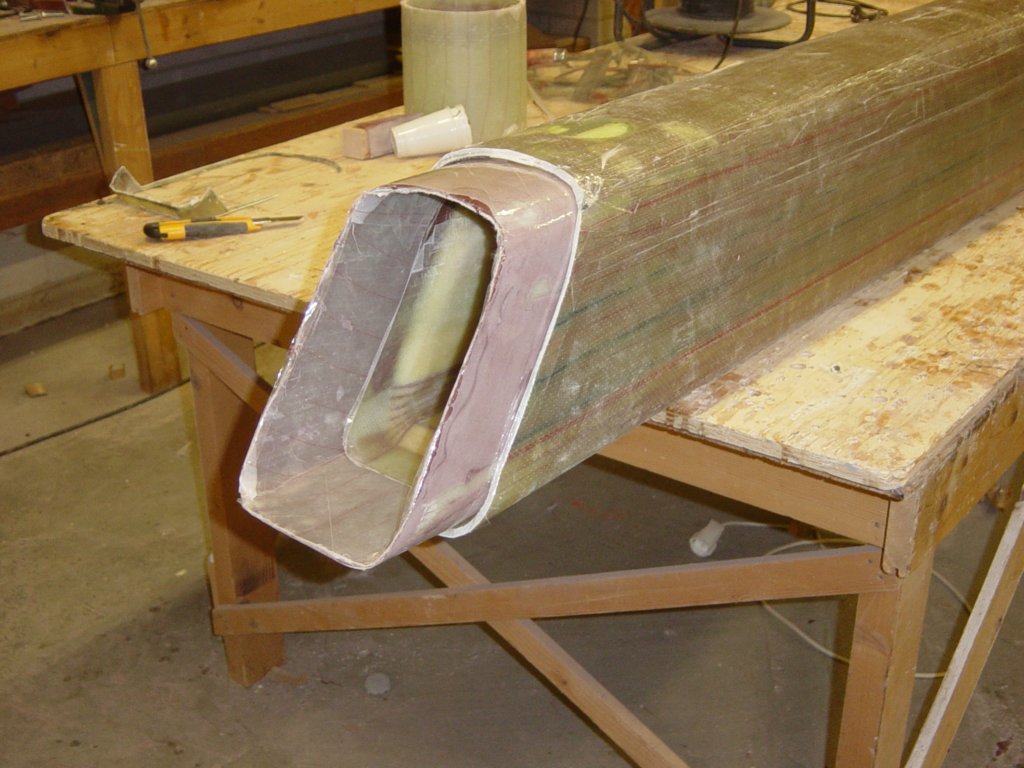
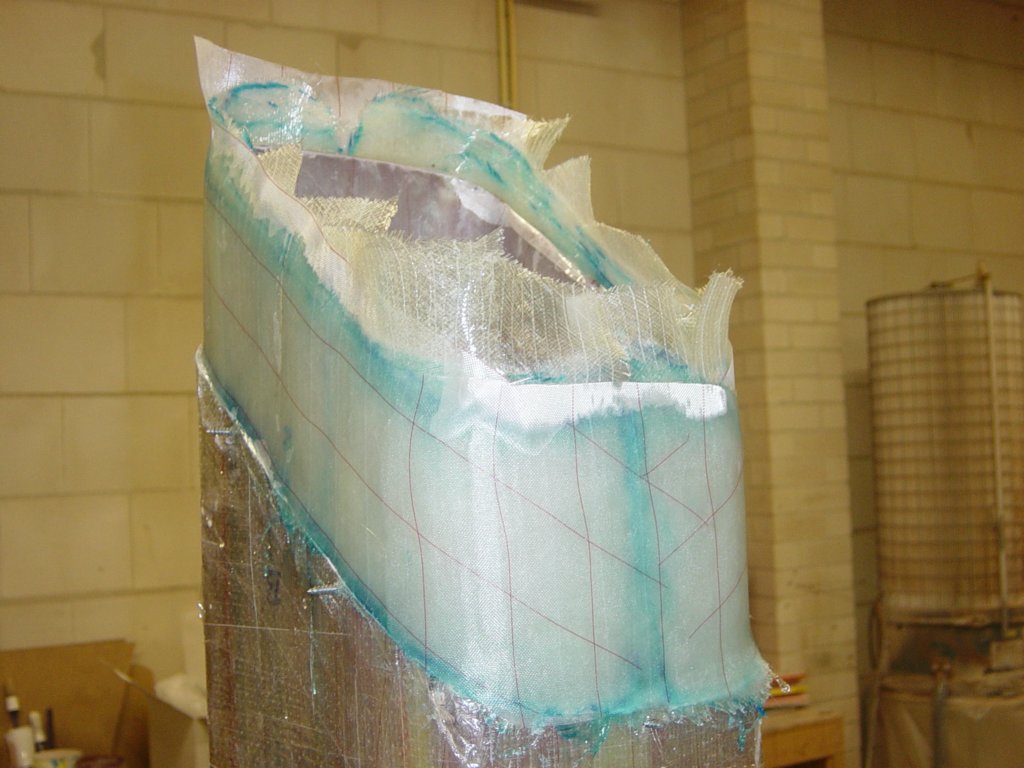
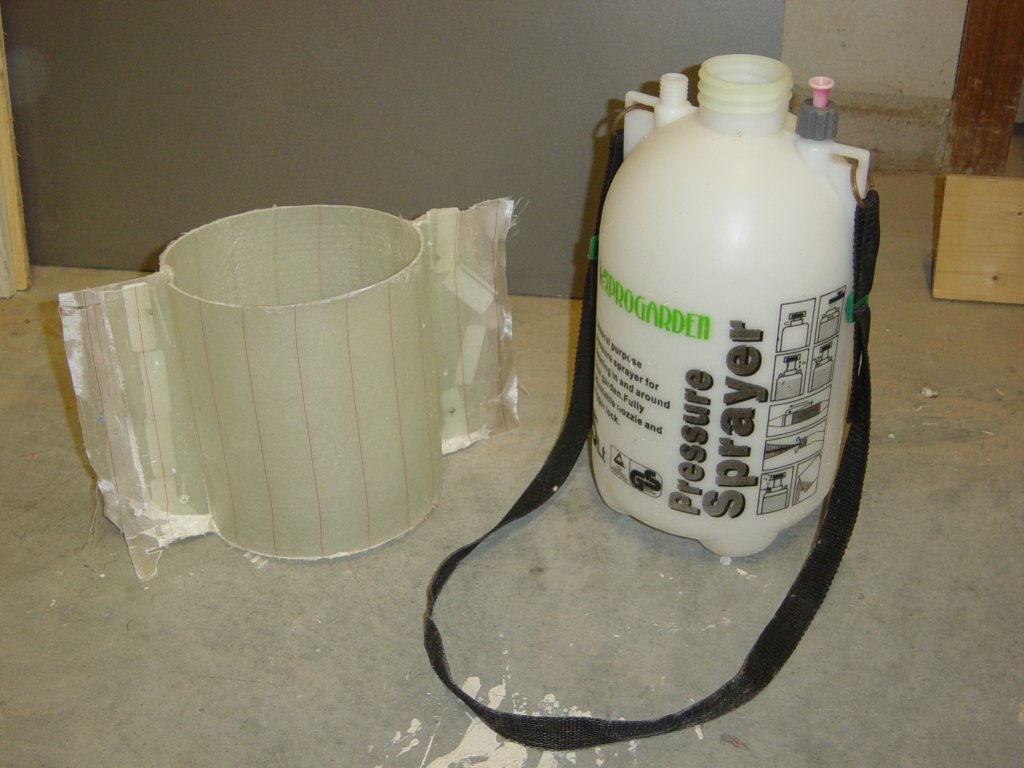
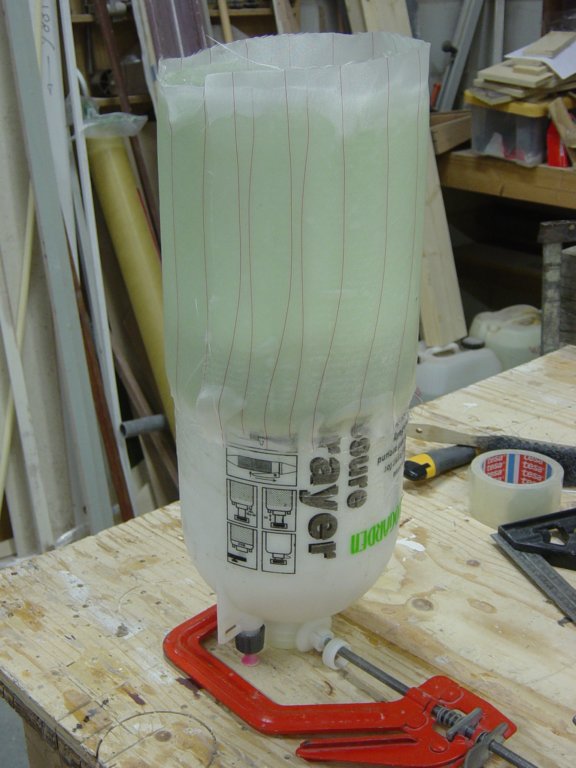
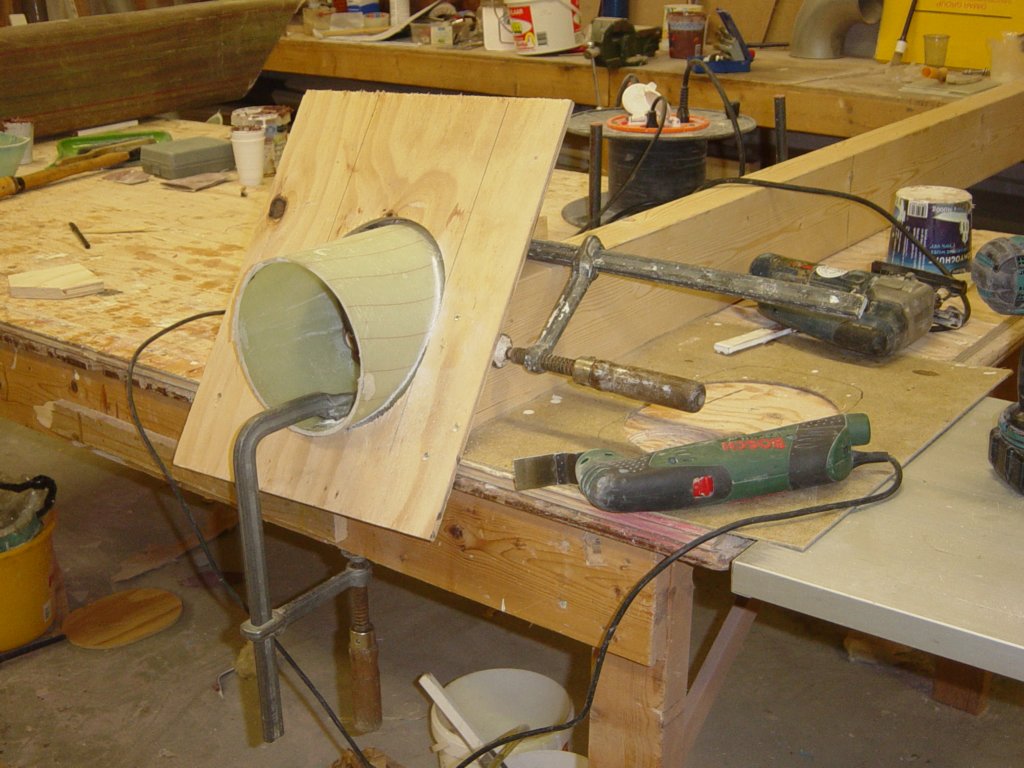
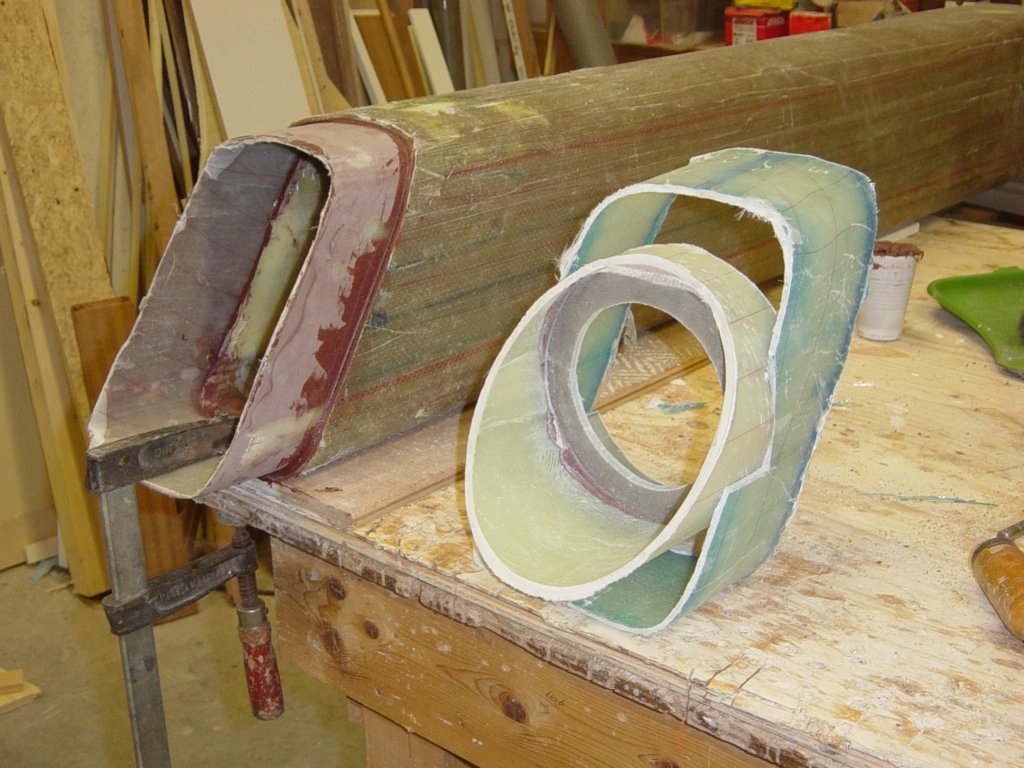
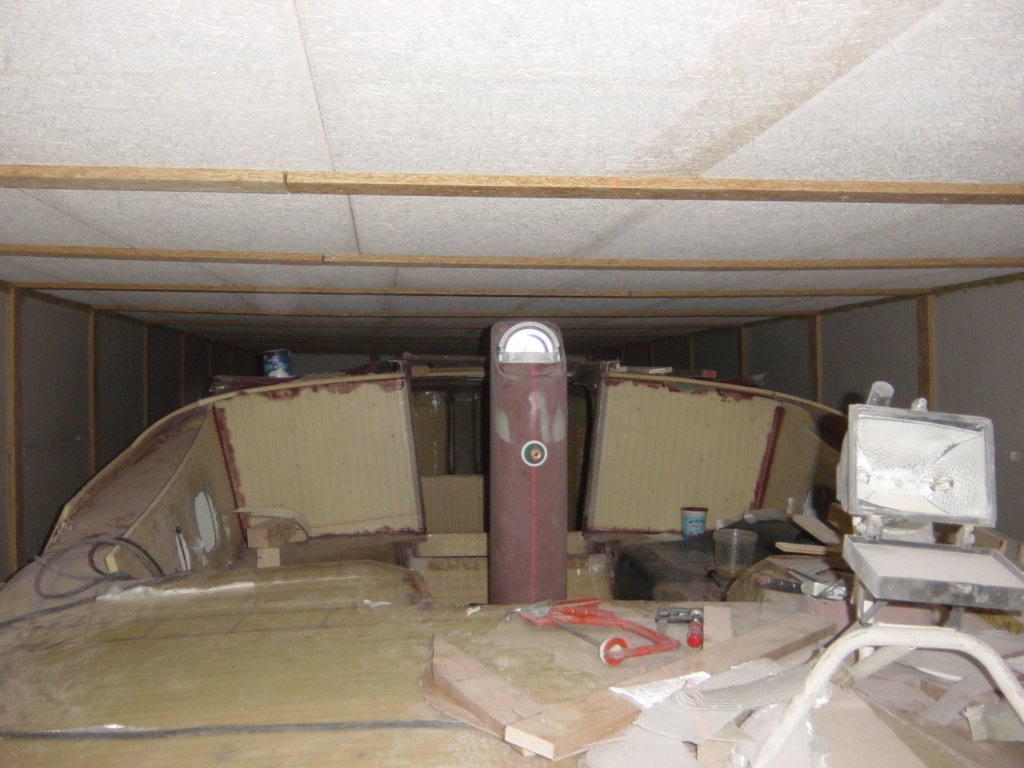
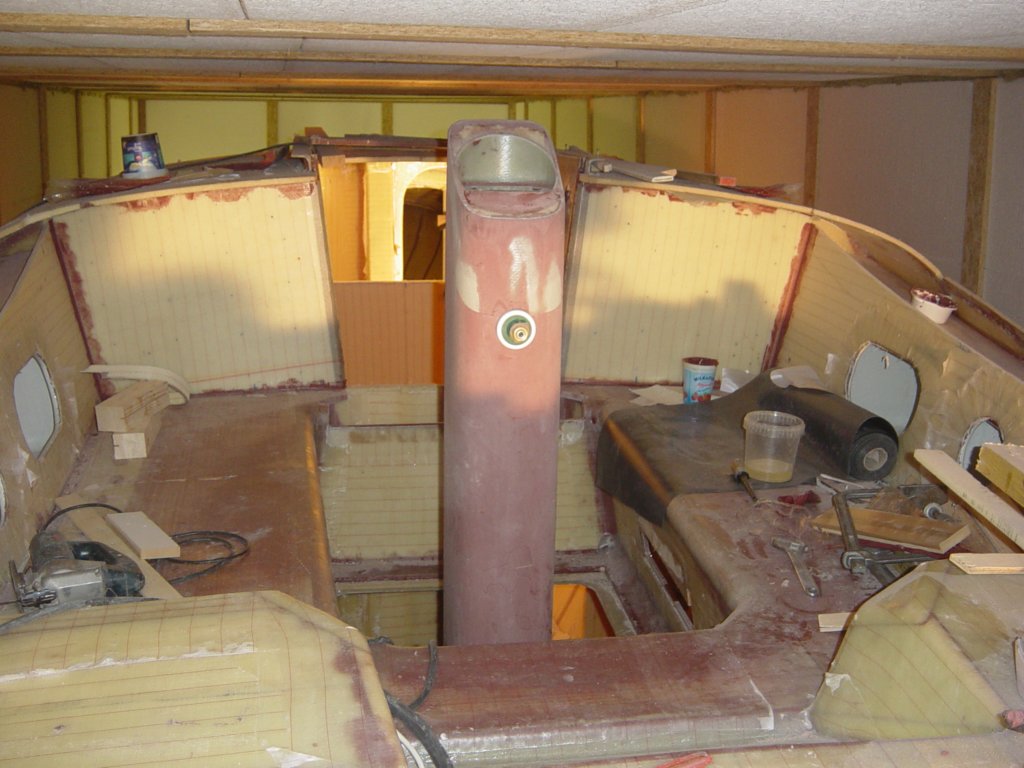
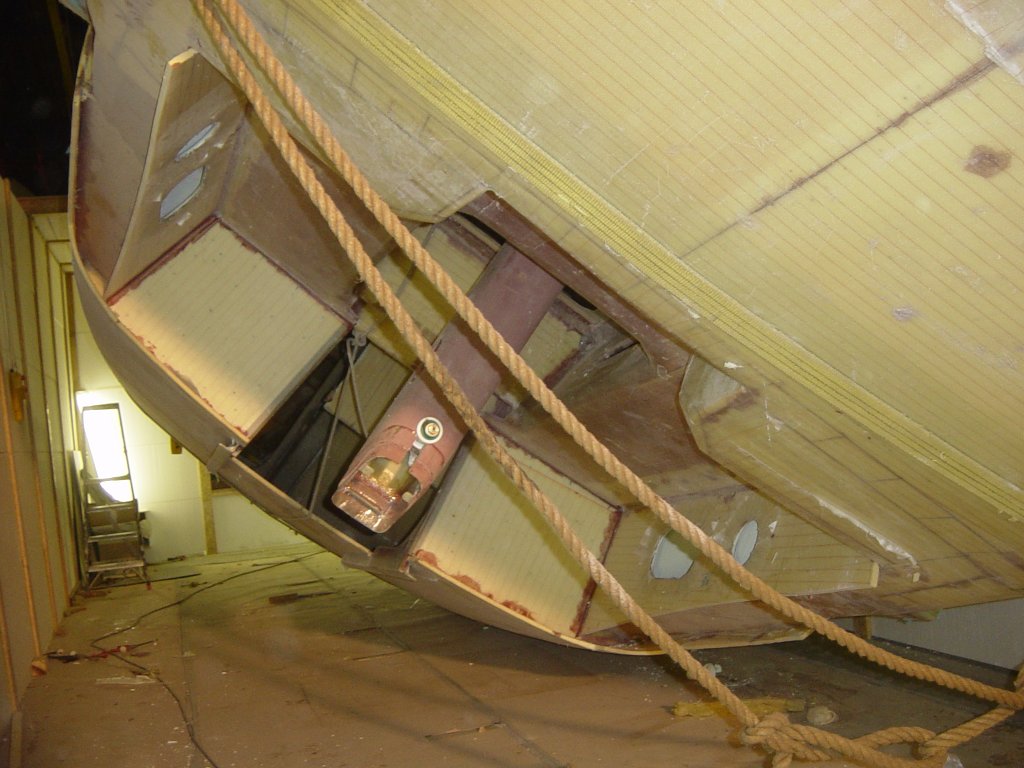
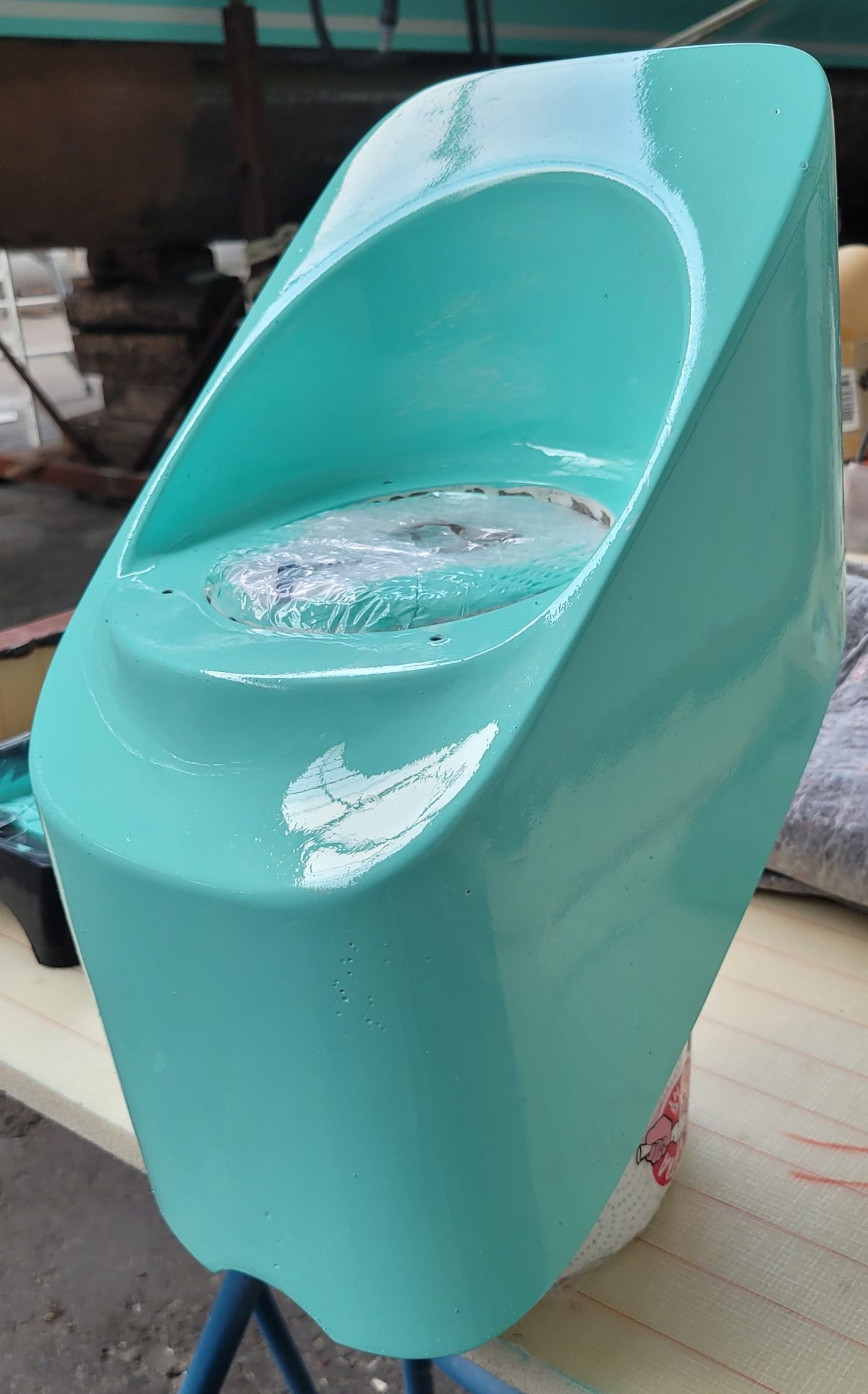
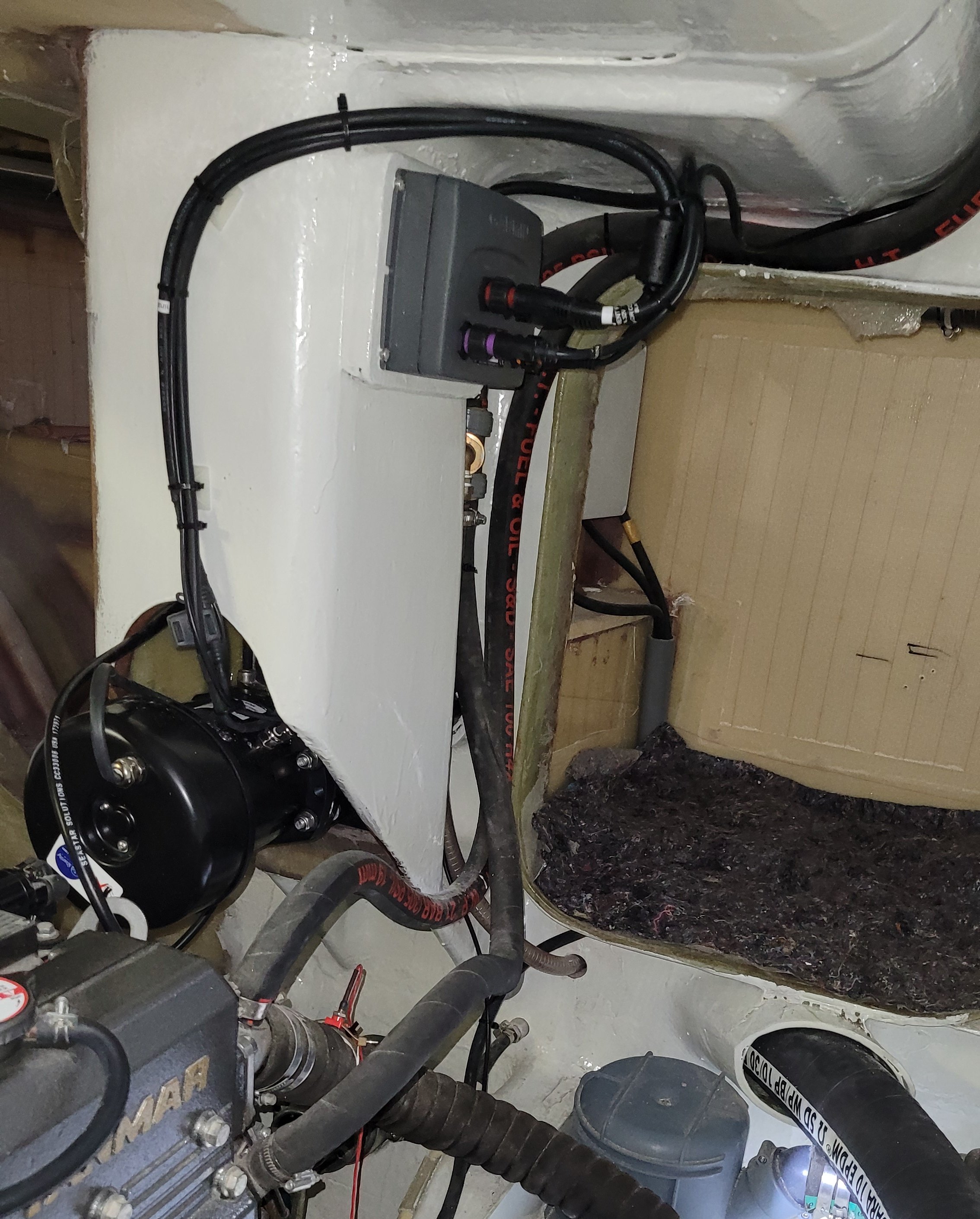
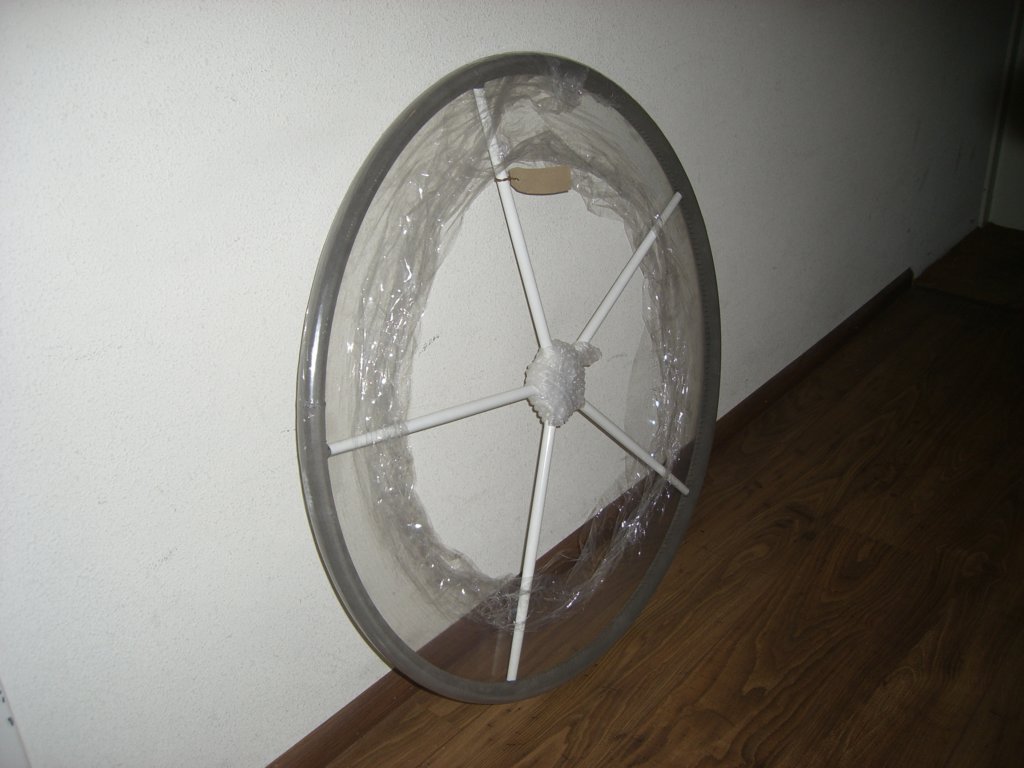
Instead of buying a pedestal, I built a composite version based on the Jefa 150. The main goal was a rock-solid foundation for the transmission bevel box and the autopilot drive, integrated through the cockpit floor.
Steering pedestal
The considerations of a self-builder are sometimes hard to explain. It would have been much easier to buy a ready-made steering pedestal. I underestimated the amount of work, and it took a long time to get it exactly the way I wanted.
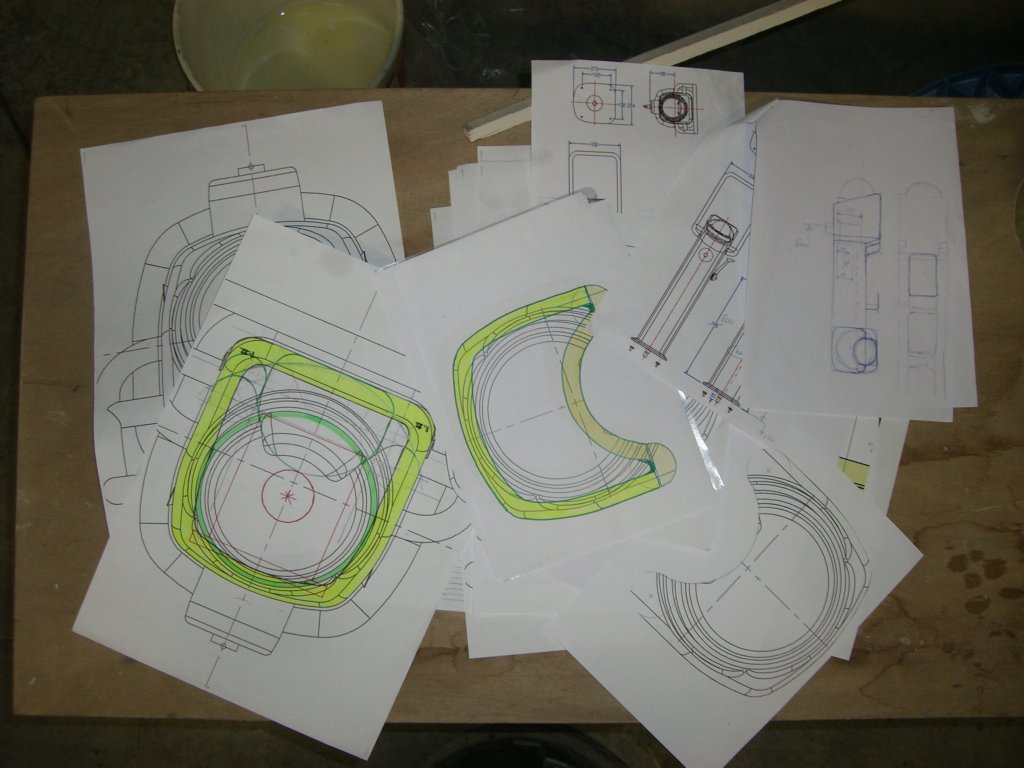
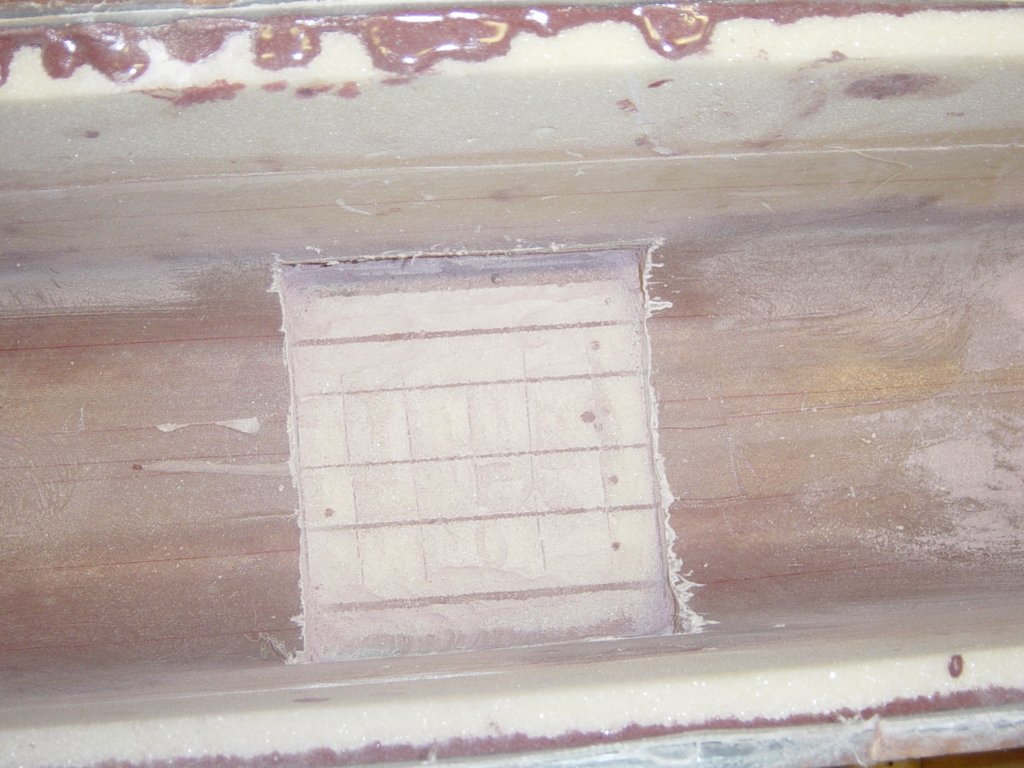
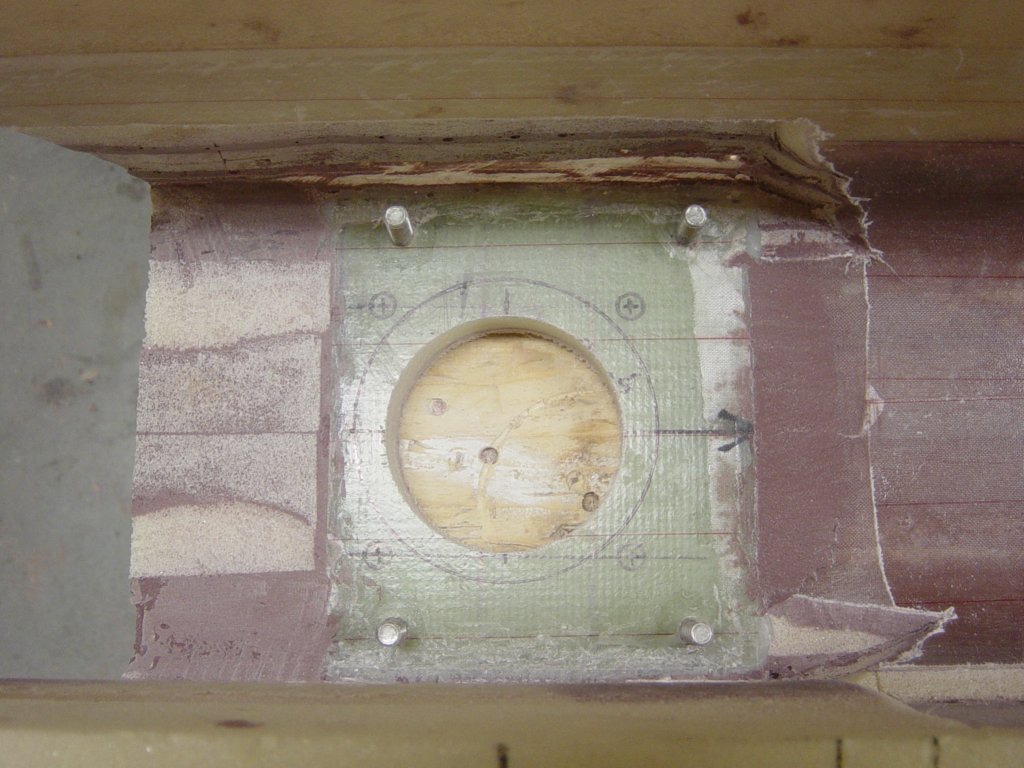
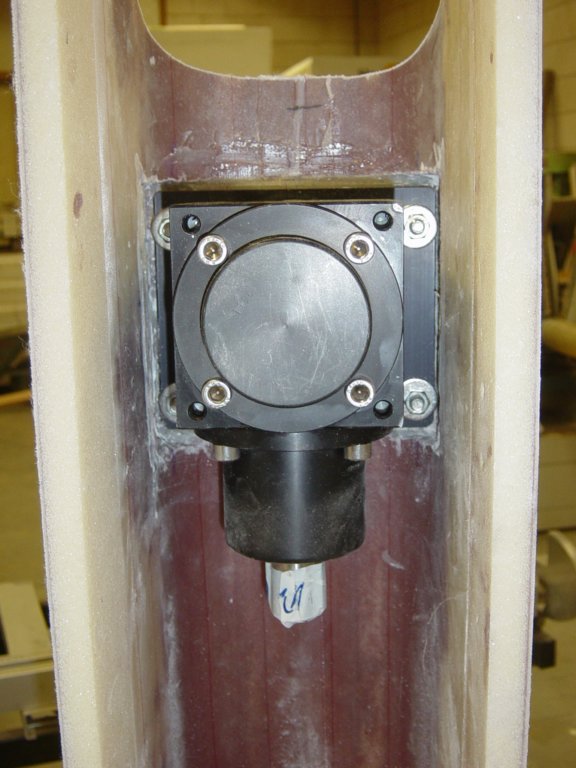
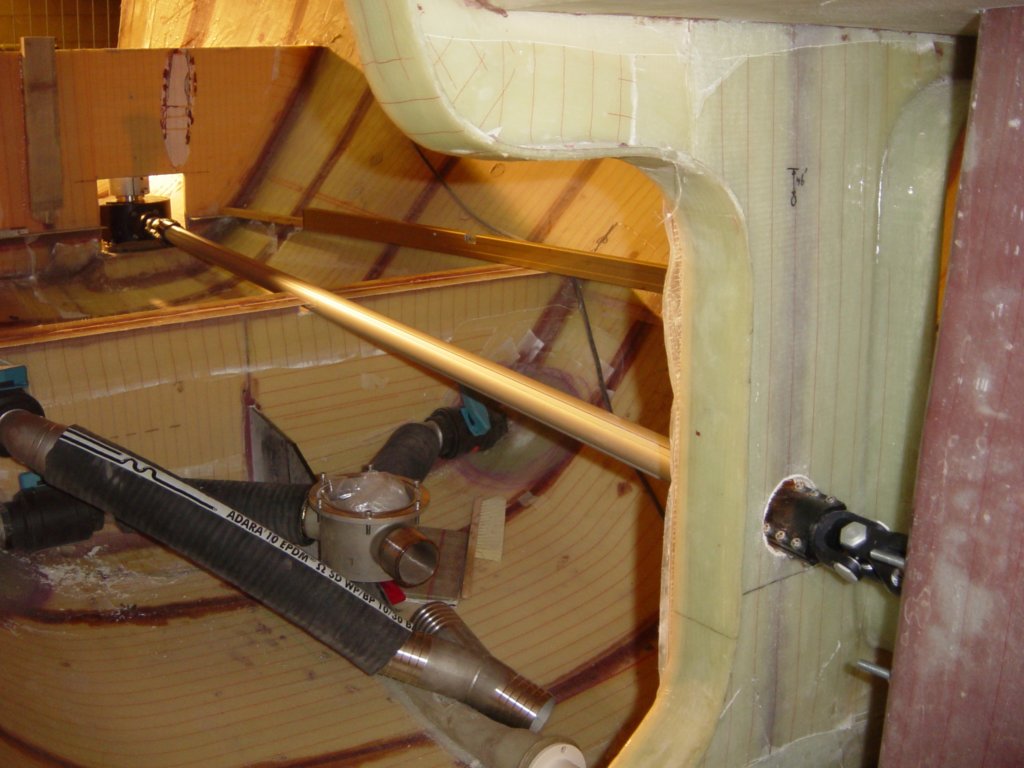
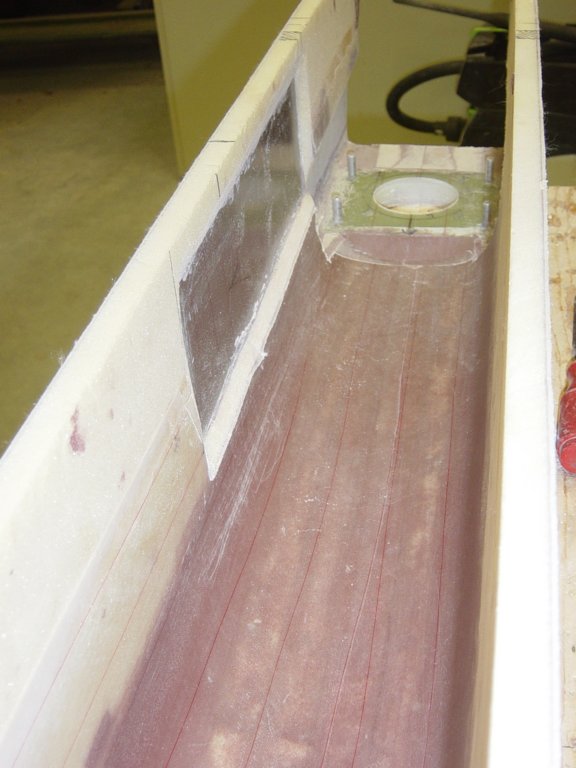
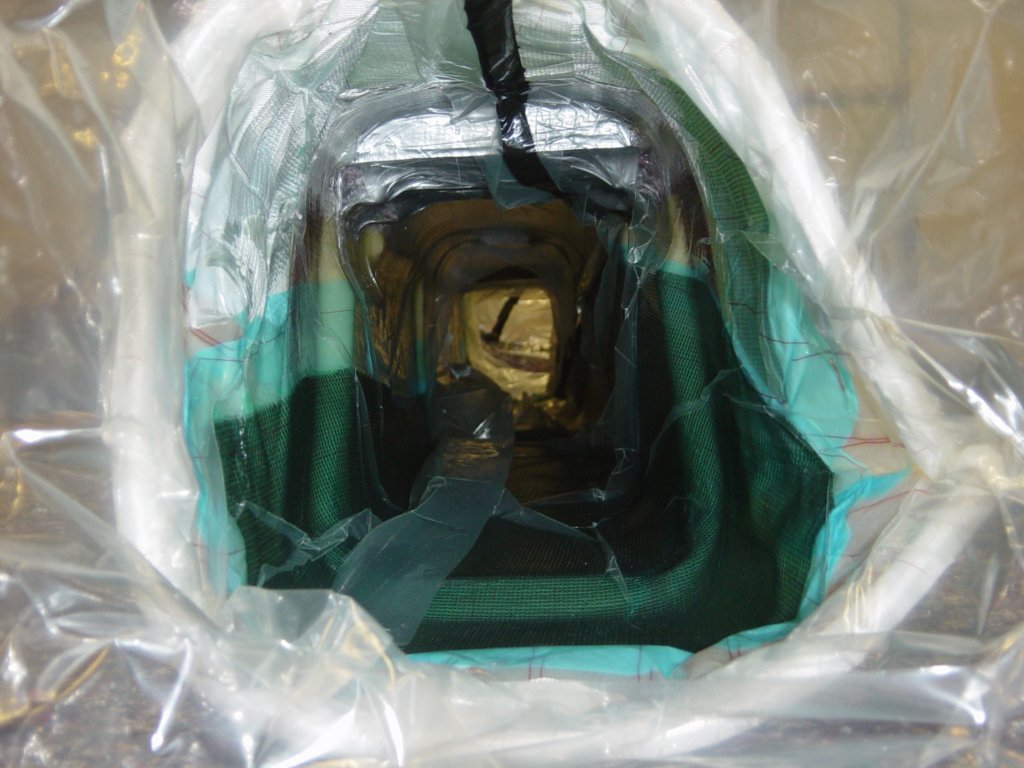
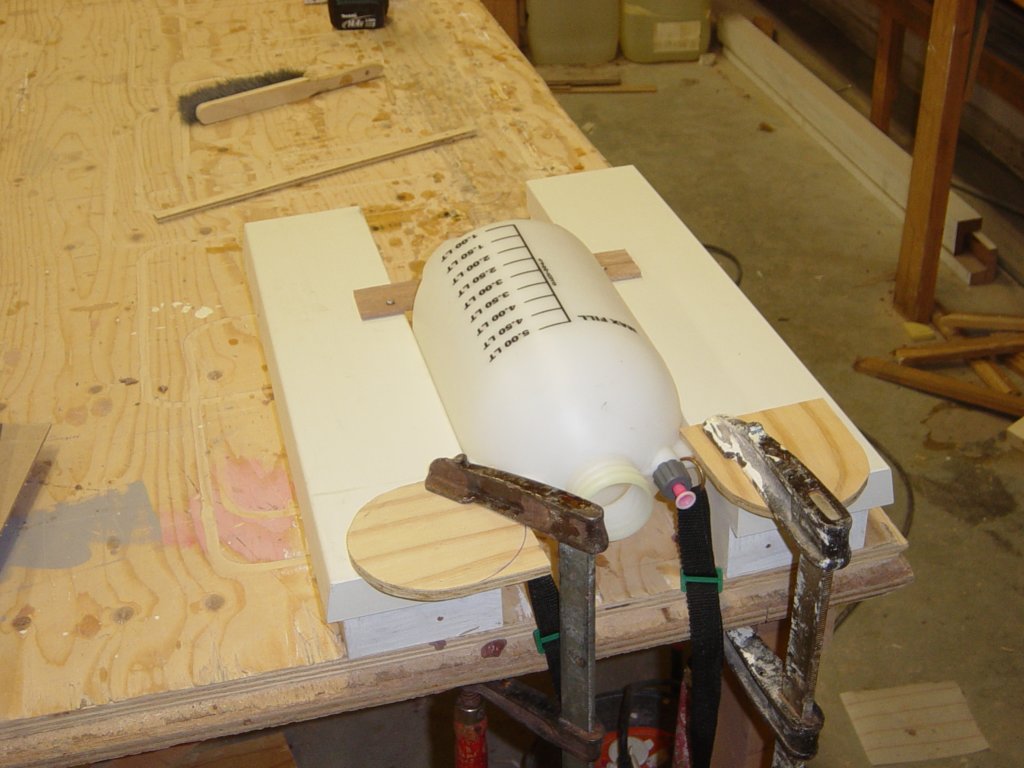
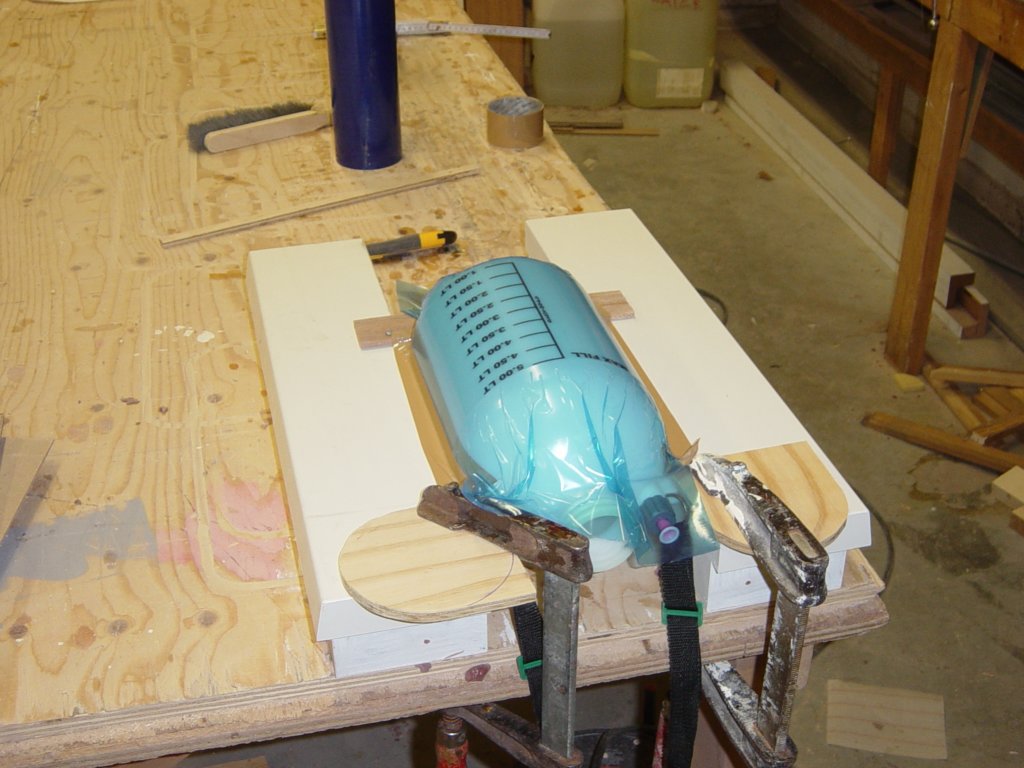
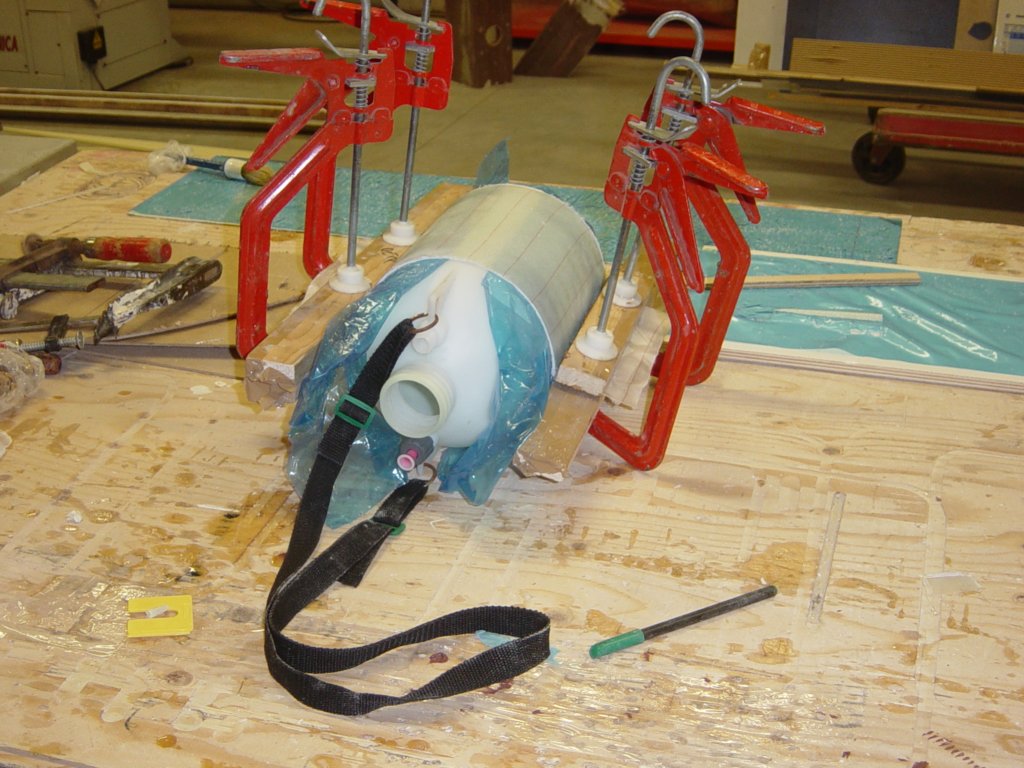
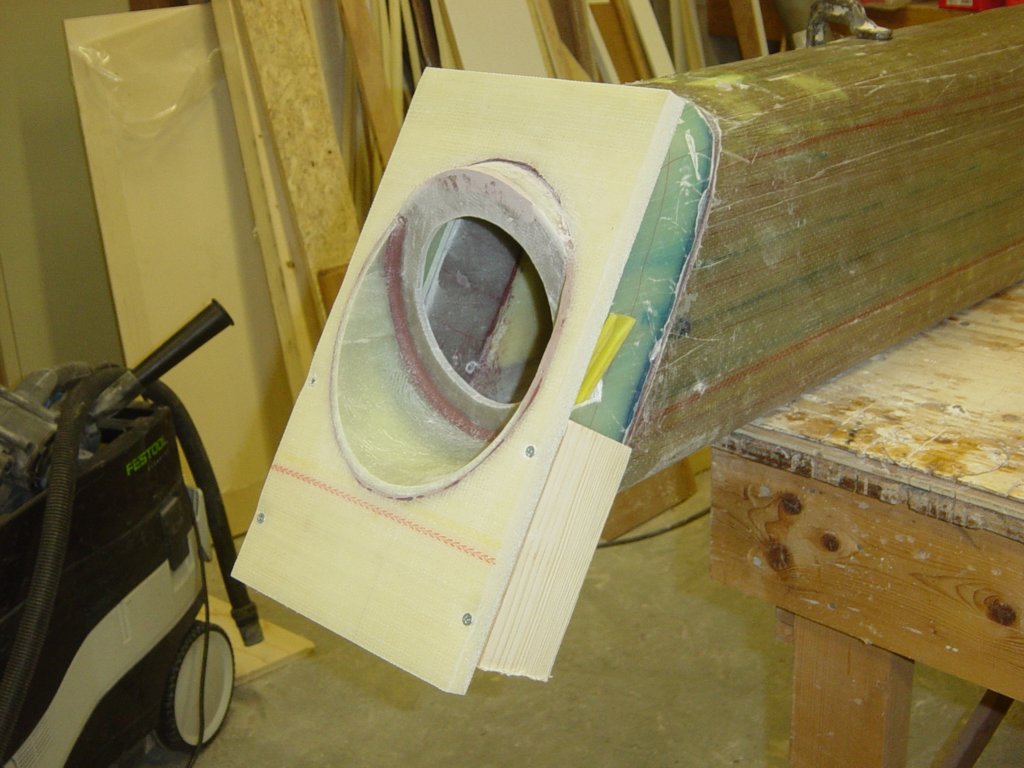
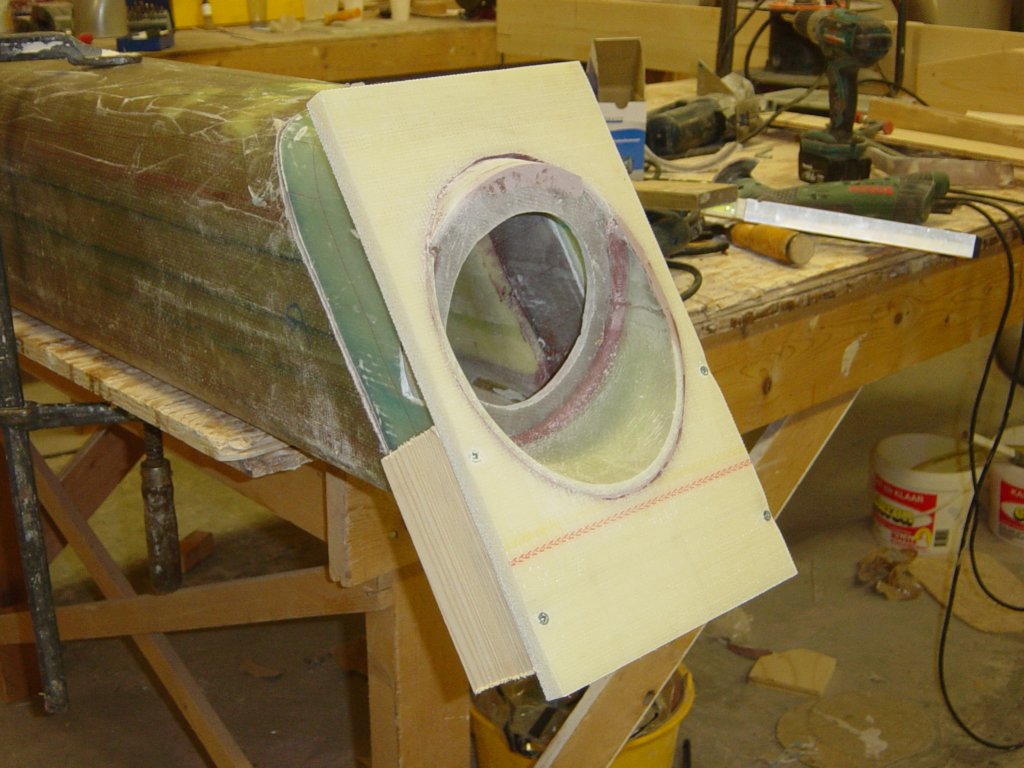
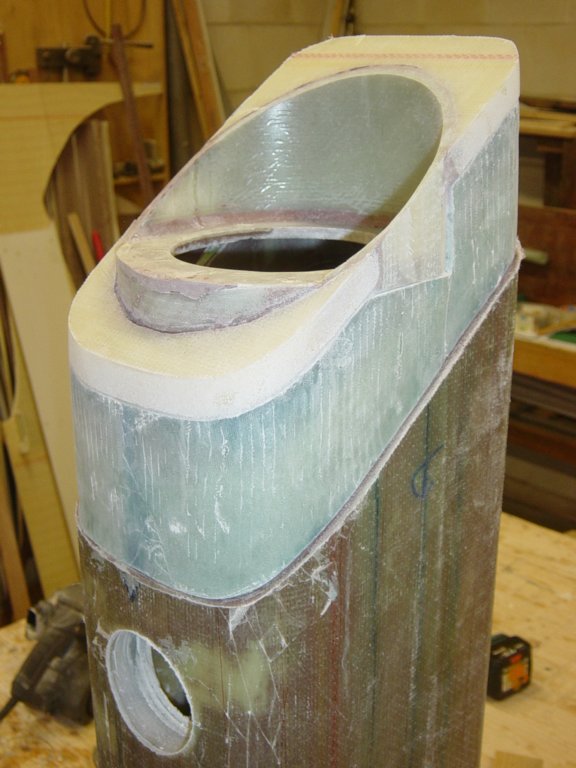
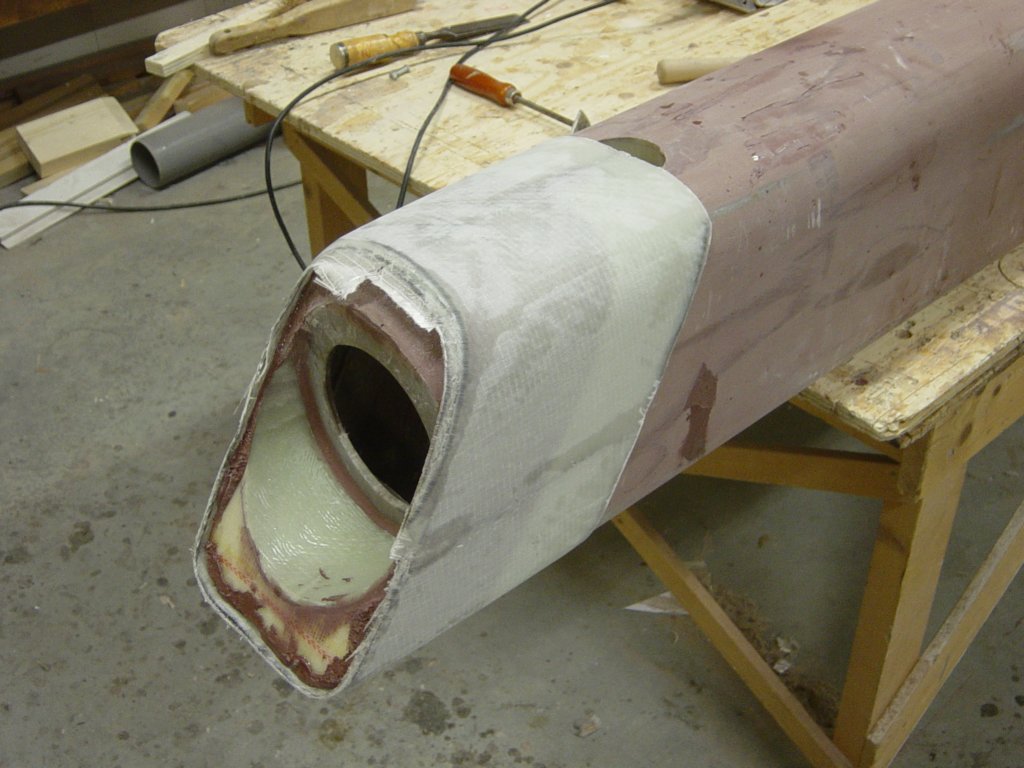
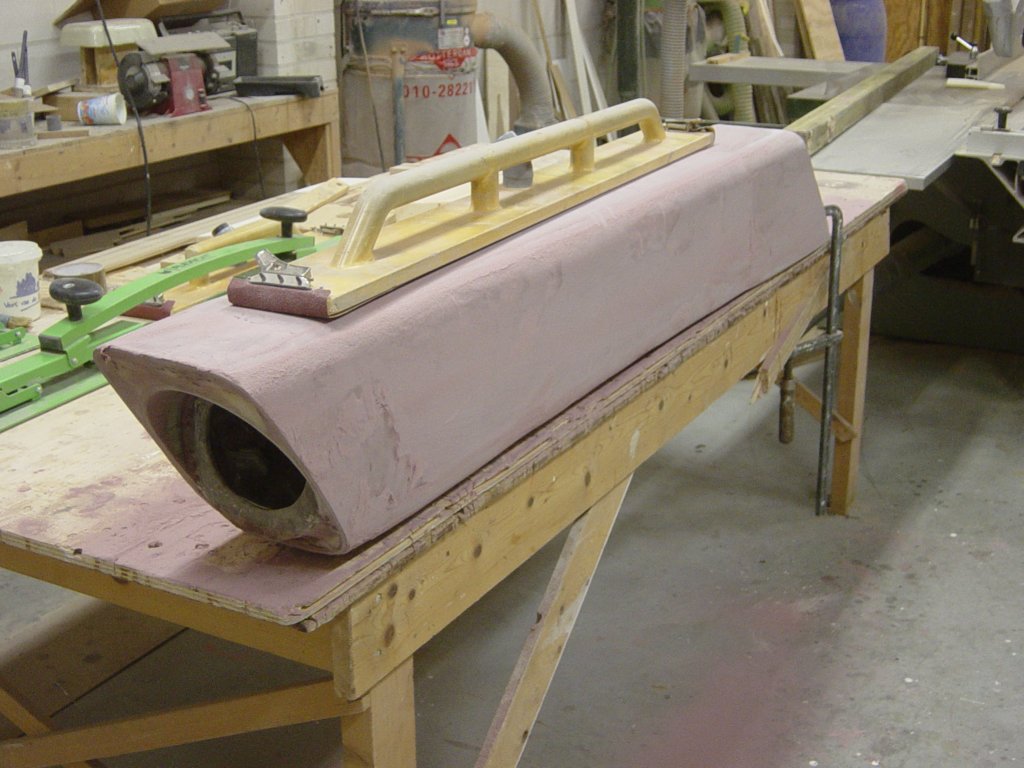
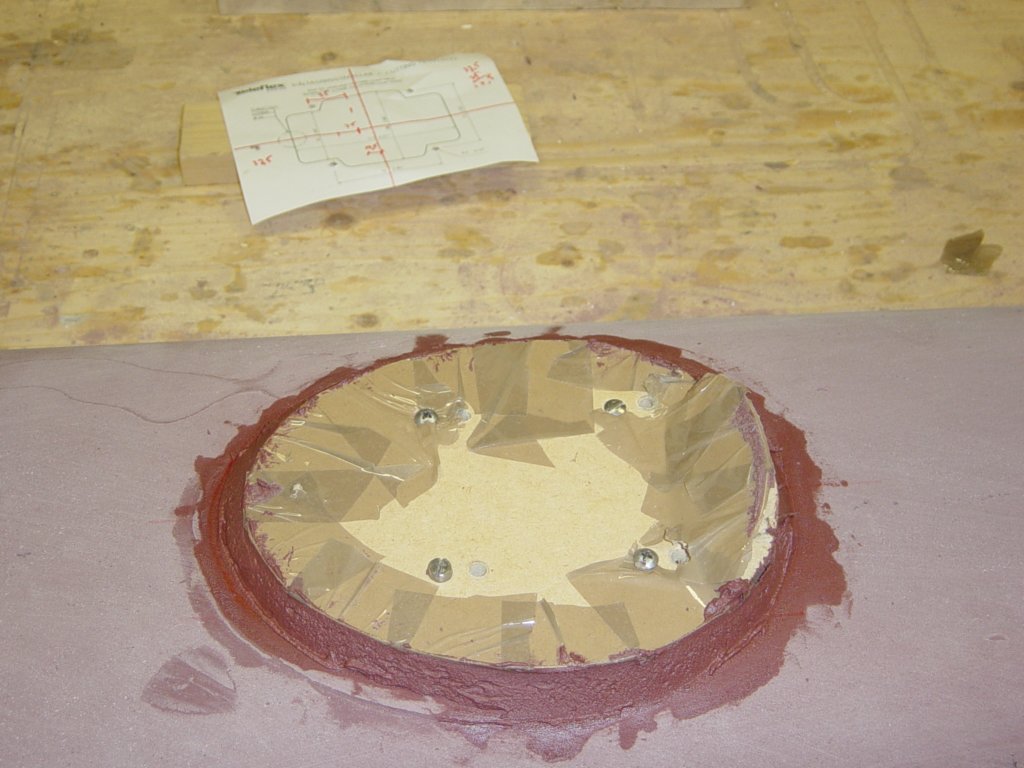
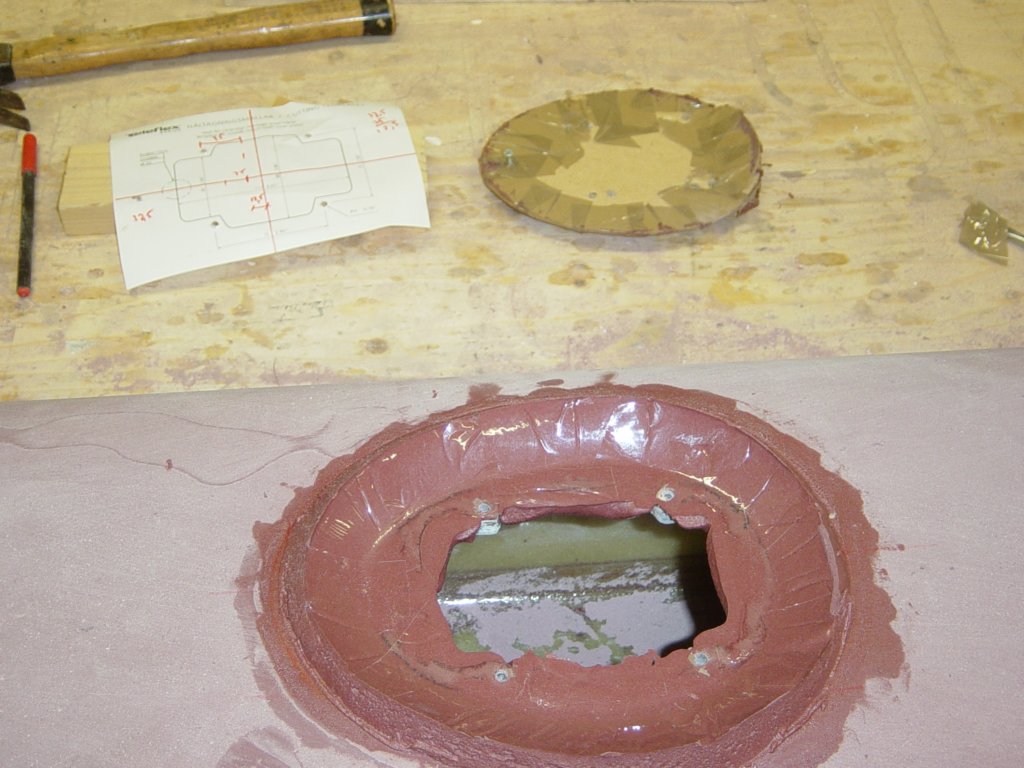
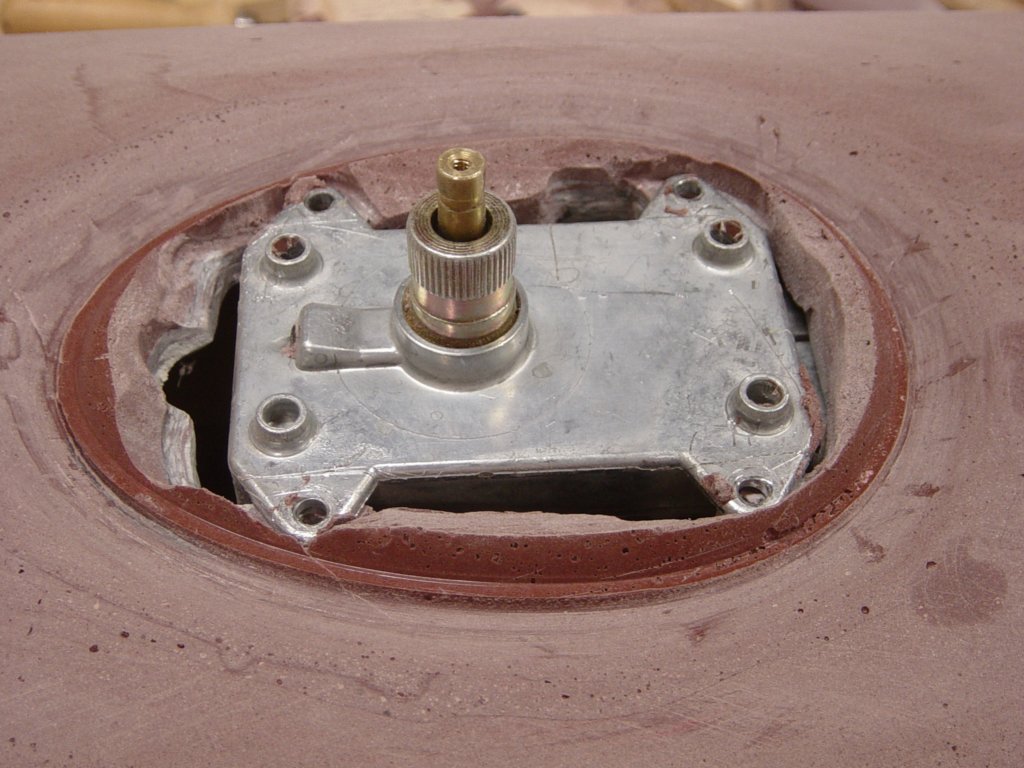
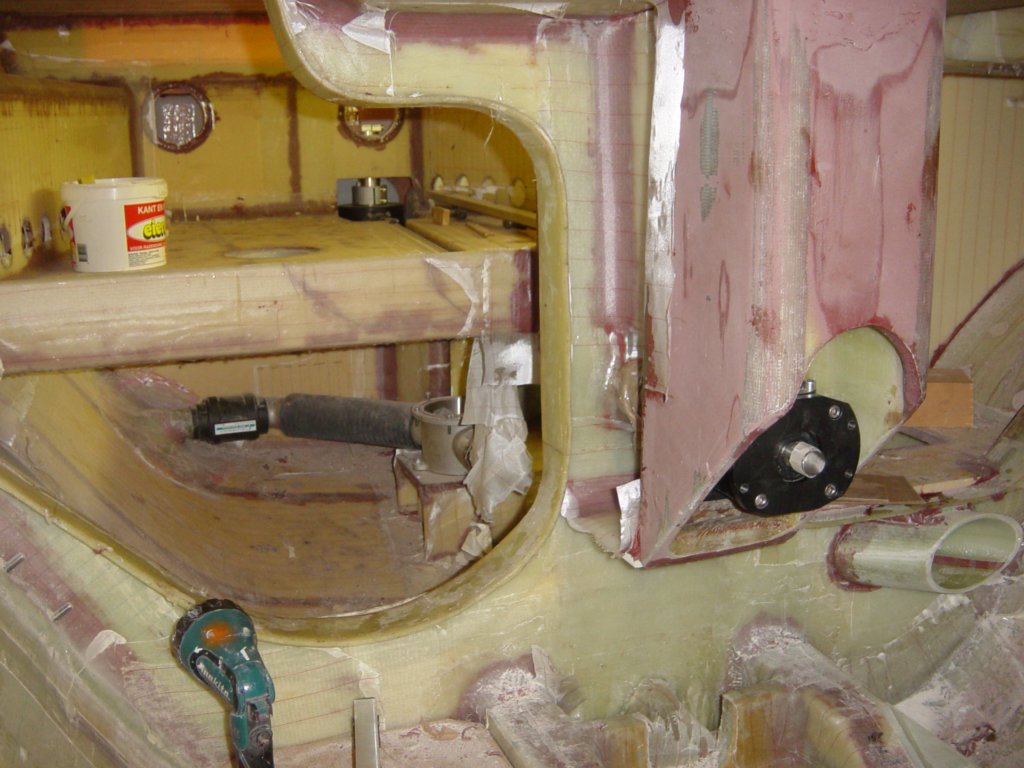
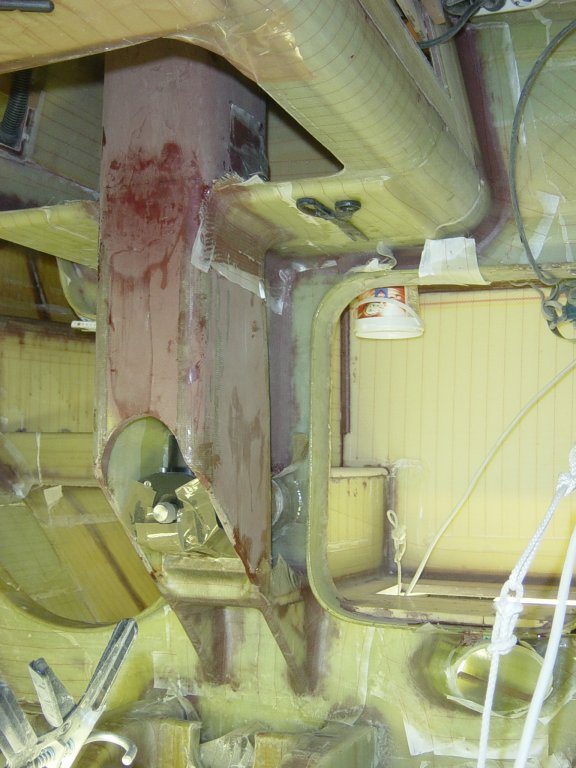
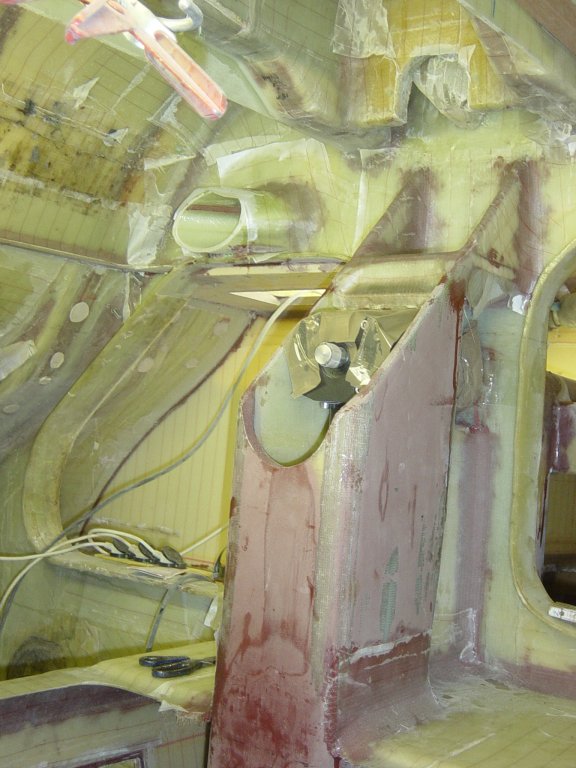
At first I had wild plans to design my own, but in the end I more or less copied the Jefa type 150. And with that I made a huge mistake. Not because the Jefa is an inappropriate model—on the contrary—but because the Jefa tube is aluminium with a wall thickness of about 3 mm, while my composite construction ended up with a wall thickness of about 20 mm. By keeping the same outside dimensions, I made things unnecessarily difficult for myself. The bevel boxes and their flanges now require extra recesses in the foam.
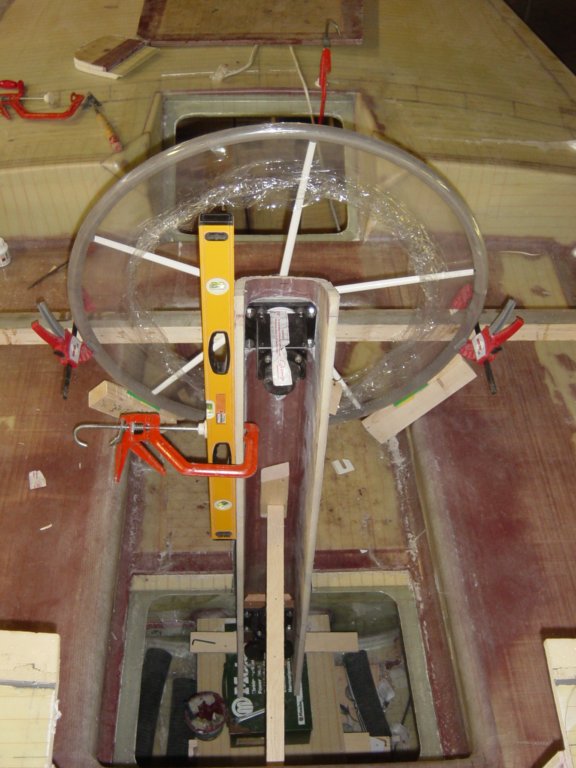
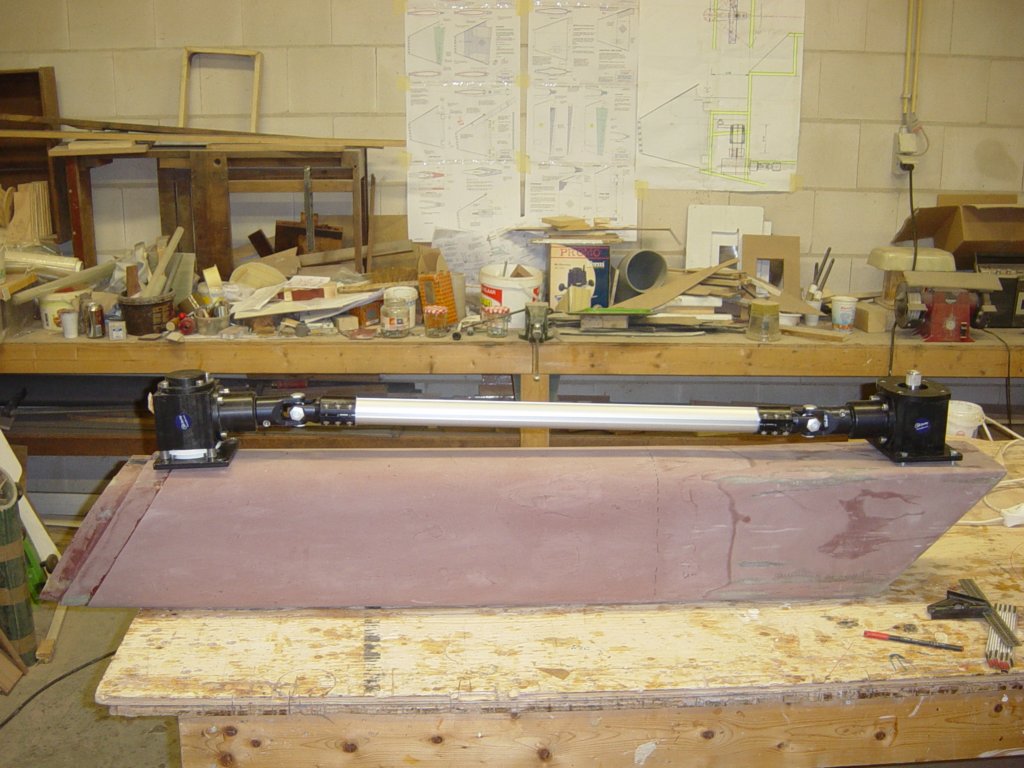
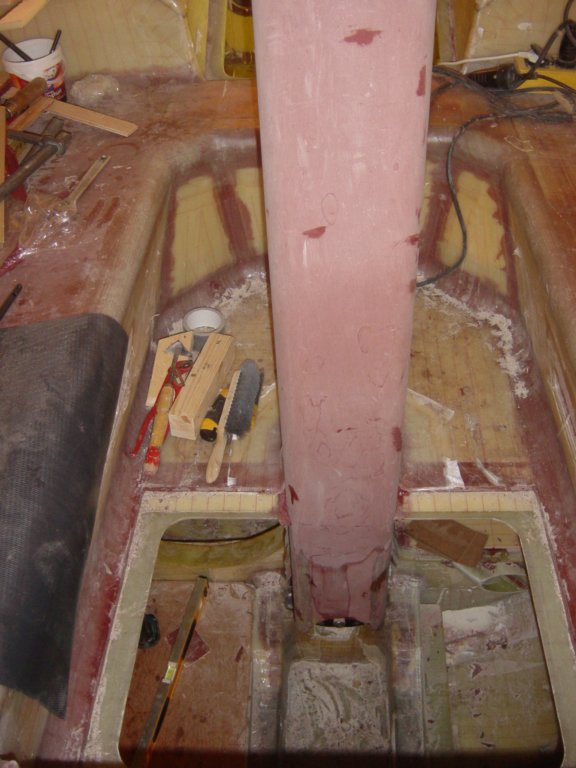
The main reason for making the steering pedestal myself is the integration of the autopilot below the cockpit floor. The bevel box that connects the vertical torque tube in the pedestal to the horizontal torque tube leading to the reduction gearbox also serves as the base for the autopilot drive. That bevel box needs a sturdy foundation somewhere above the engine.
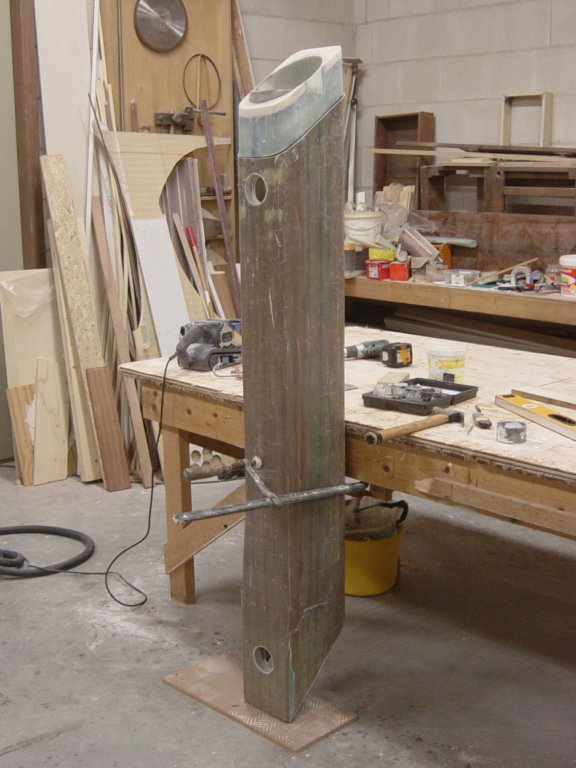
Instead of building all kinds of auxiliary structures above the engine, I chose to extend the pedestal tube and let it pass through the cockpit floor. This creates a solid base for the autopilot. As a nice side effect, the steering column has become a rock-solid post in the cockpit and the penetration through the cockpit floor is completely watertight.
All in all, the result is very satisfying.
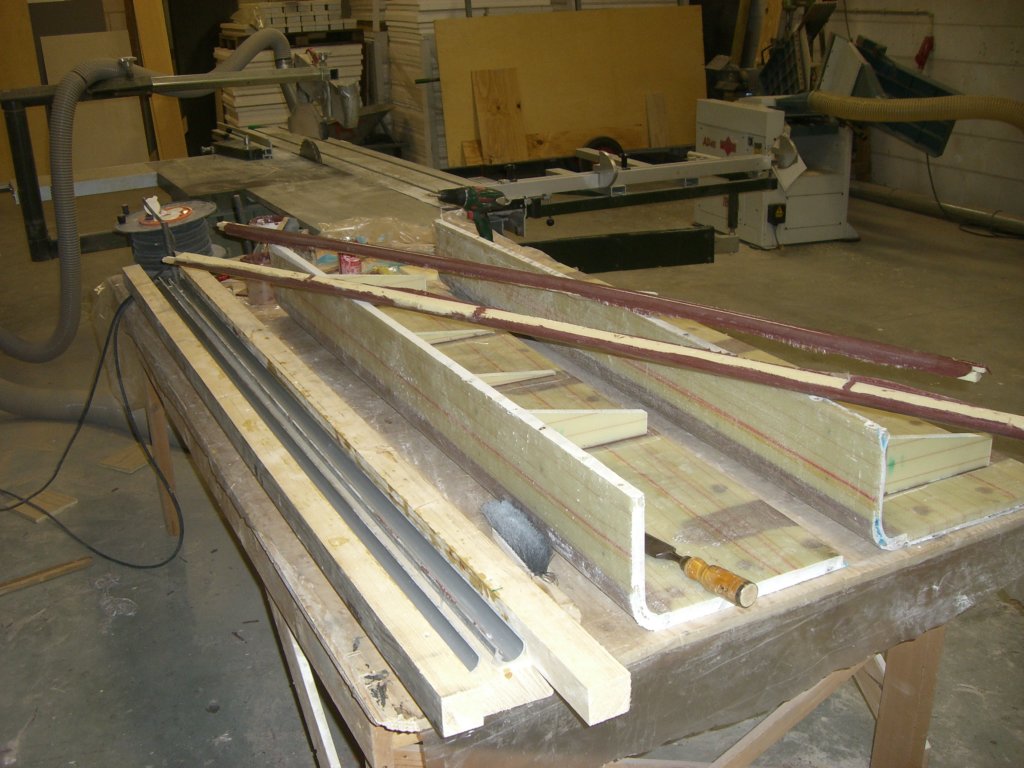
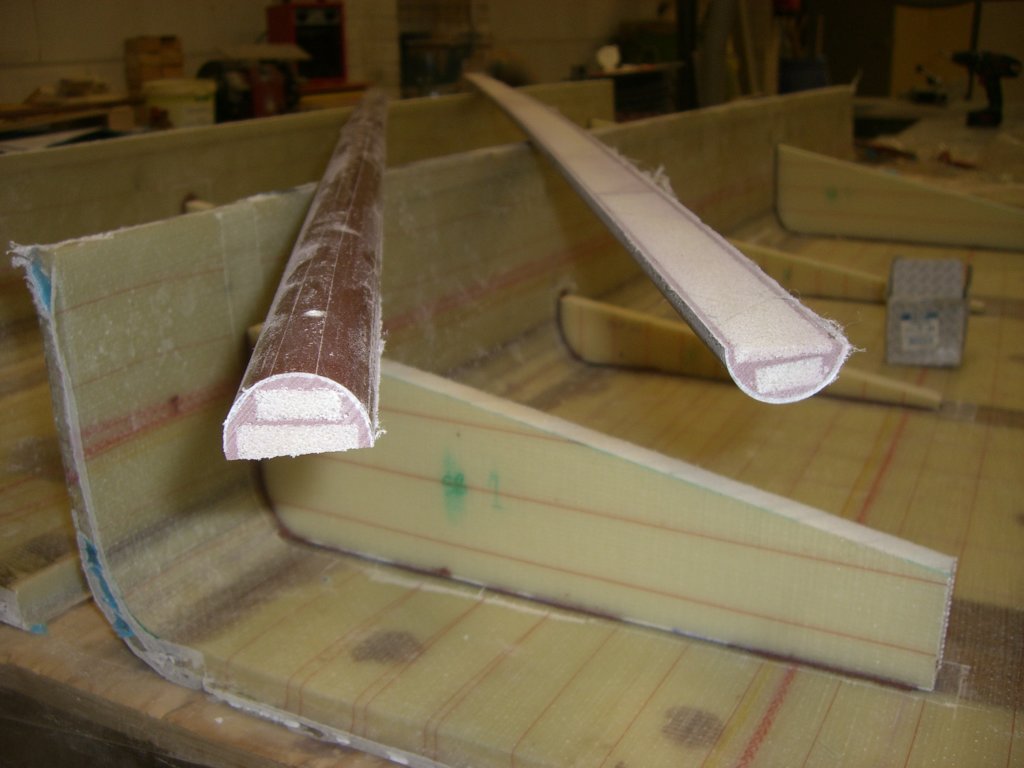
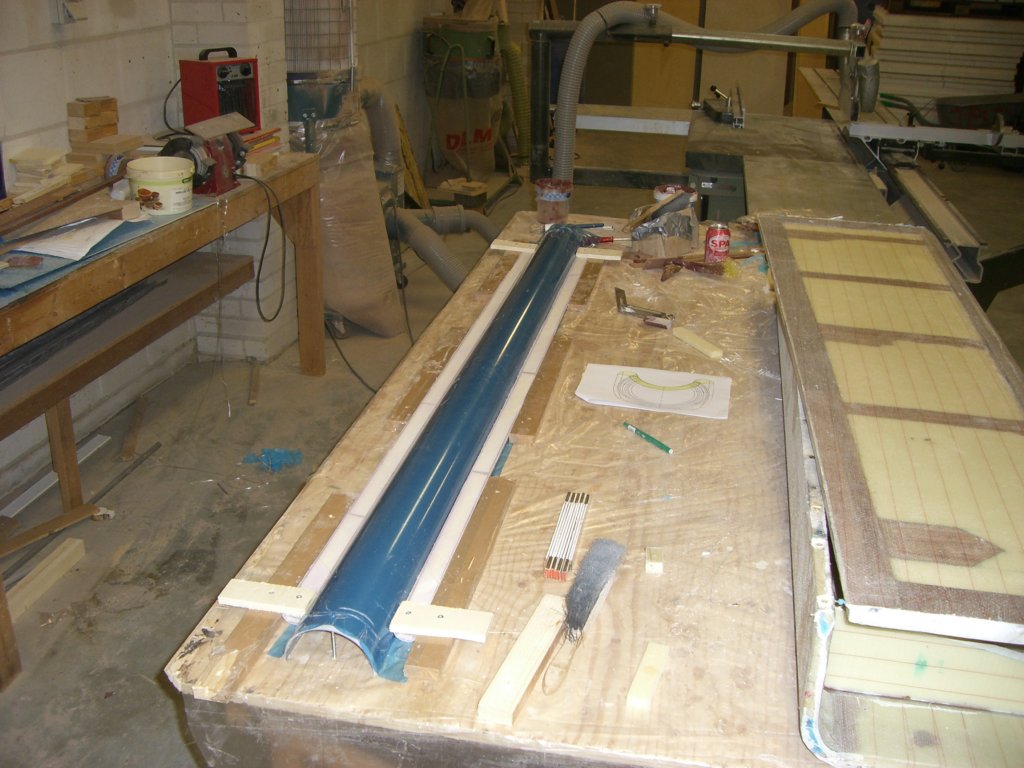
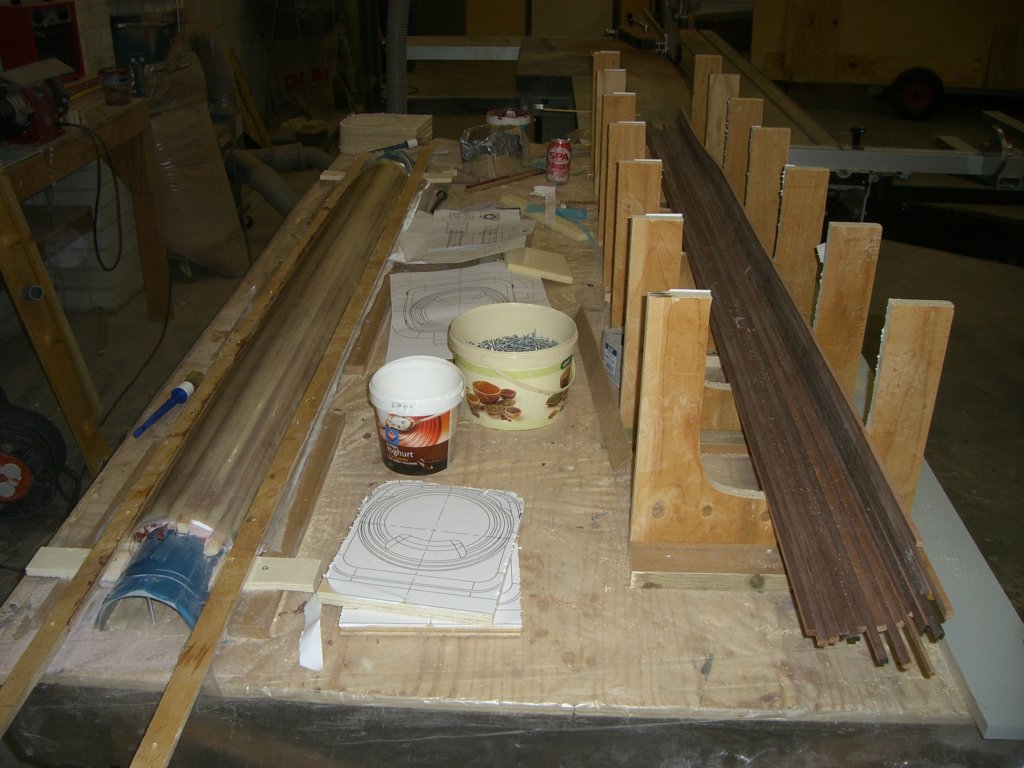
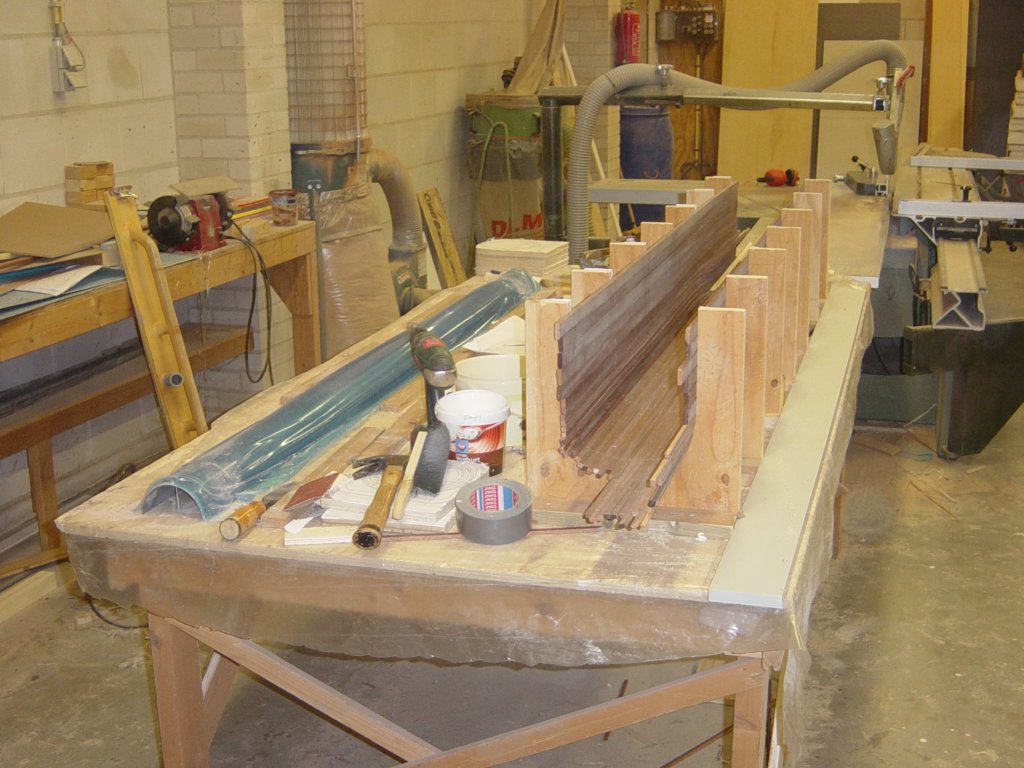
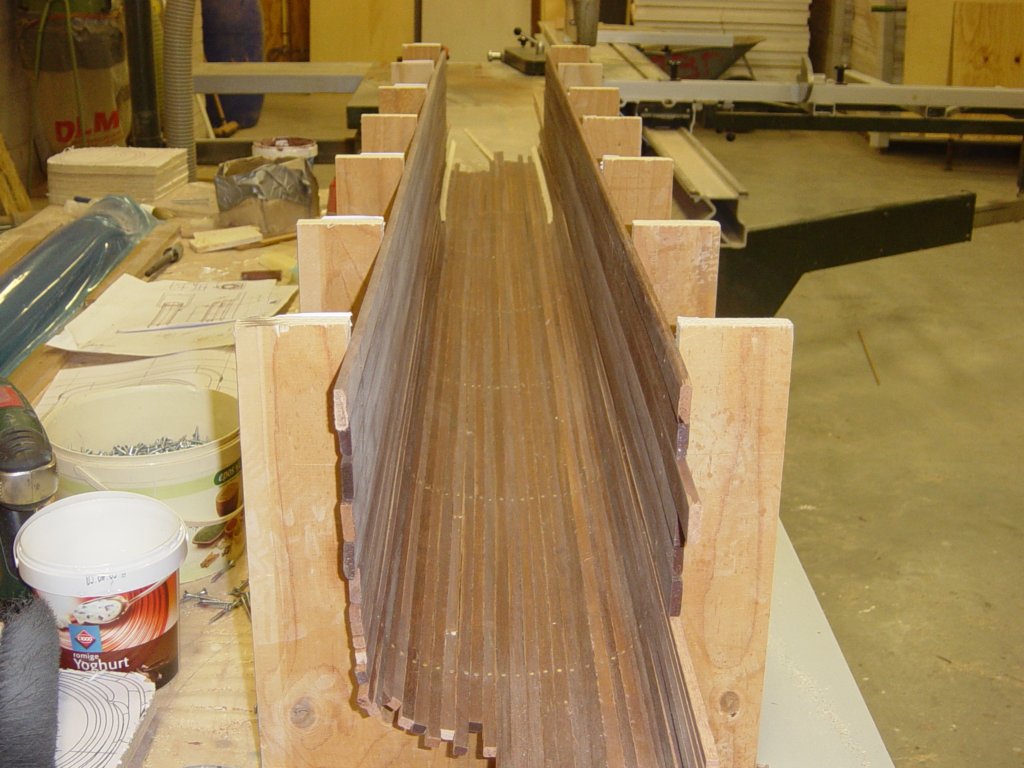
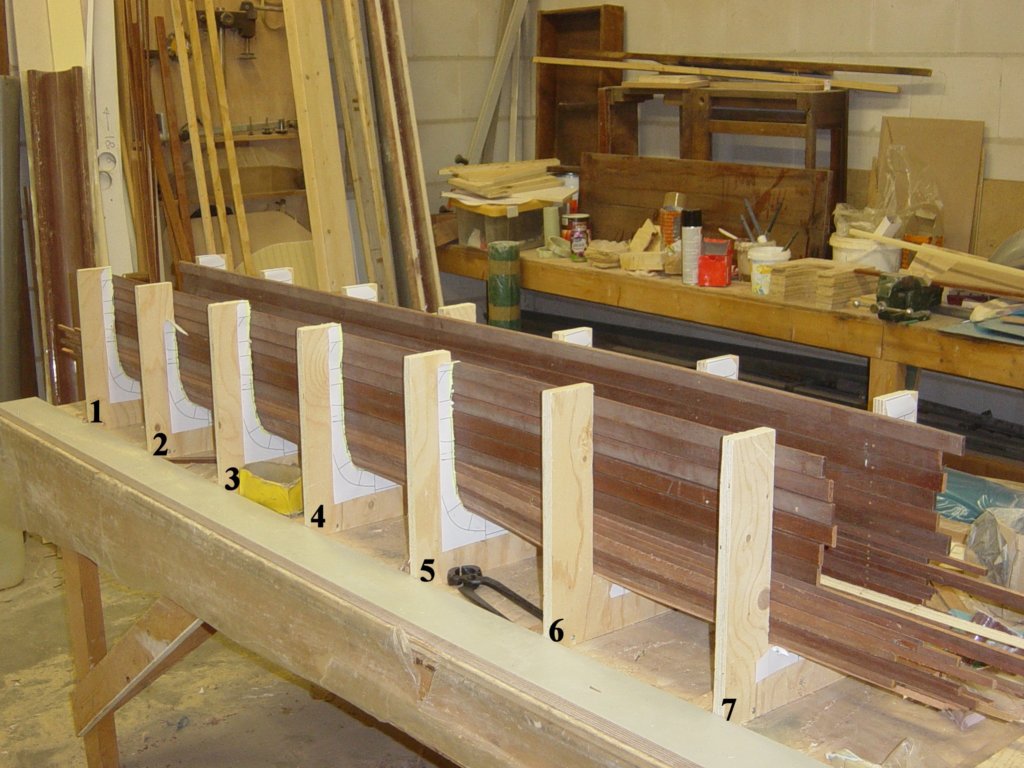
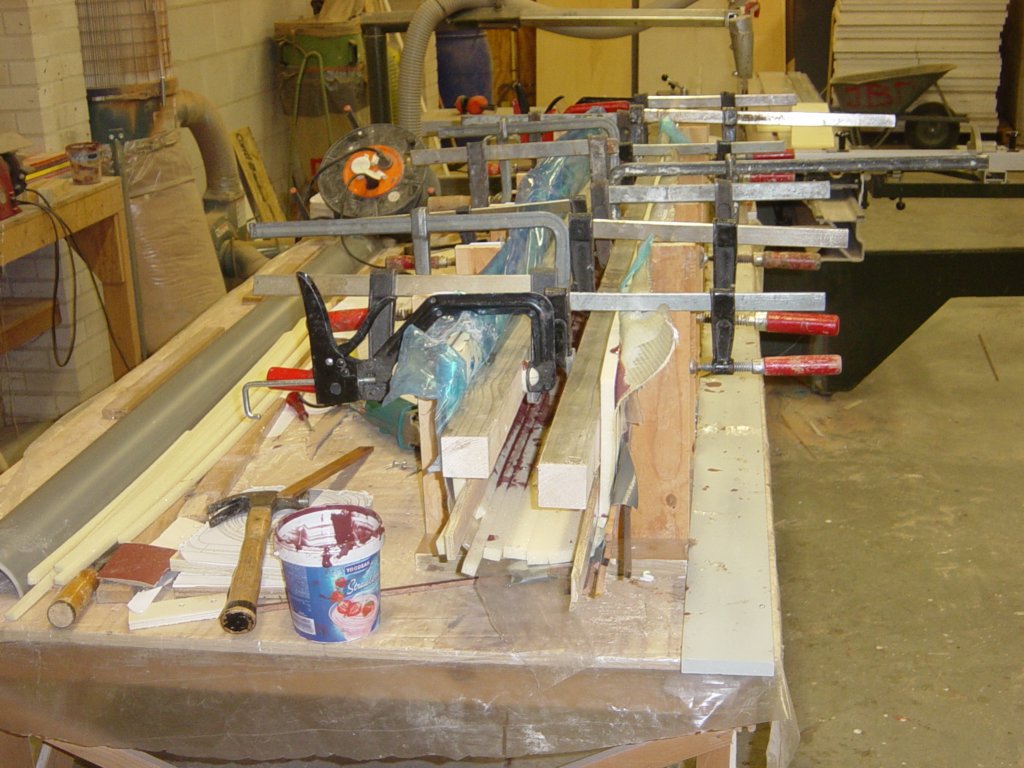
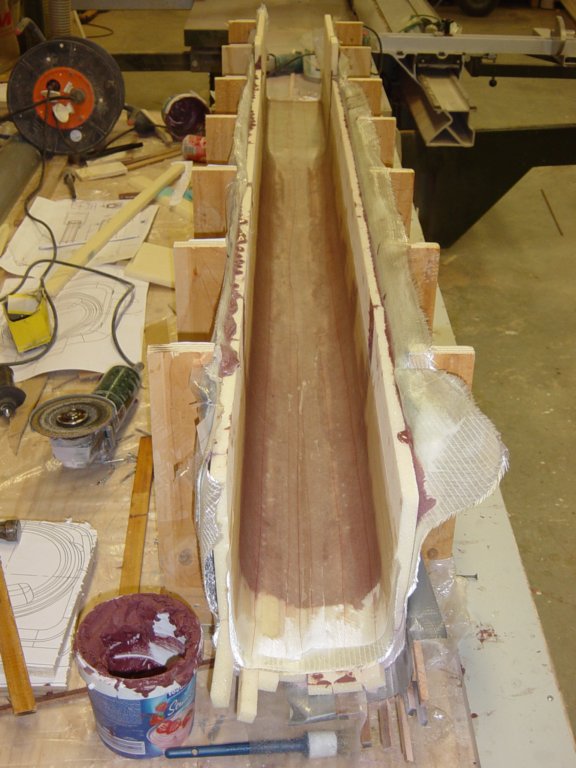
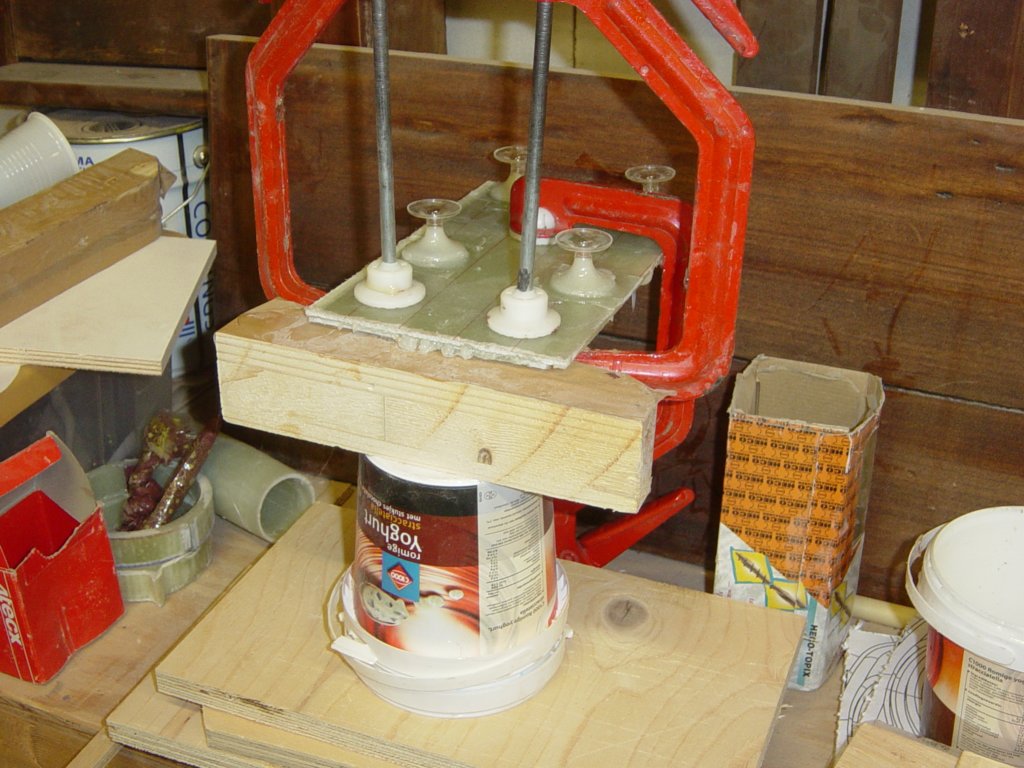
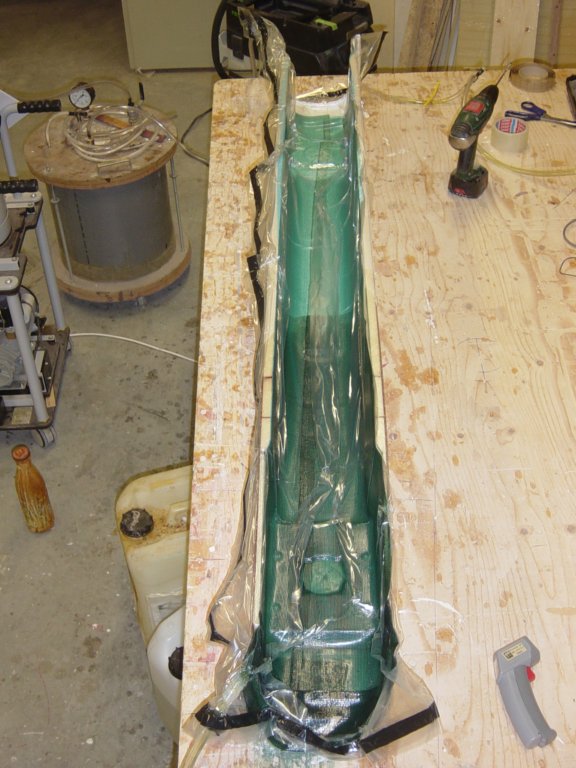
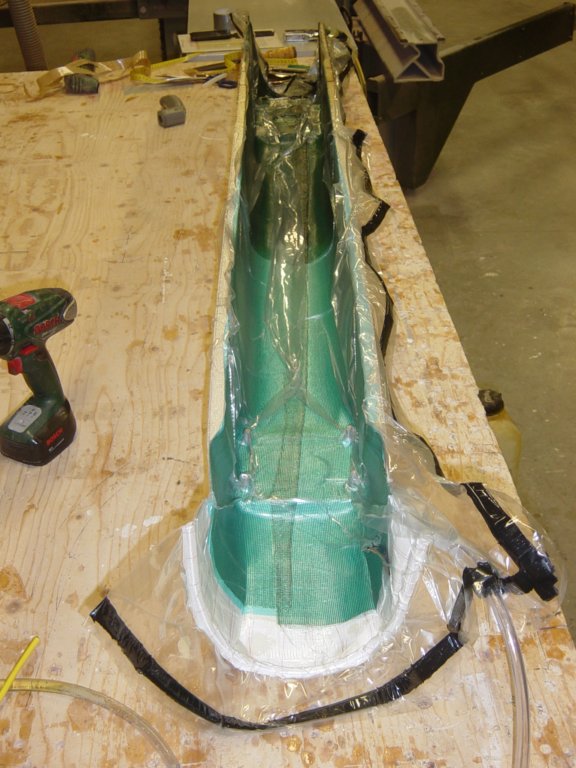
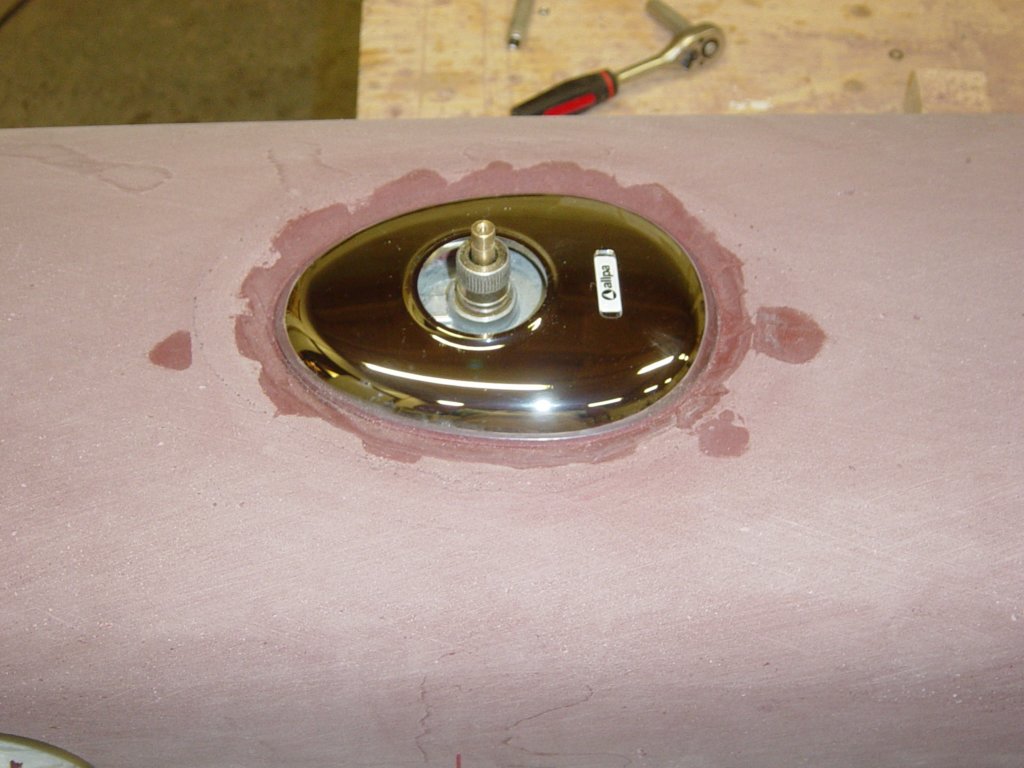
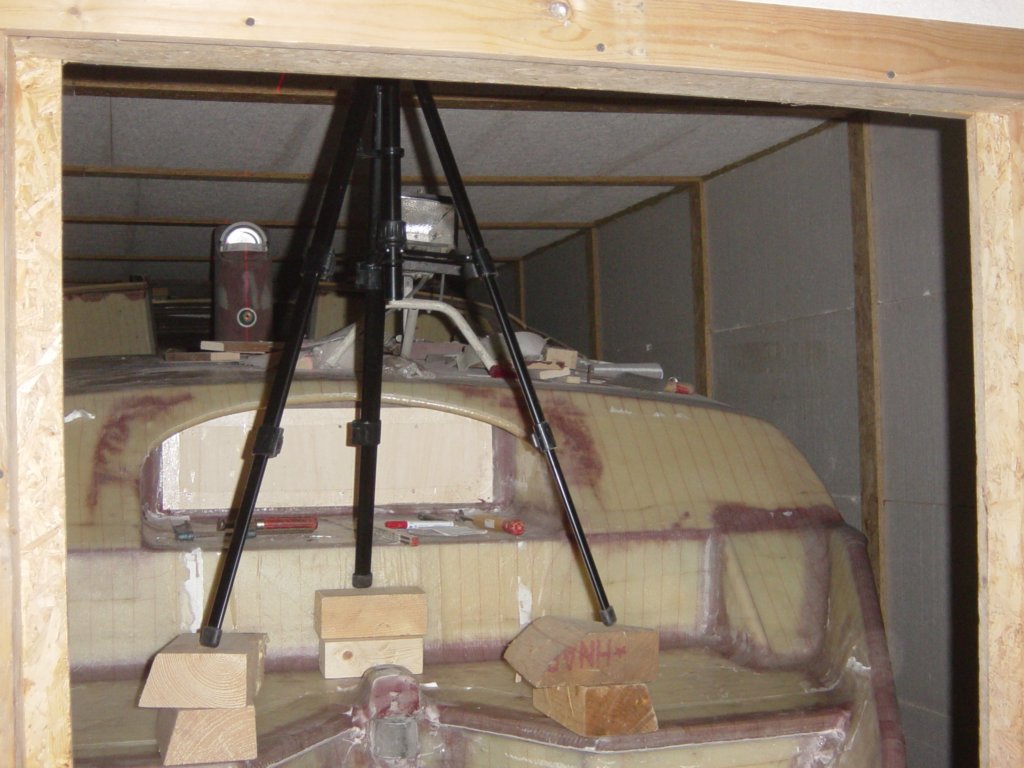
This photo gallery (73 images) covers the full build of Fram’s composite steering pedestal: molds, laminating, recesses for the Jefa bevel boxes, the integrated compass housing, and the final installation through the cockpit floor.