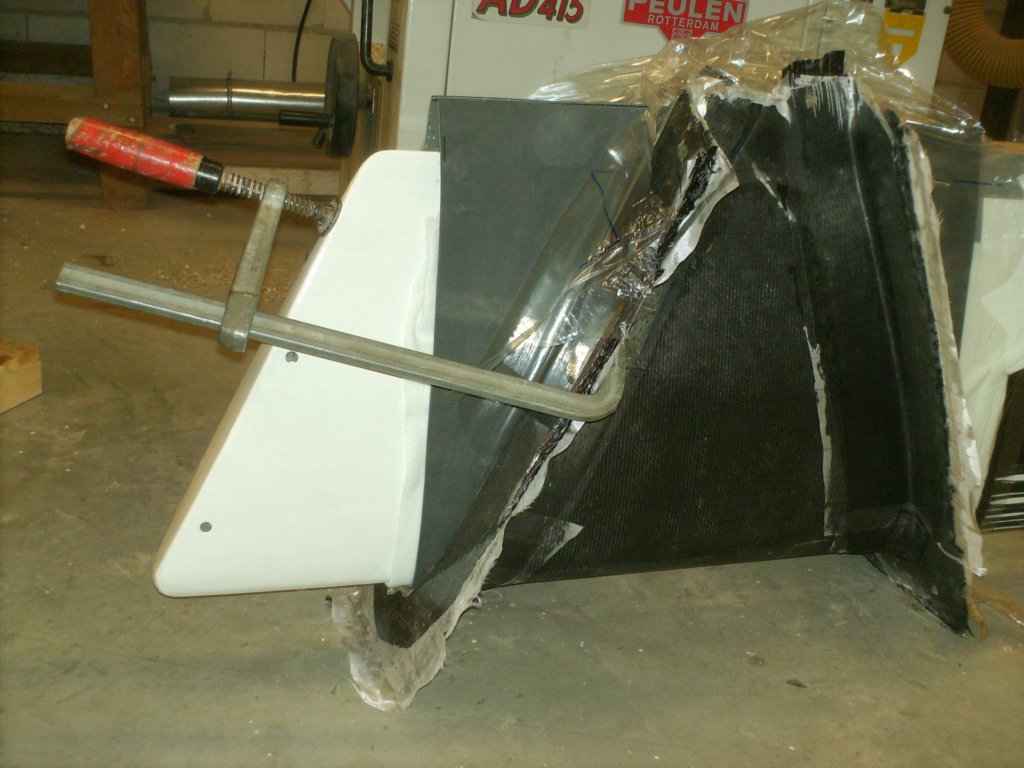
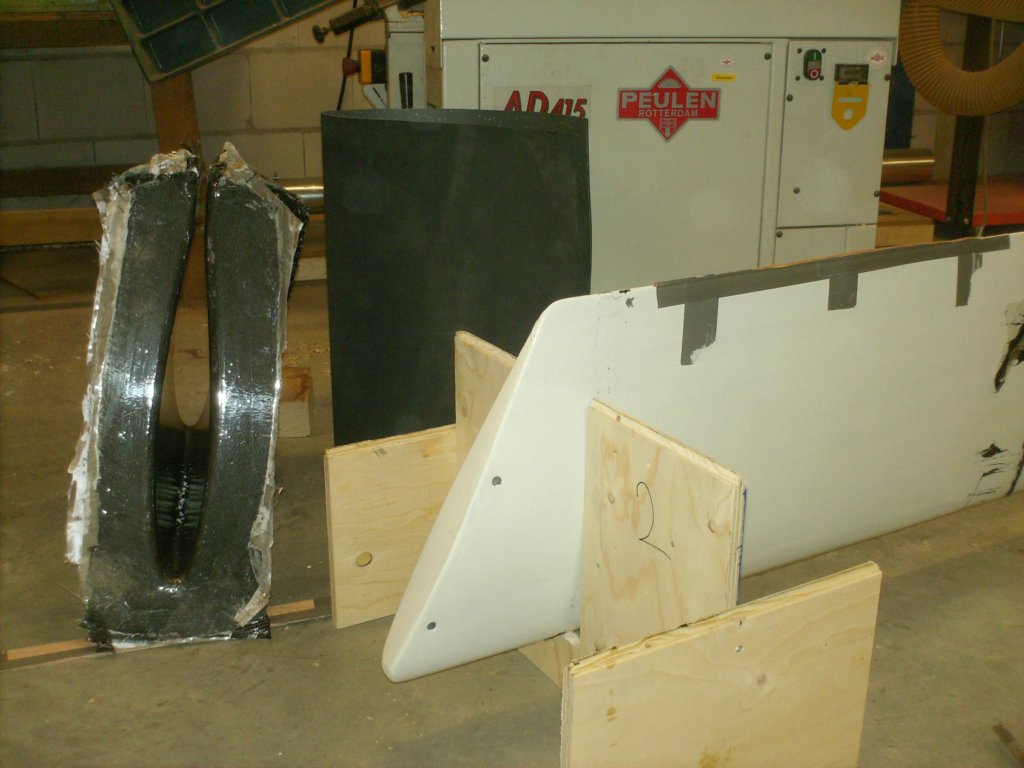
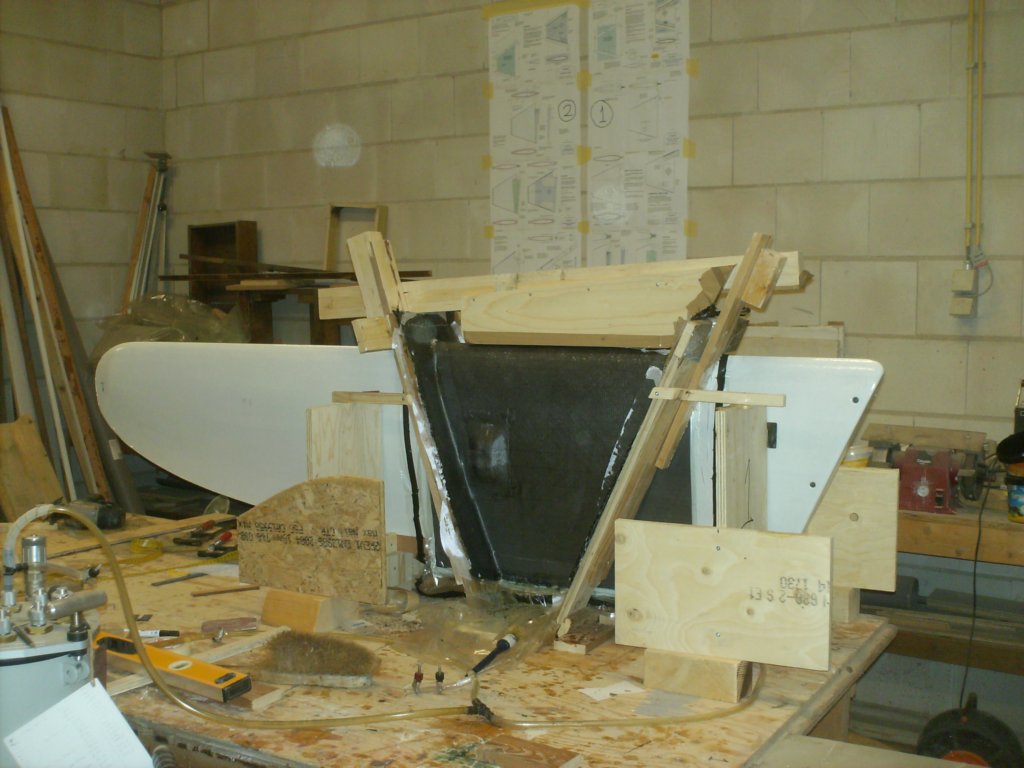
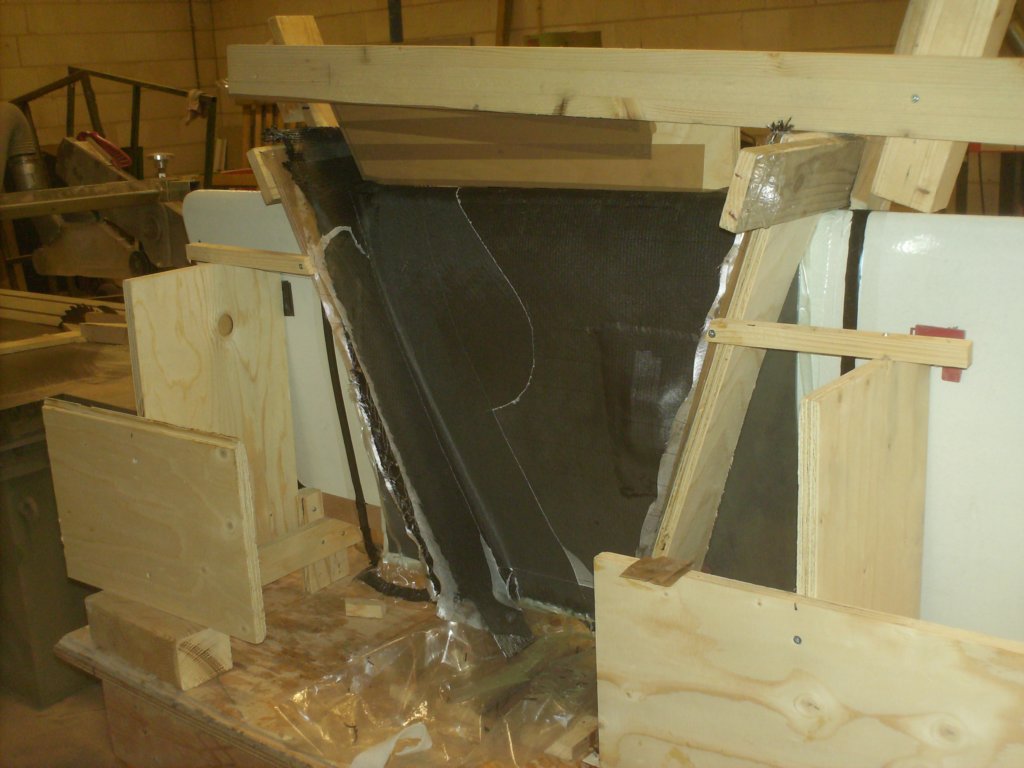
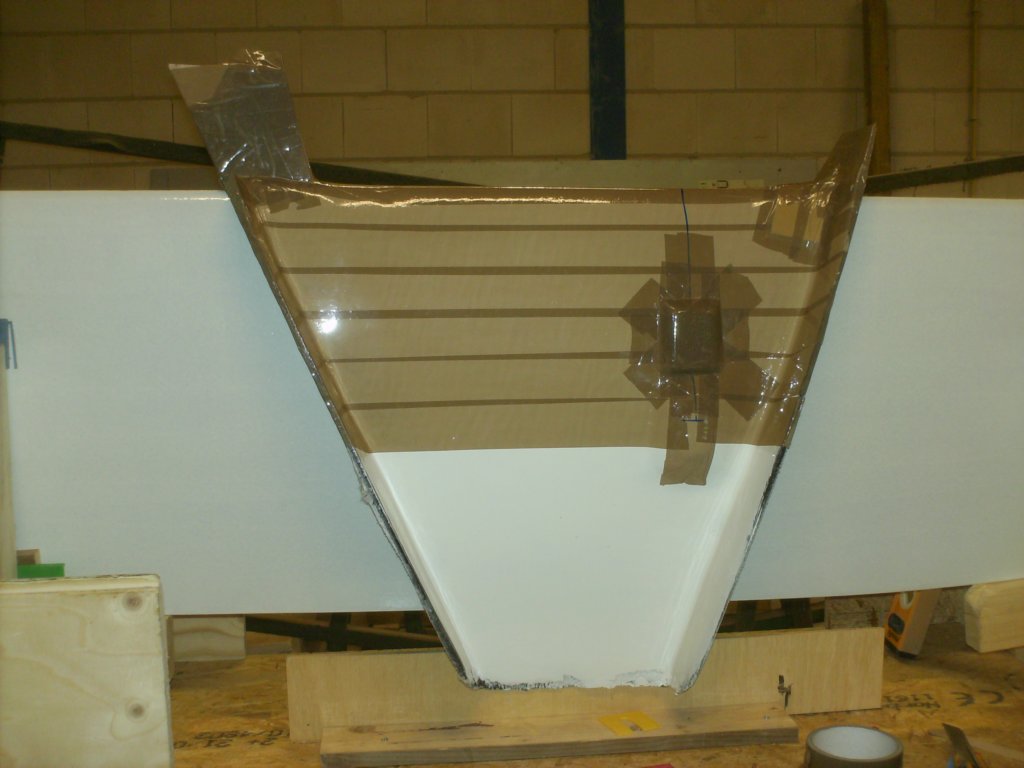
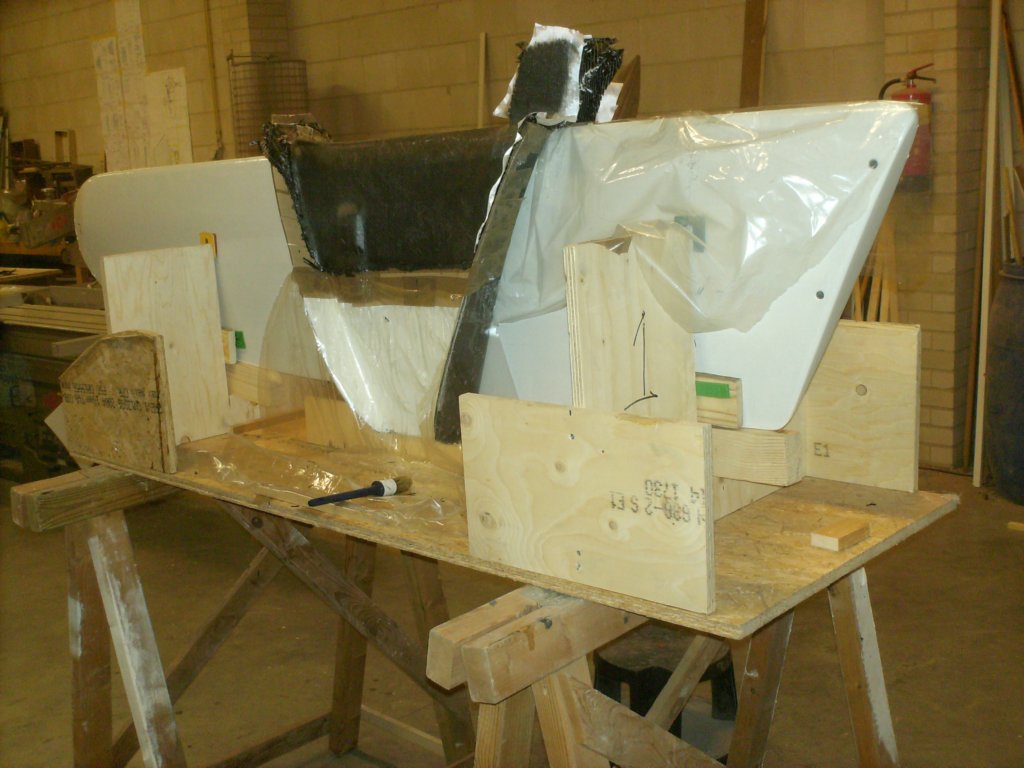
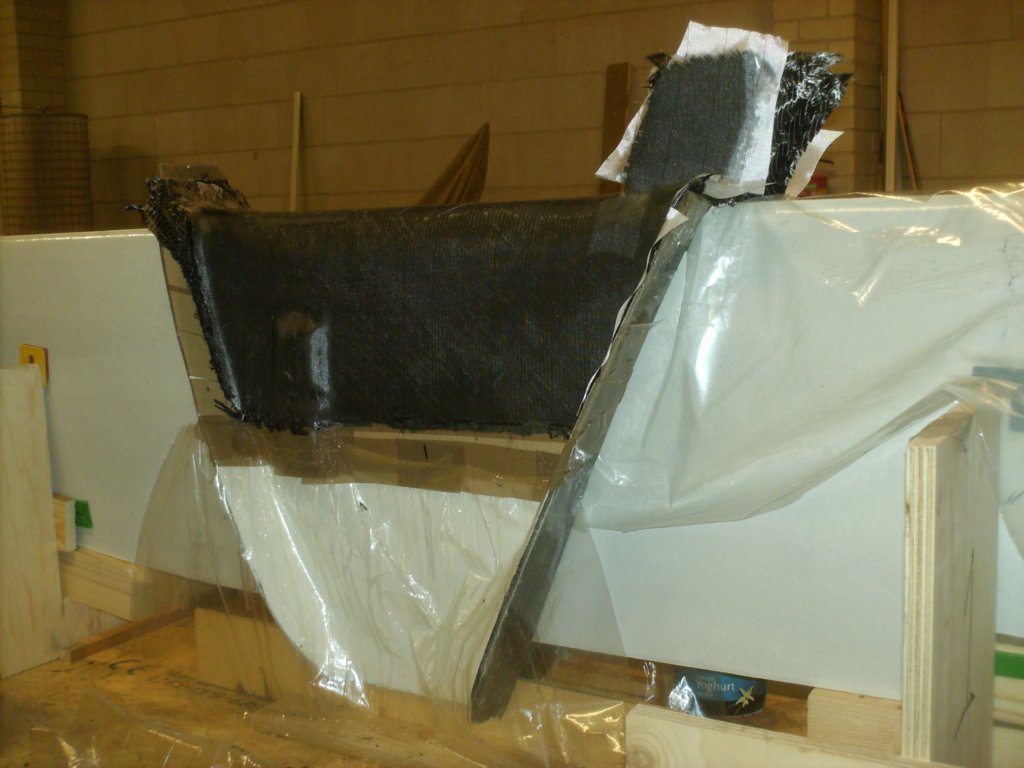
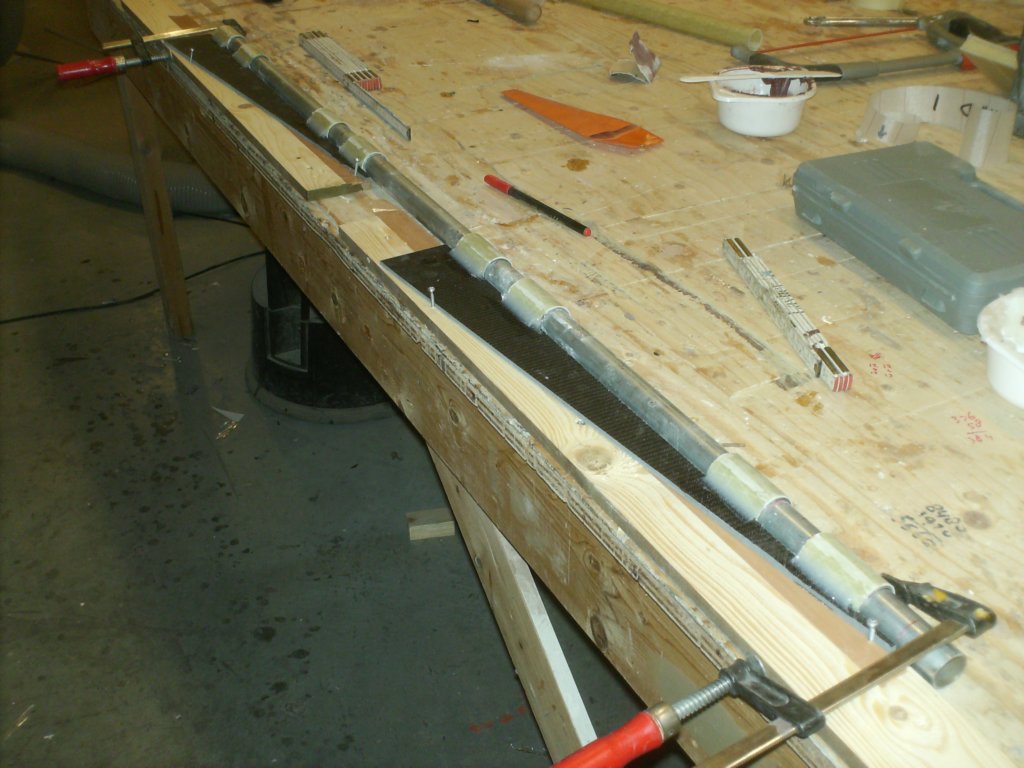
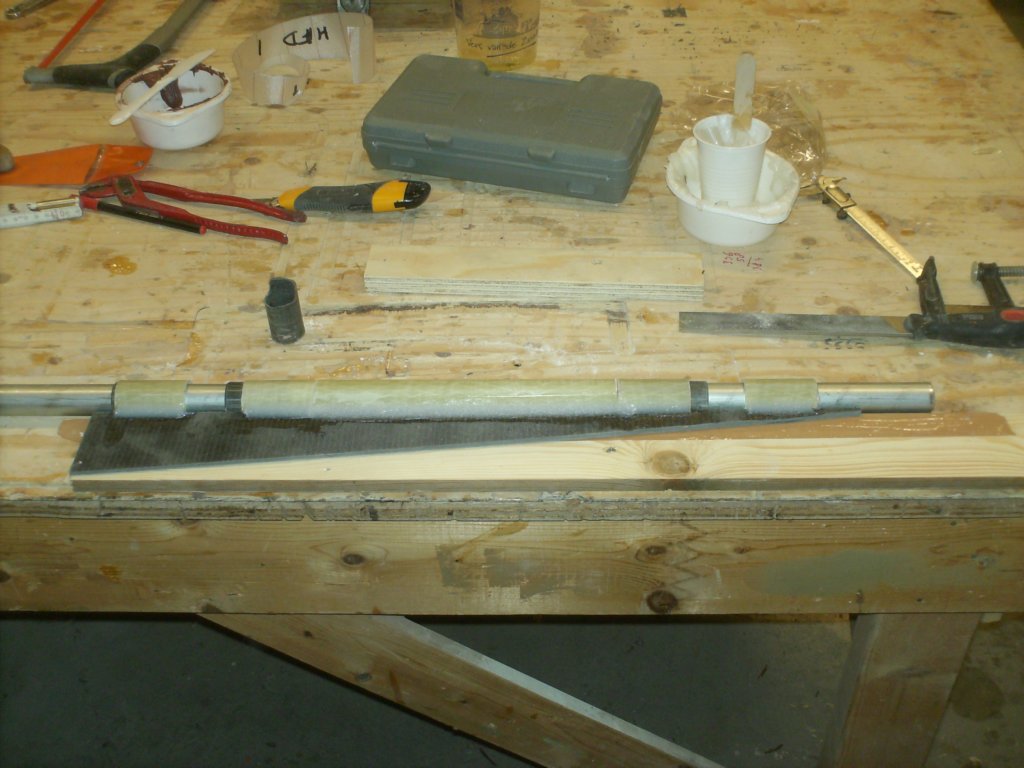
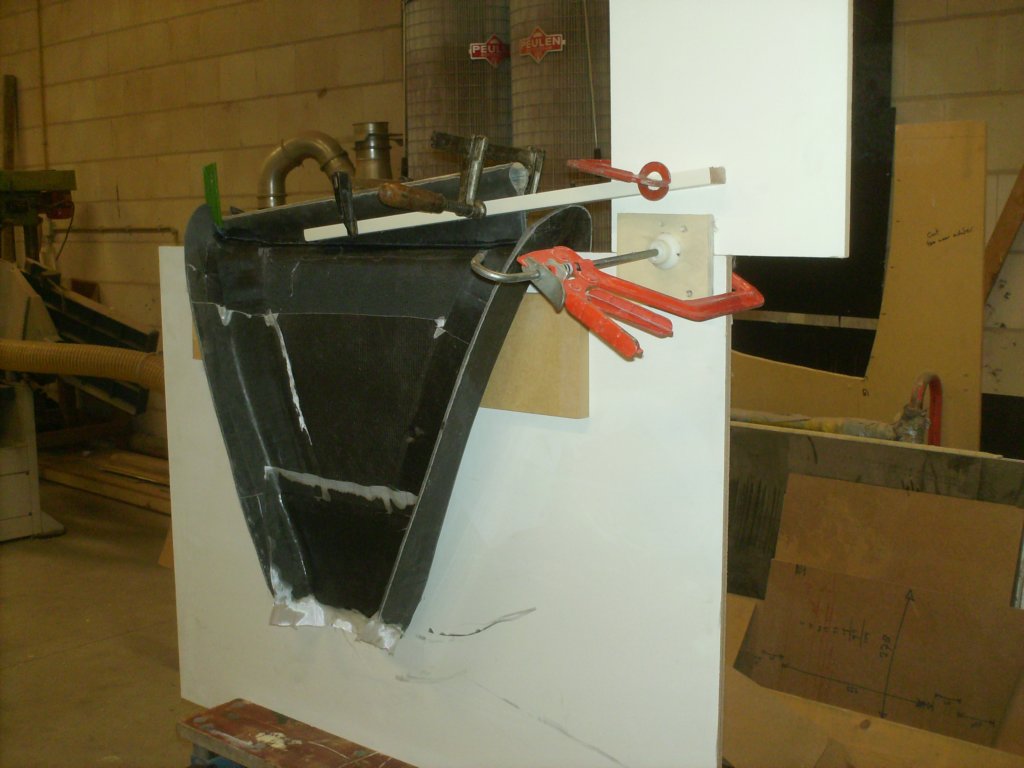
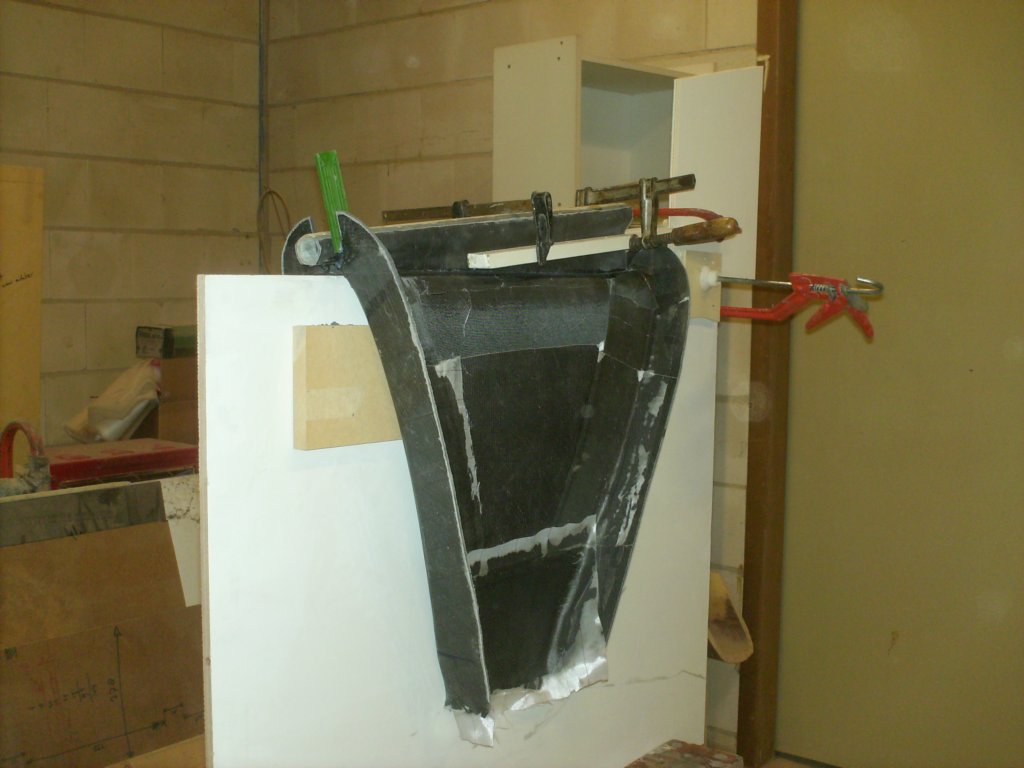
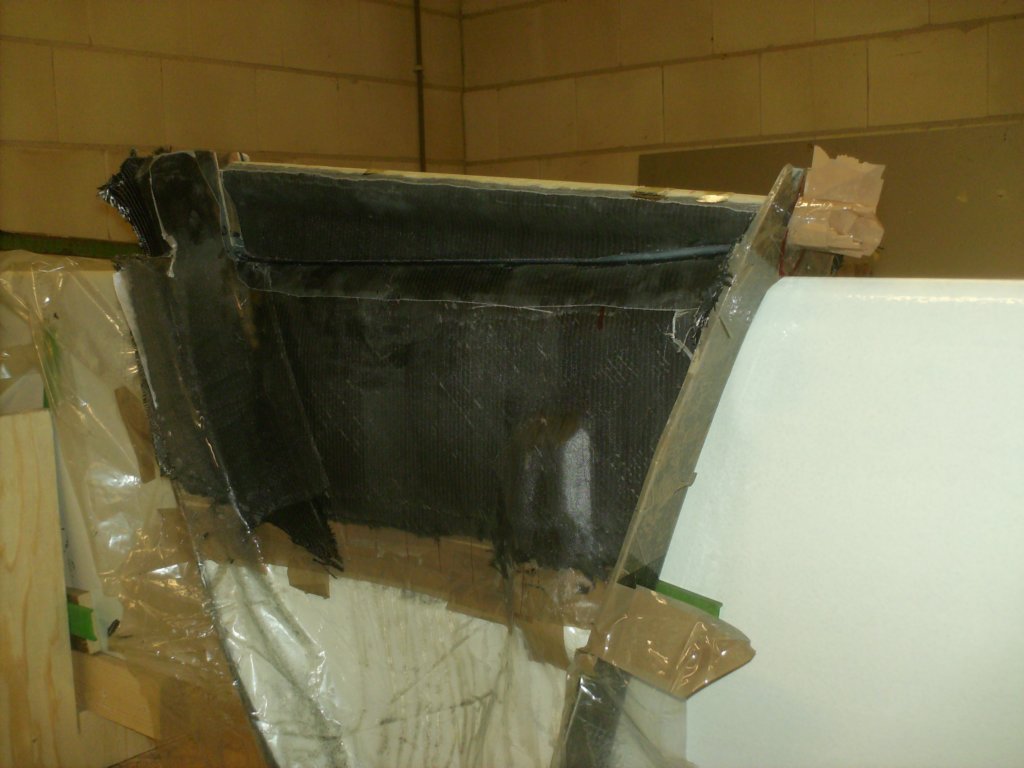
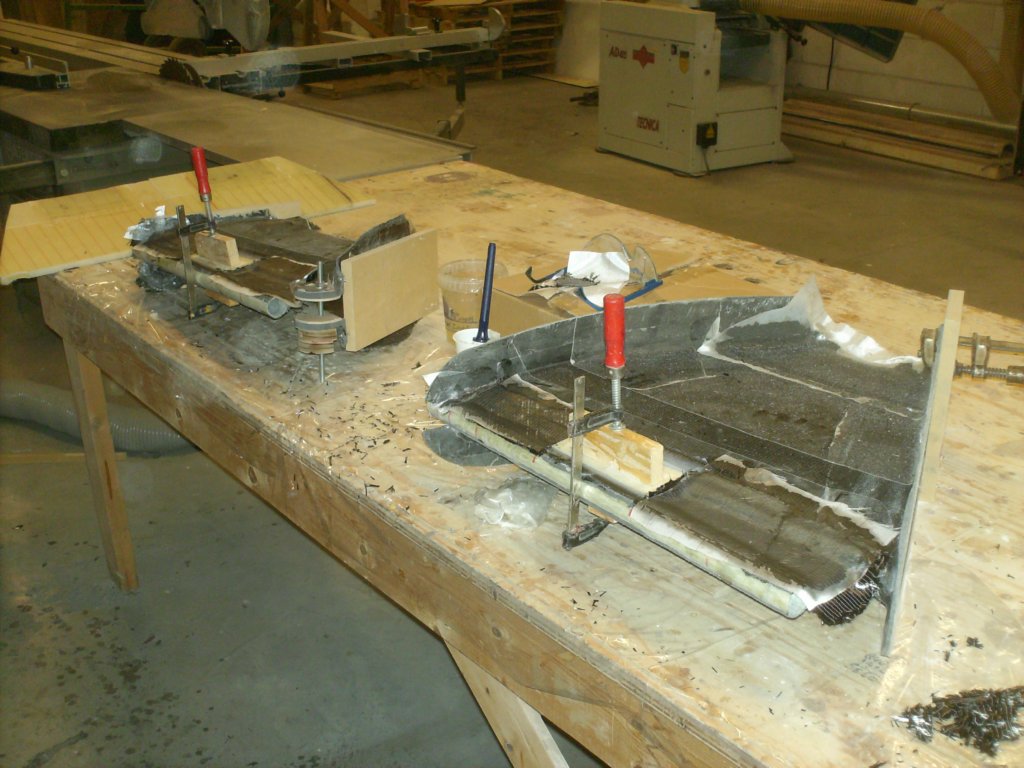
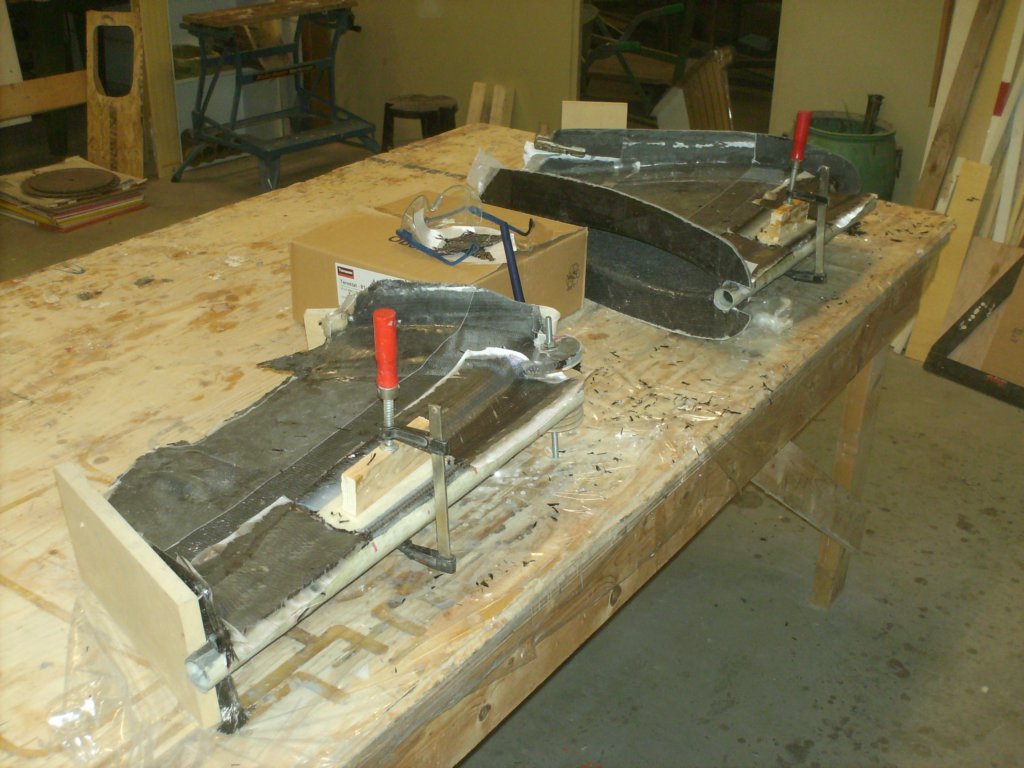
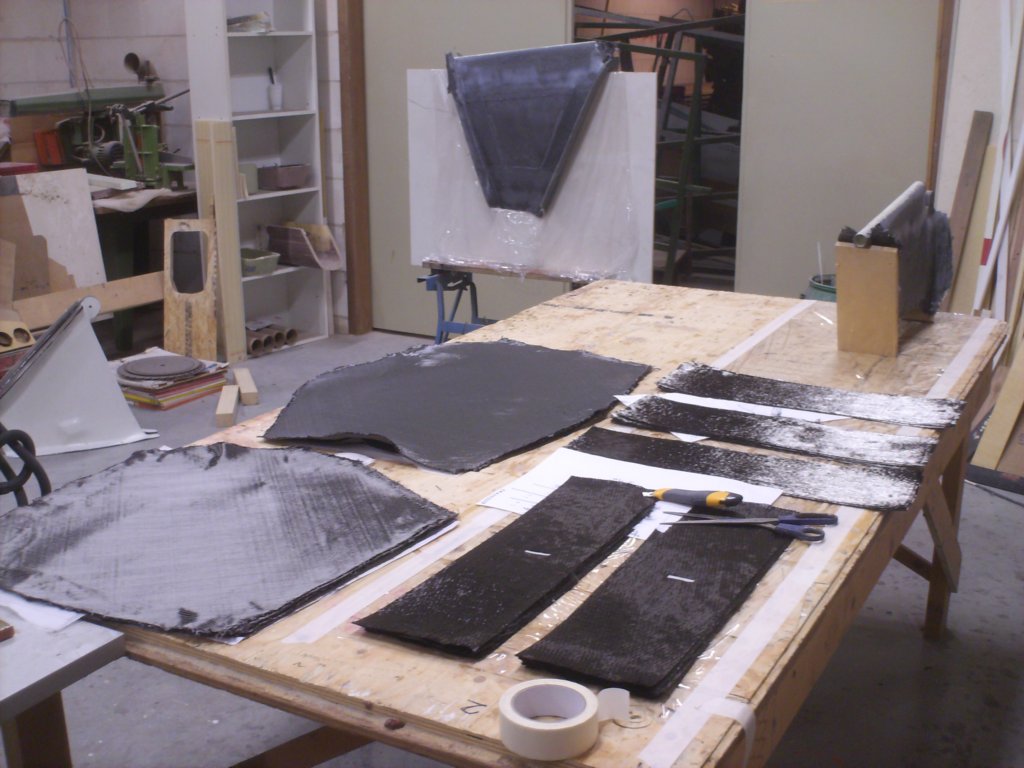
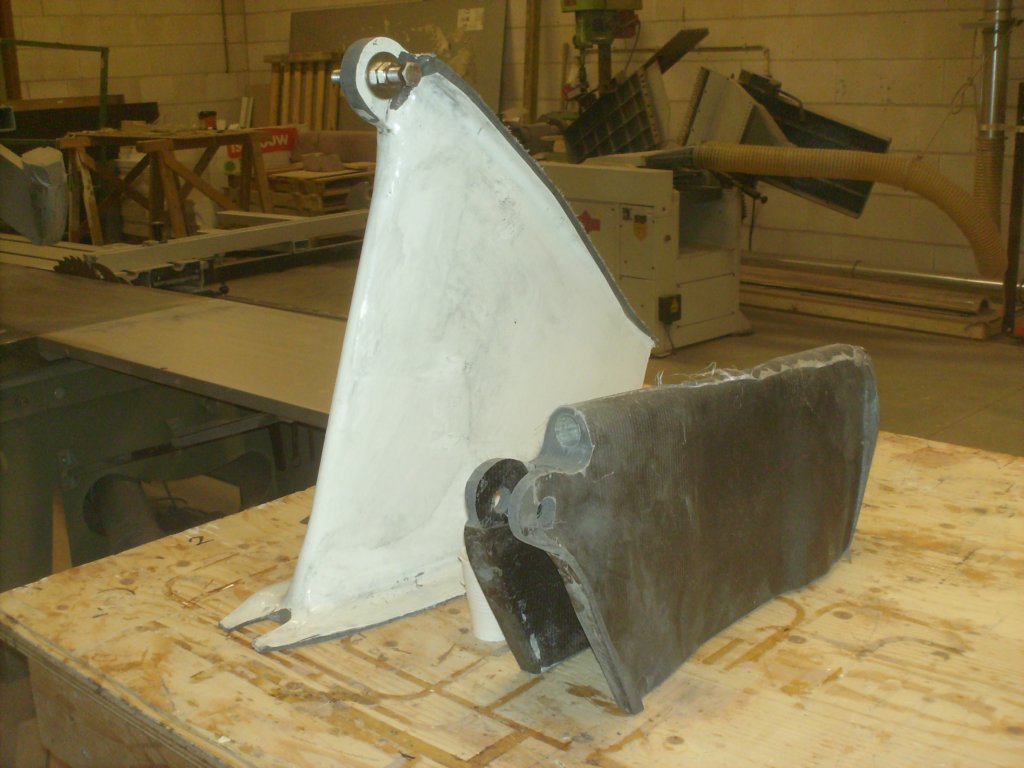
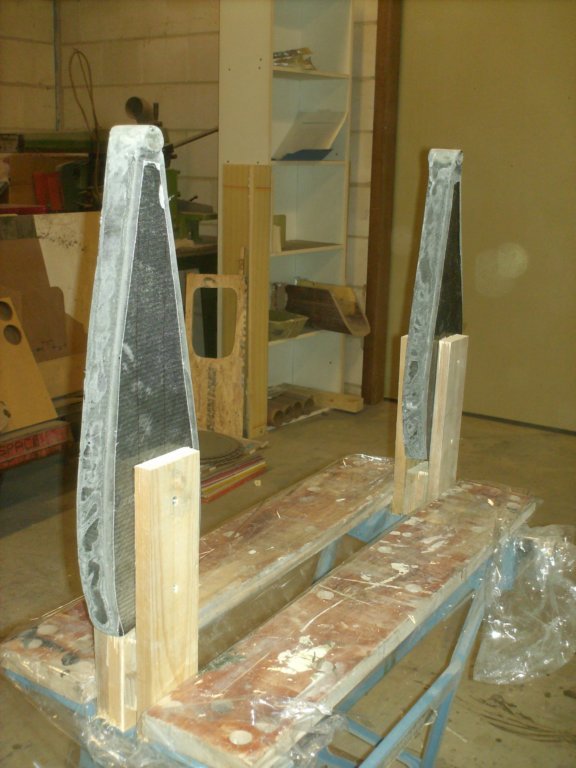
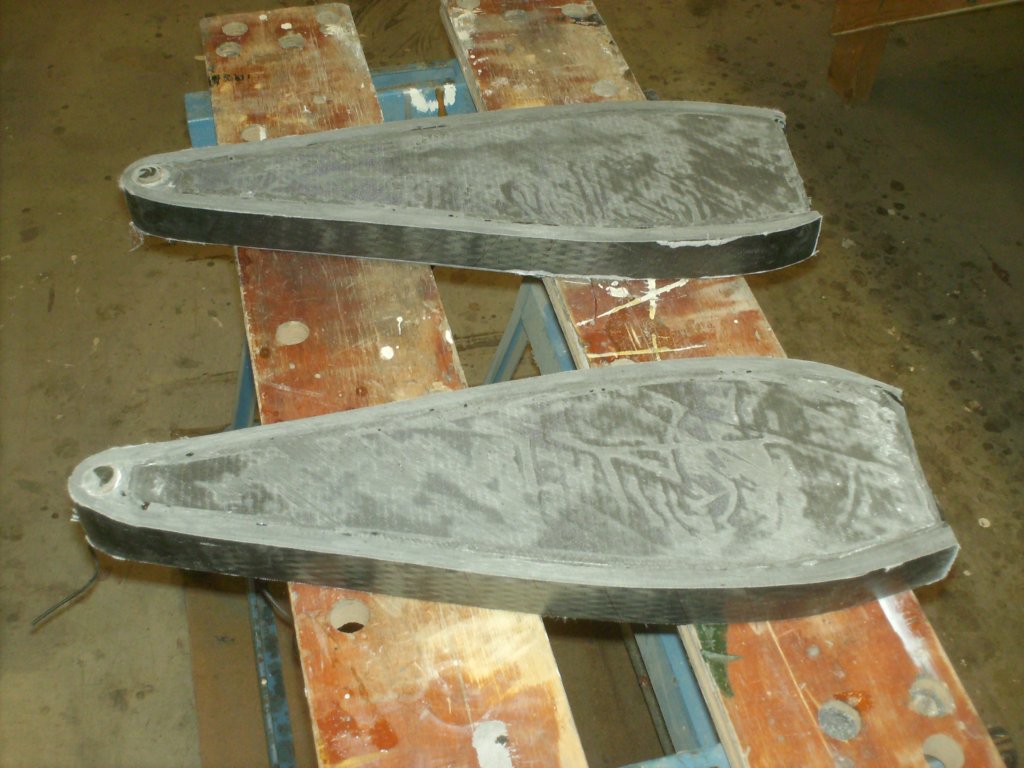
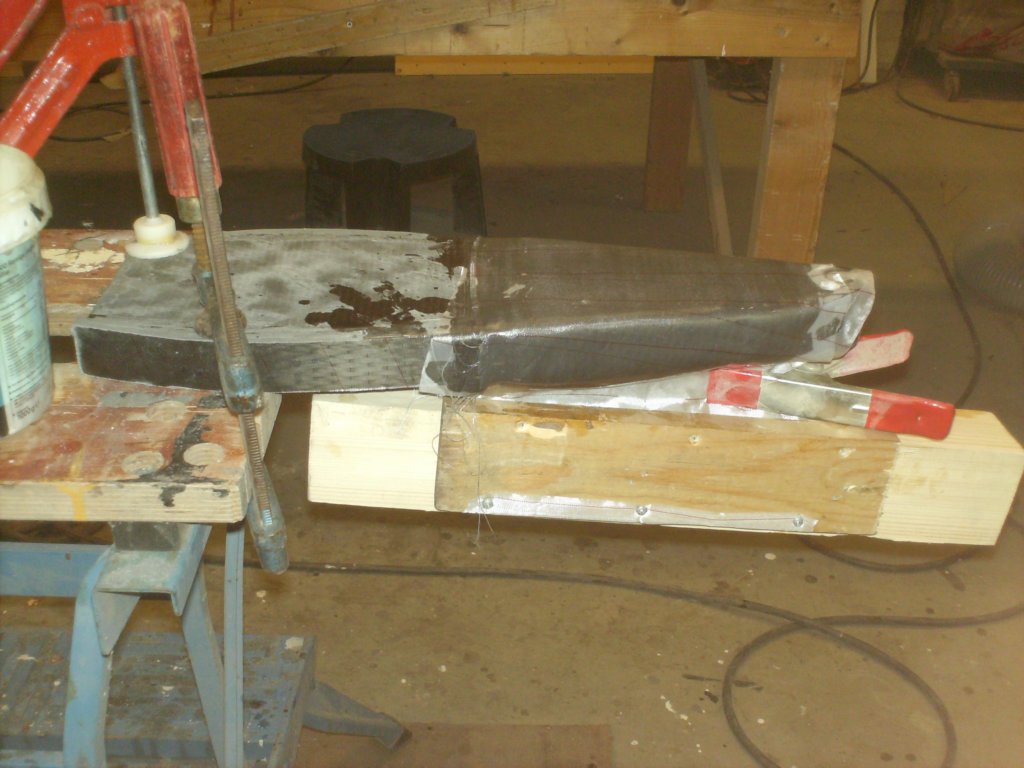
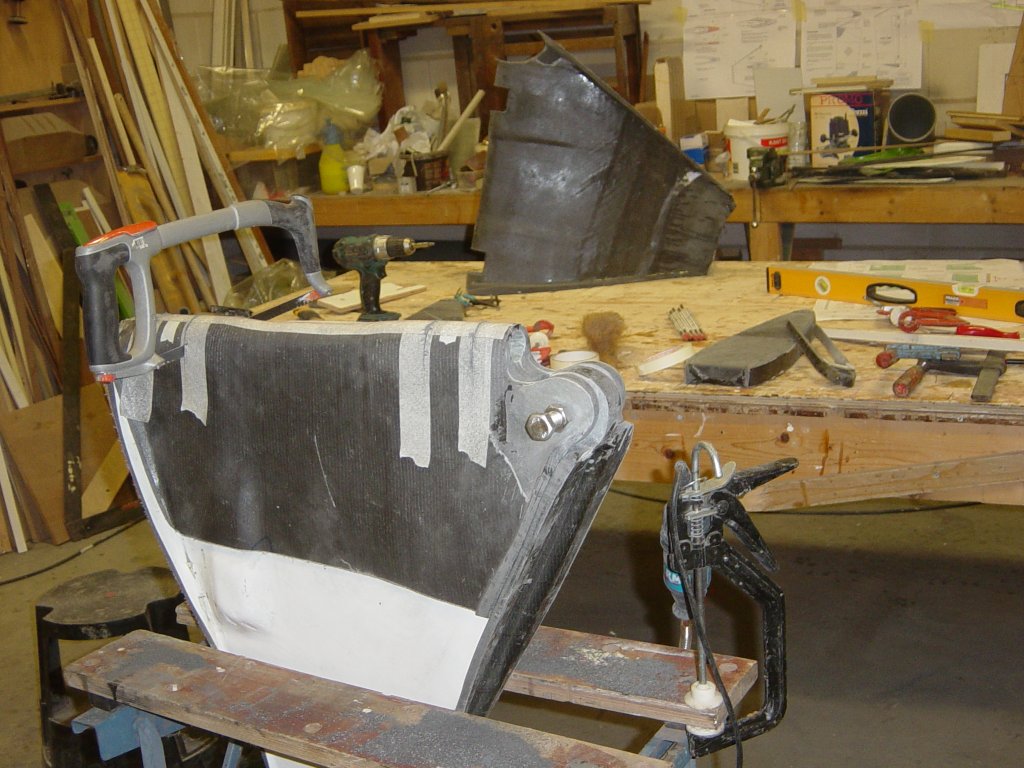
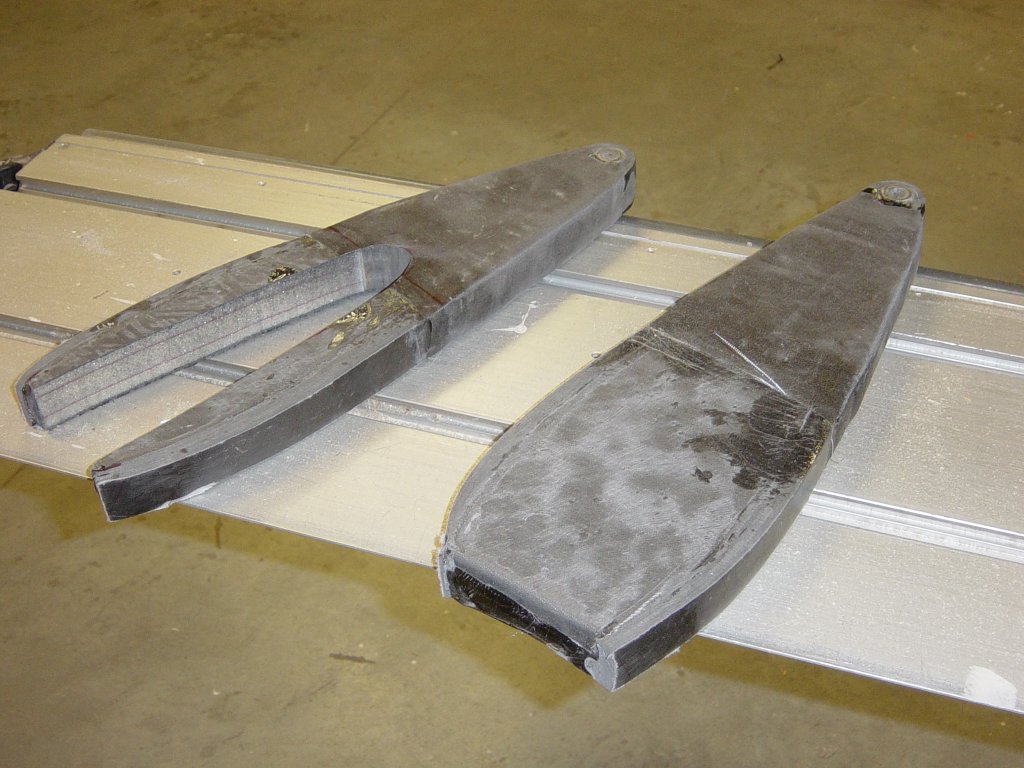
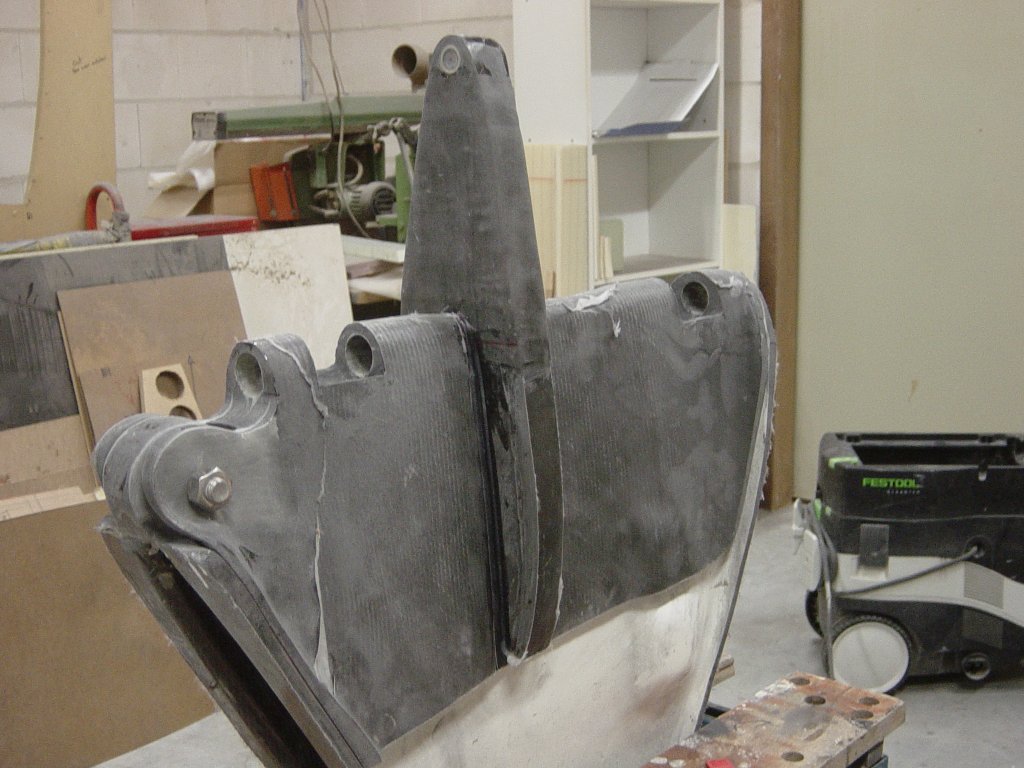
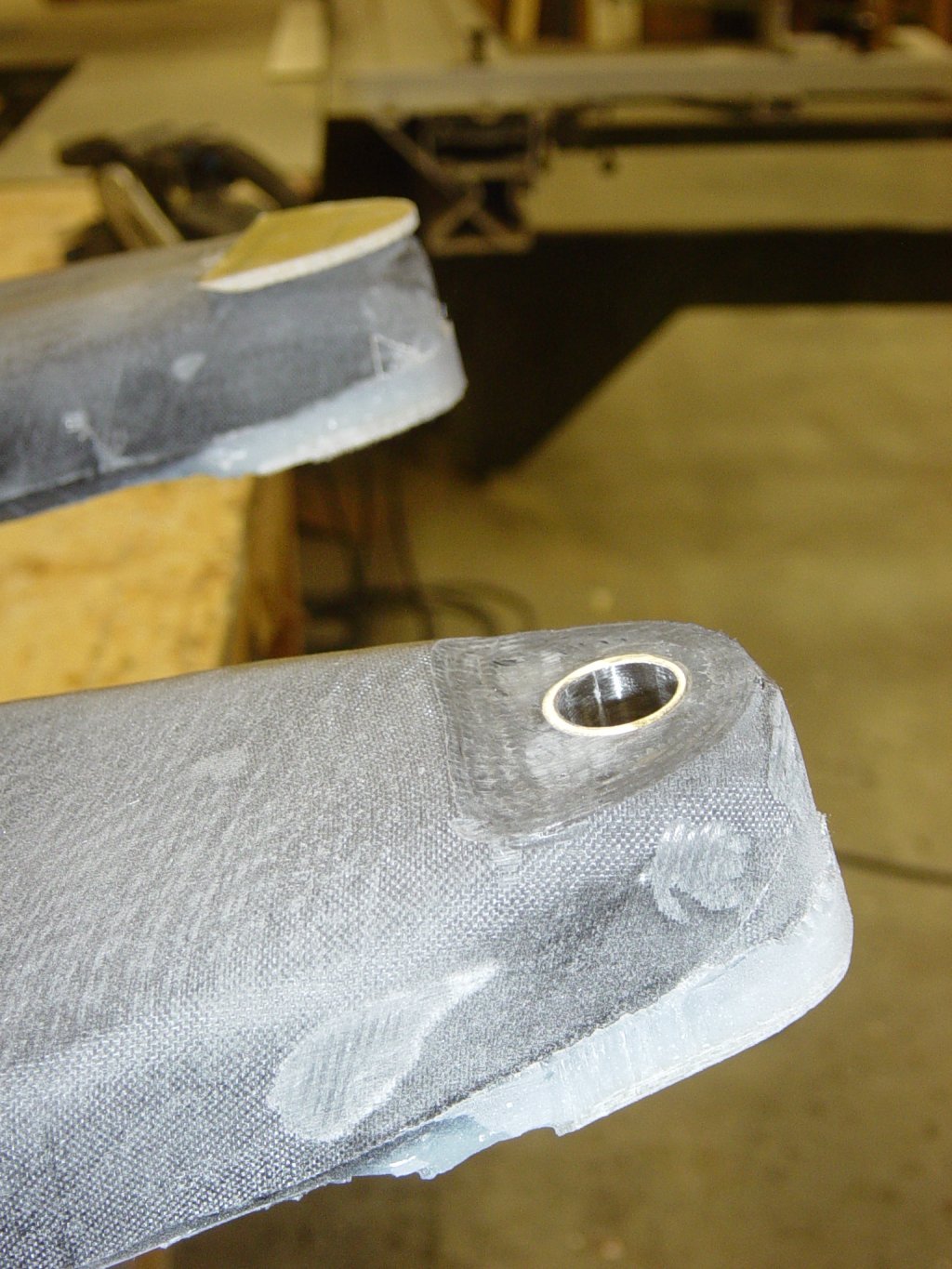
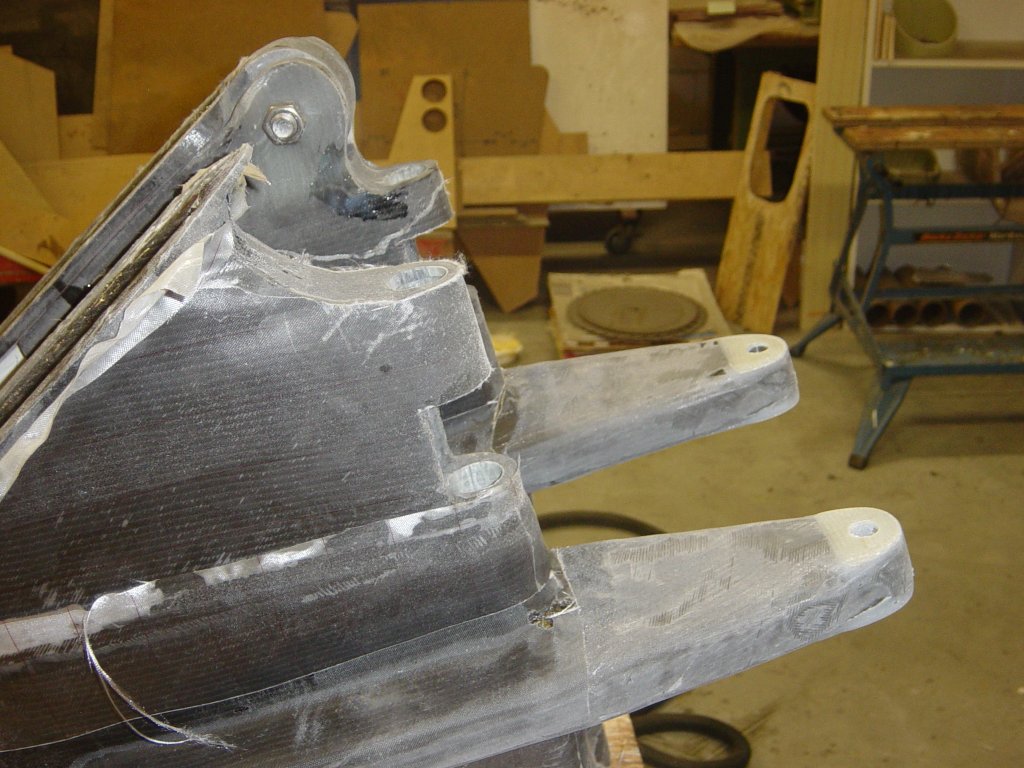
Farrier offers several rudder concepts; for Fram I built the daggerboard-style system twice: a pivoting sleeve as the primary setup, plus a fixed cassette as a complete backup for offshore redundancy.
Rudder construction part two, the rudder sleeve and case
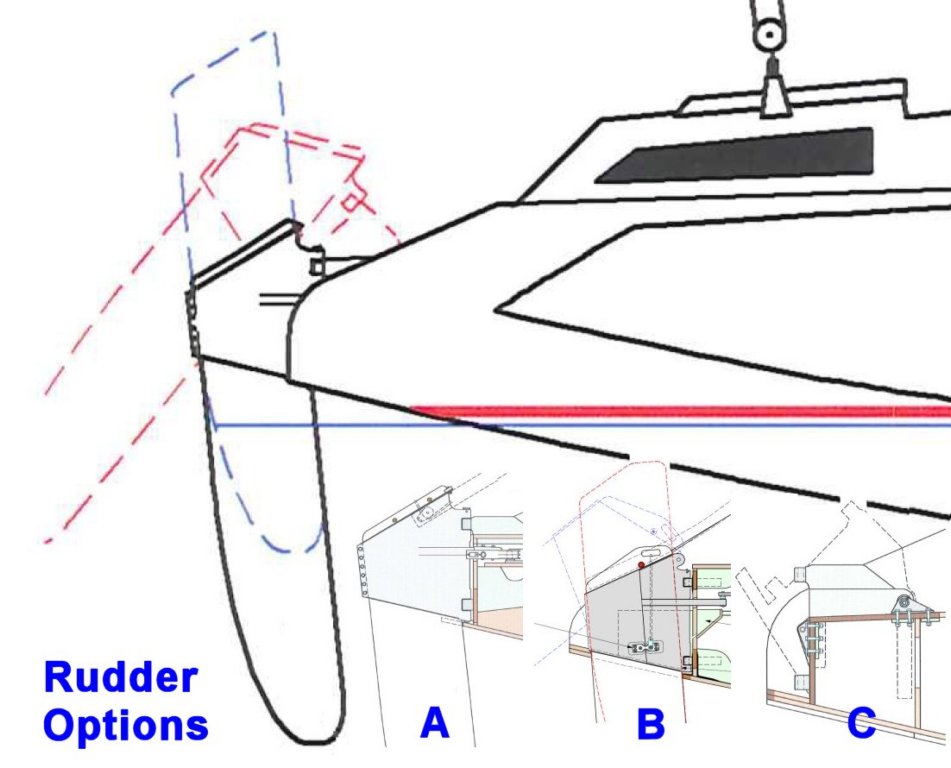
Designer Ian Farrier provides various options for the rudder system. The main choice is between the underslung rudder (not shown in the drawing) and the daggerboard-style rudder. I prefer the latter, as it offers better control when entering shallow water because the rudder can be raised and lowered.
The daggerboard-style rudder system comes in three variations, labelled A, B and C in the drawing. The difference is the way the rudder blade kicks back if it strikes an object.
Rudder option C, with the hinged rudder box, is only suitable for a cable steering system and therefore not an option for me. My transmission steering system requires a fixed connection to the steering arm, with a geometry that must not change due to a pivoting movement.
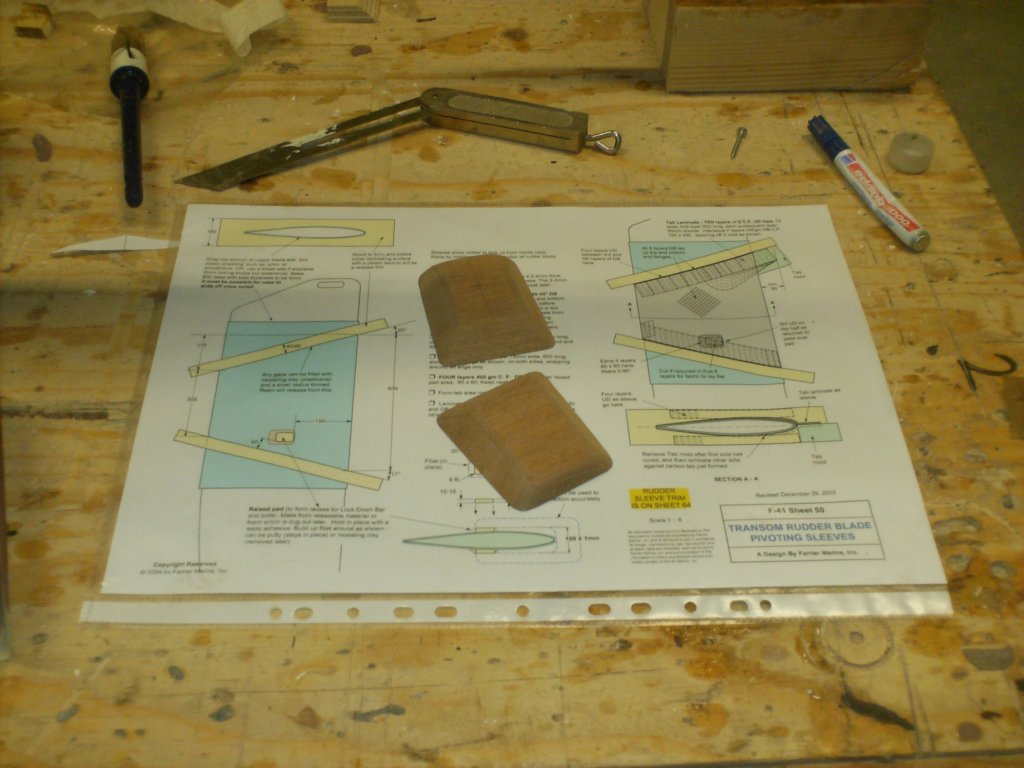
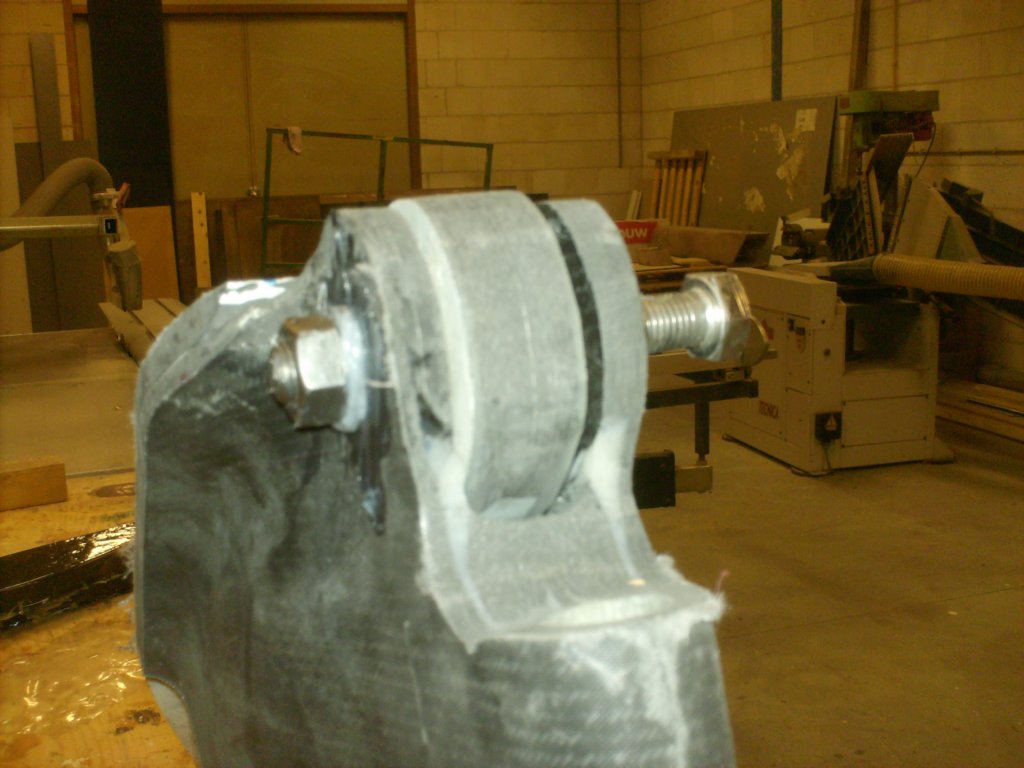
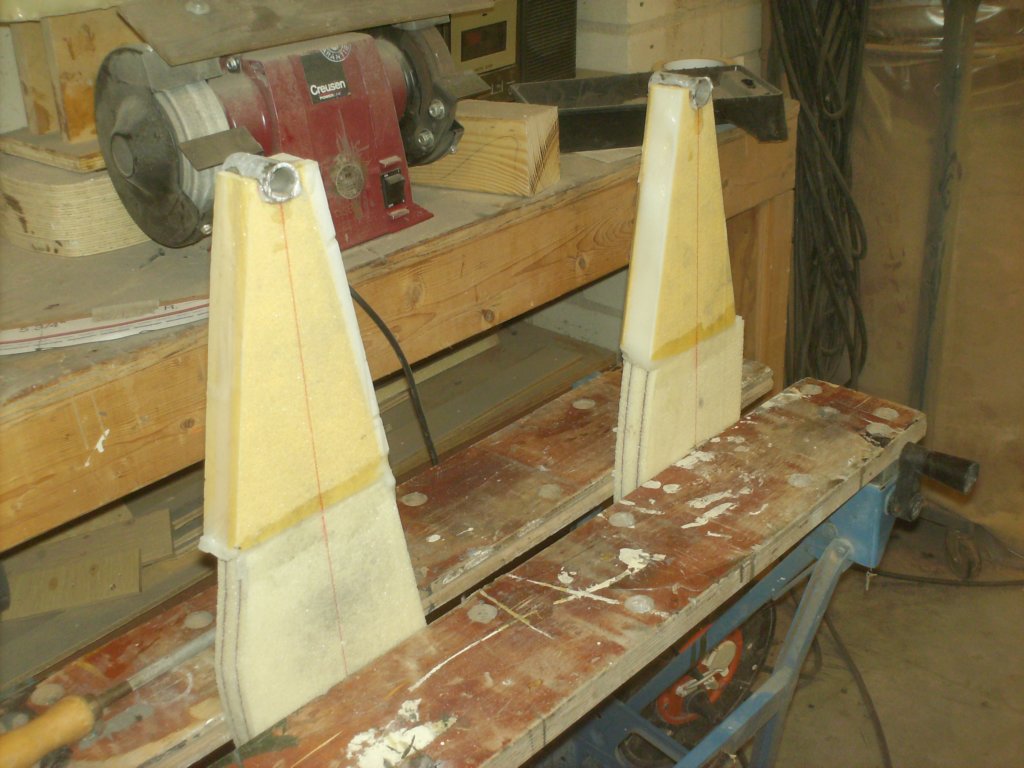
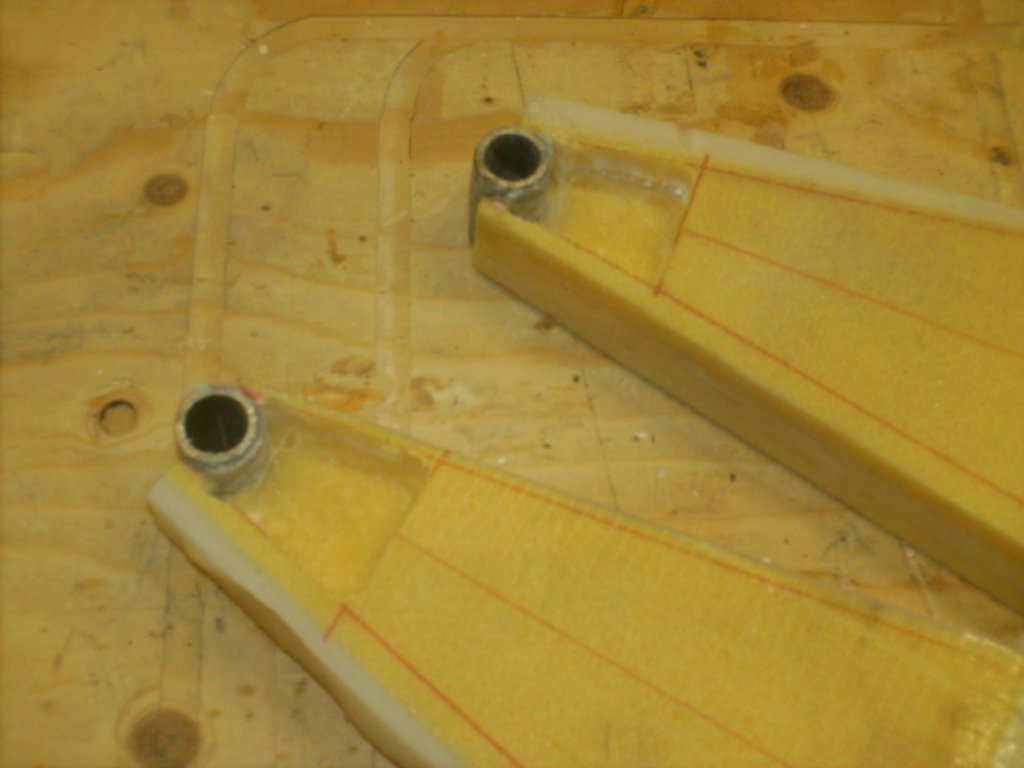
Rudder option B is my preferred solution. It consists of a two-part pivoting case and sleeve. If the rudder hits an object or the bottom, the aluminium rudder lock bar is designed to break, allowing the rudder to kick back and preventing more serious damage.
Rudder option A is much simpler, but it will not kick back in normal use. In theory the case should split along the aft edge (with aluminium bolts shearing) to let the rudder blade kick back without damaging the transom. In practice, some damage to the rudder case is likely. I can confirm that from my own experience with such a system on an F33. Because the construction is simpler, this will become my backup/emergency system.
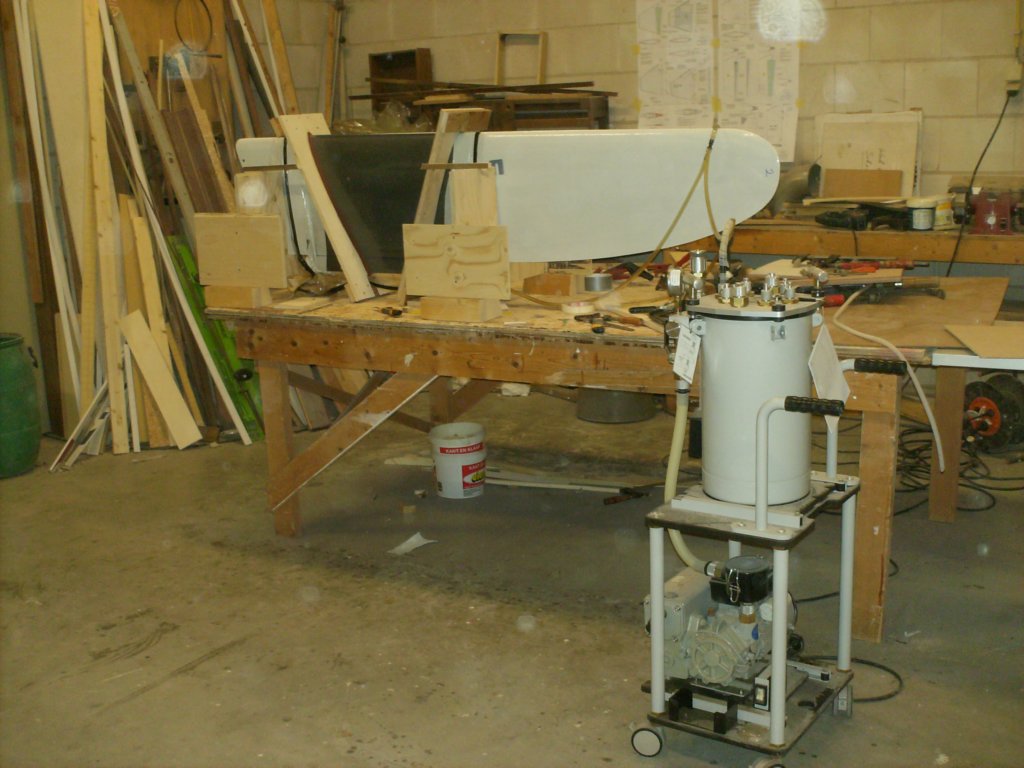
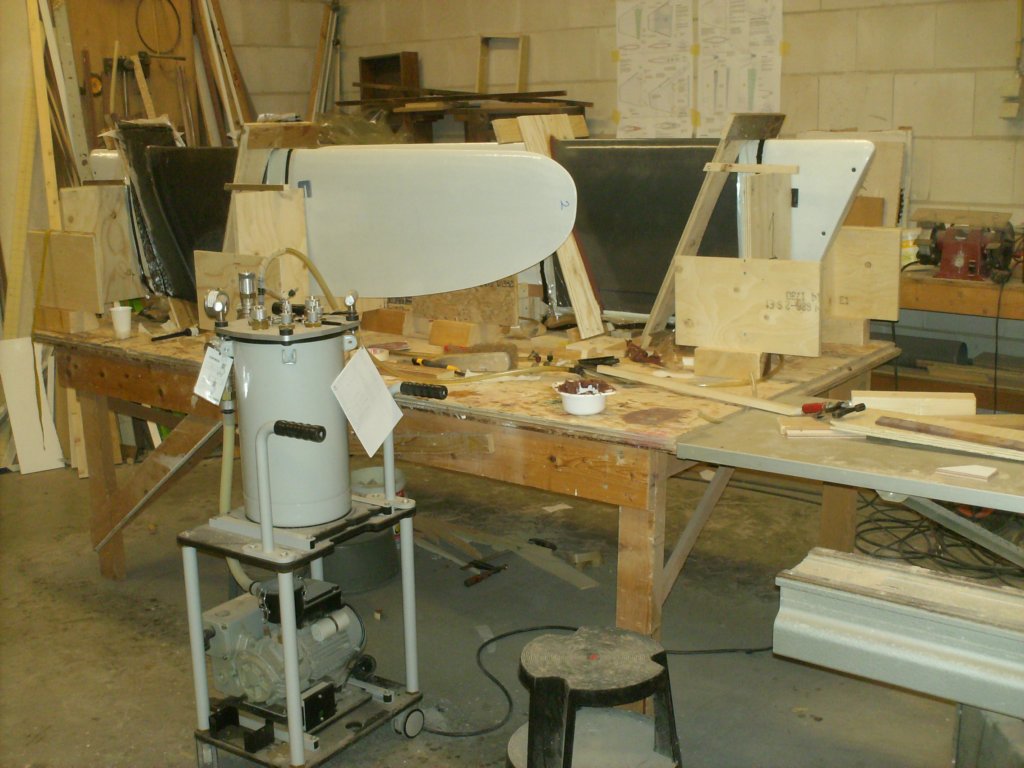
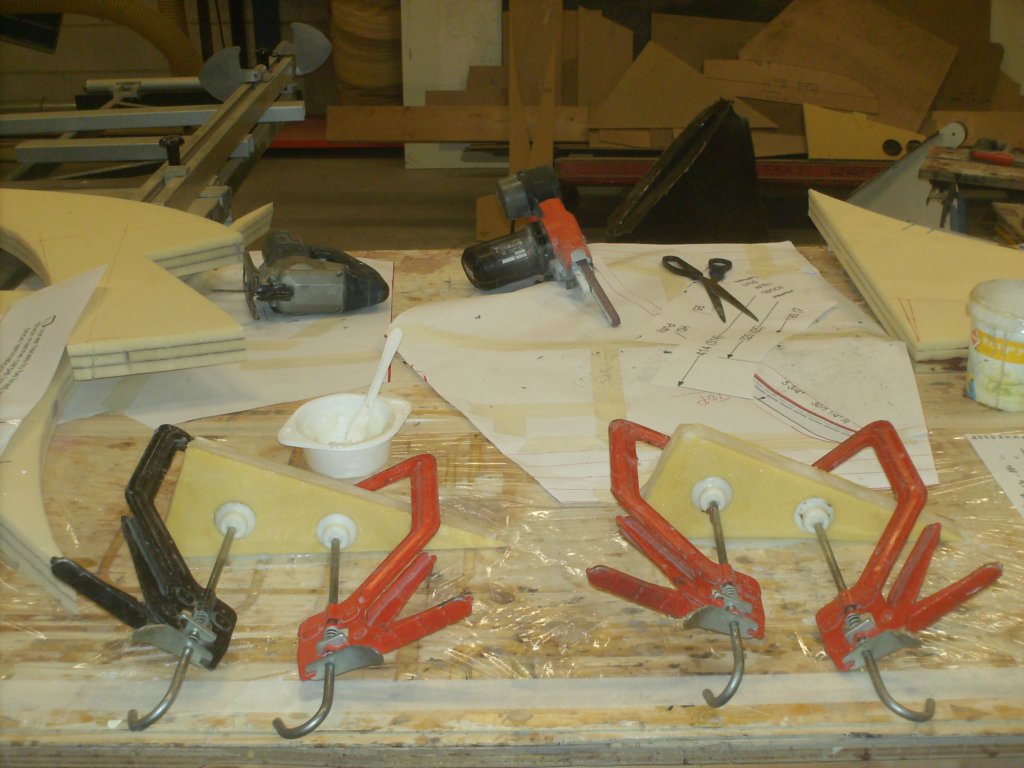
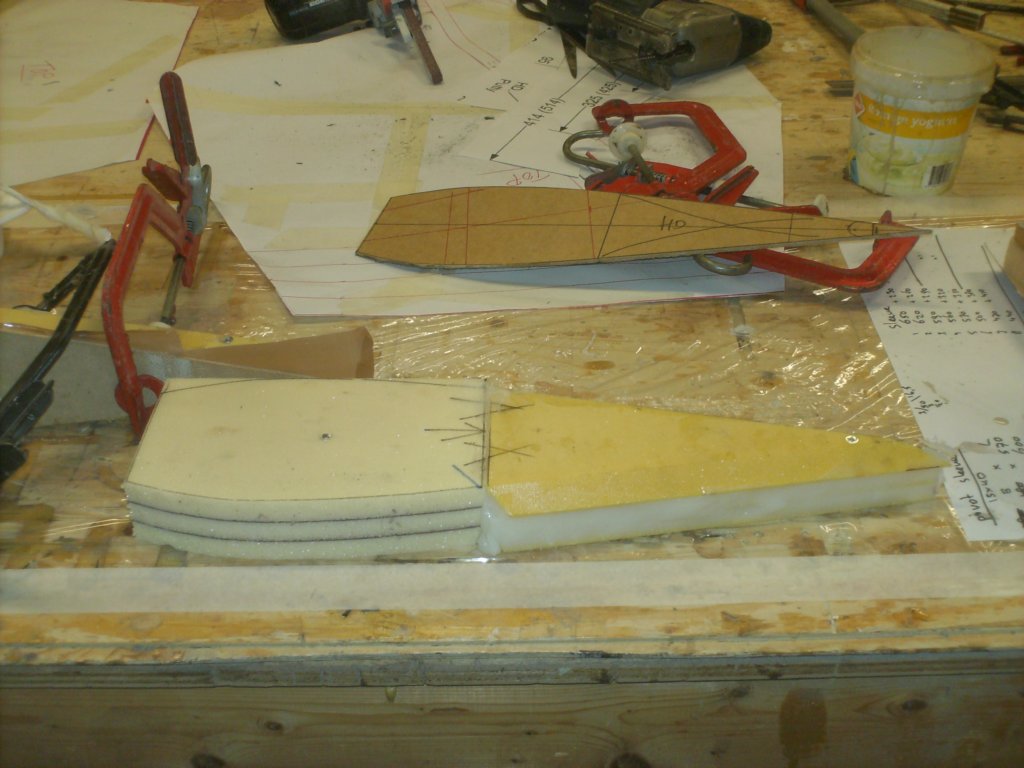
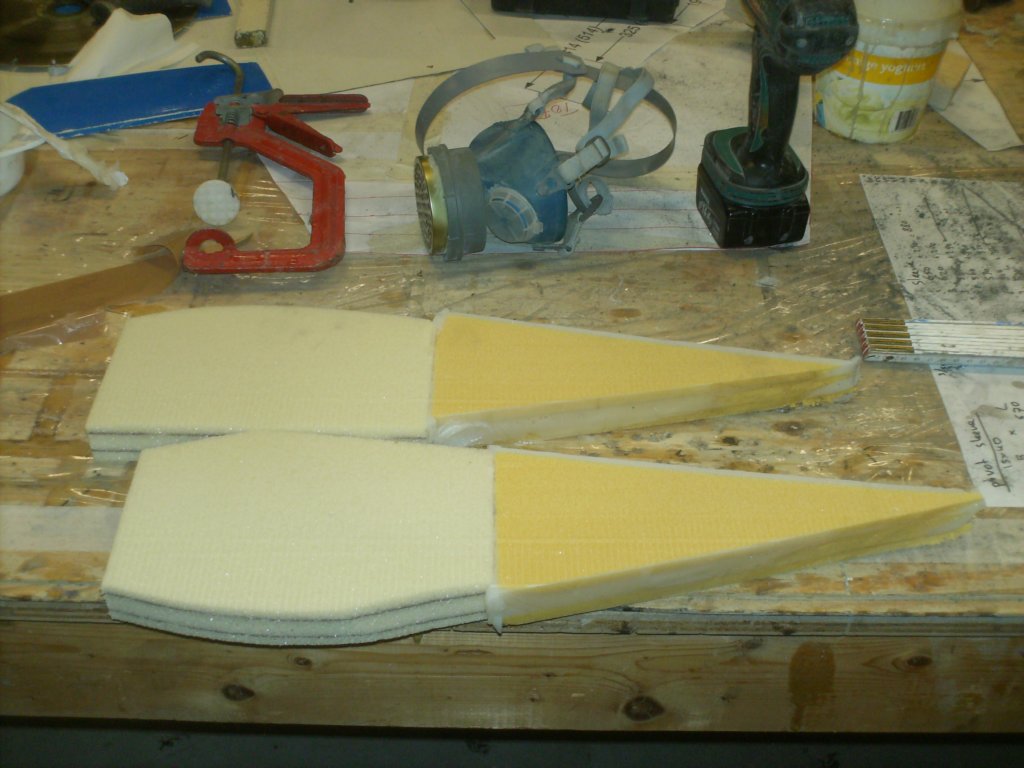
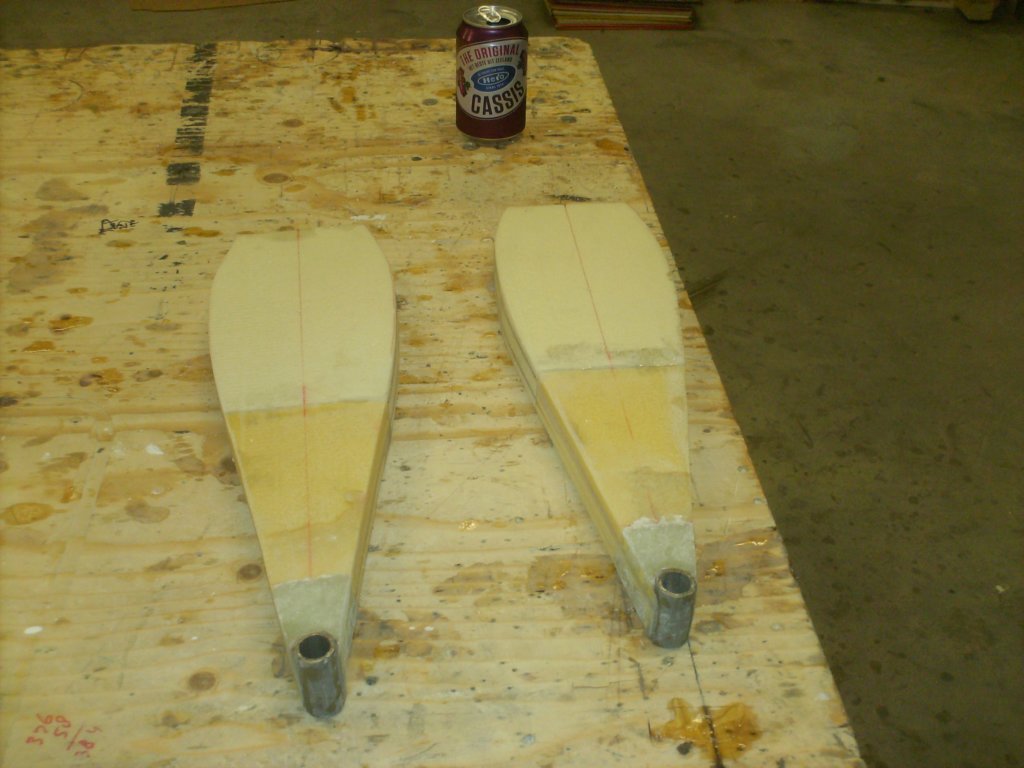
I made two rudder blades for redundancy and, for the same reason, I built both rudder case options B and A: B as the primary system and A as a complete spare in case of a fatal rudder failure. No, I’m not traumatised by the F33 incident—but better safe than sorry, especially offshore. Two complete systems it is.
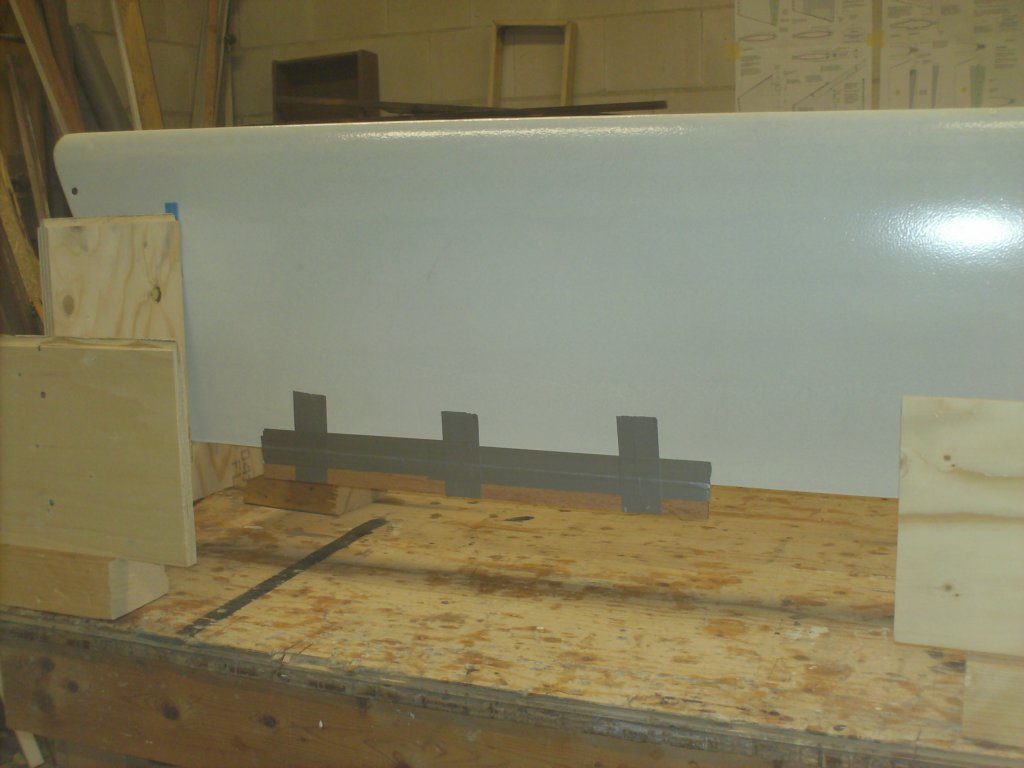
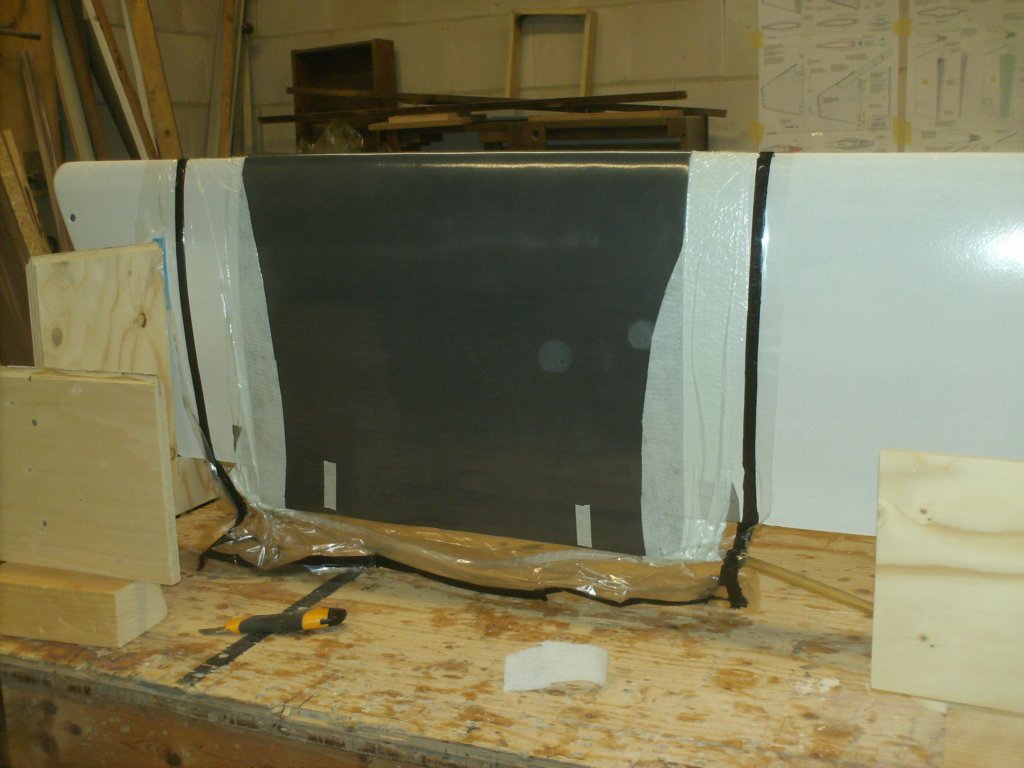
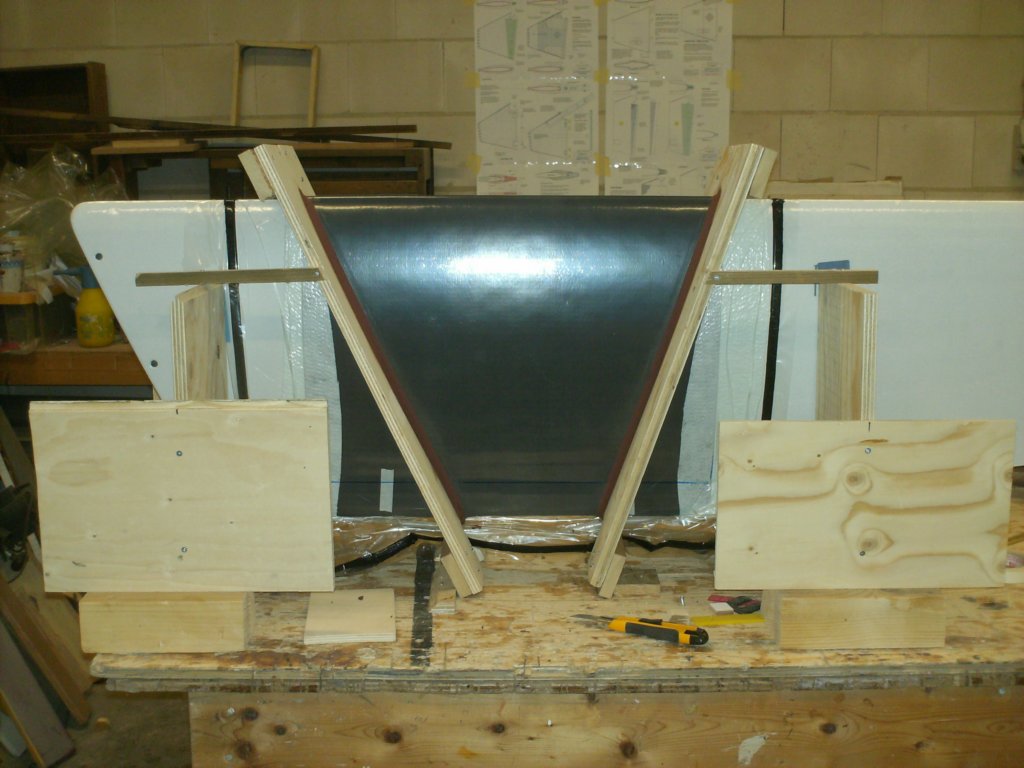
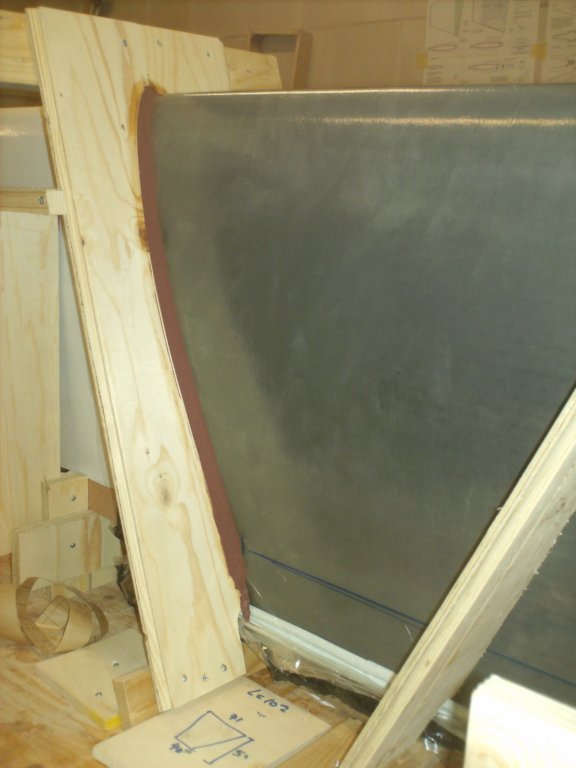
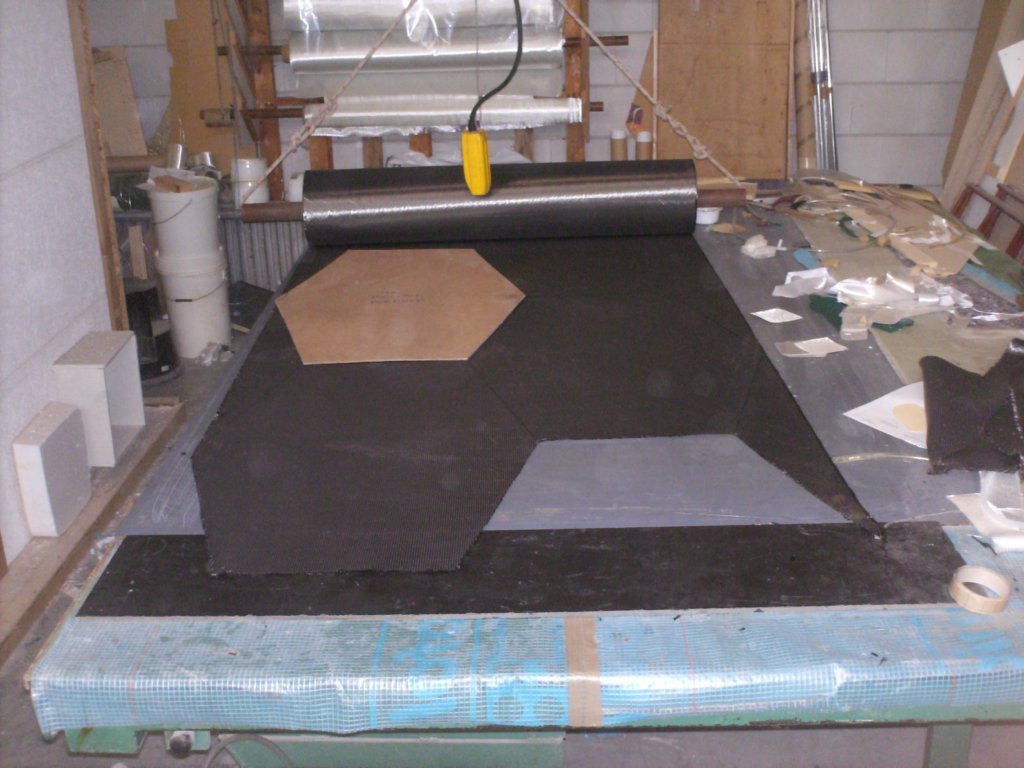
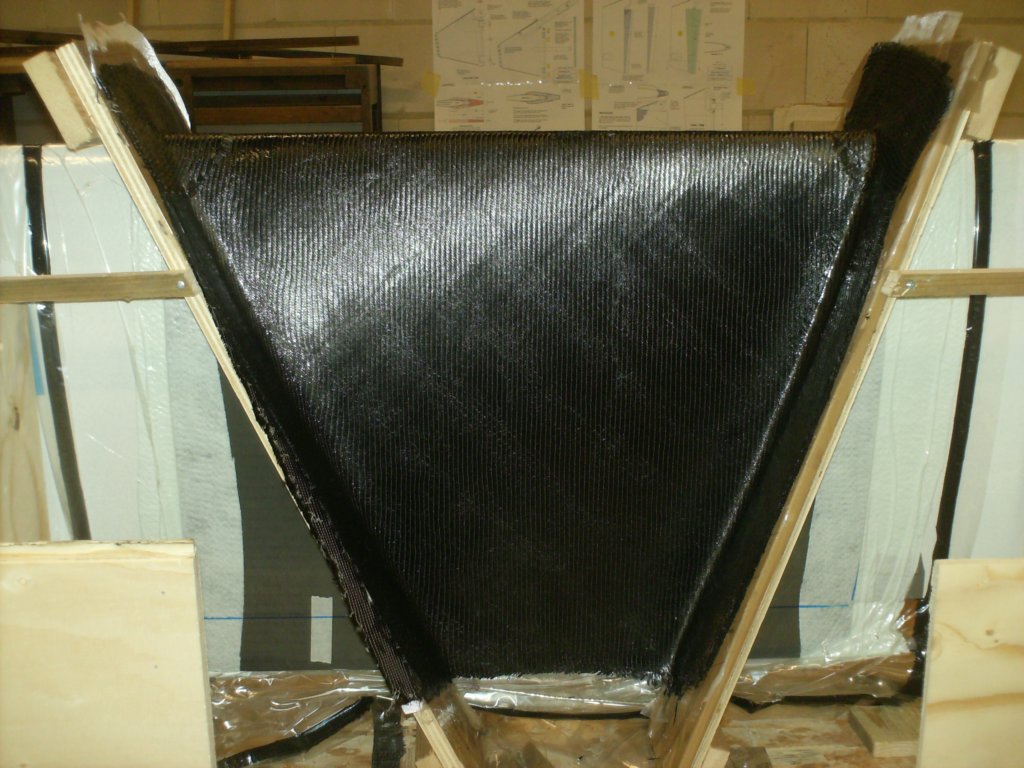
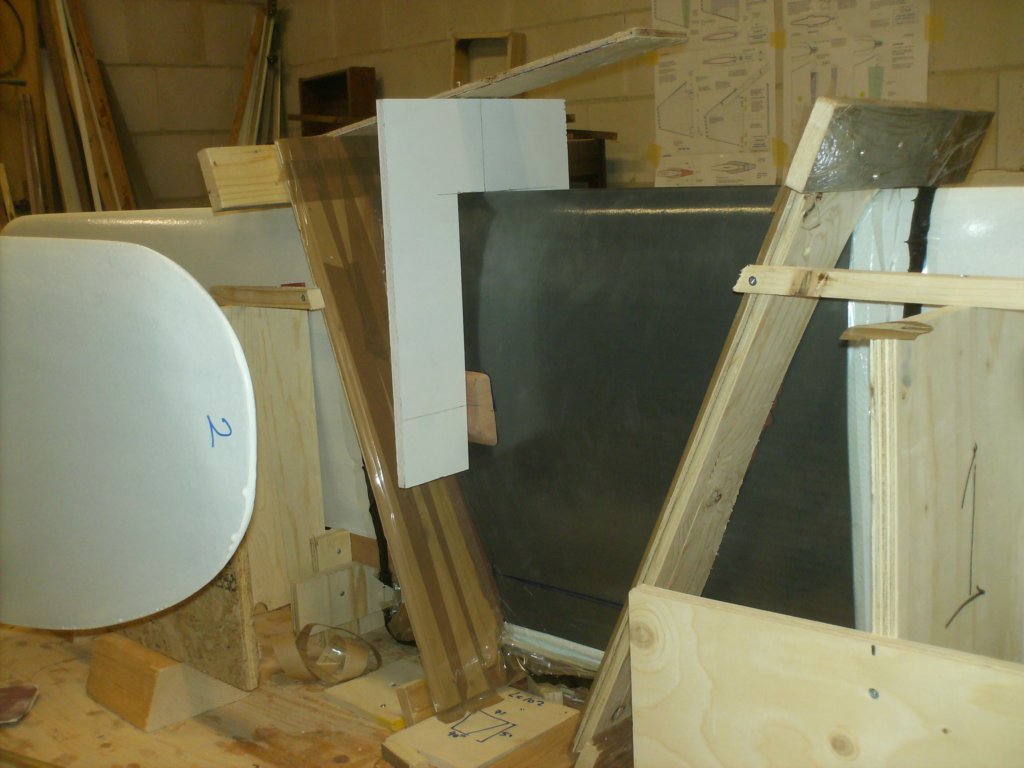
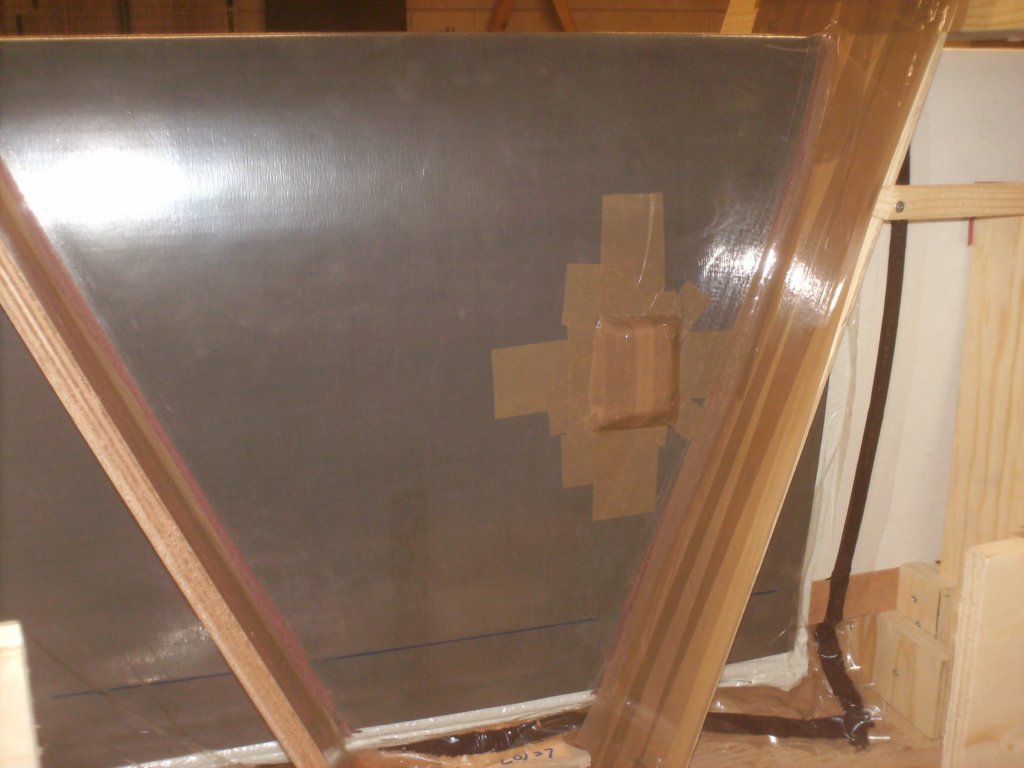
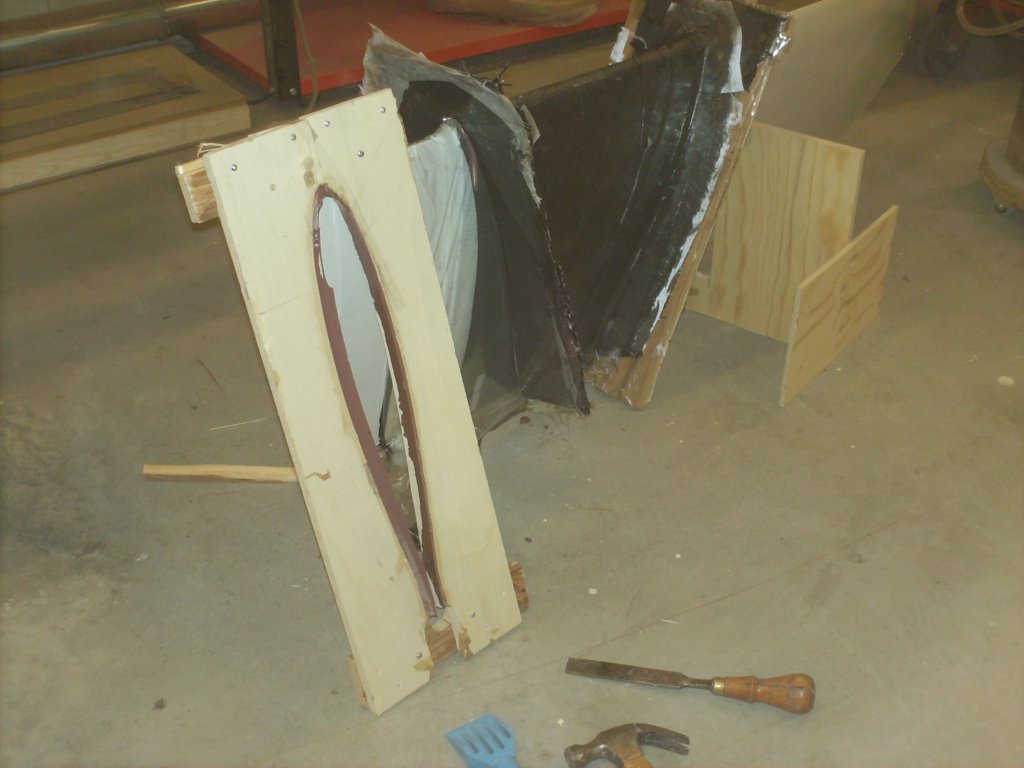
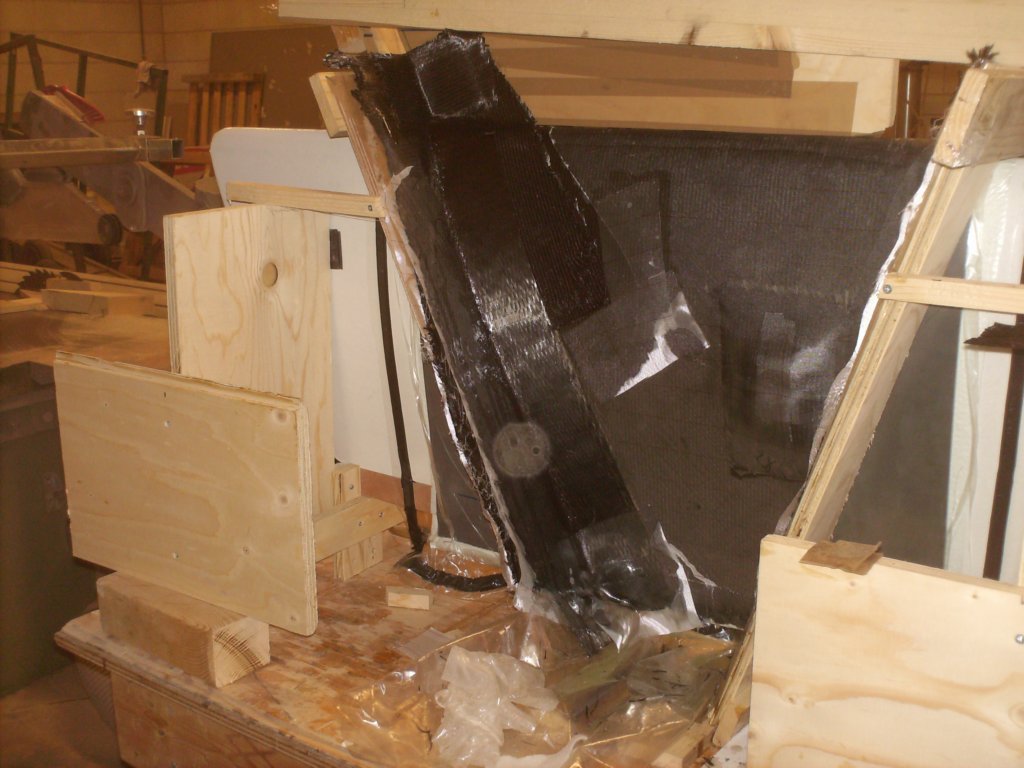
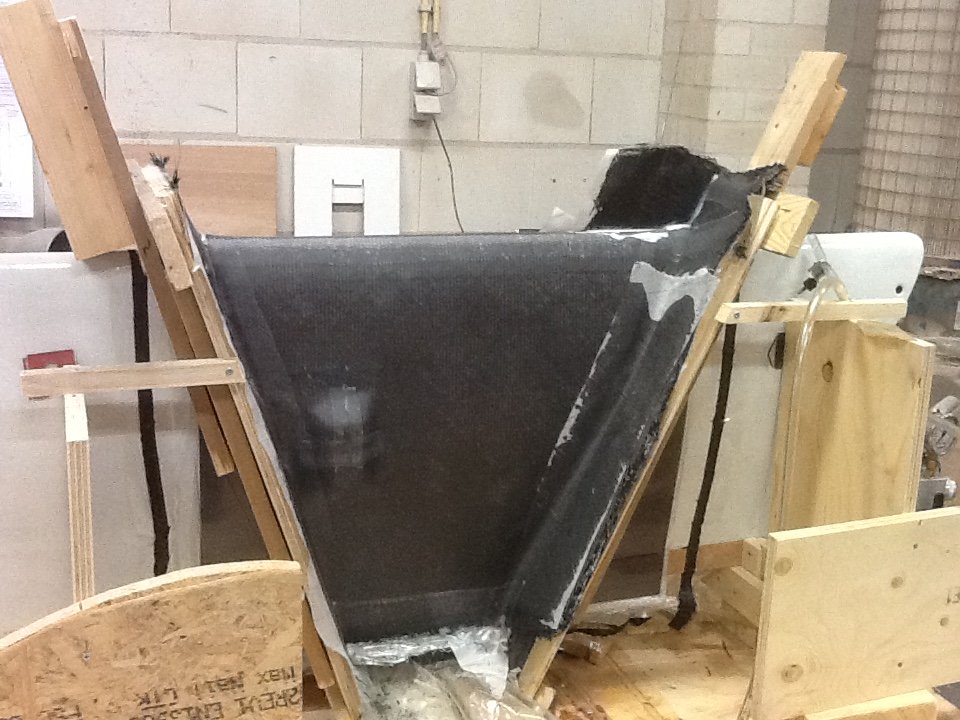
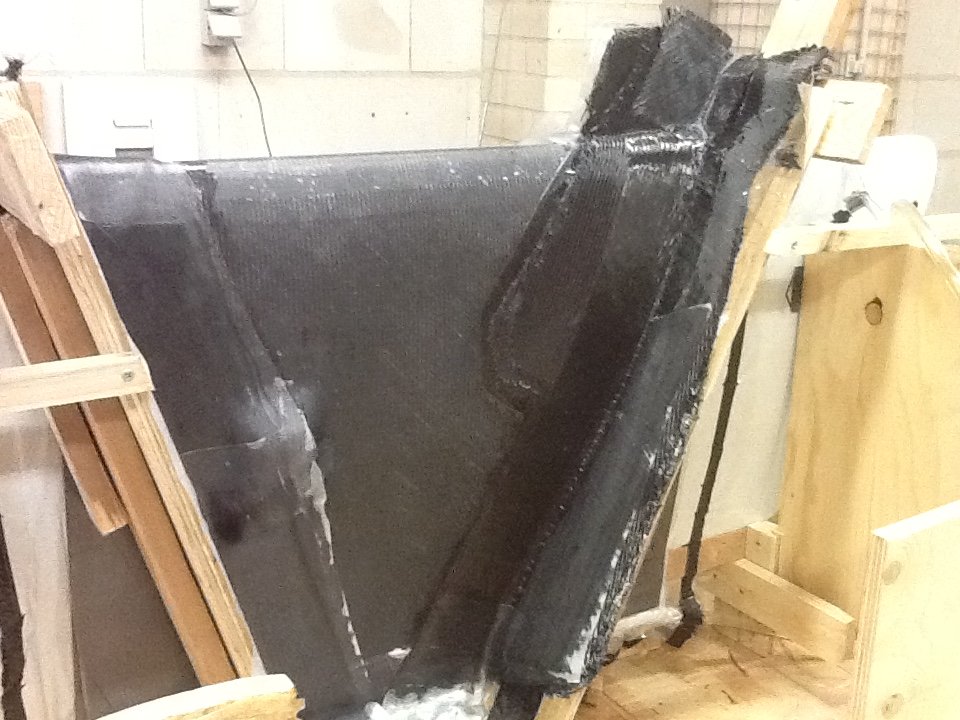
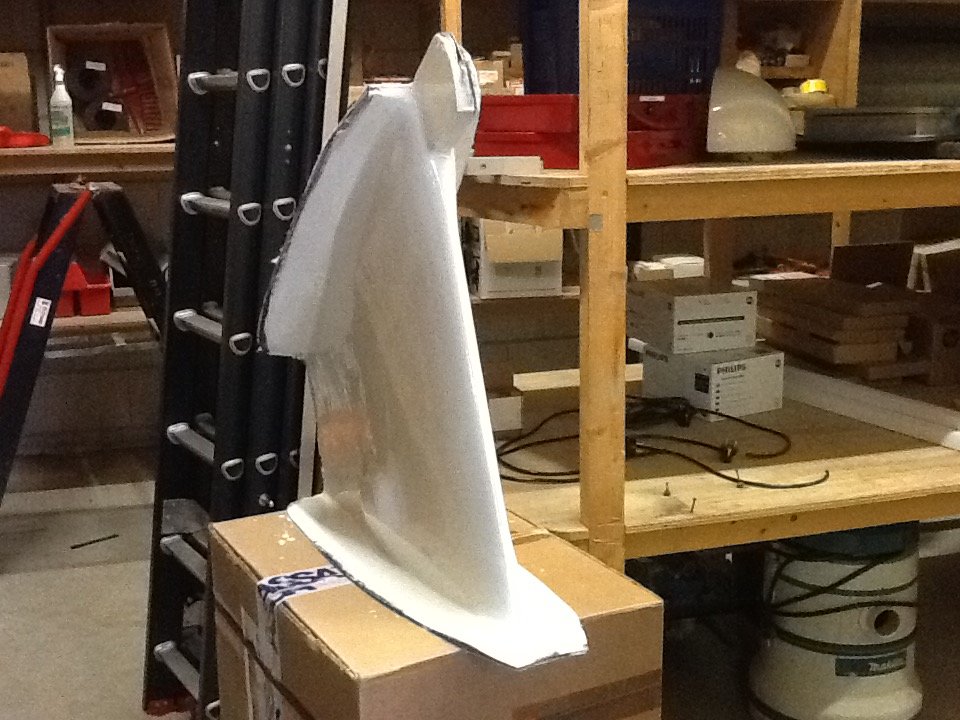
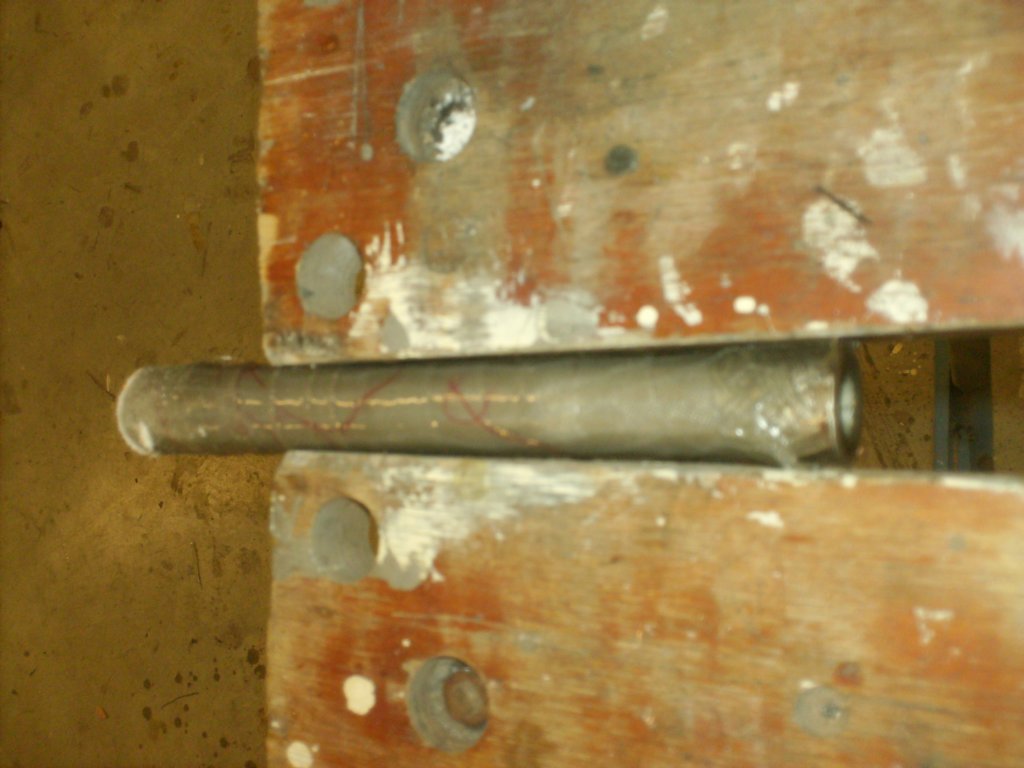
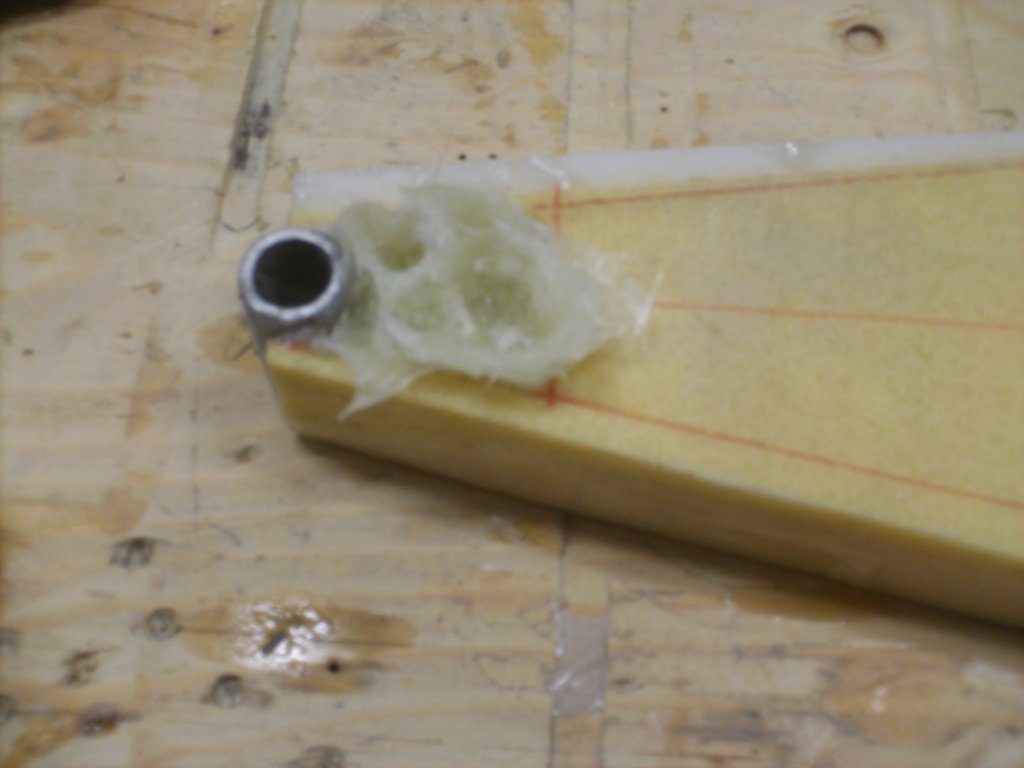
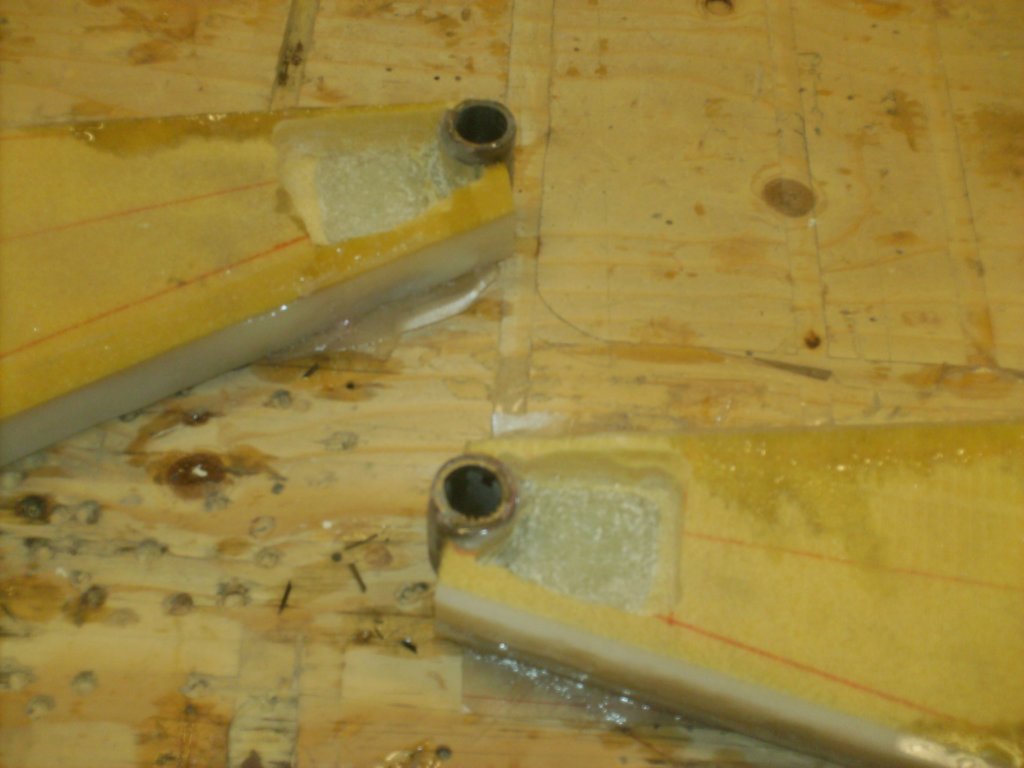
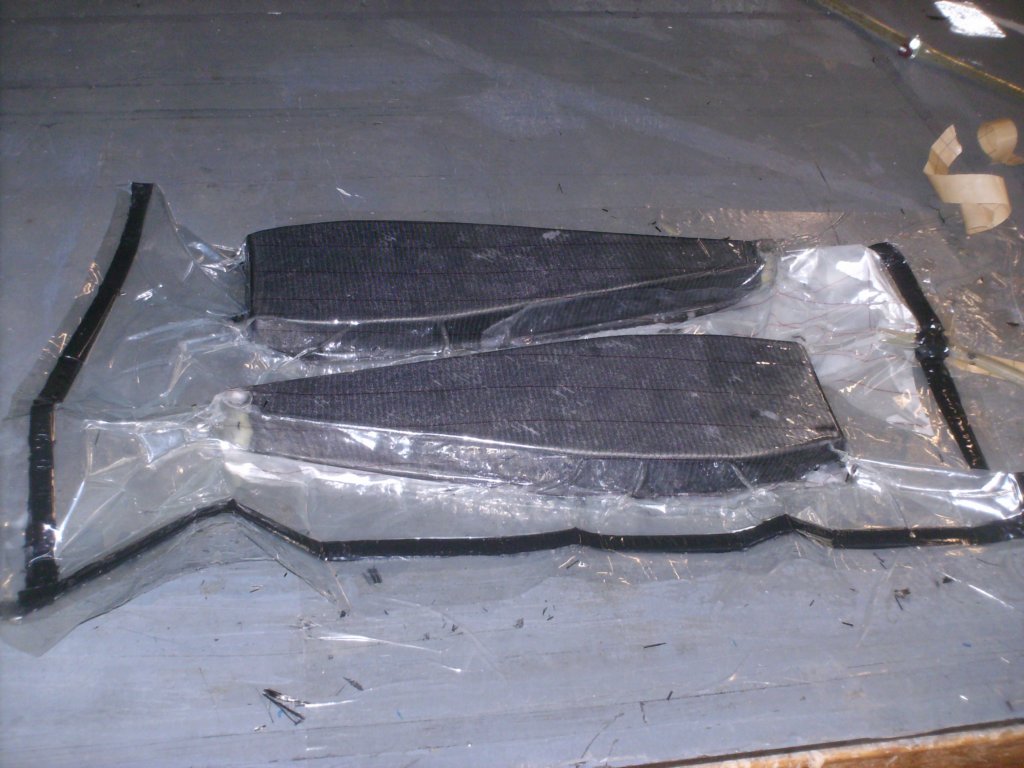
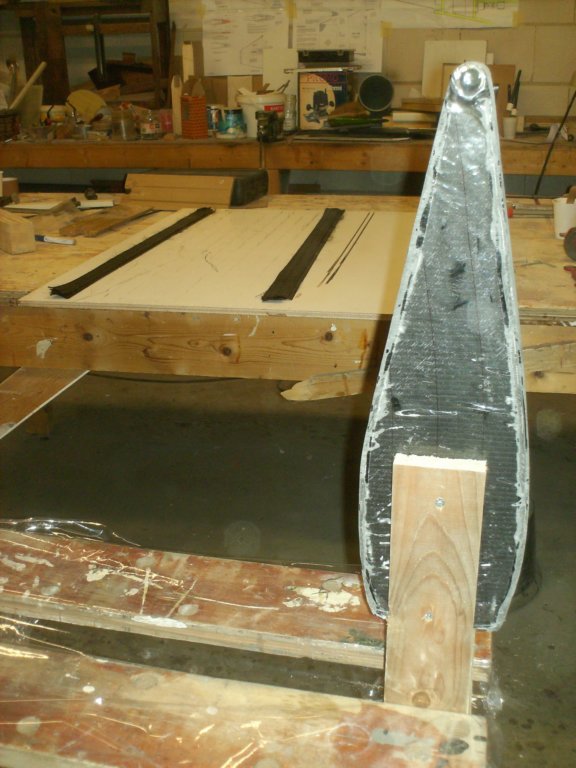
This photo gallery (54 images) follows the build of two complete daggerboard-style rudder systems: the pivoting sleeve (Option B) as Fram’s primary setup, plus a fixed cassette (Option A) as a fully functional backup.