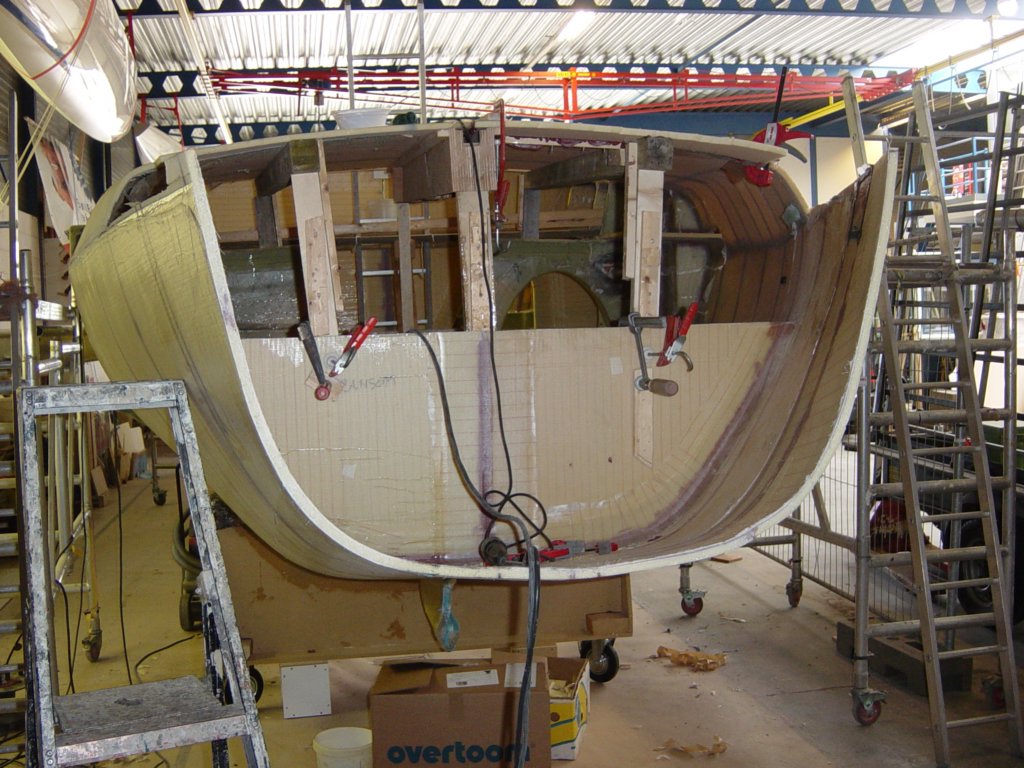
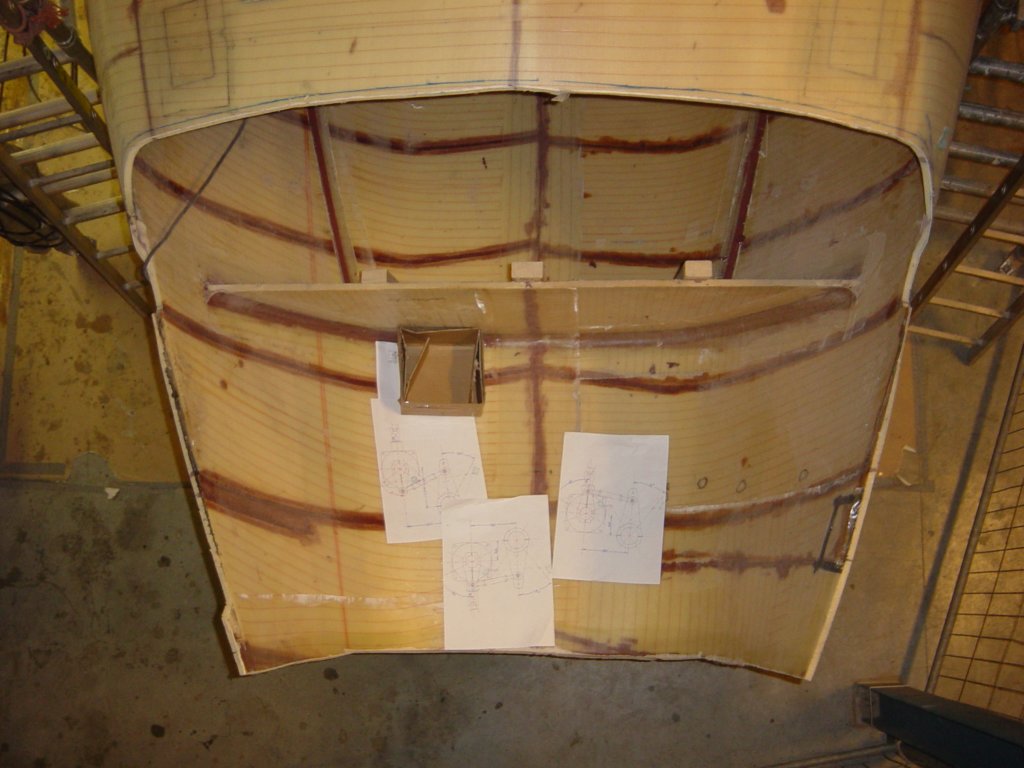
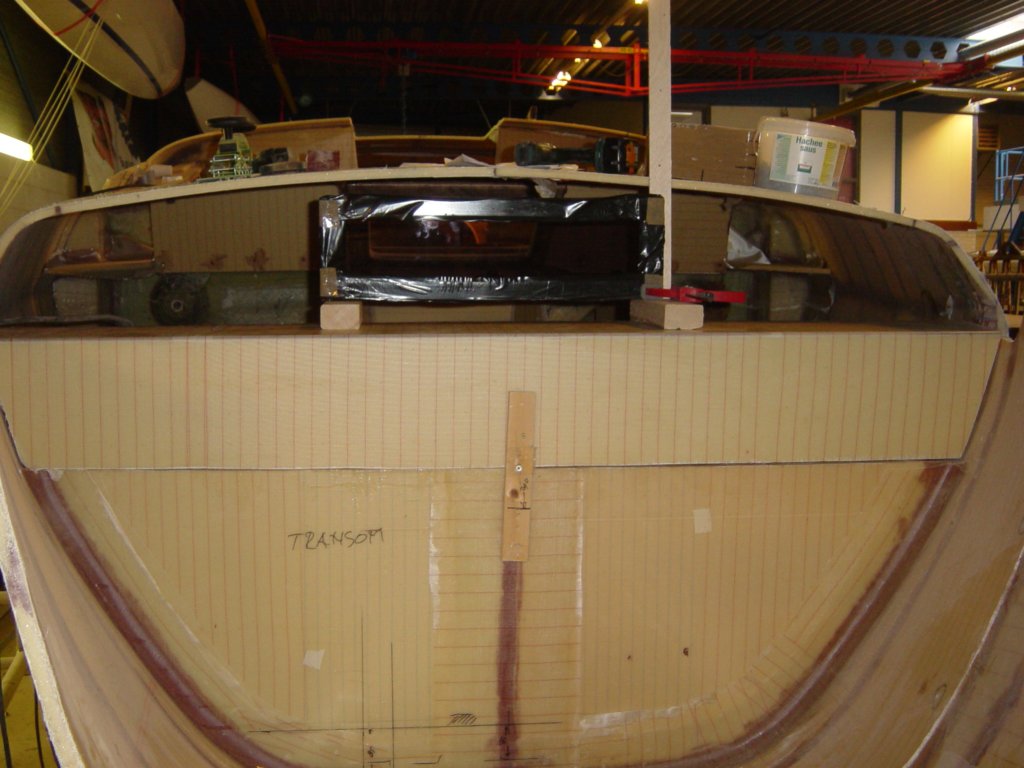
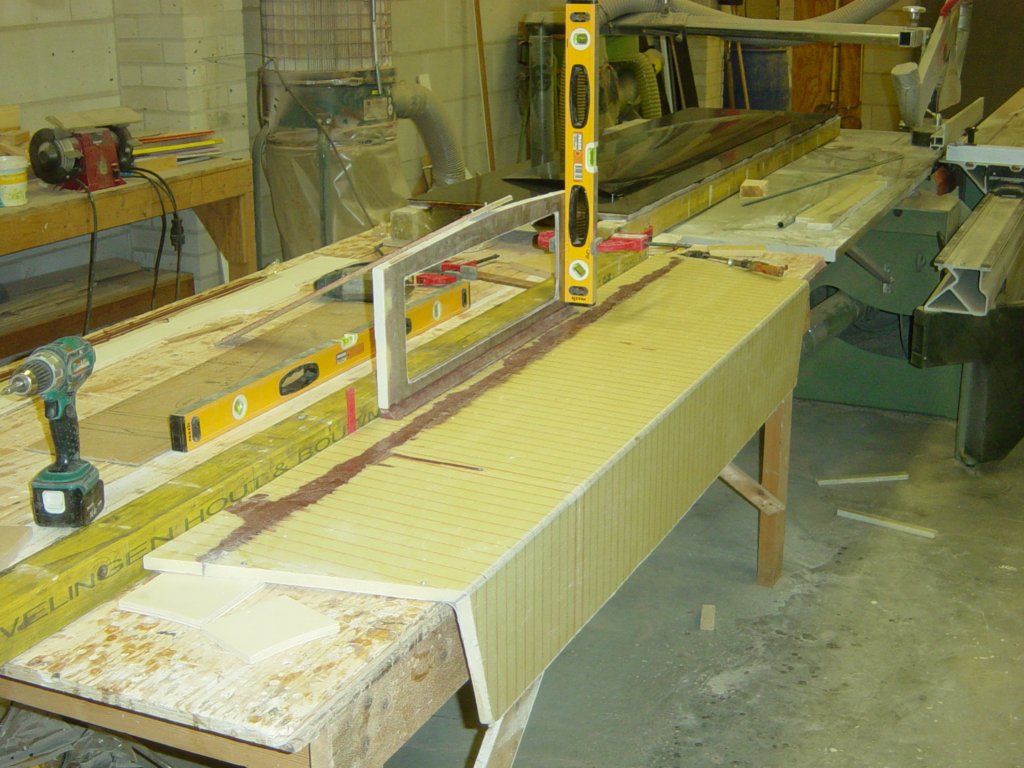
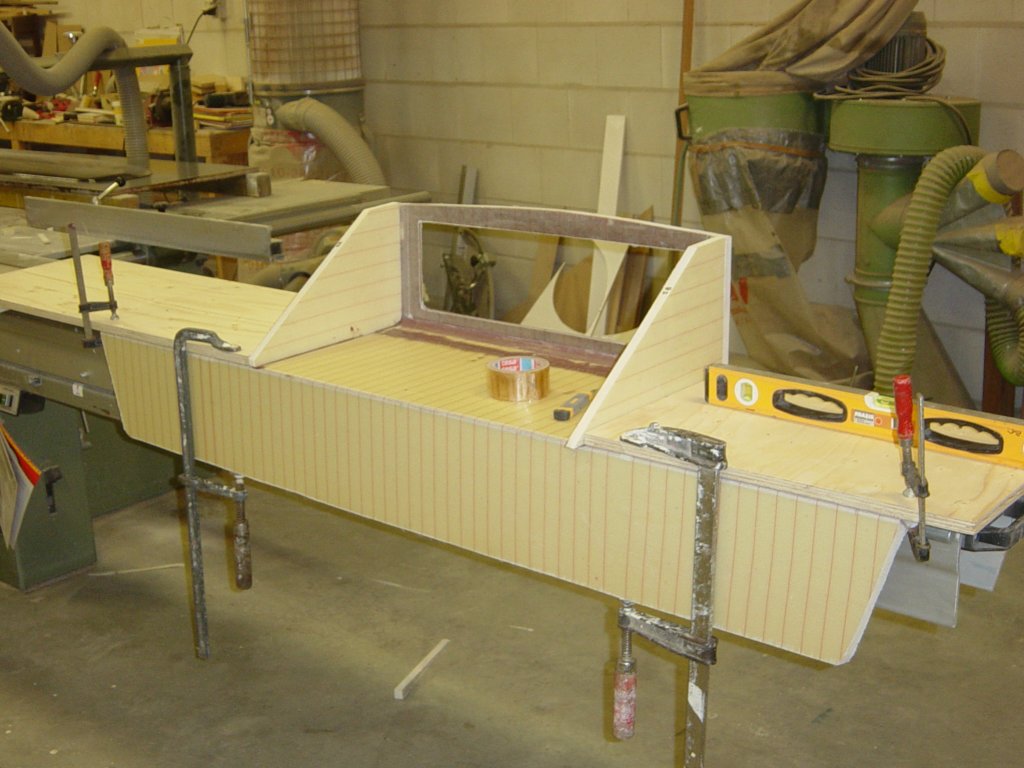
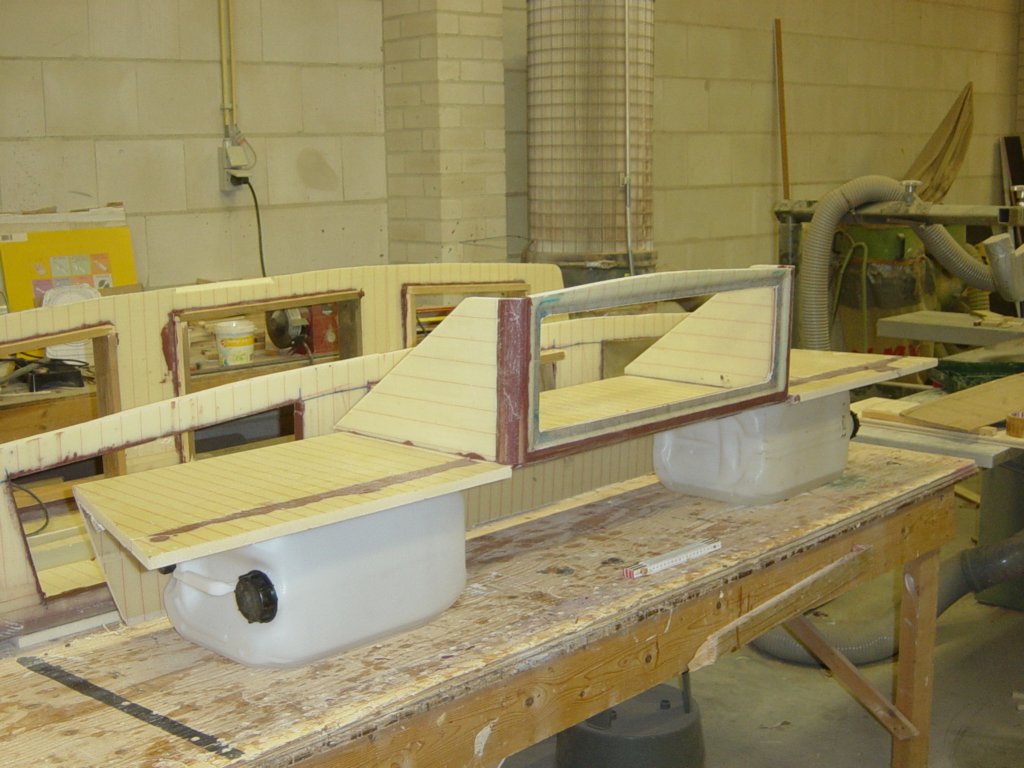
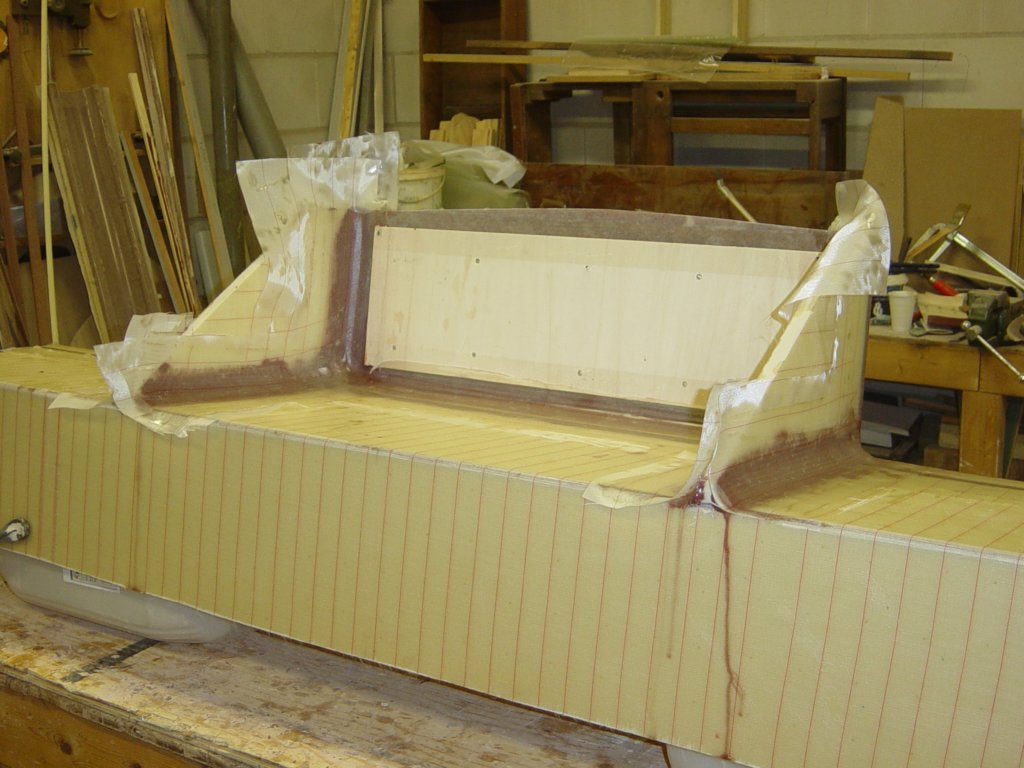
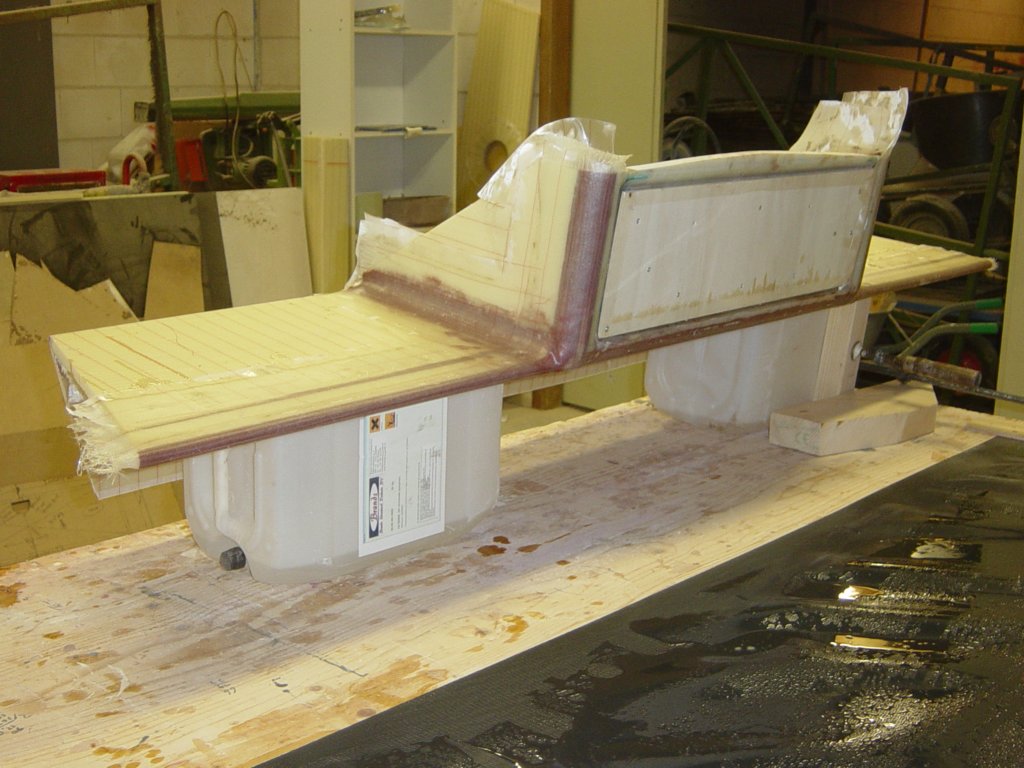
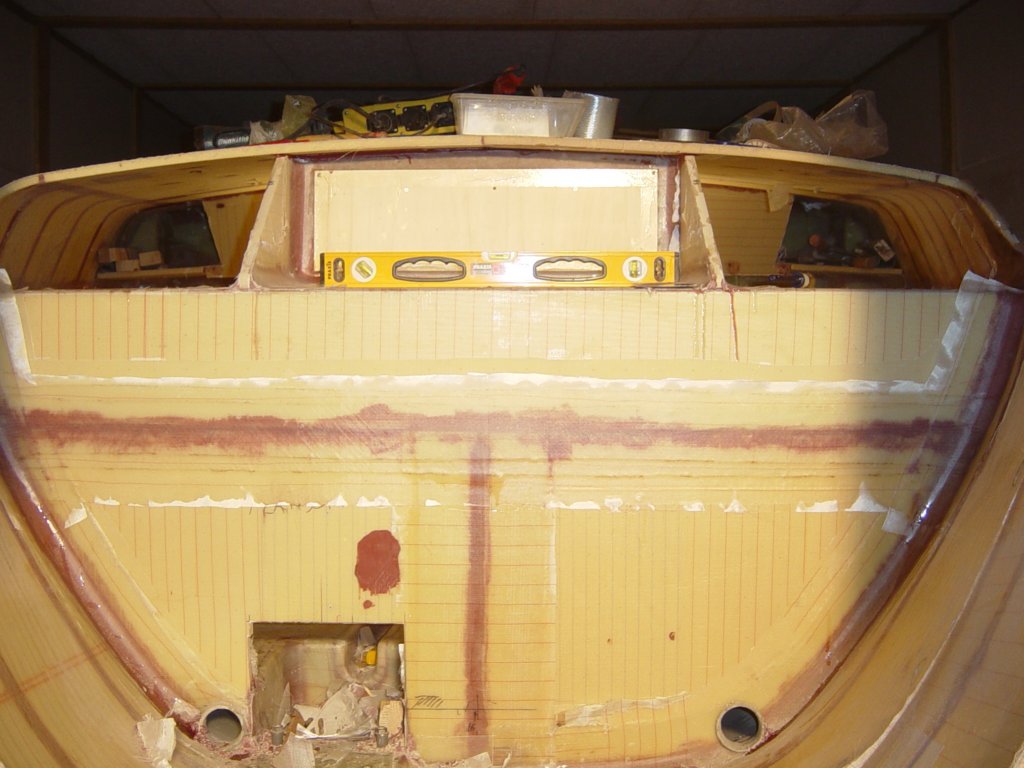
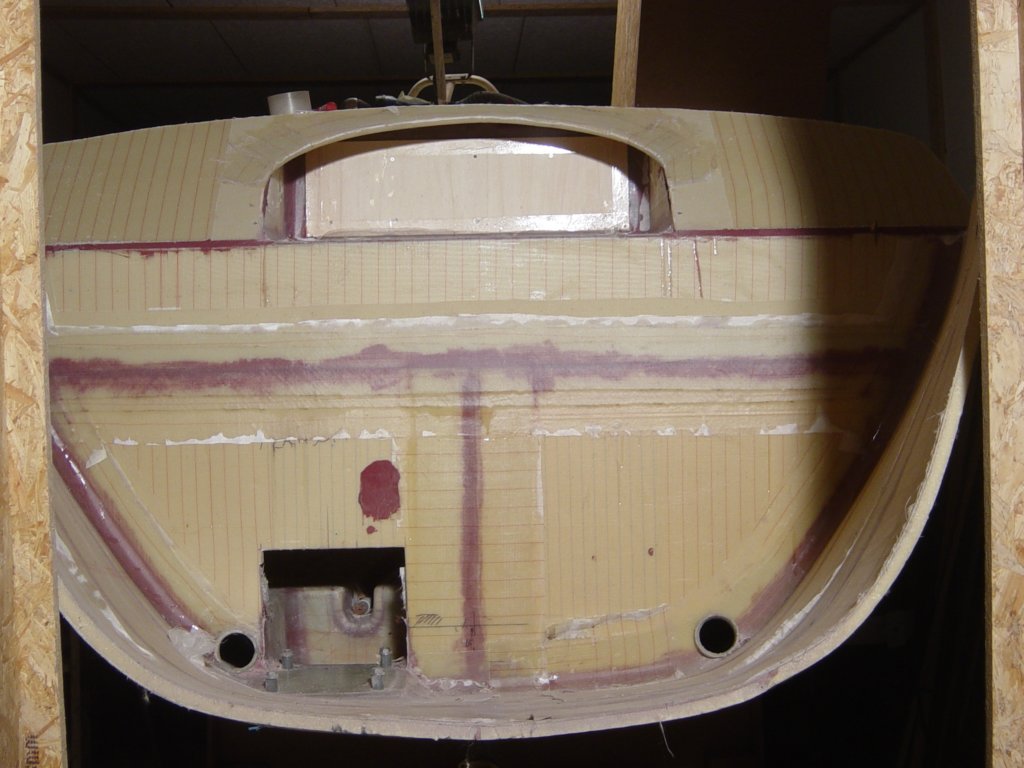
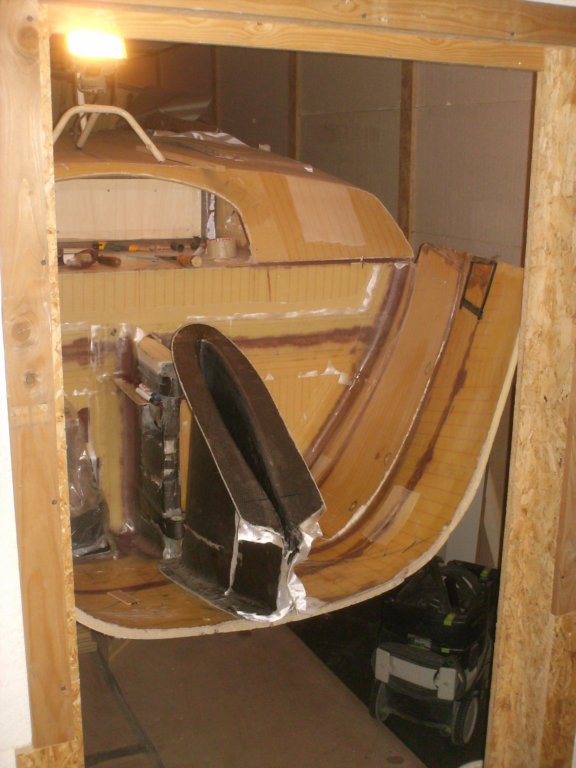
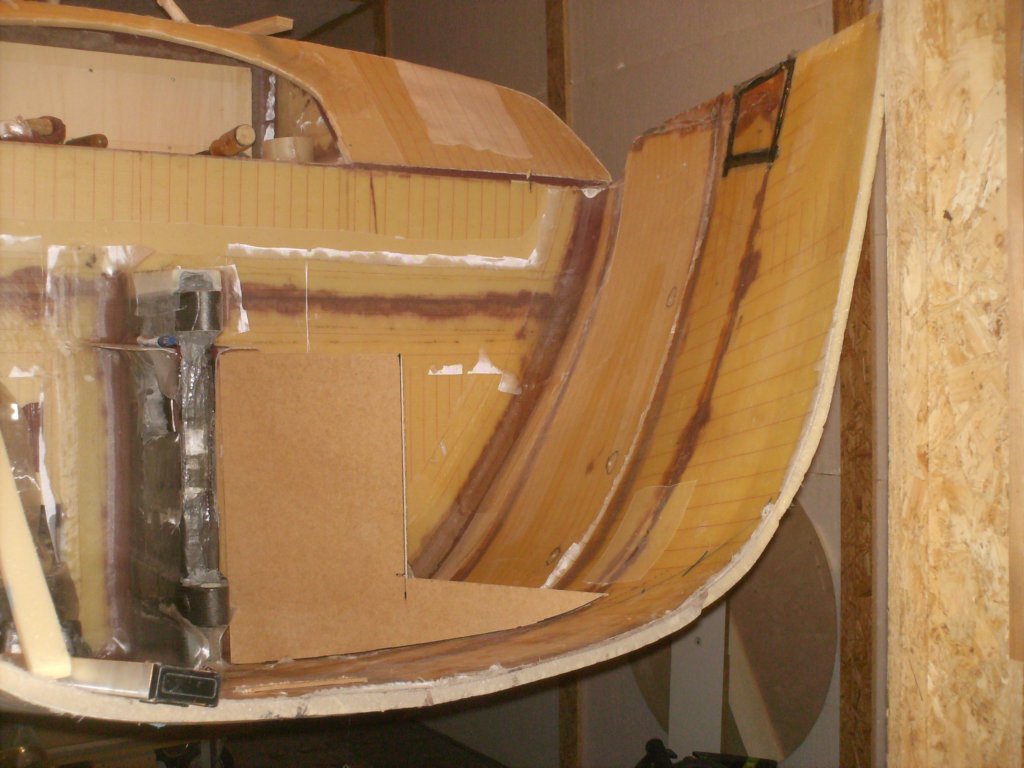
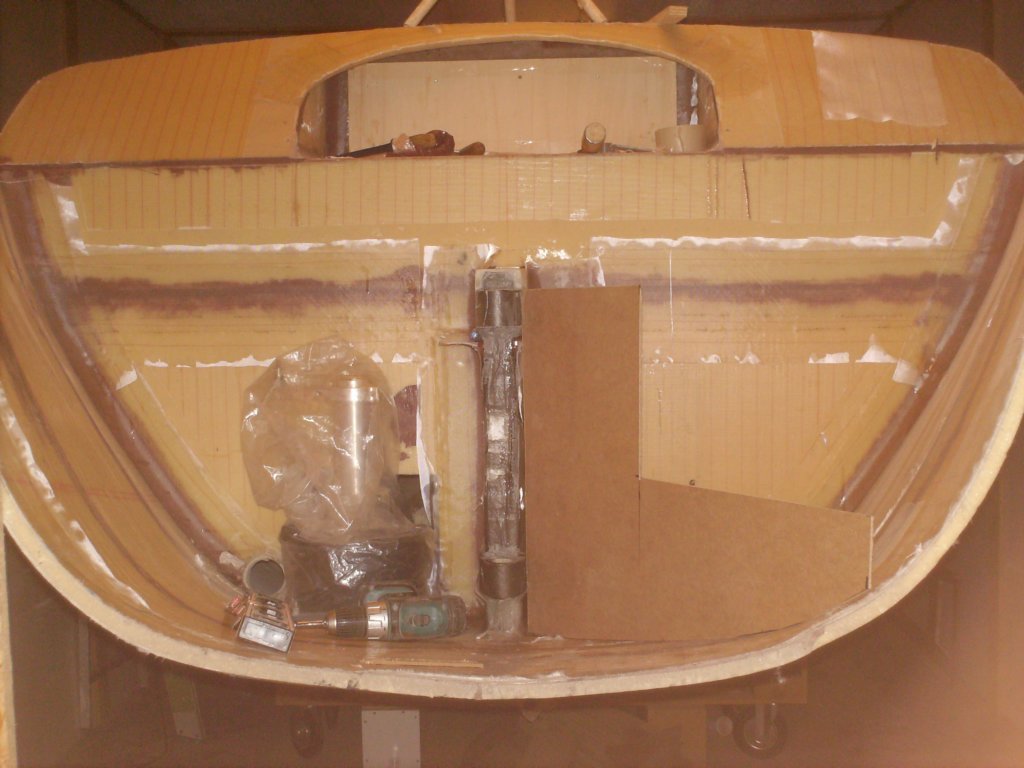
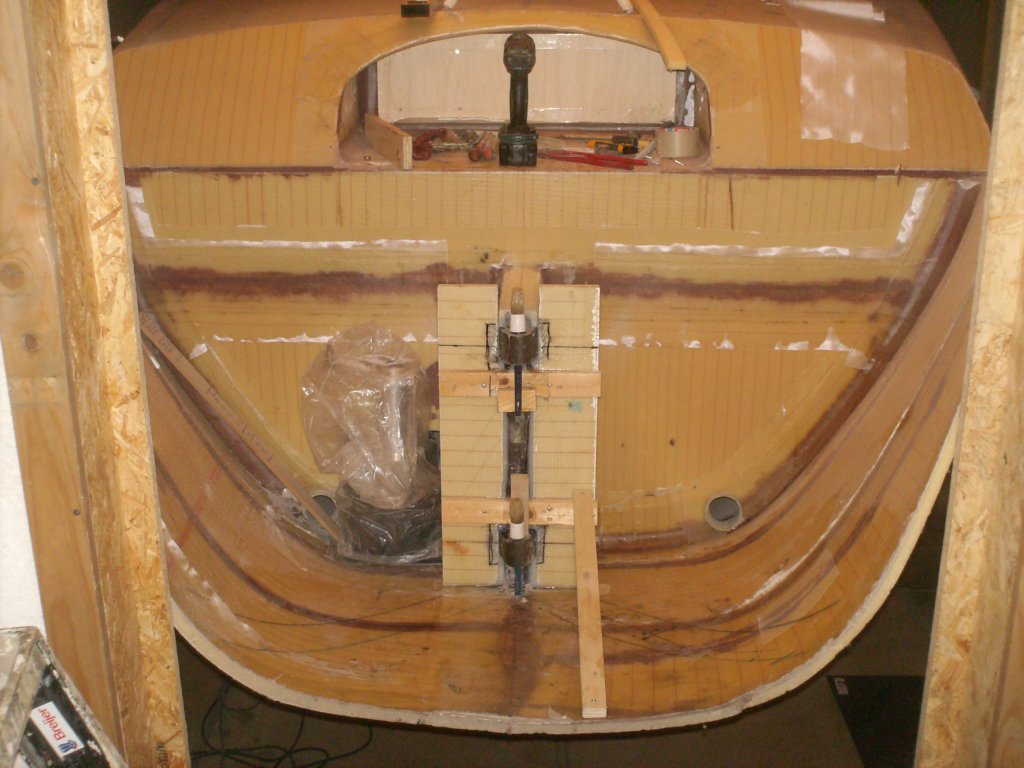
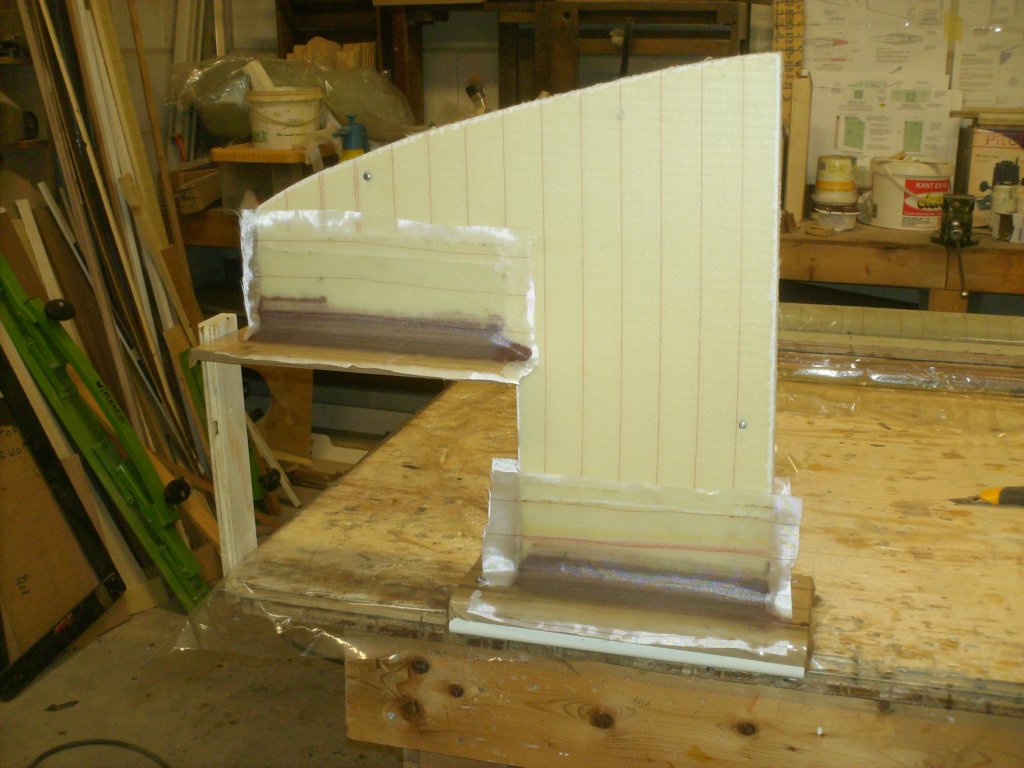
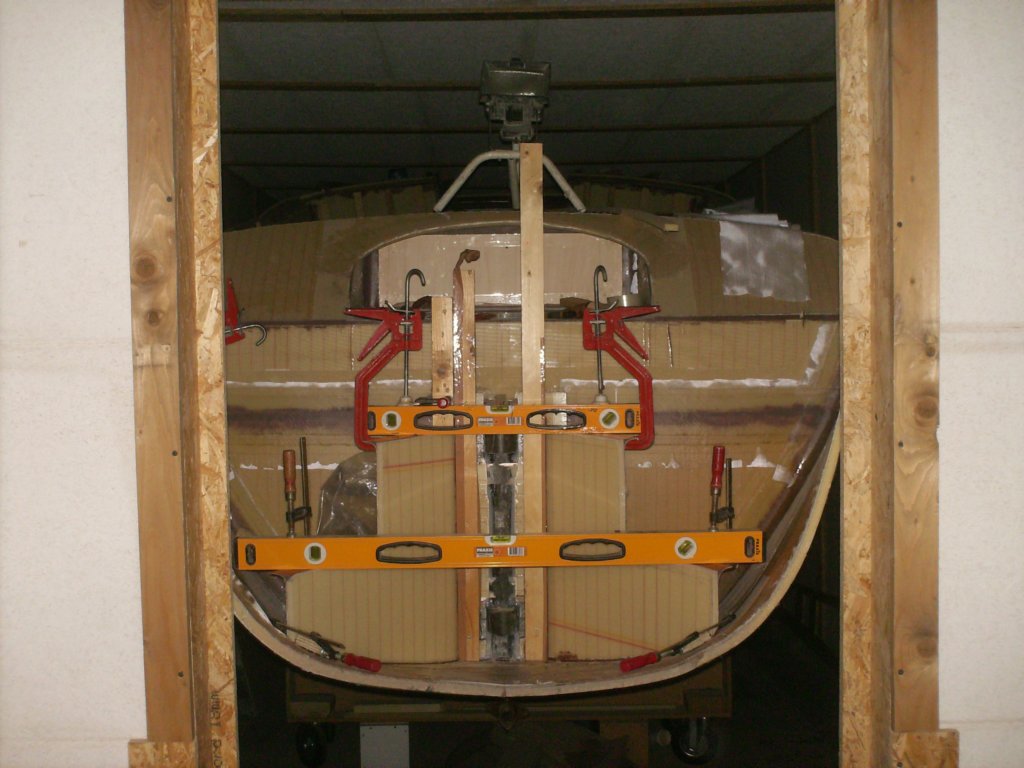
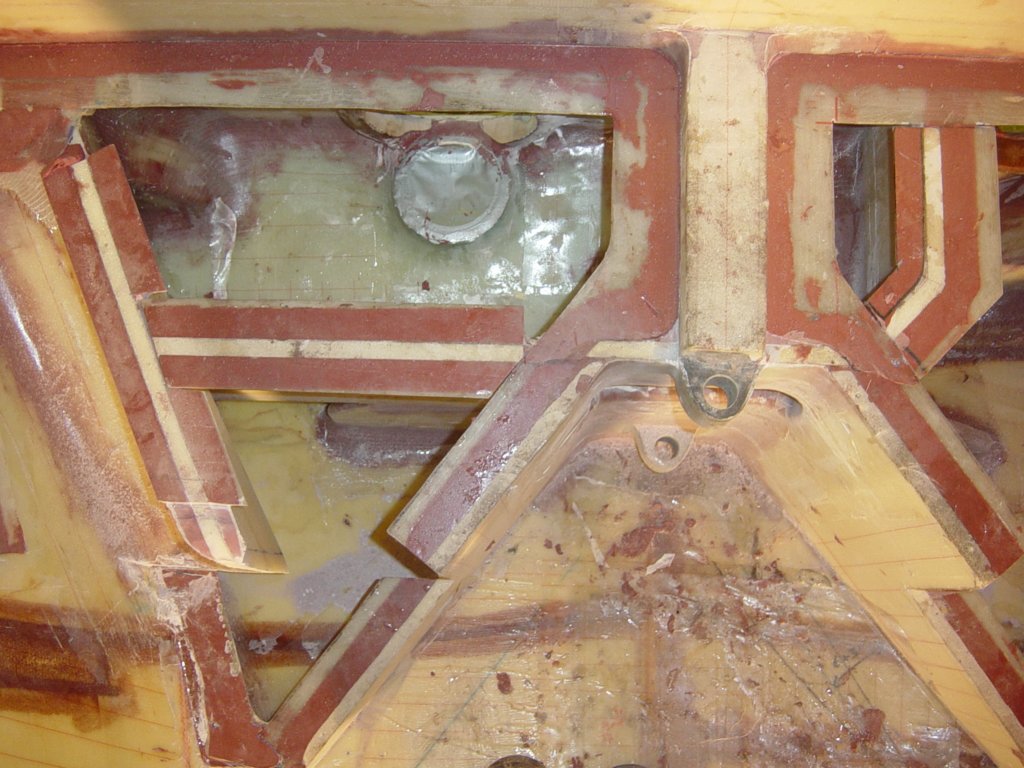
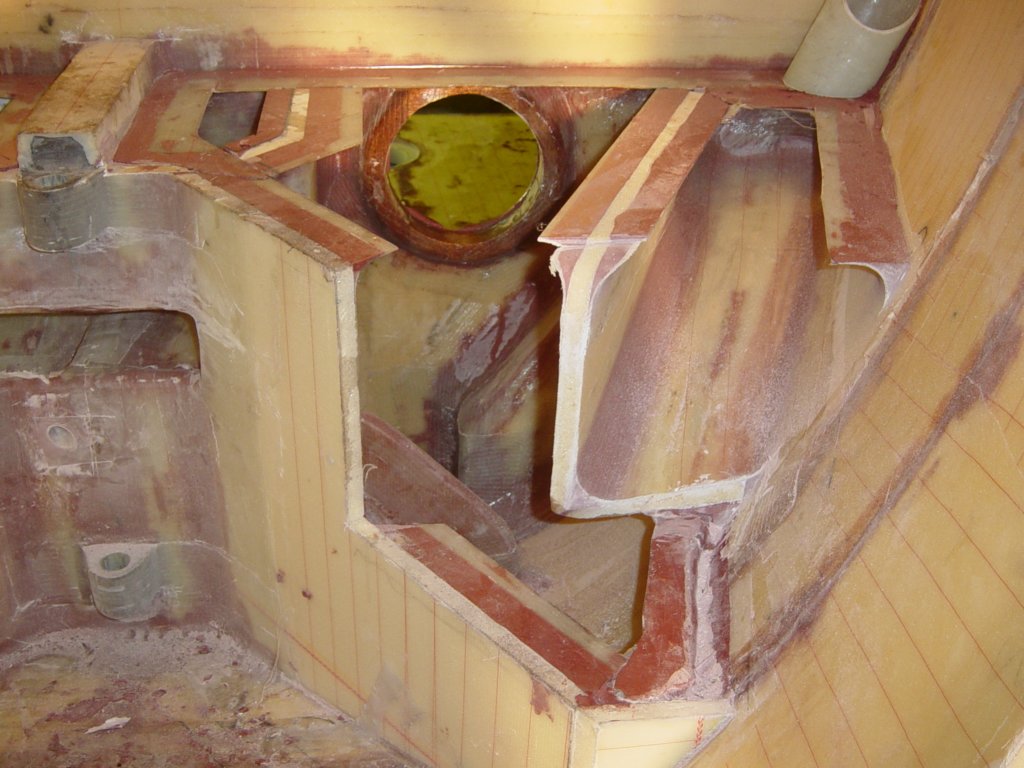
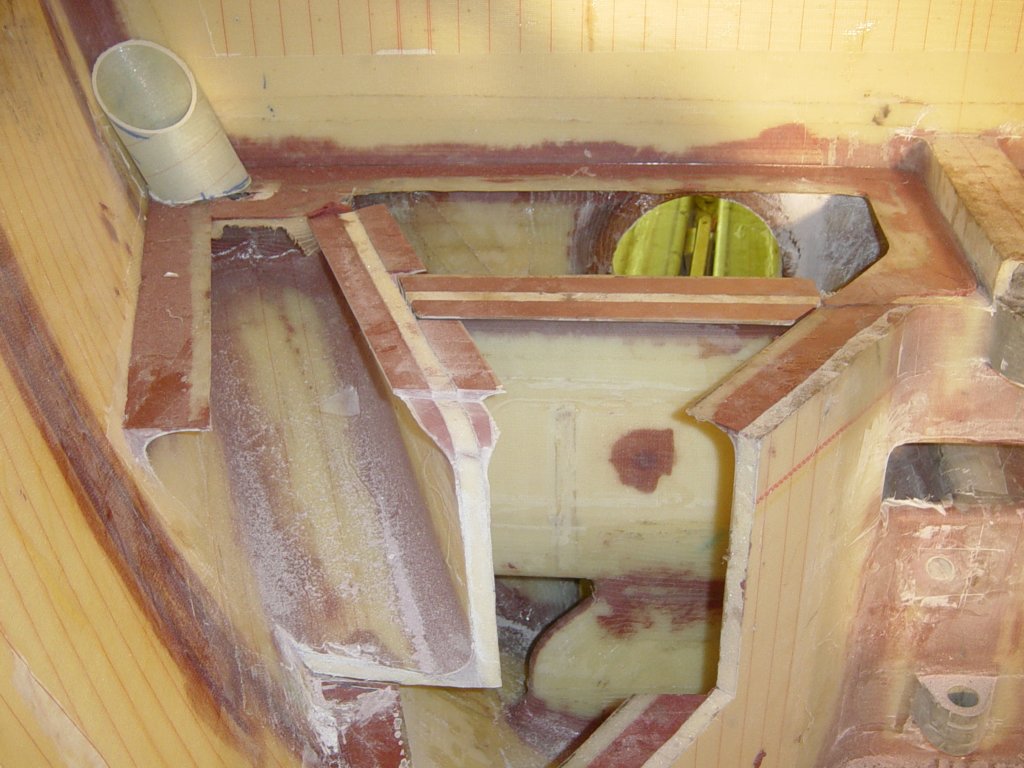
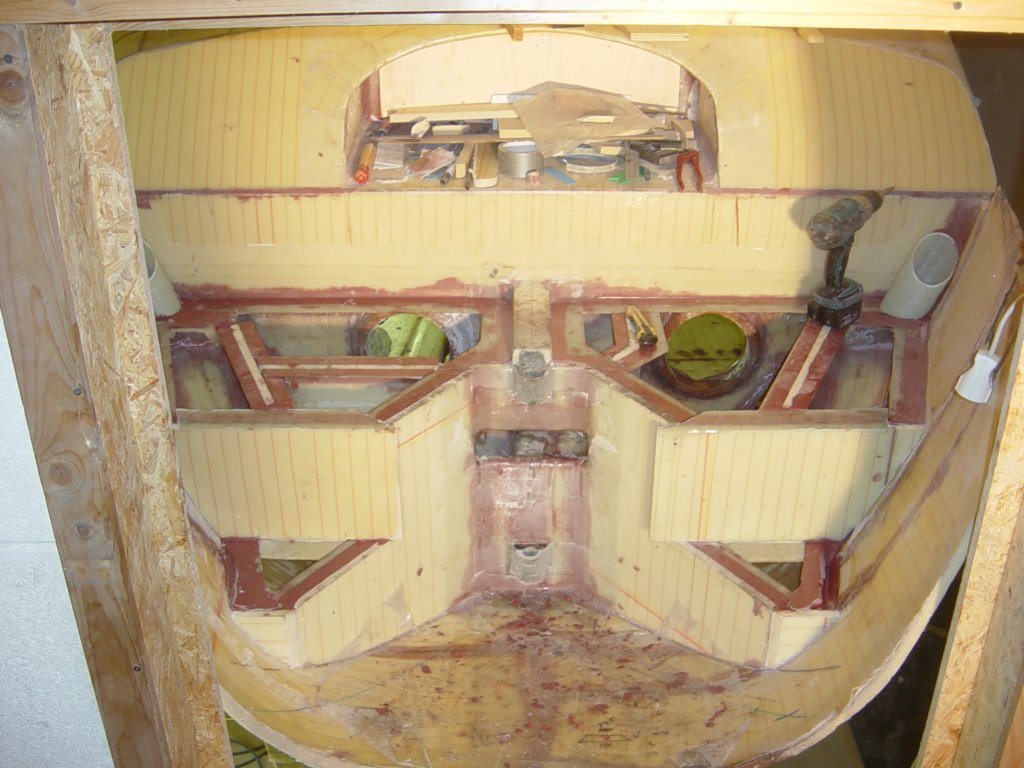
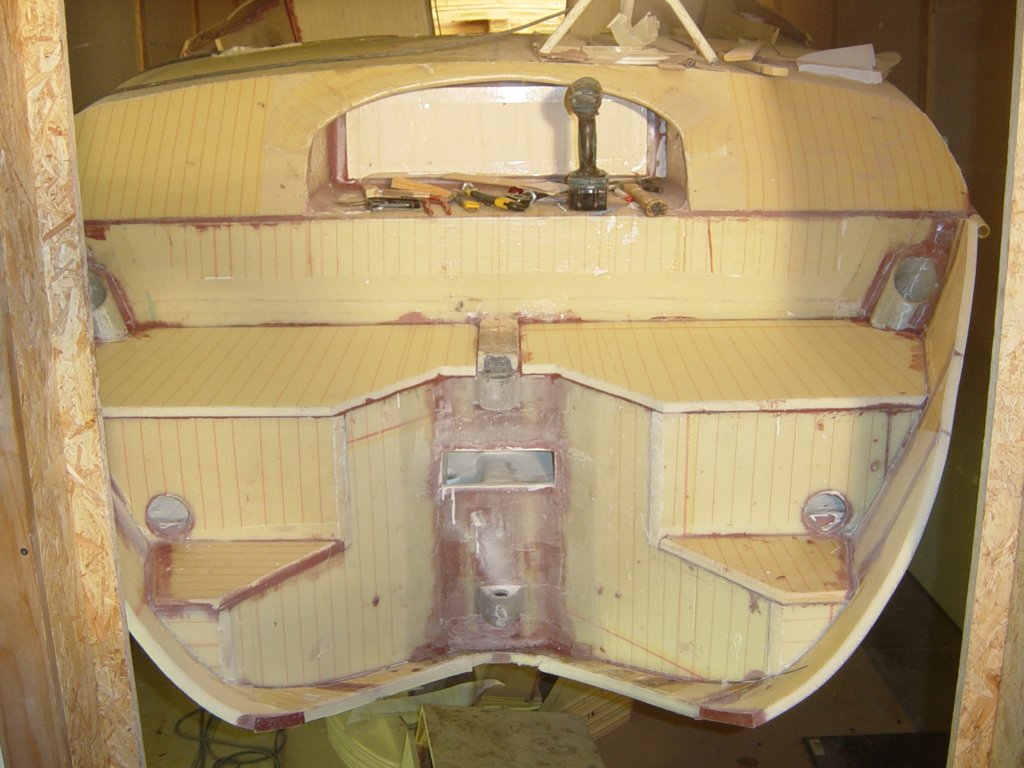
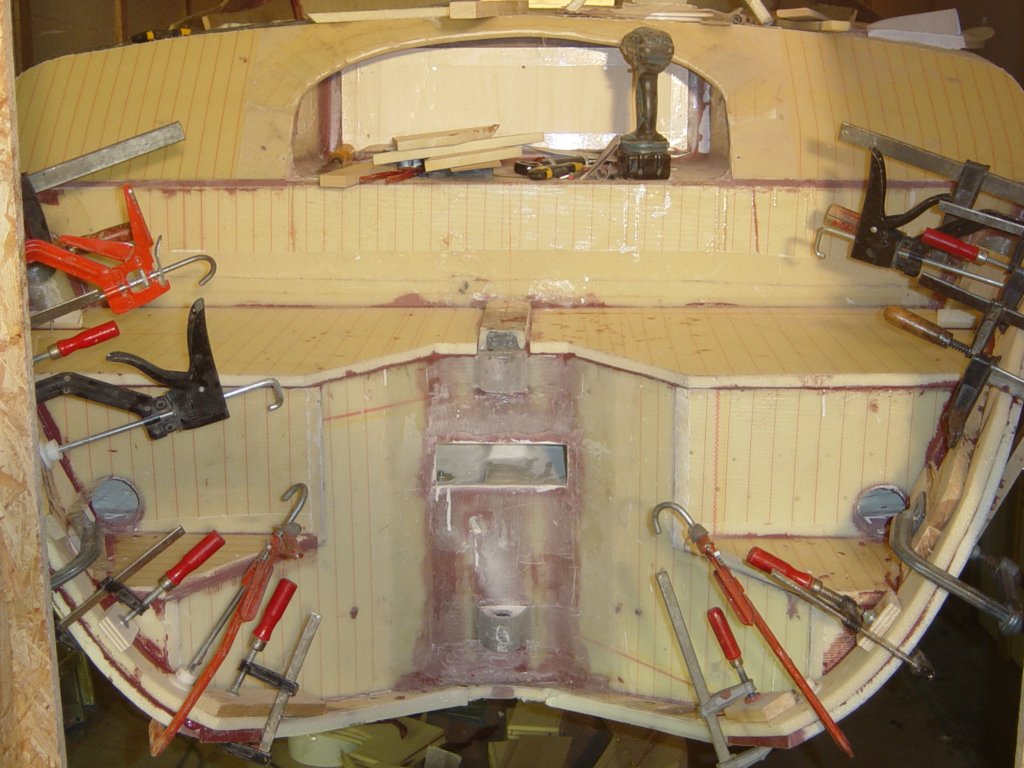
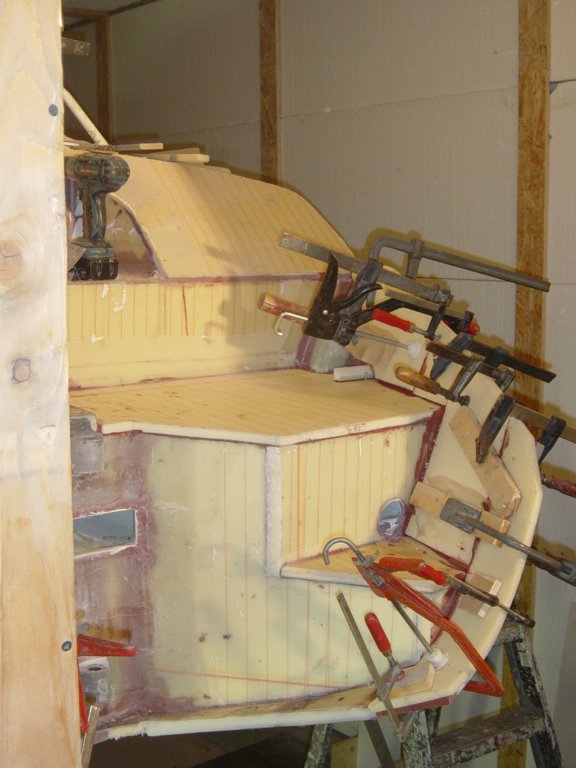
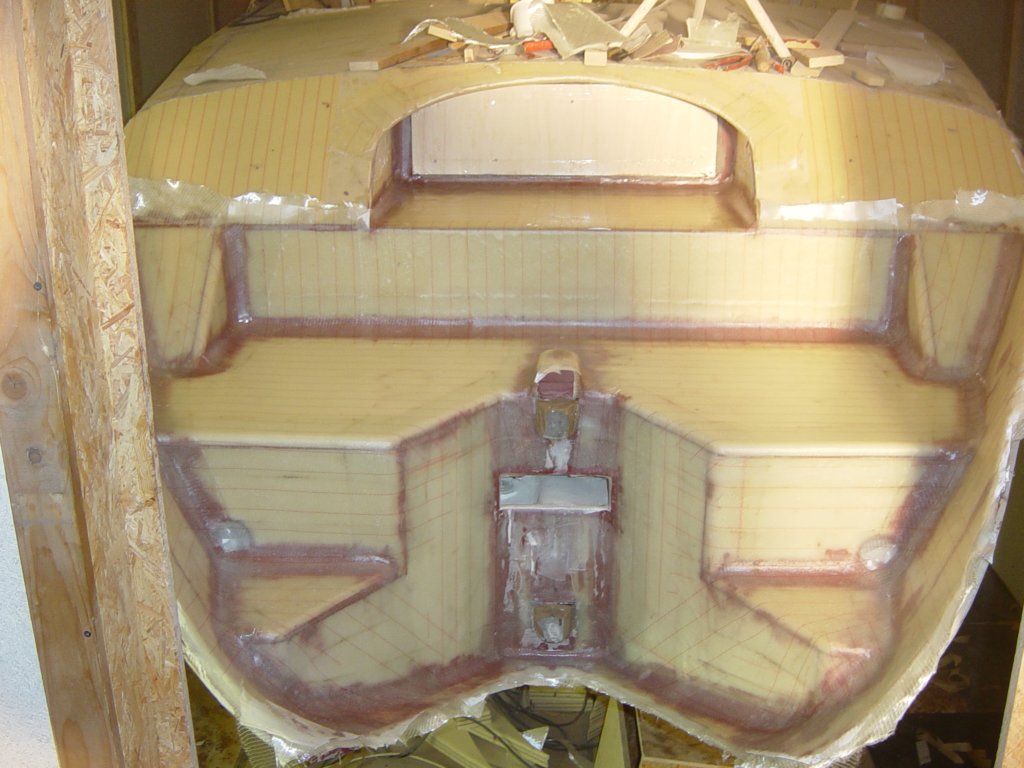
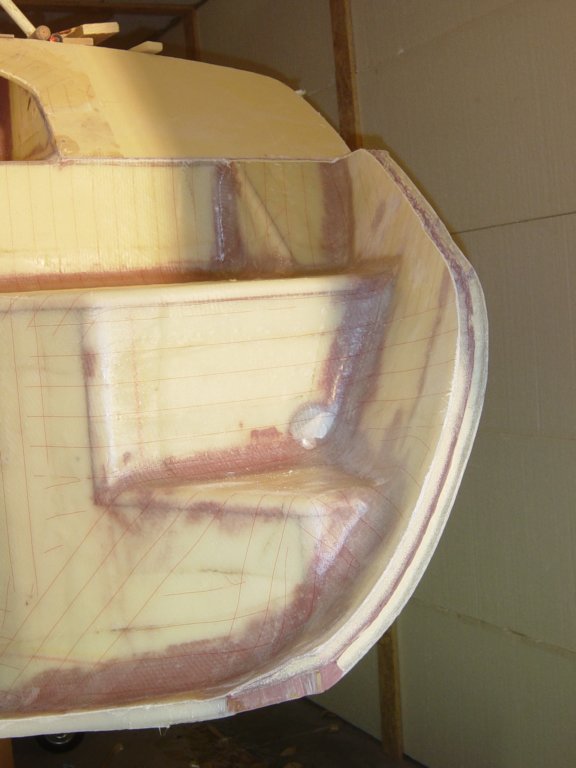
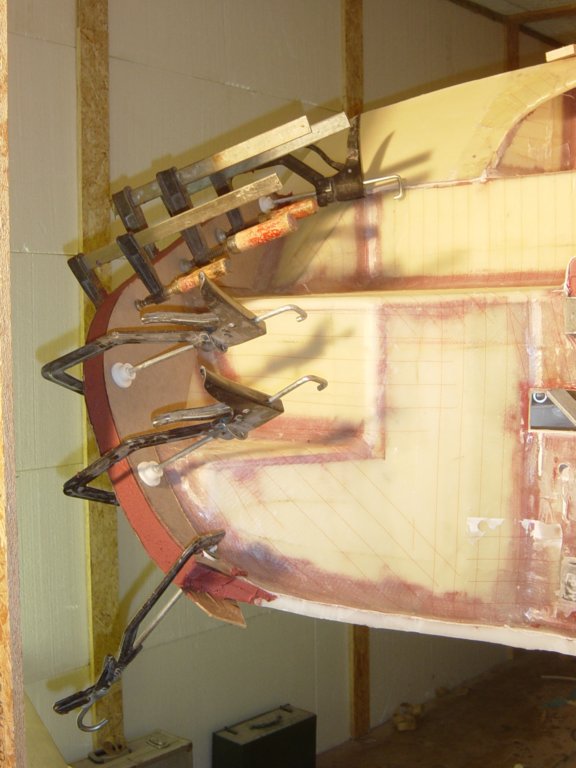
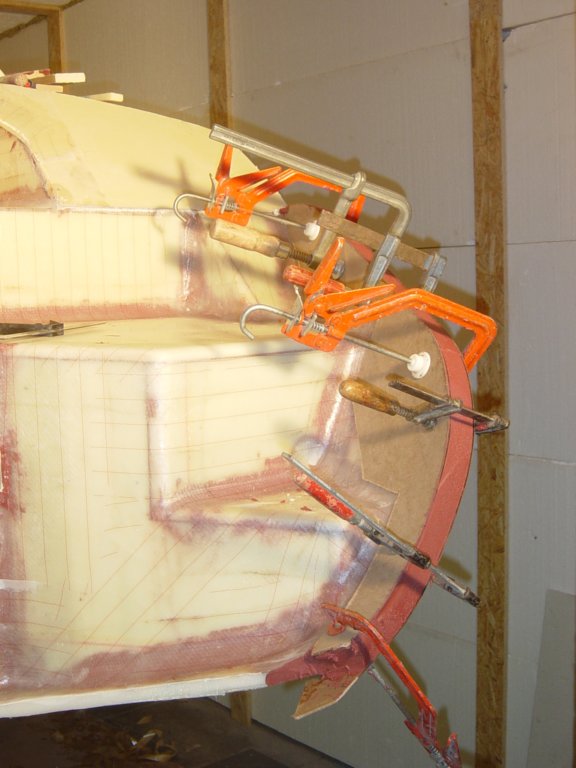
I wanted a stern that looked less “standard F-boat” and worked better in practice. By extending the aft cabin roof, adding intermediate transom steps, and tucking a stern portlight under an overhang, the aft end became more functional—and the aft cabin gained a surprising amount of space.
Finishing the stern
I spent a long time puzzling over how to finish the stern. Although I admire Ian Farrier greatly, I have always found the rear view of many F-boats a bit bleak—mainly because of the two stern windows. That’s personal taste, of course, but I wanted a different solution that also suited my other requirements.
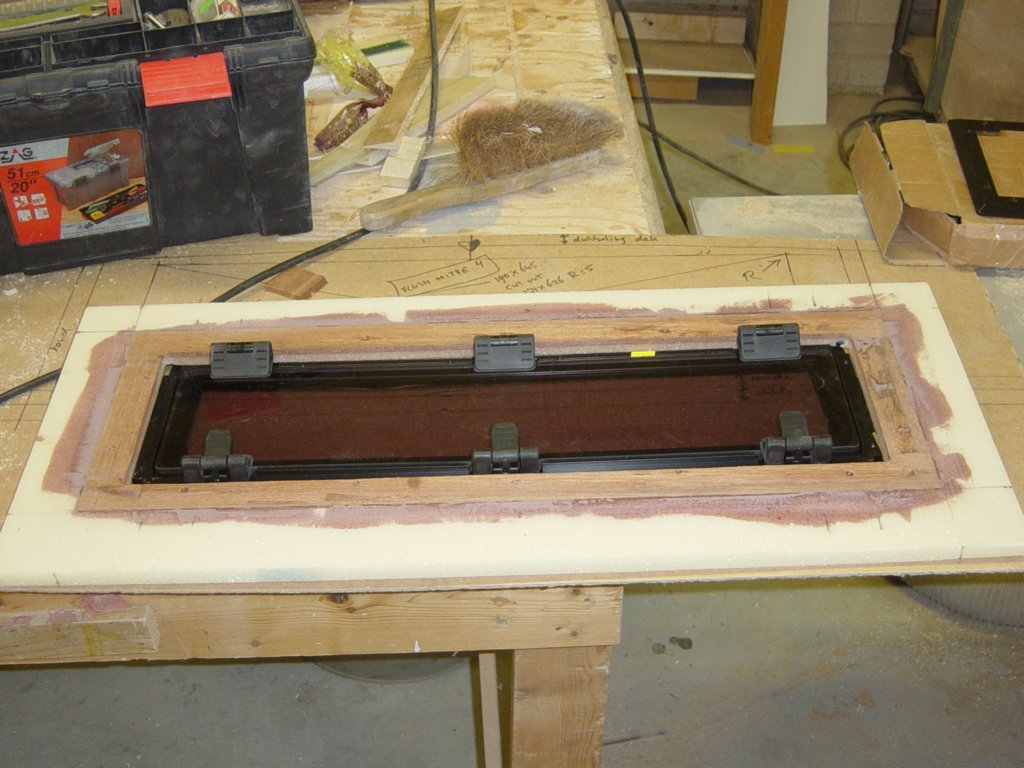
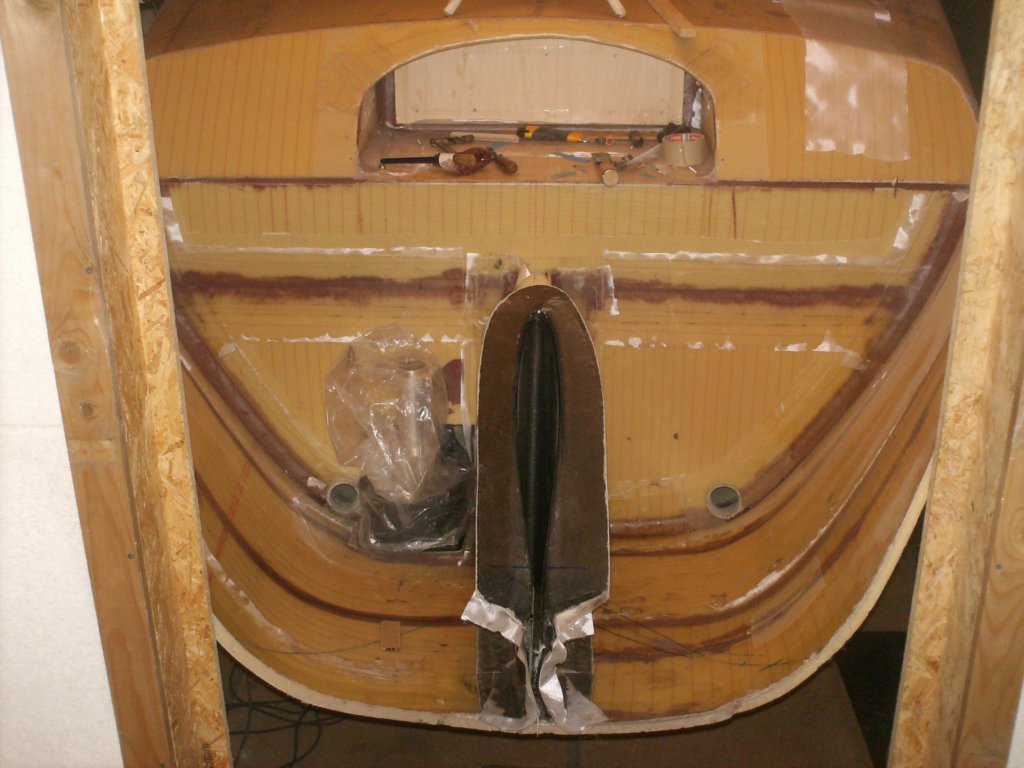
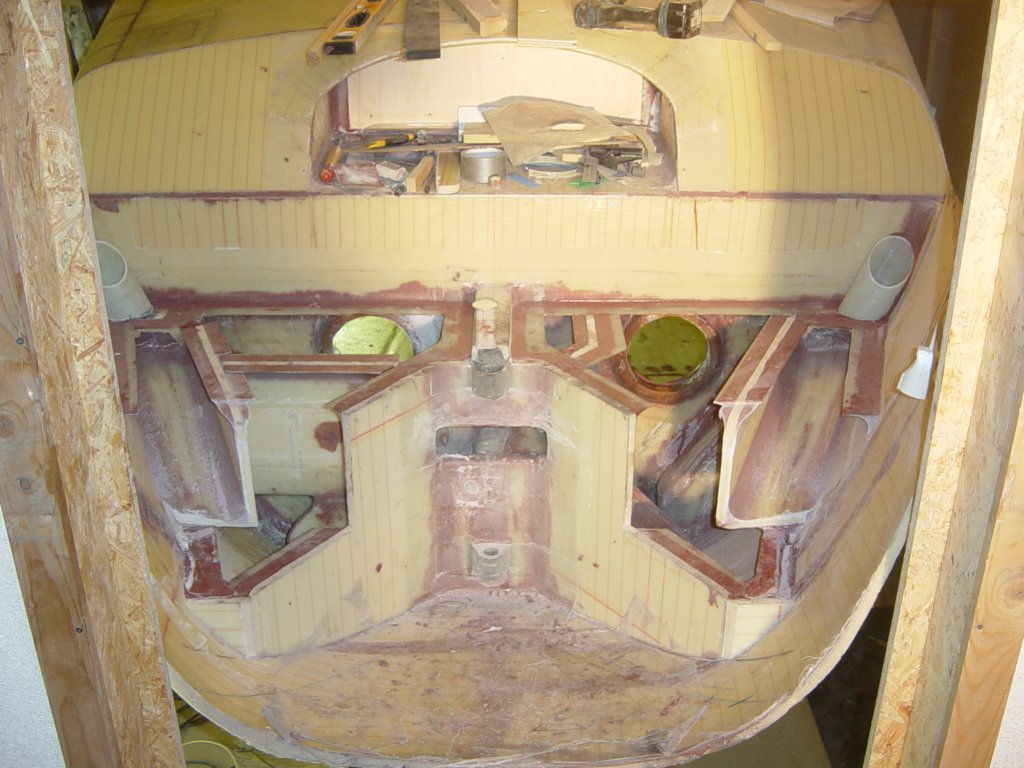
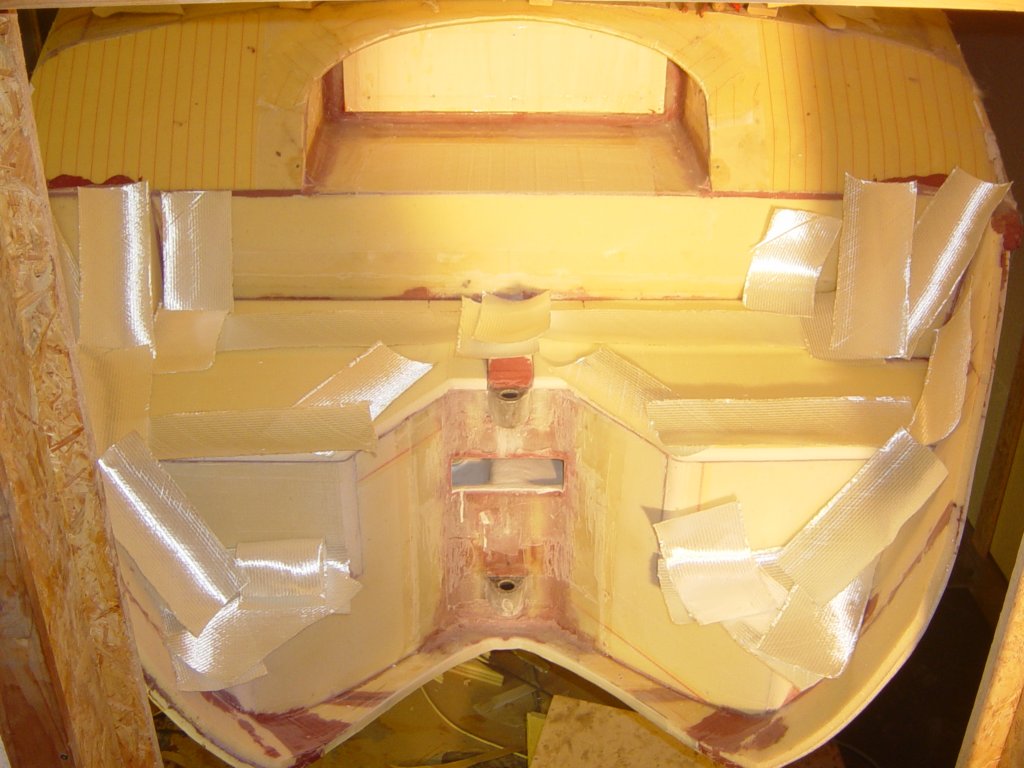
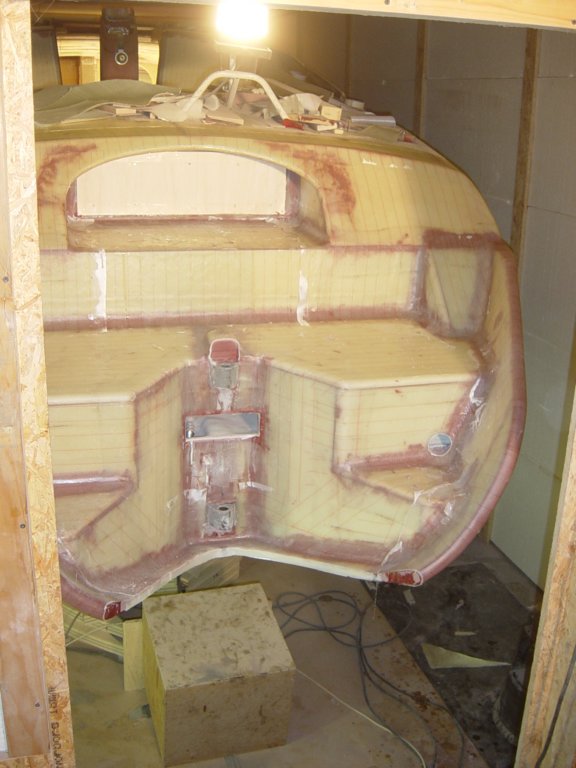
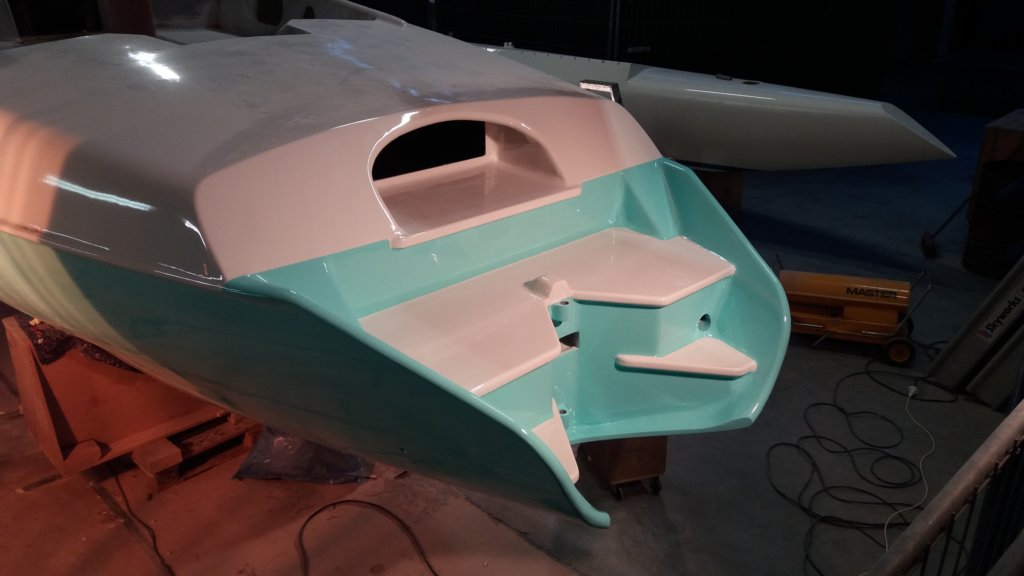
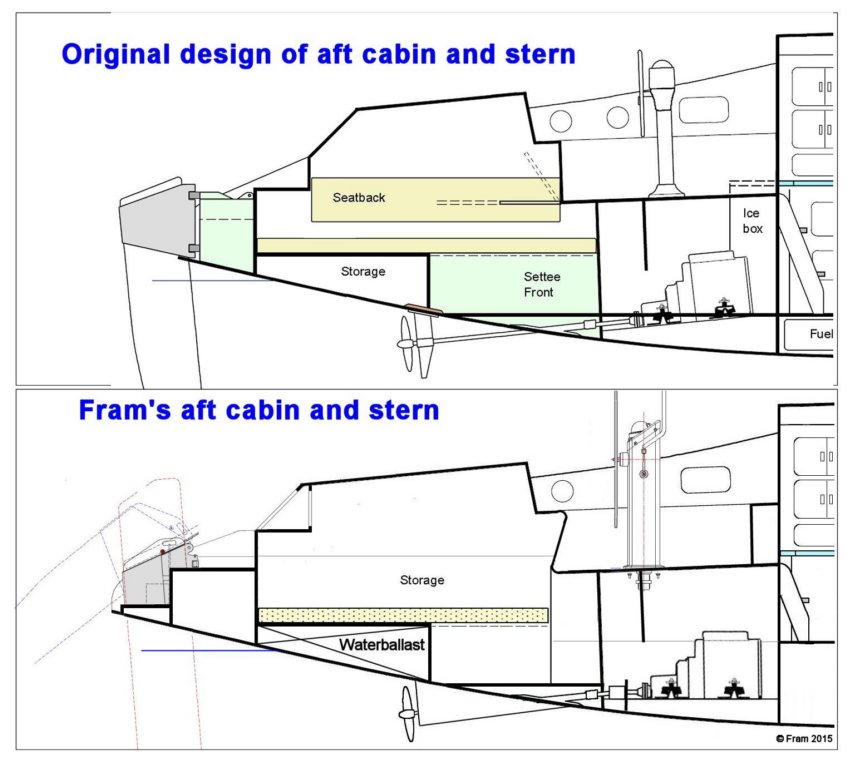
In the original design the step from the stern platform to the aft cabin roof is simply too large; it feels like an intermediate step is missing. Another item on my wish list was a virtually rainproof stern portlight—rainproof even when open for ventilation. To achieve that, the portlight has to sit under some kind of awning. I realised this by integrating an extension of the aft cabin roof with an extra step in the transom.
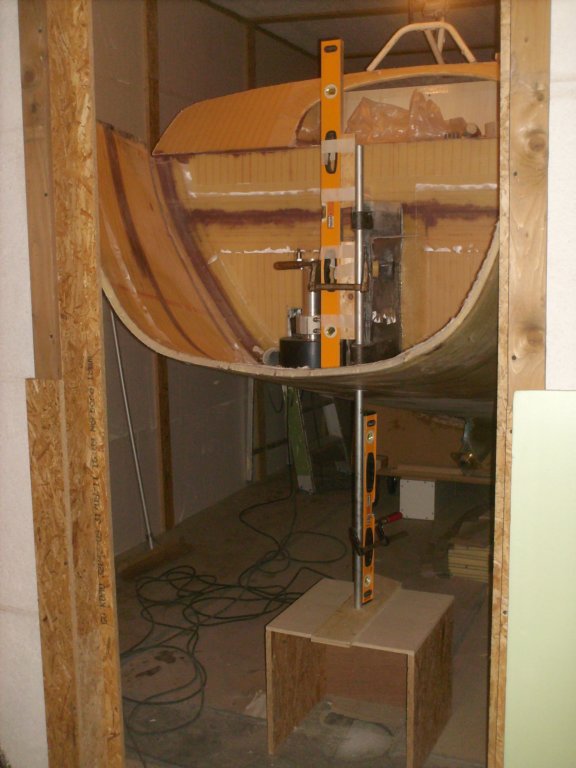
I also wanted the rudder to be more or less protected by the hull. By making a larger scoop I could integrate another step in the stern as well. The necessary extensions of the hull and the aft cabin roof were made at a much earlier stage—I already had these changes in mind during hull construction.
And a bonus that should not be underestimated: this change also made the aft cabin noticeably more spacious.
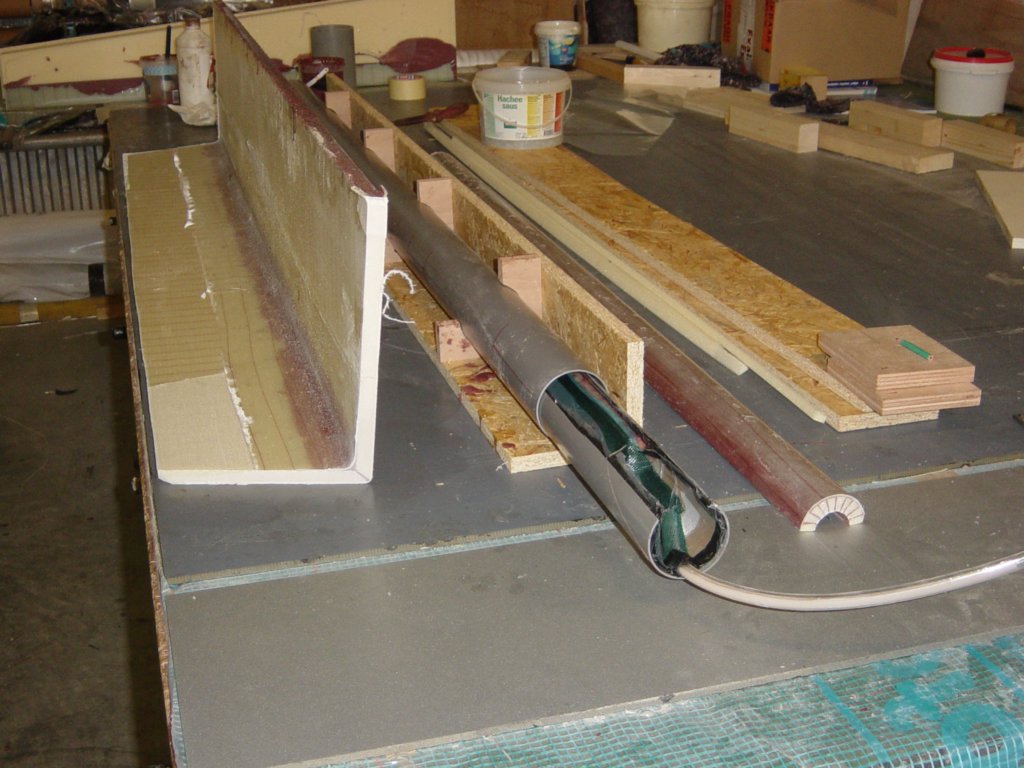
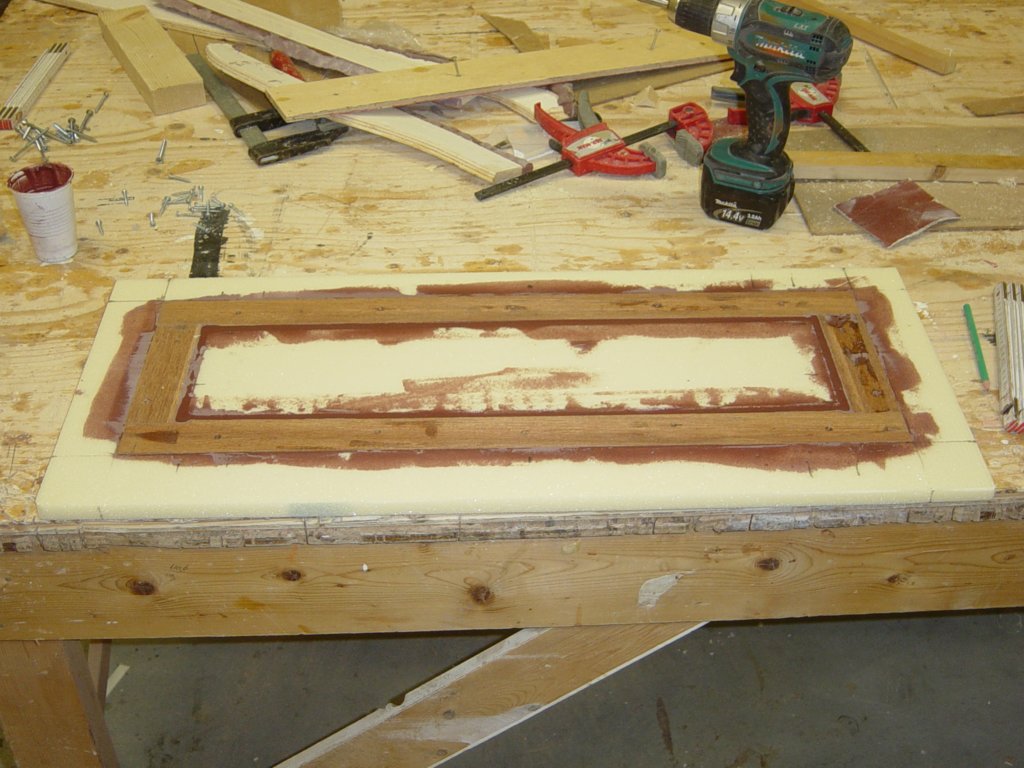
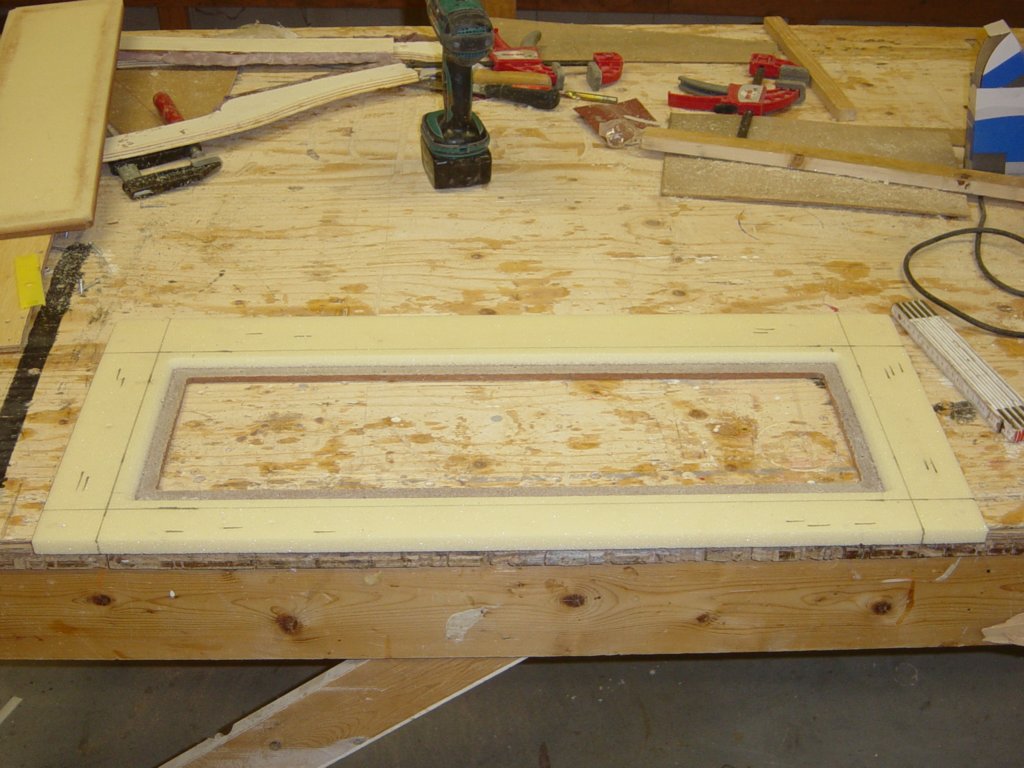
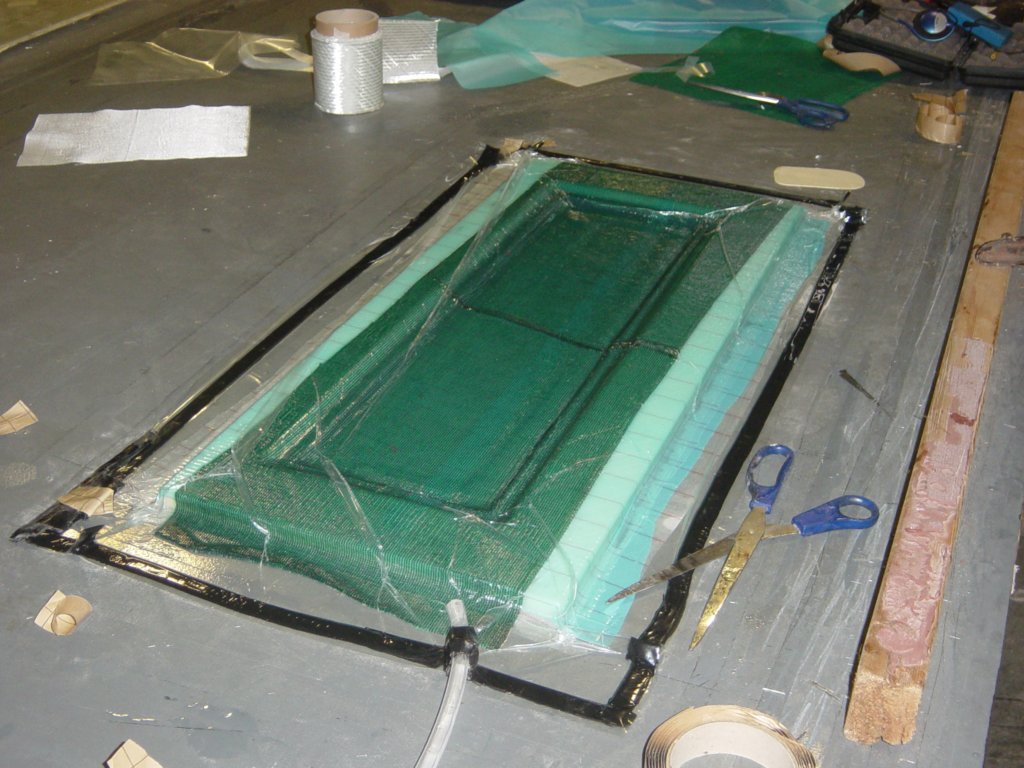
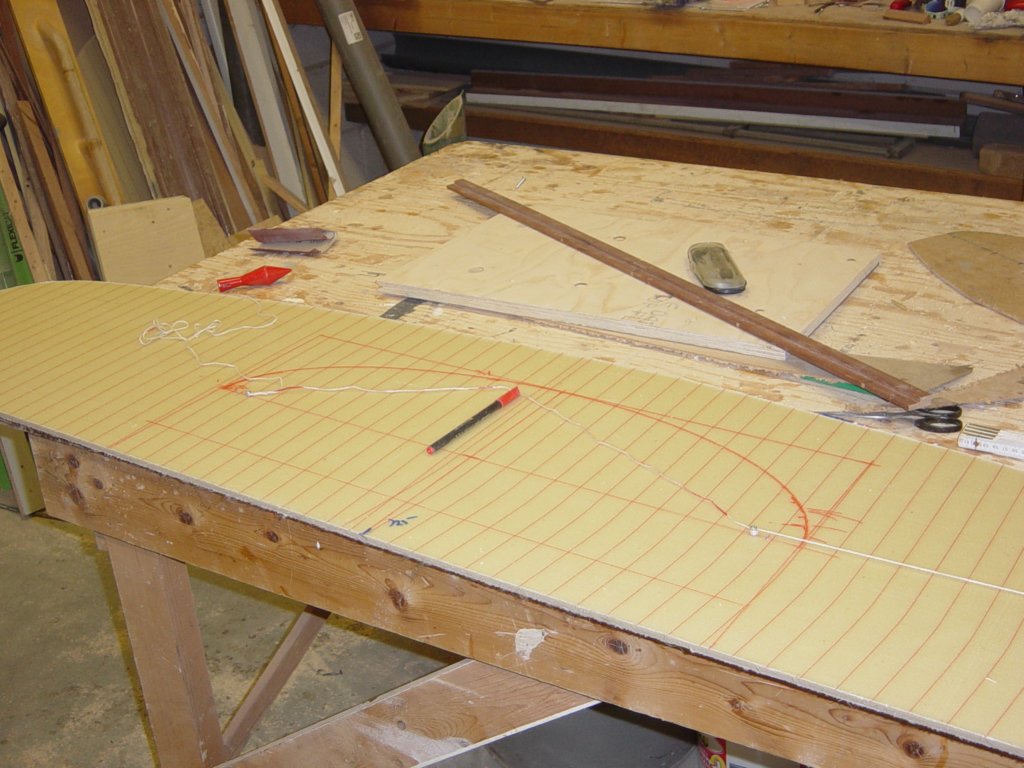
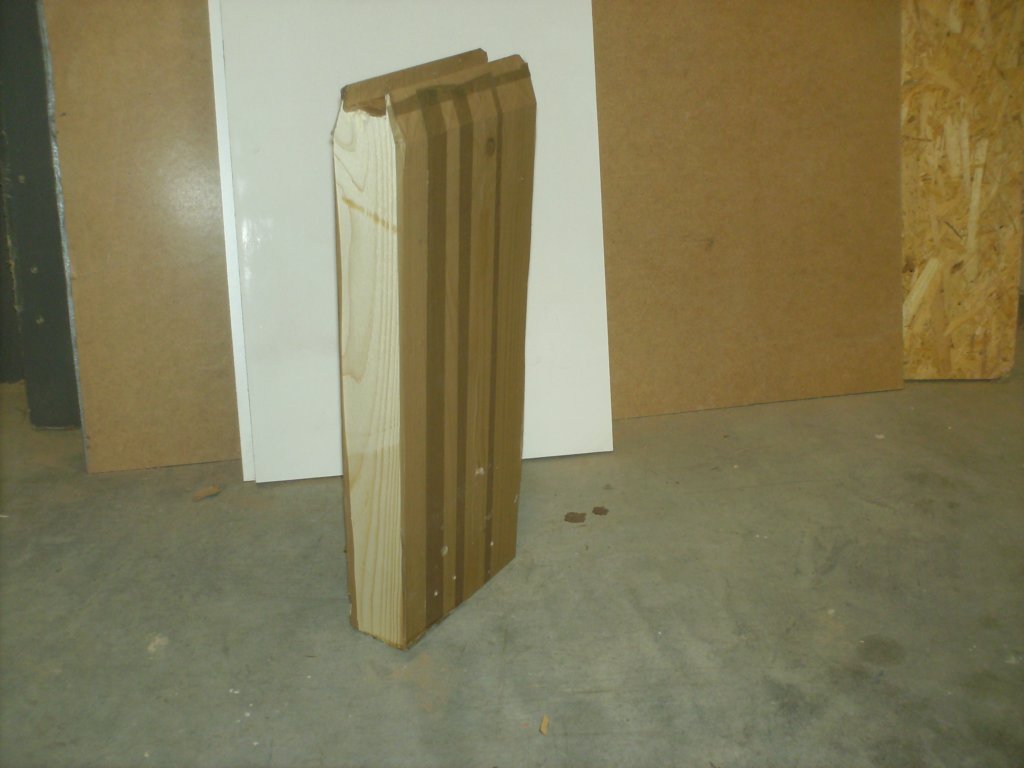
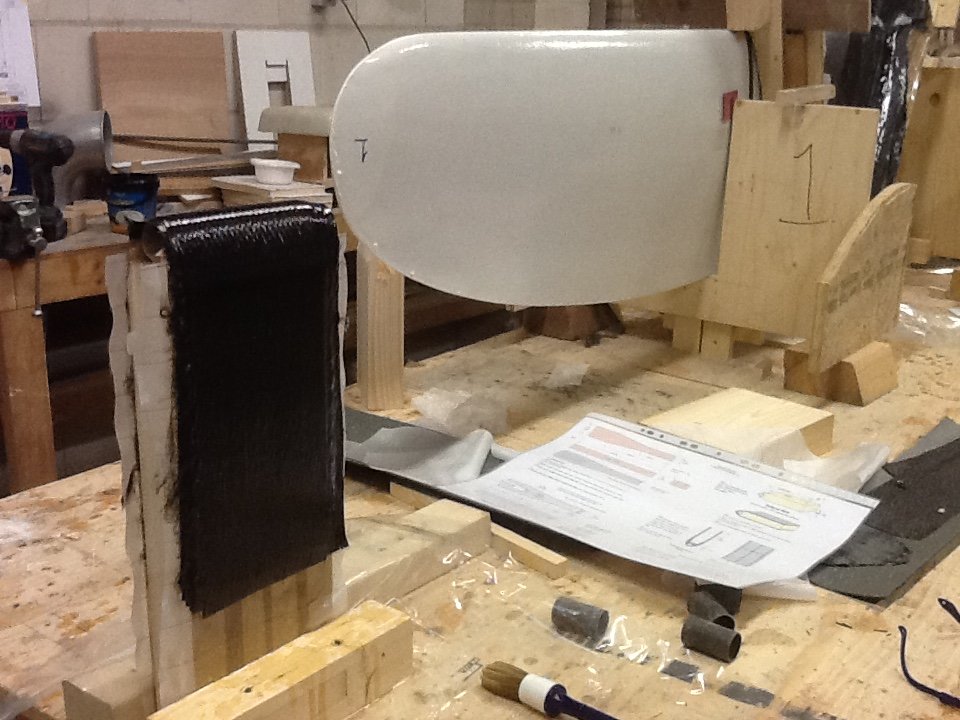
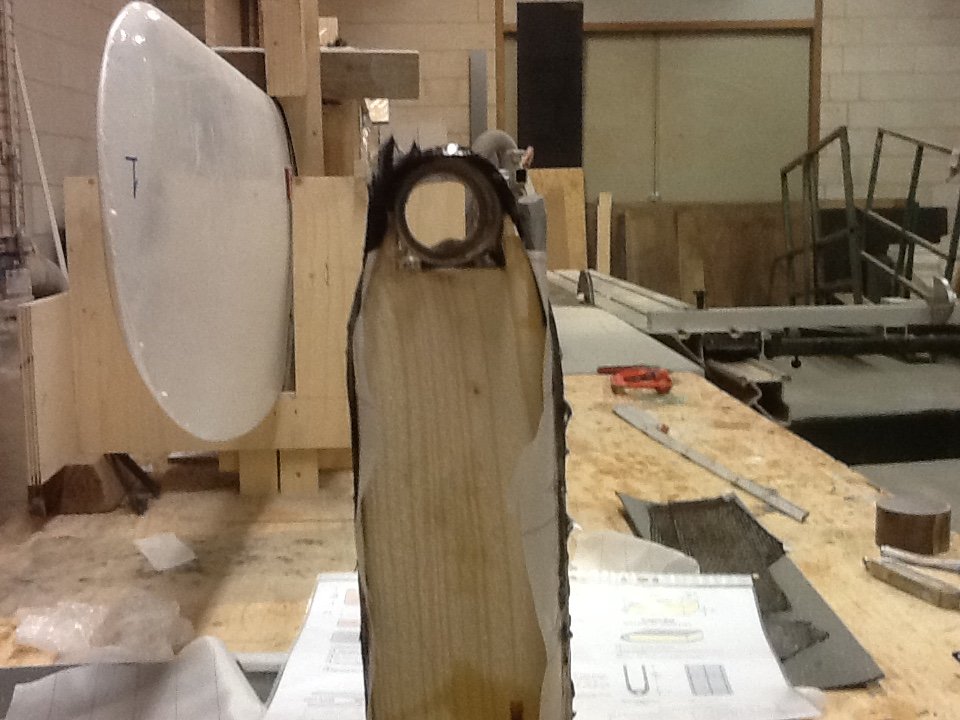
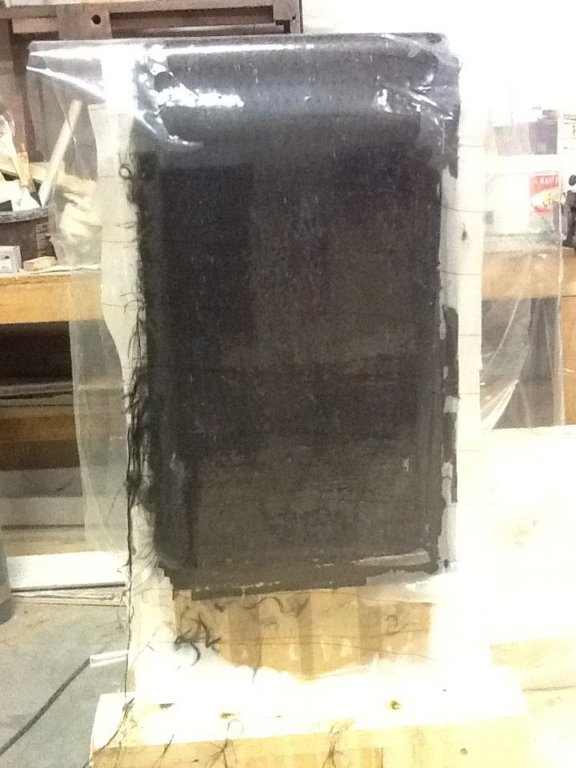
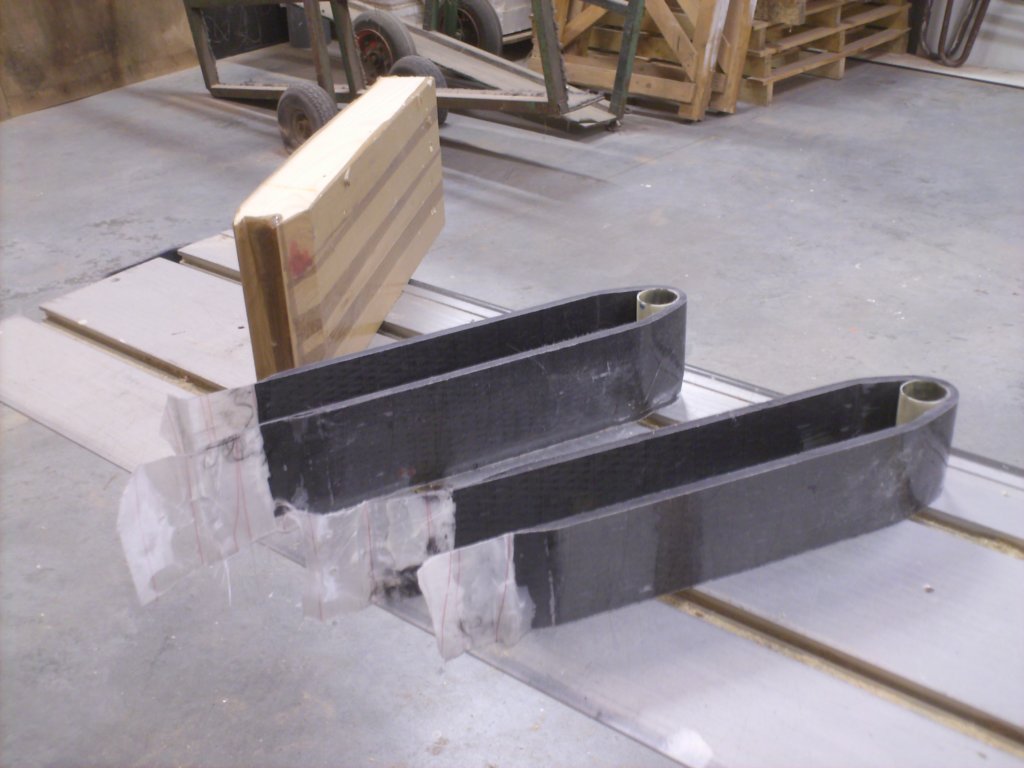
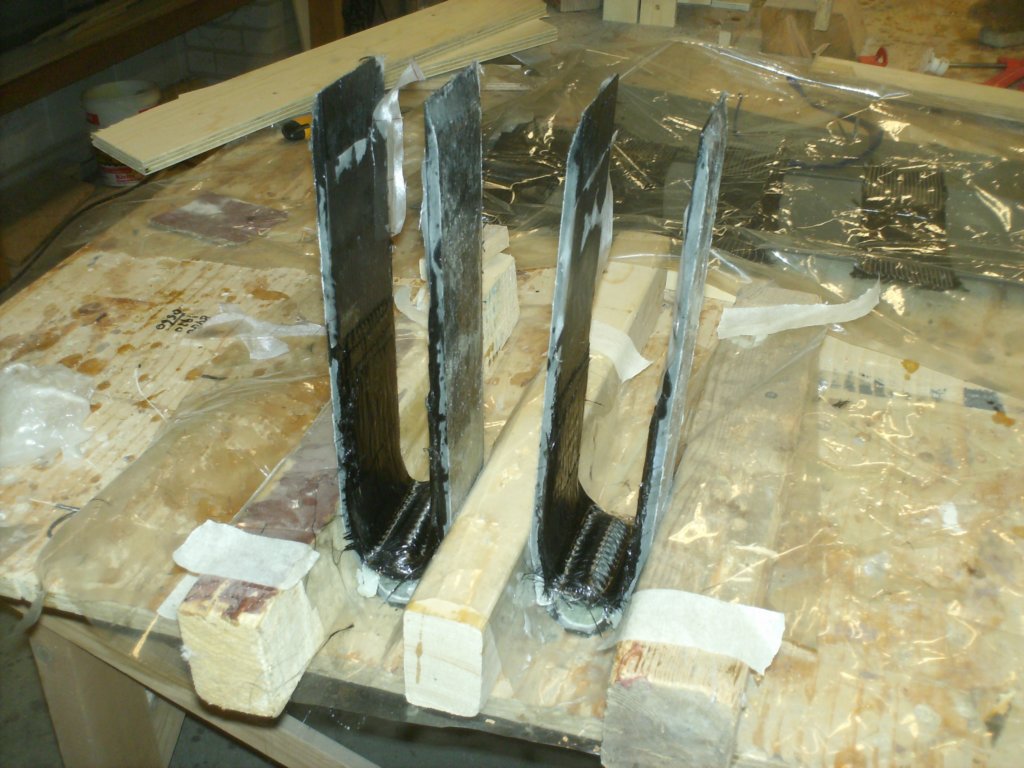
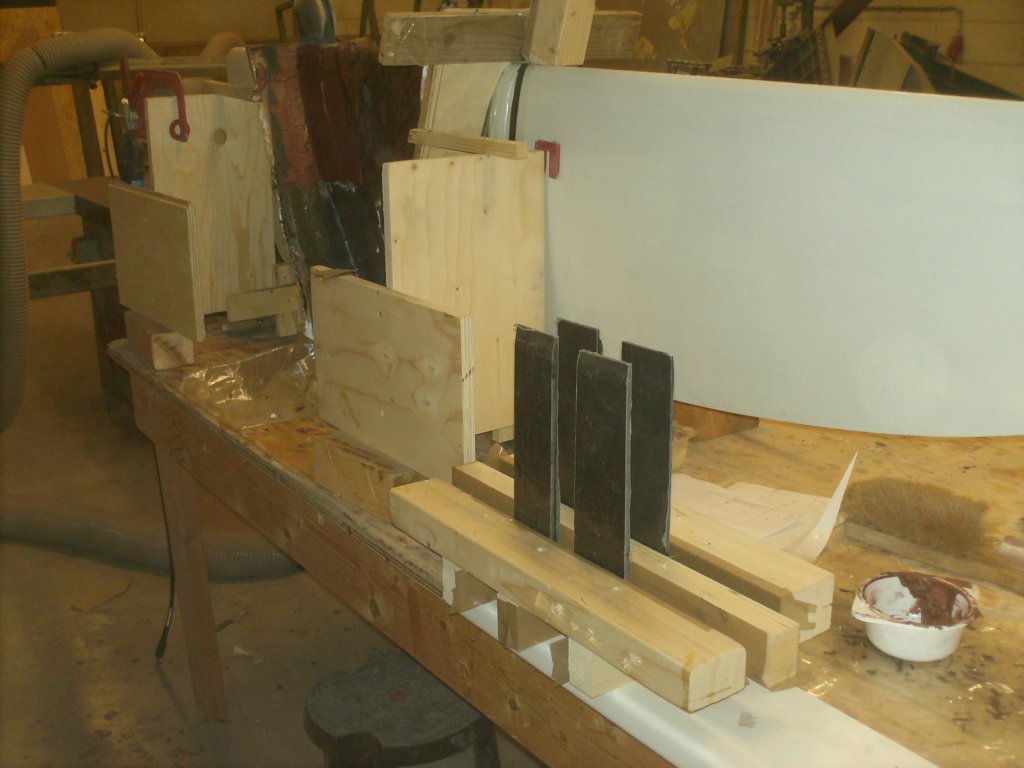
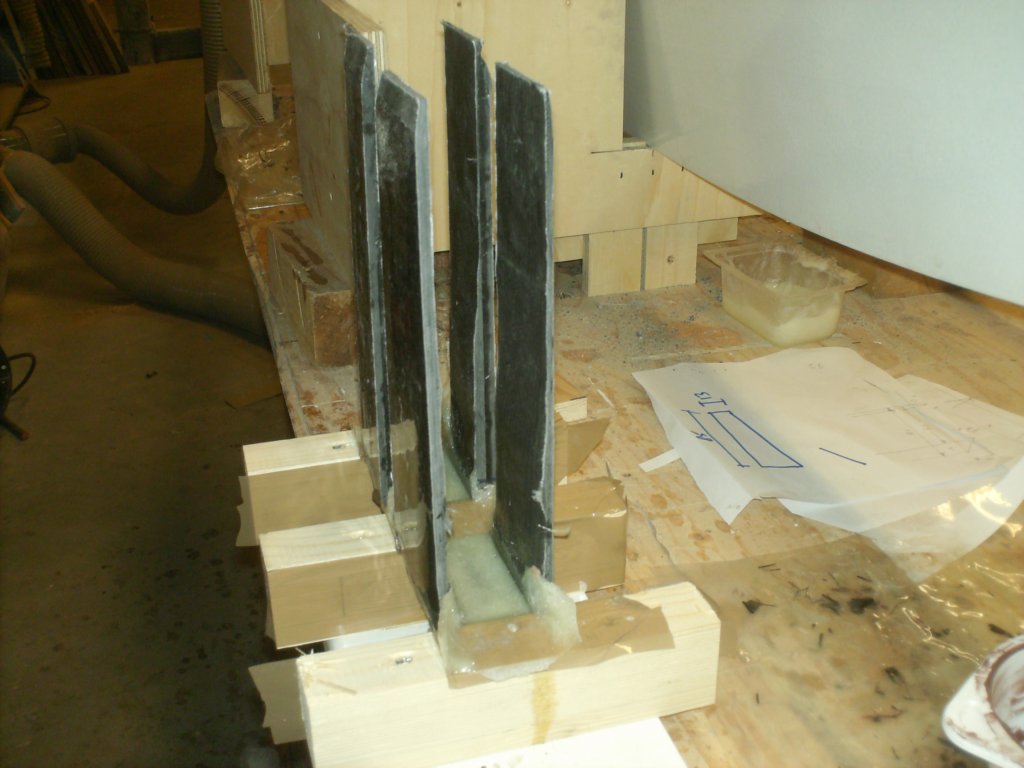
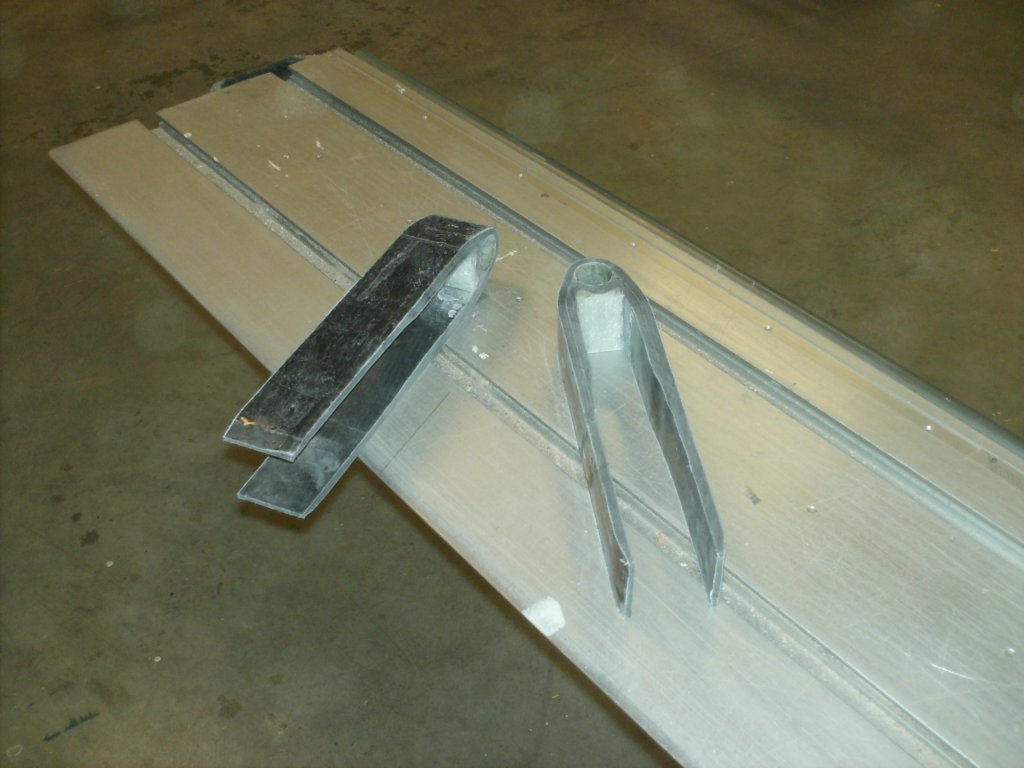
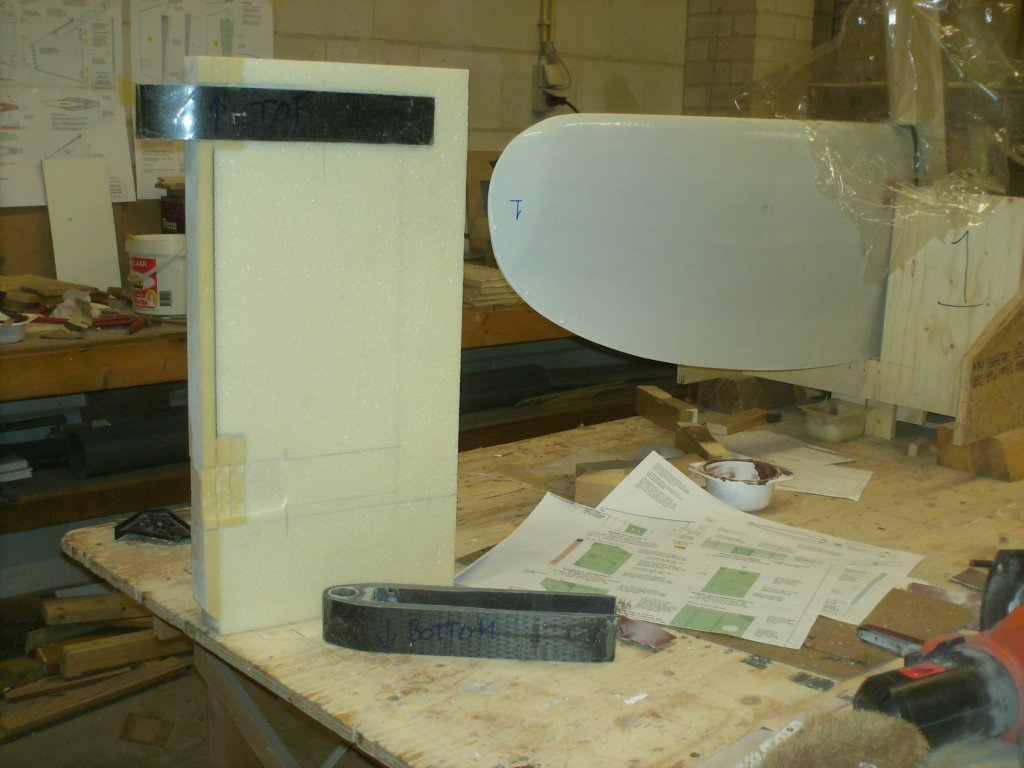
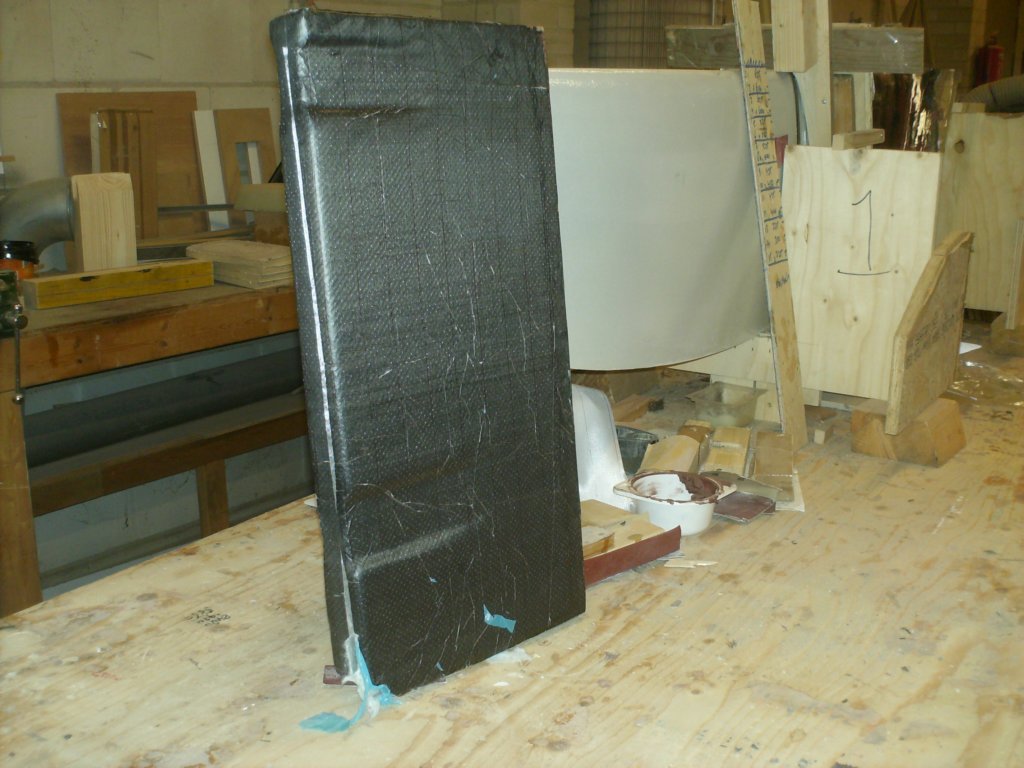
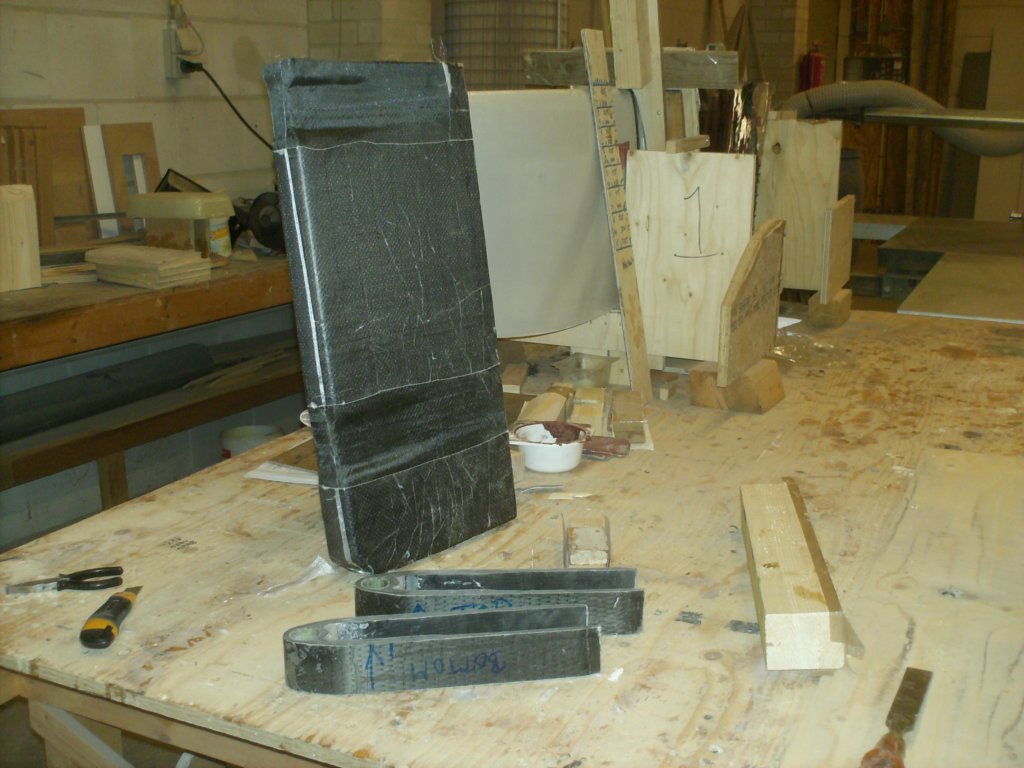
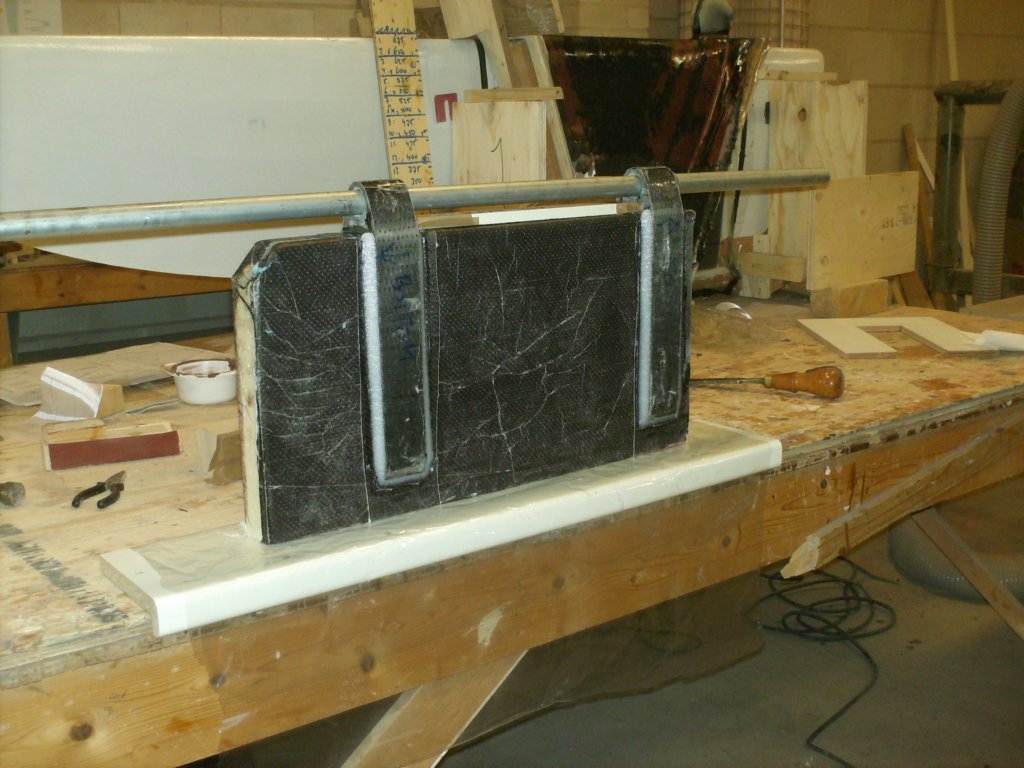
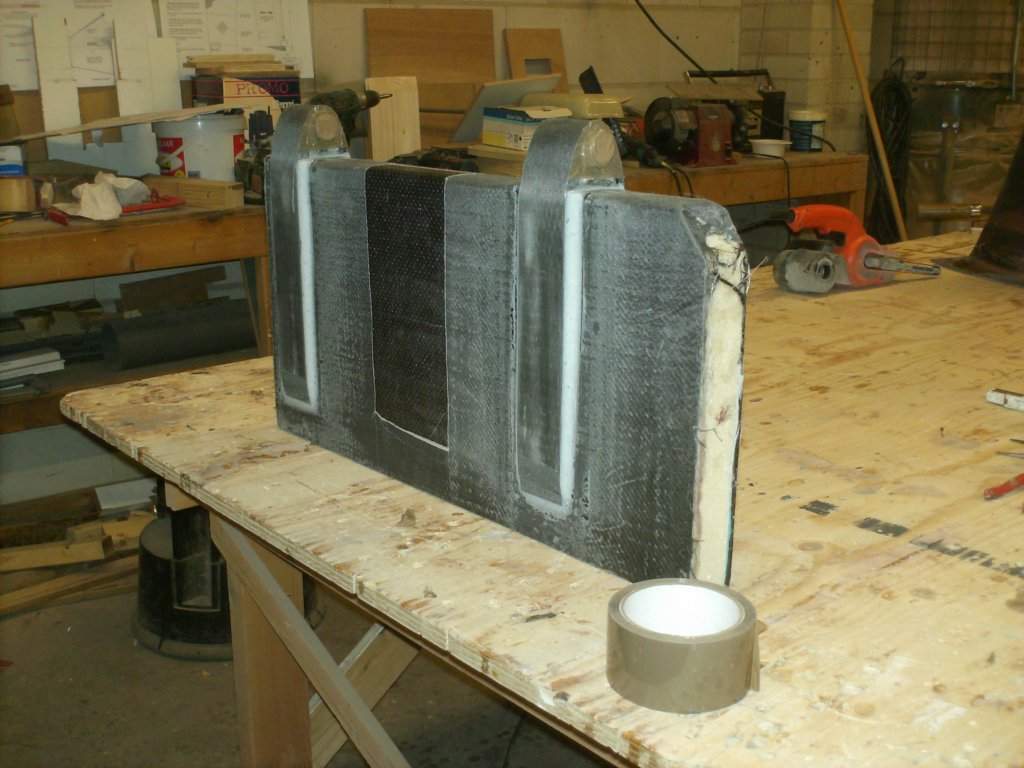
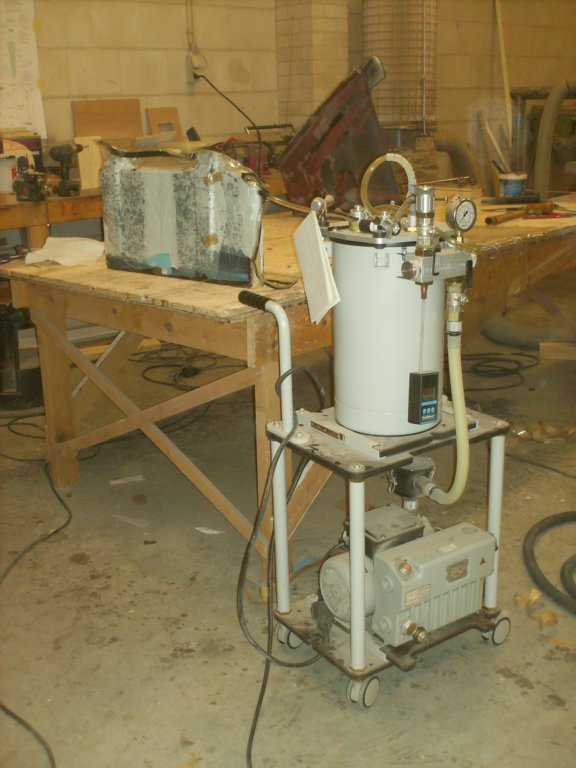
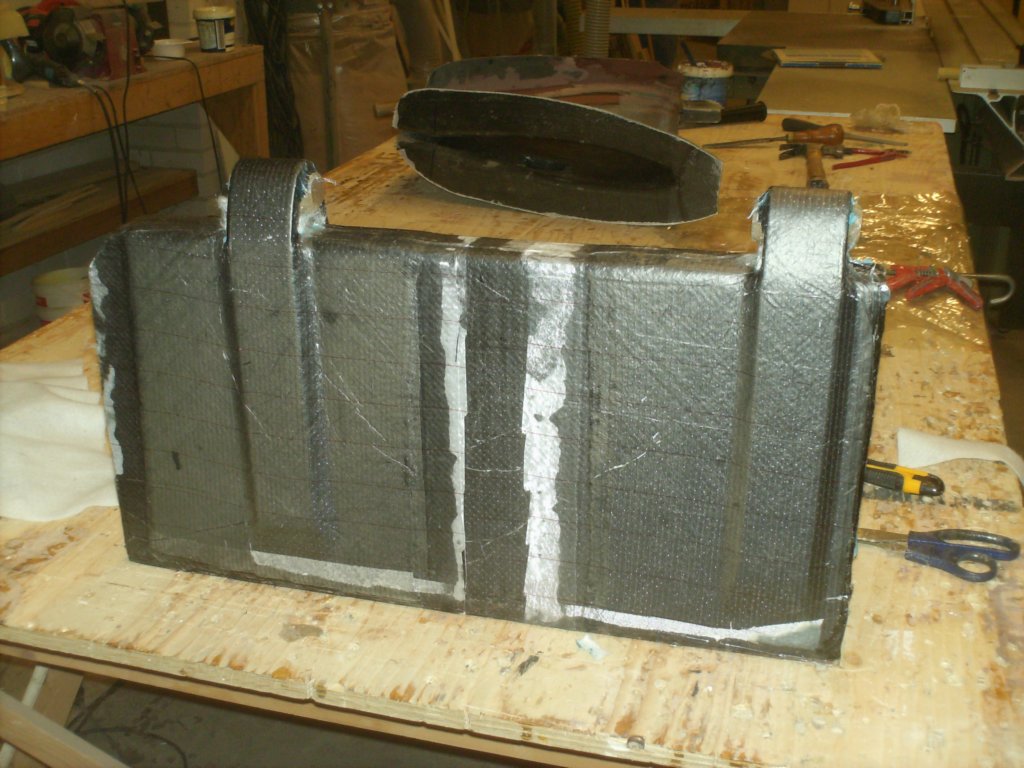
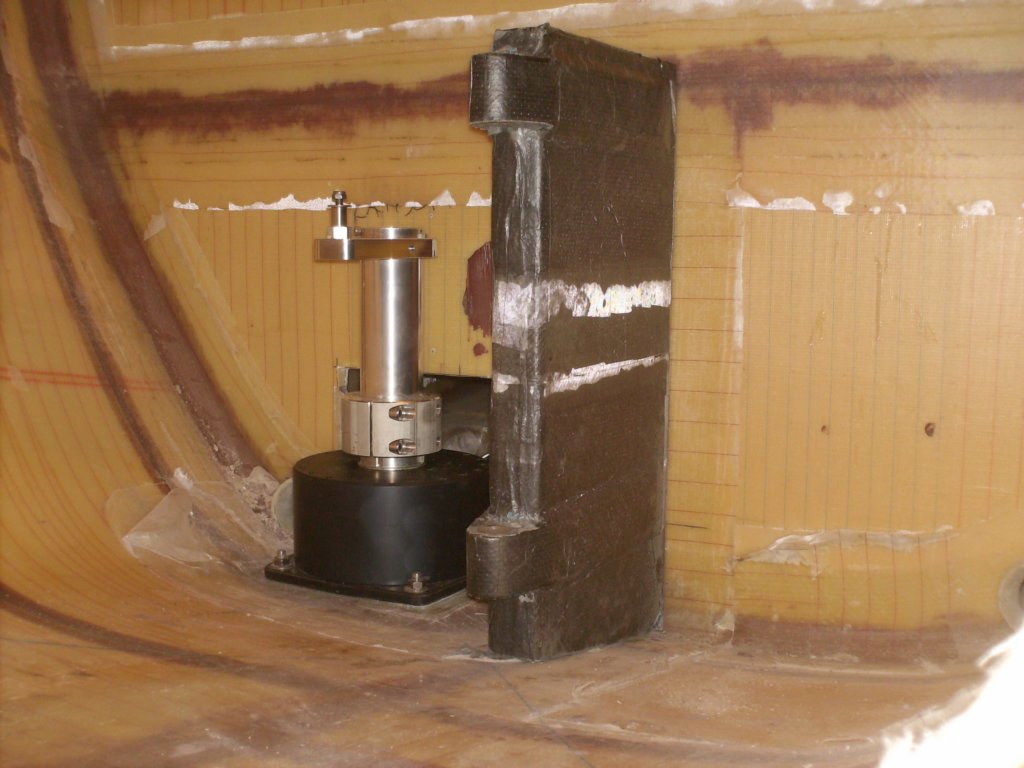
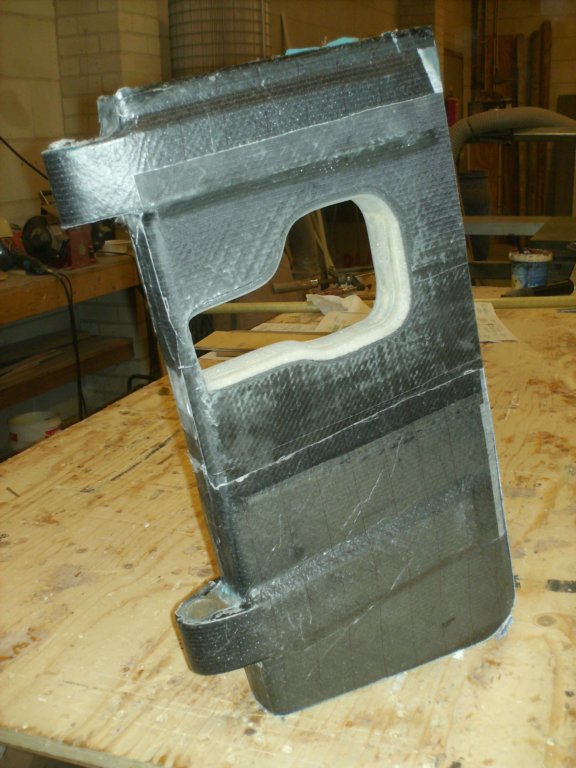
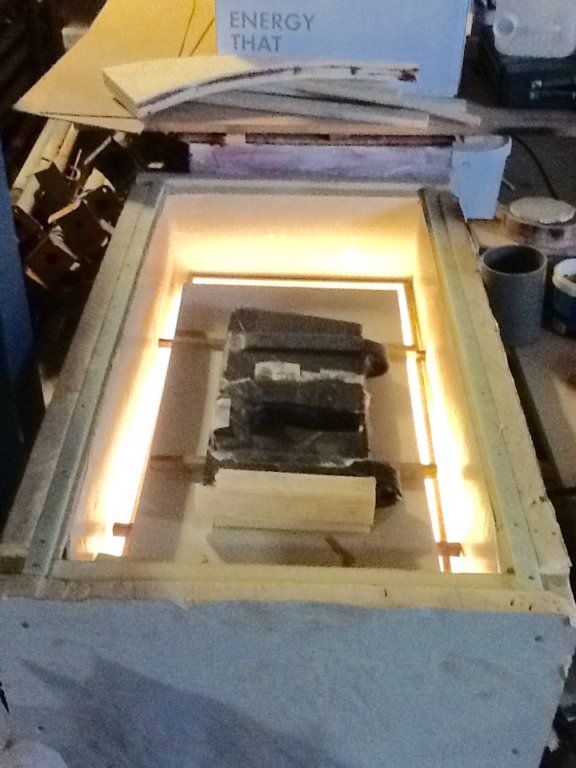
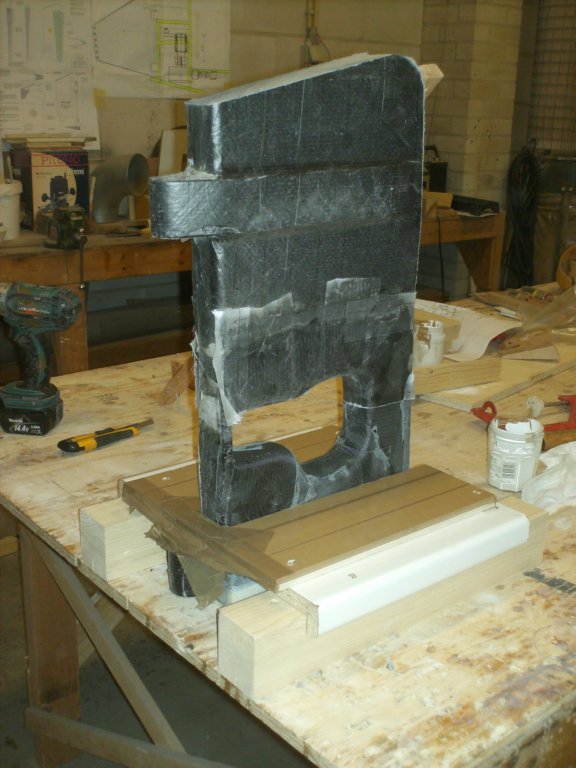
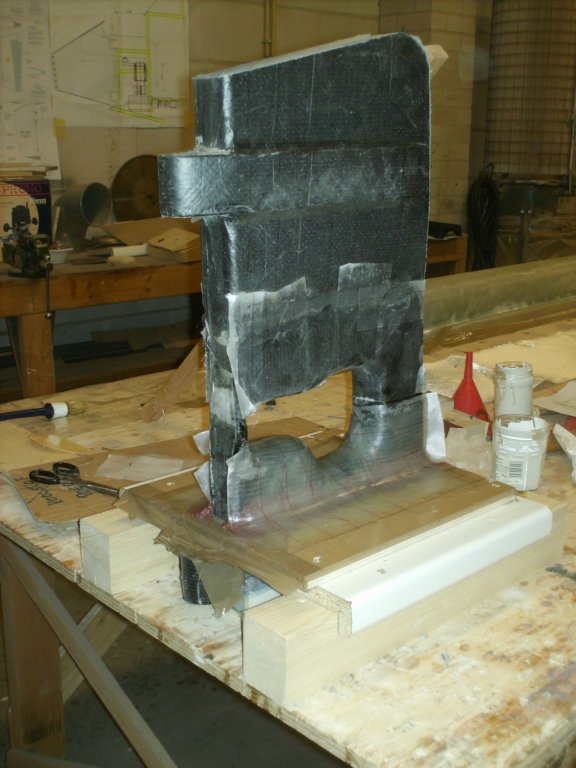
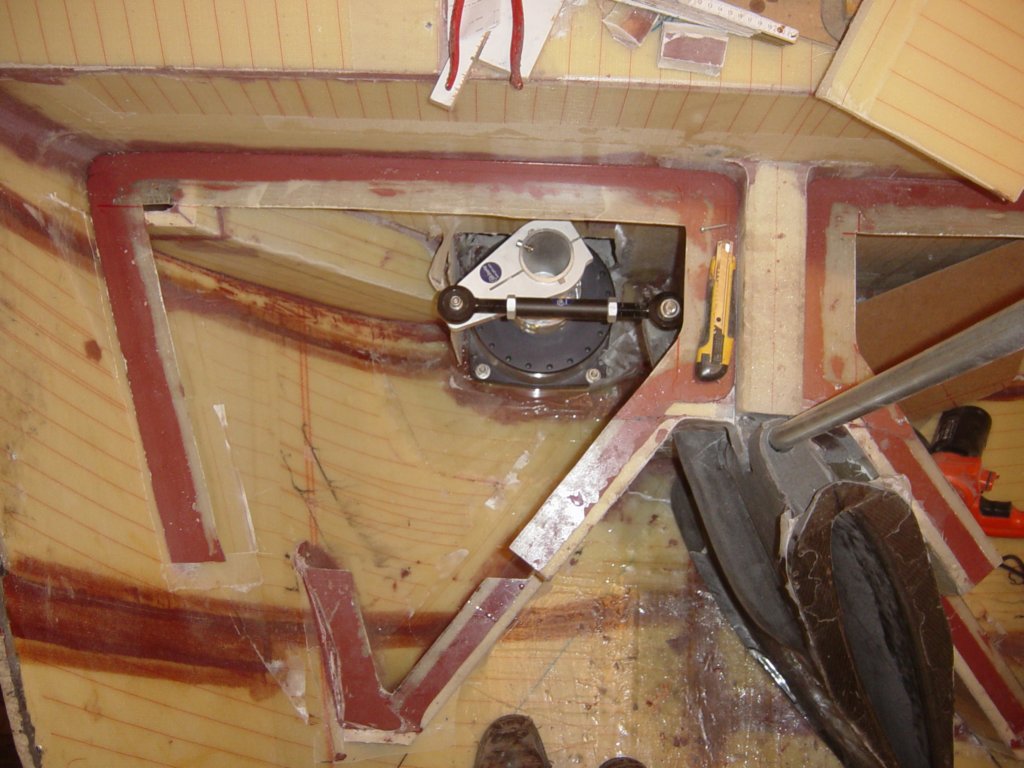
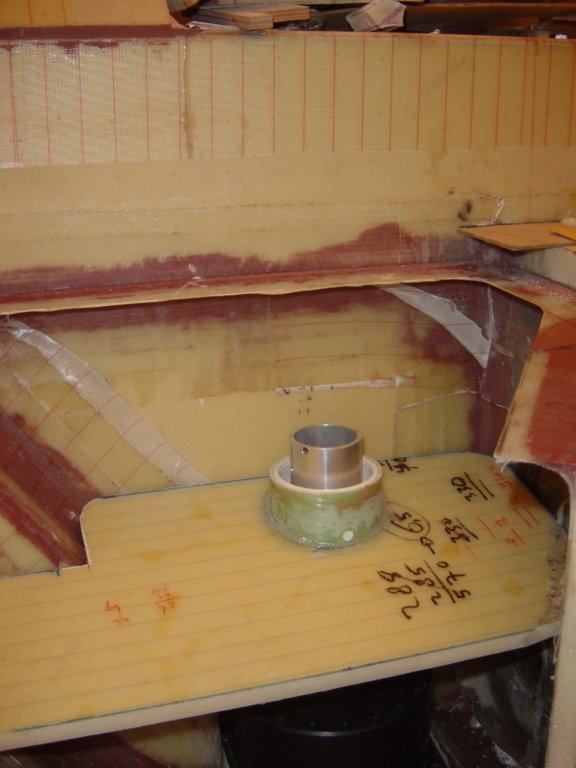
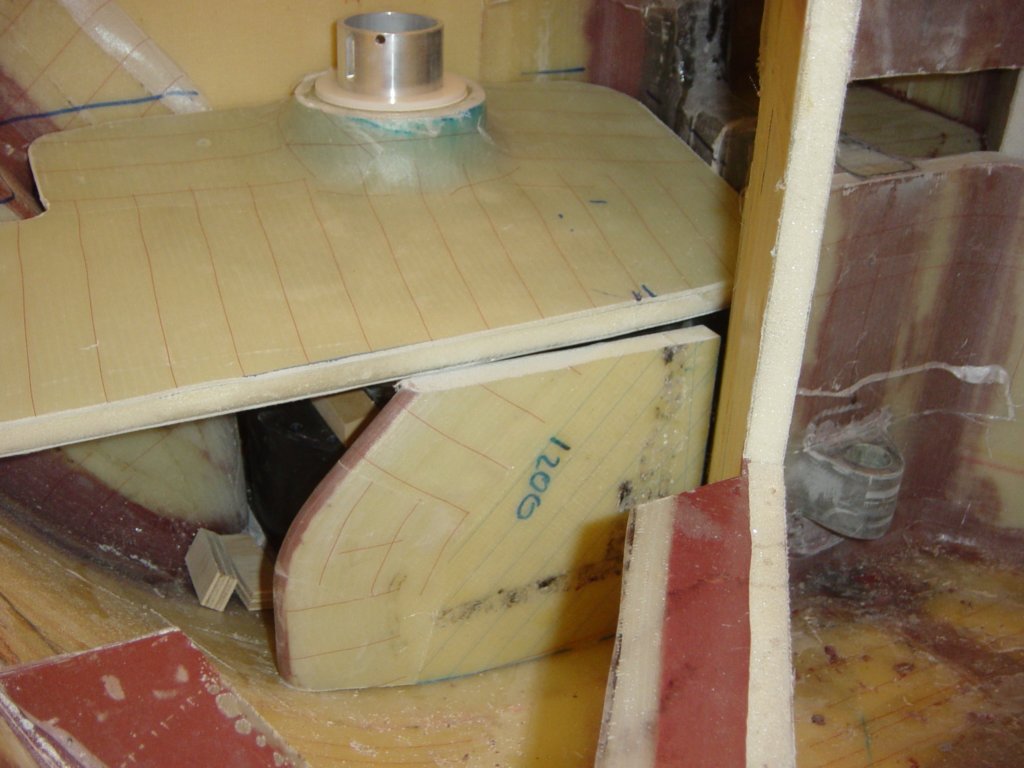
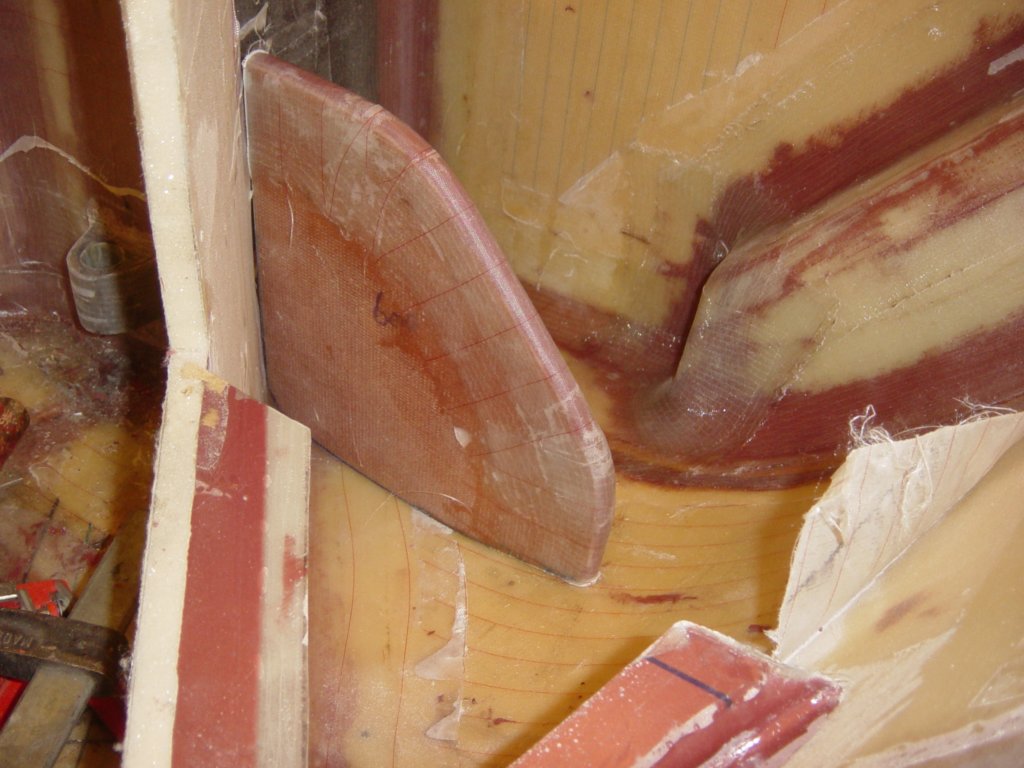
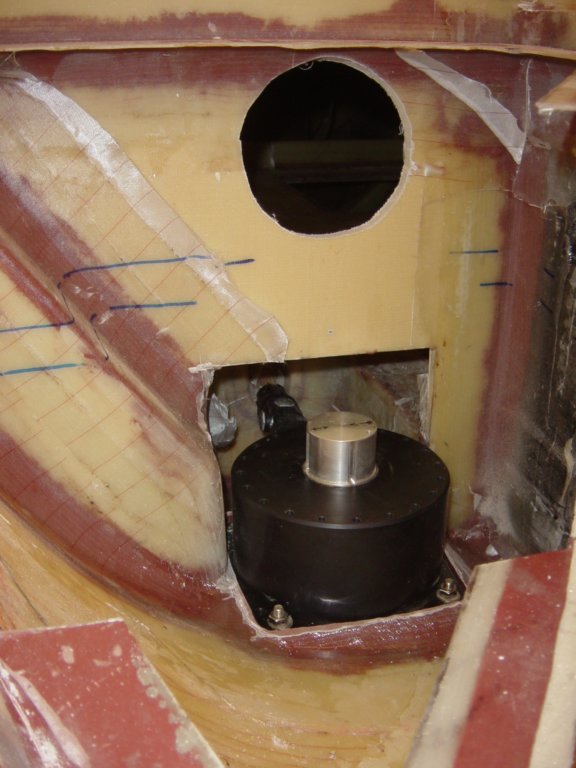
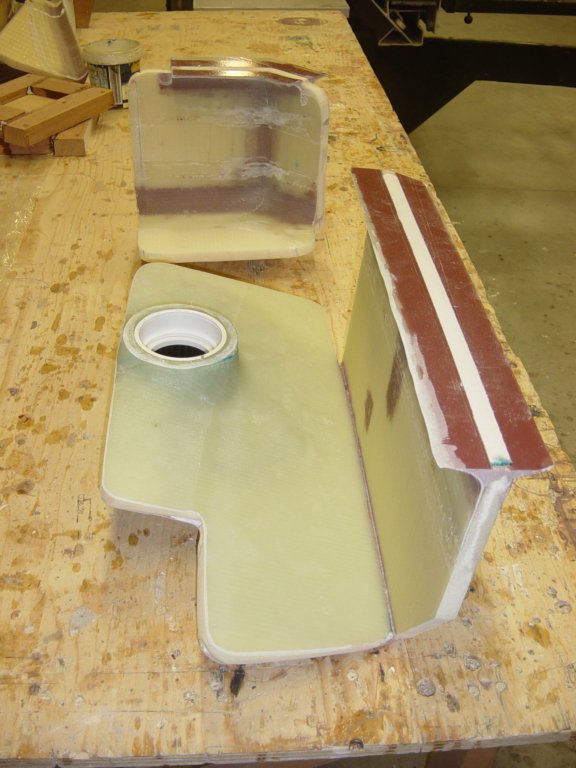
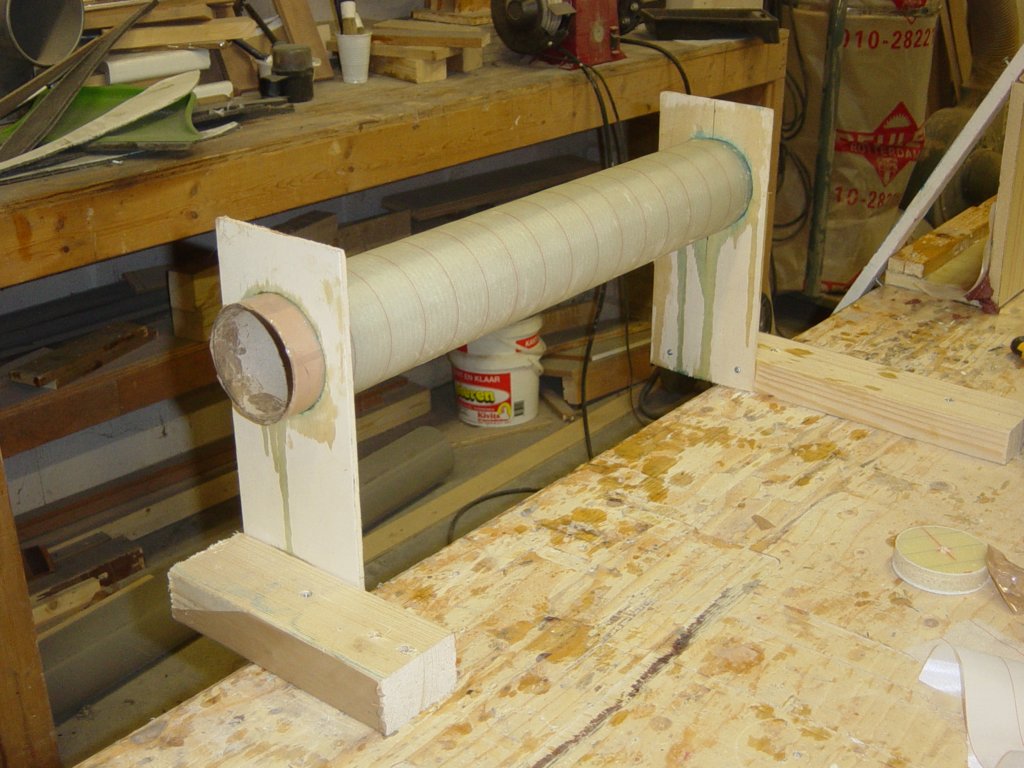
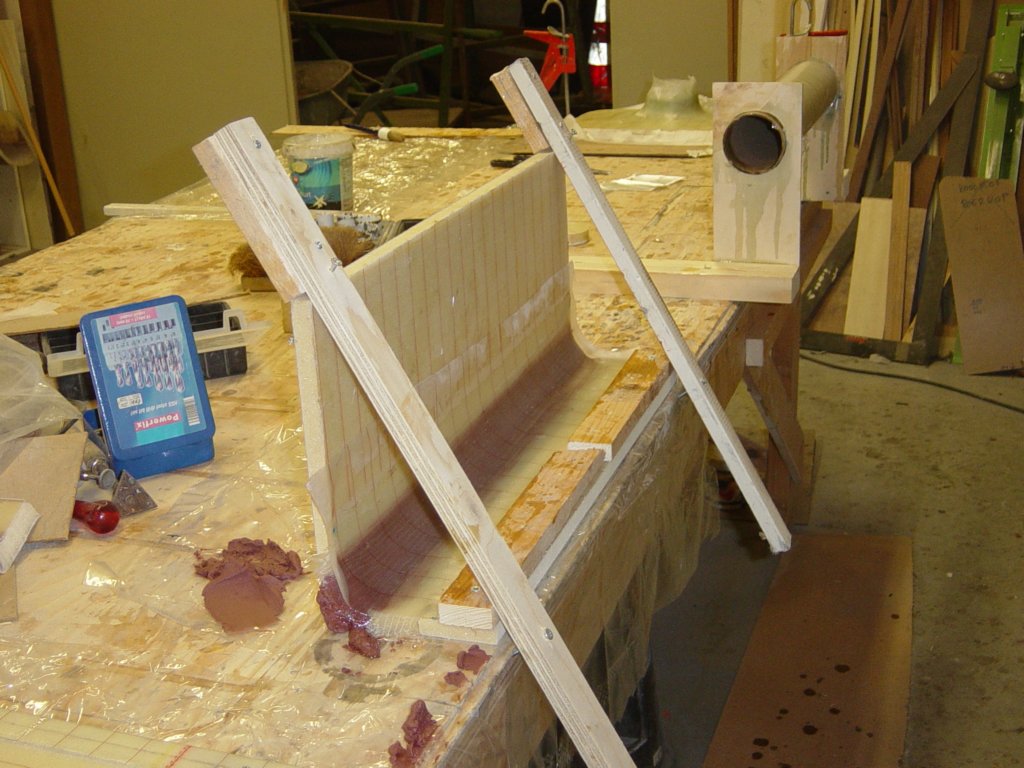
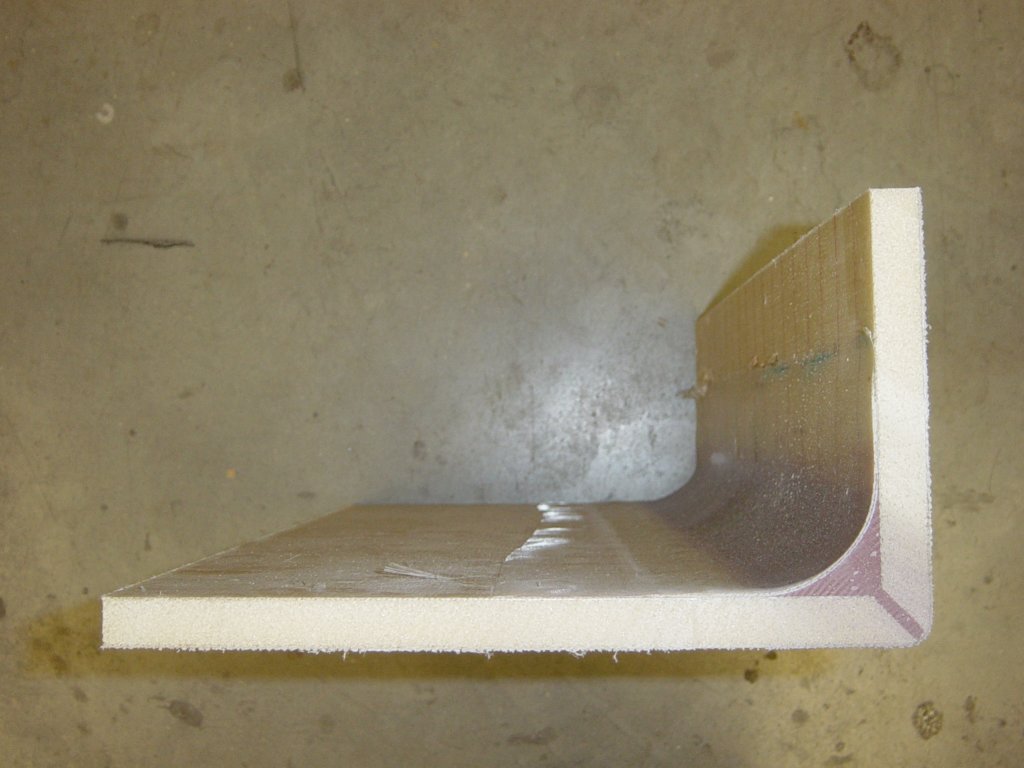
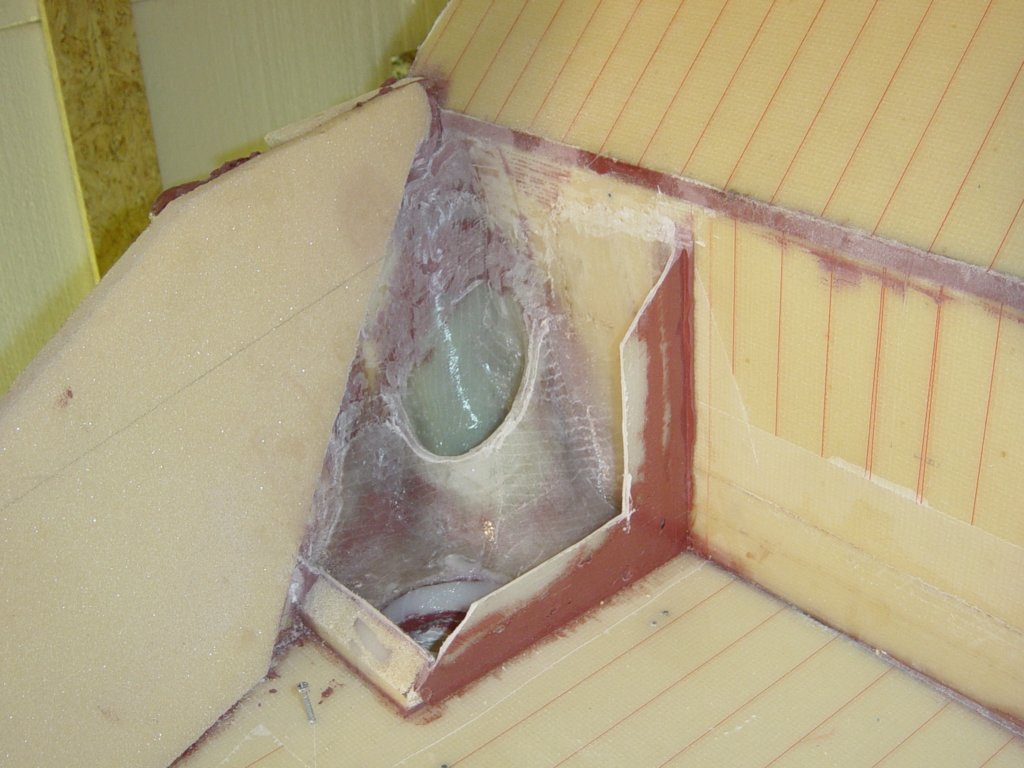
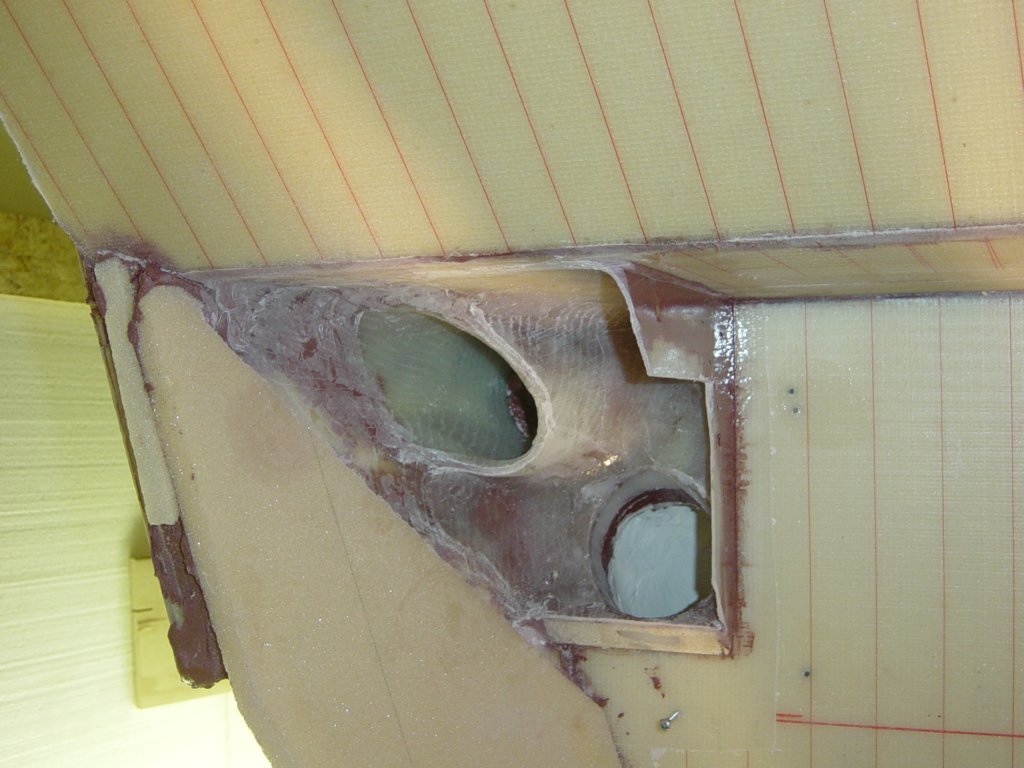
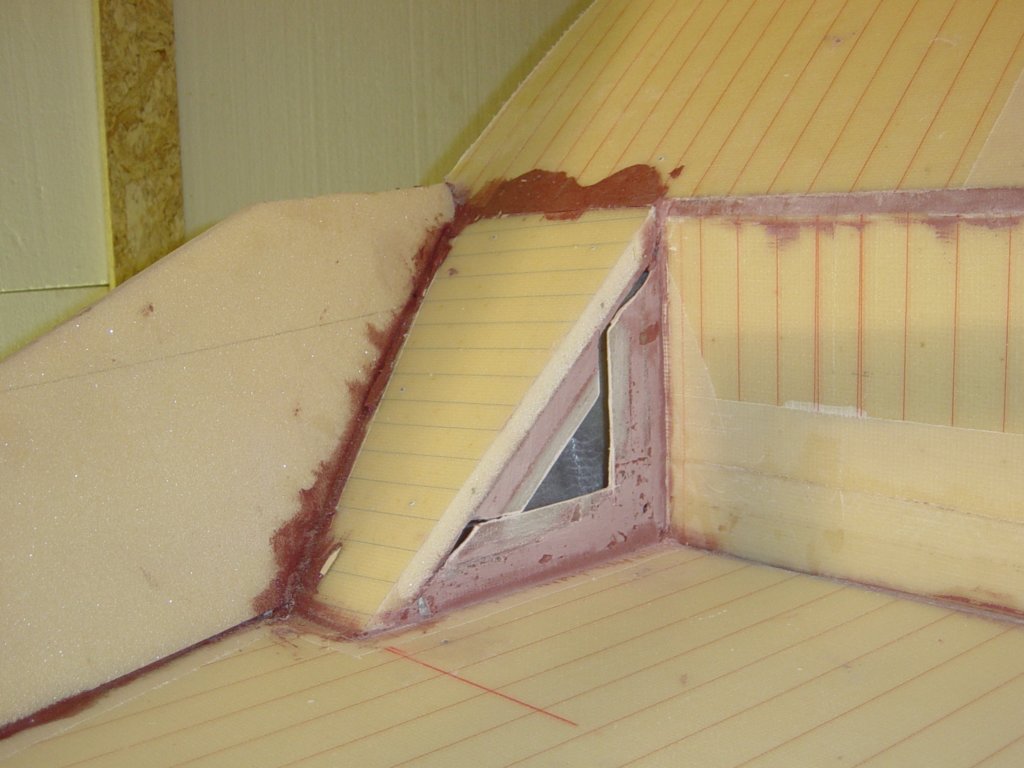
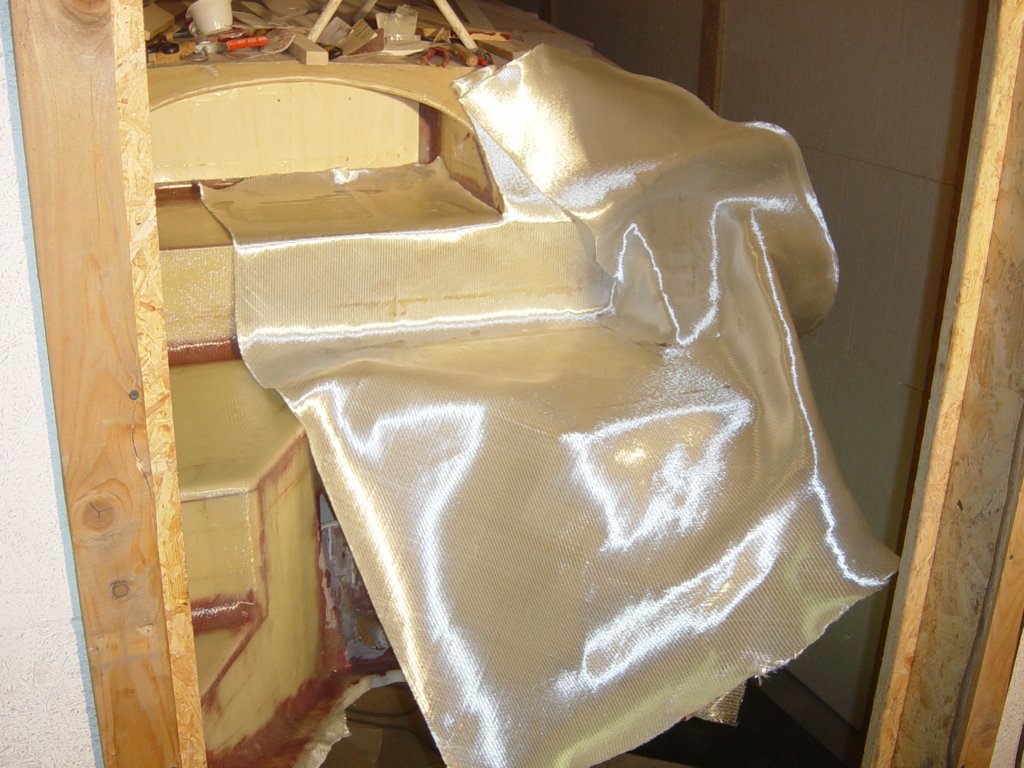
This photo gallery (75 images) shows the redesign and construction of Fram’s stern: the transom extension and steps, the stern portlight panel (infused), the carbon rudder gudgeons and centre web, the tiller-lever compartment, the water ballast tank ventilation routing, and the final structural laminates tying everything together.