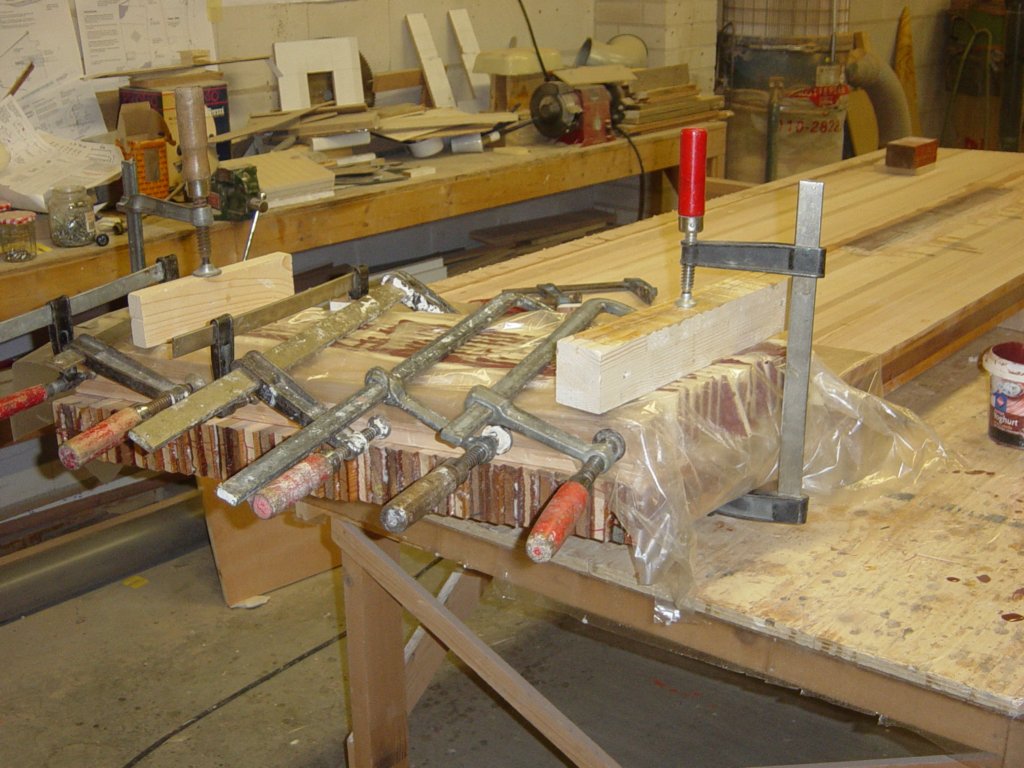
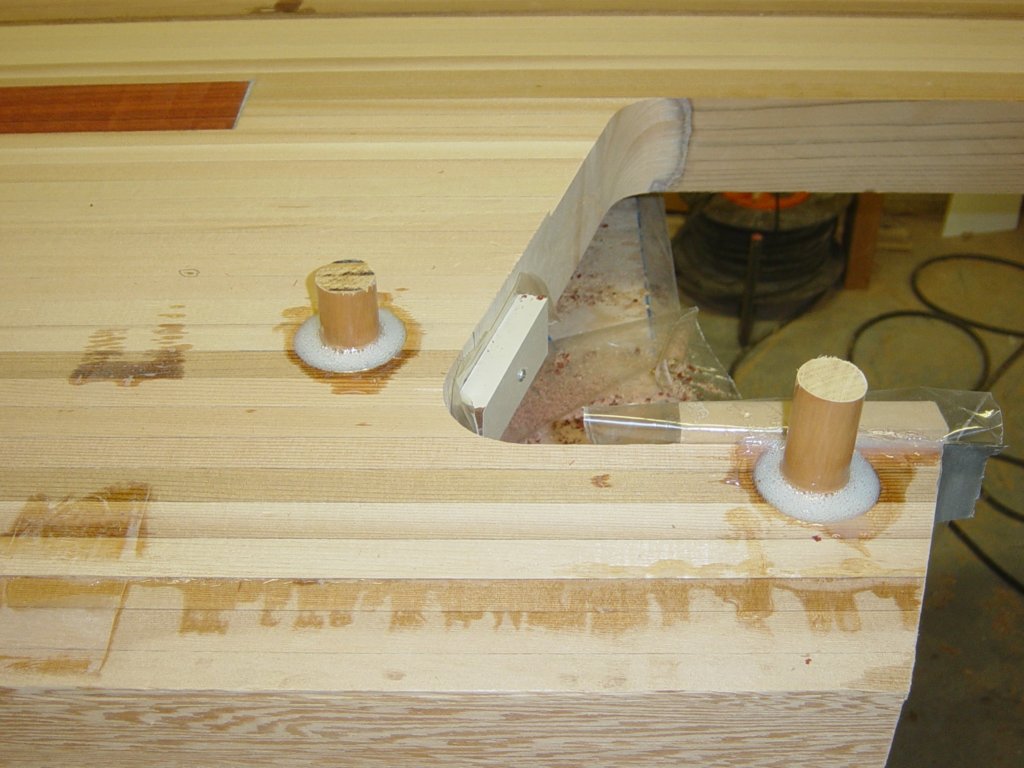
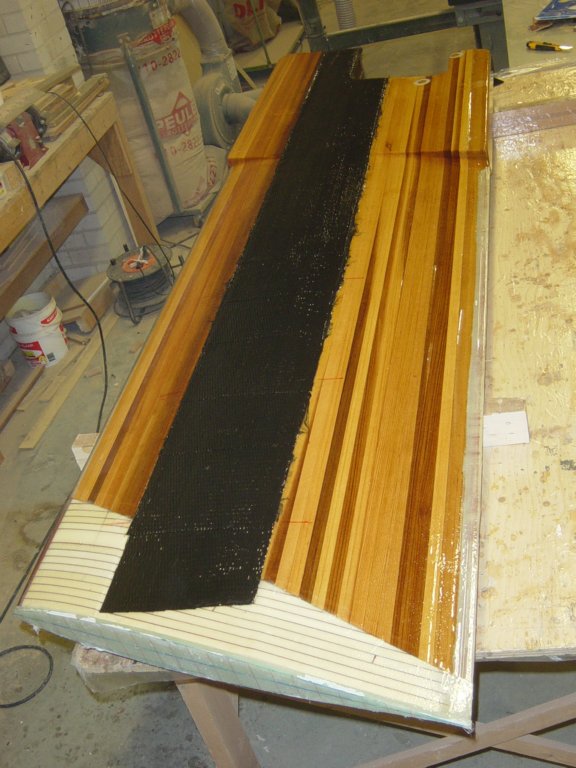
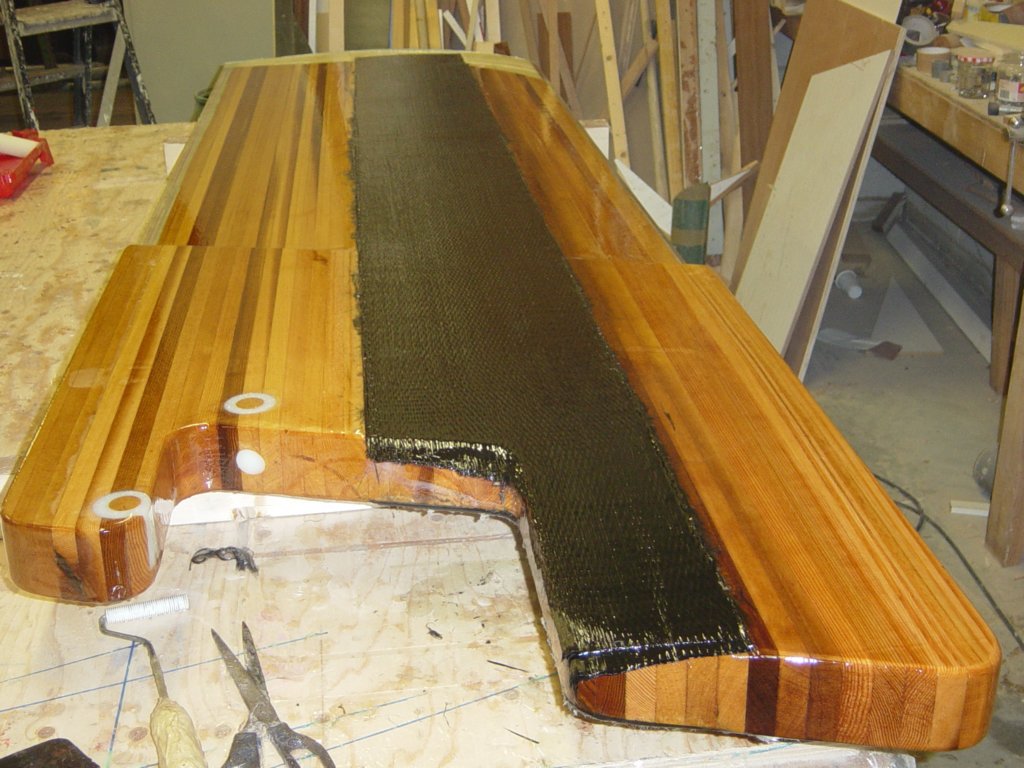
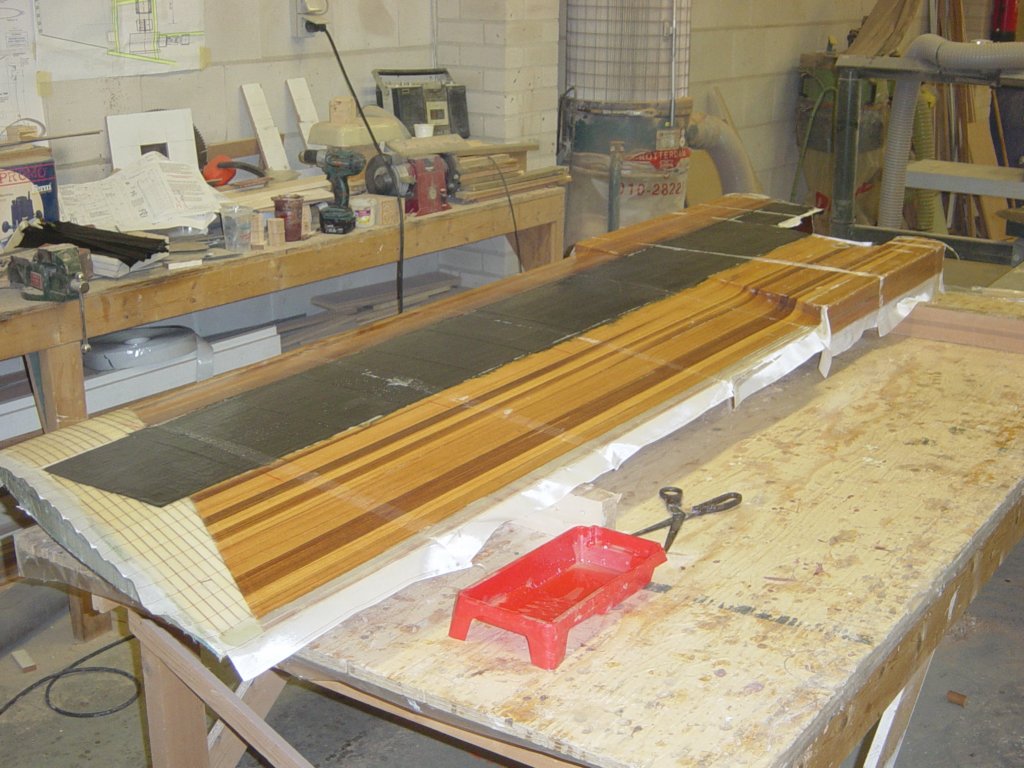
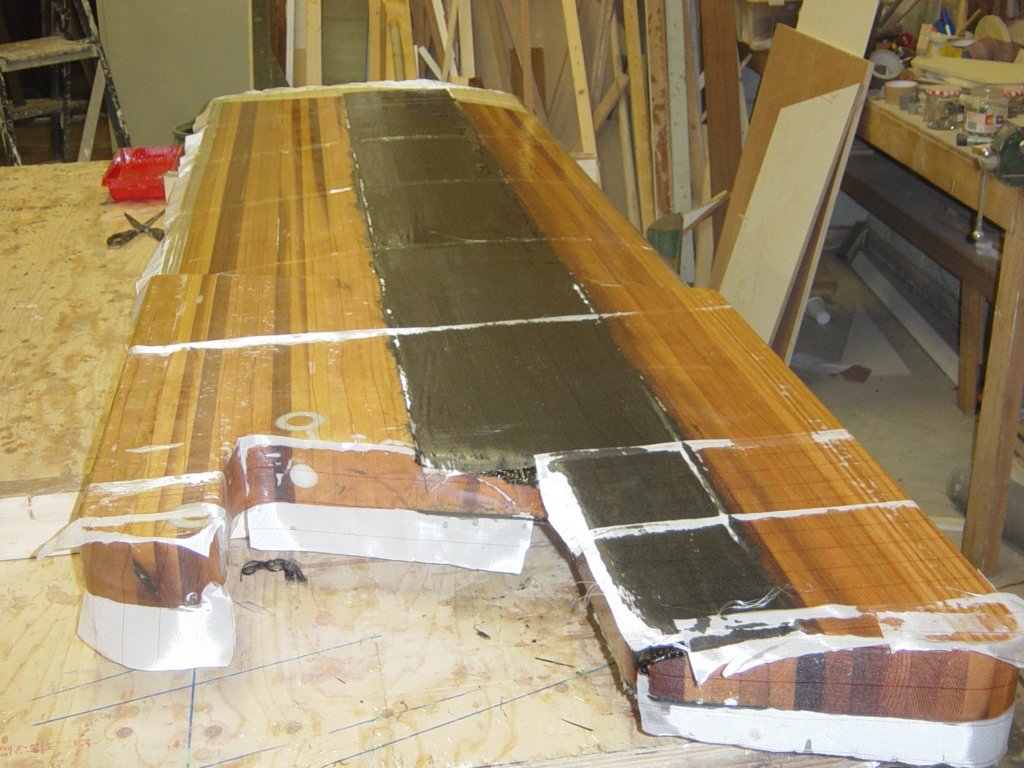
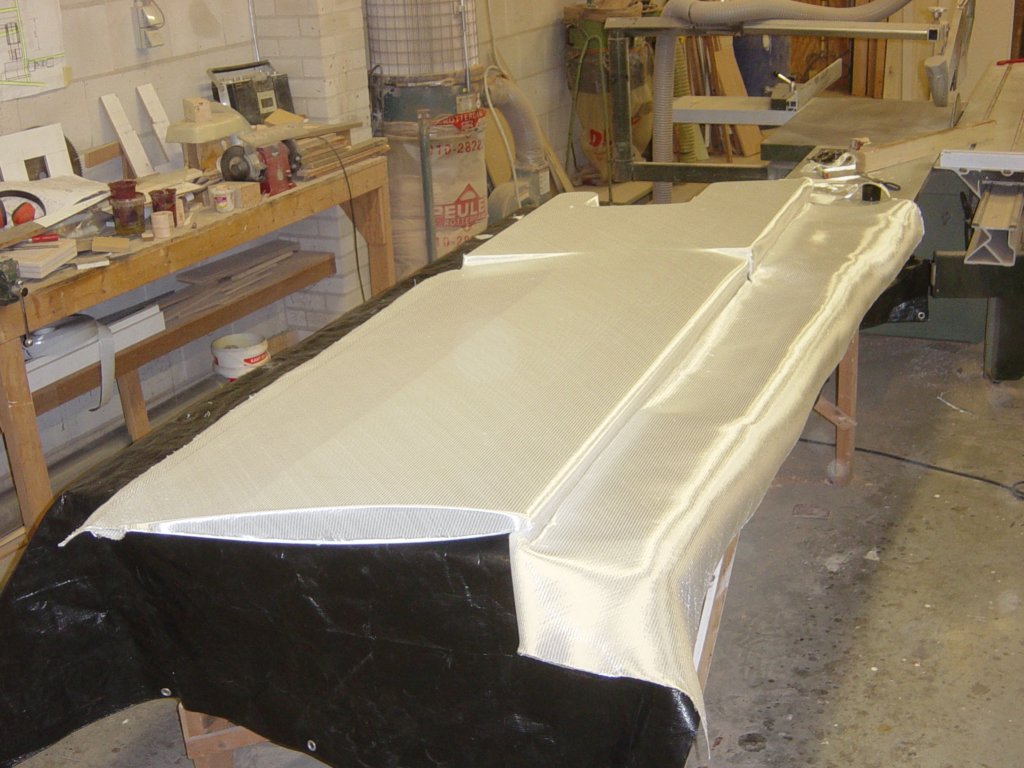
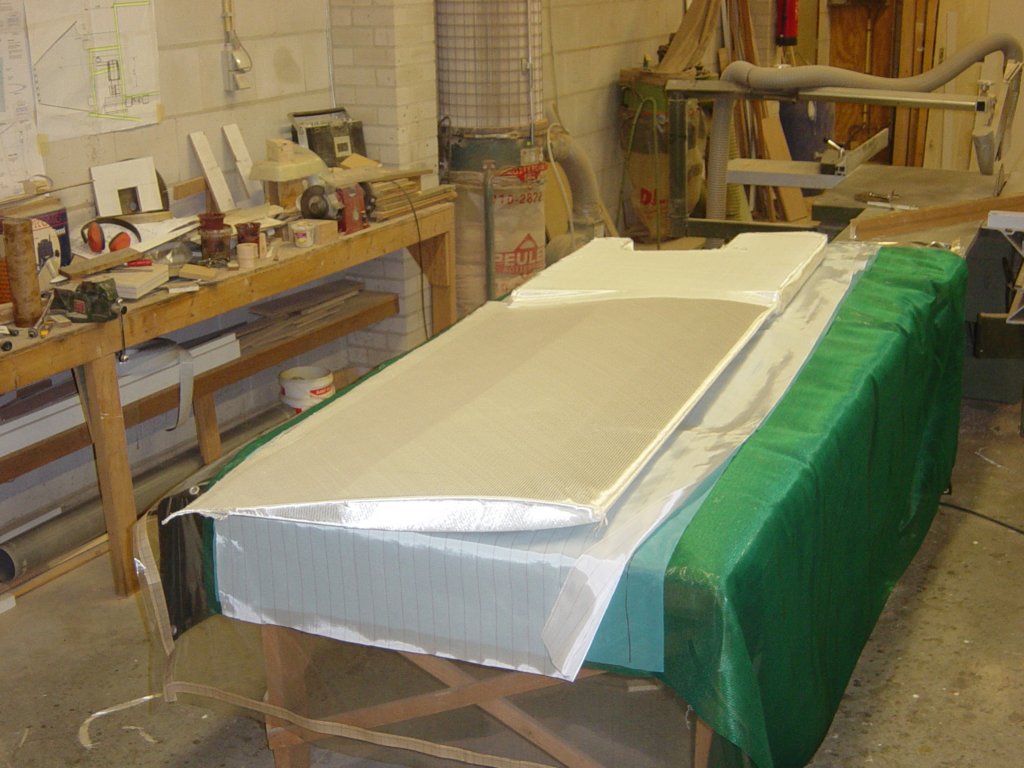
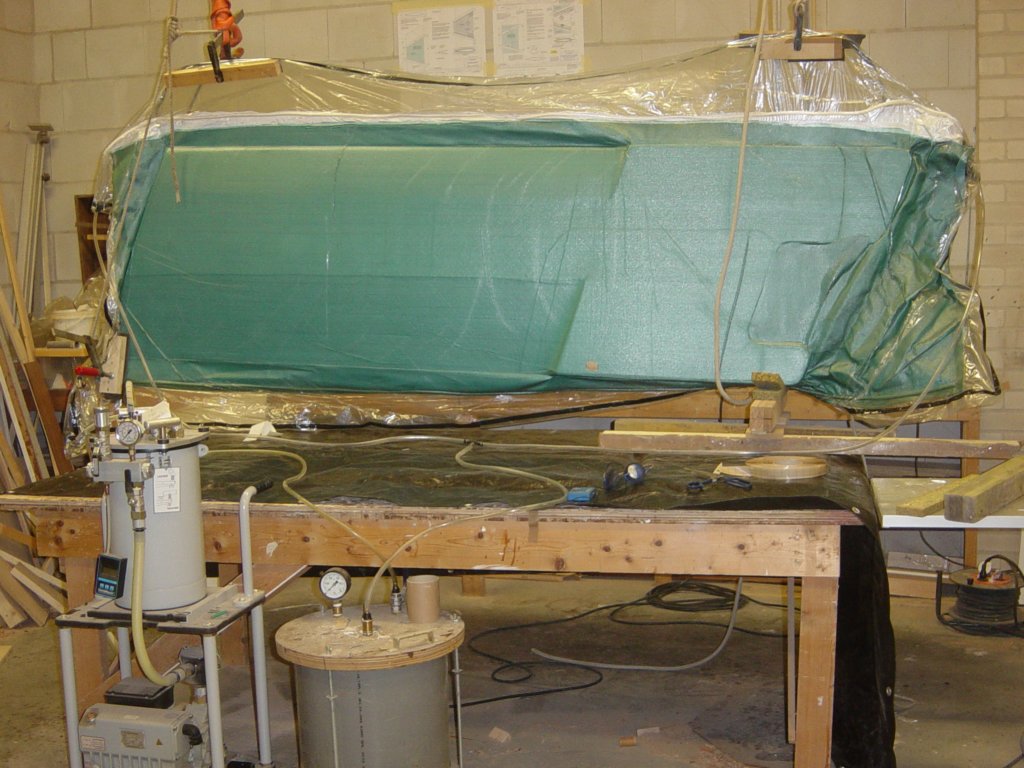
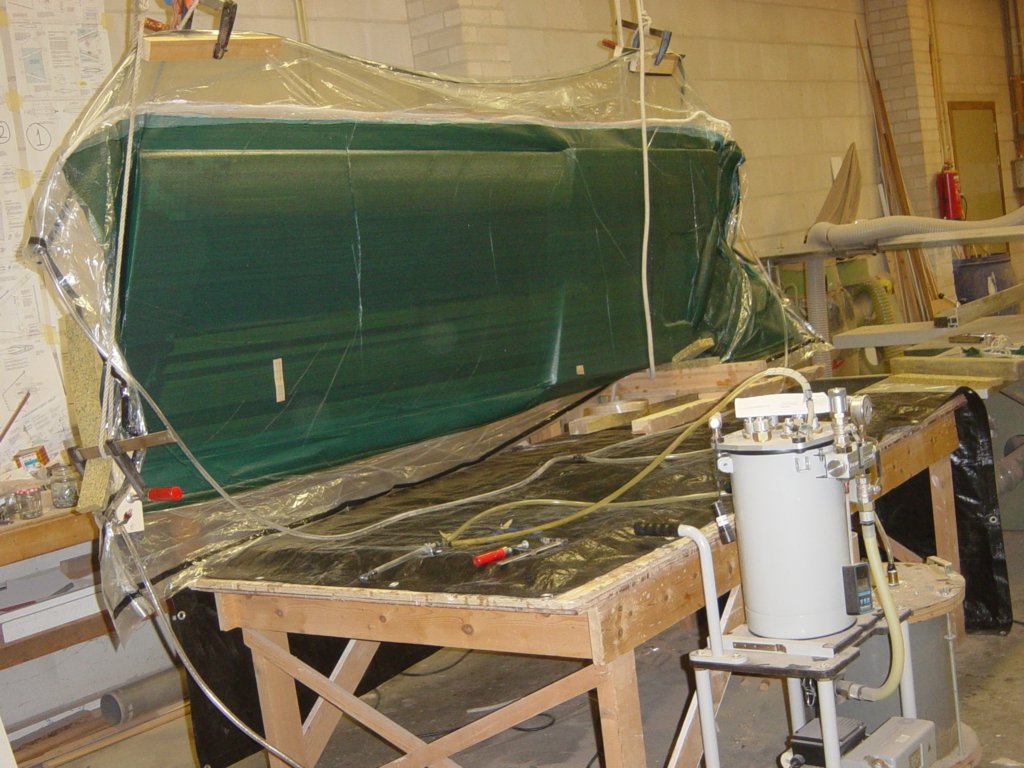
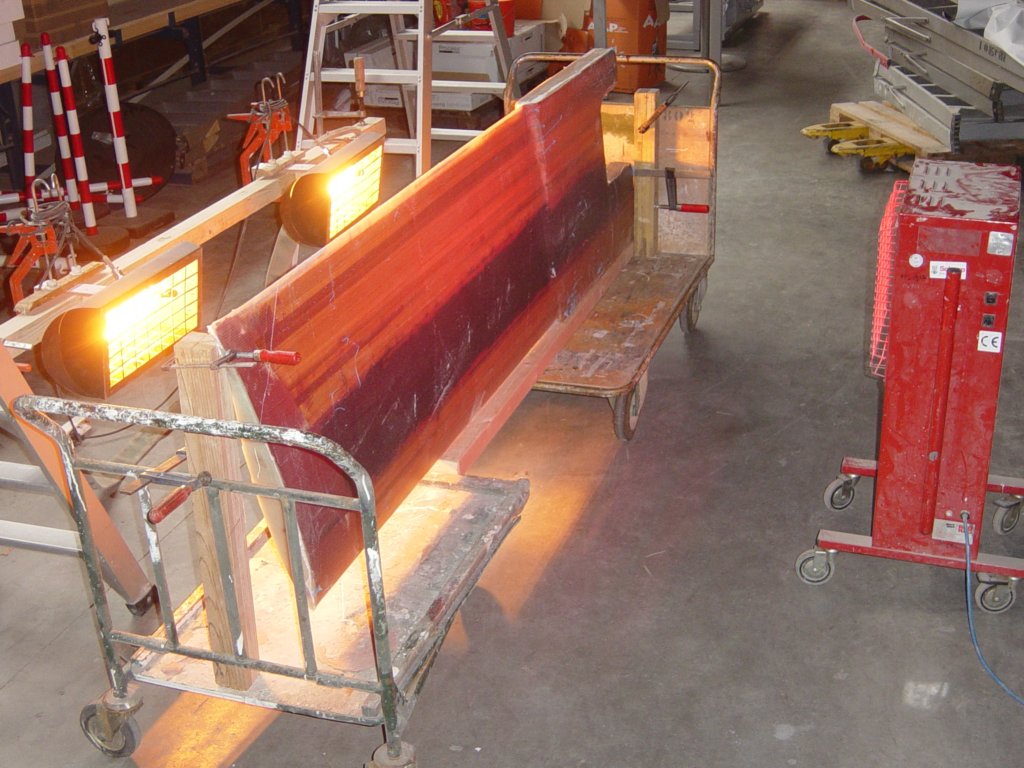
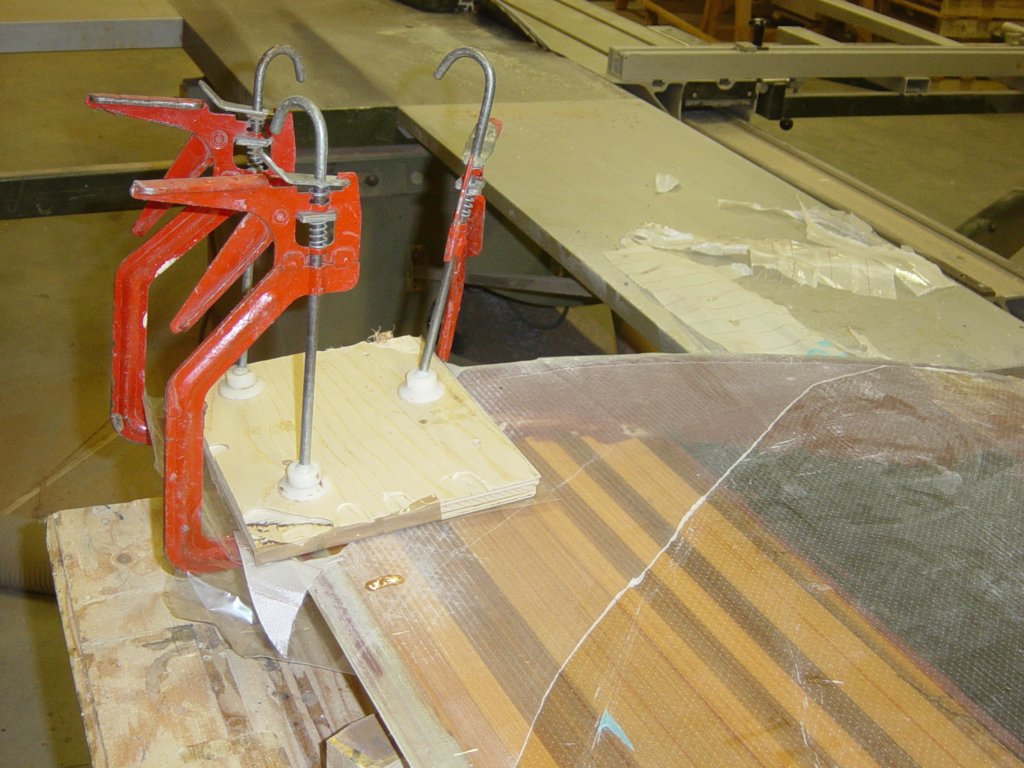
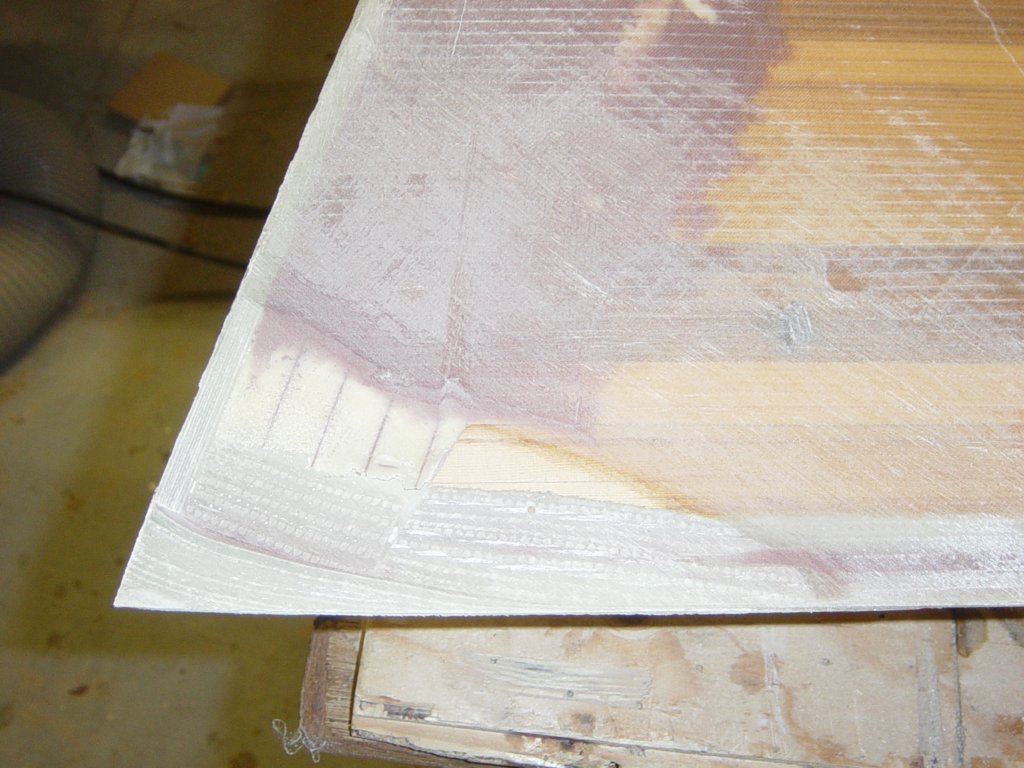
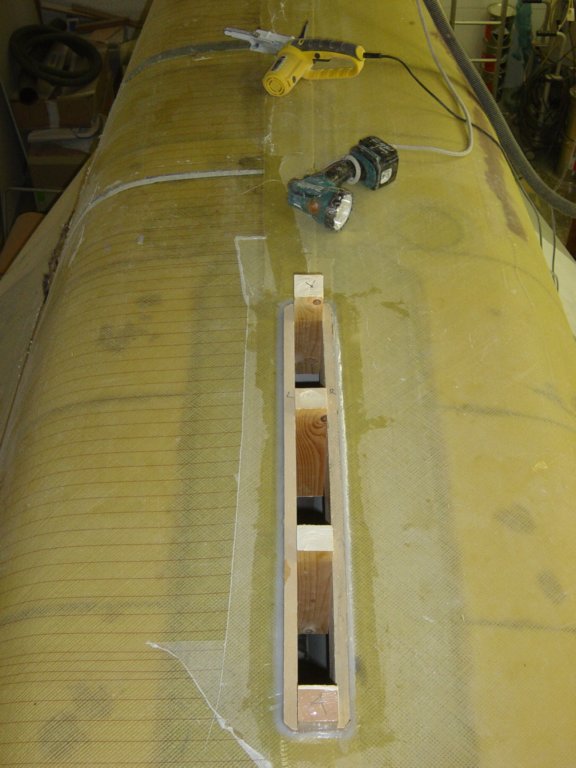
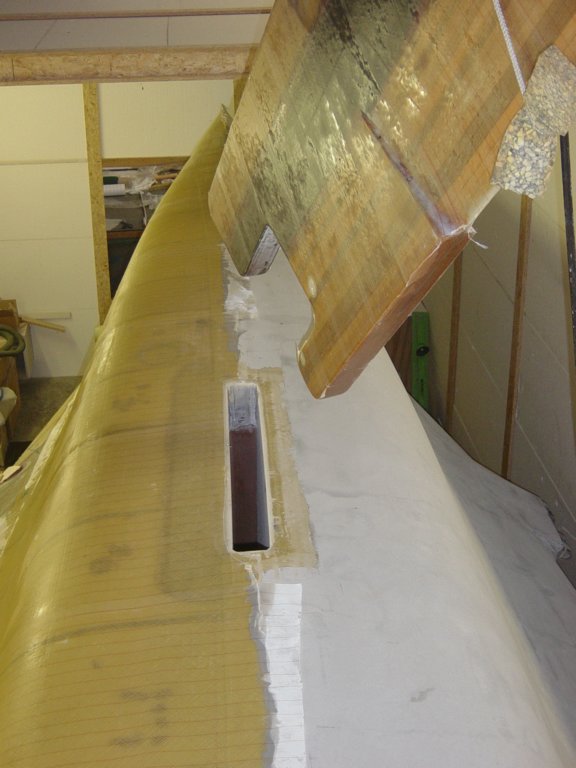
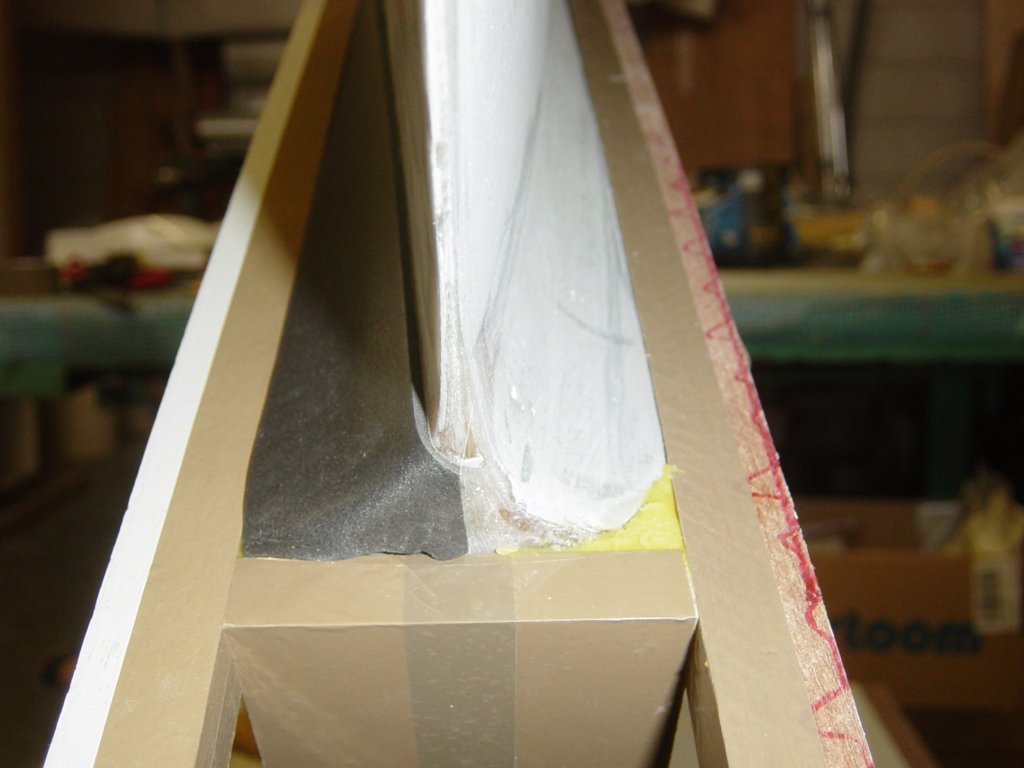
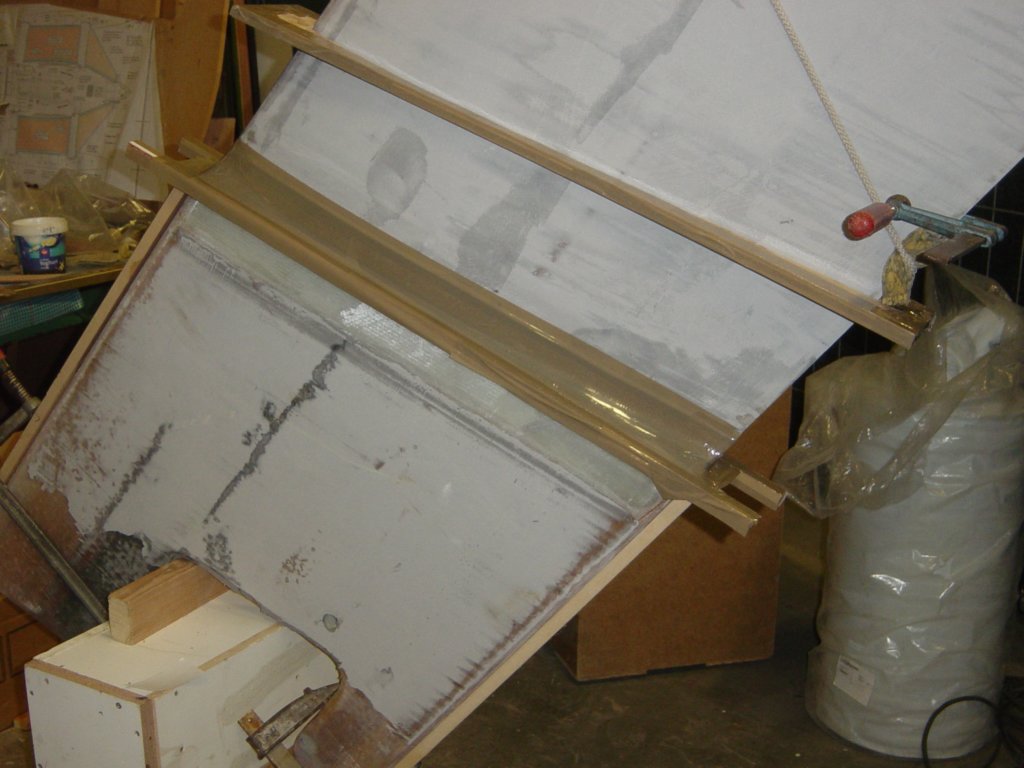
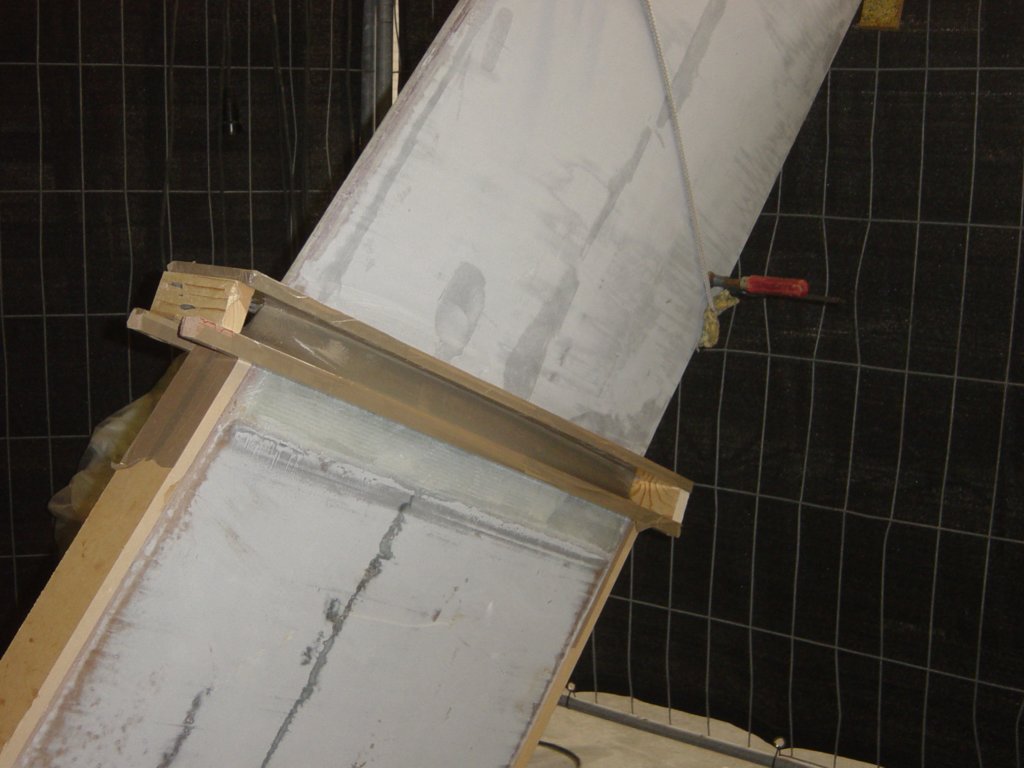
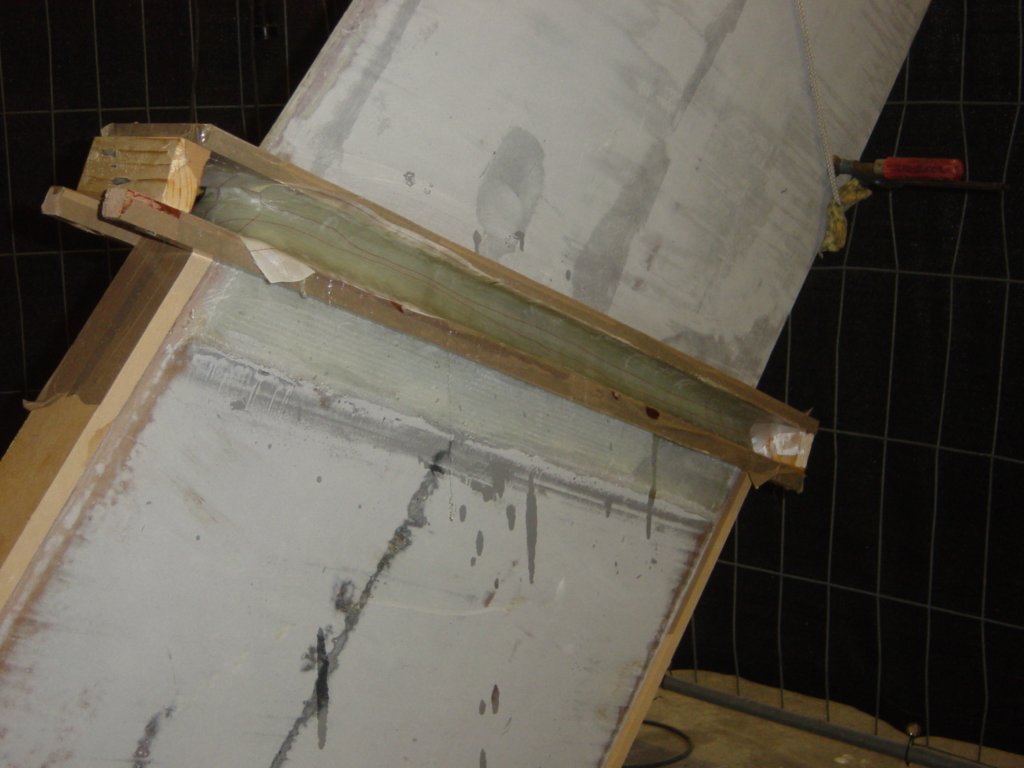
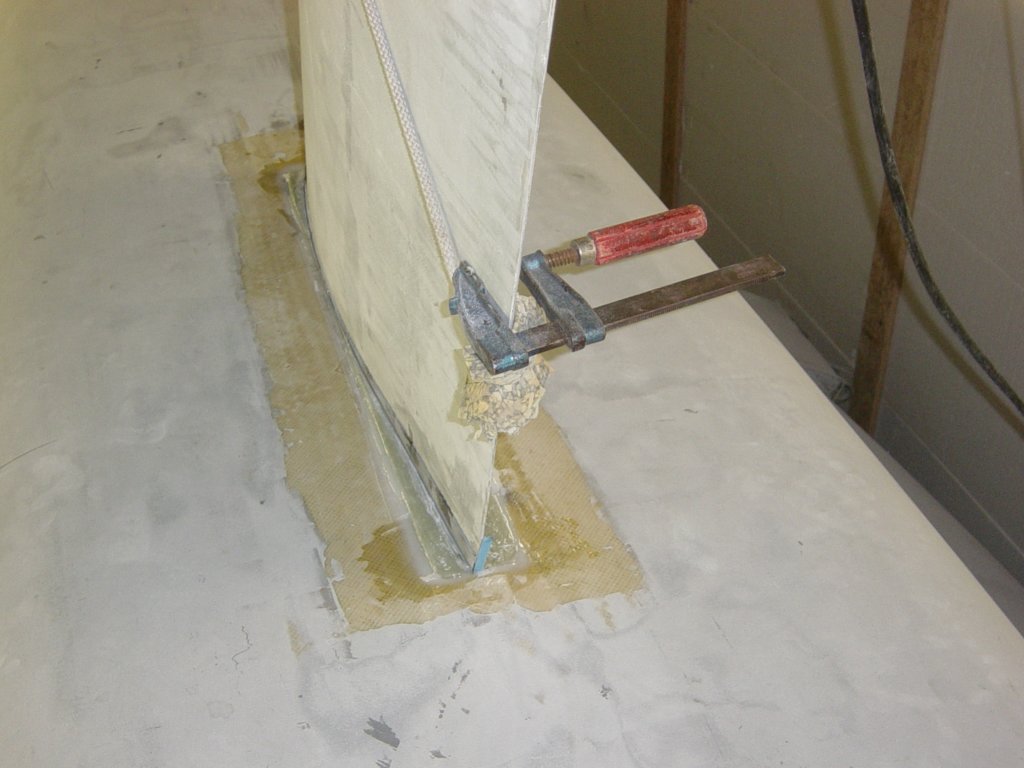
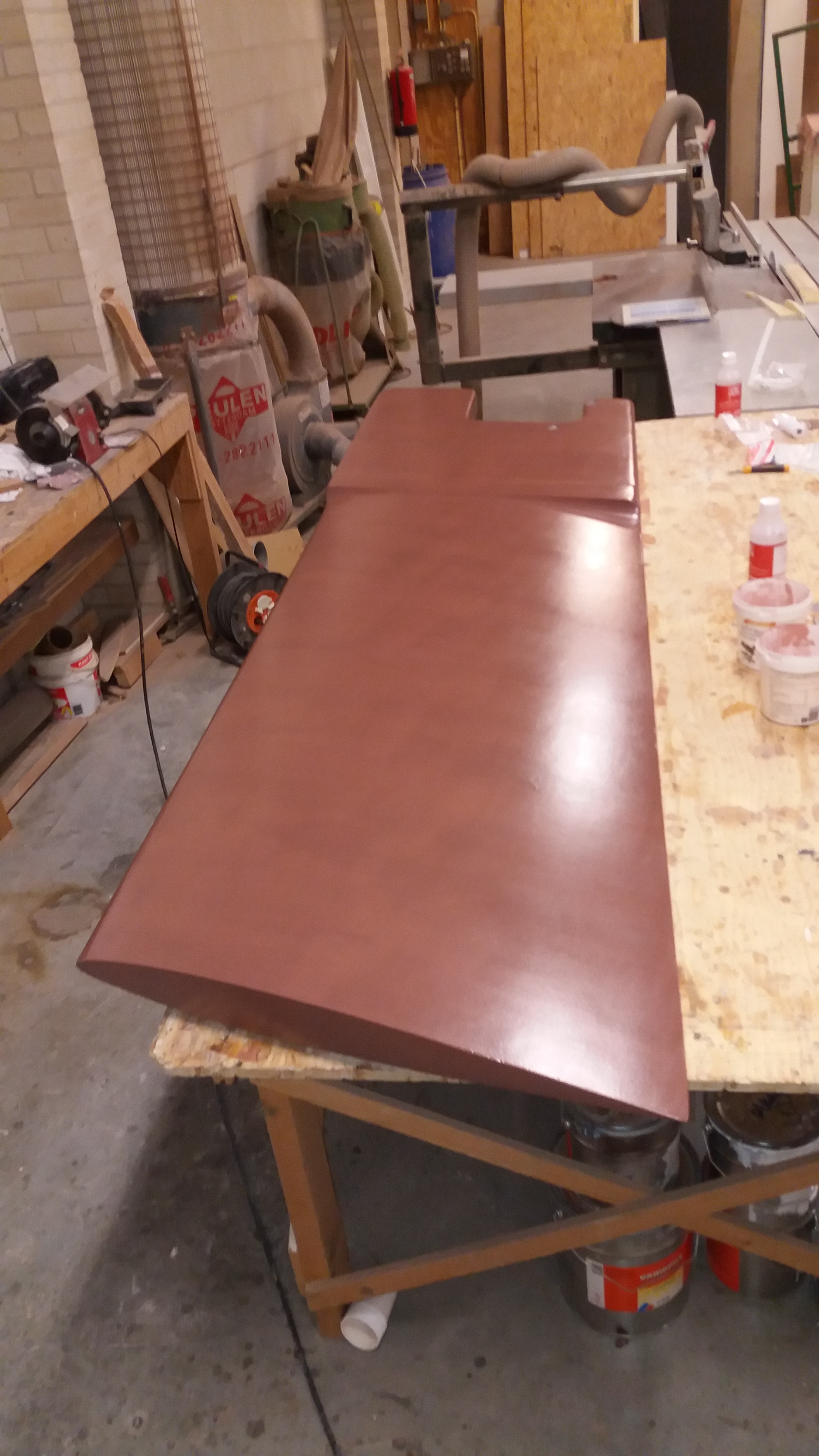
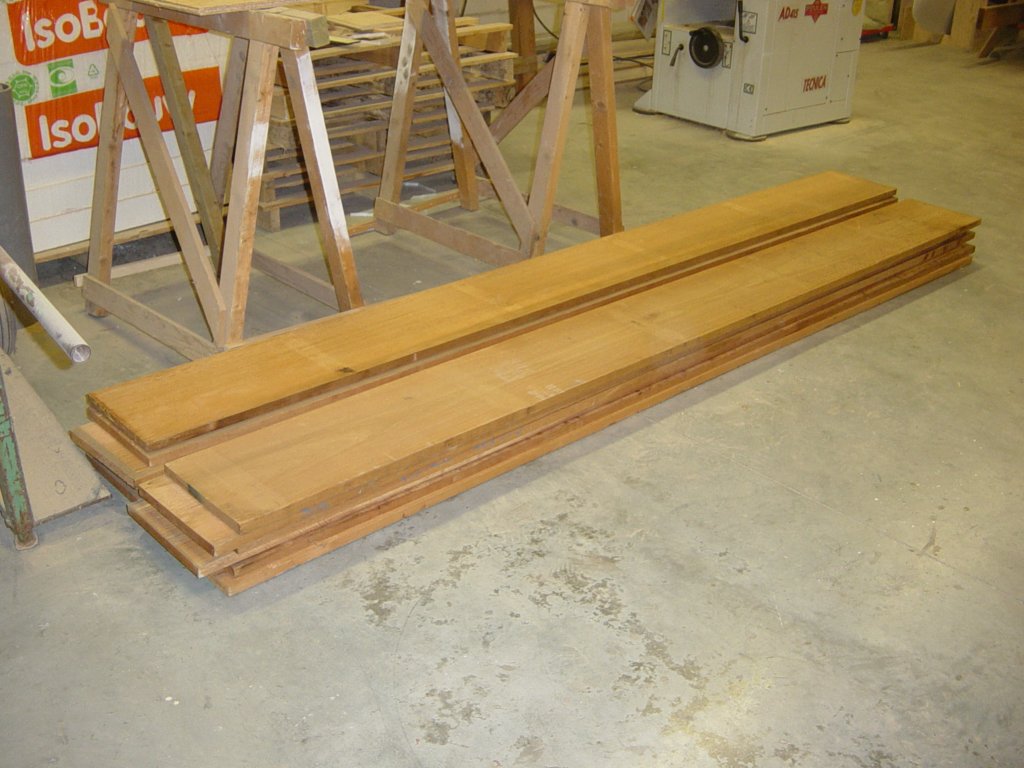
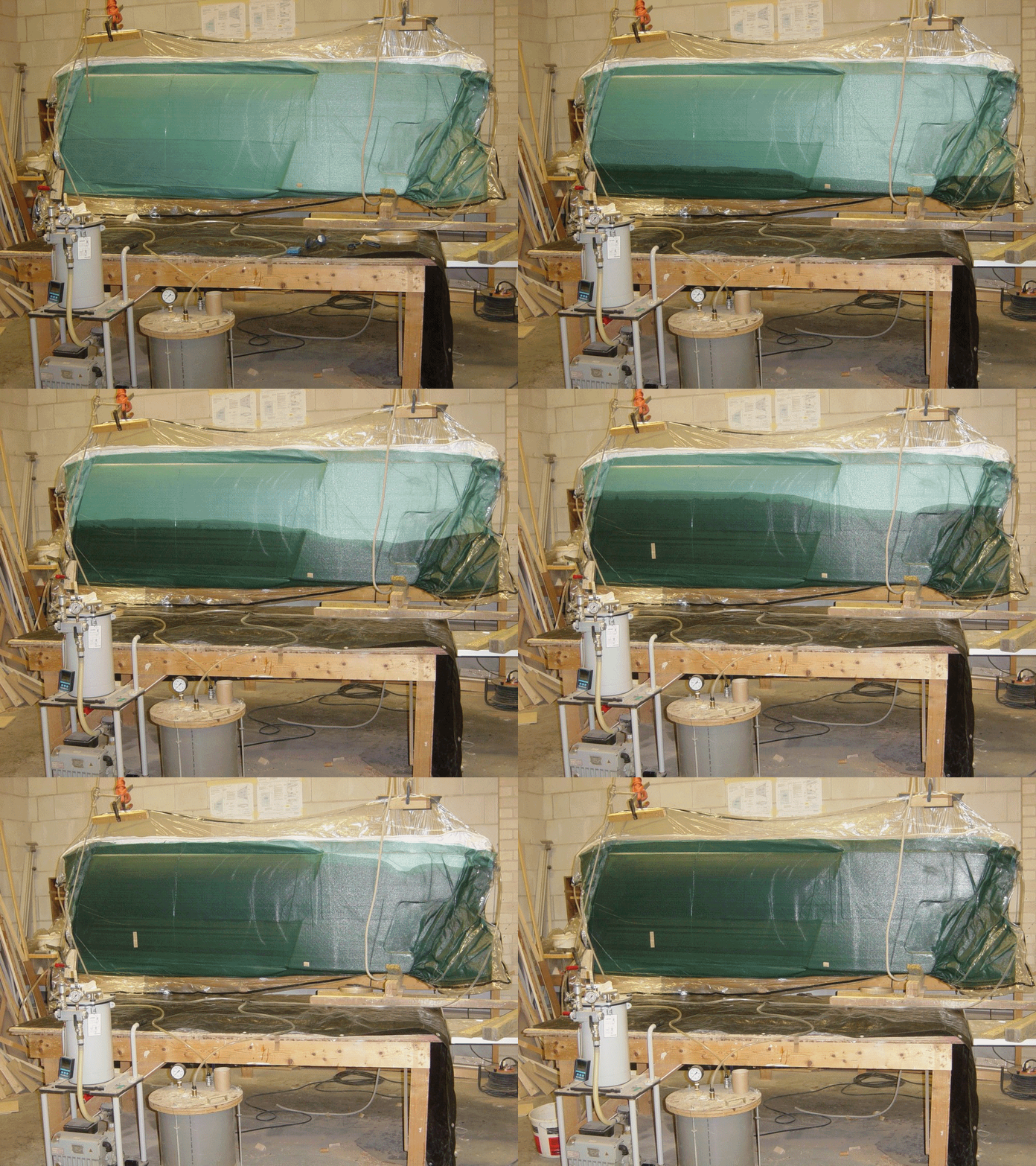
Instead of building a mold like I did for the rudder, I built the daggerboard directly from a Western Red Cedar core—modified with glass and sacrificial foam for impact resistance—then vacuum-infused the laminate and used the finished board as a mold to create the daggerboard case slot.
Daggerboard construction
For a long time I thought I would build the daggerboard the same way as the rudder, using a mold. For some reason I kept postponing it. But by the time the main hull neared completion, the daggerboard case slot had to be defined—so it was finally time to build the daggerboard.
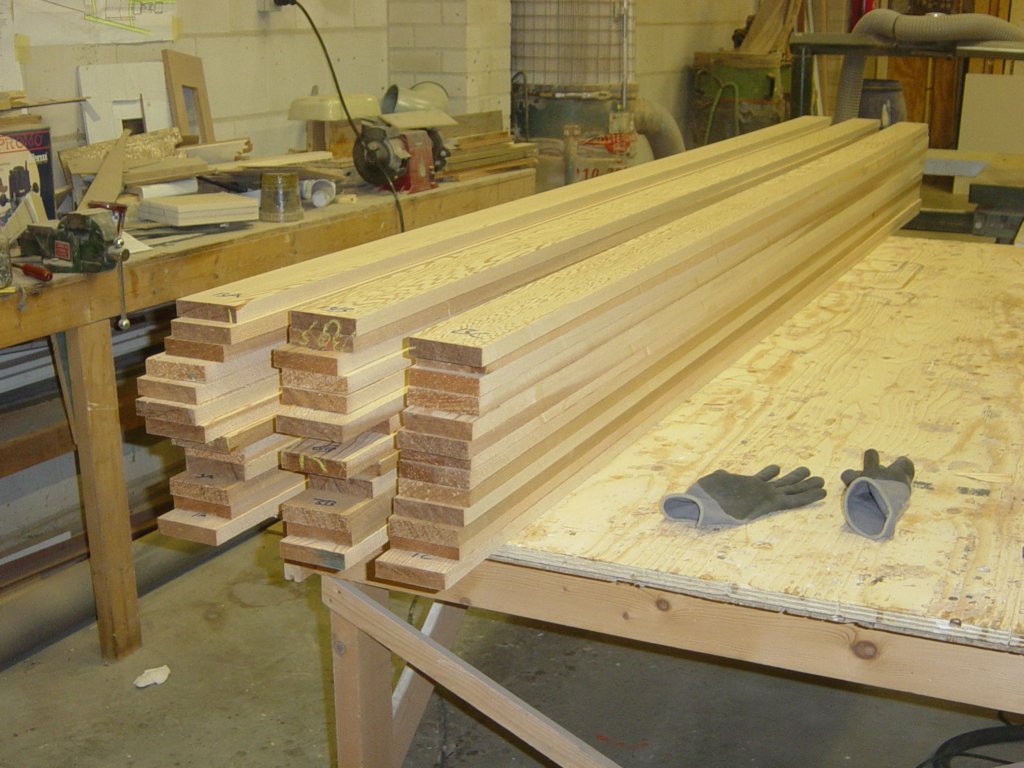
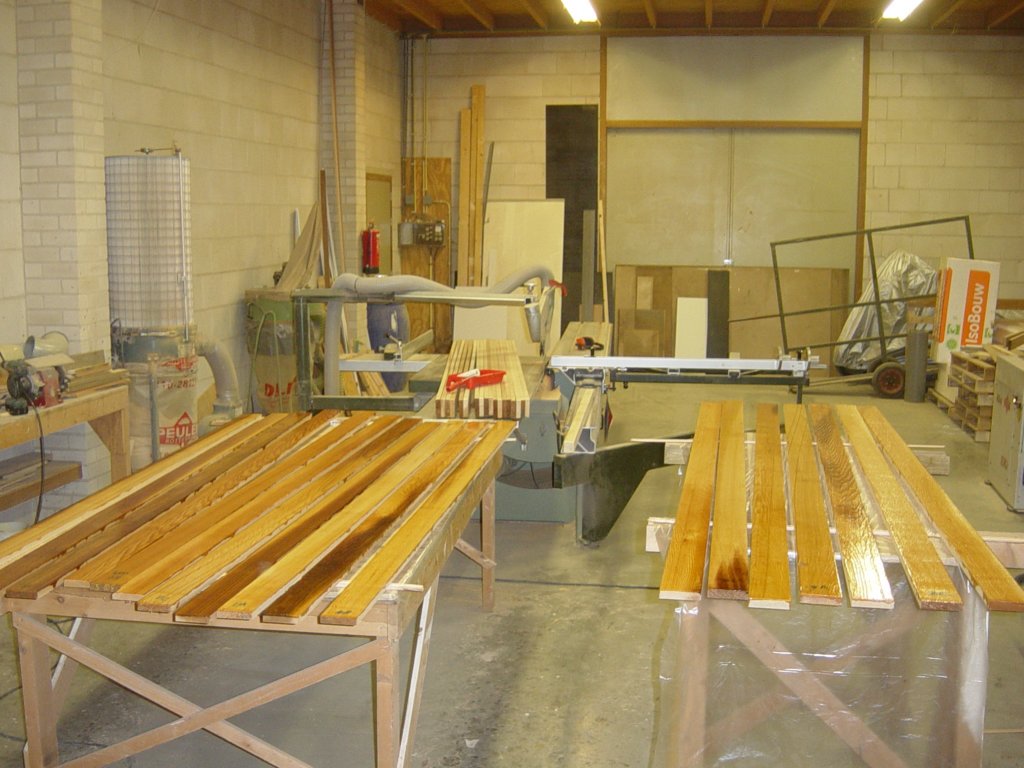
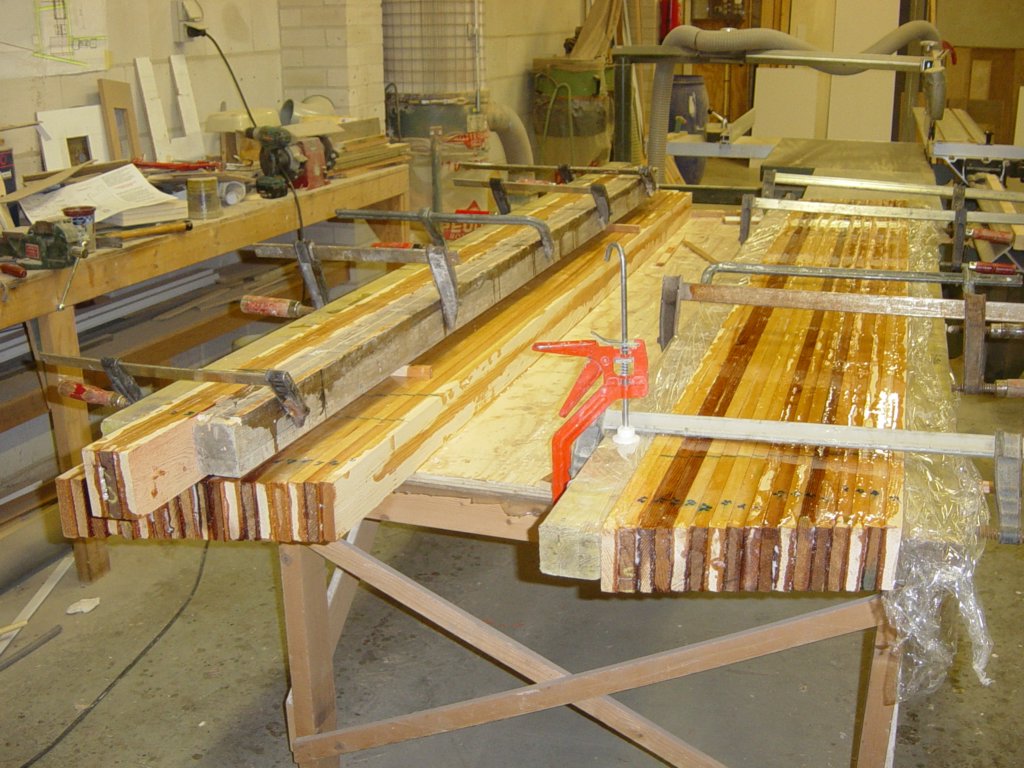
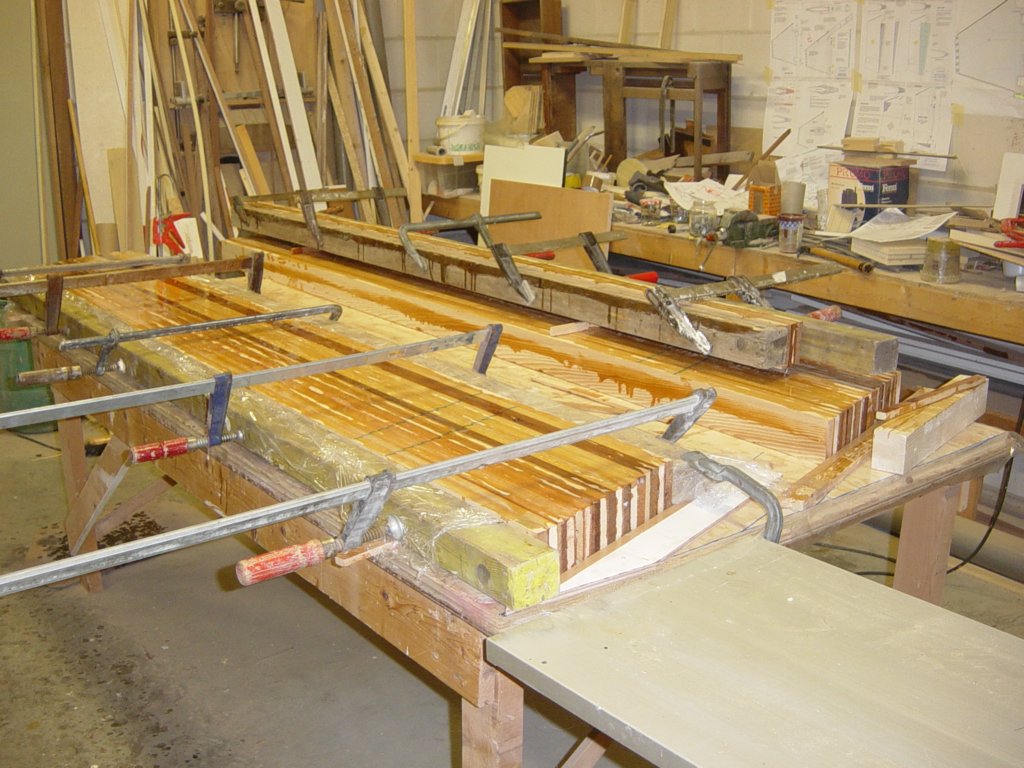
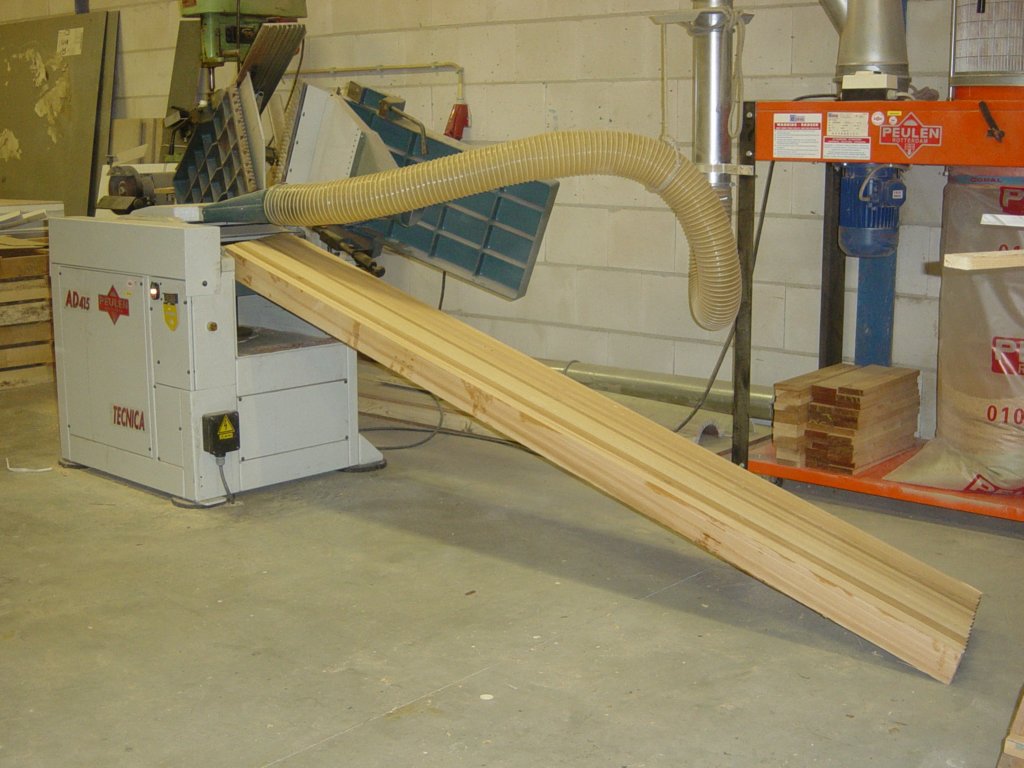
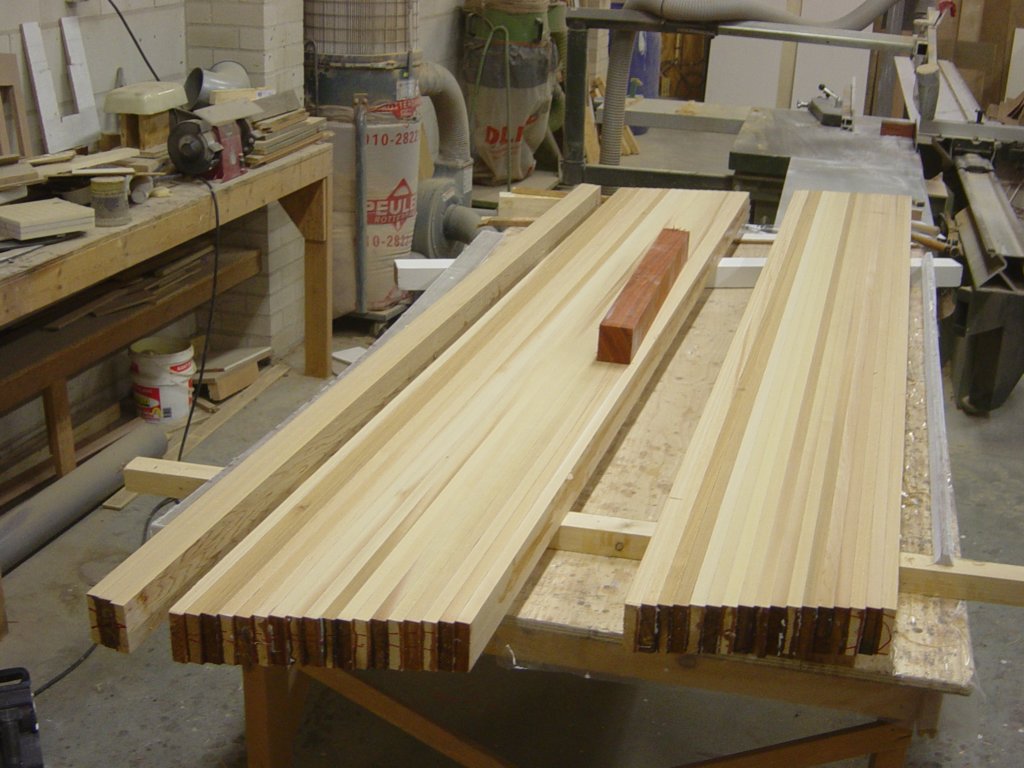
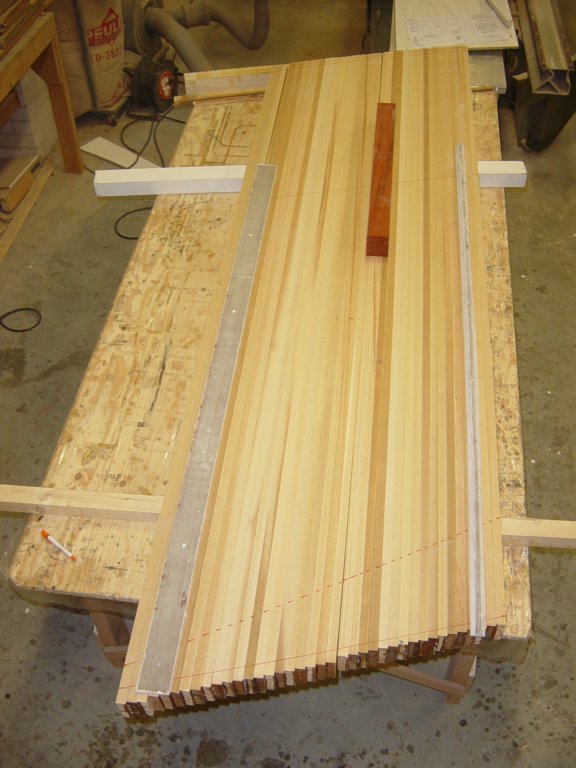
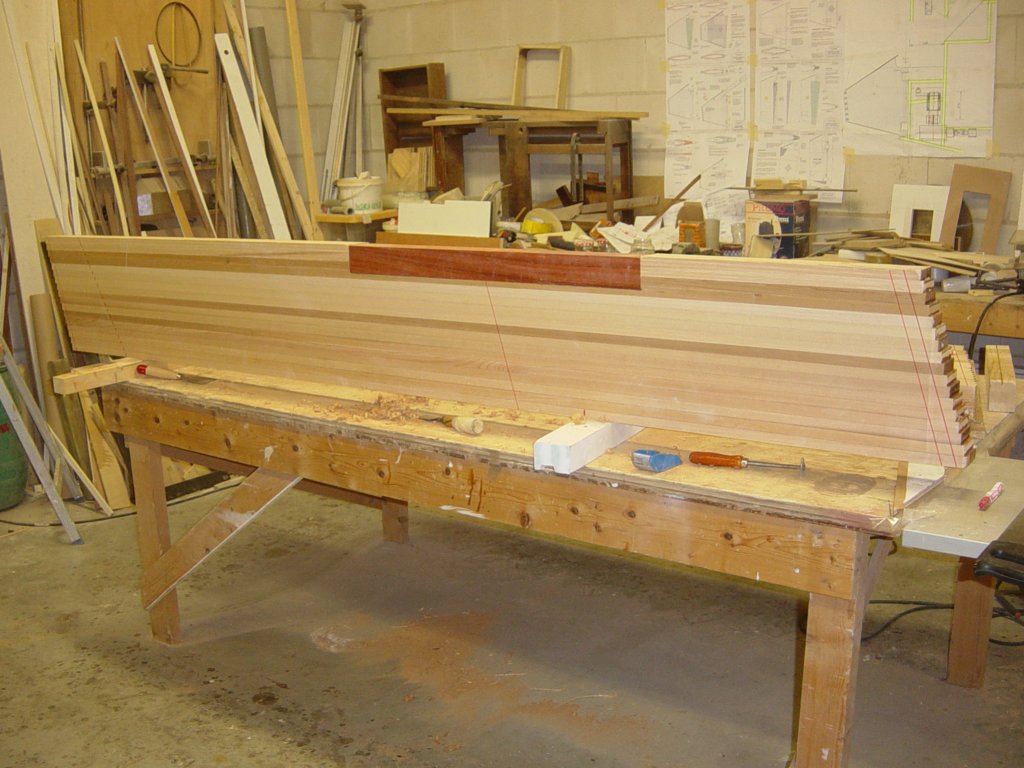
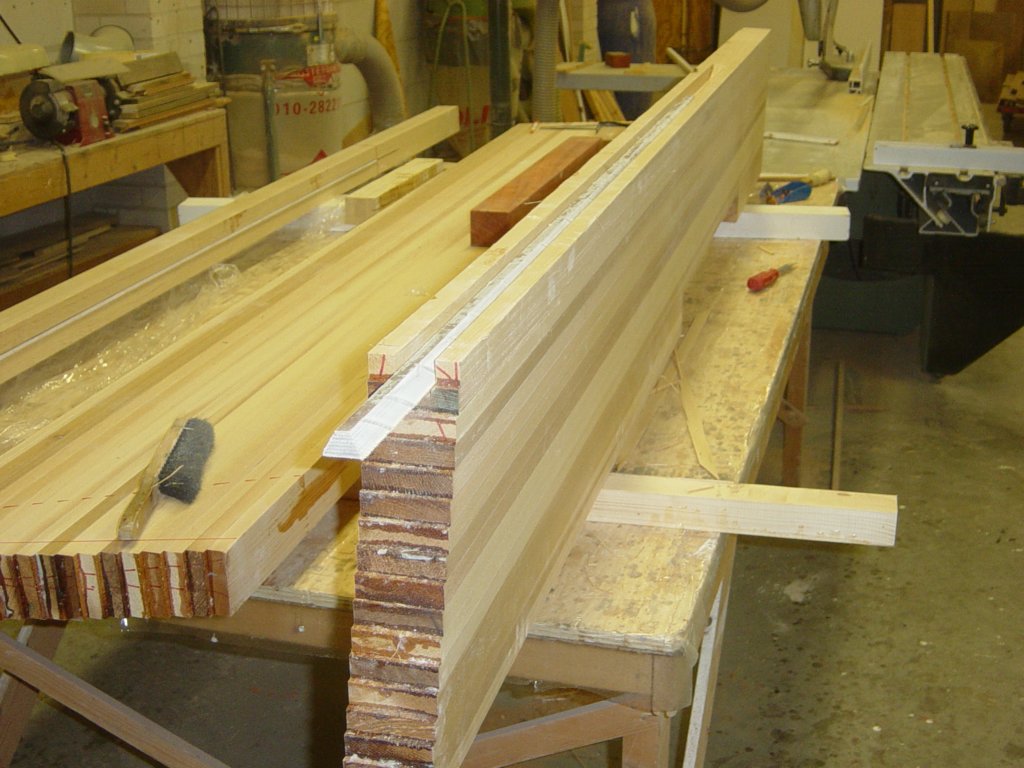
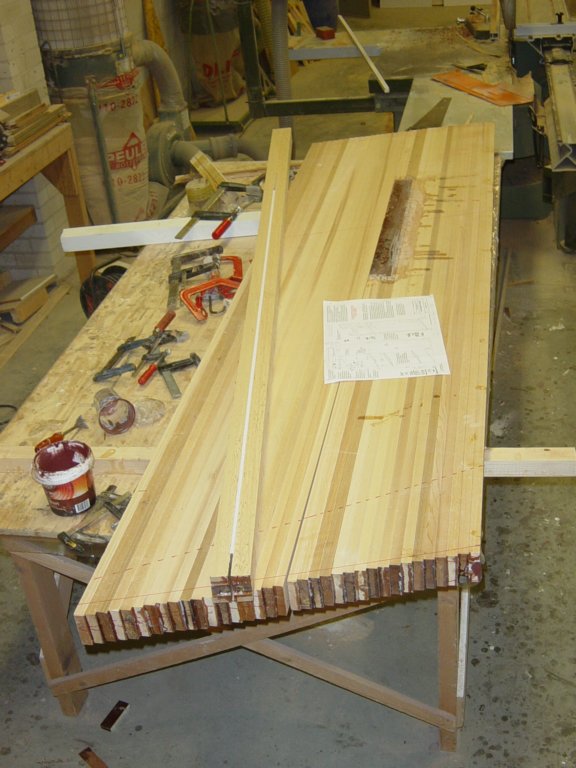
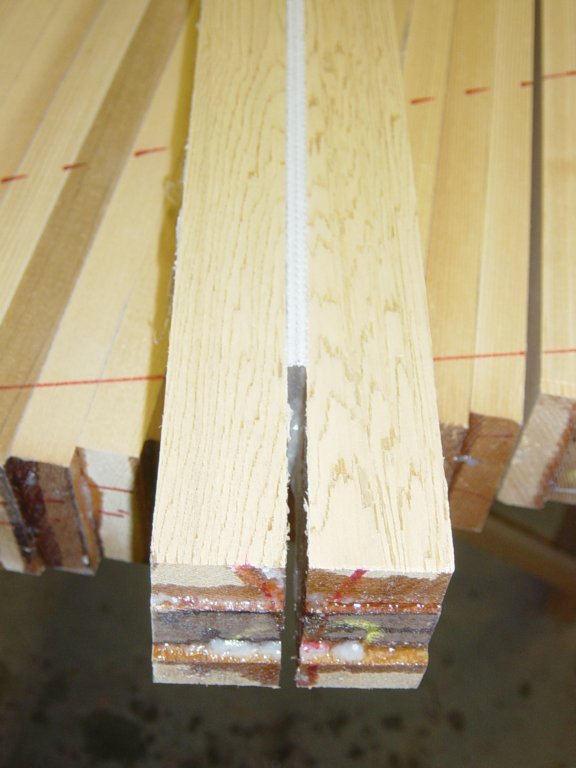
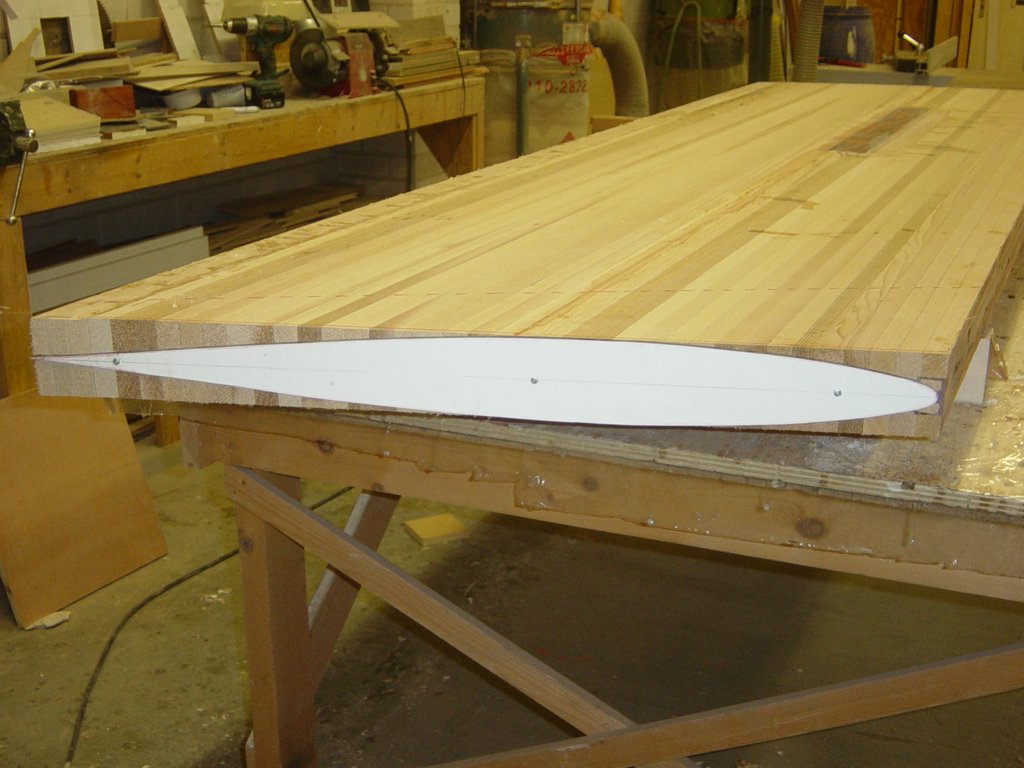
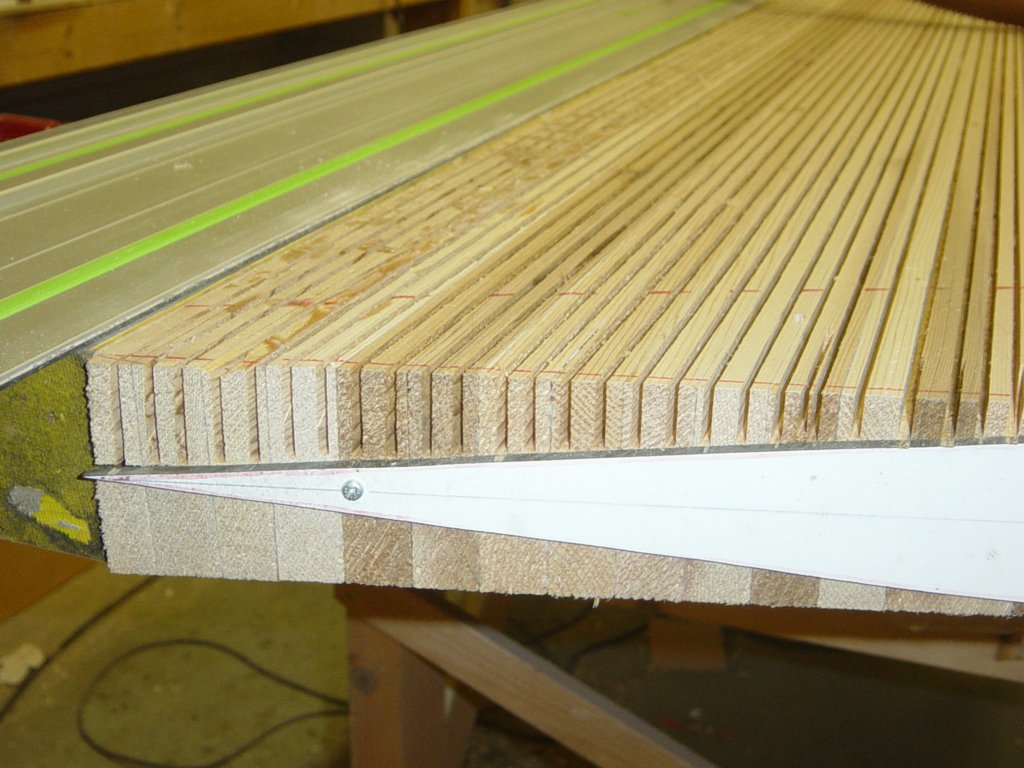
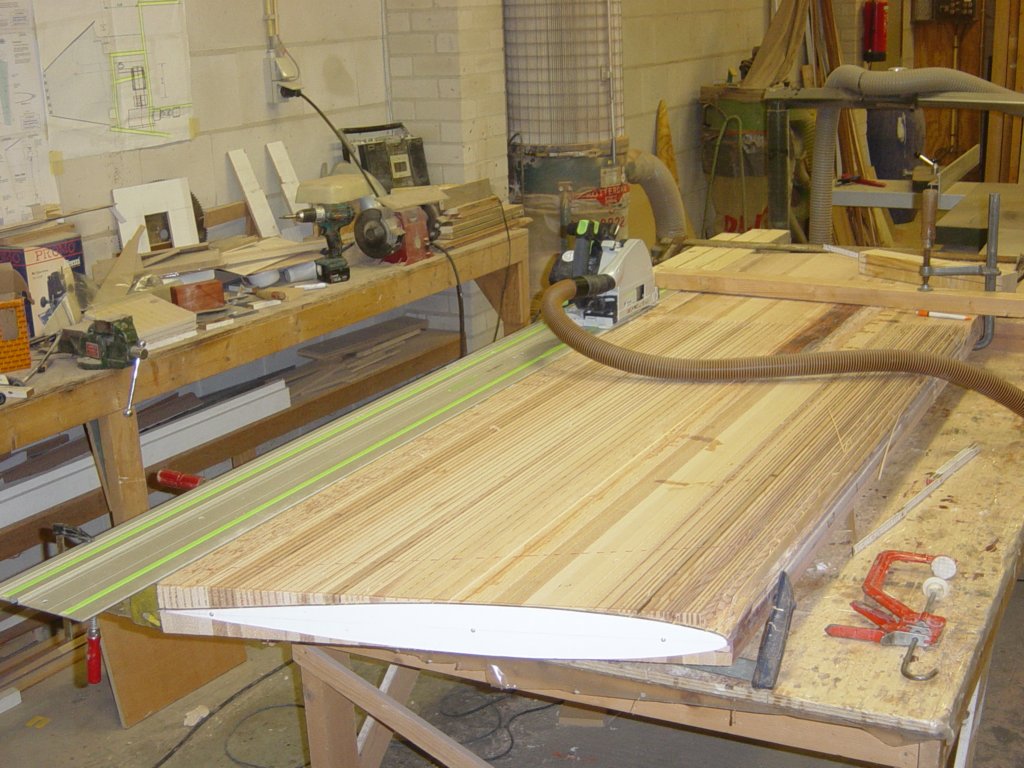
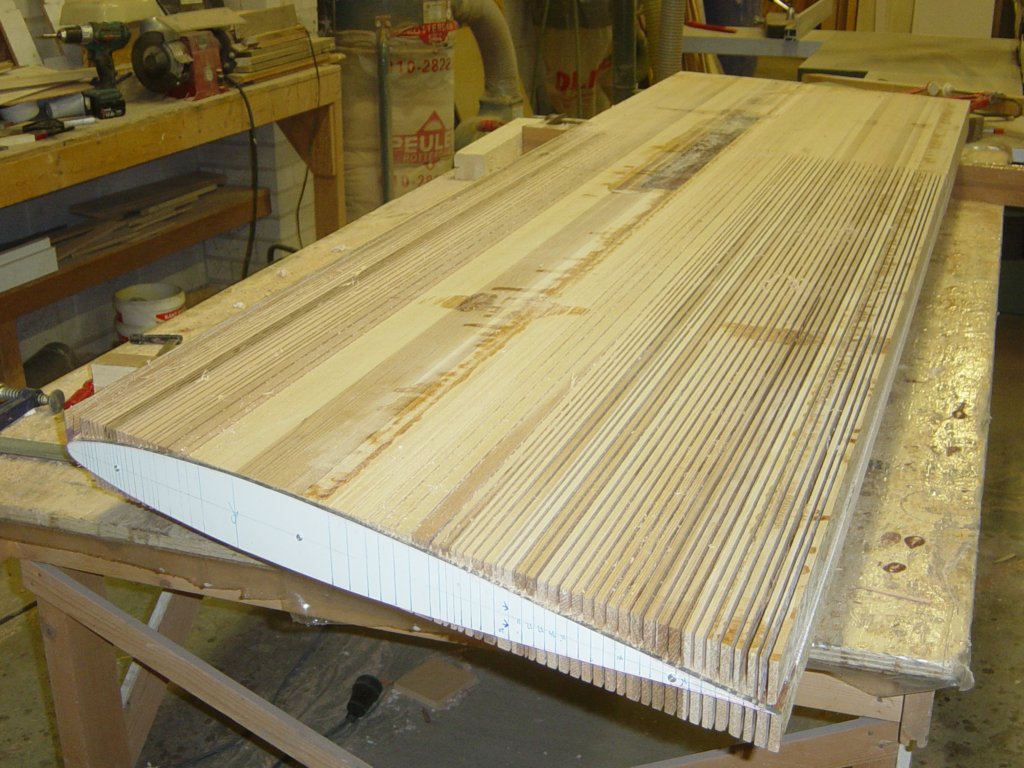
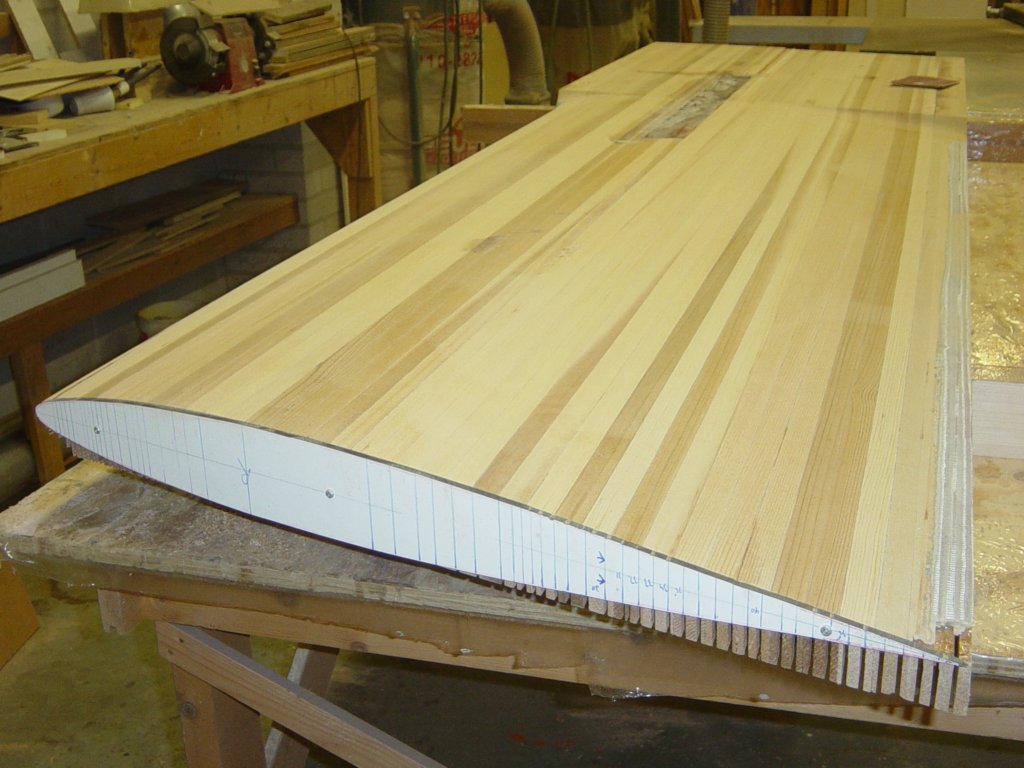
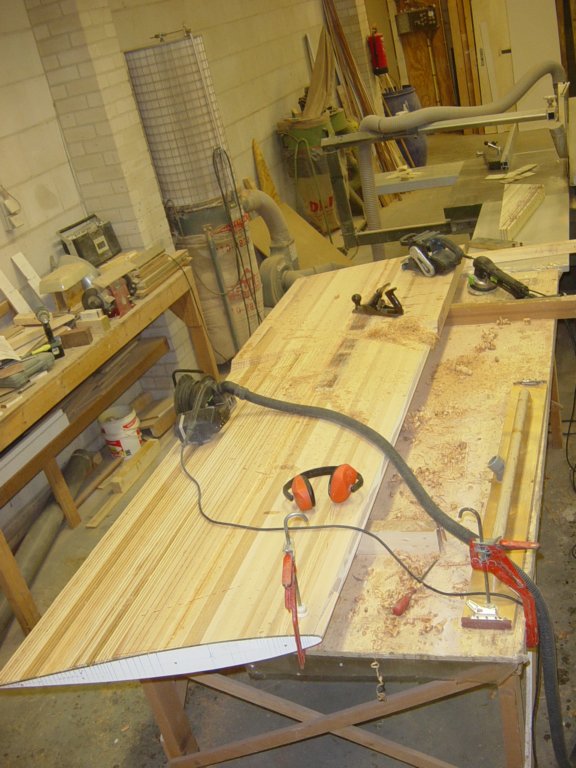
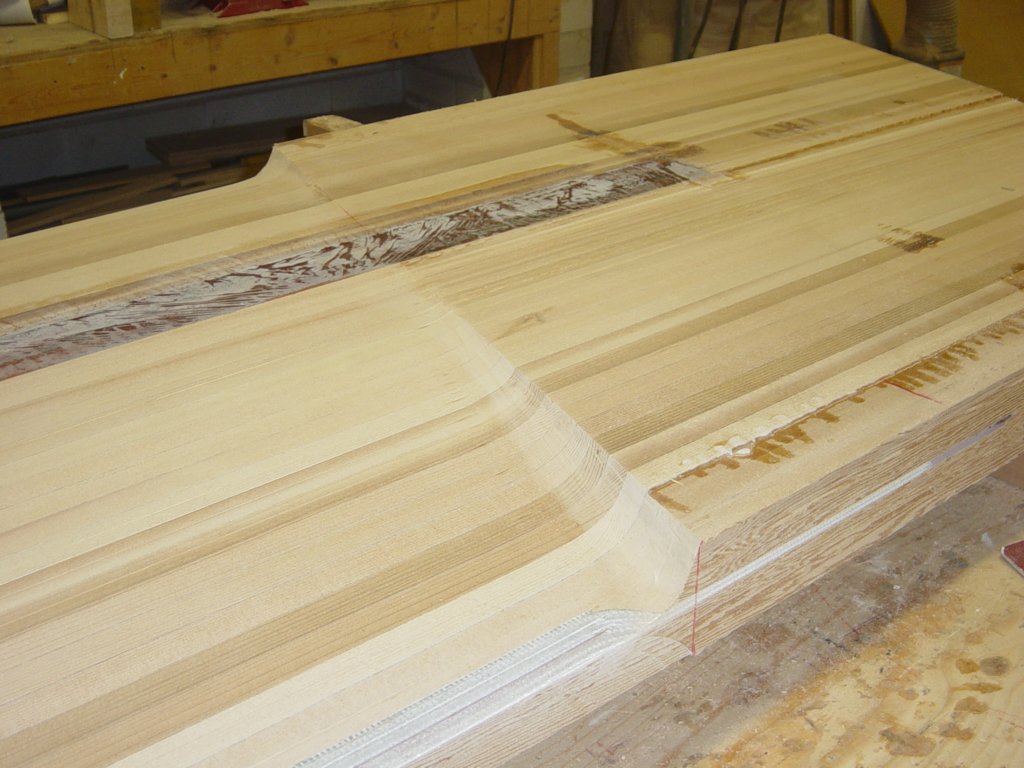
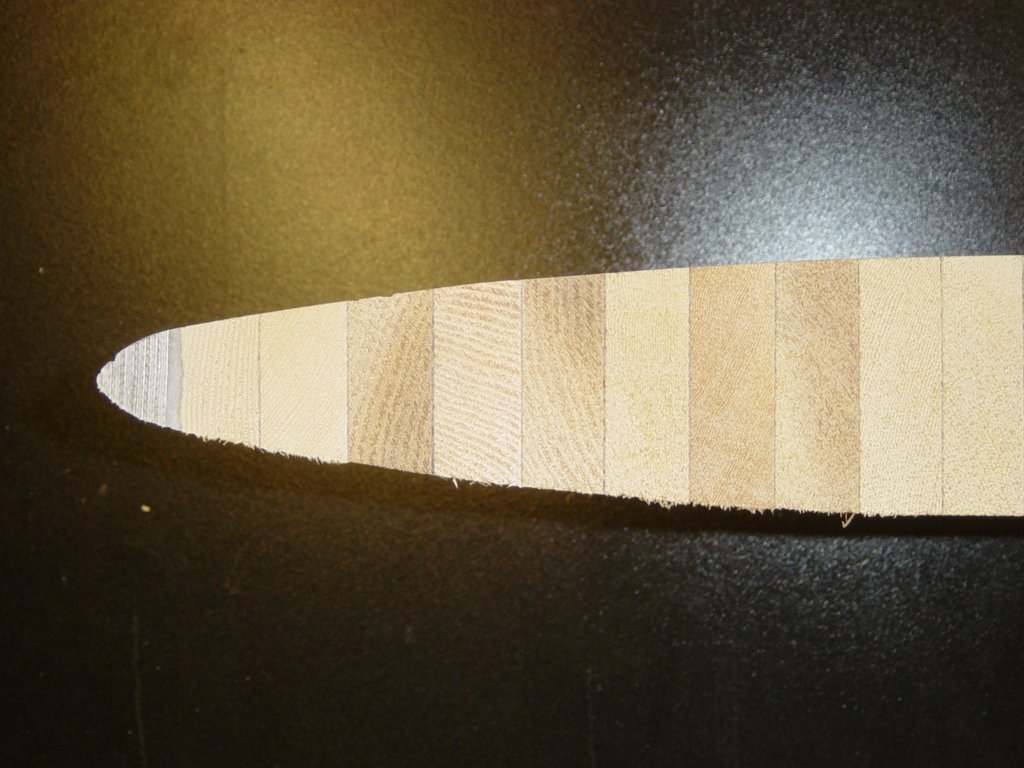
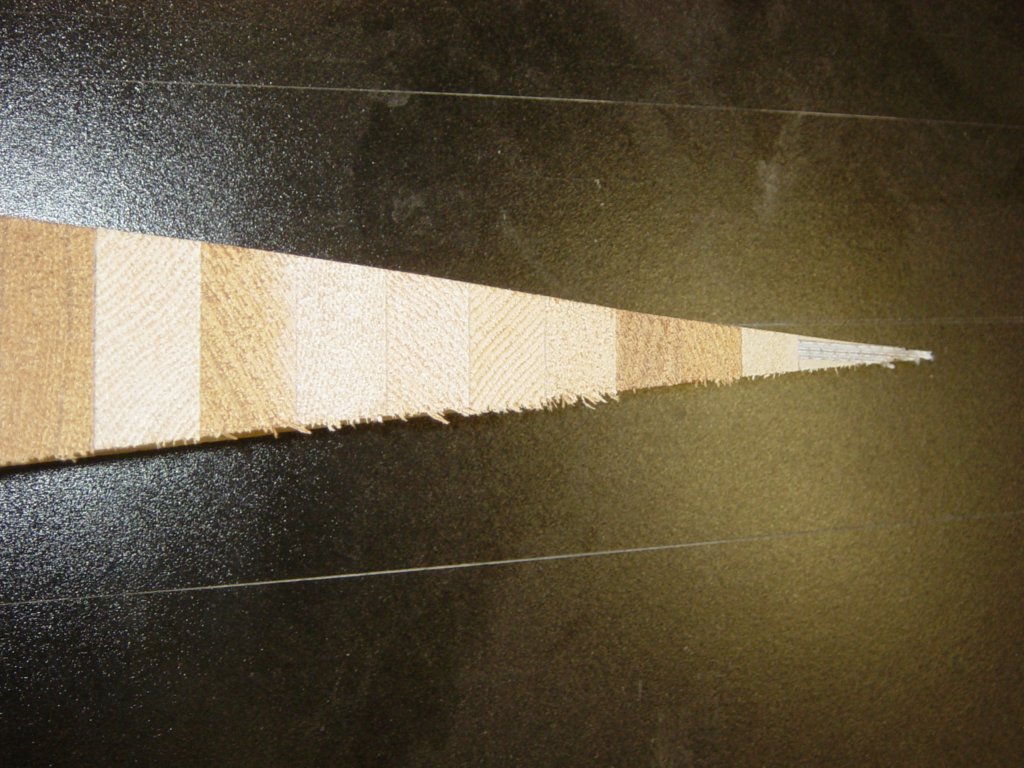
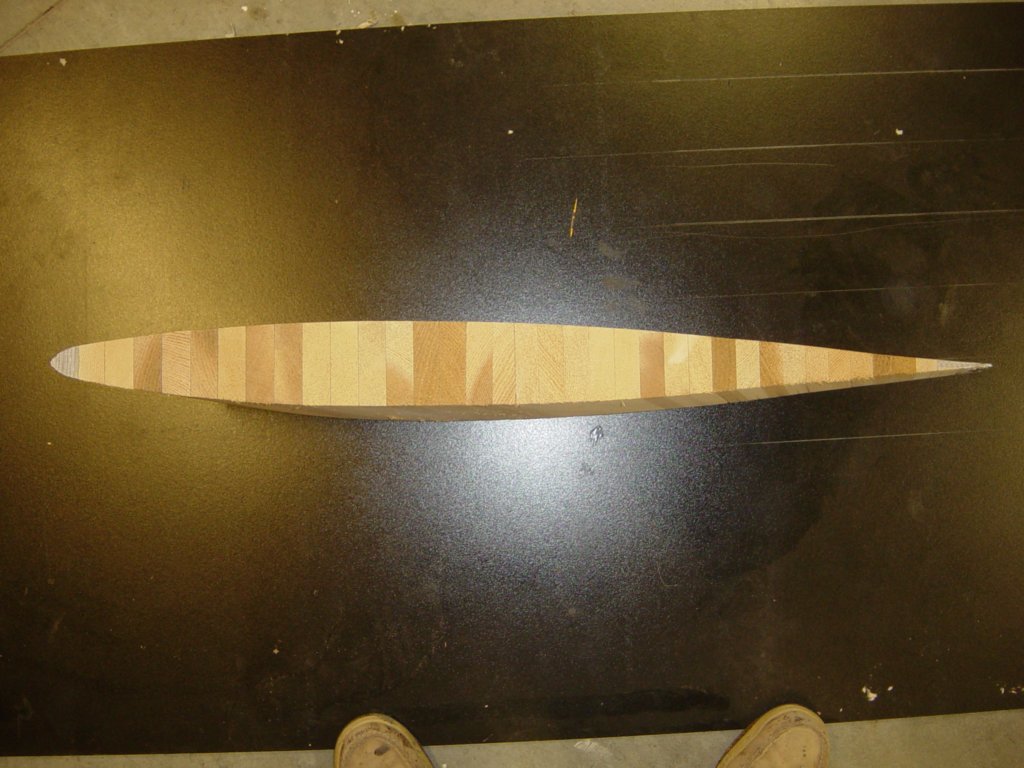
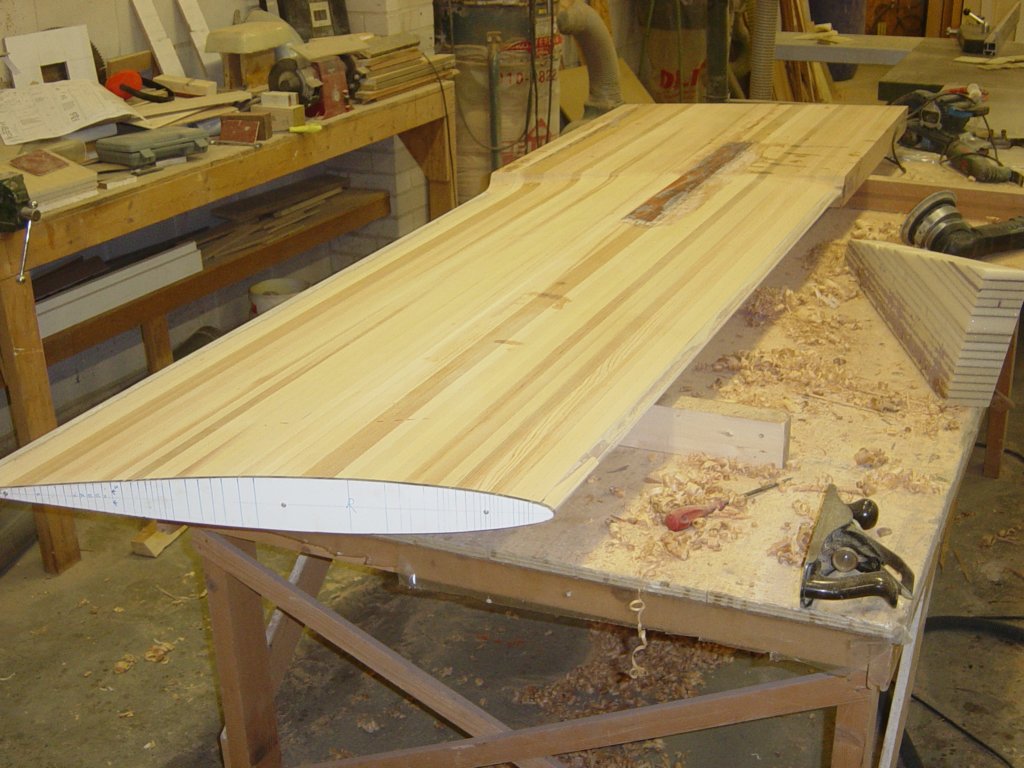
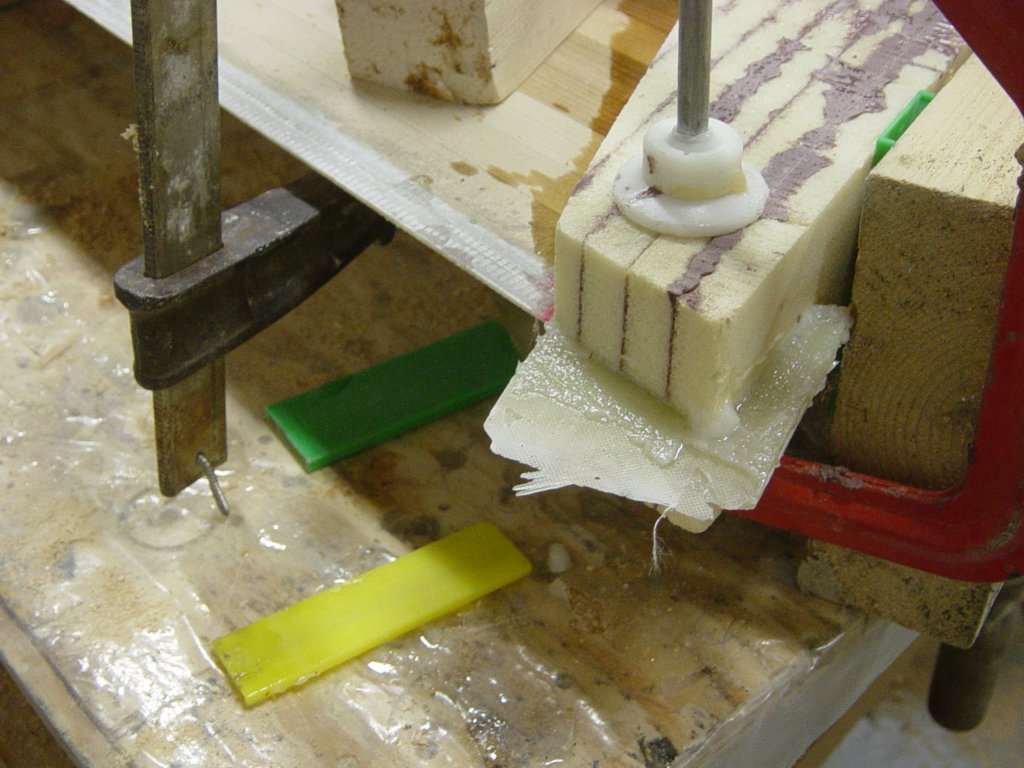
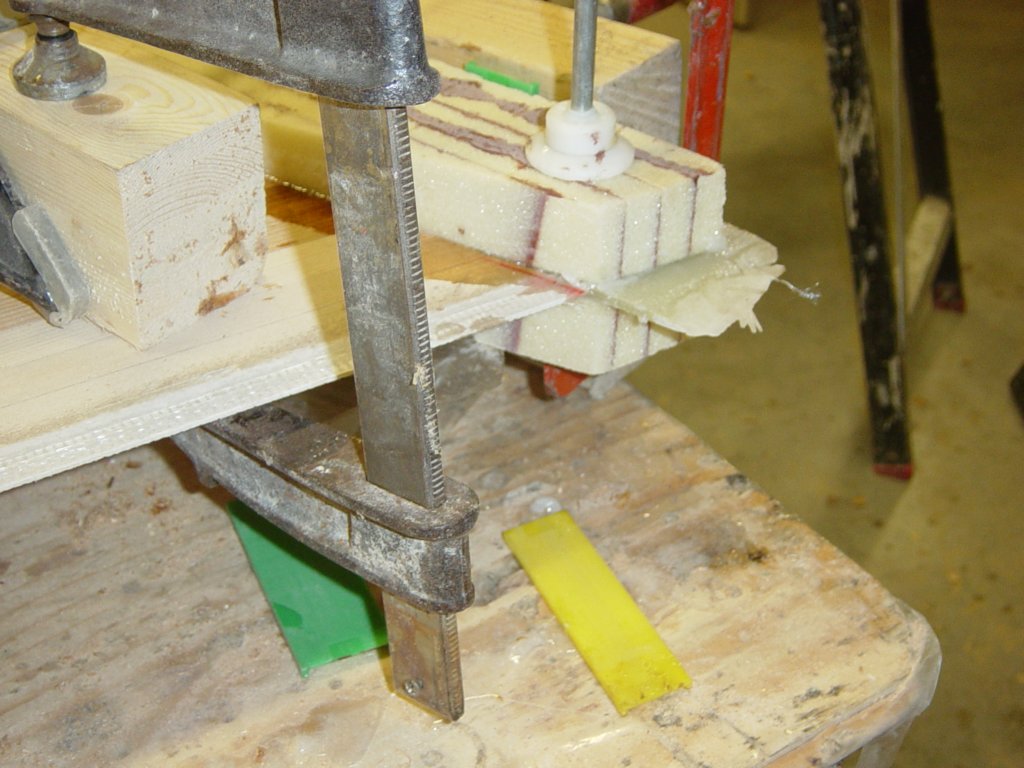
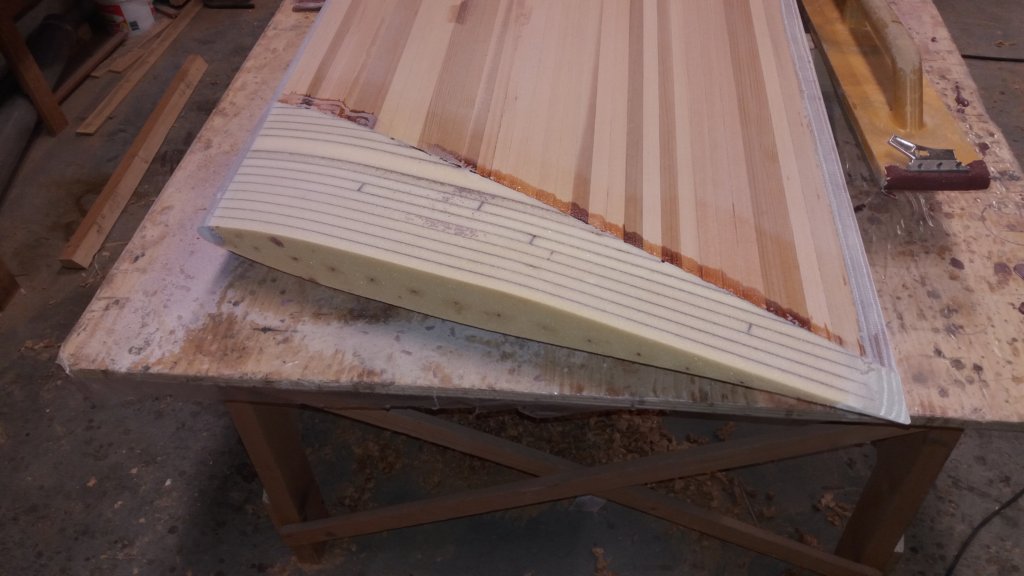
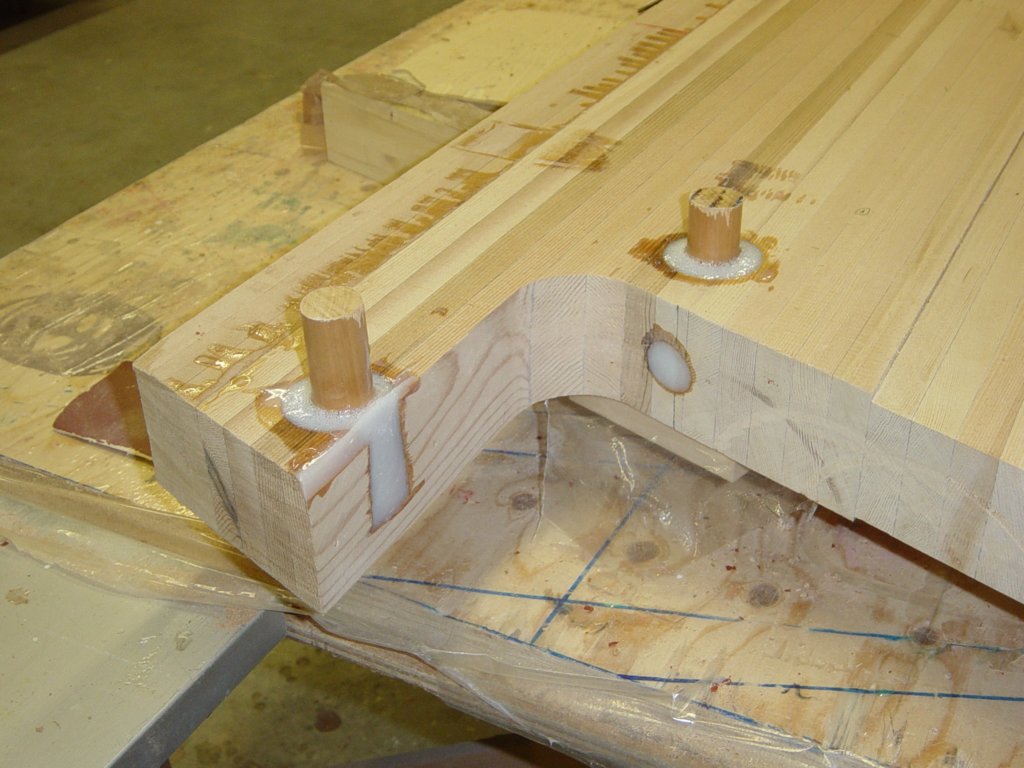
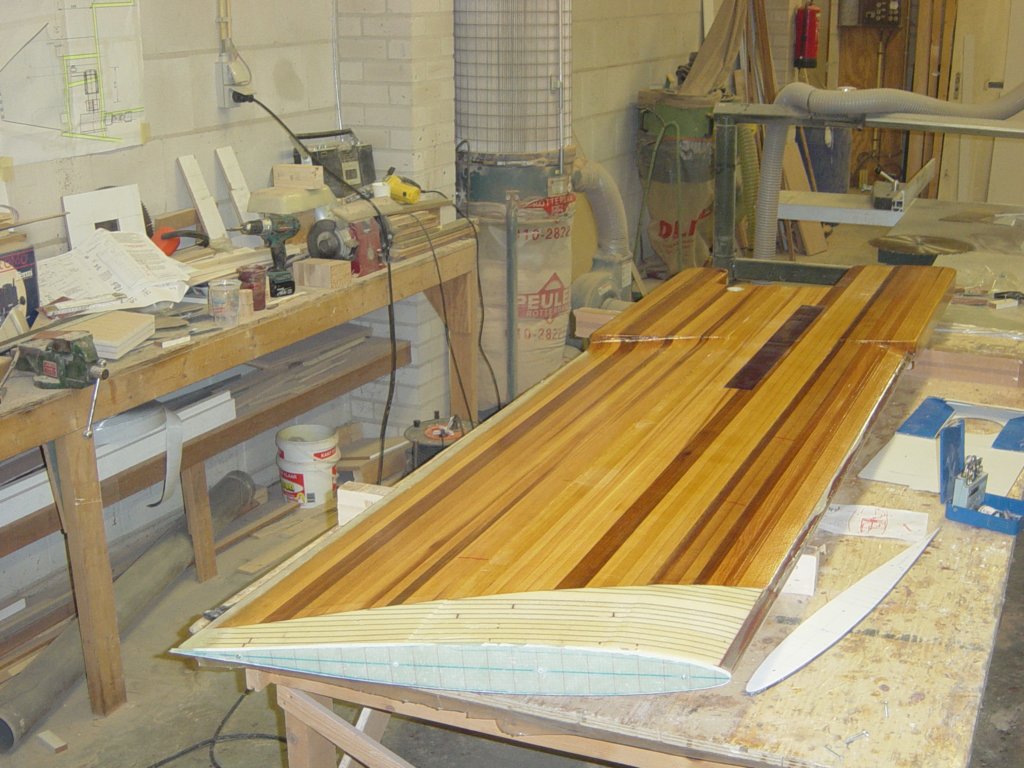
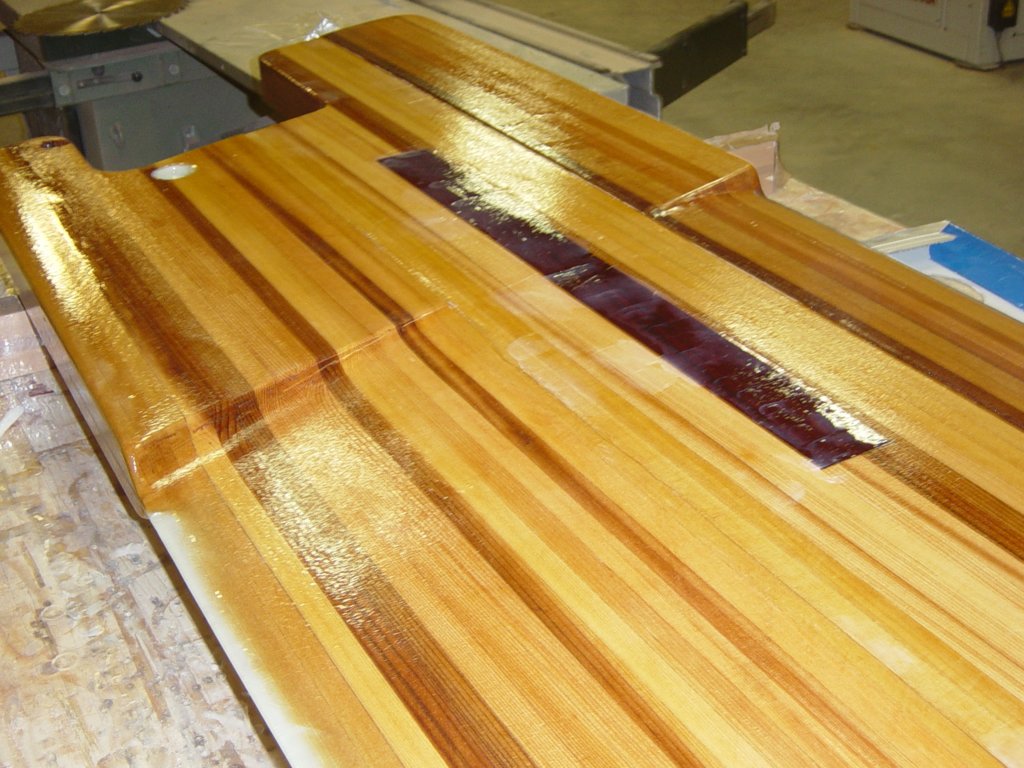
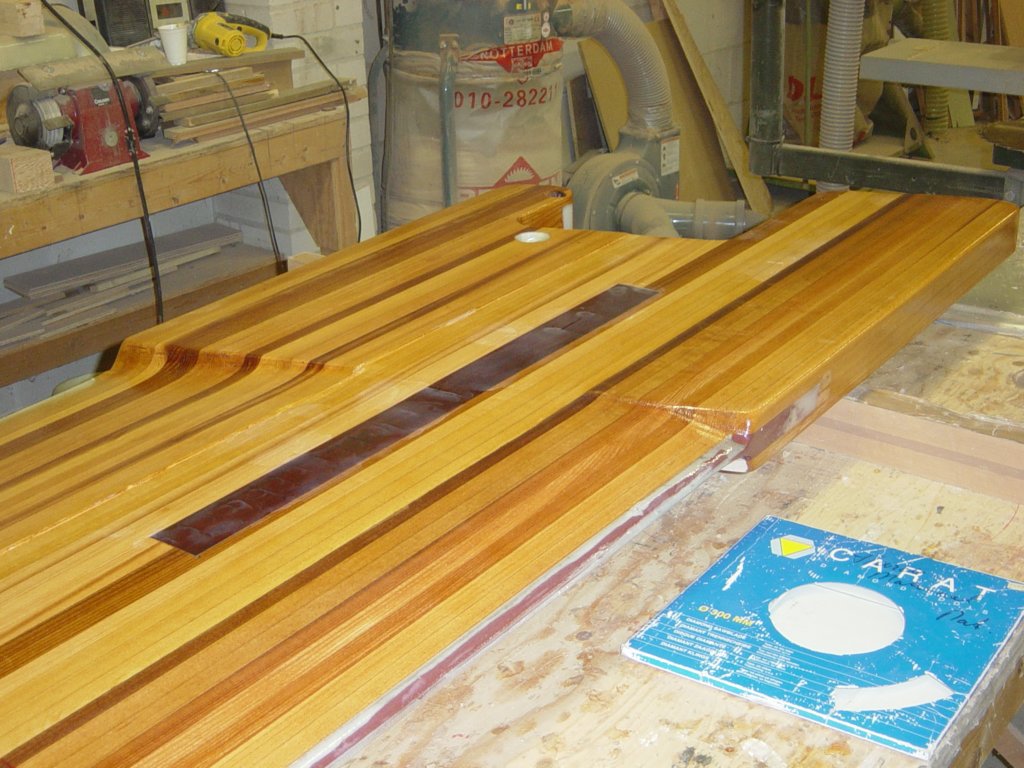
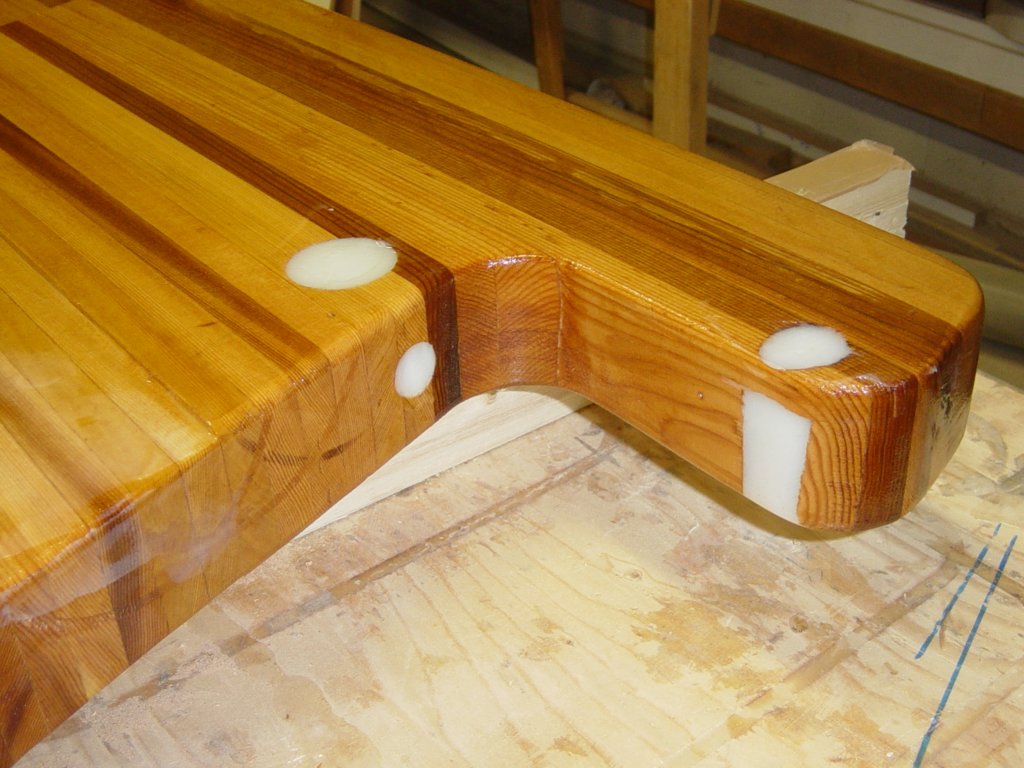
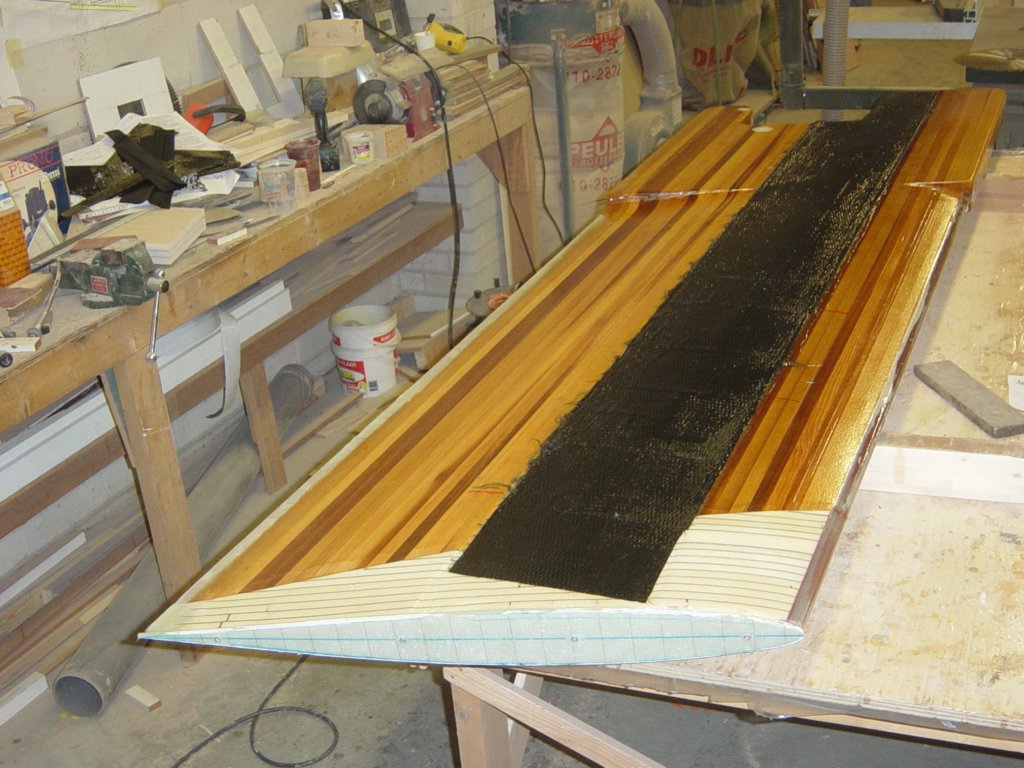
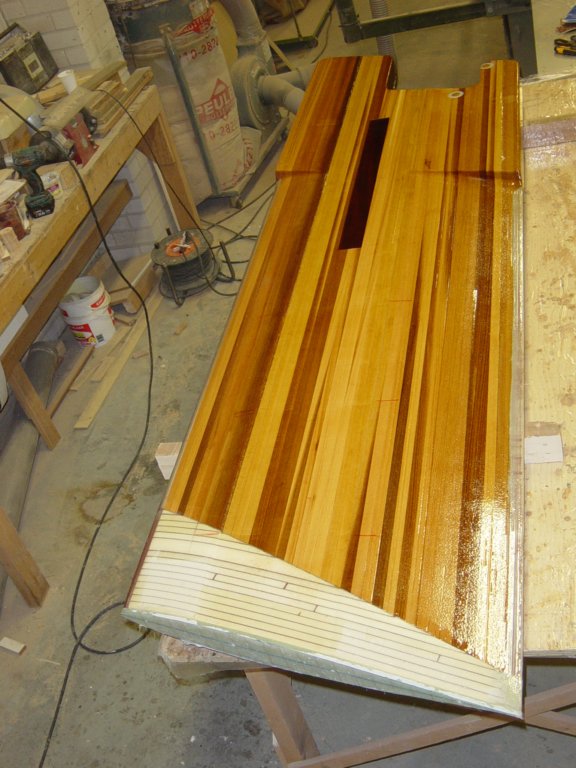
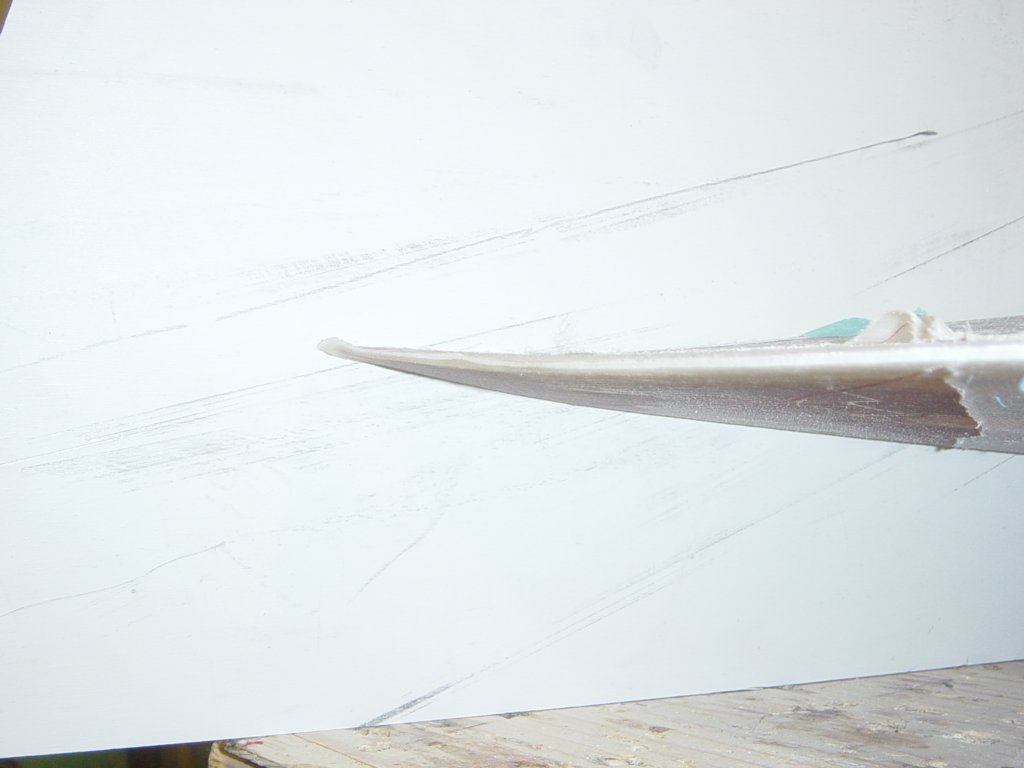
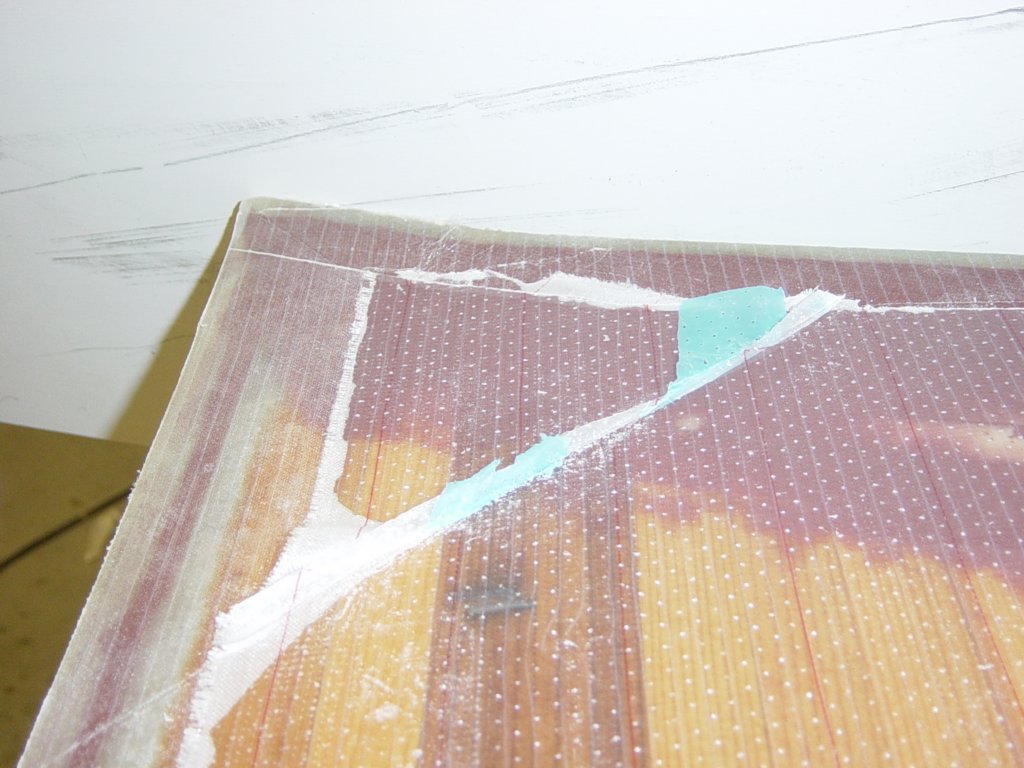
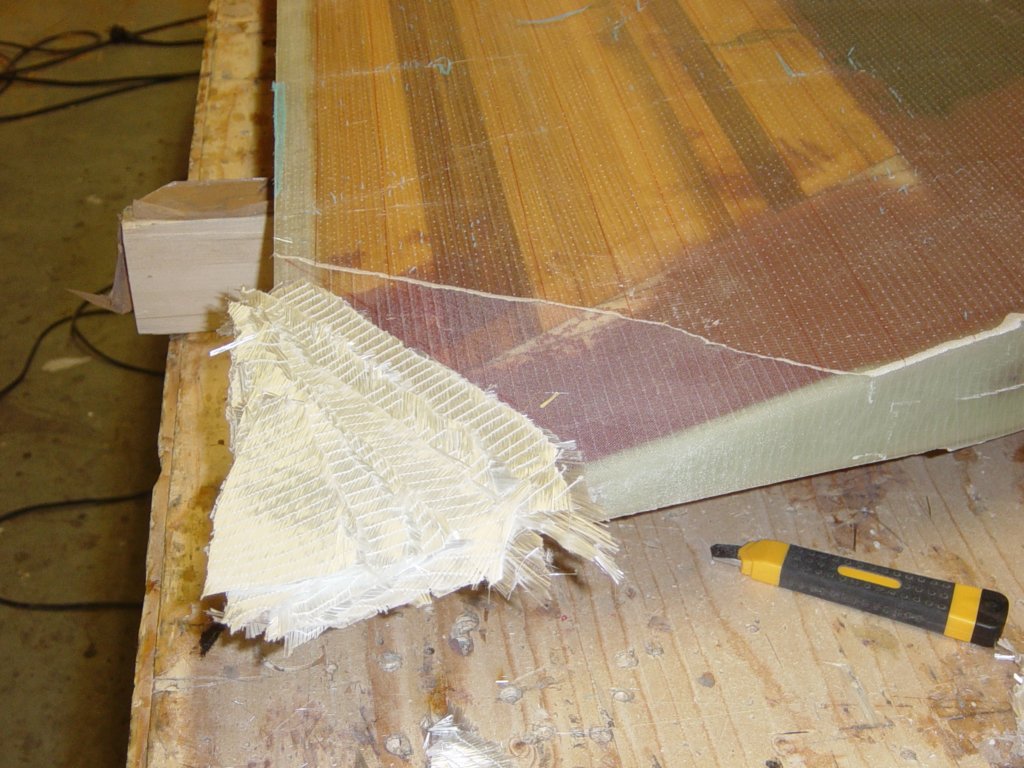
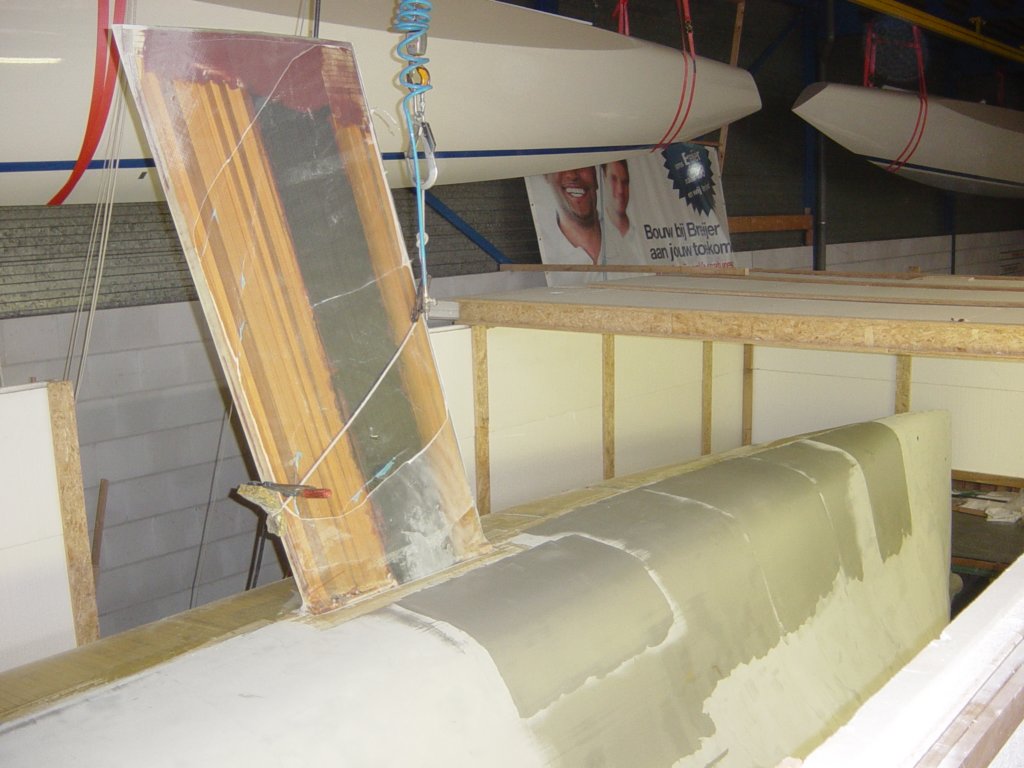
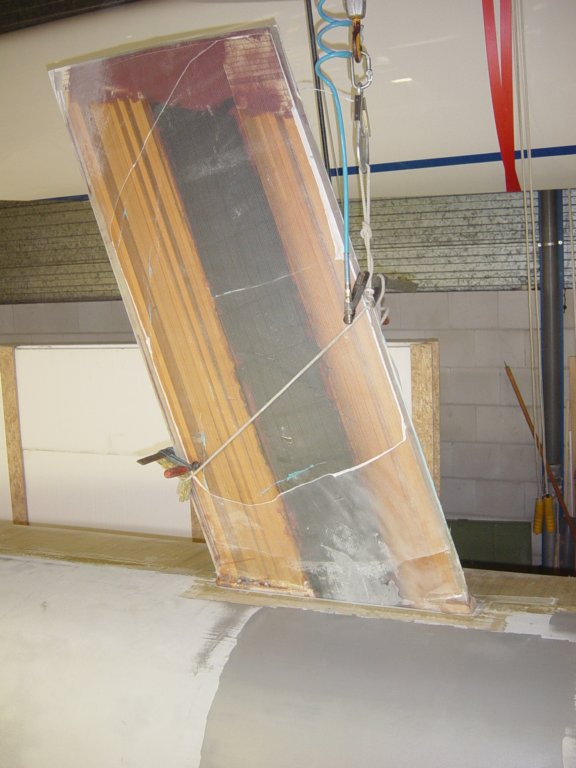
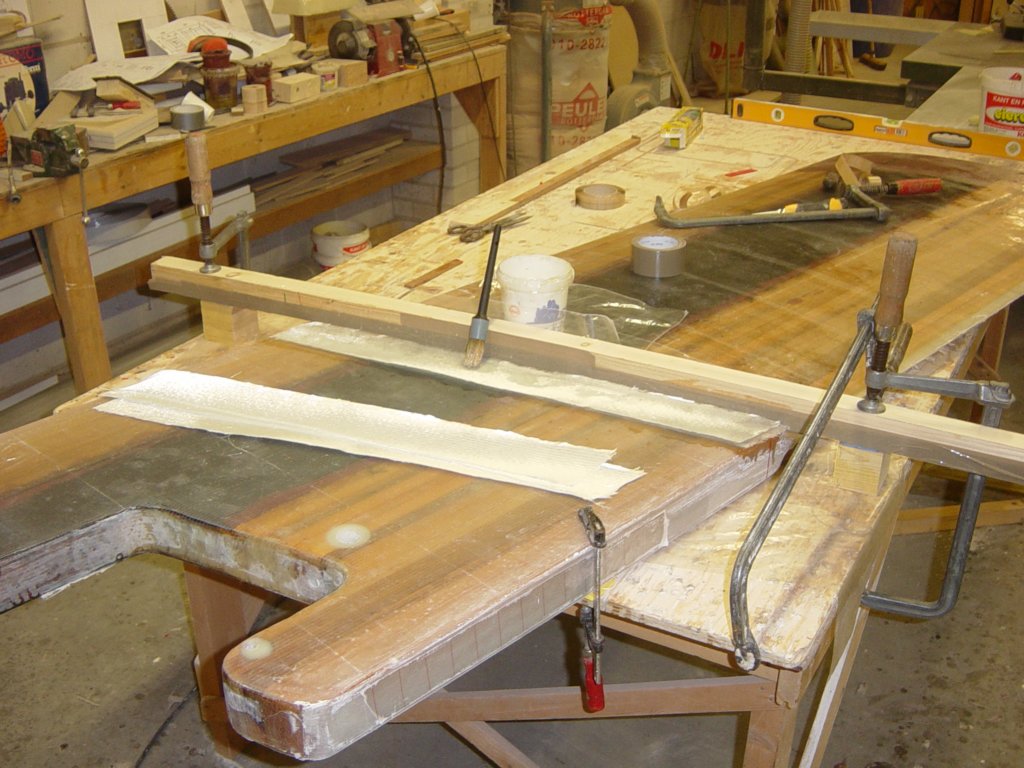
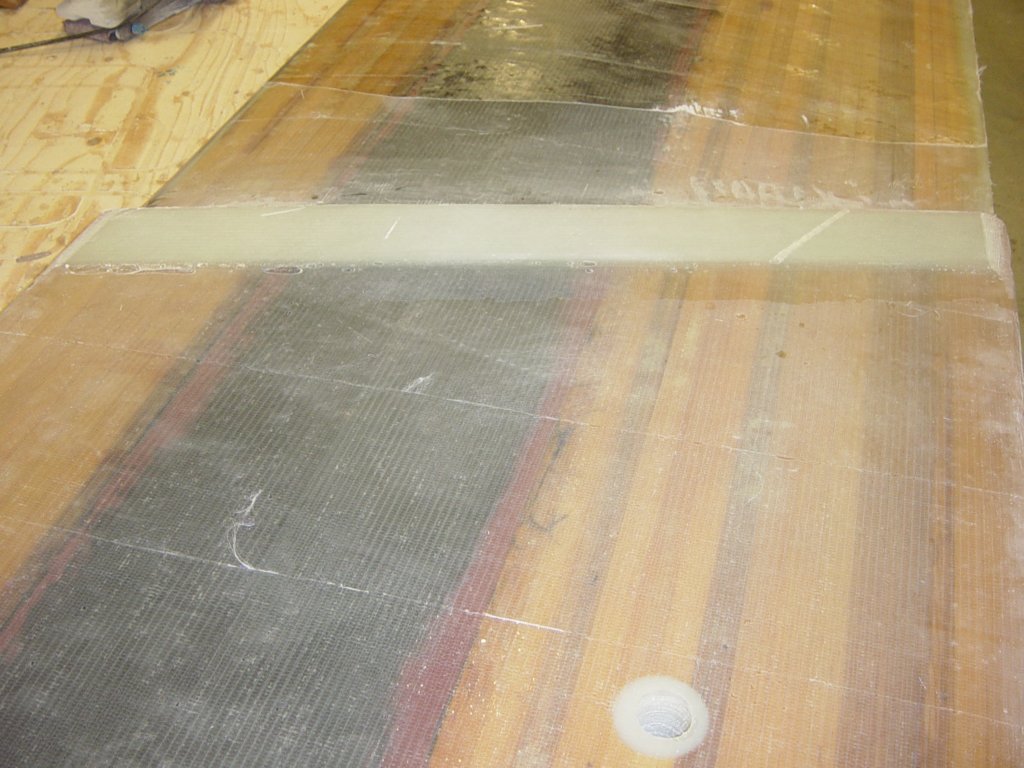
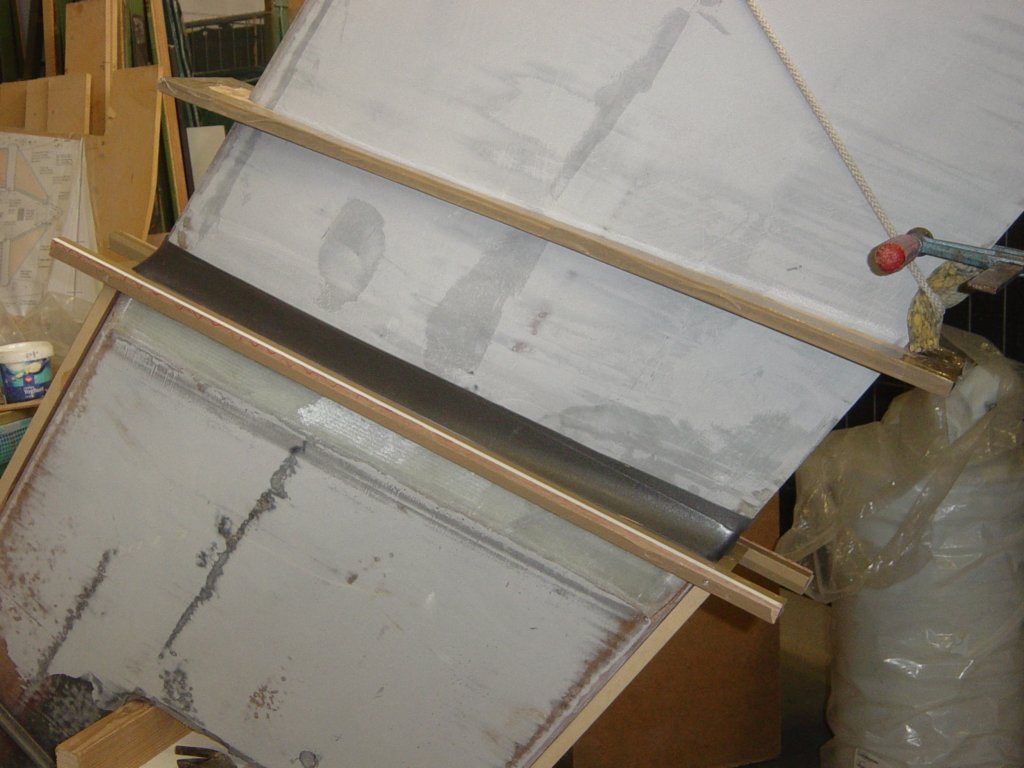
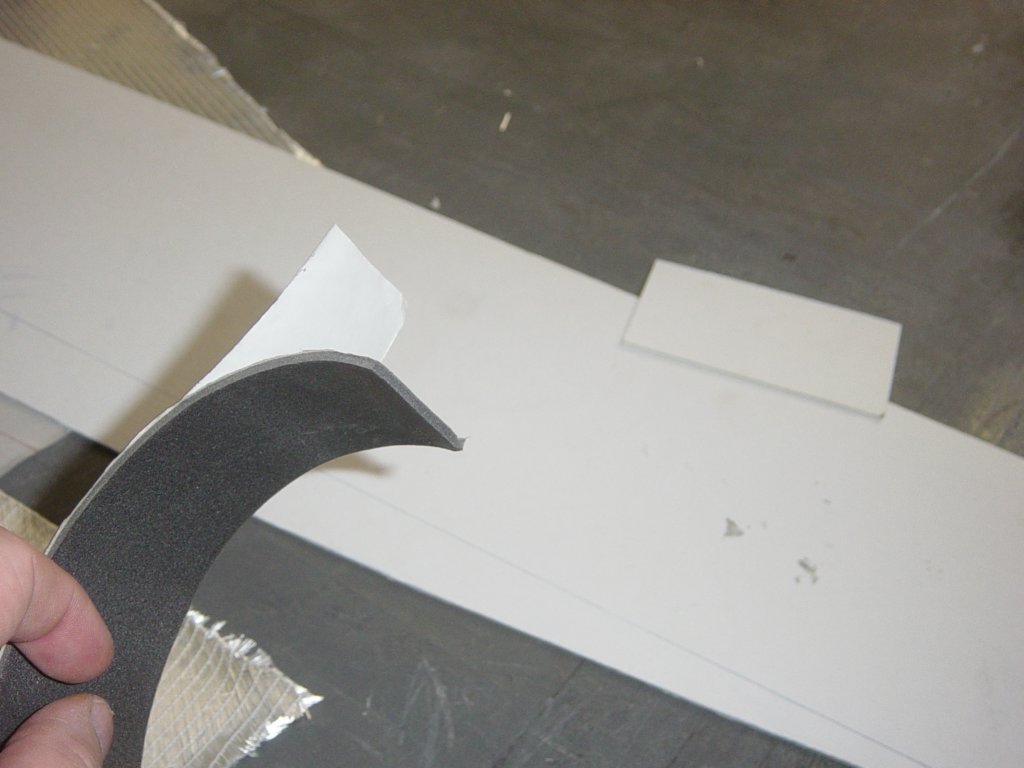
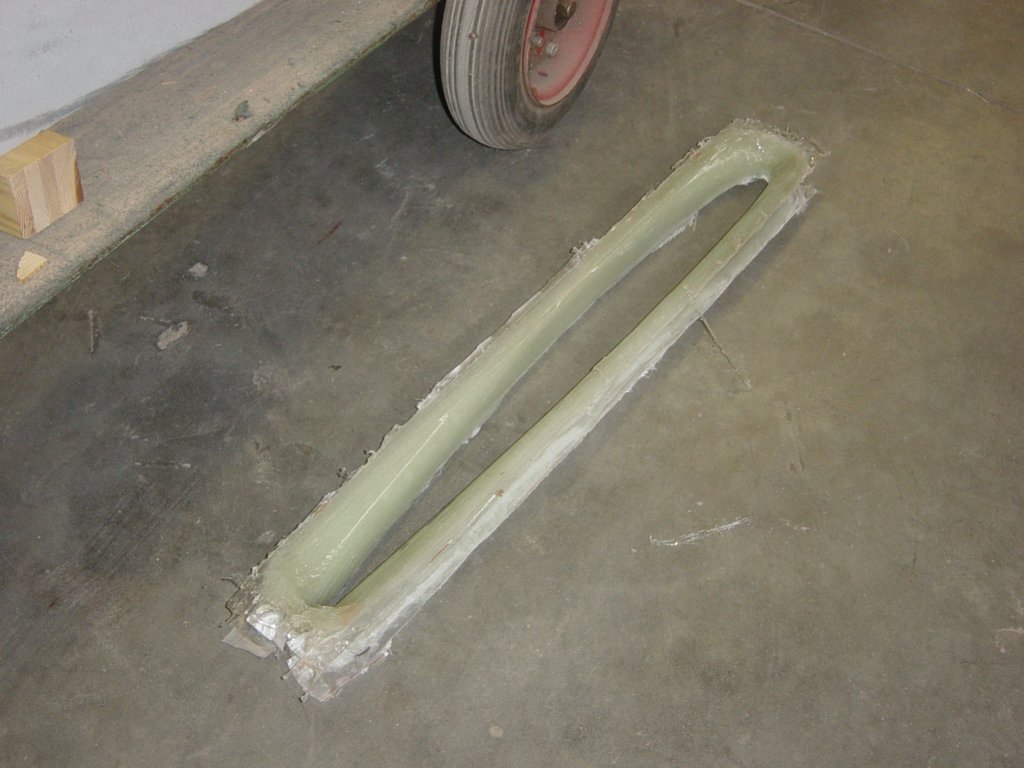
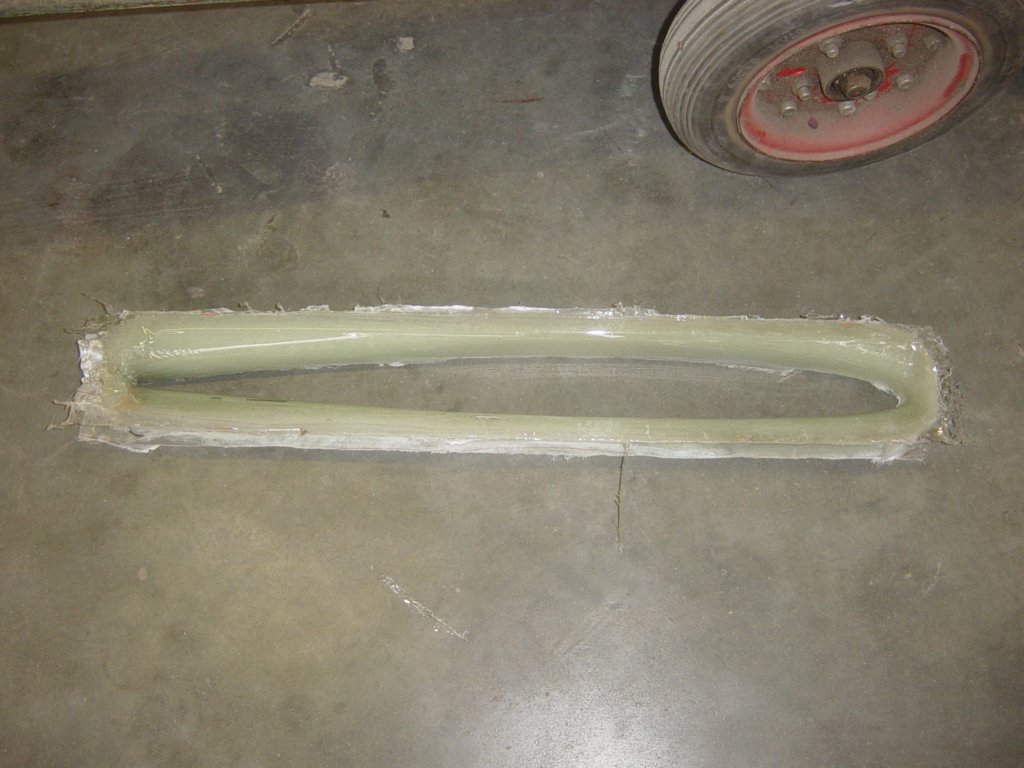
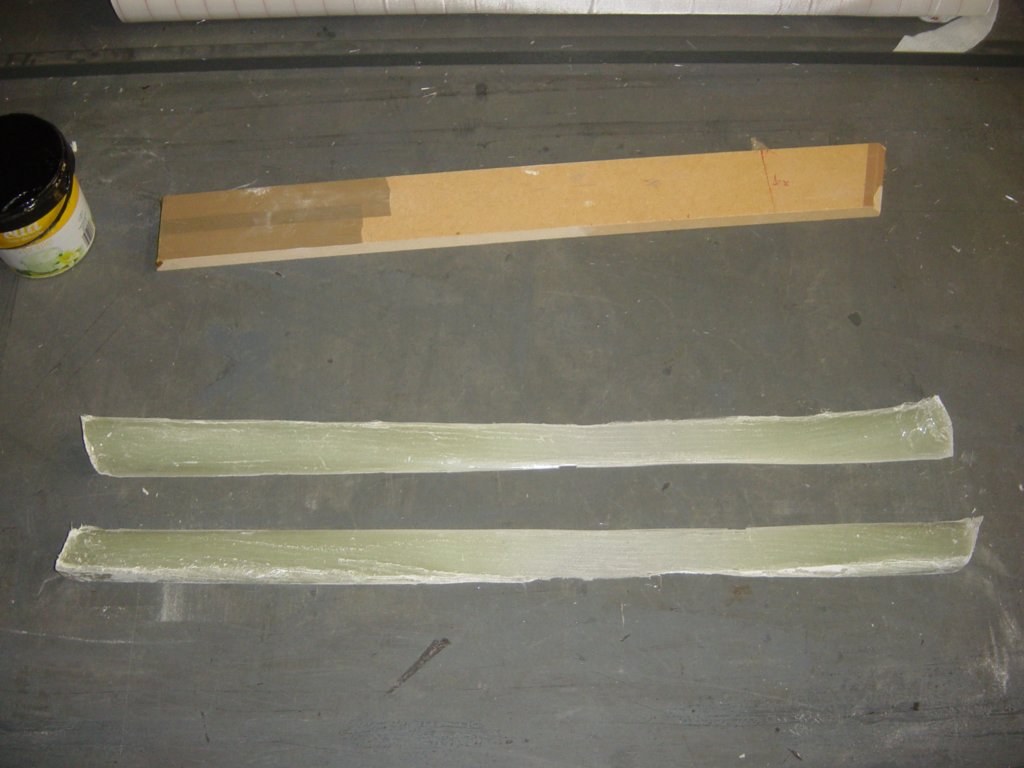
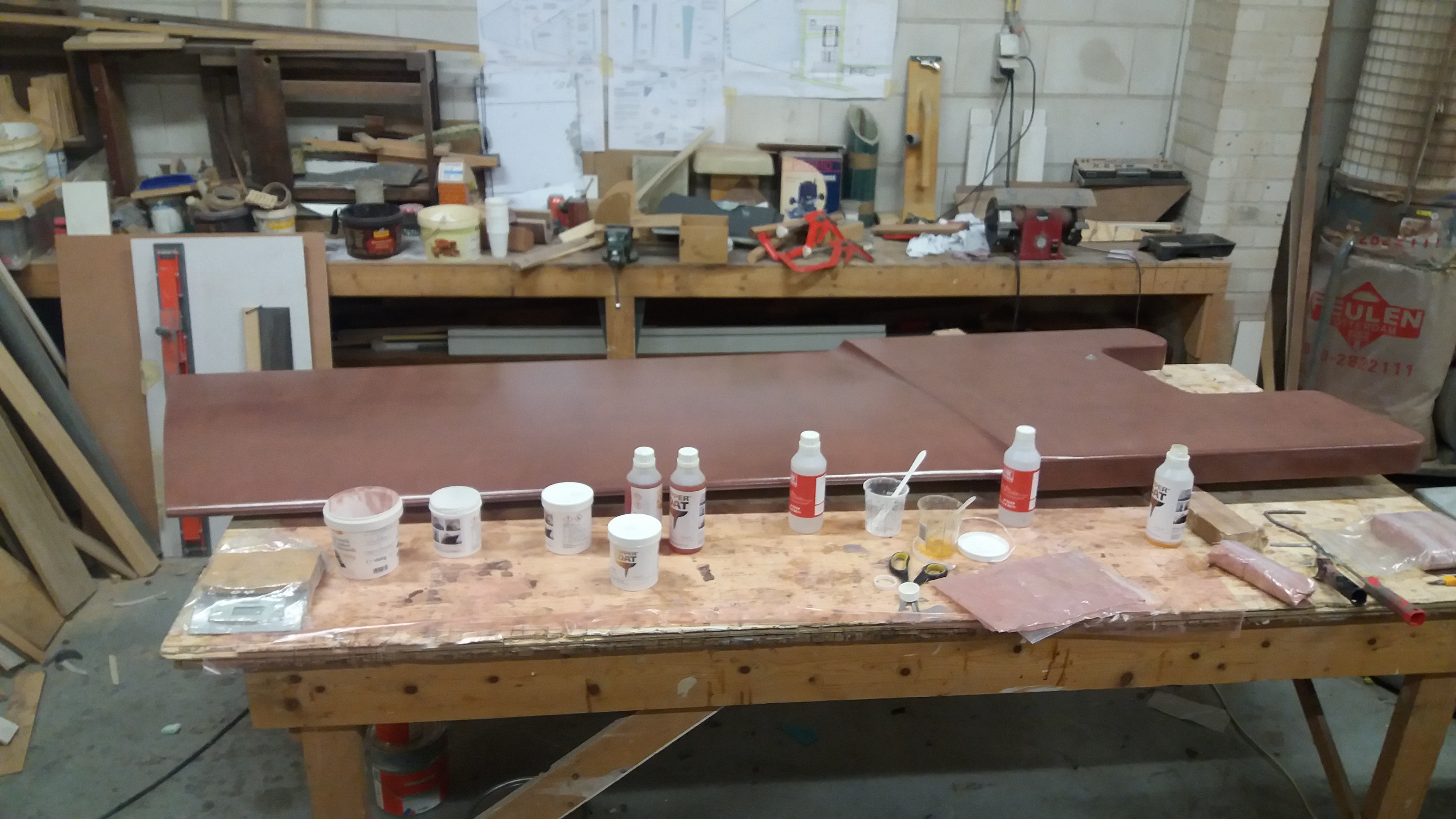
I dropped the idea of making a mold and instead built it largely according to the plans, with a Western Red Cedar core. To reduce damage in case of a collision or grounding, I made two changes. First, I used a high-density glassfibre leading edge instead of wood. Second, I made the bottom section with a sacrificial foam core. In addition, for structural reasons I replaced the wooden core in the trailing edge with a glassfibre core.
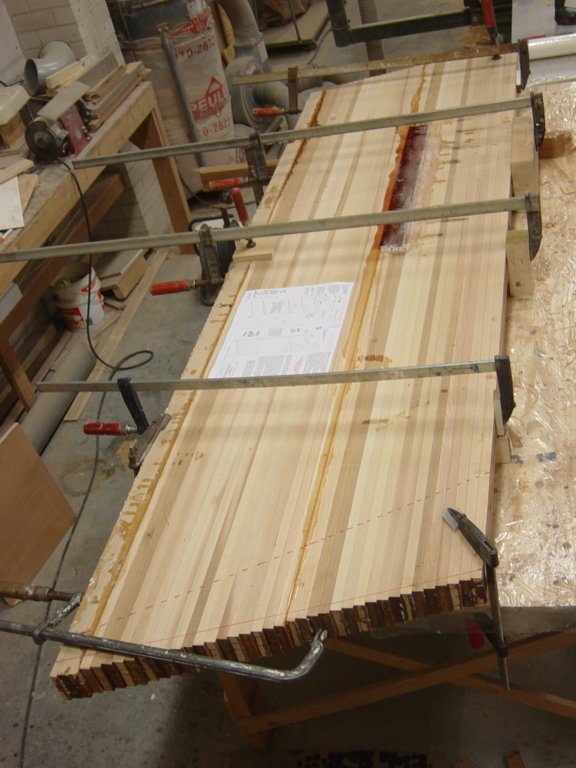
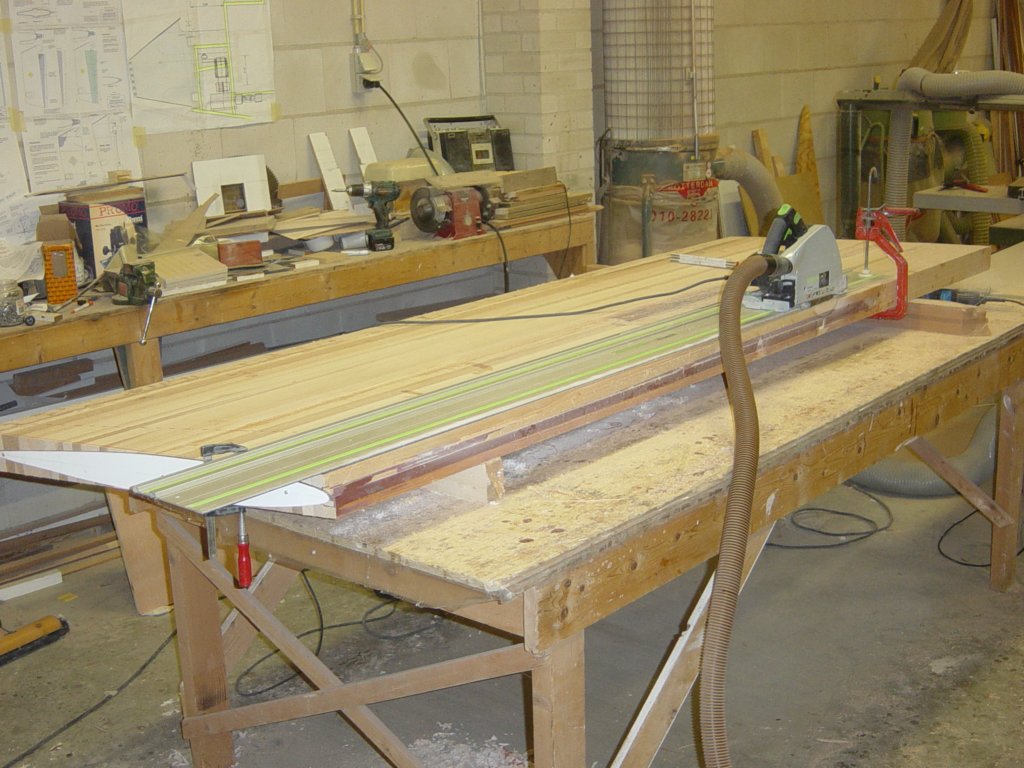
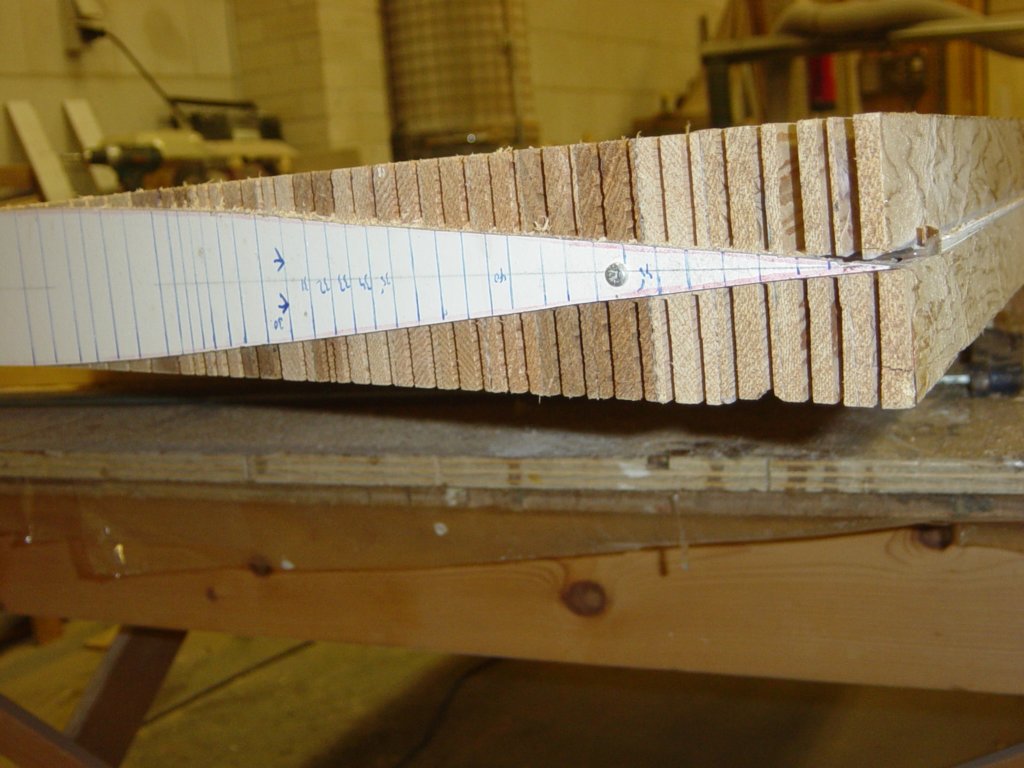
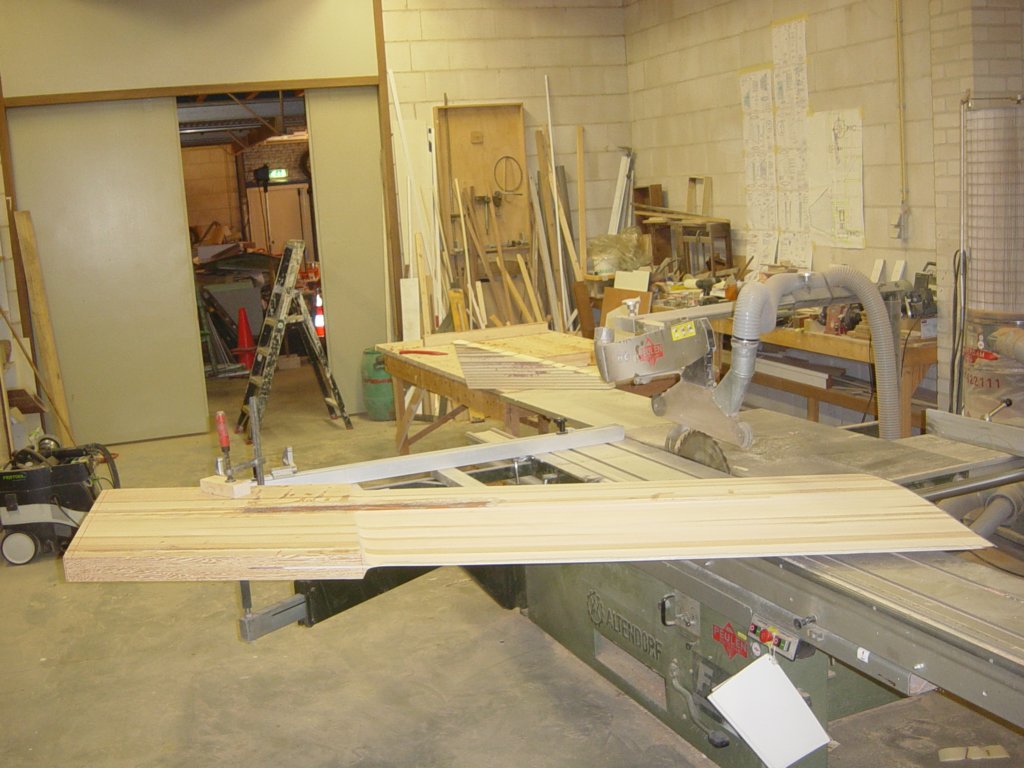
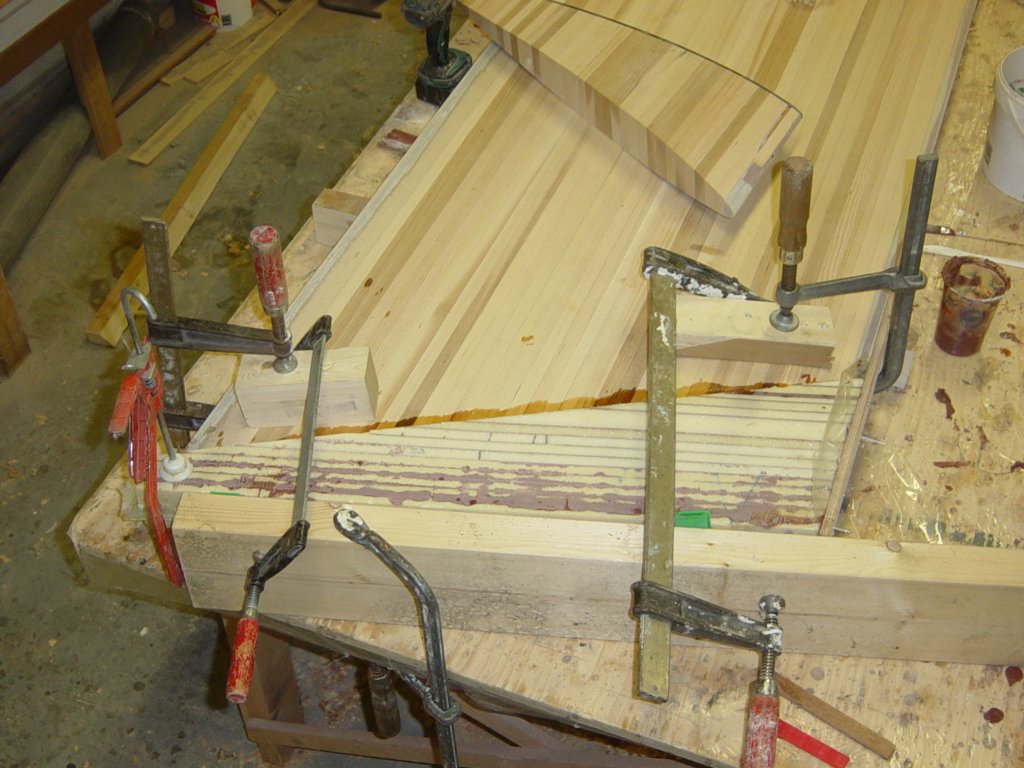
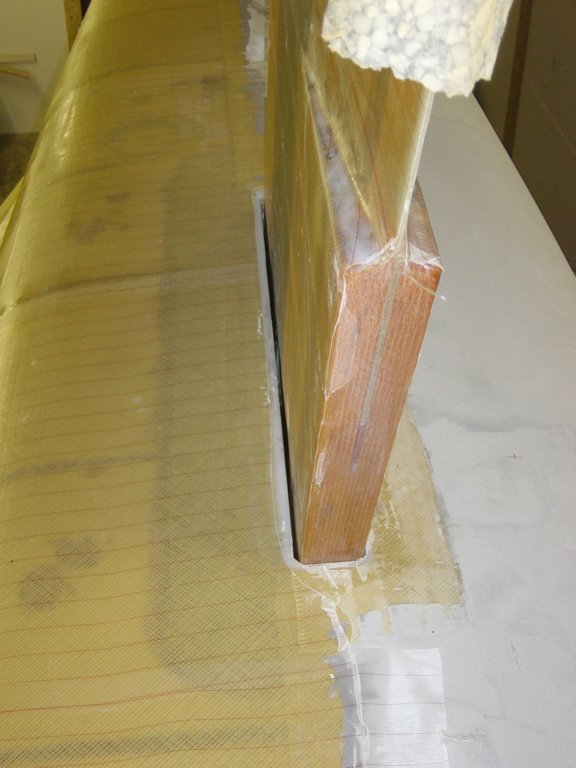
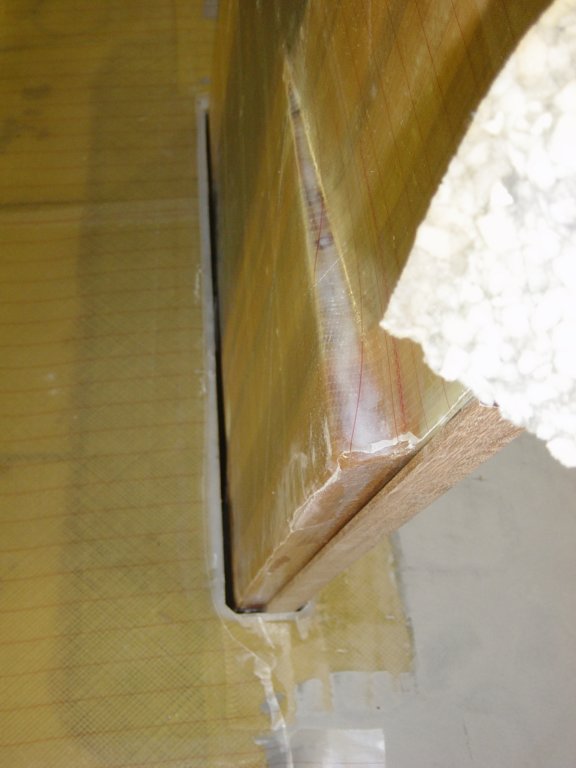
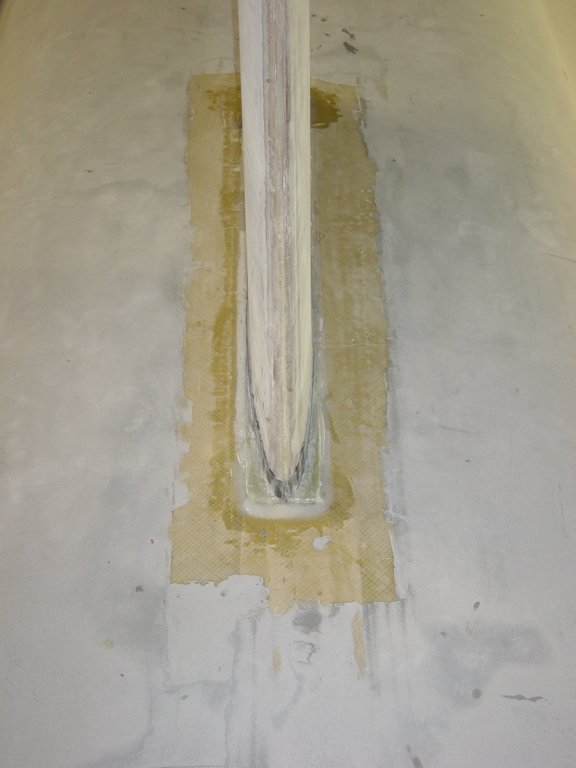
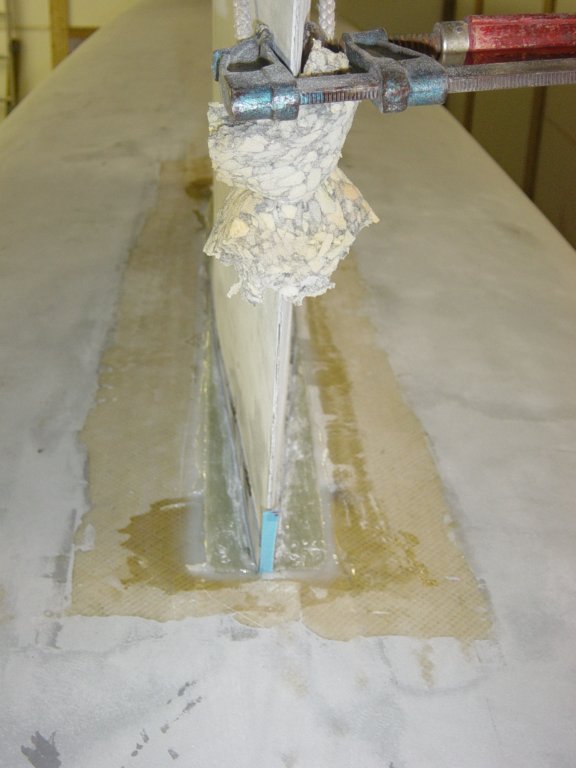
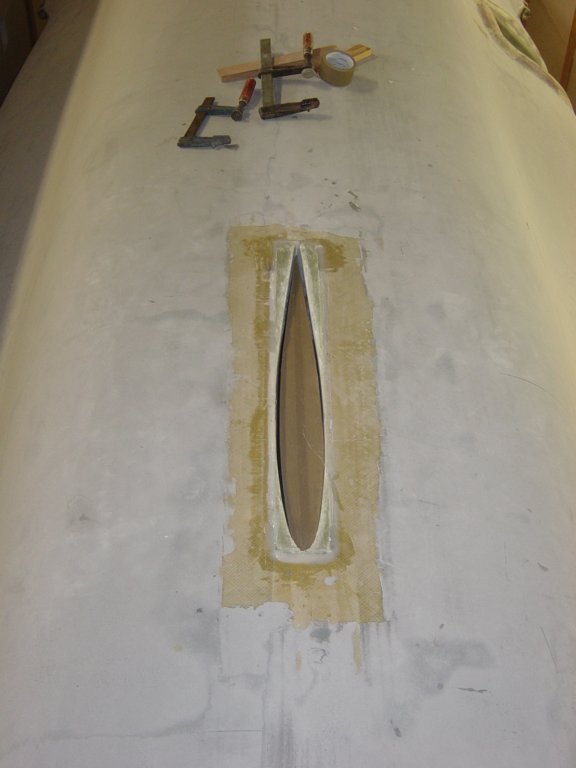
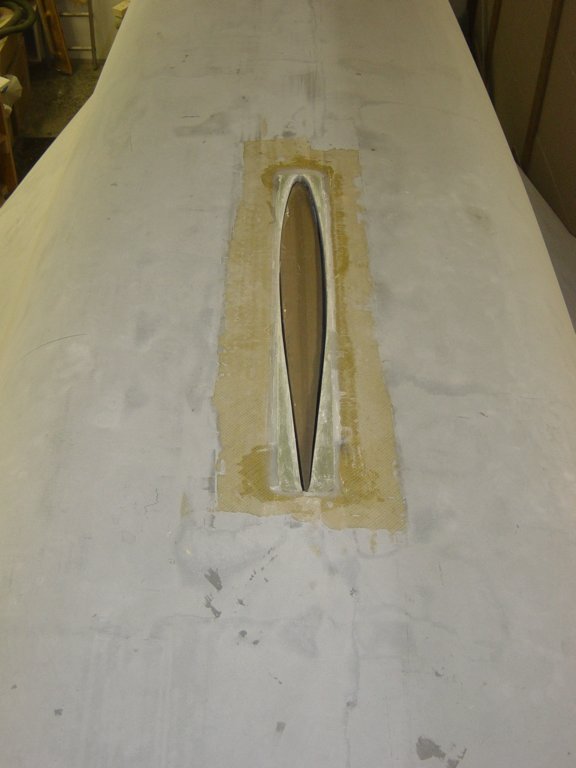
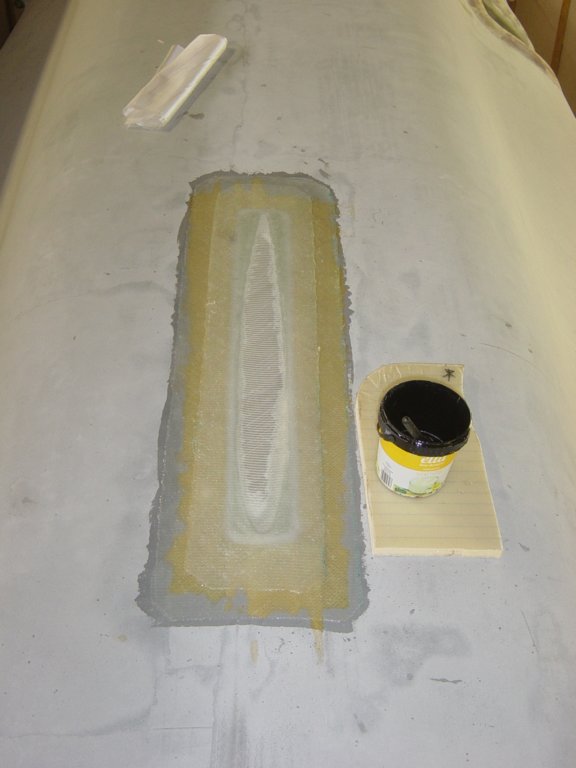
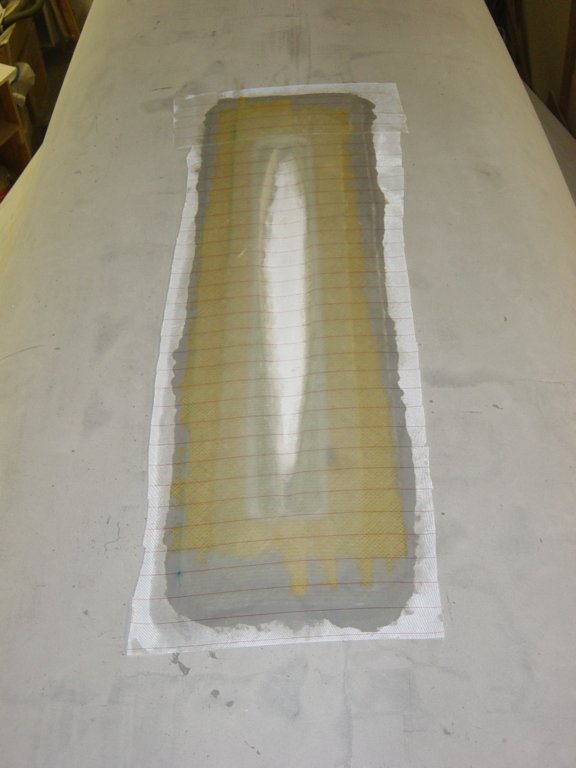
The daggerboard consists of a rectangular head that remains inside the daggerboard case, and a profiled blade that projects below the hull. I transferred the foil profile to a template and then cut the core to size with a track saw. The finished daggerboard was then used as a mold to create the daggerboard case slot in the hull bottom. Photos explain this better than words—click the daggerboard image to open the gallery.
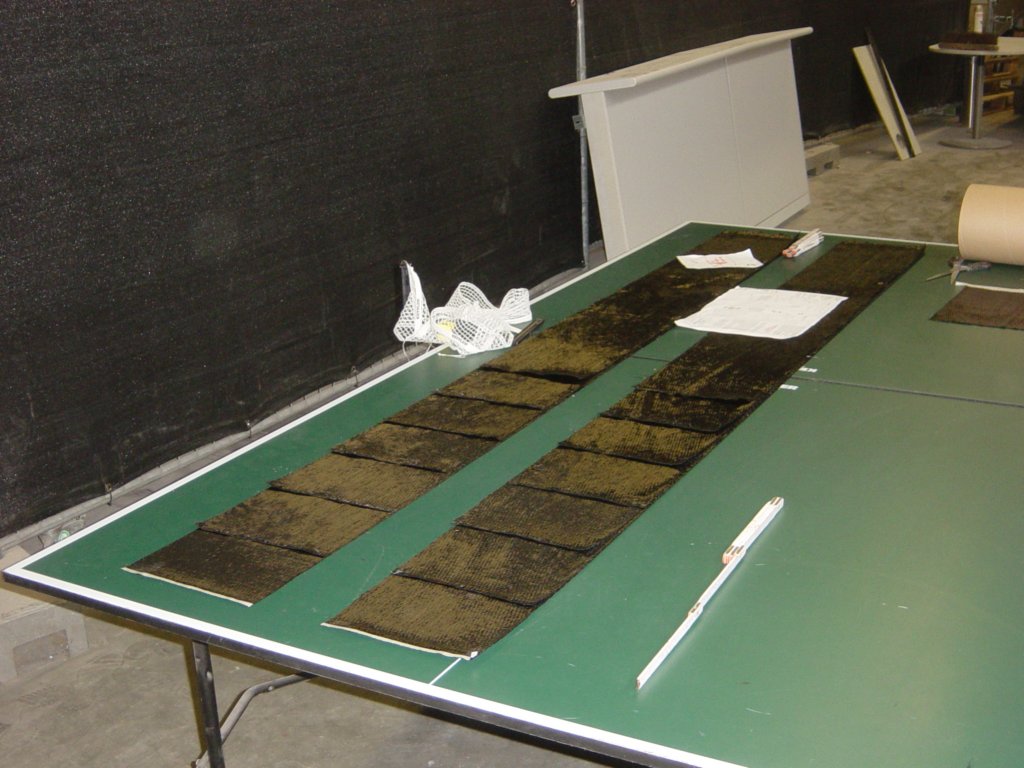
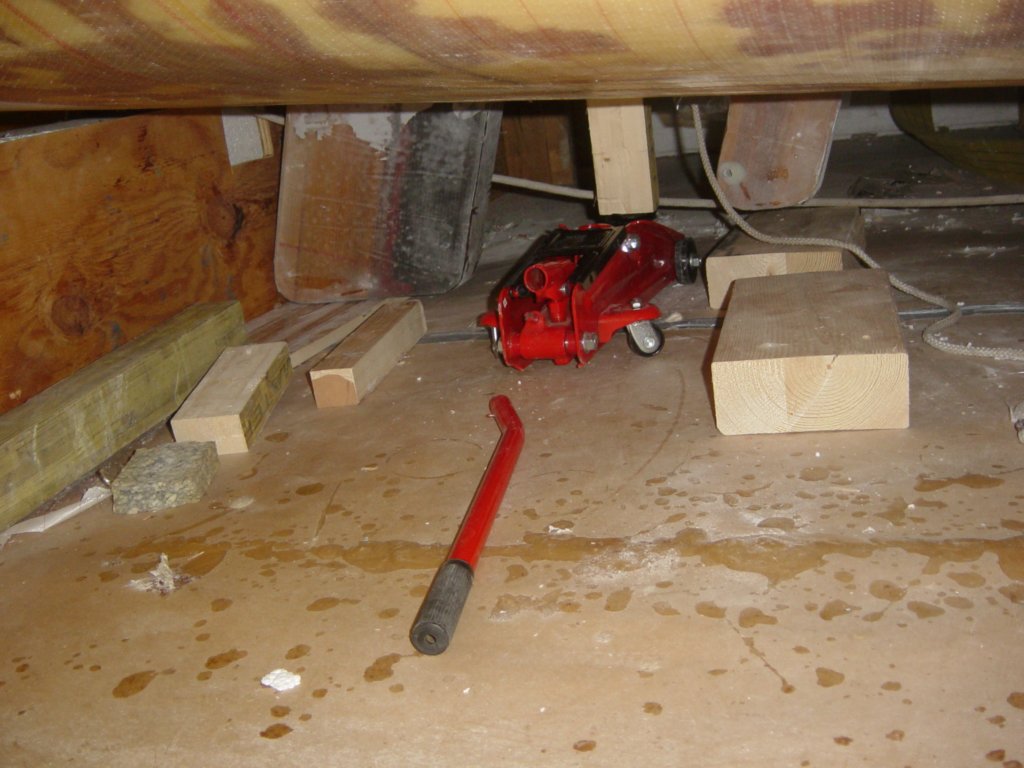
This photo gallery (82 images) shows the full daggerboard build: the Western Red Cedar core, high-density leading and trailing edges, the sacrificial foam tip, carbon reinforcement, vacuum infusion, and finally making and bonding the daggerboard case slot using the finished board as a mold.