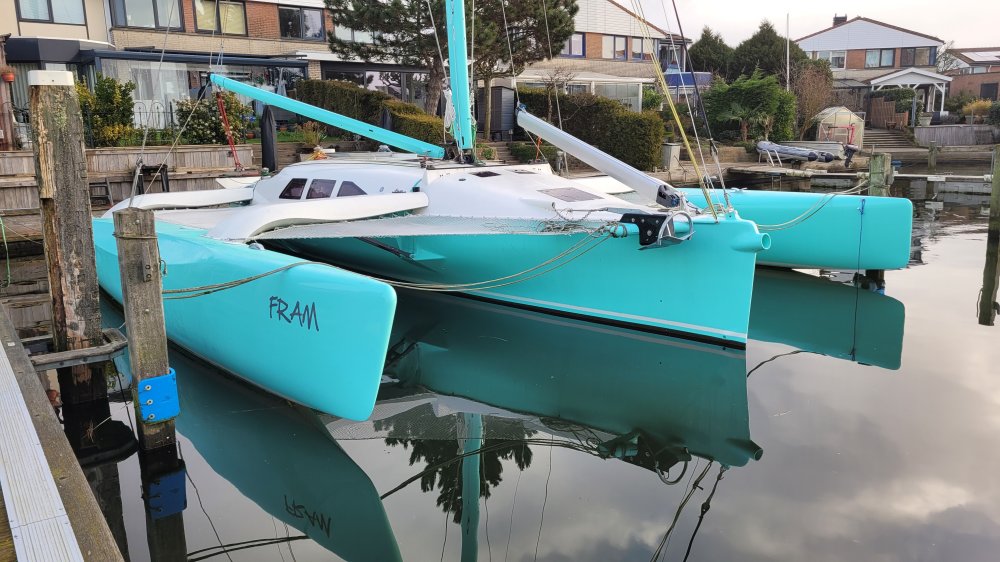
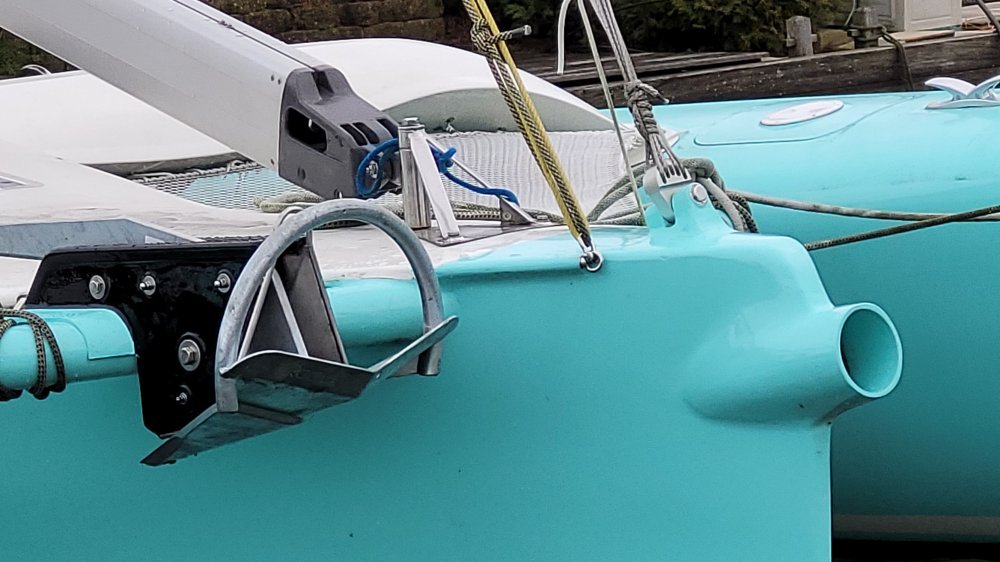
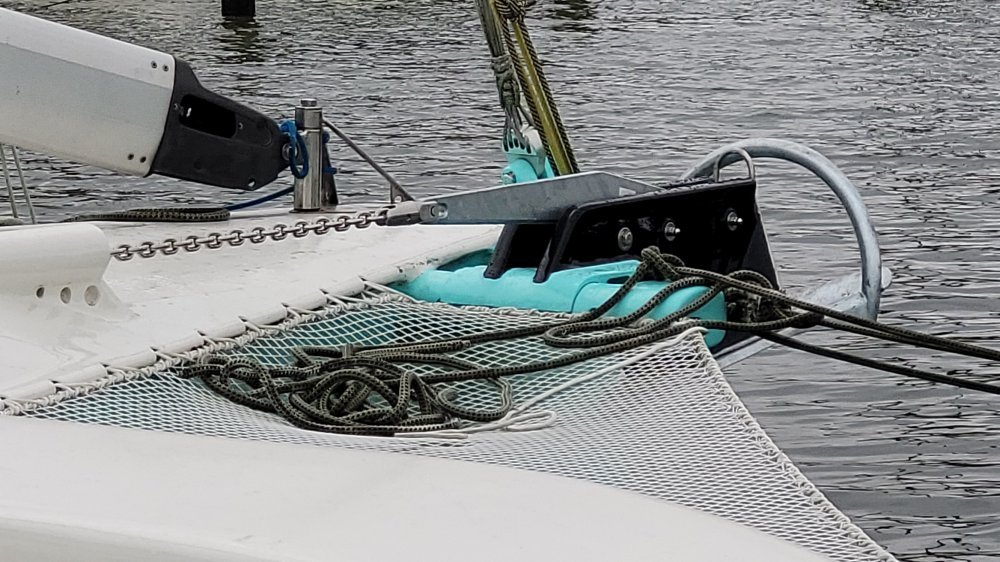
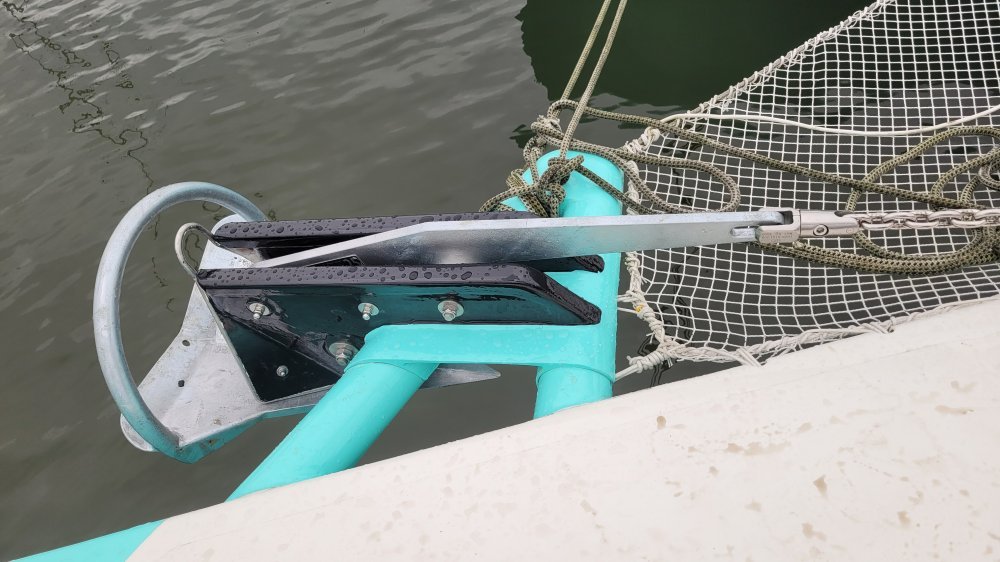
The anchor system was redesigned from scratch to improve weight distribution, interior space, and handling comfort, resulting in a below-deck windlass, aft chain locker, and a custom composite anchor fitting on the bow wing.
Anchor gear
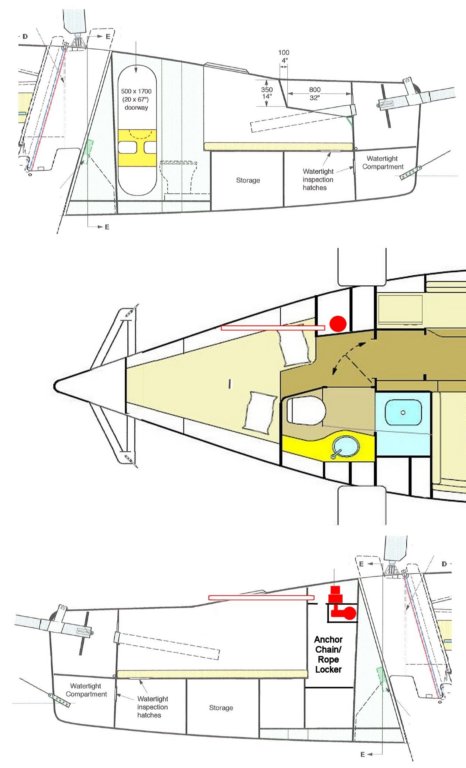
At an earlier stage I decided to abandon the anchor locker as drawn in the plans. The bow is the worst place to stow a lot of weight, and eliminating the locker also creates much more interior space. Besides that, I am tired of hauling the anchor aboard by sheer elbow grease, so I decided to install an electric windlass. In combination with a windlass, the original anchor locker concept no longer made much sense.
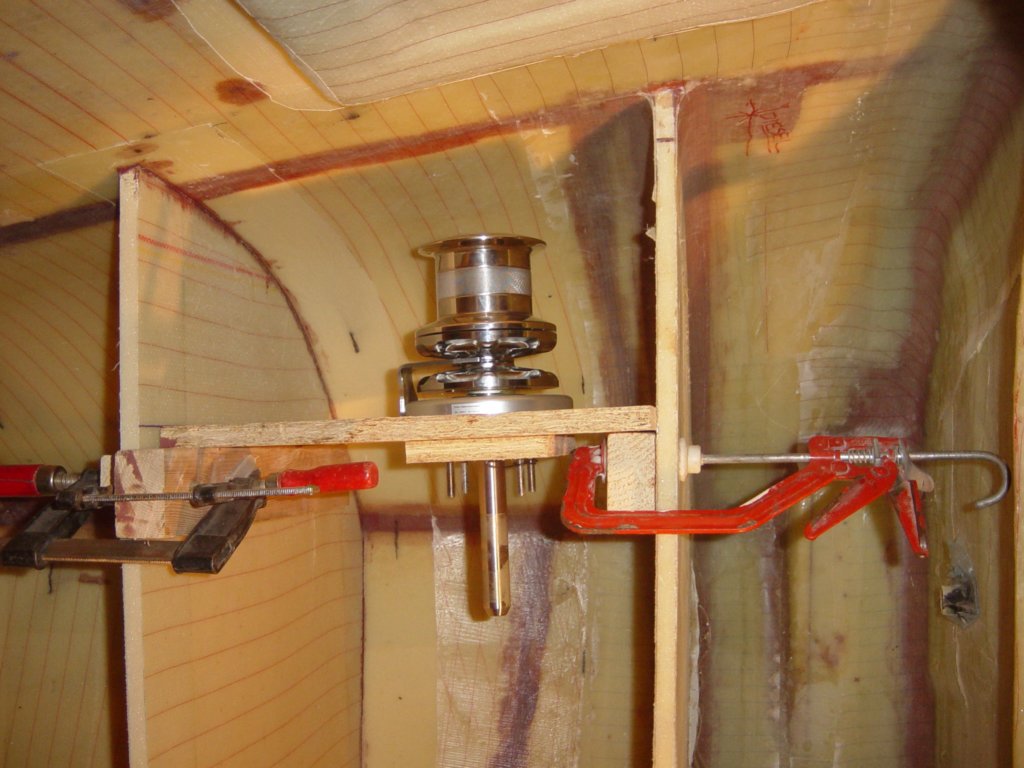
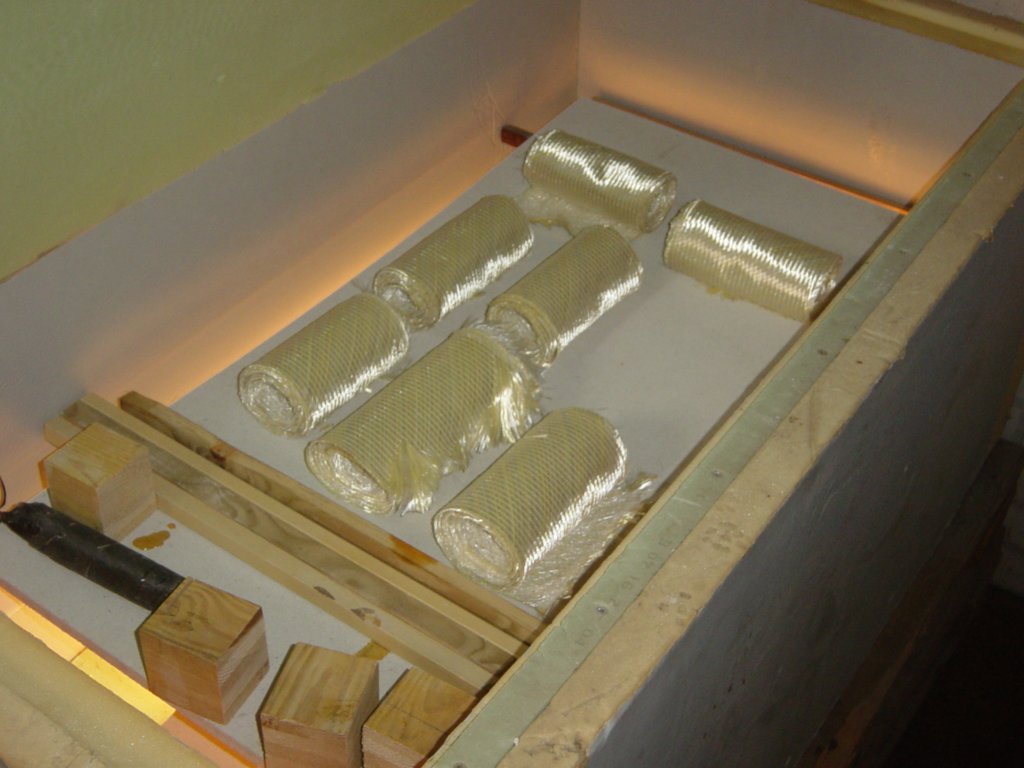
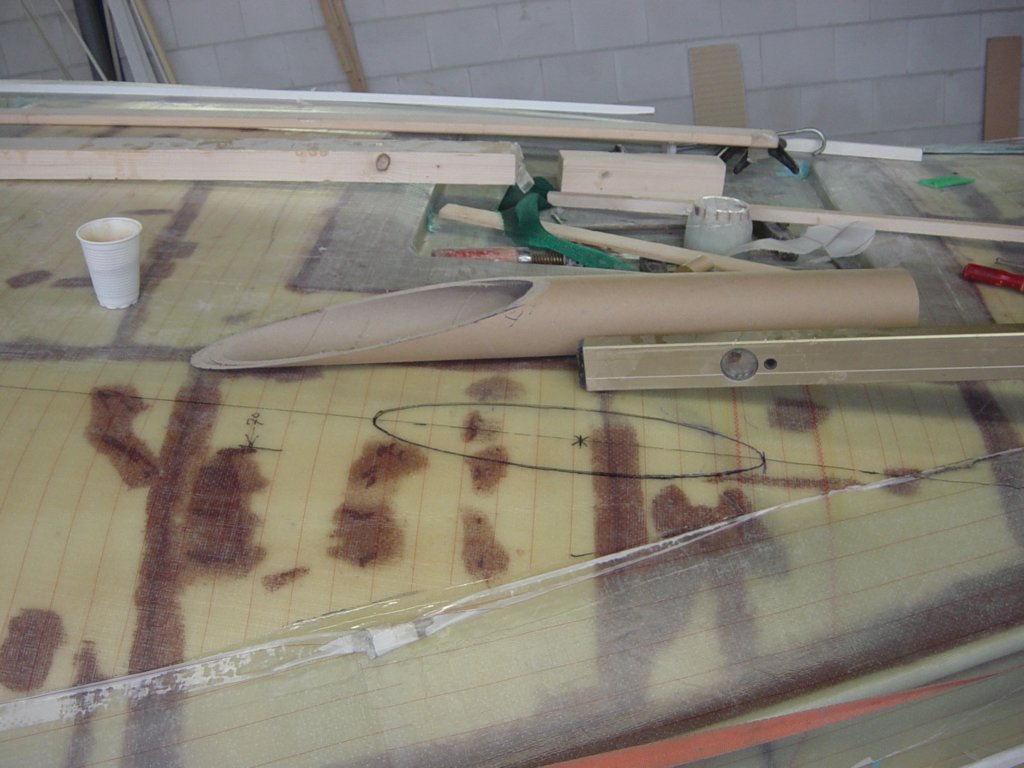
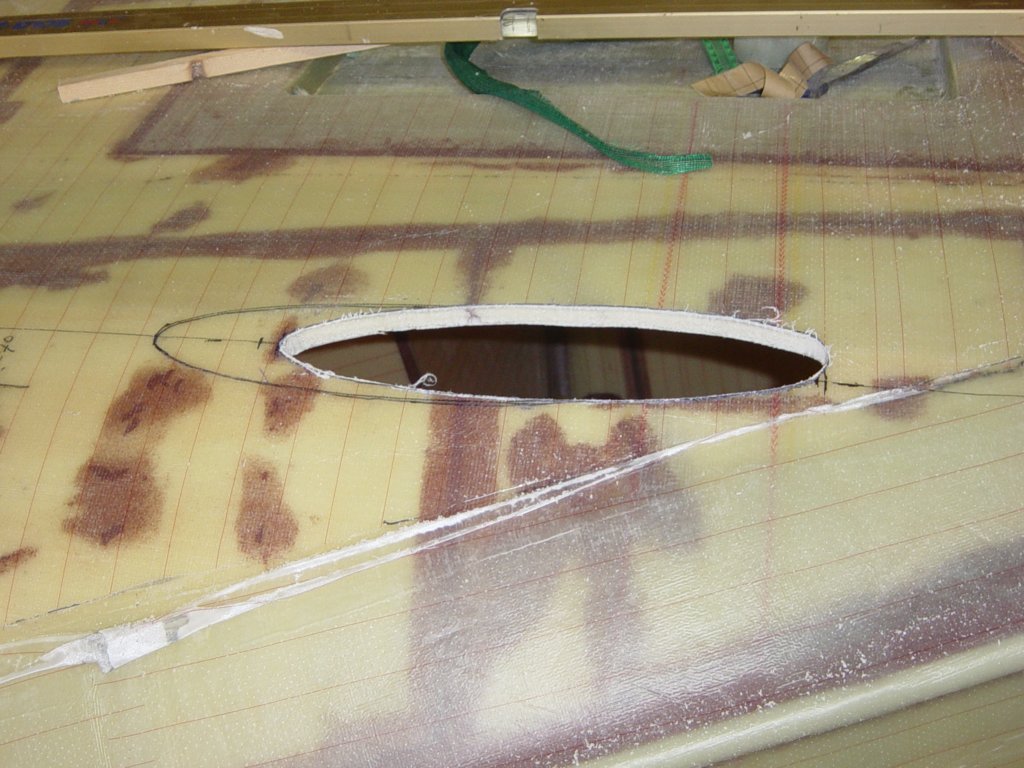
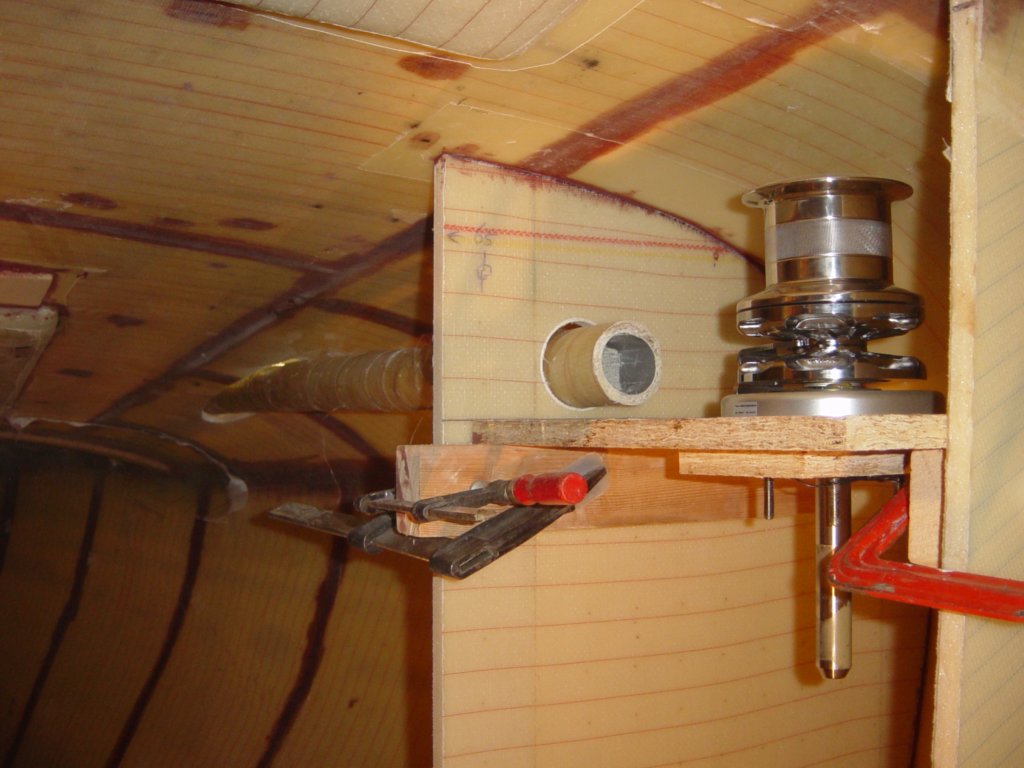
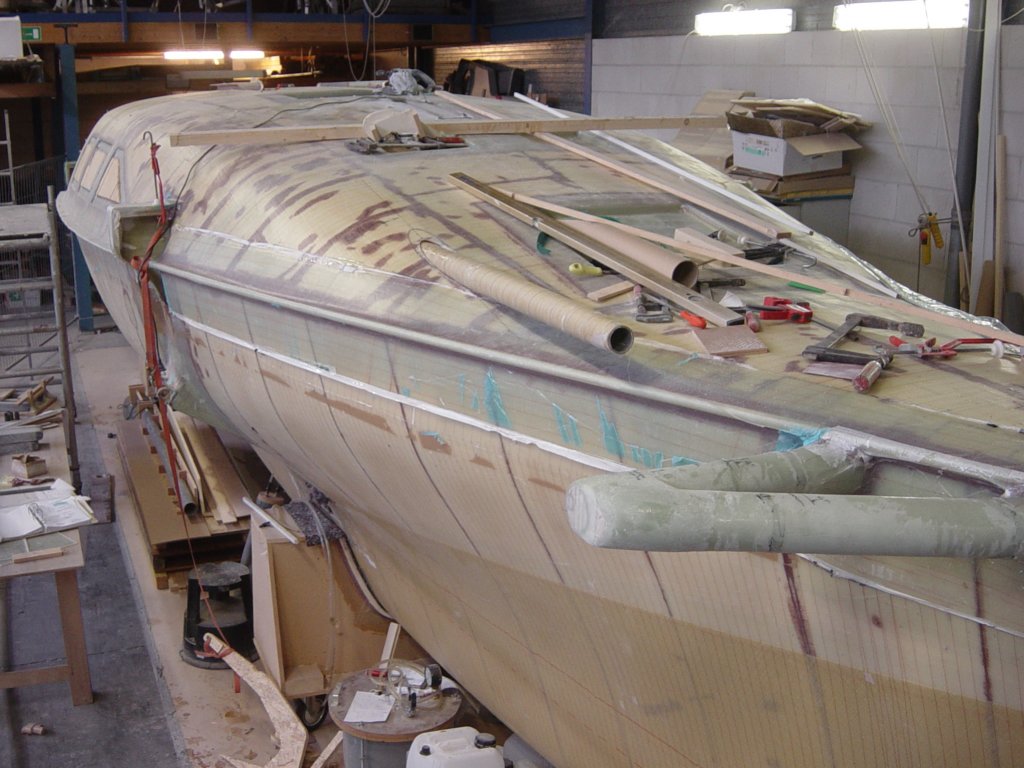
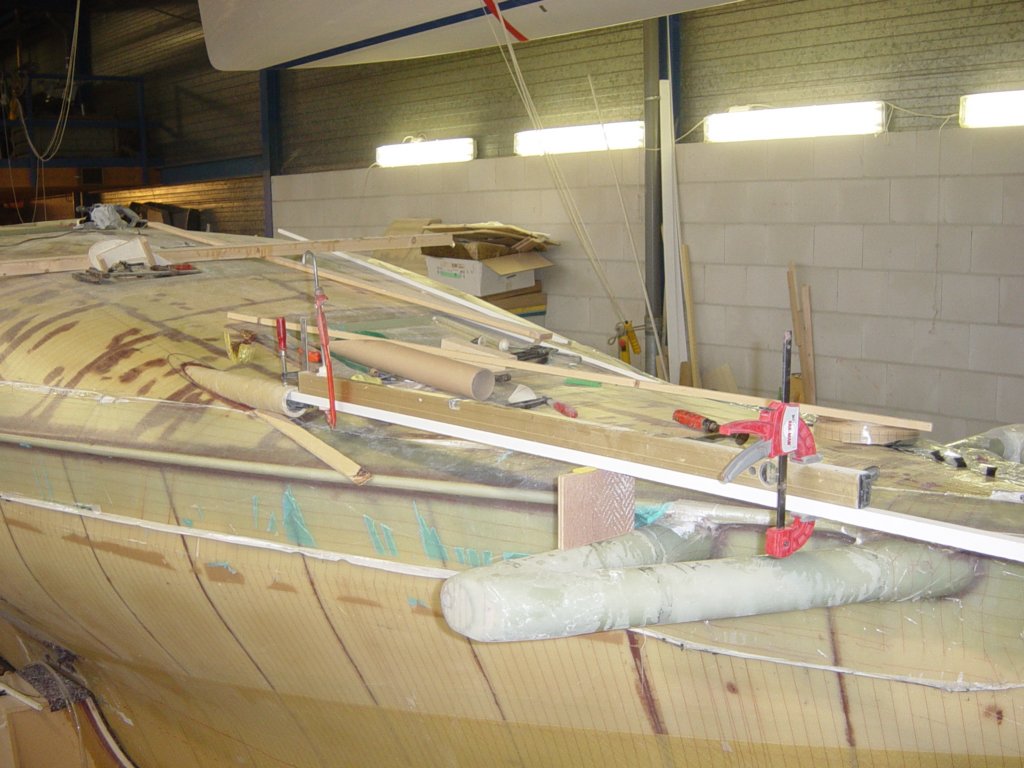
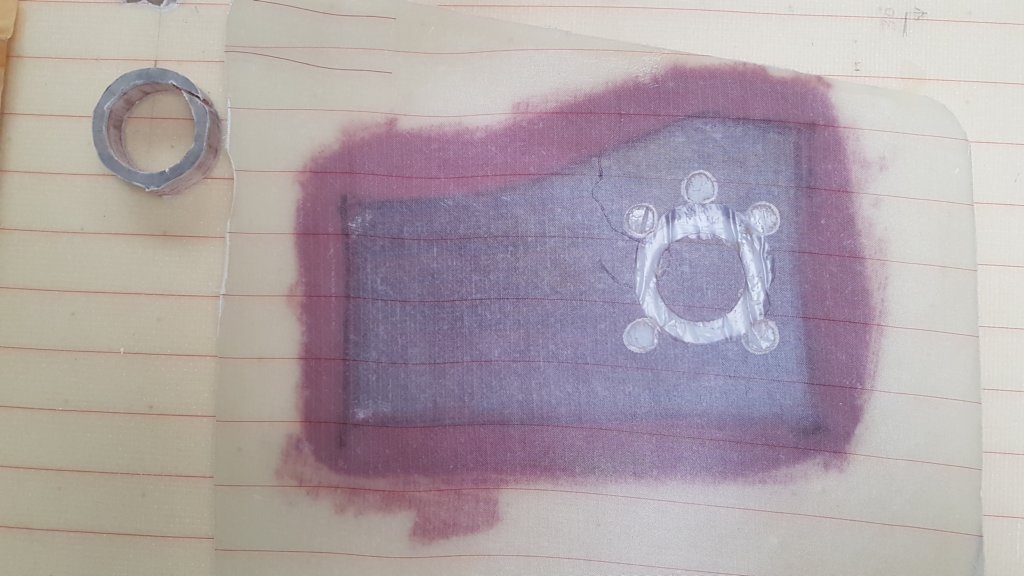
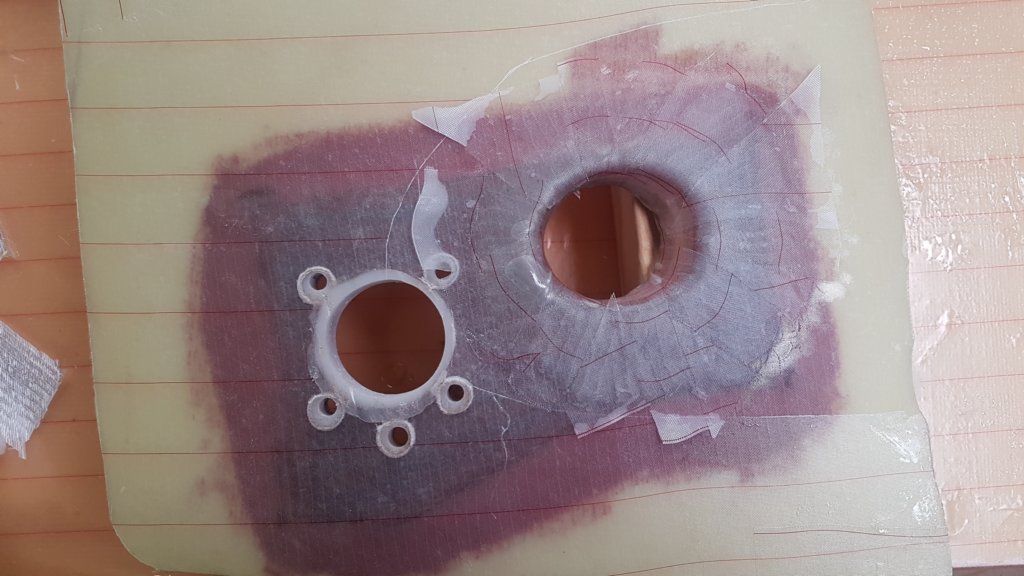
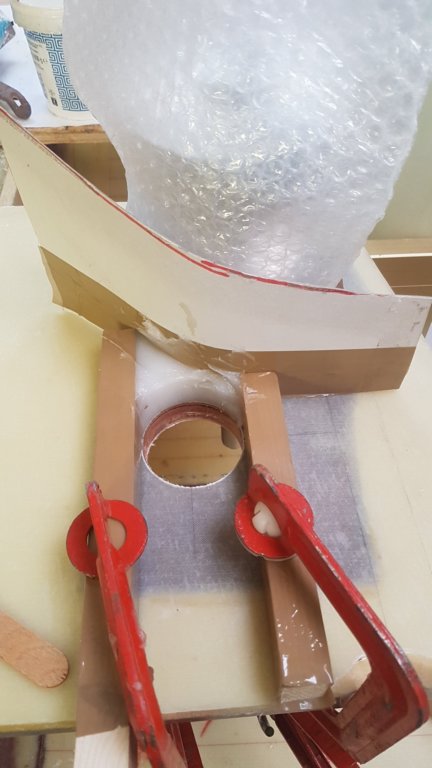
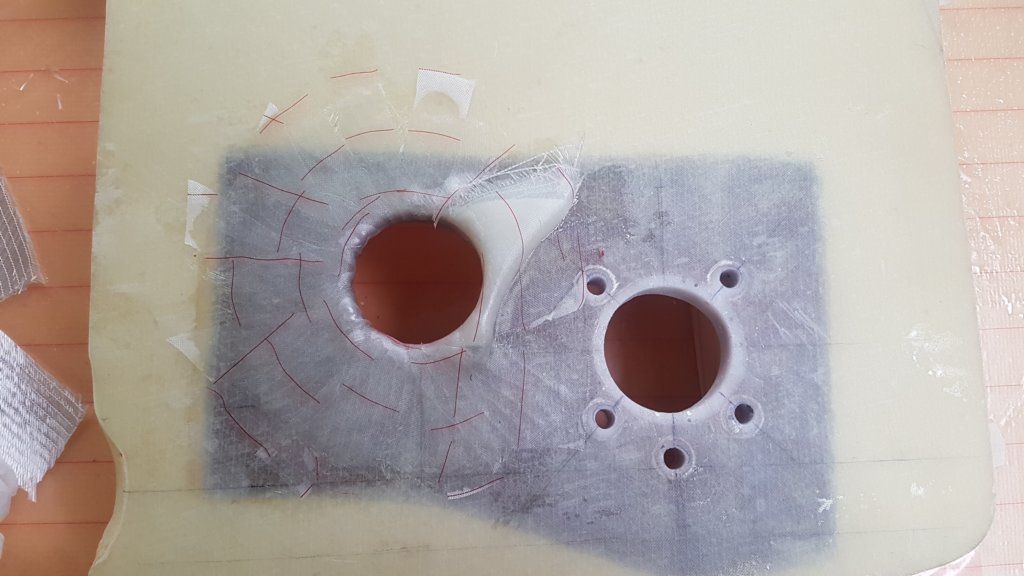
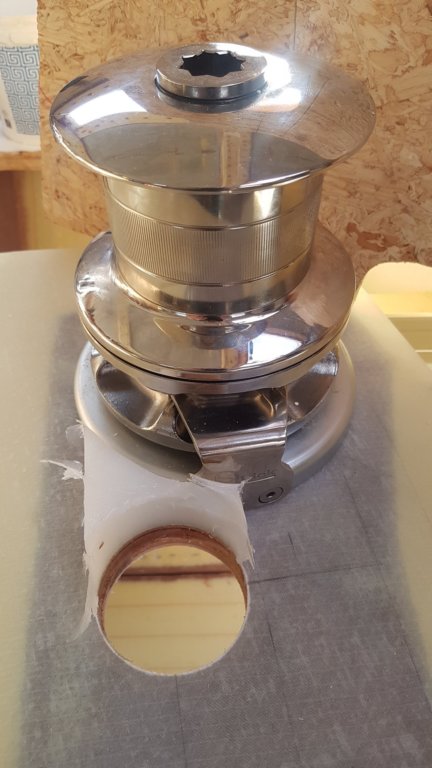
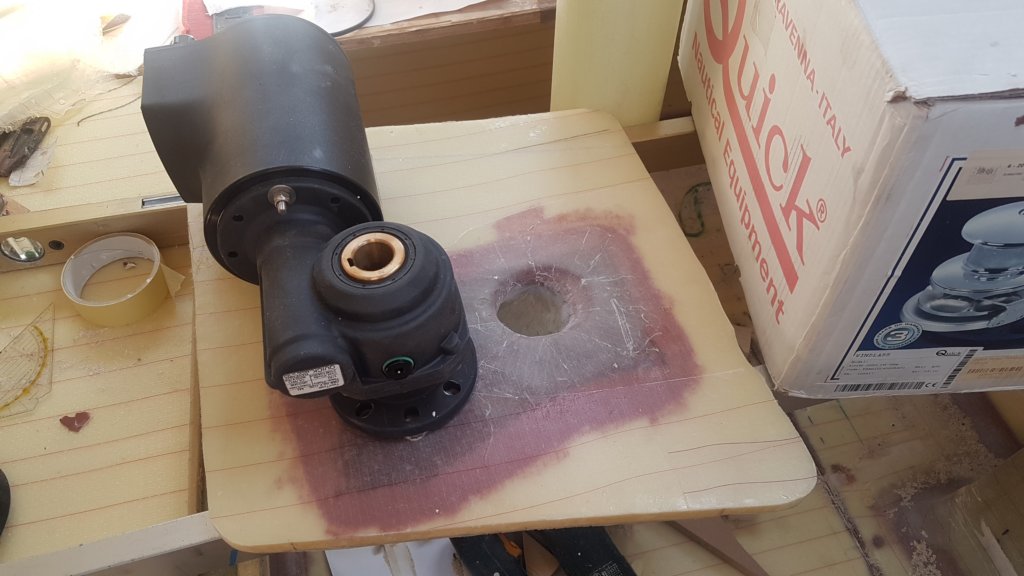
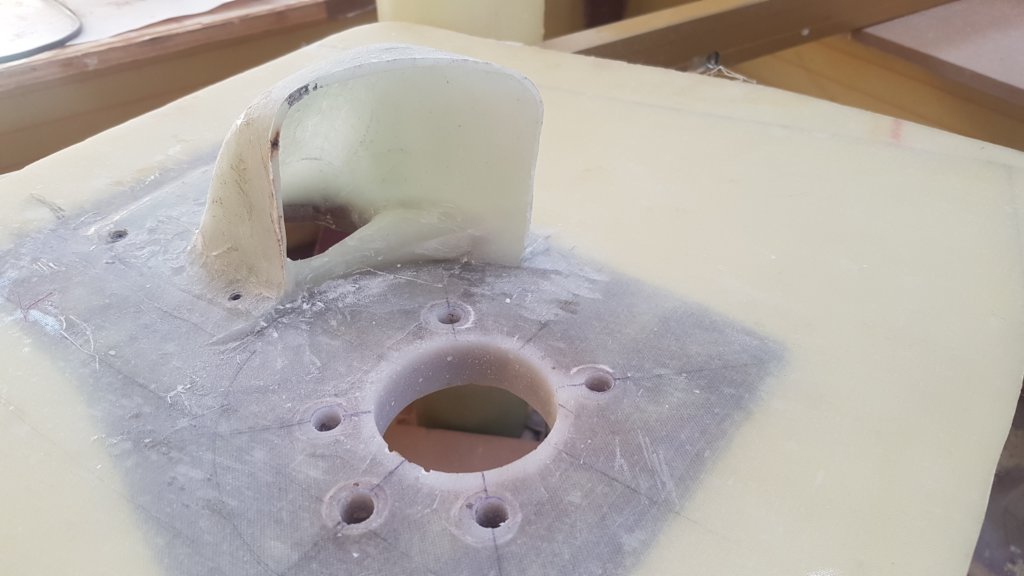
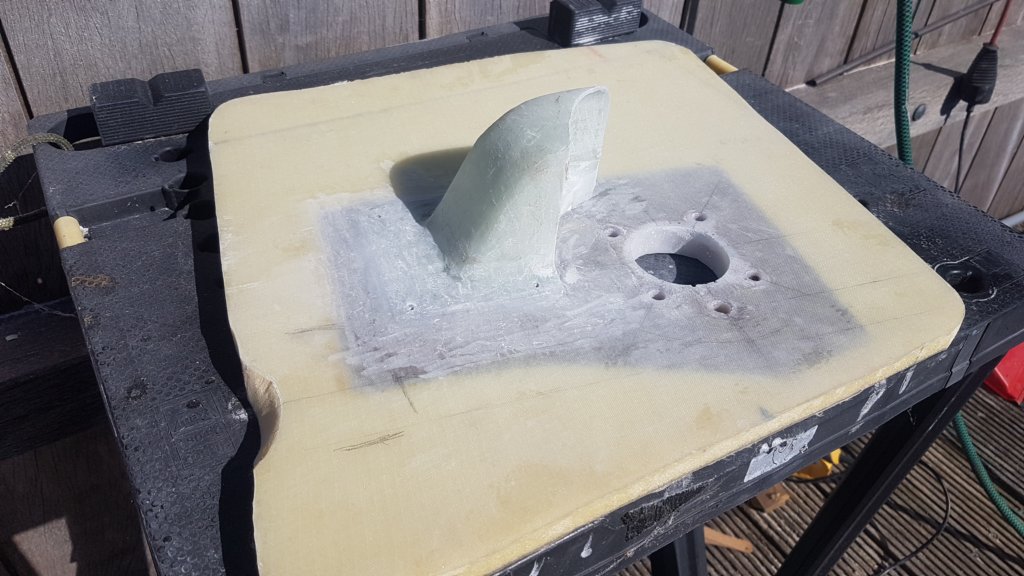
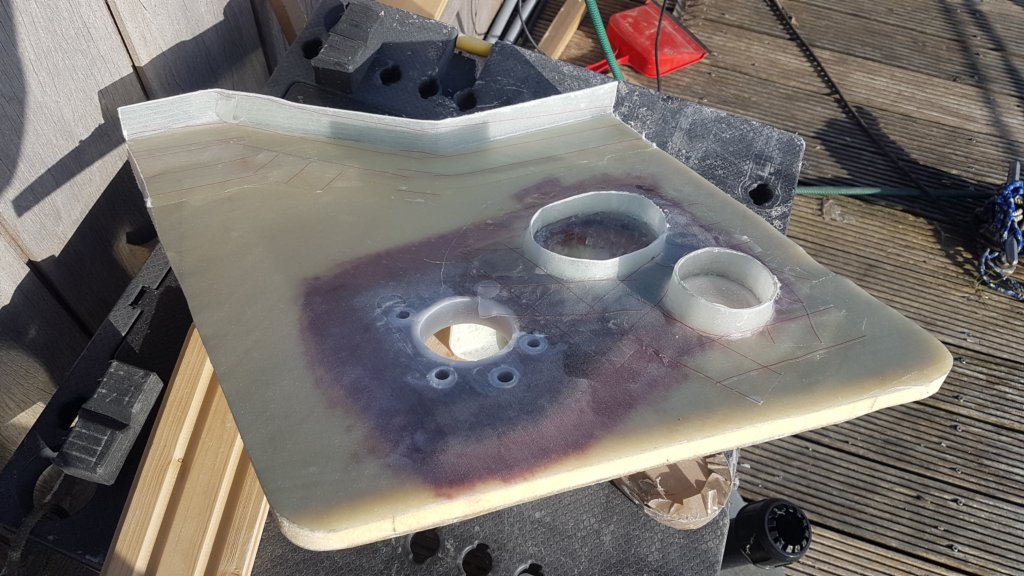
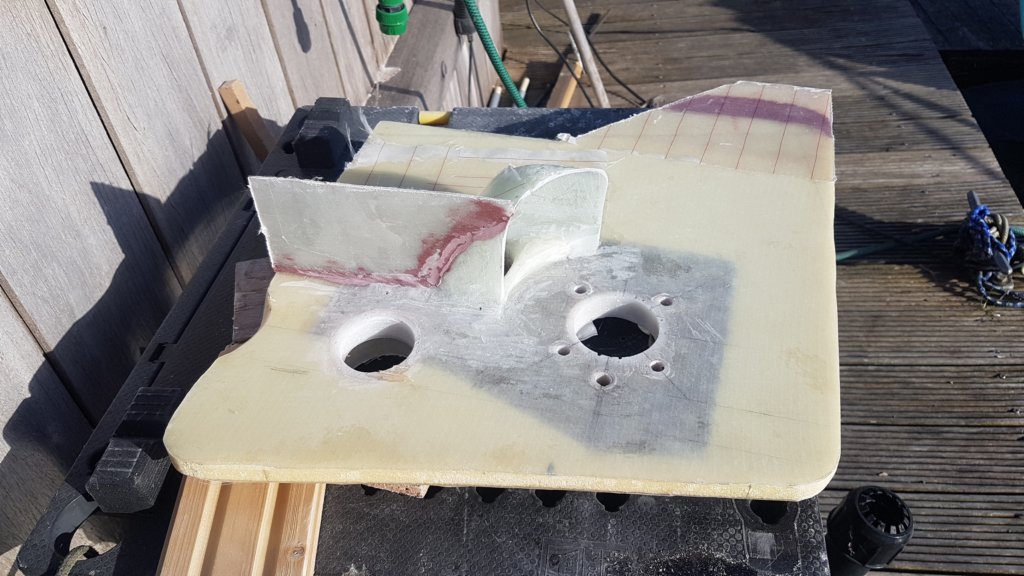
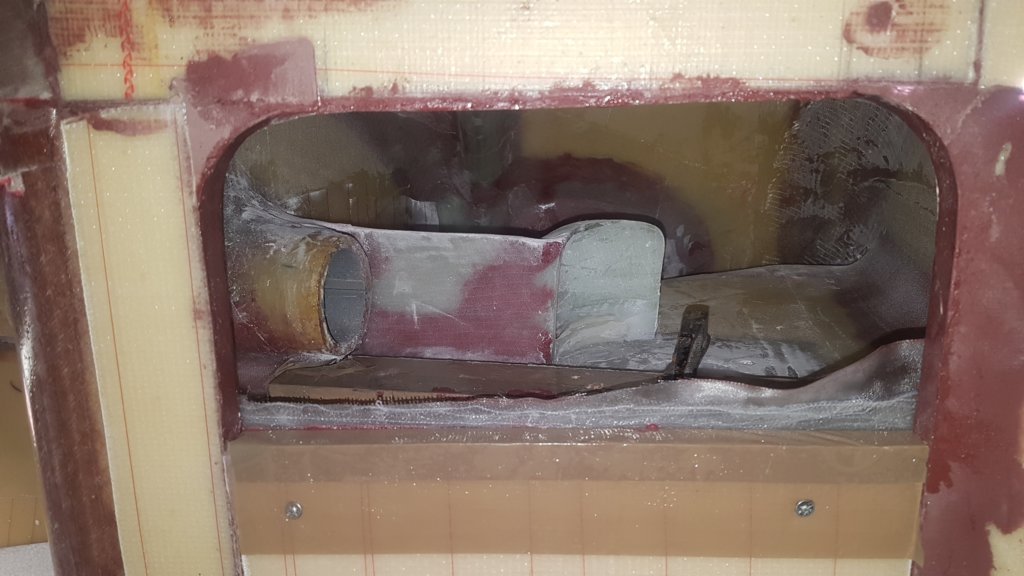
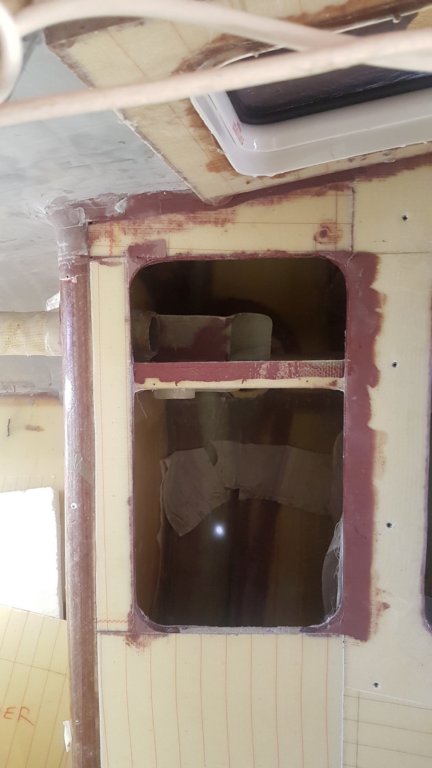
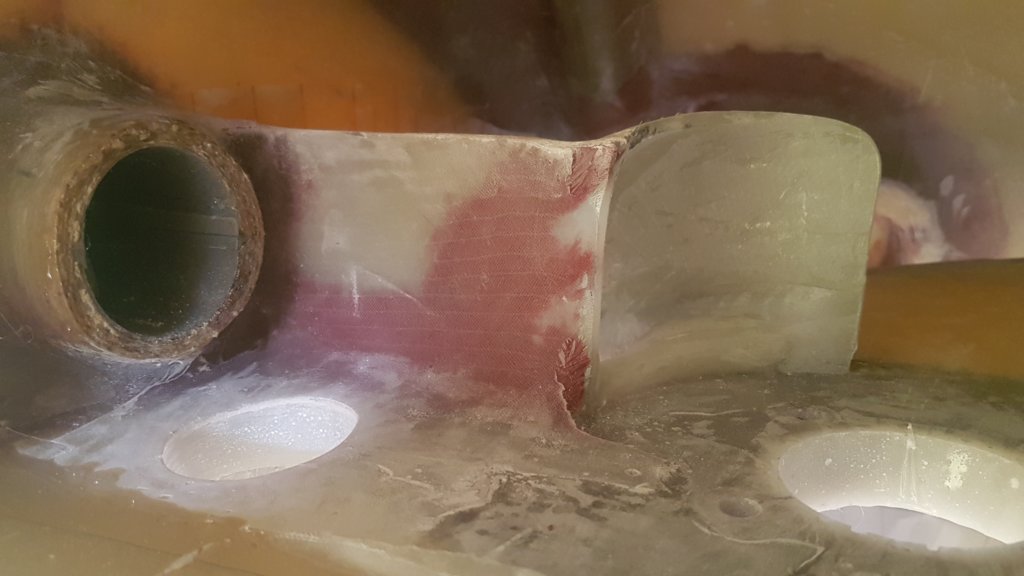
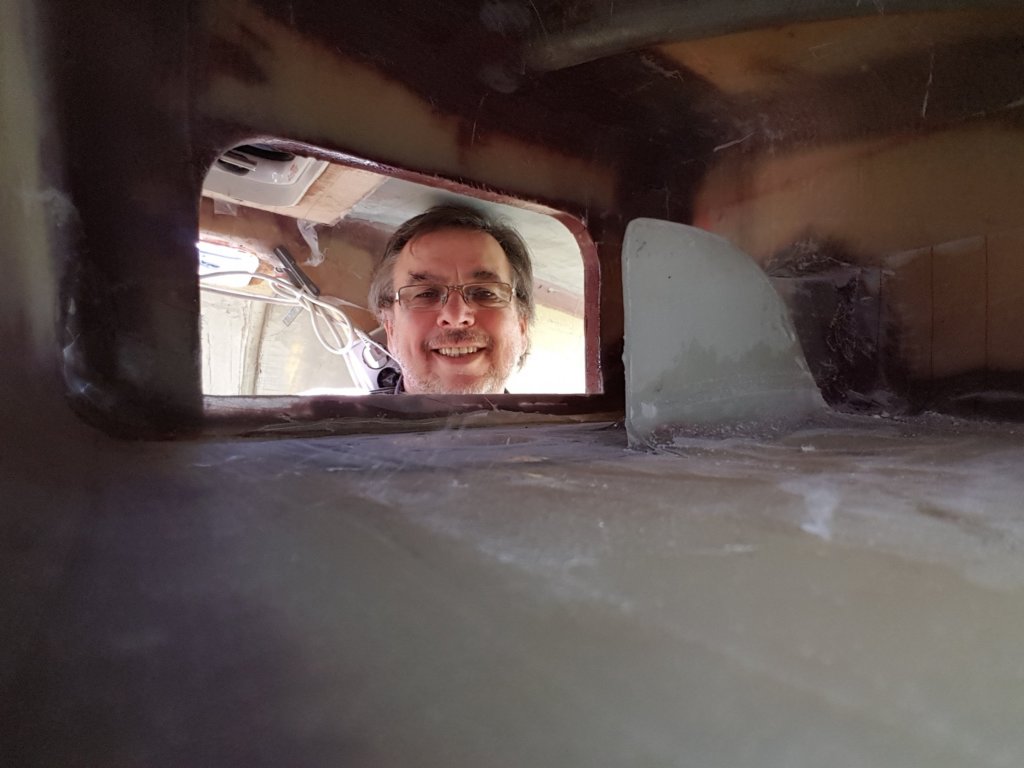
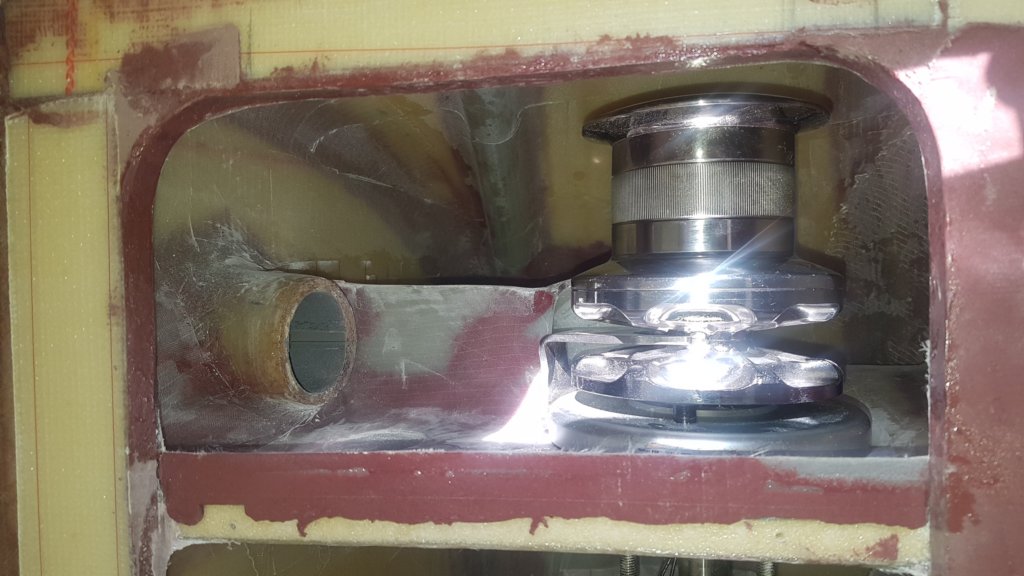
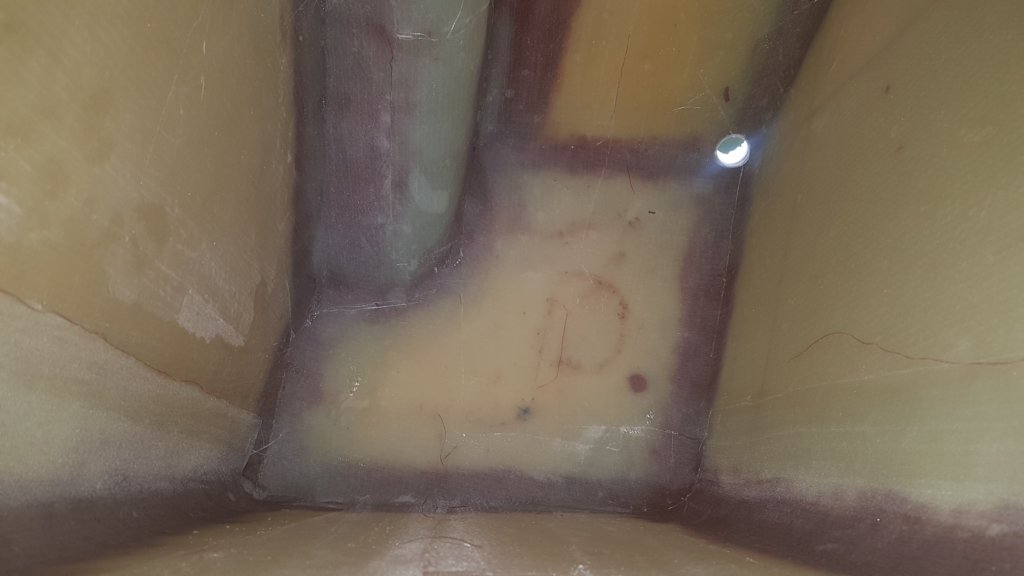
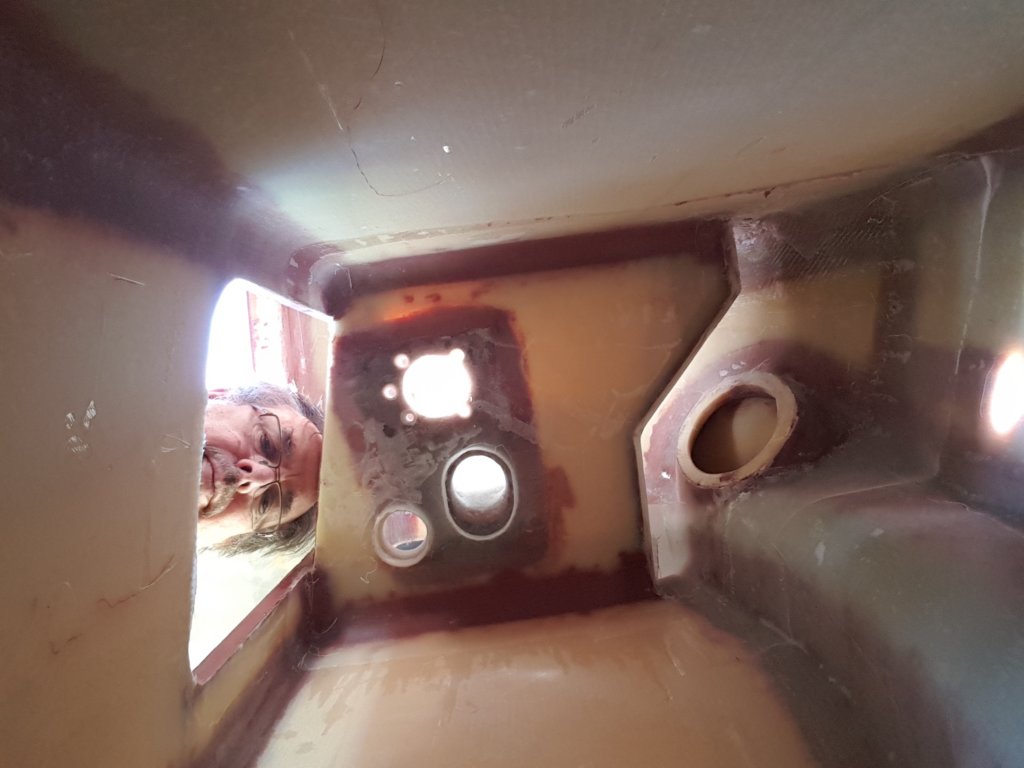
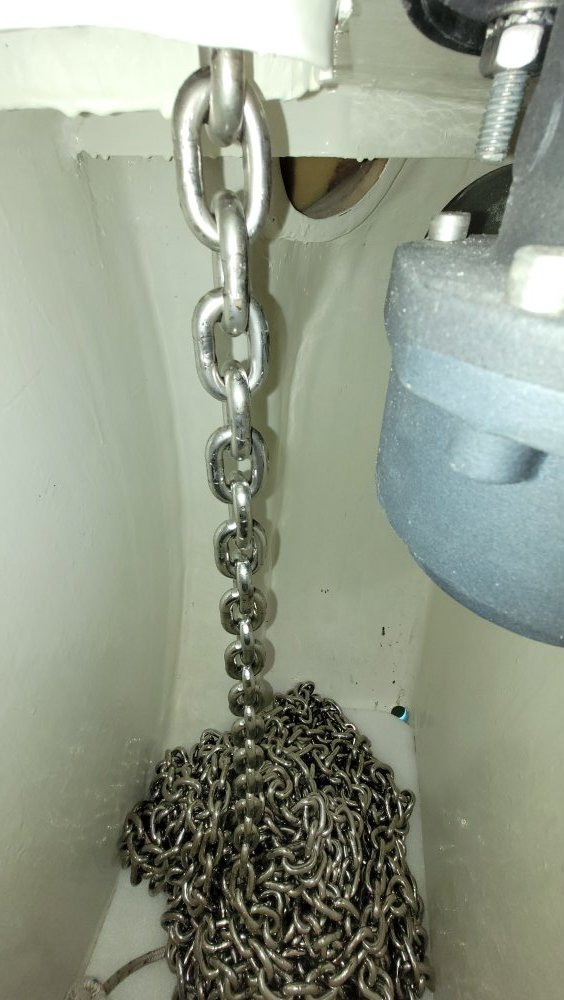
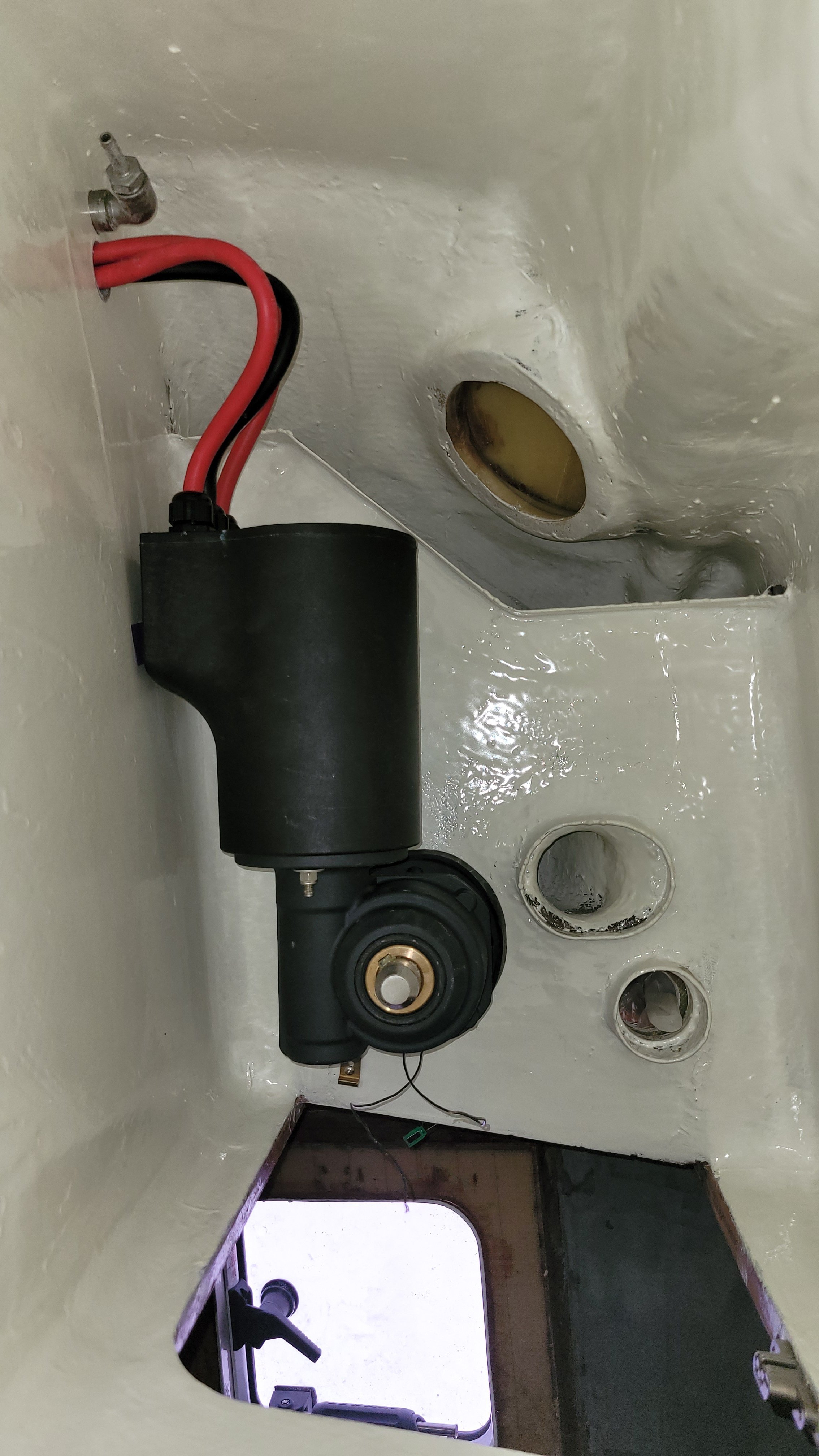
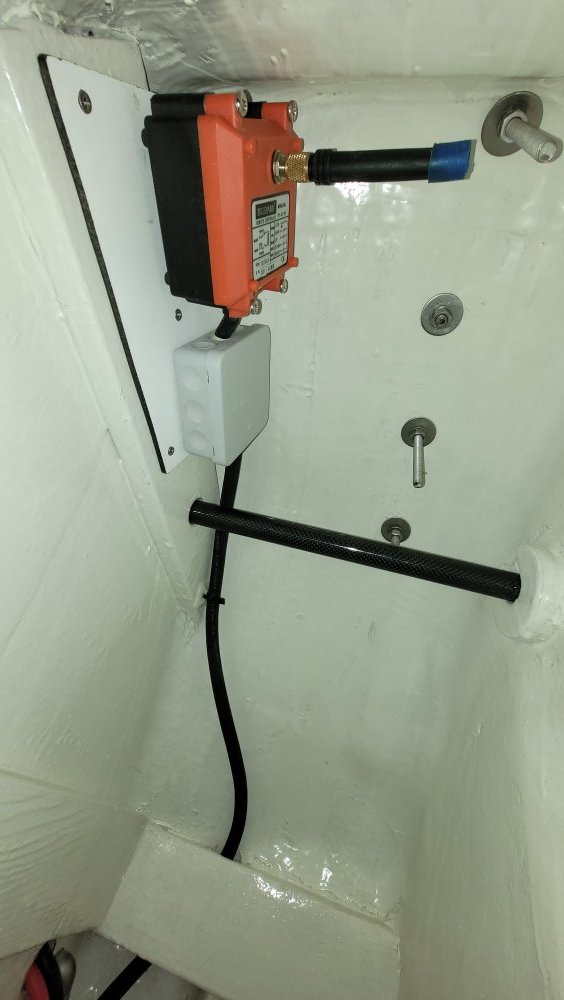
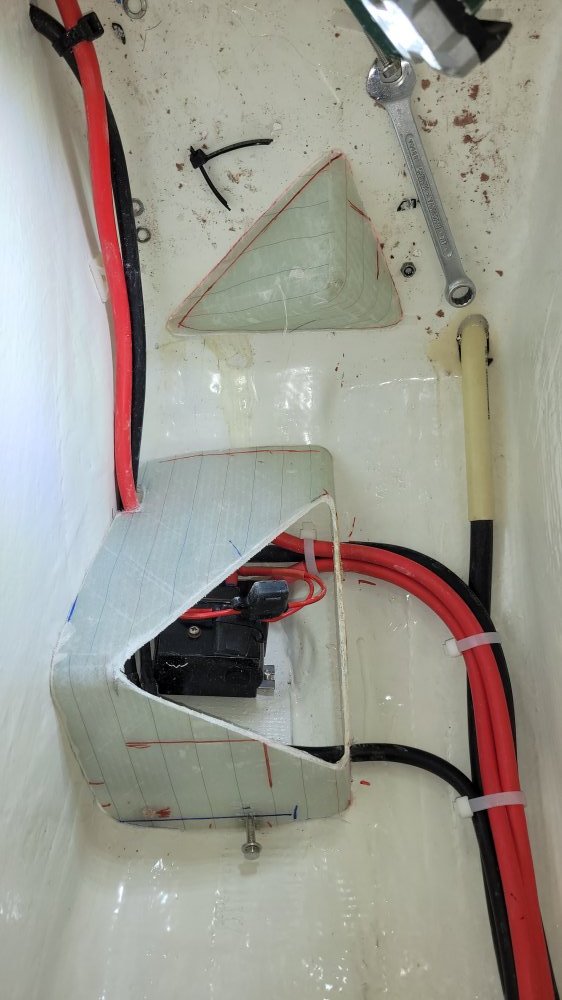
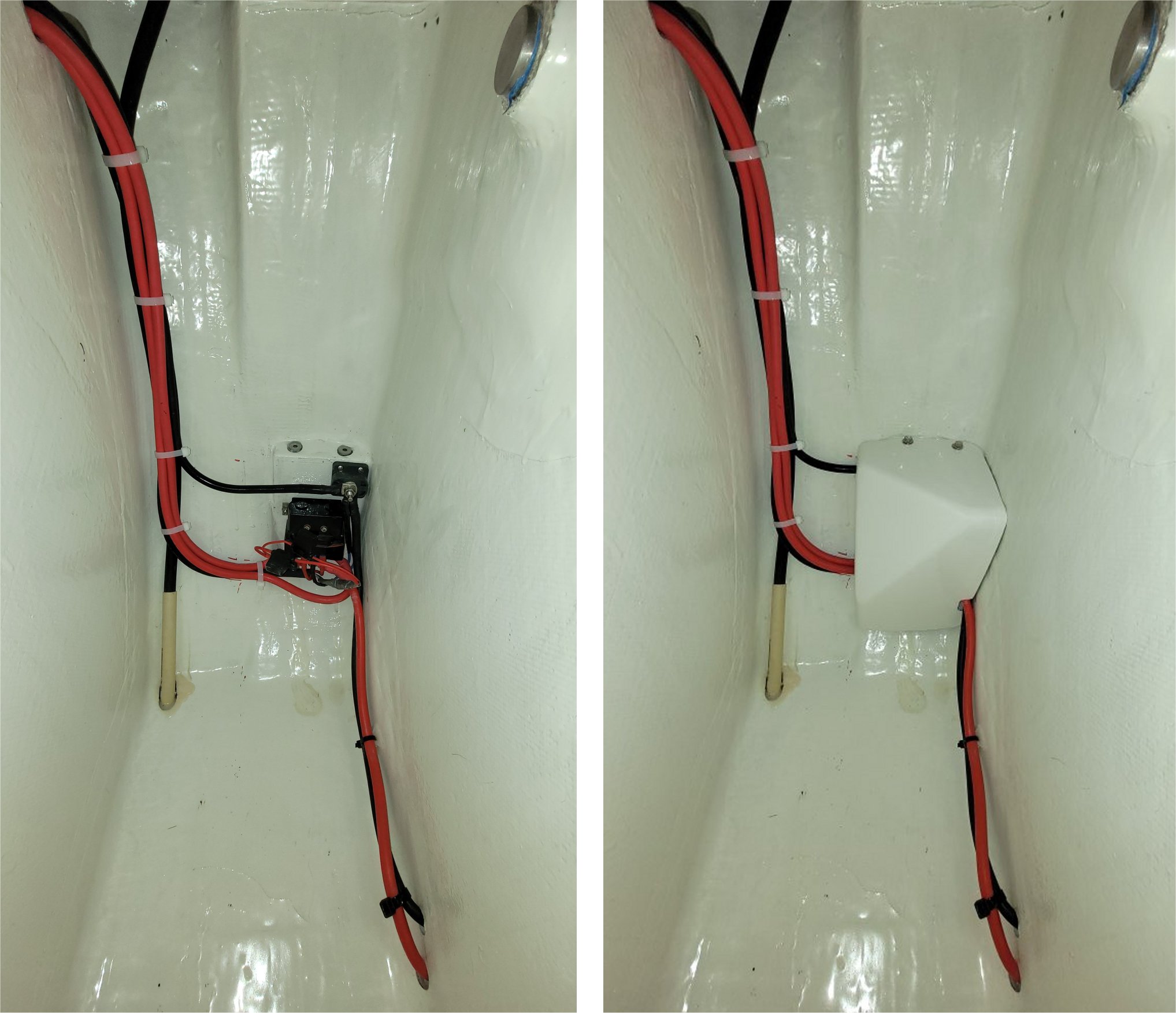
It is best to bring the weight of windlass, chain, and rope as far aft as possible. Just in front of the forward sub-beam bulkhead there is ample space to create a large chain locker, which also allows the windlass to be mounted below deck. The consequence is a chain pipe through the deck, positioned between the bow wing and the windlass locker.
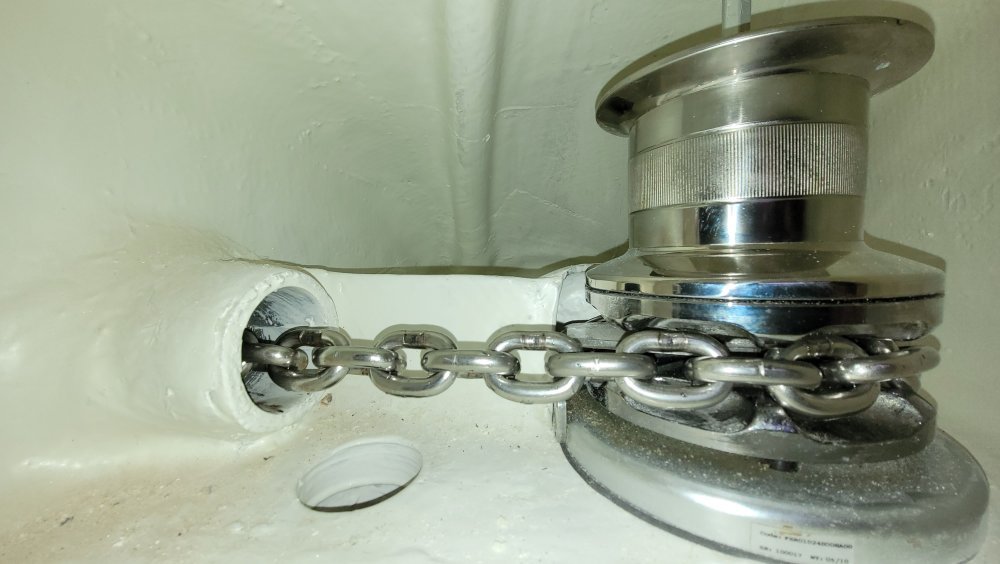
A study of available windlasses showed that a vertical windlass is the most suitable option for this application. The available space in the windlass locker and the improved 180-degree grip of the chain on the gypsy, compared to the 90-degree grip of a horizontal windlass, were decisive factors.
An unexpected complication arose when I discovered that most vertical windlasses rotate clockwise when hauling the anchor. Since the windlass would be mounted on the starboard side, this would force the chain pipe too far outboard, causing the chain to run down along the side of the chain locker. That is far from ideal. A counter-clockwise hauling direction would be preferable.
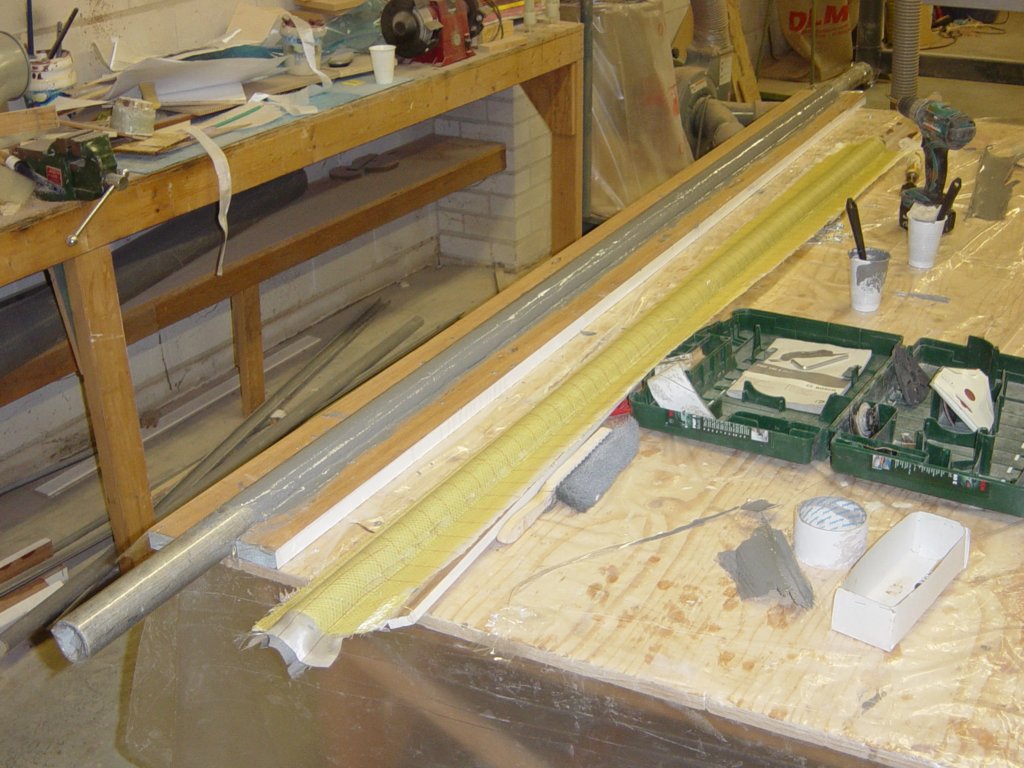
Although most windlasses can rotate both ways, the chain pipe on vertical windlasses is almost always fixed on the port side. Only Quick offers left- and right-hand versions, but unfortunately only for their larger models. The smaller Rider model is supplied without a chain pipe, and an email exchange with the Italian manufacturer confirmed that a custom chain pipe on the starboard side would be feasible.
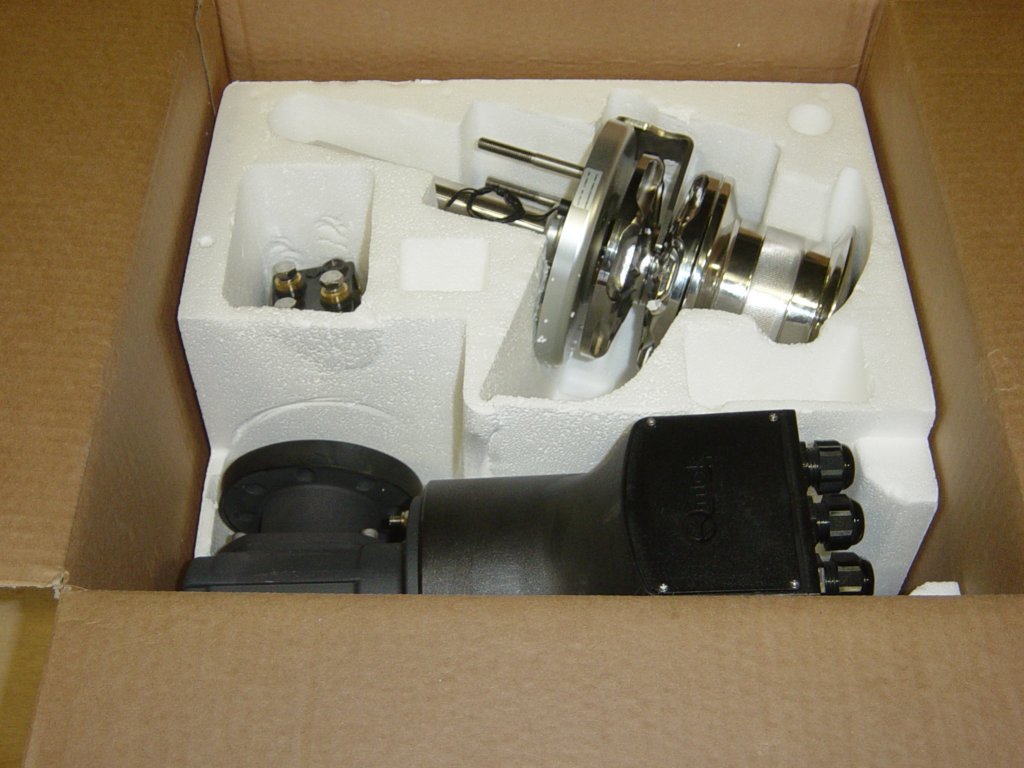
I therefore purchased a Quick Rider R3, 1000 W, 24 V windlass with an 8 mm / 14 mm chain-rope gypsy.
The next question was which anchor to choose. I am familiar with traditional anchors such as CQR, Bruce, Danforth, FOB, and Fortress, but modern anchor designs have proven to be clearly superior. Comparative tests consistently rank Spade and Rocna among the best performers. Based on the required holding power, I needed an anchor with a fluke area of about 1400 cm², corresponding to either a Spade S140 or a Rocna 25.
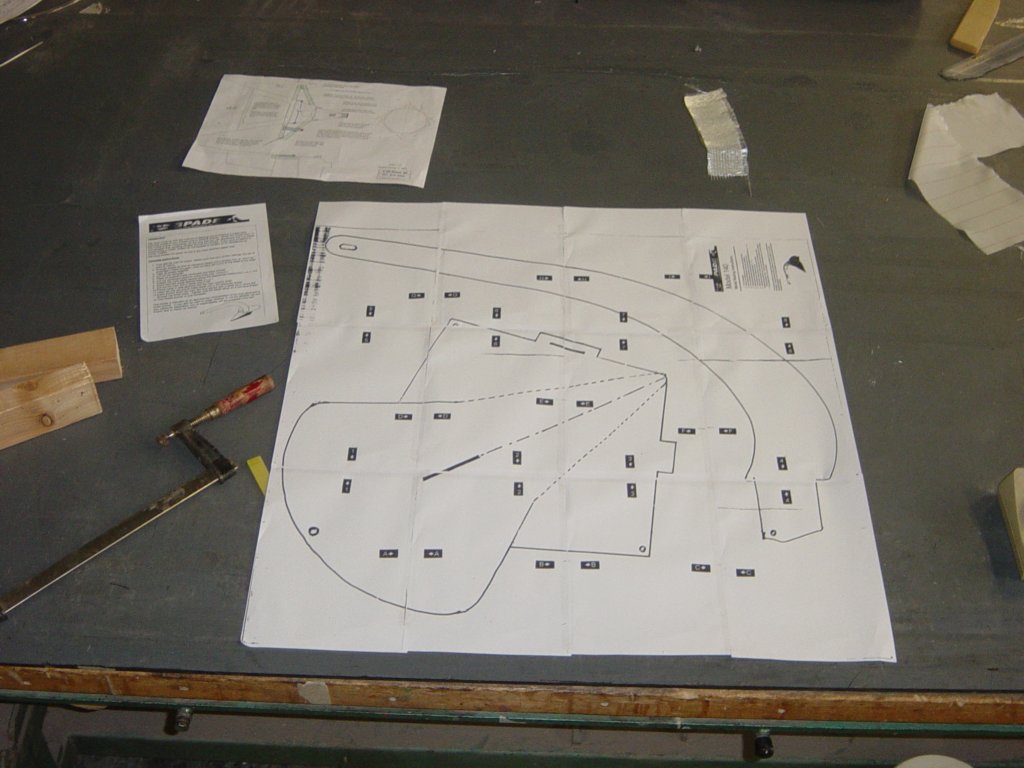
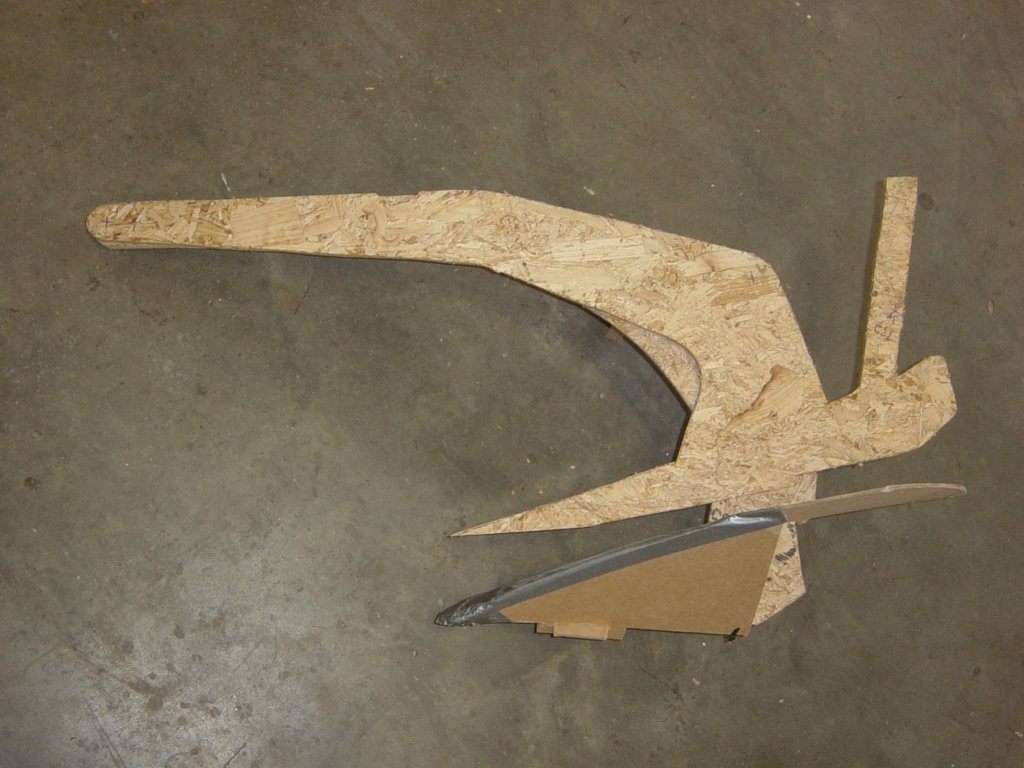
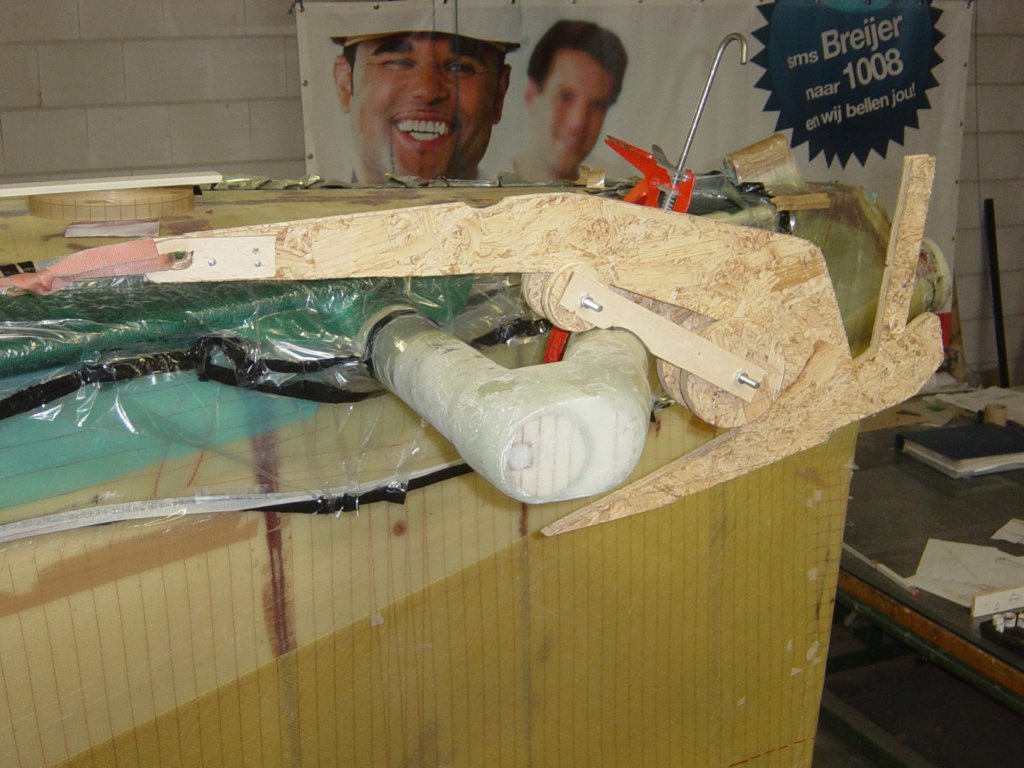
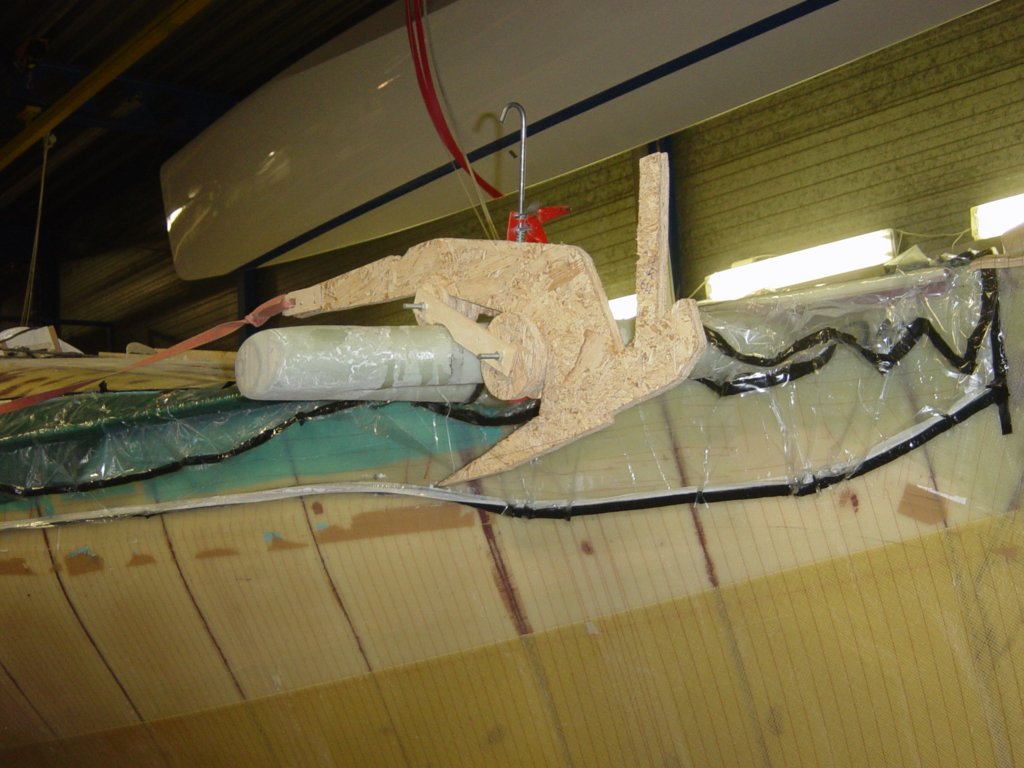
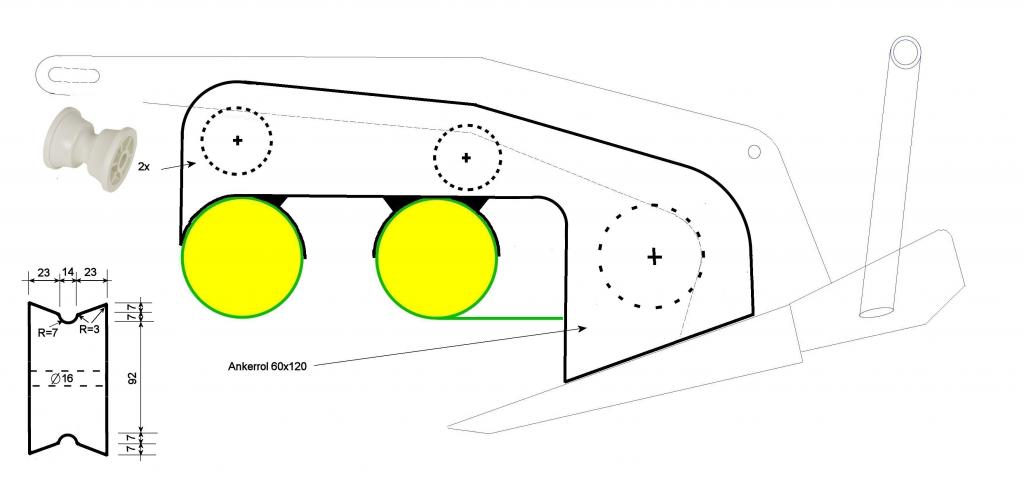
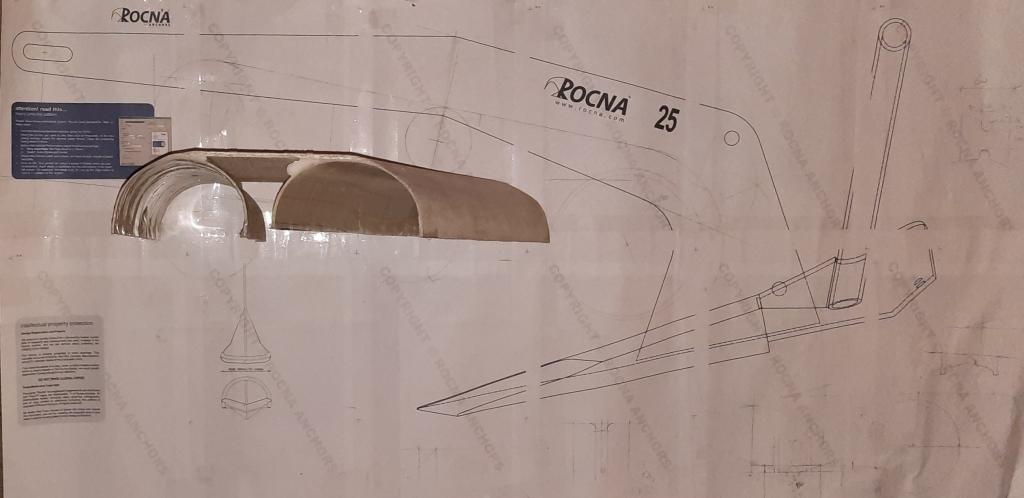
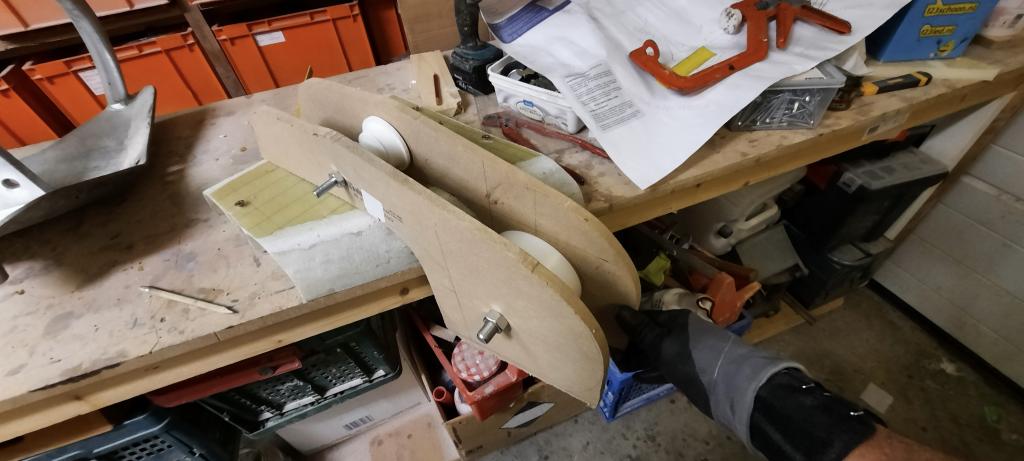
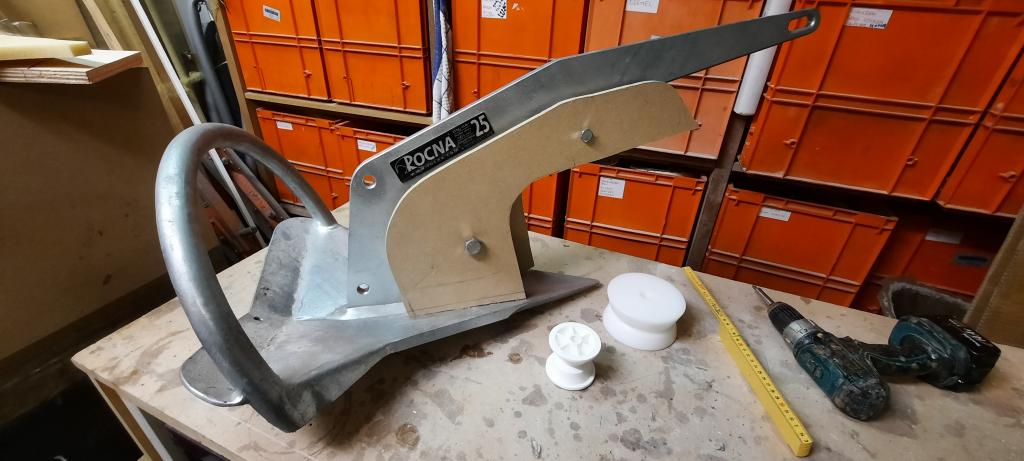
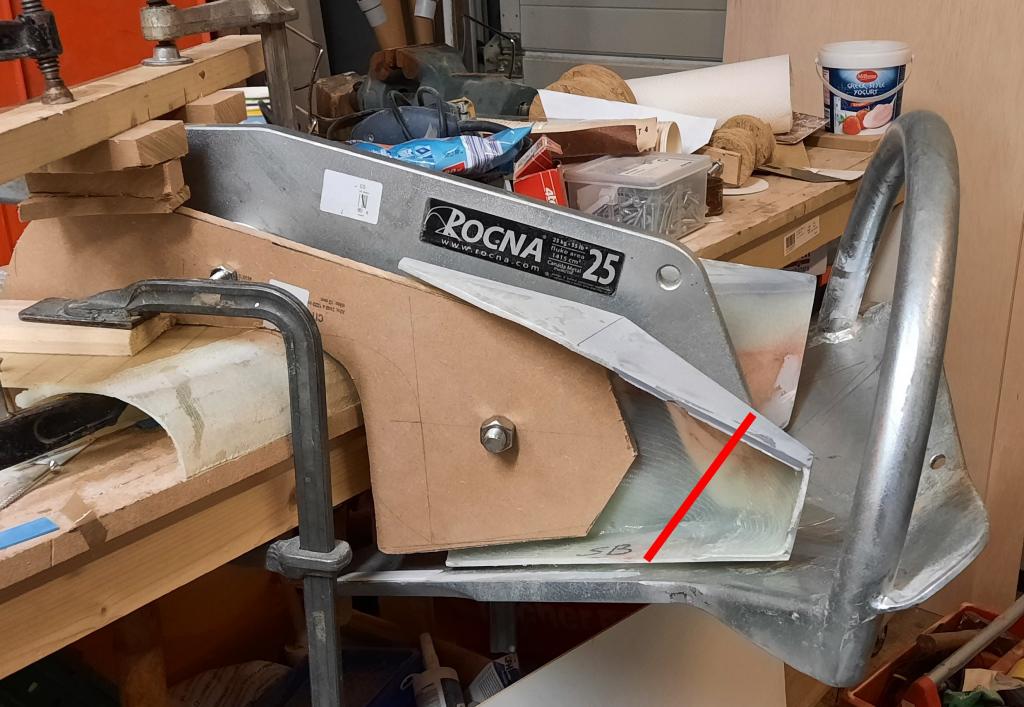
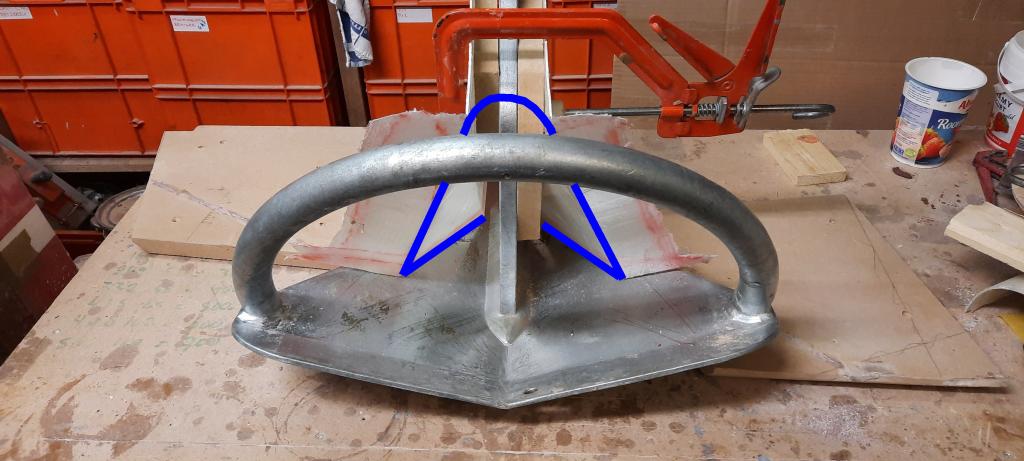
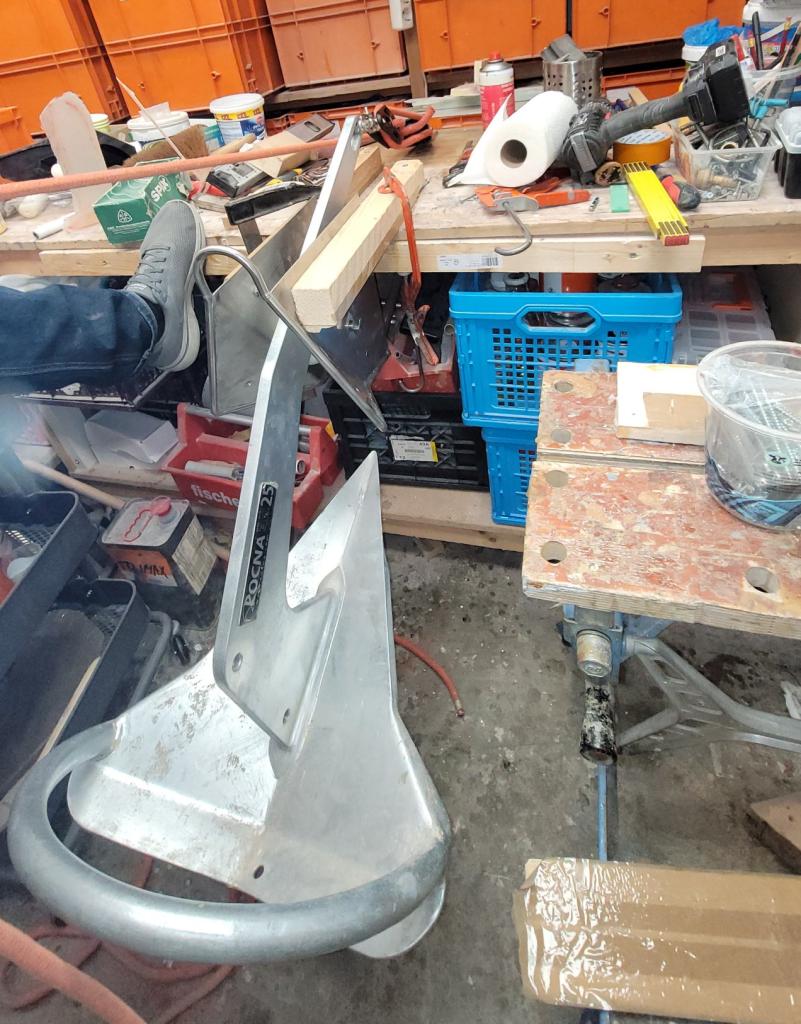
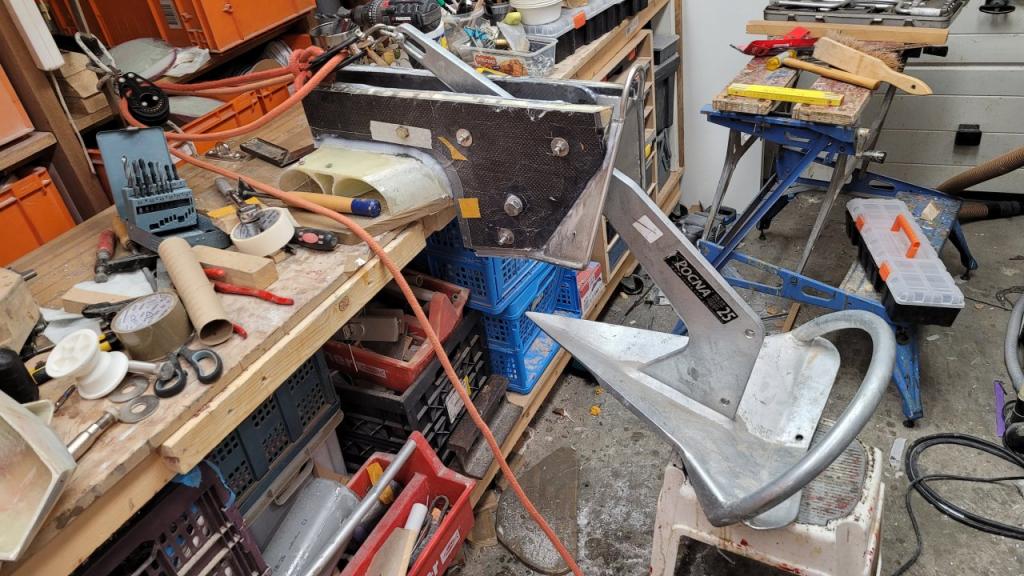
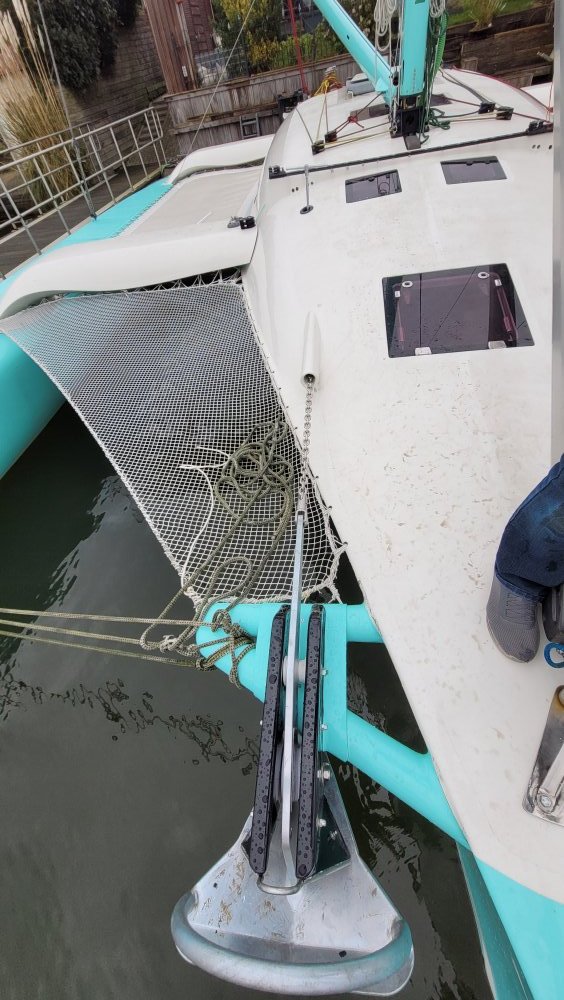
Using the manufacturers’ 1:1 drawings, I made wooden mock-ups of both anchors to evaluate how they could be stowed on the bow wing. Although both anchors have roughly the same length, the Rocna 25 is significantly lower in height than the Spade. In addition, the Rocna is considerably less expensive than the Spade, especially compared to the lightweight aluminium version of the latter, which was well beyond my budget.
I therefore decided to go with the Rocna 25.
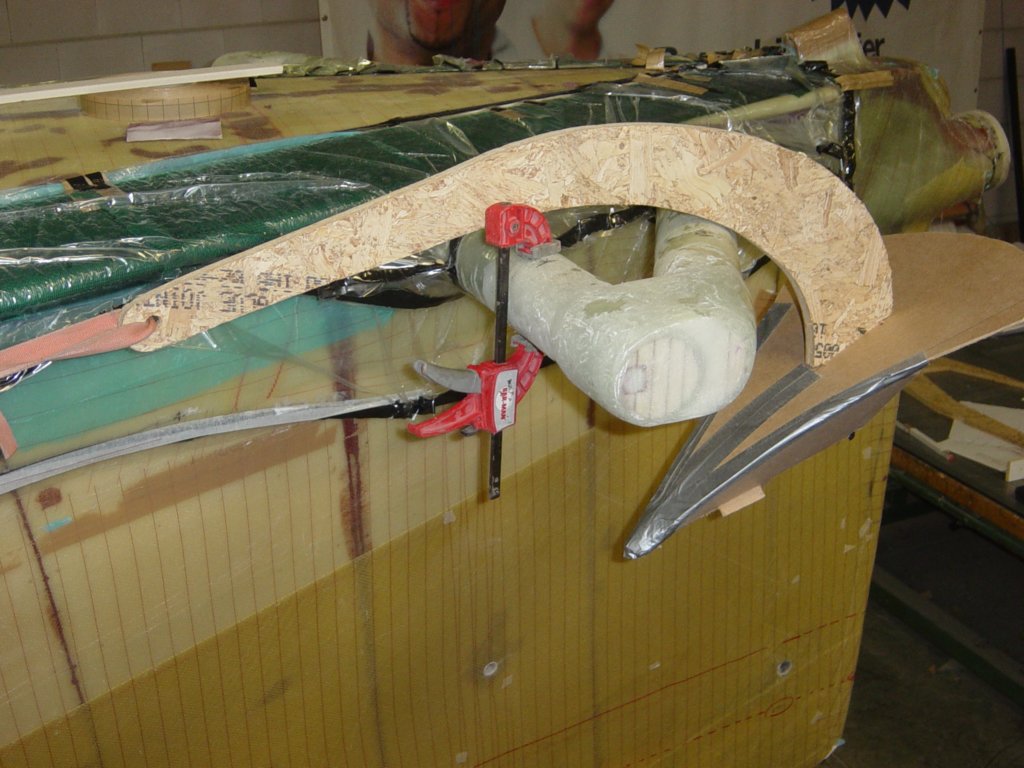
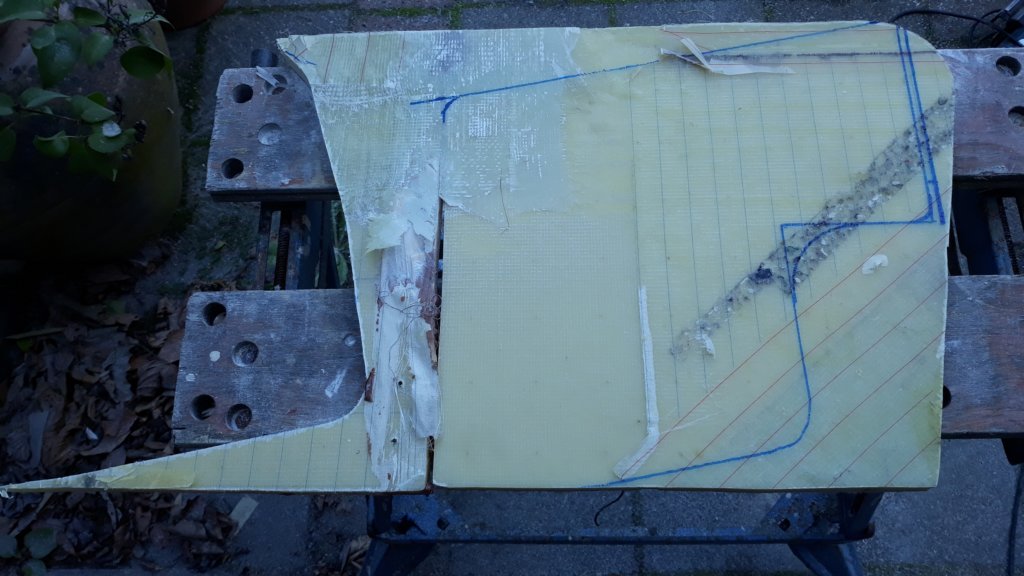
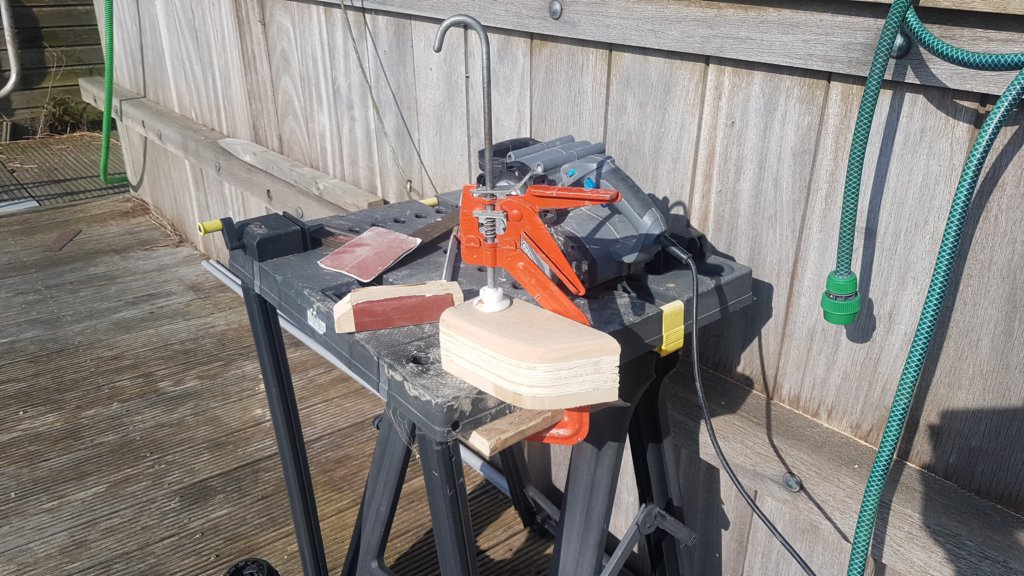
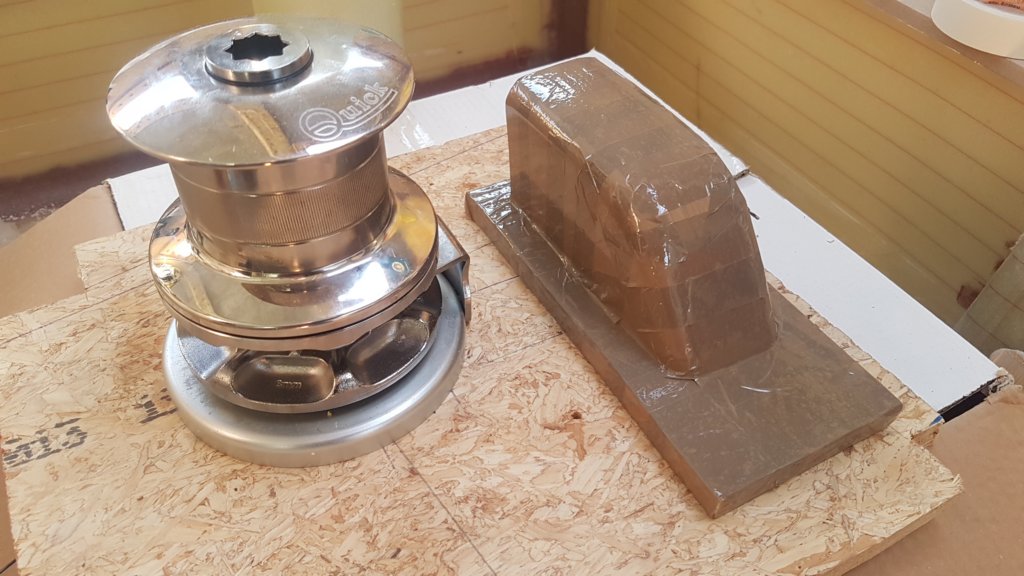
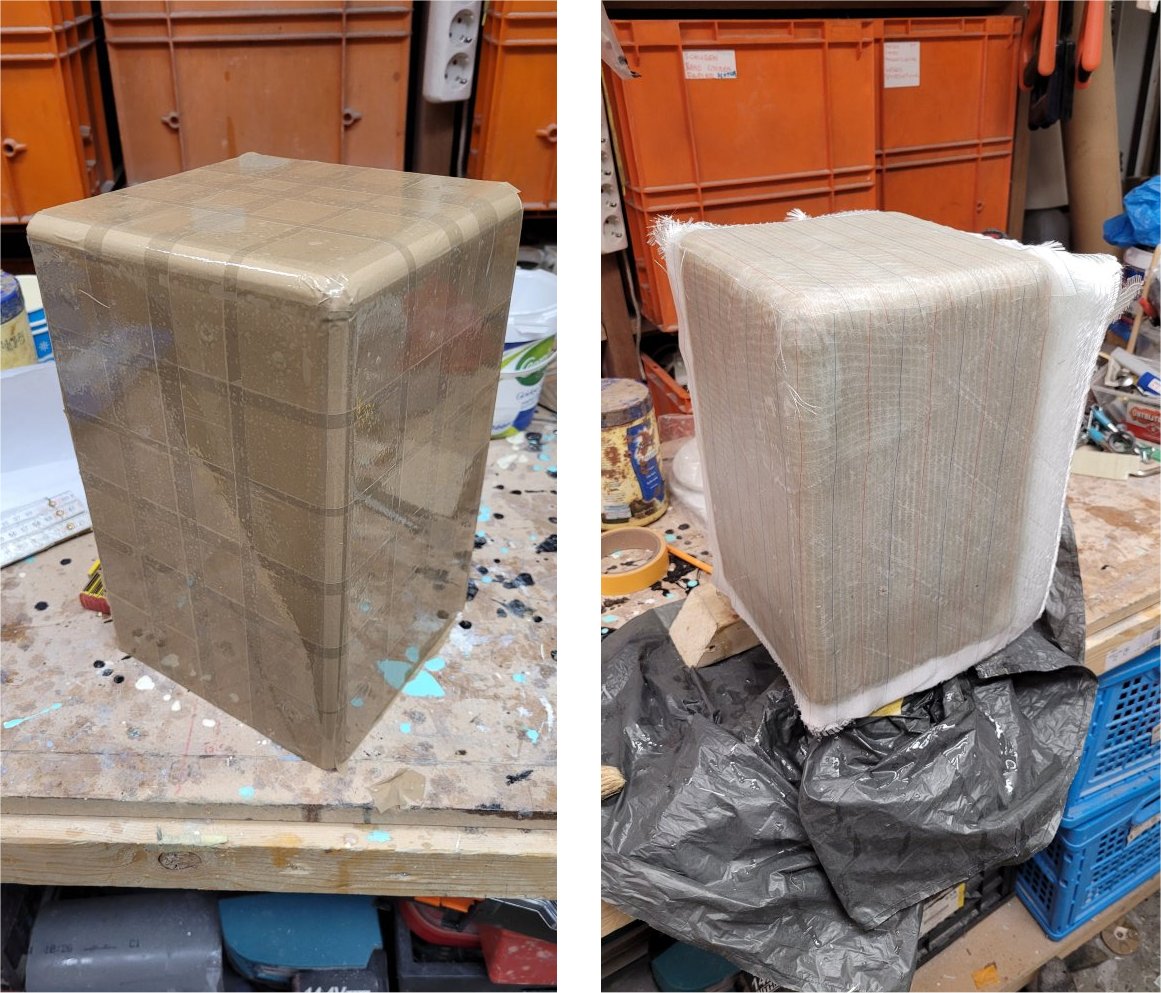
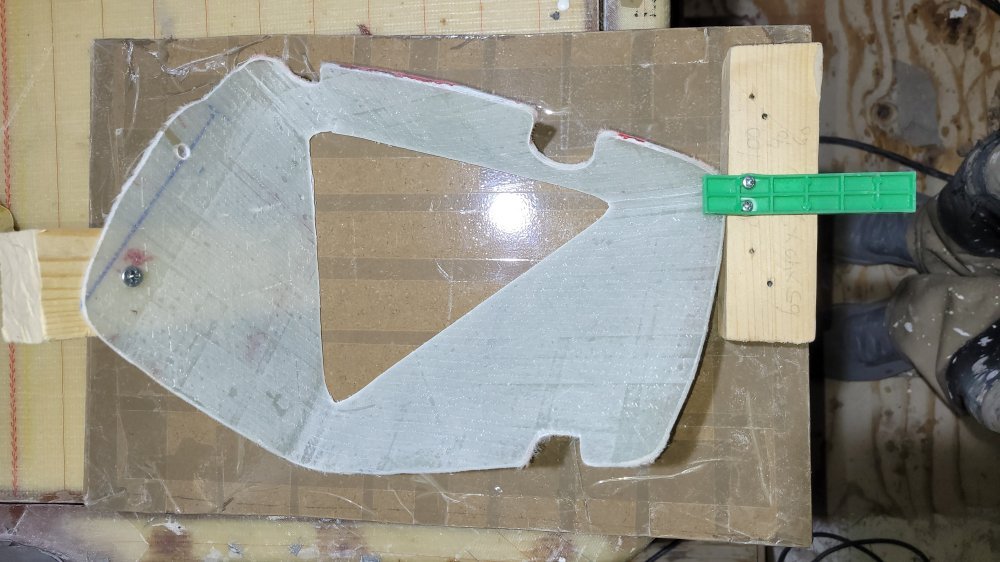
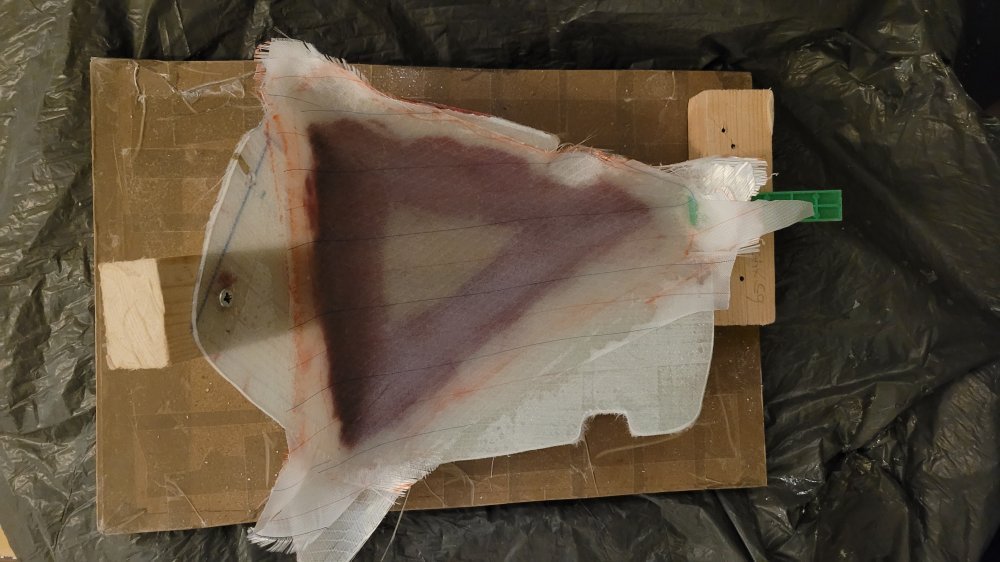
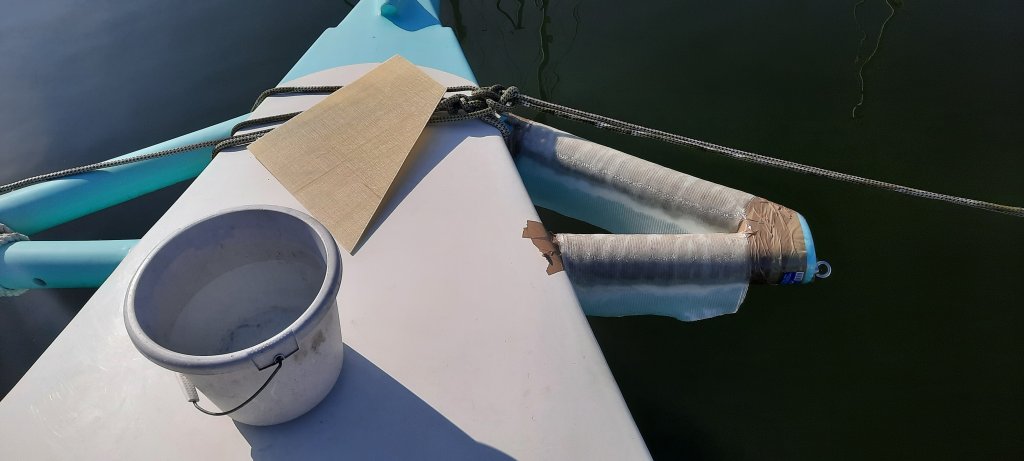
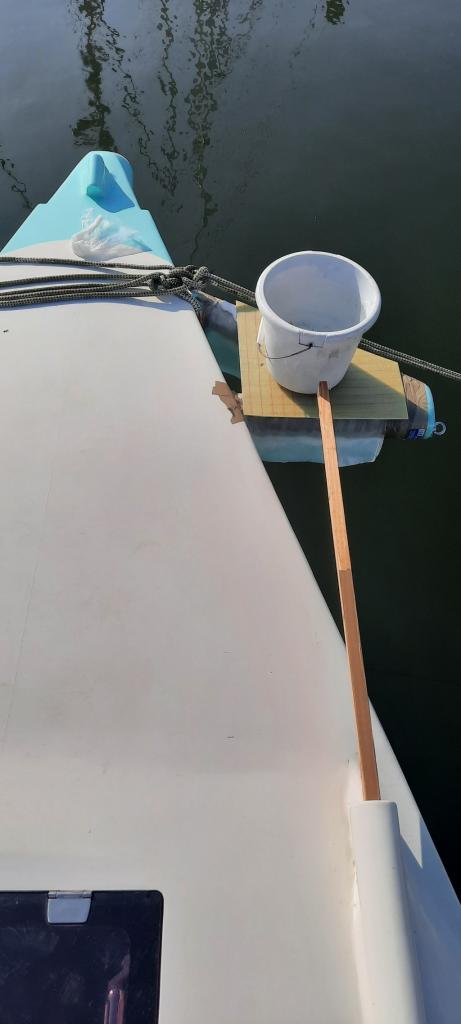
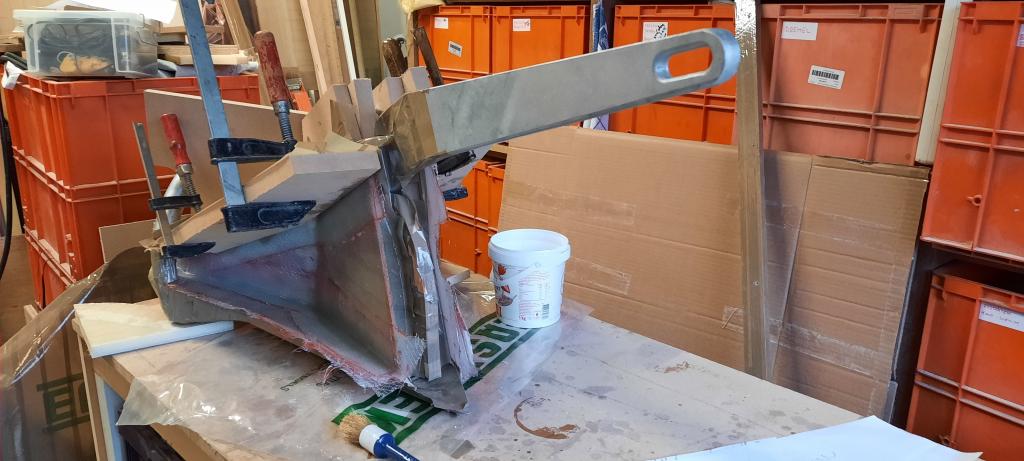
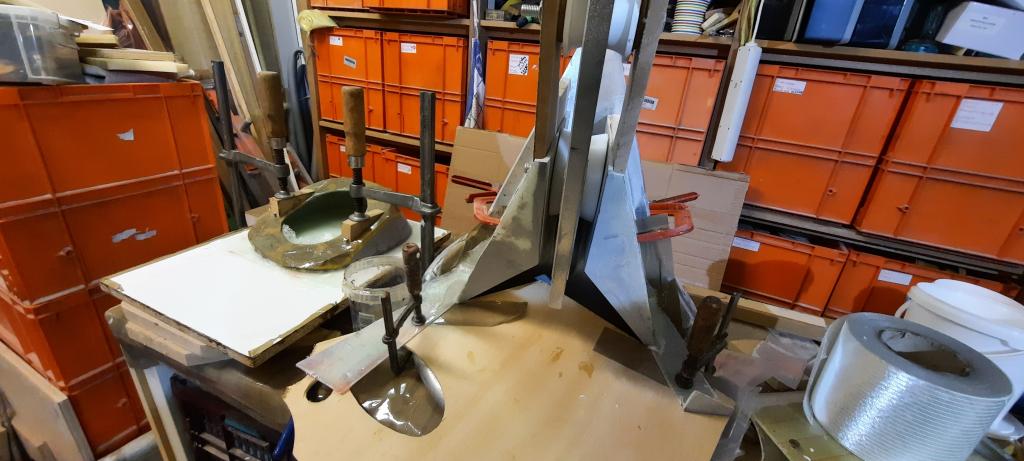
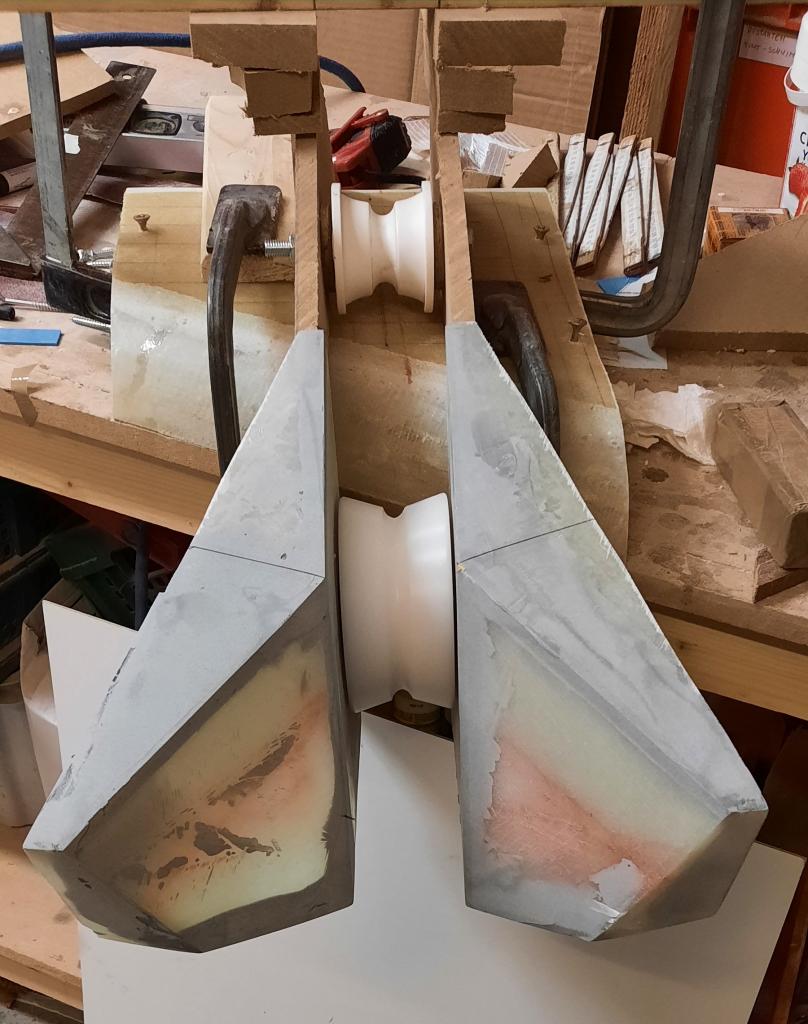
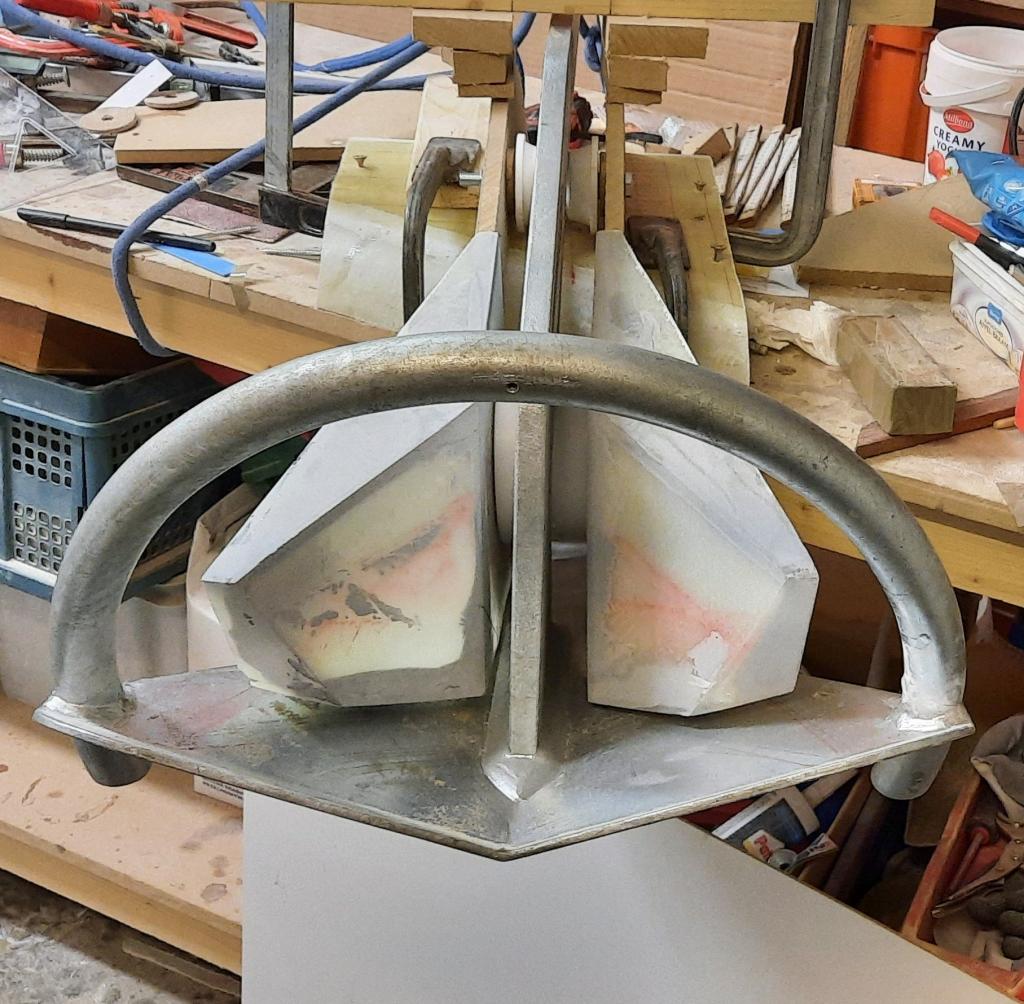
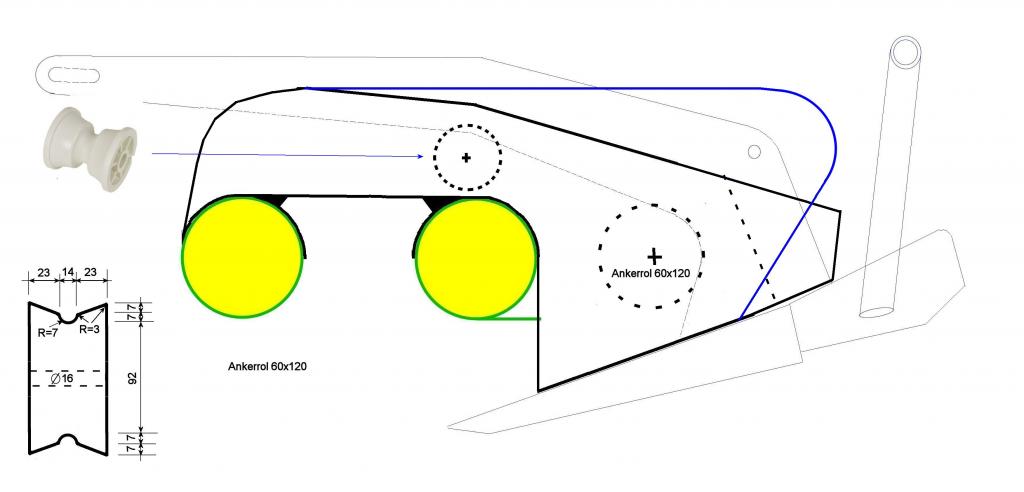
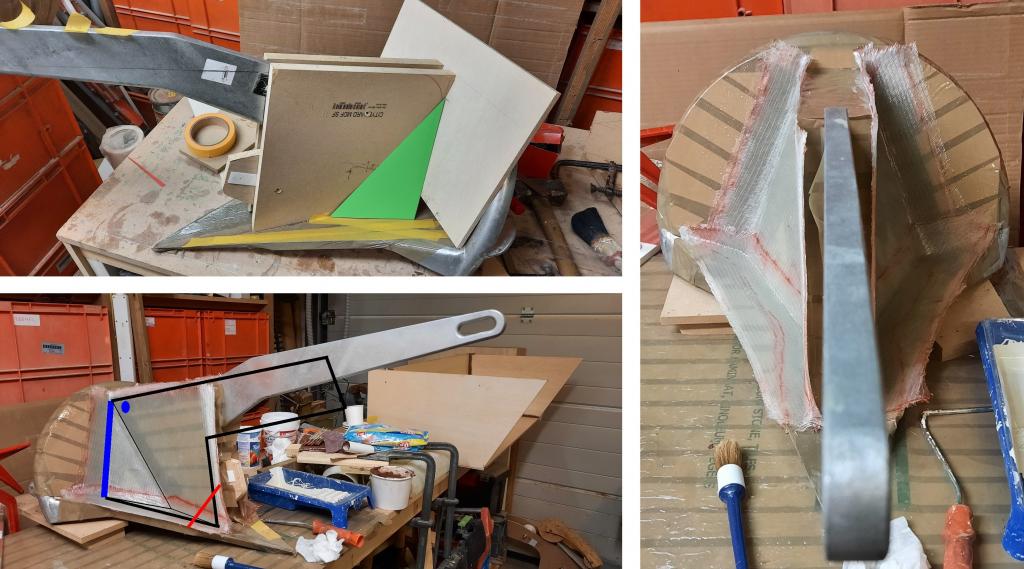
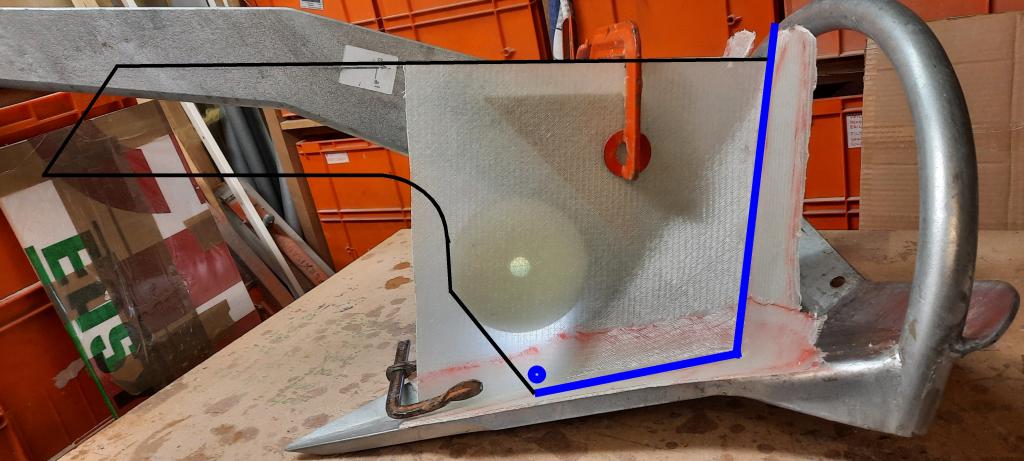
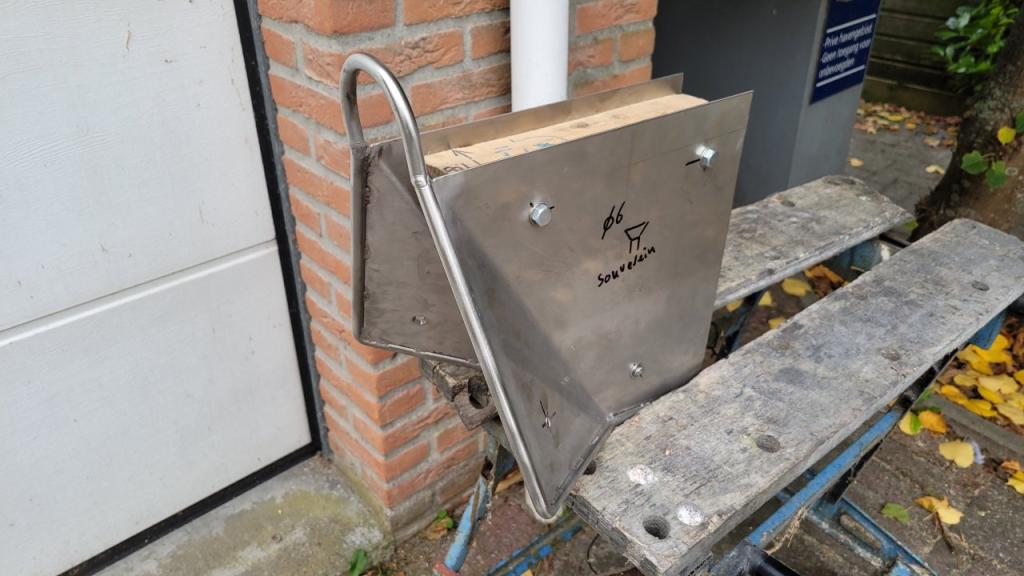
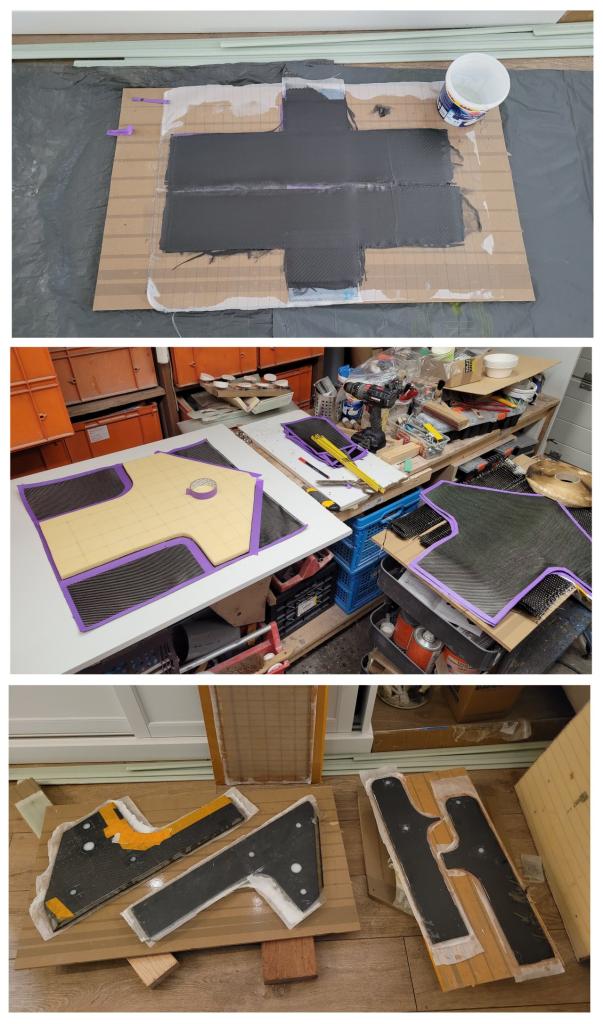
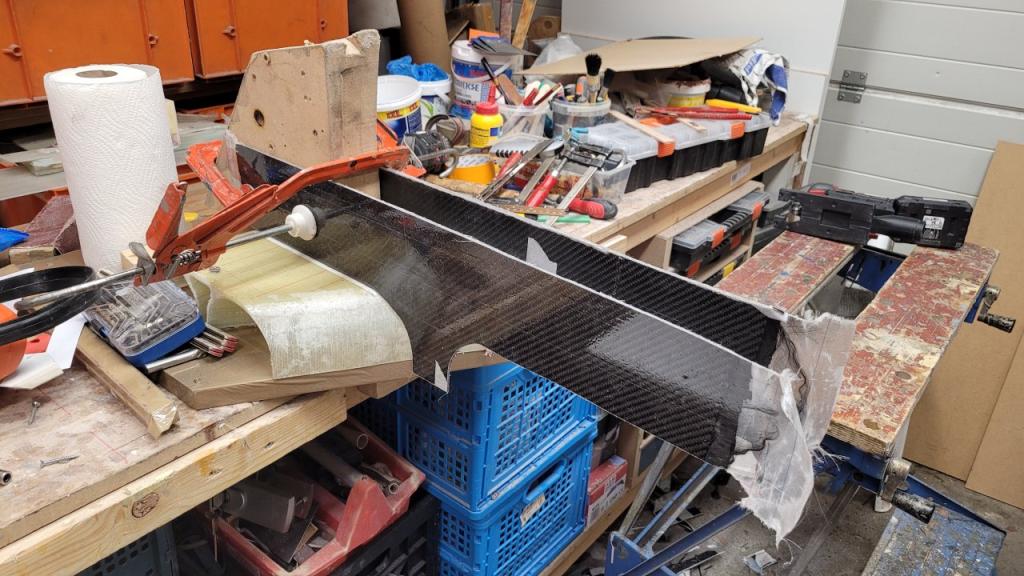
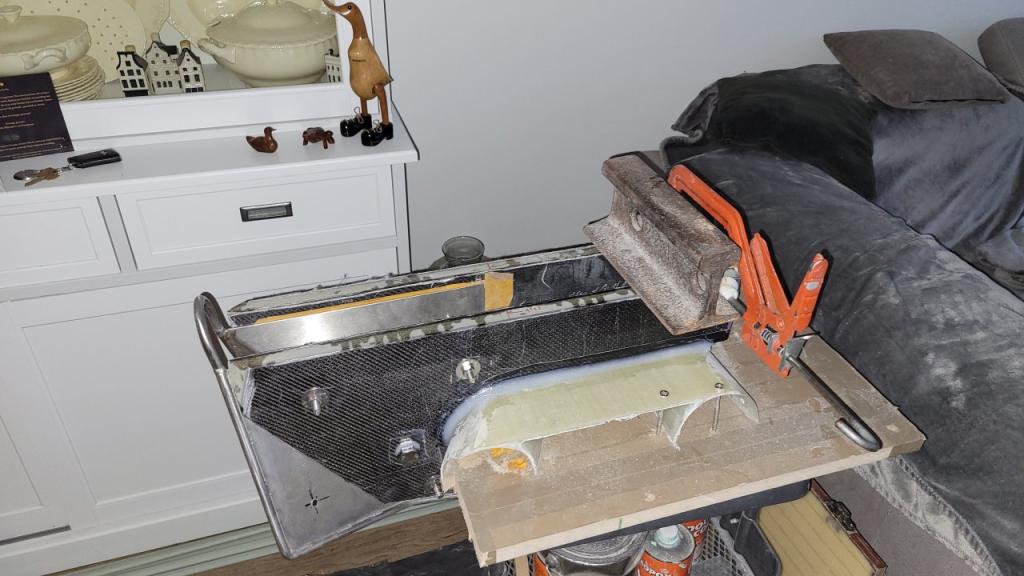
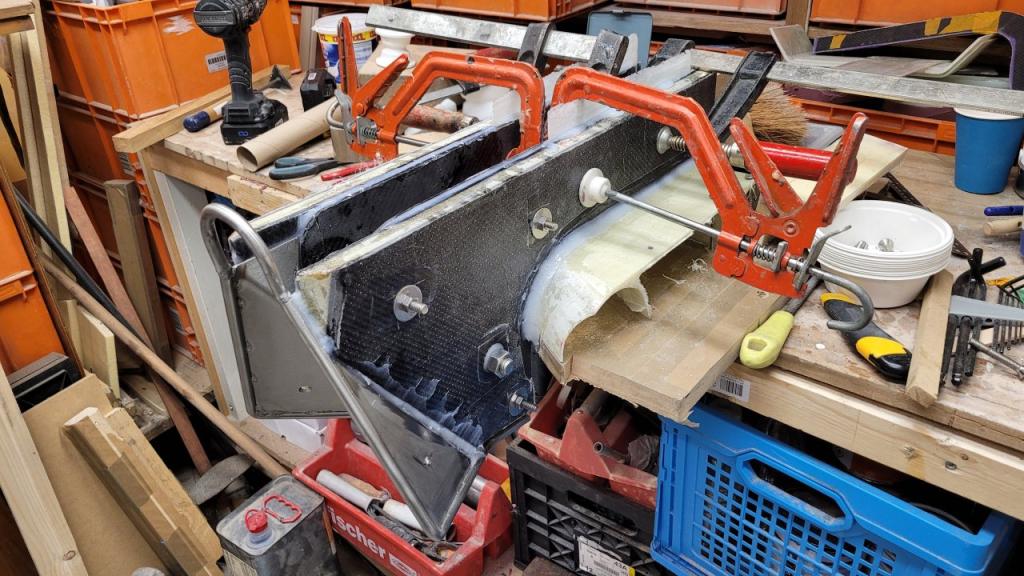
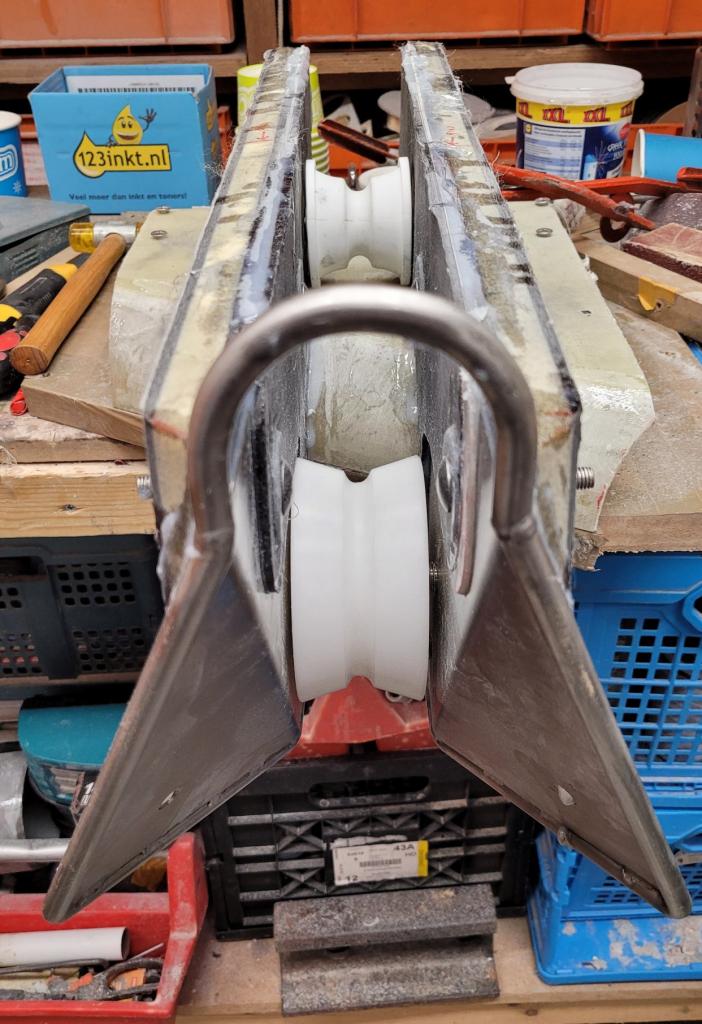
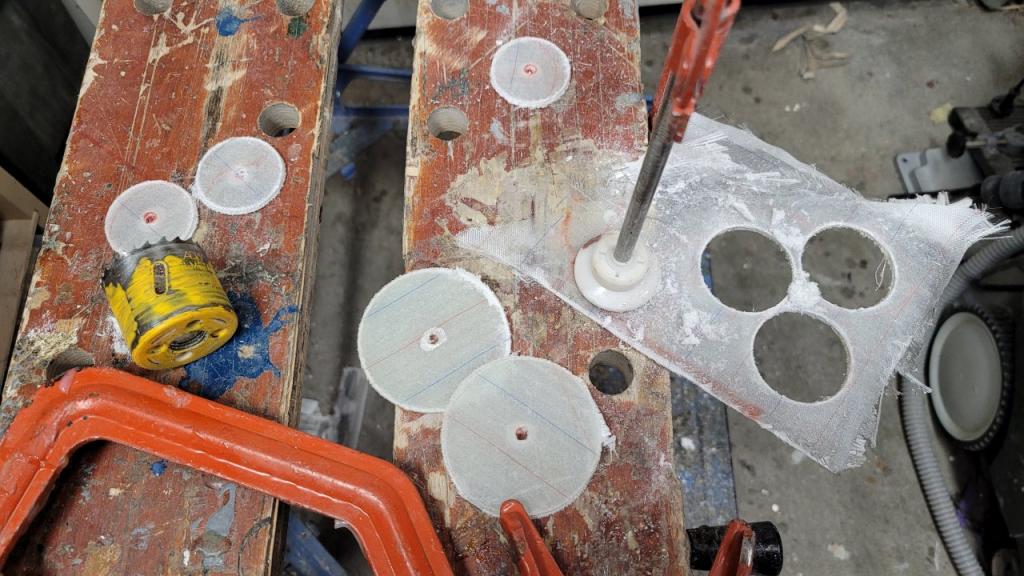
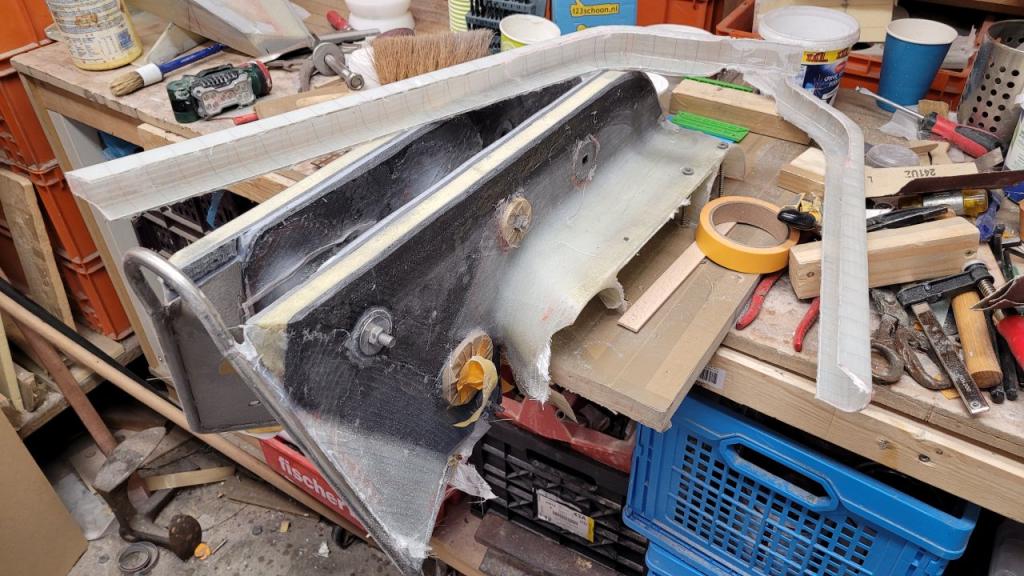
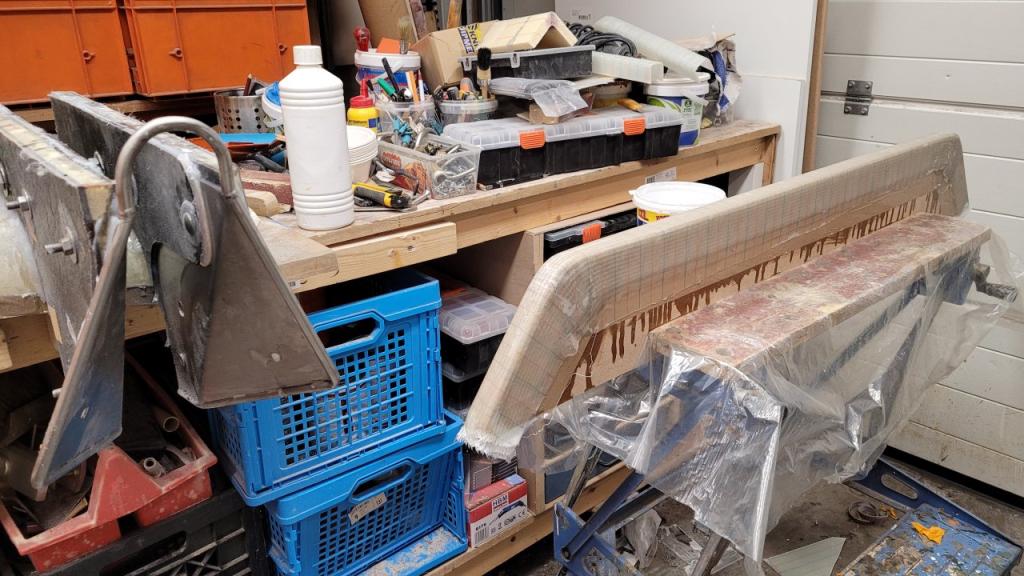
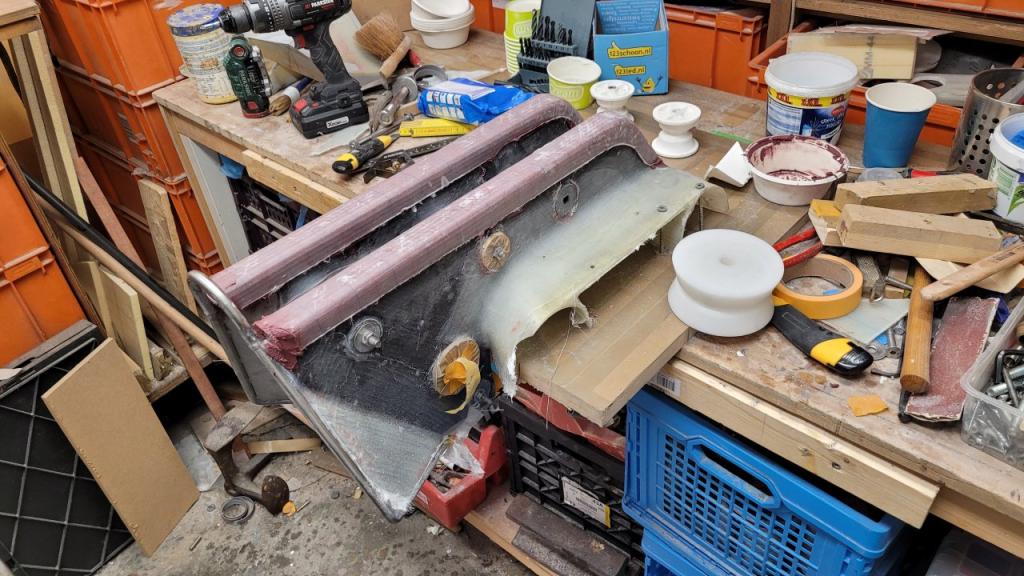
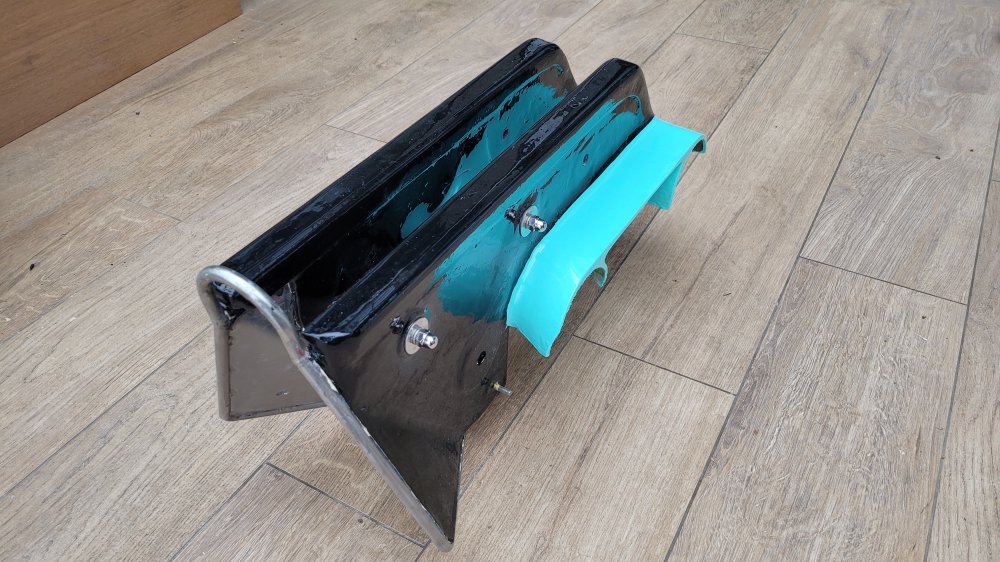
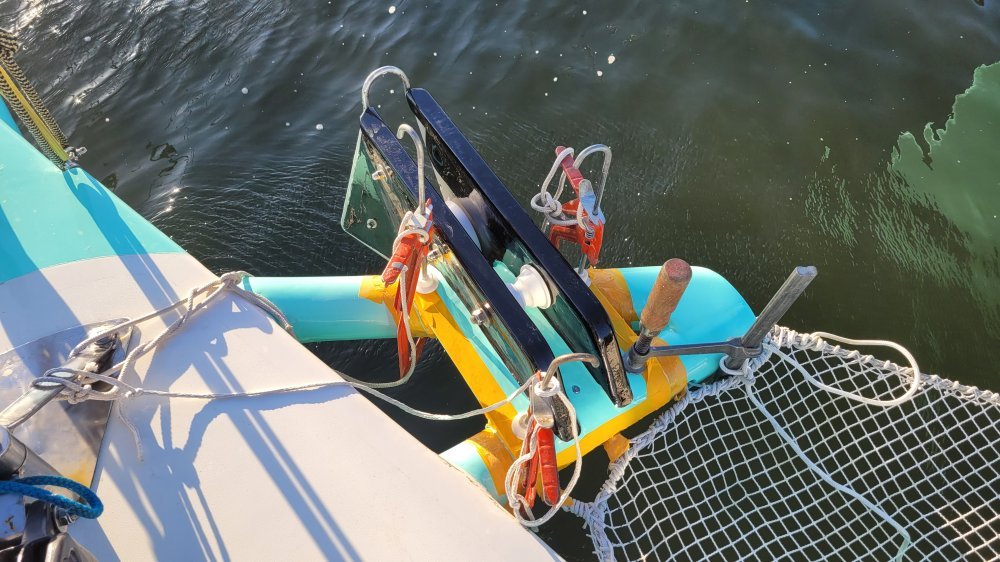
After completing the bow wing, I made a rough mock-up of the anchor fitting. The anchor must be held securely and storm-proof on a base that tapers from wide to narrow, which makes the geometry more challenging. A stainless-steel construction with sufficient overhang would quickly become too heavy, so I opted for a carbon composite structure instead. To protect the composite, two stainless-steel cheeks were fabricated by a blacksmith and embedded into the composite structure.
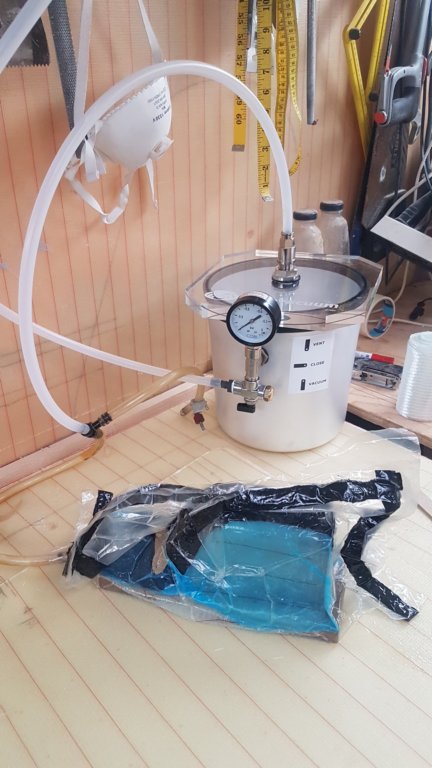
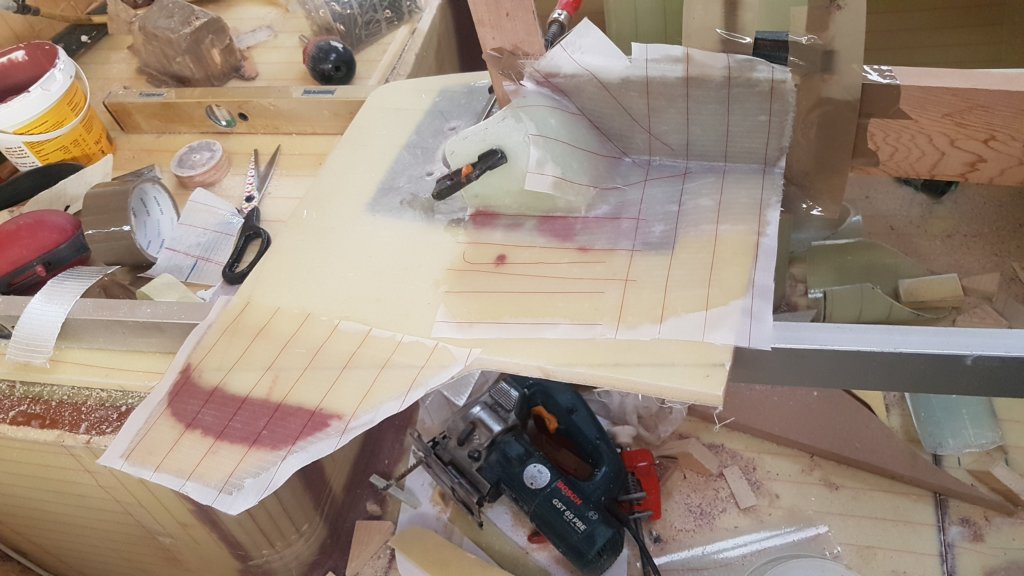
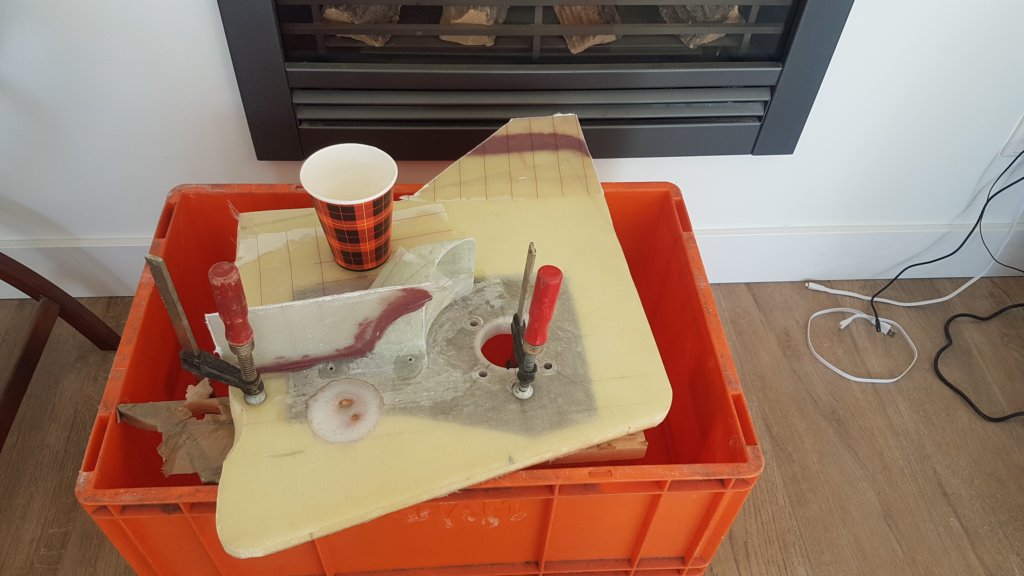
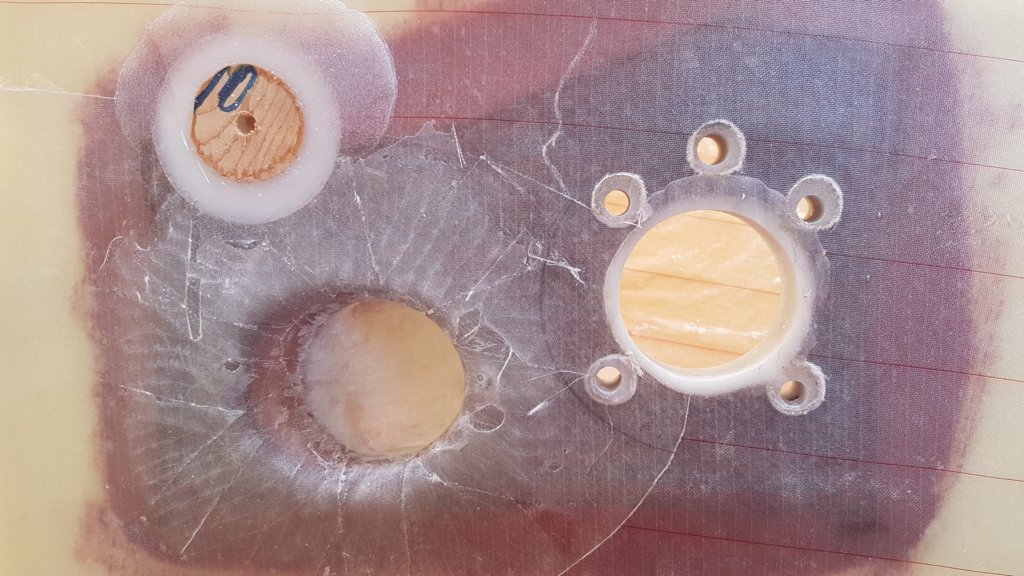
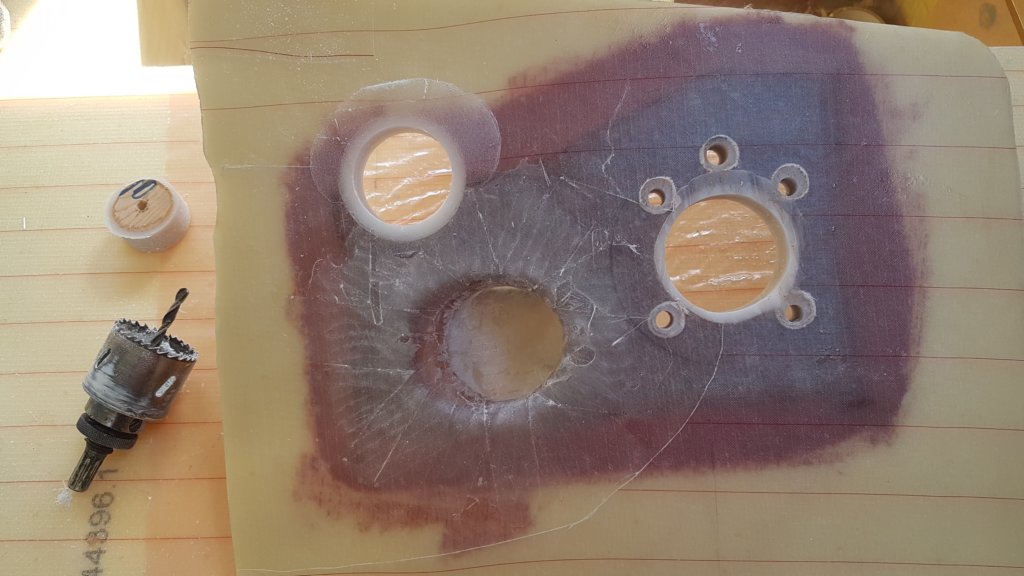
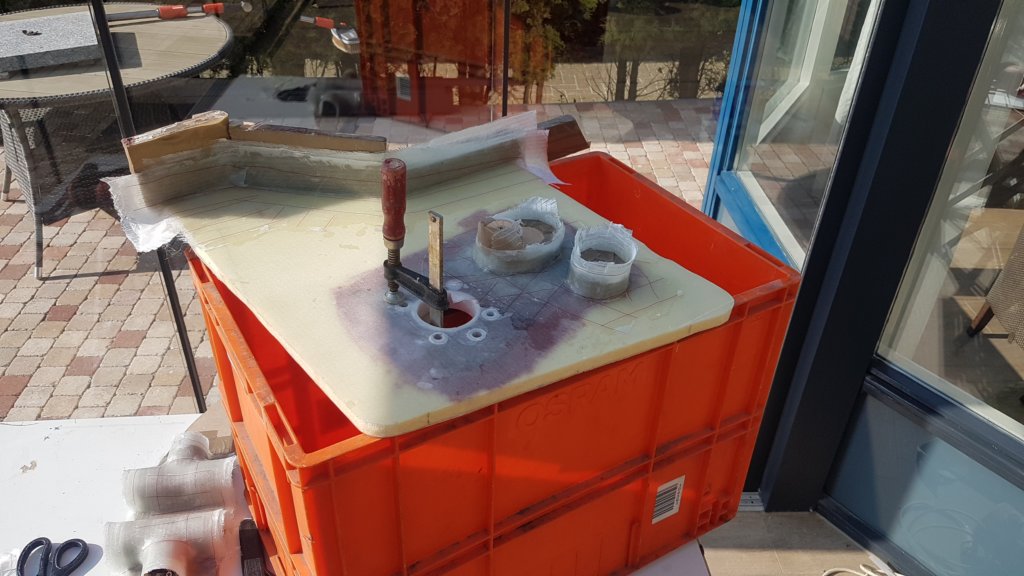
This photo gallery (over 120 images) documents the complete development of the anchor system: from conceptual decisions and mock-ups, through windlass installation and chain pipe fabrication, to the final composite anchor fitting and installation of the Rocna 25 on the bow wing.