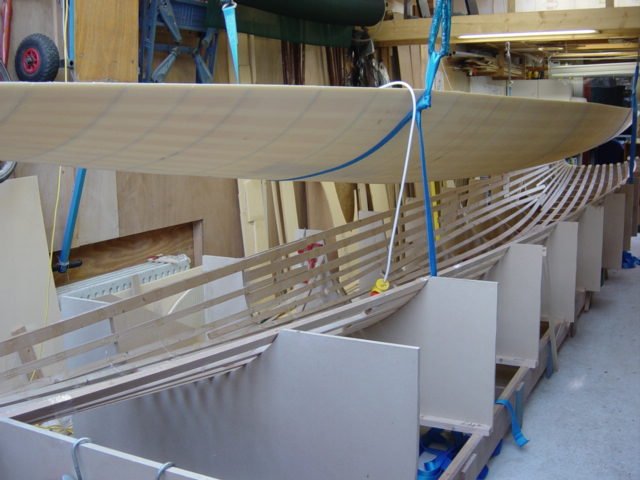
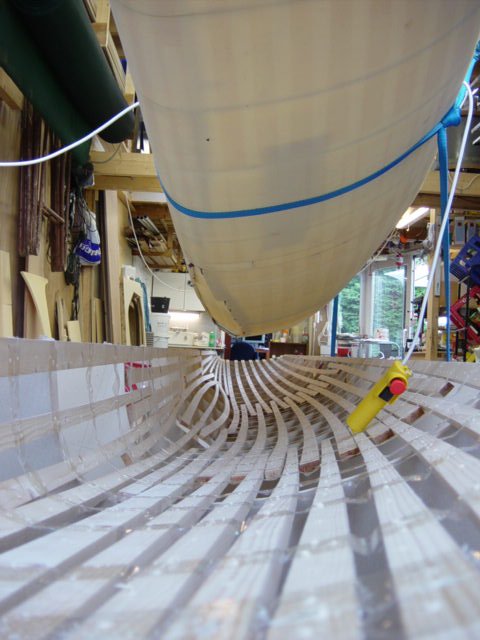
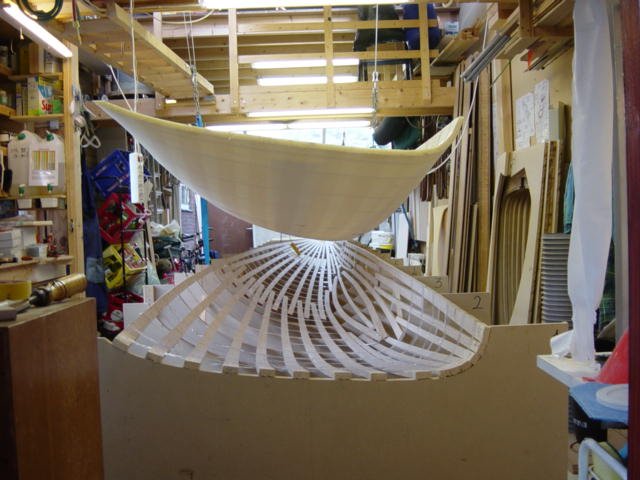
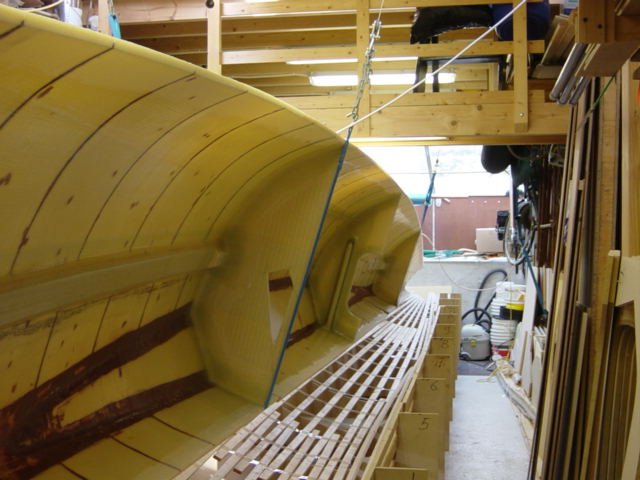
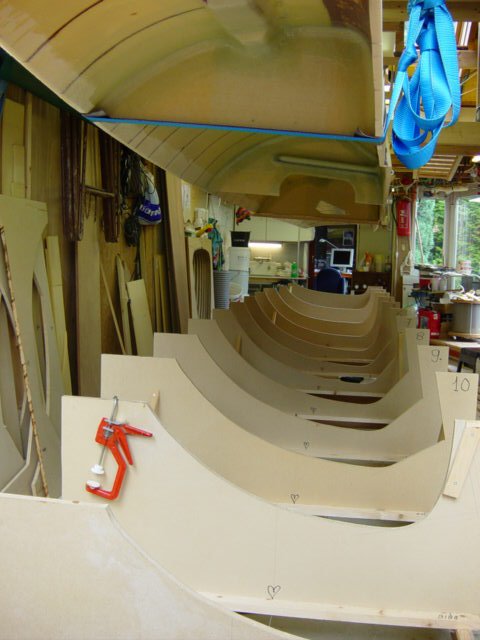
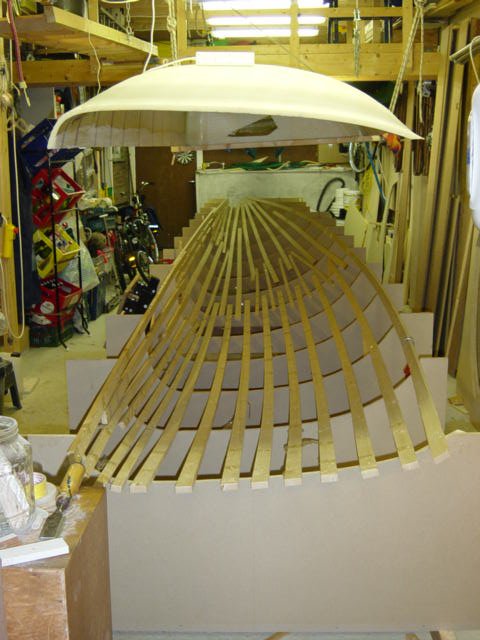
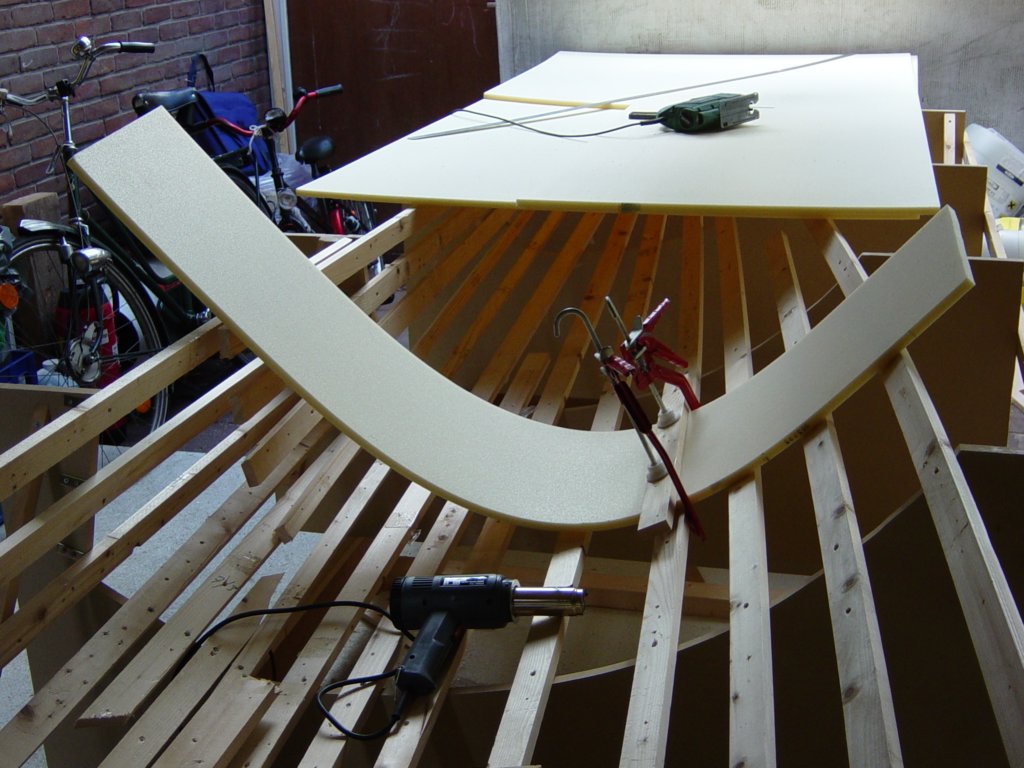
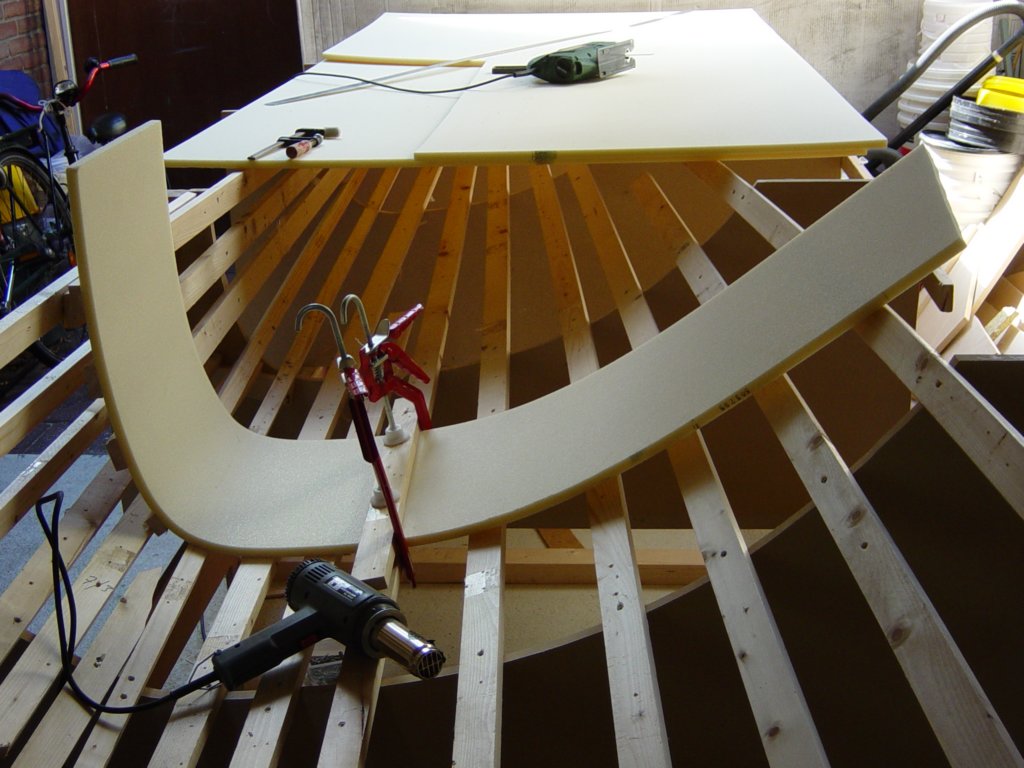
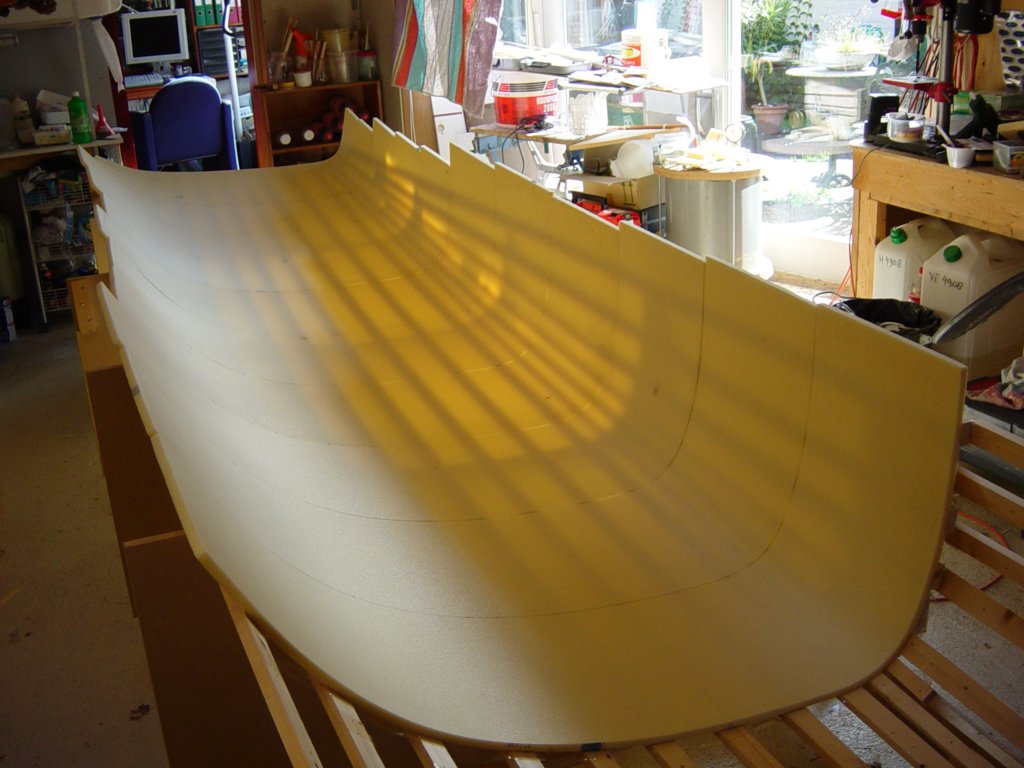
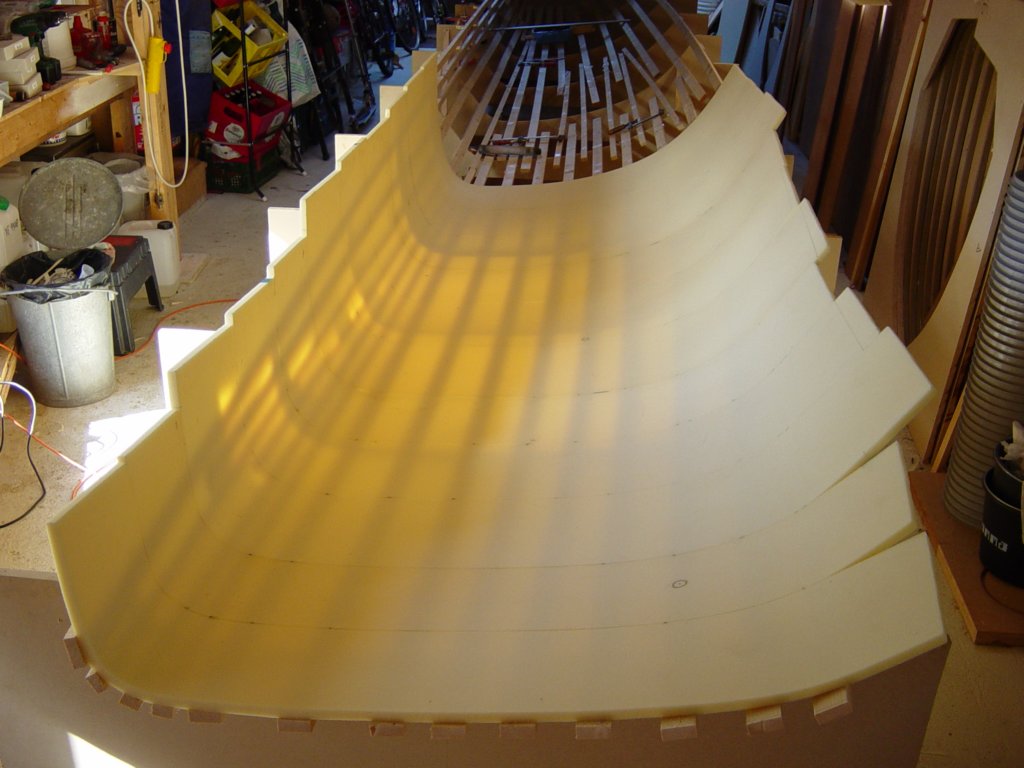
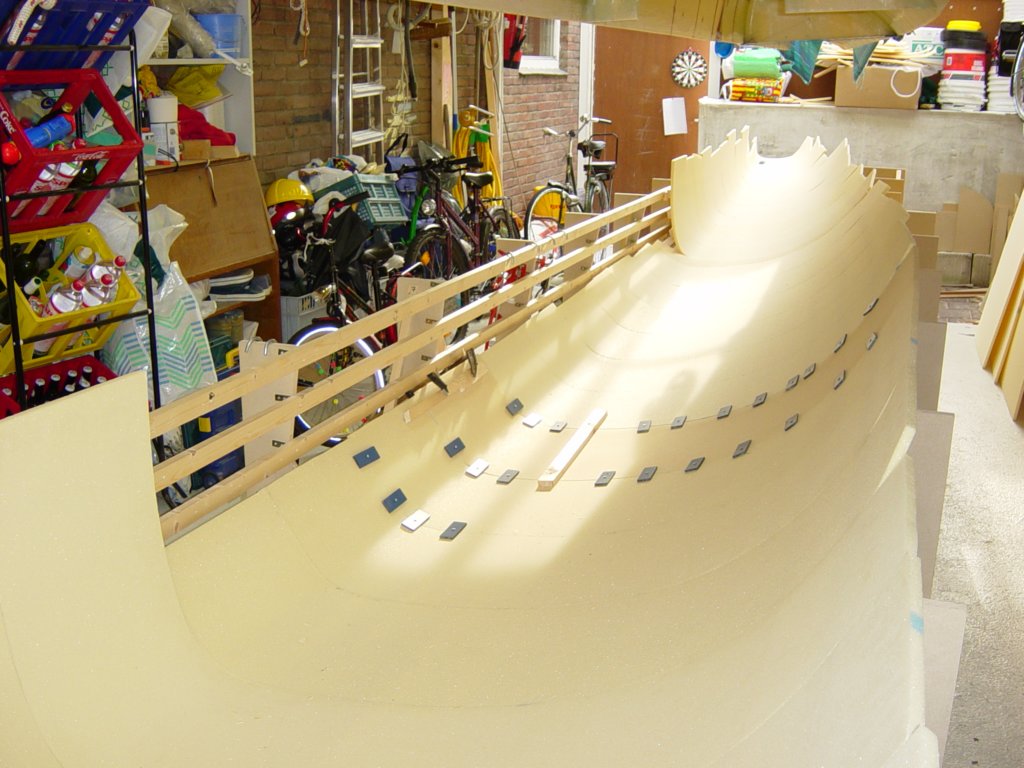
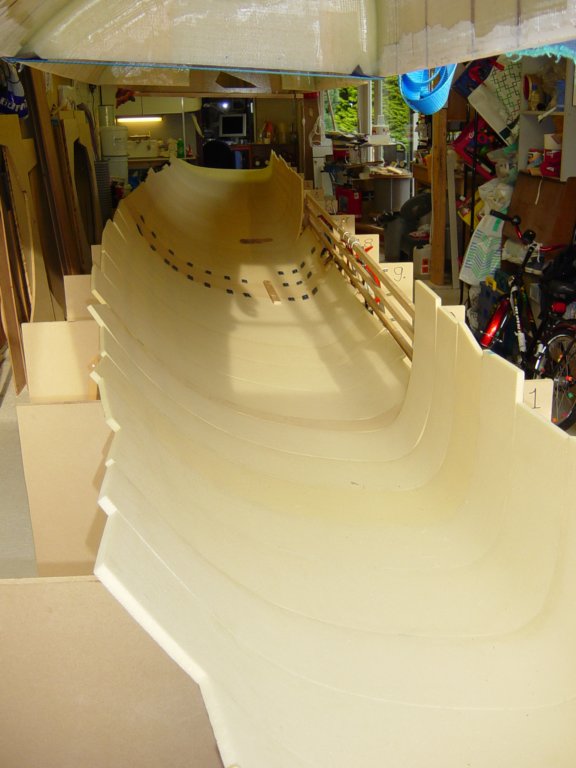
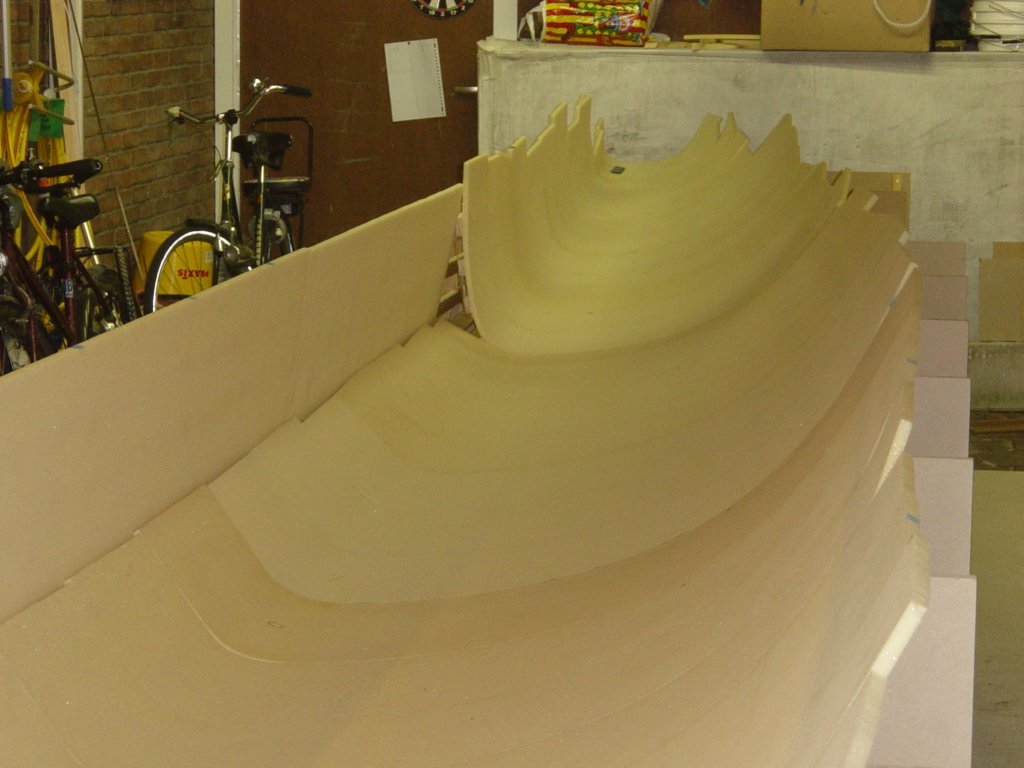
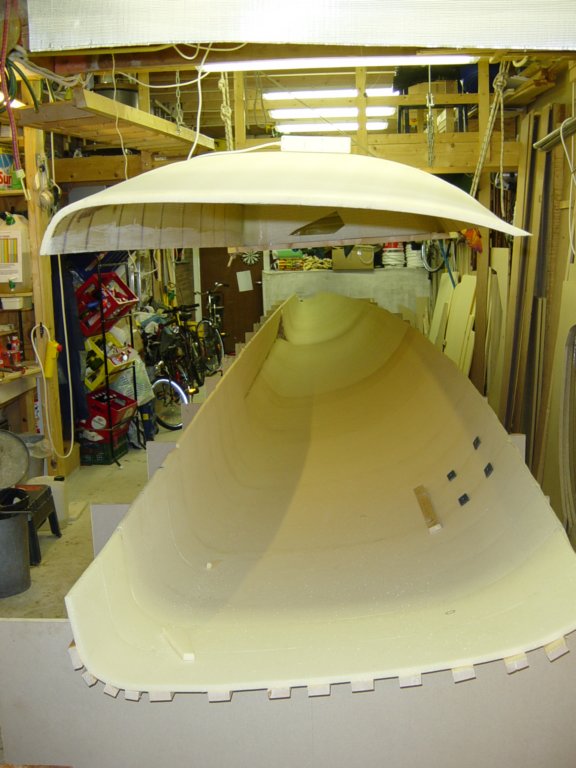
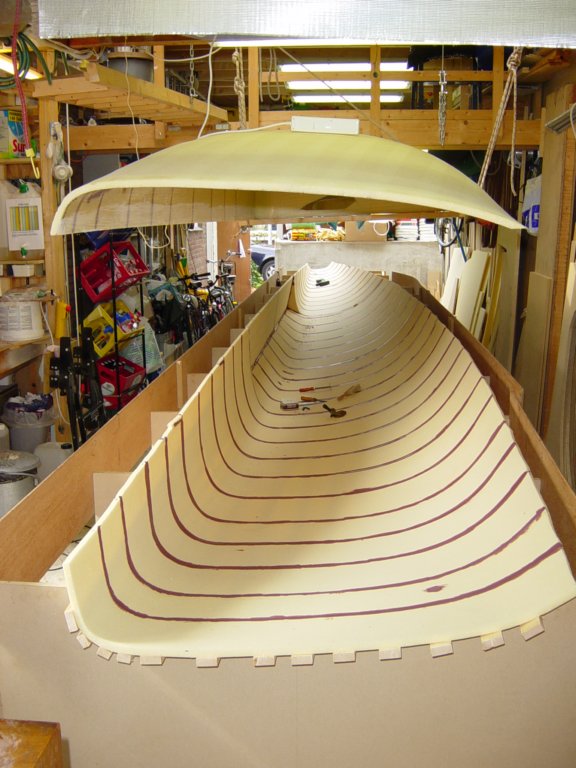
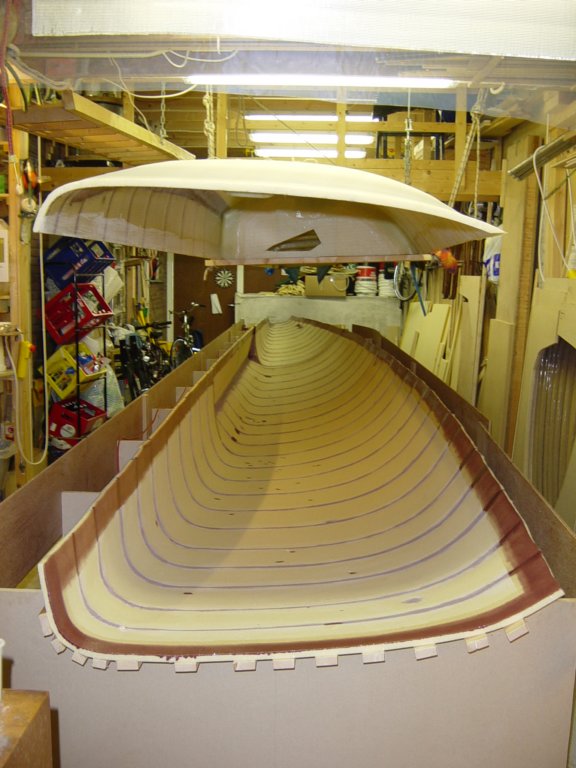
The second hull half repeats the process—but not the geometry: the raised-deck area creates an overhang, so the battens needed a setup that could be removed before the hull came out of the frames.
Planking the second hull half
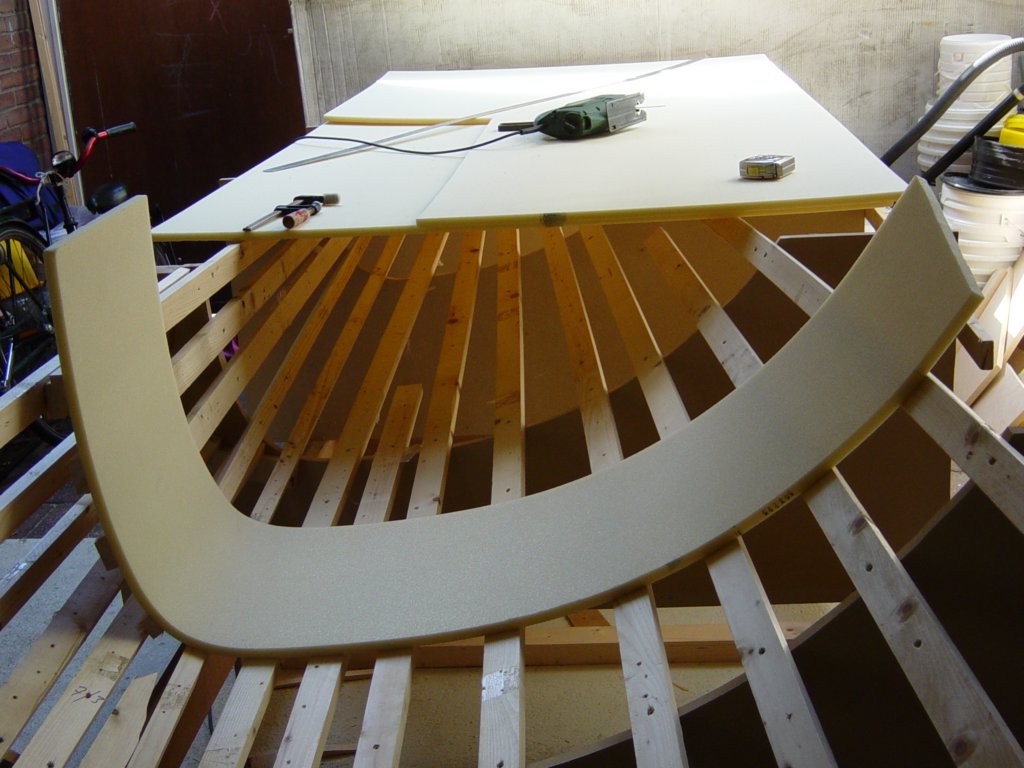
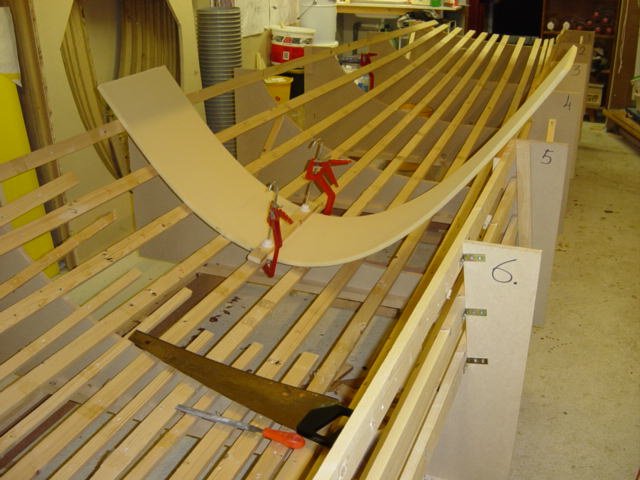
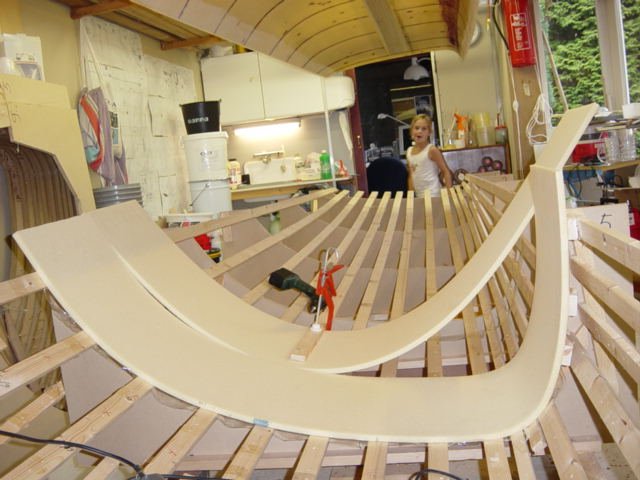
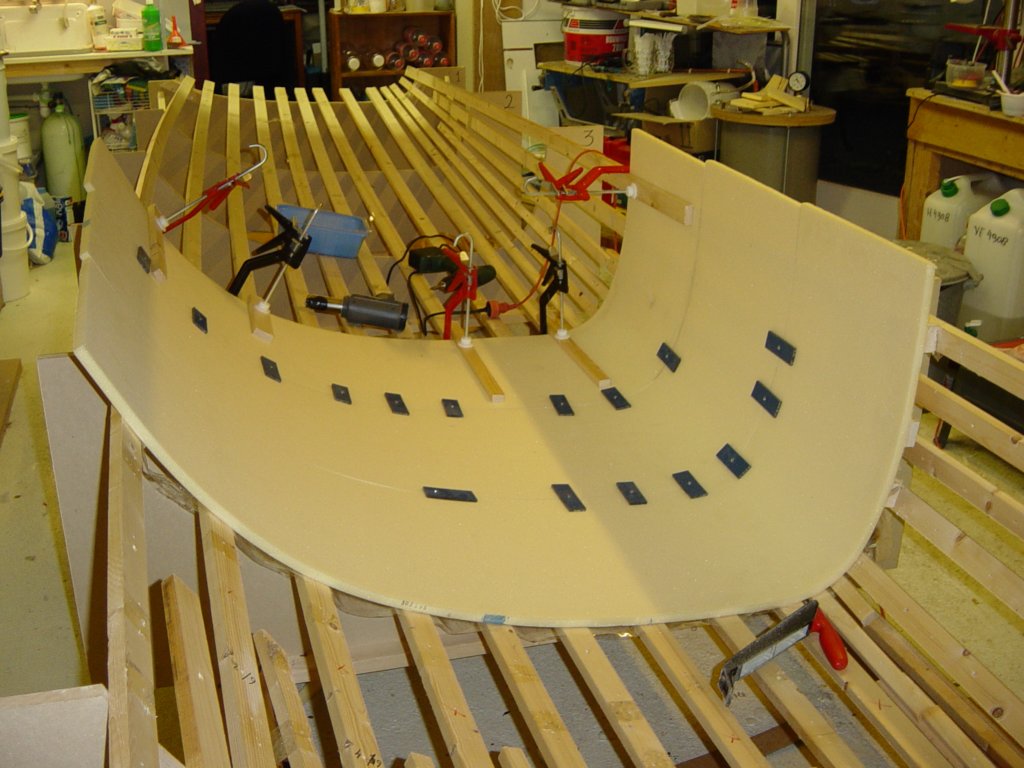
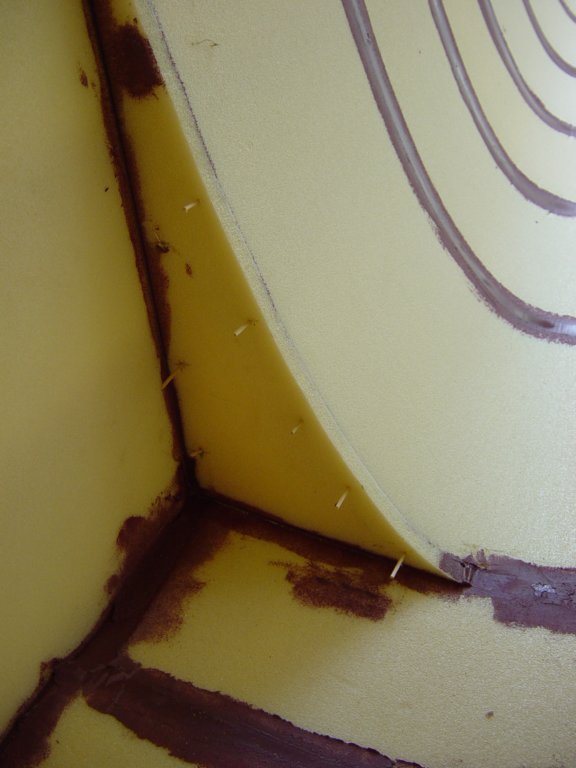
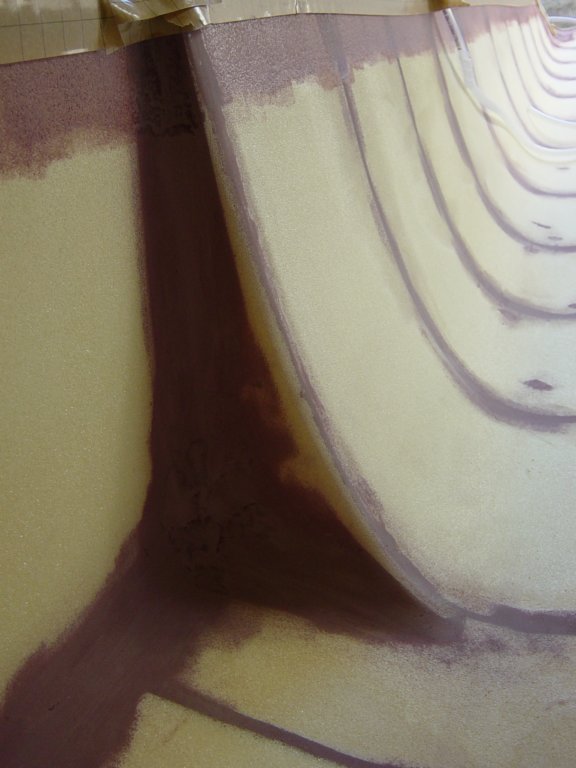
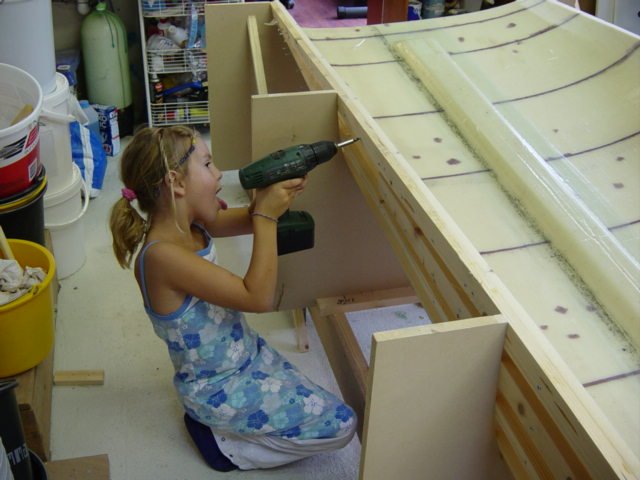
The hull halves are not symmetric due to the raised deck area. In this half the shape is not “self-releasing”: the raised deck effectively creates an overhang. That required a different batten setup in that region—one that allows the battens to be removed while the hull is still sitting in the form frames.
Ian Farrier recommends leaving this area unlaminated and bending it into shape after the hull is removed from the frames. That approach probably works well with hand lay-up, but it doesn’t fit my resin infusion process, where the laminate needs to be completed while everything is still stable and accurately supported.
This photo gallery (24 images) shows the mirrored frame setup, the removable batten arrangement around the raised-deck overhang, and the full planking process—down to heat-forming the foam strips and preparing the finished foam surface for infusion.