A simple tube turned into a useful training exercise: vacuum bagging works, vacuum infusion works better—and demoulding a cured round laminate is its own lesson.
Making a tube
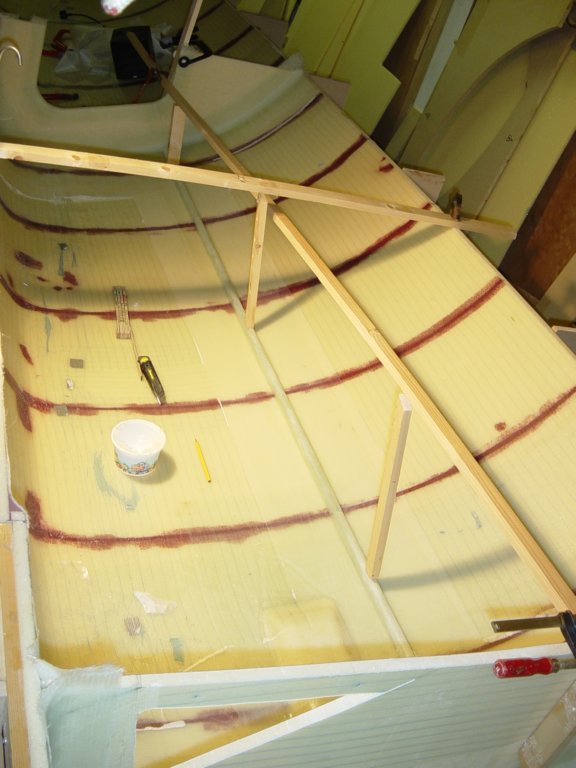
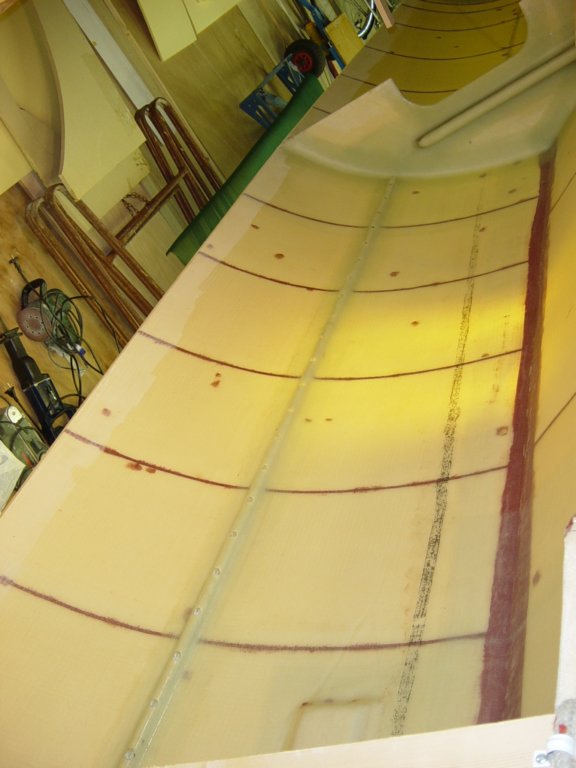
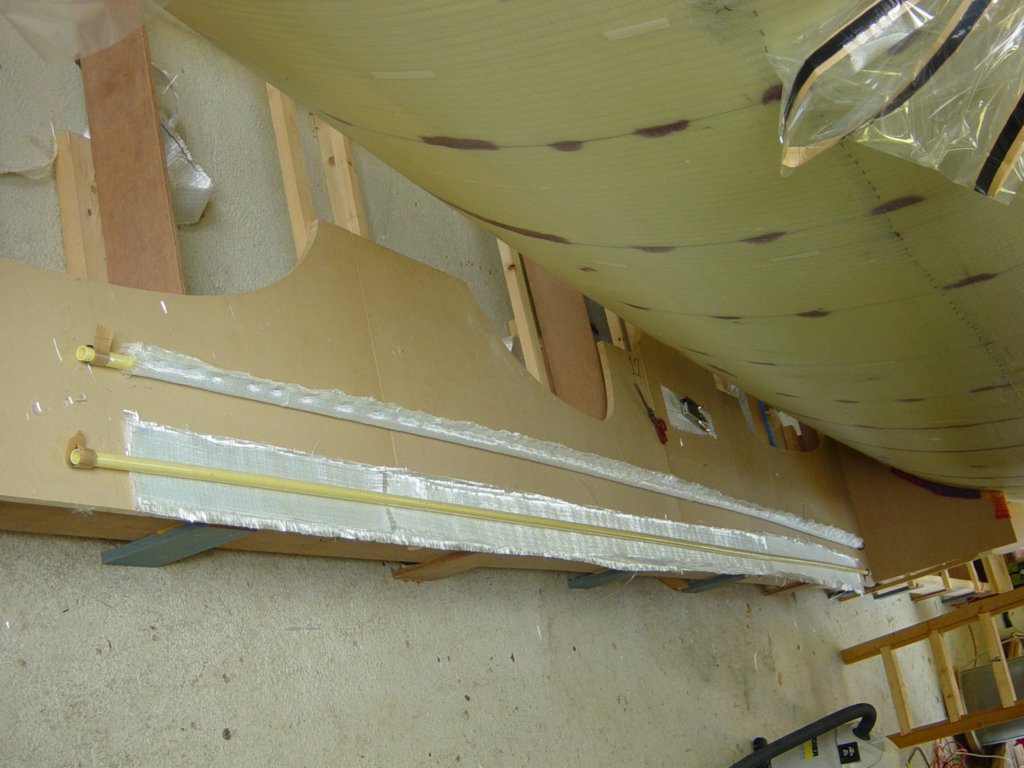
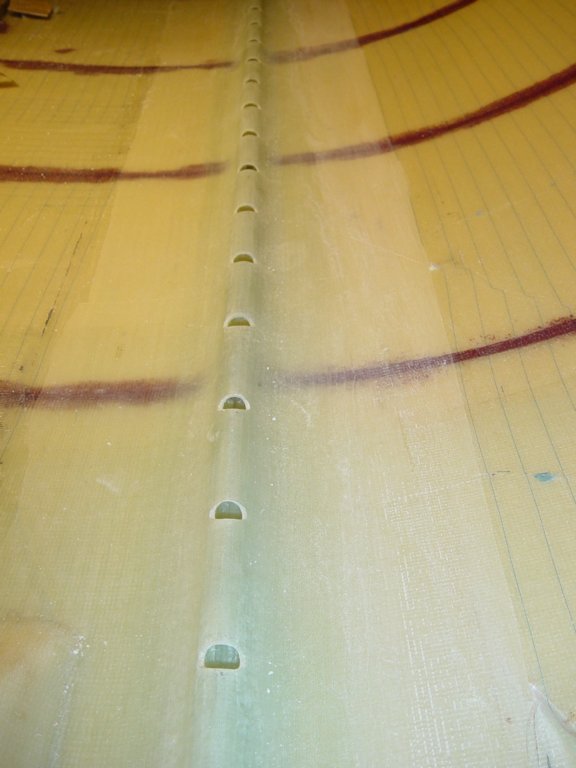
The wing nets are attached to the hulls using a moulded lashing rail, made from a tube. To gain experience with this system, I decided to make 3/4" tubes for attaching a net inside the float. This creates a “floor” to store sails and other gear in a dry, ventilated space—rather than stacking everything in the keel section. A second advantage is accessibility: the storage space can be reached from the deck hatch, without having to climb inside.
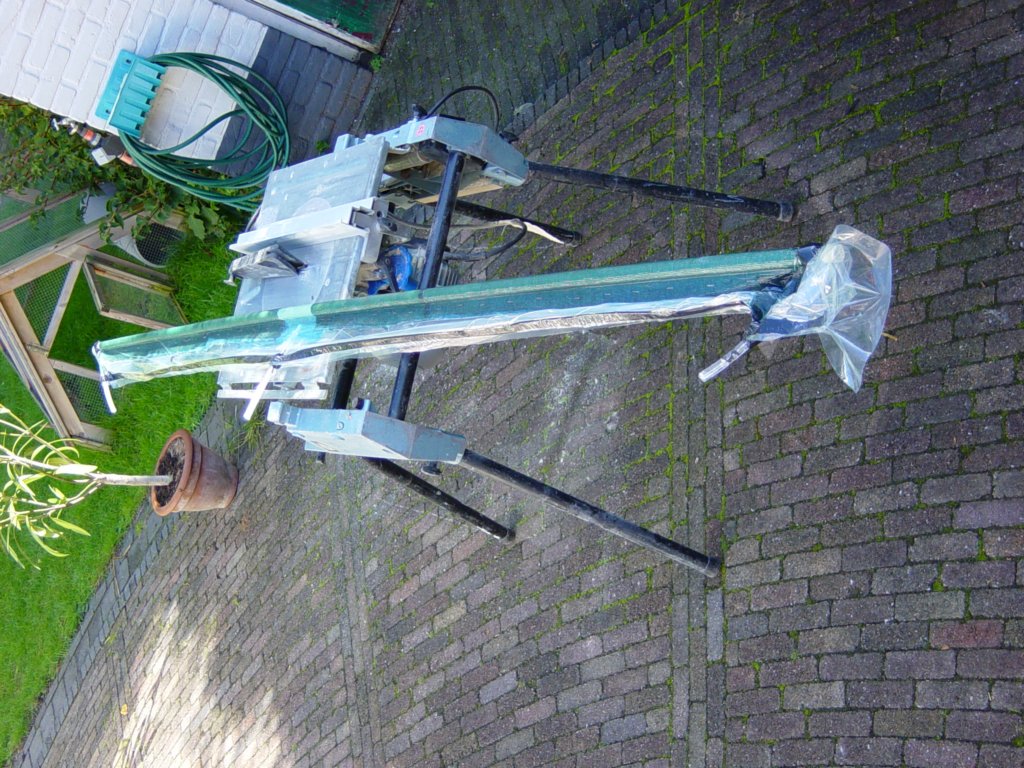
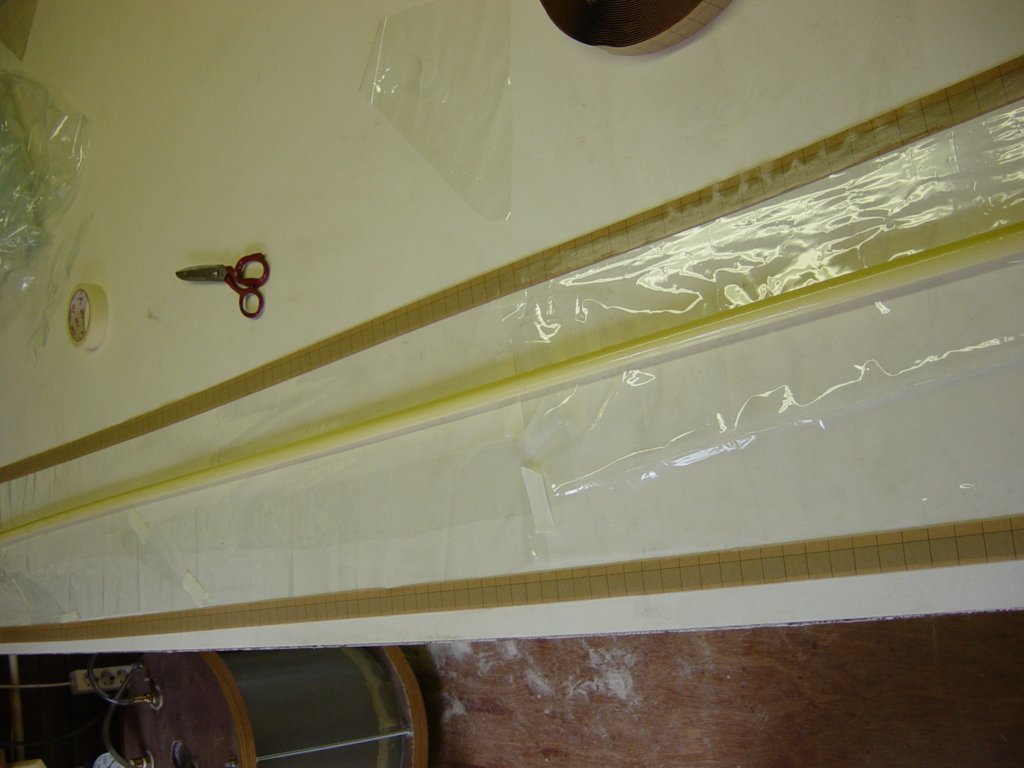
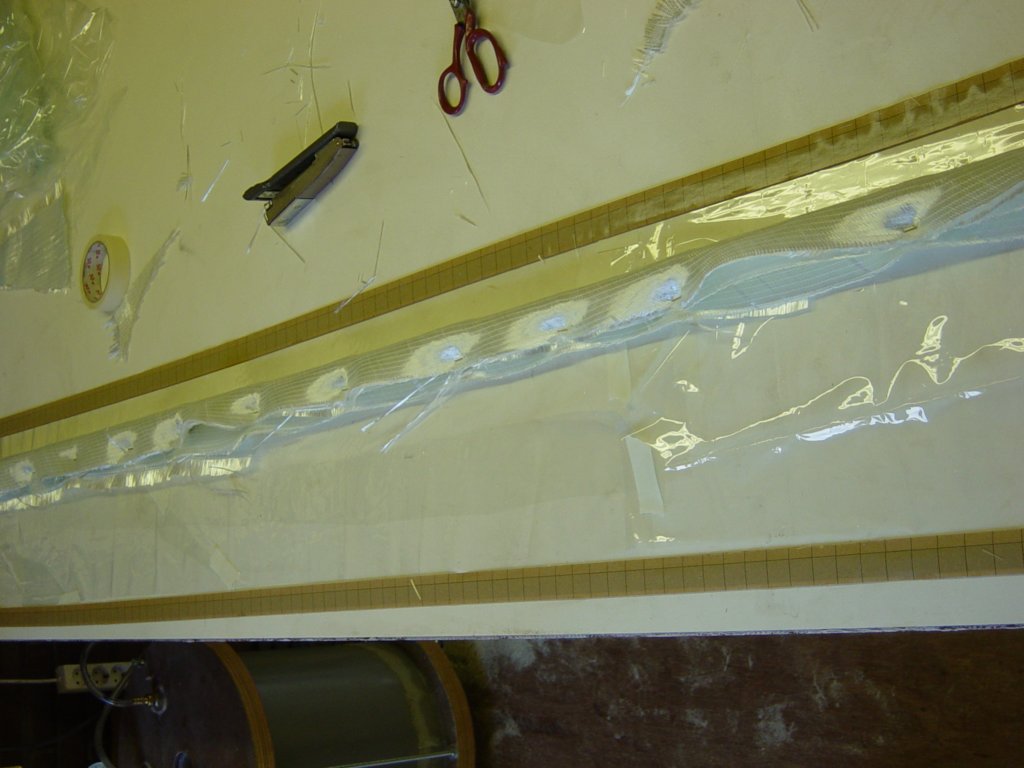
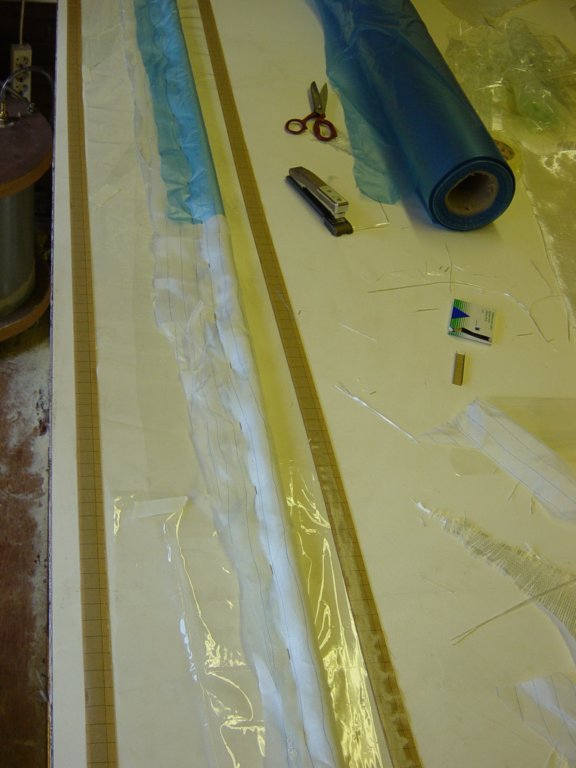
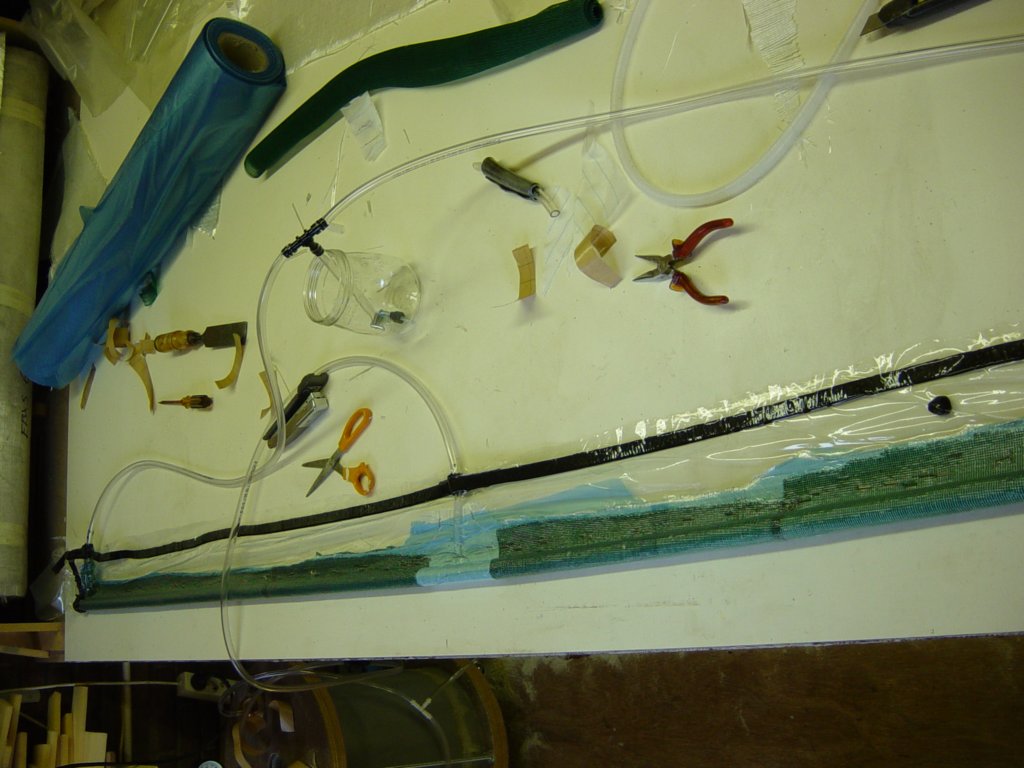
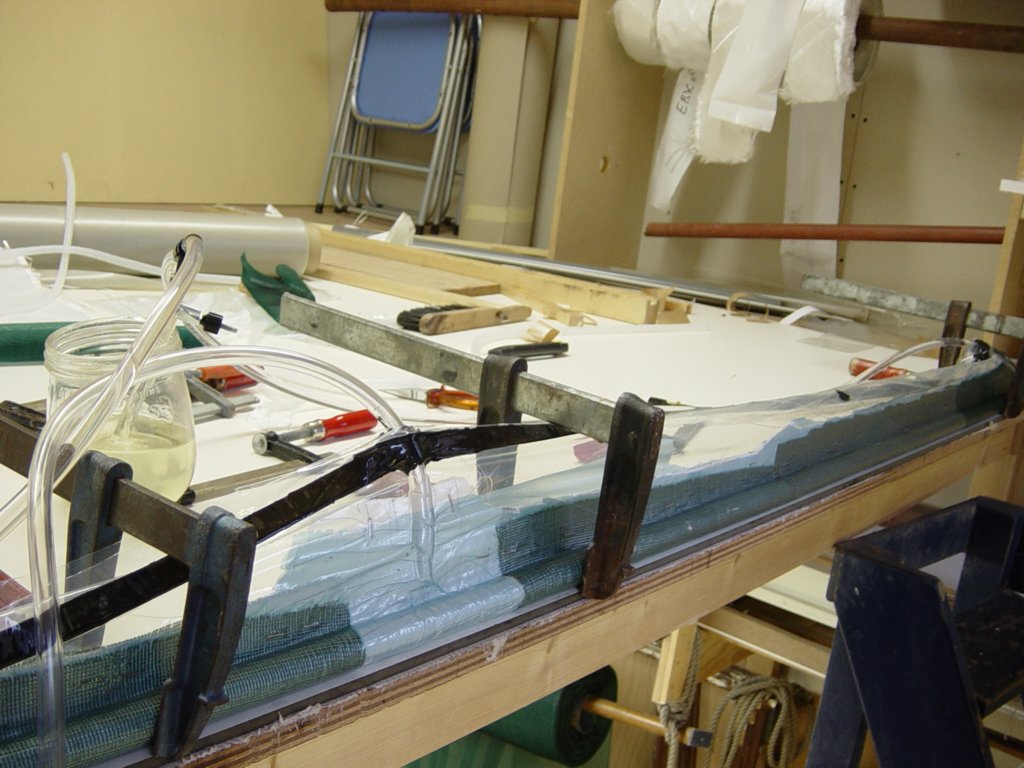
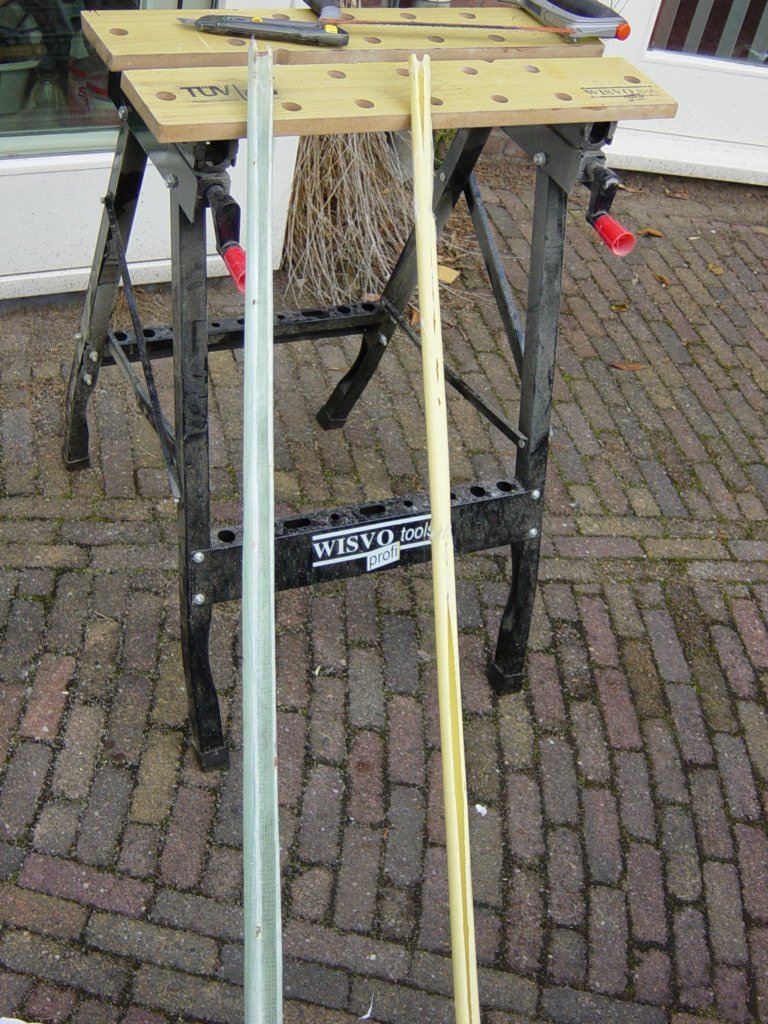
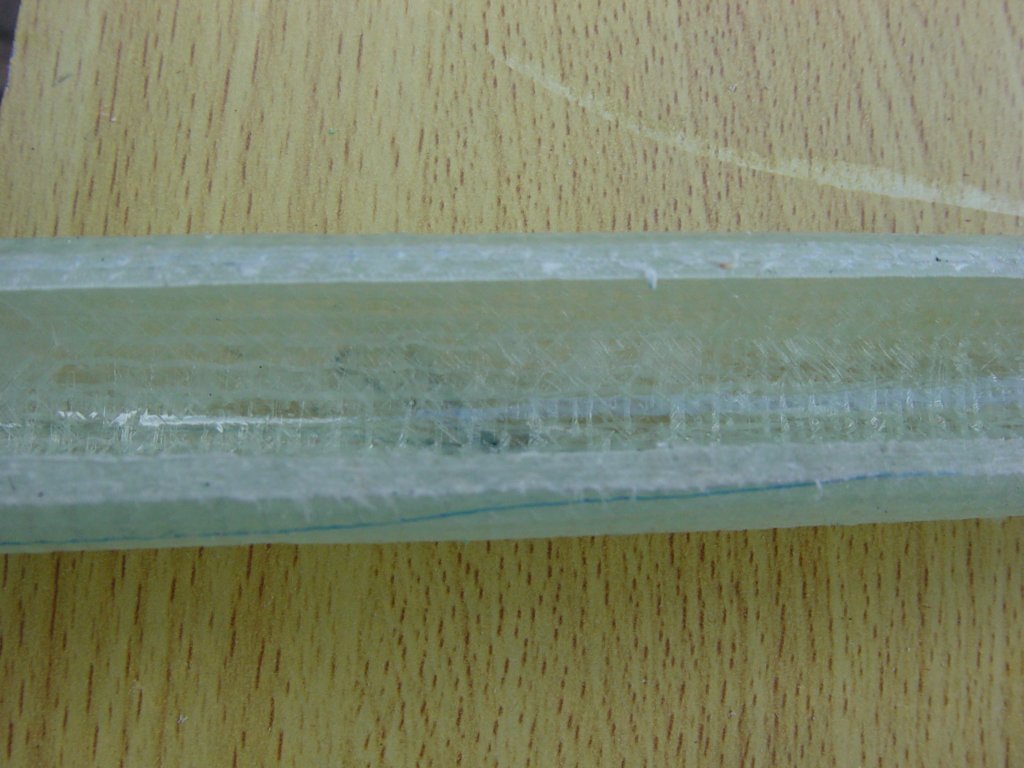
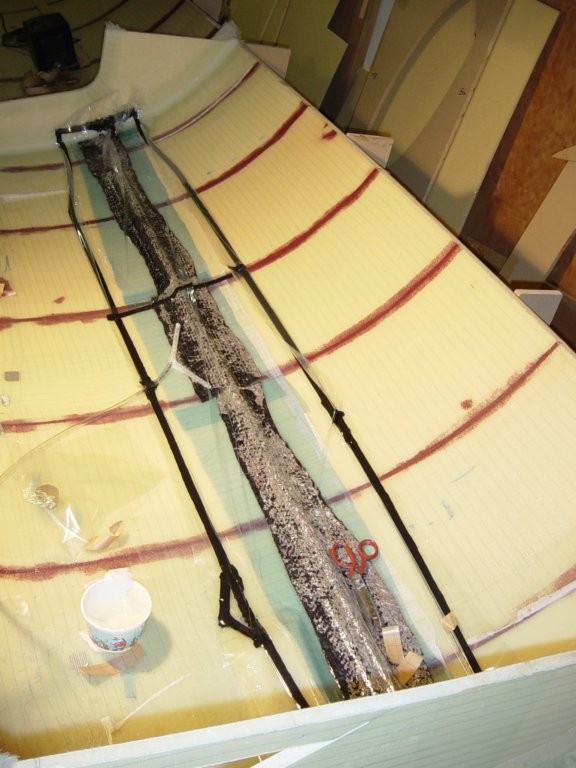
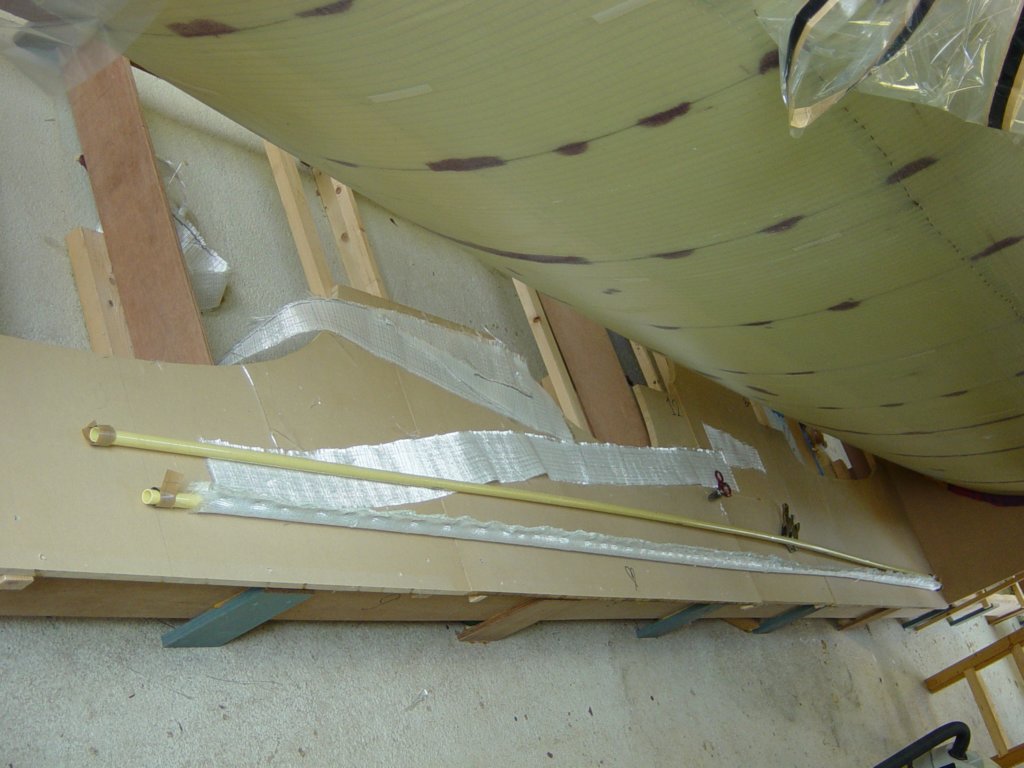
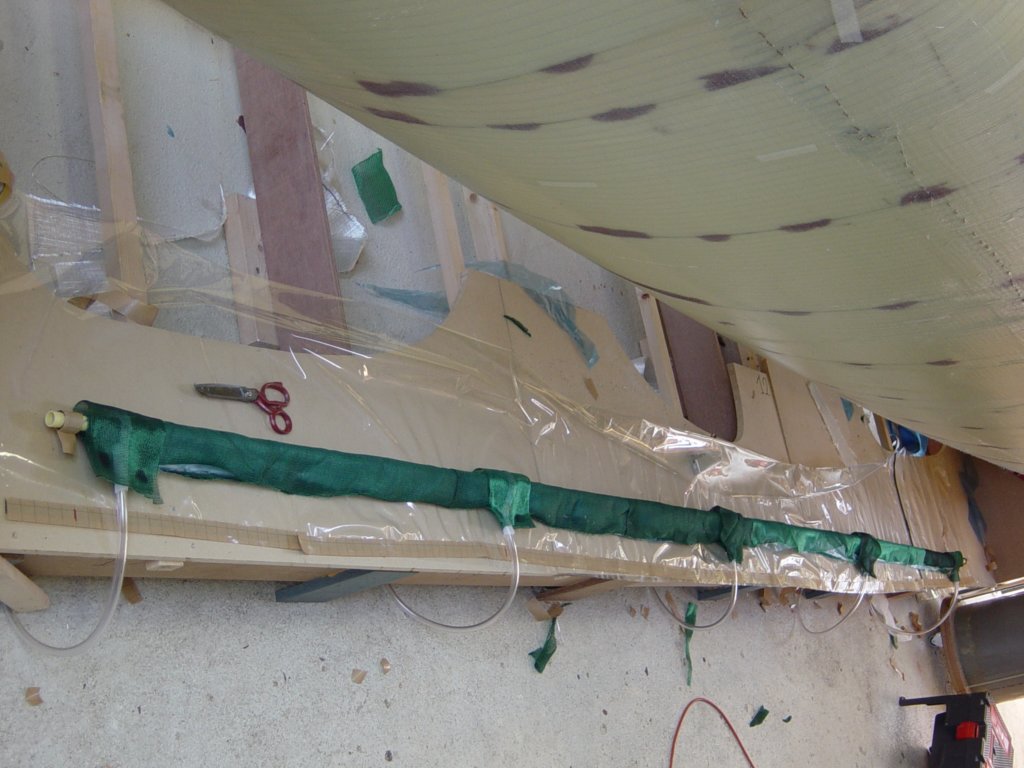
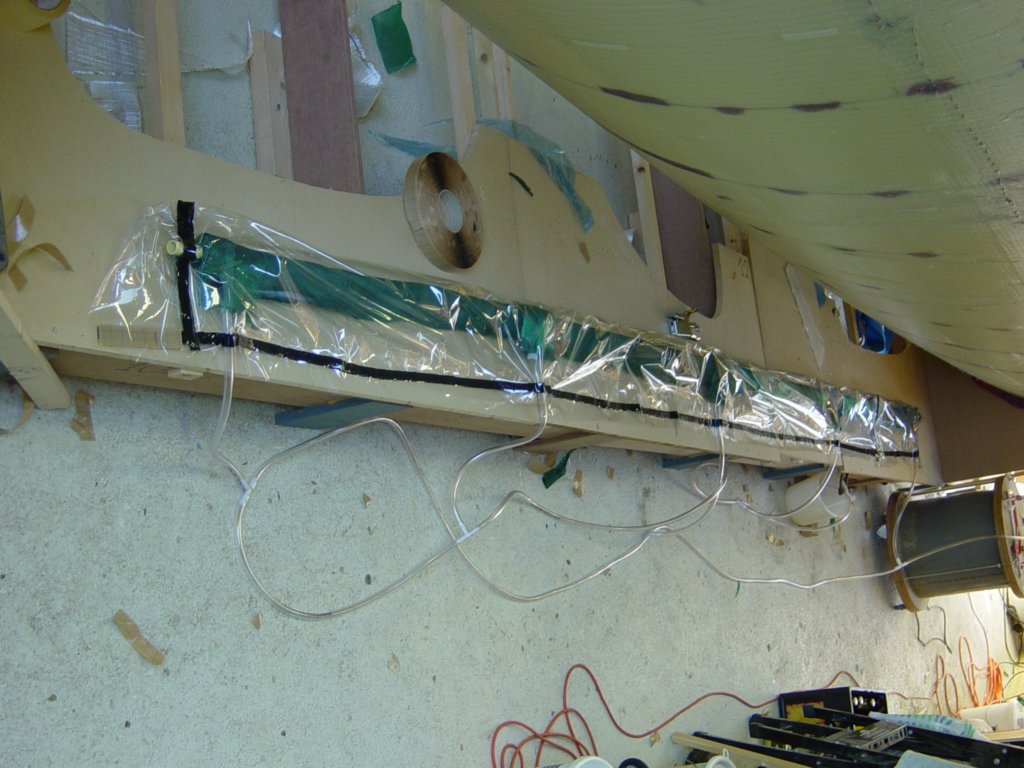
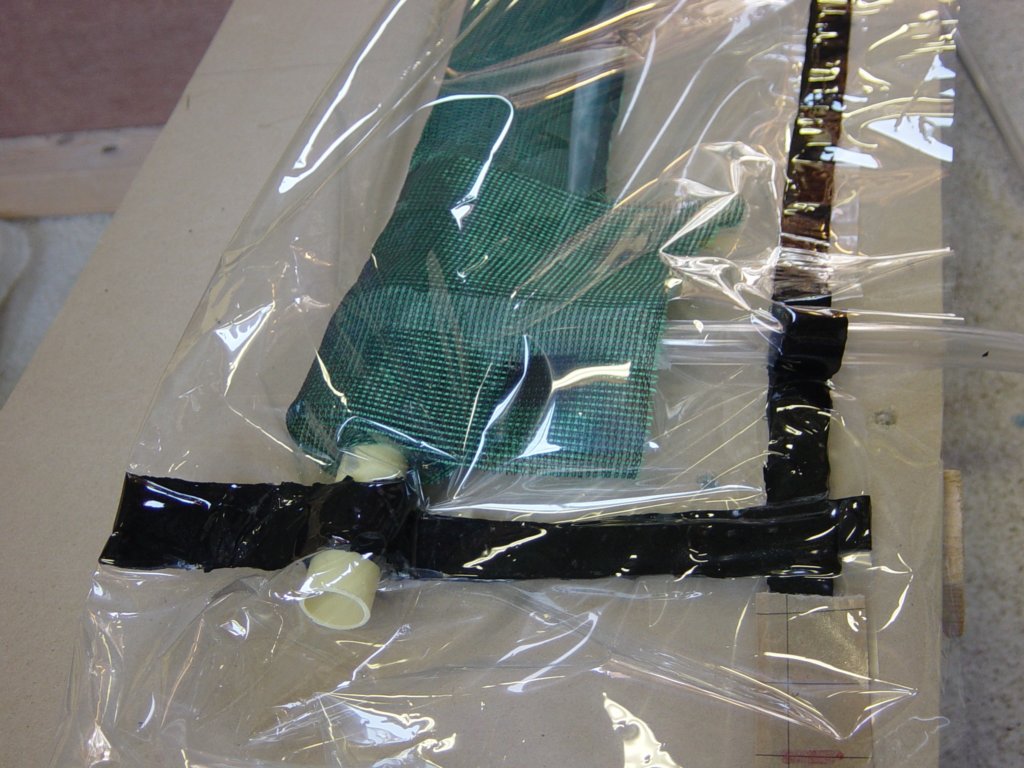
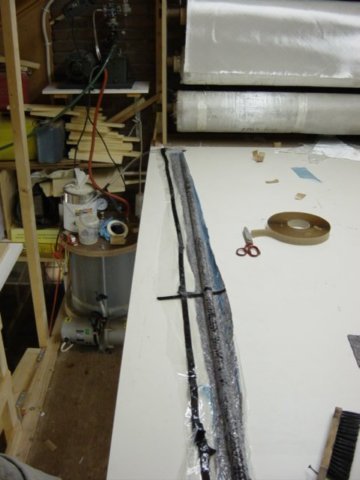
In this experiment I used both vacuum bagging and vacuum infusion and learned a few hard lessons about the possibilities—and impossibilities—of removing the mould from cured epoxy laminate. In practice, it only comes out by sawing the tube open lengthwise. Later in the project I did learn how to make closed round tubes without this problem.
Although these tubes were good enough for use inside the float, I decided to buy ready-made glassfibre tubes for the moulded lashing rail of the wing nets between main hull and floats.
This photo gallery (18 images) follows a small but instructive experiment: making composite tubes on a PVC mould, comparing vacuum bagging to vacuum infusion, and dealing with the not-so-trivial question of how to get the mould back out again.