Even the smallest vacuum leak can drastically reduce achievable vacuum levels and compromise resin infusion quality.
The Significance of Vacuum Leaks
A very small hole can cause a surprisingly large vacuum leak. Even a hole with a diameter of only 1 mm (0.04″) will allow enough air leakage to noticeably affect the performance of a 20 m³/h (12 cfm) vacuum pump. A hole of 4.5 mm diameter (less than 3/16″) will almost halve the effective vacuum performance of such a pump.
While conventional vacuum bagging can tolerate some leakage, vacuum resin infusion cannot. Any air leak into the lay-up will generate a visible track of air bubbles from the leak location all the way to the resin outlet. In this region, resin penetration is reduced, leading to inferior structural properties and poor surface finish.
The good news is that vacuum infusion allows you to pre-test the integrity of the vacuum system before introducing resin. If the bag and associated components do not reliably hold vacuum, no amount of effort during infusion will compensate for that.
Vacuum leaks can be assessed using a pressure-rise (leak-back) test. First ensure that there are no leaks in the vacuum pump, resin trap, or the connections between them. After evacuating the lay-up to maximum achievable vacuum and maintaining it for as long as practical, close the vacuum line between the pump and the resin trap and observe the vacuum gauge.
A small pressure increase is normal, but the rate of pressure rise is critical. If the vacuum visibly drops, there is still a significant leak and the bag must be checked again. As a rule of thumb, a pressure rise of no more than about 50 mbar in 10 minutes is the maximum I personally accept. This does not imply the system is leak-free, only that any remaining leaks will be difficult and time-consuming to locate.
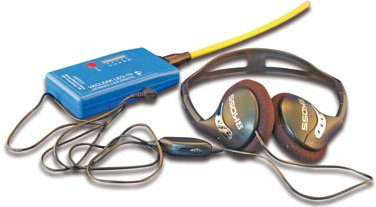
Because my hearing is not the best, I often rely on my wife to locate audible leaks by their hissing sound. However, whether a leak can be heard depends on the relationship between leak size and the air-flow capacity of the pump. With a small pump, even relatively large leaks may be silent. This is another reason why quiet pumps are preferable.
Leaks that cannot be heard are either very large or extremely small. Large leaks are usually found visually or by hand, by systematically securing all suspicious areas. Small leaks, inaudible to the human ear, can be detected using an ultrasonic leak detector. These devices convert ultrasonic sound generated by escaping air into audible signals and typically provide a visual indication on an LED display.
Finding and eliminating vacuum leaks, especially in resin infusion, can be a complex process. Common sources include mould or hull quality, bagging film, bag connections, sealing techniques, and vacuum tubing. For this reason I exclusively use high-quality consumables from reputable composite suppliers. Although these materials cost more than agricultural film or irrigation tubing, the time saved by avoiding persistent leaks far outweighs the apparent savings. Do not underestimate this.

Once consumable-related leaks are eliminated, the remaining potential leak sources are the bag itself and the mould or hull. In practice, if I suspect a very small leak that I cannot locate, I sometimes proceed with the infusion. Any remaining leak will usually reveal itself by a visible bubble track, allowing local corrective action at the bag seal.
If the leak originates in the mould or hull, the situation is more serious, but not necessarily disastrous. There are various techniques to address such issues, and in my experience I have never lost a part due to a failure of the infusion system. Many practical solutions are described in the tips-and-tricks section of my Resin Infusion Starter CD .
One remaining pitfall in leak testing is out-gassing, as discussed in the previous chapter. Moisture or solvent vapour can mimic a leak under high-vacuum conditions. To avoid misinterpreting such a “false leak”, it is advisable to perform leak-rate tests at a vacuum level of about 90%.
If you have made it this far through these details, you are probably ready to appreciate the benefits of using a digital absolute pressure gauge, which is the subject of the next chapter.